Some of the biggest cities in the United States had completely different names when they were first founded.
New York
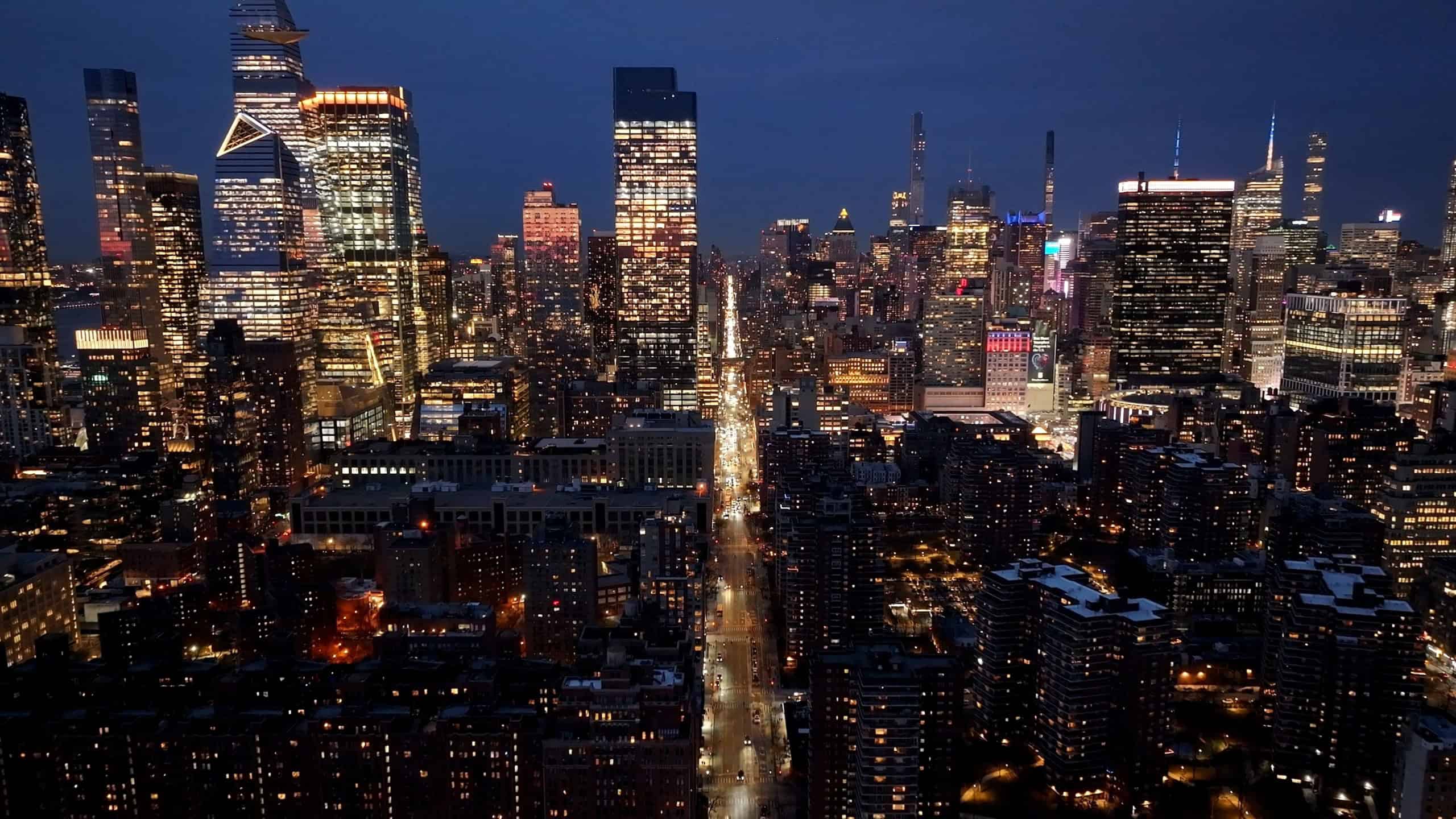
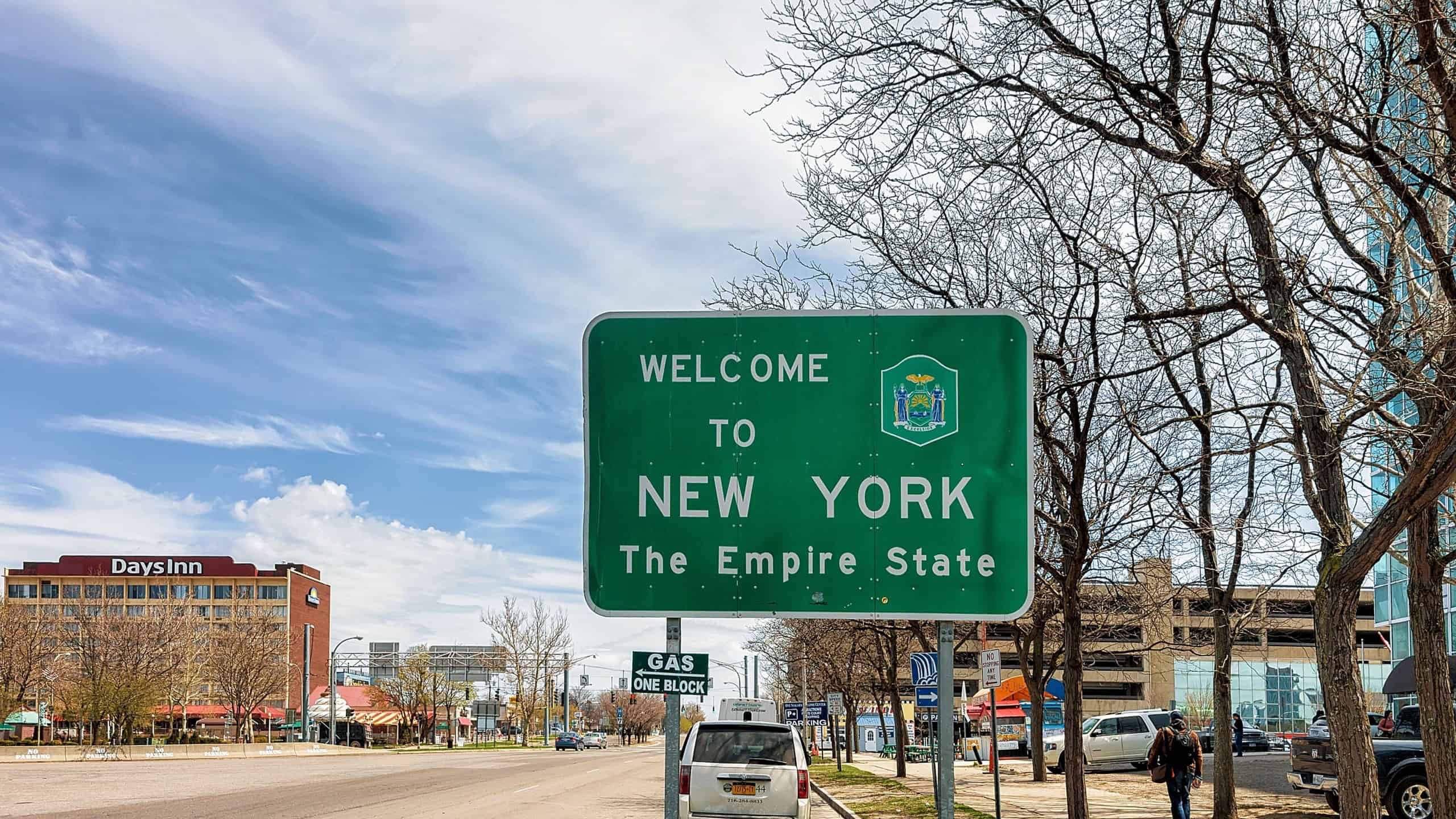
In 1624, the Dutch West India Company founded Manhattan’s southern tip as New Amsterdam as a way to capitalize on its fur trade up north. Four decades later, the British navy entered the colony’s harbor and ordered the surrender of New Amsterdam and the governor gave up without resistance. The city was renamed New York for the King’s brother, the Duke of York.
Atlanta
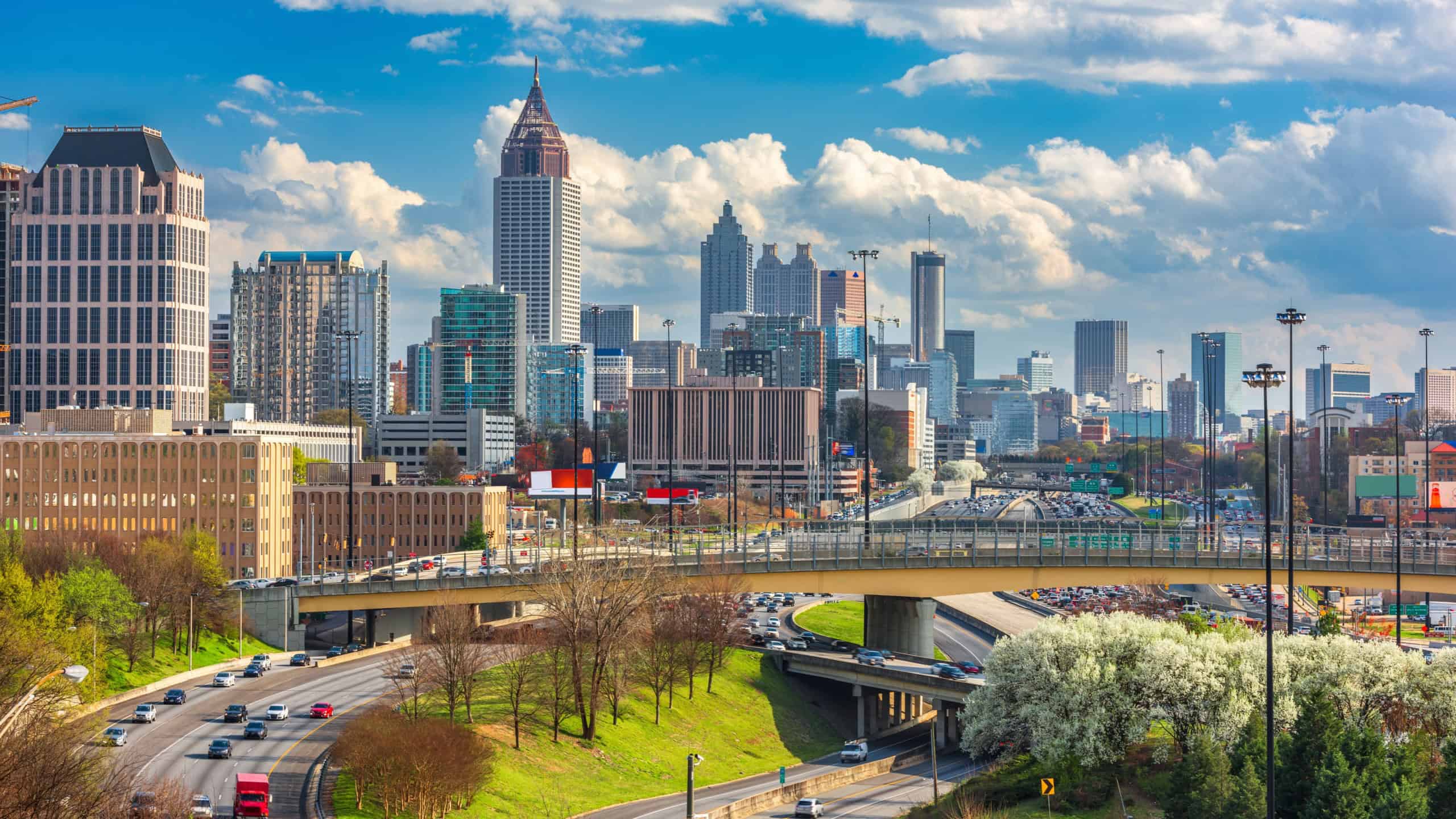
Long before becoming the industrial heartbeat of the southern United States, Atlanta was called Terminus because it was literally at the end of the Western and Atlantic Railroad route. Its name was briefly changed to Marthasville in 1843 to pay homage to Georgia’s governor’s daughter. However, civic leaders decided to change the name of the city to Atlanta two years later to sound more progressive and visionary.
San Francisco
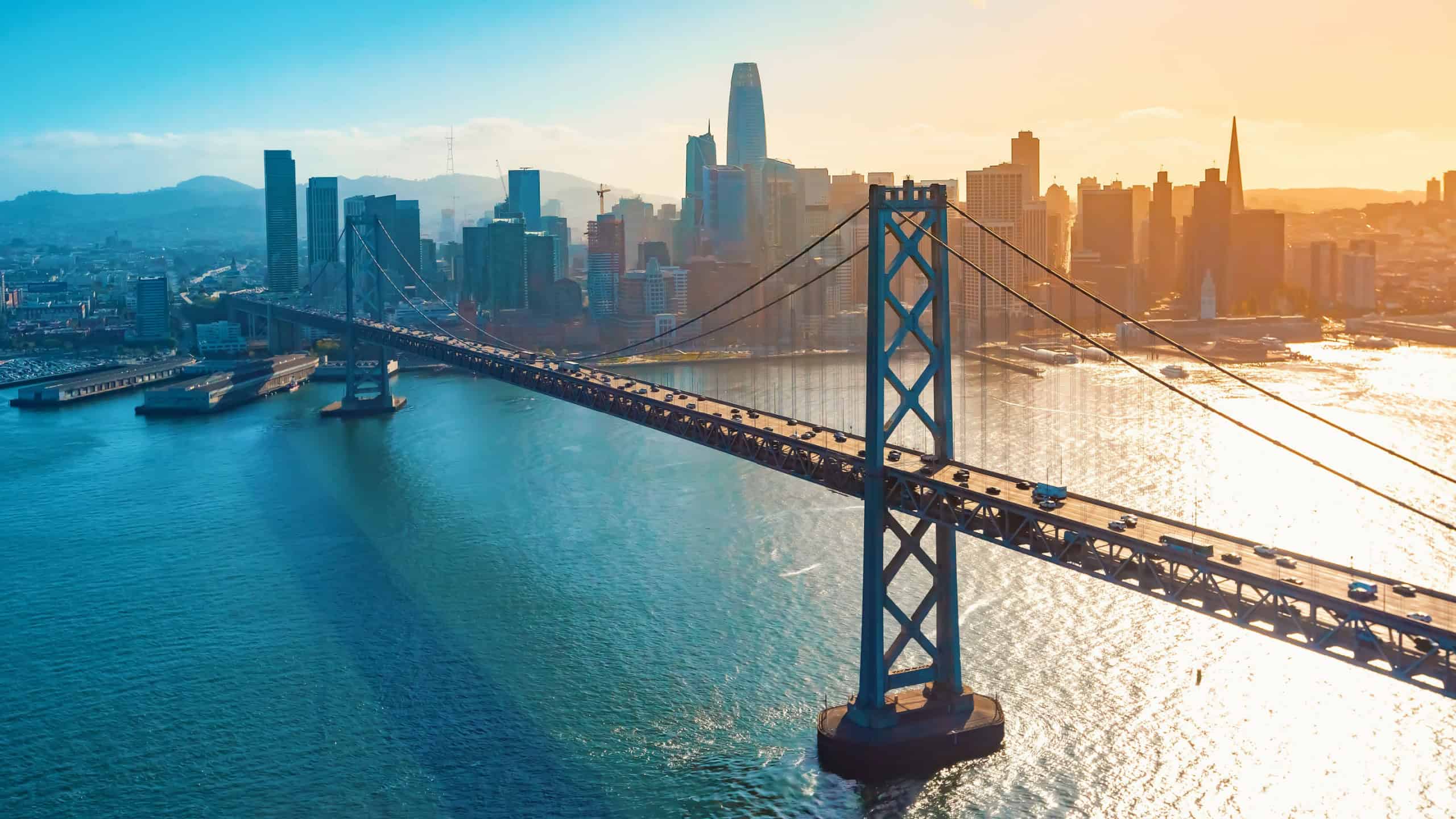
Spanish missionaries and pioneers founded what would become San Francisco in 1835, naming the windswept settlement Yerba Buena, or “good herb” in Spanish.
The name was a reference to the strong, fragrant peppermint that covered much of the dunes. After the area was annexed from Mexico, its name was changed to San Francisco in 1847, a few months before Gold Rush adventurers began flocking to California.
Cincinnati
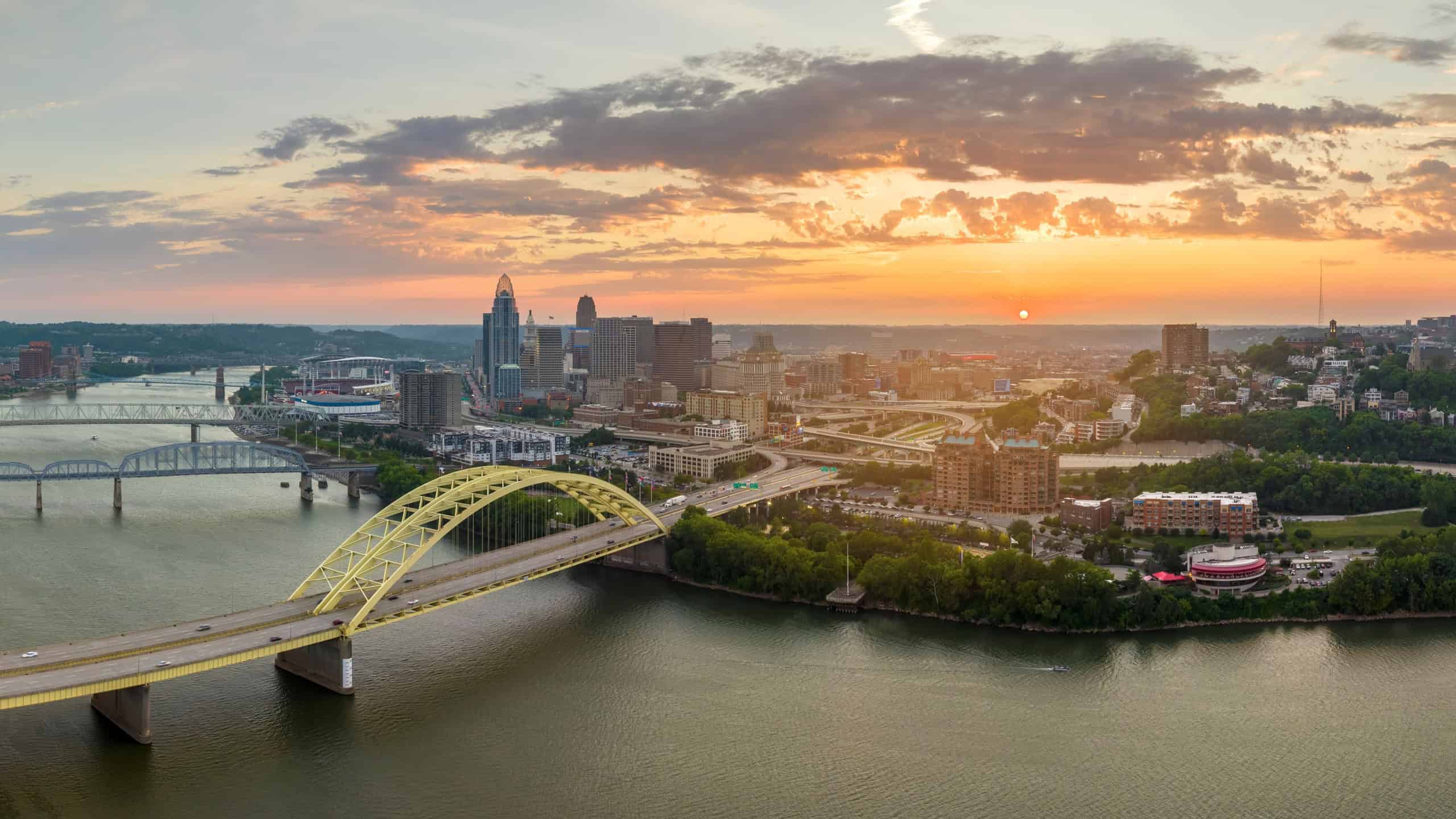
Situated on the banks of the Ohio River in 1788, this frontier outpost was originally named Losantiville, an overly complicated combination of Latin, Greek, and French words meaning “the town across from the mouth of the Licking River.”
Territorial governor William Henry Harrison disliked the lofty name and in 1790 officially renamed it to reflect the Society of the Cincinnati, an elite organization of Revolutionary War veteran officers.
Austin
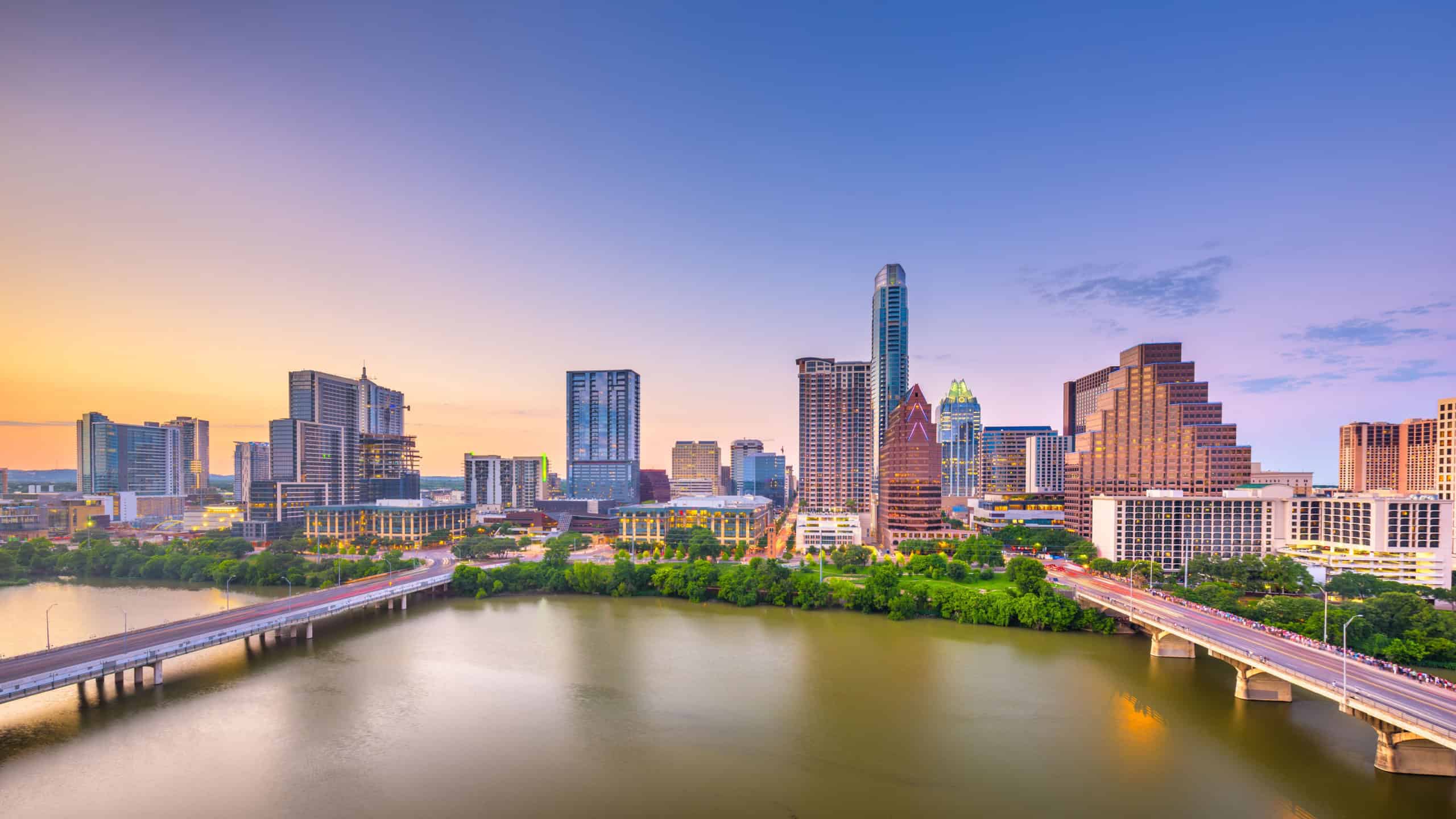
Situated on the frontier of Texas, the small pioneer community at the original seat of government consisted of several cabins on the picturesque banks of the Colorado River.
When the area was chosen to be the permanent seat of government for the newly formed Republic of Texas in 1839. They felt that the fledgling city deserved a more patriotic name, so they named it in honor of Stephen F. Austin, who was known as the “Father of Texas.”
Seattle
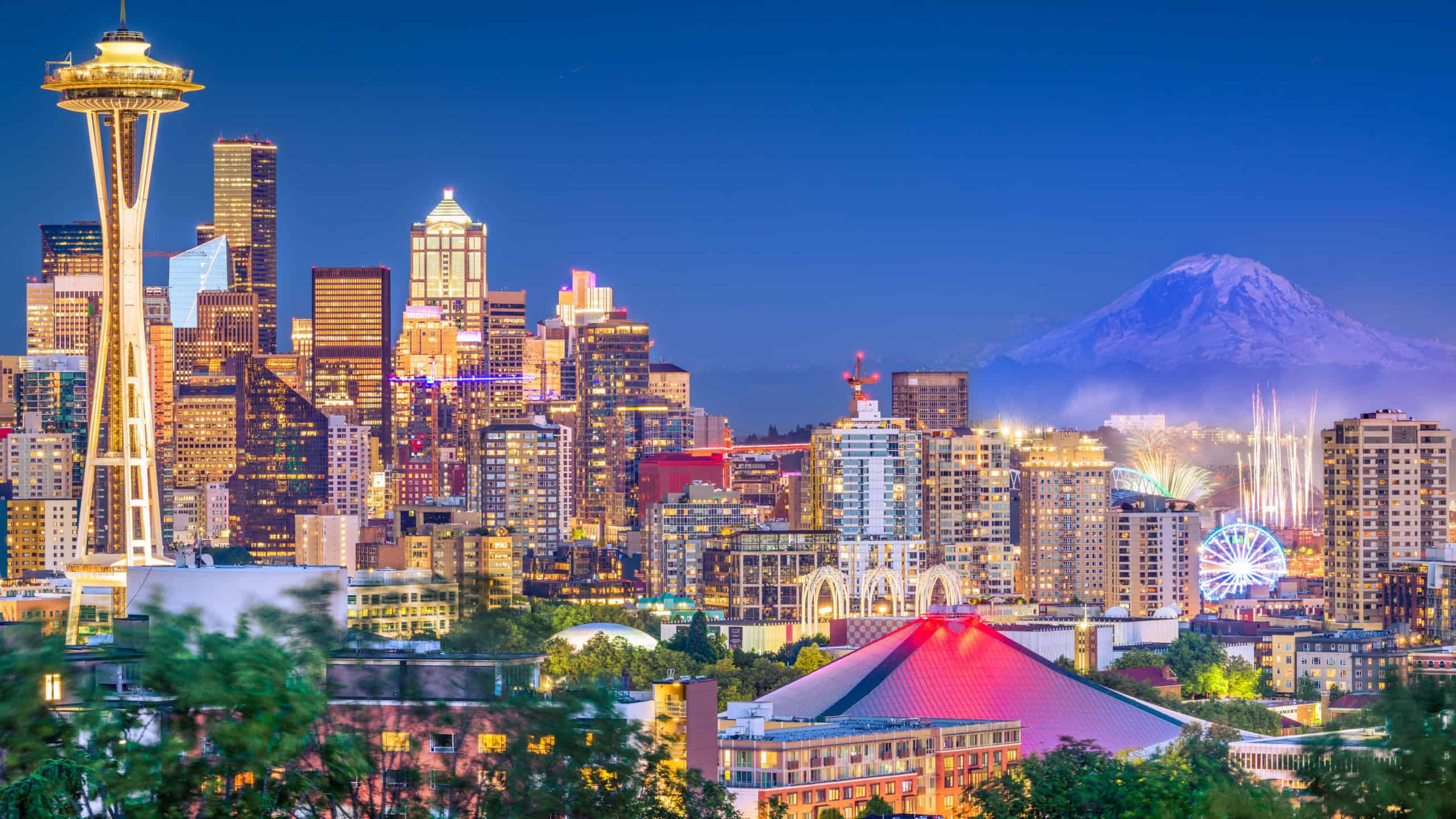
Settlers who founded the original coastal community of Puget Sound in 1851 had at first called it New York. To humorously chastise the frustrating pace of their early development, they appended the Chinook jargon term Alki, which means “by- and -by” and called it “New York-Alki.”
When the lumber industry started booming, however, they renamed it Seattle in 1853 as a permanent gesture of respect to Chief Sealth, the leader of the indigenous Duwamish and Suquamish peoples who had so generously welcomed and assisted them.
St. Paul
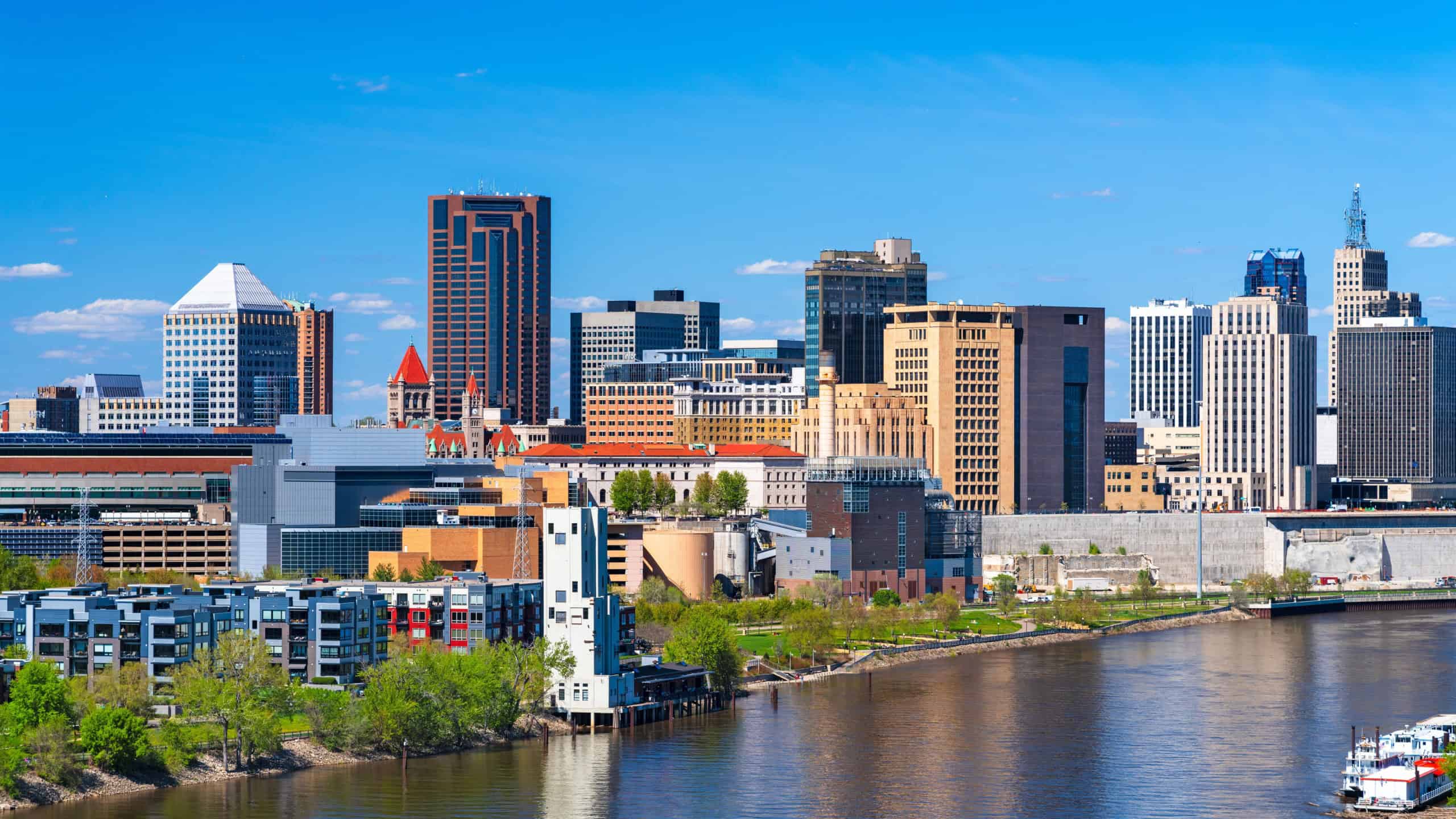
Minnesota’s bustling metropolis was originally called Pig’s Eye. Legend has it that the city was named after a French-Canadian bootleg whiskey peddler named Pierre Parrant, who ran the settlement’s first widely popular saloon along the Mississippi.
When a Catholic priest arrived in 1841 to construct a log chapel in dedication to Saint Paul, he rallied the masses to rename their village.
Orlando
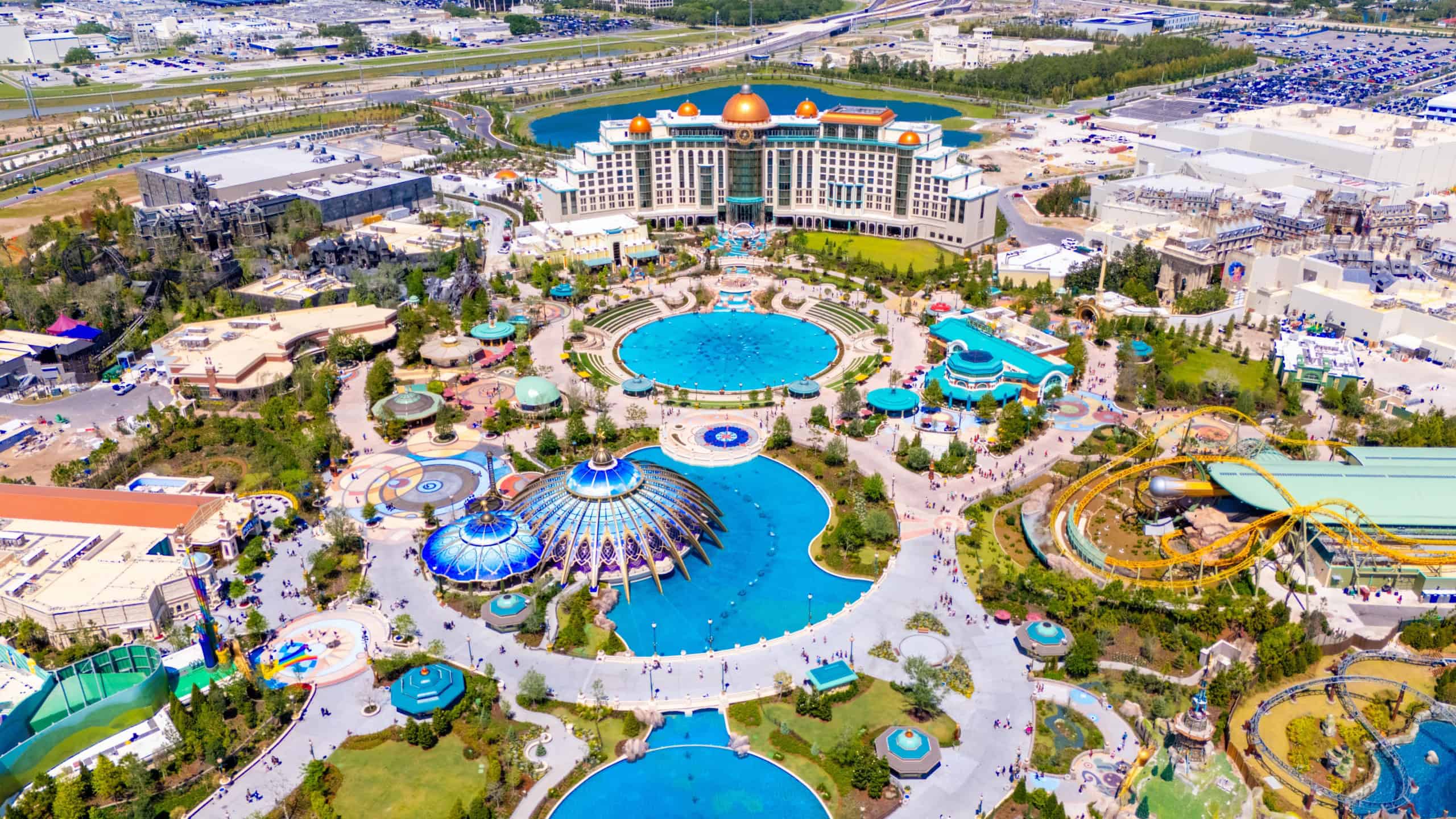
Years before becoming the theme park capital of the world, this inland Floridian settlement was known as Jernigan, named after Aaron Jernigan, a wealthy plantation owner who was the region’s first permanent Euro-American settler.
Growth continued around a nearby military fort that was constructed during the Seminole Wars, and citizens voted to change the name of the town to Orlando in 1857 to honor a legendary soldier who died during one of the conflicts.
Portland
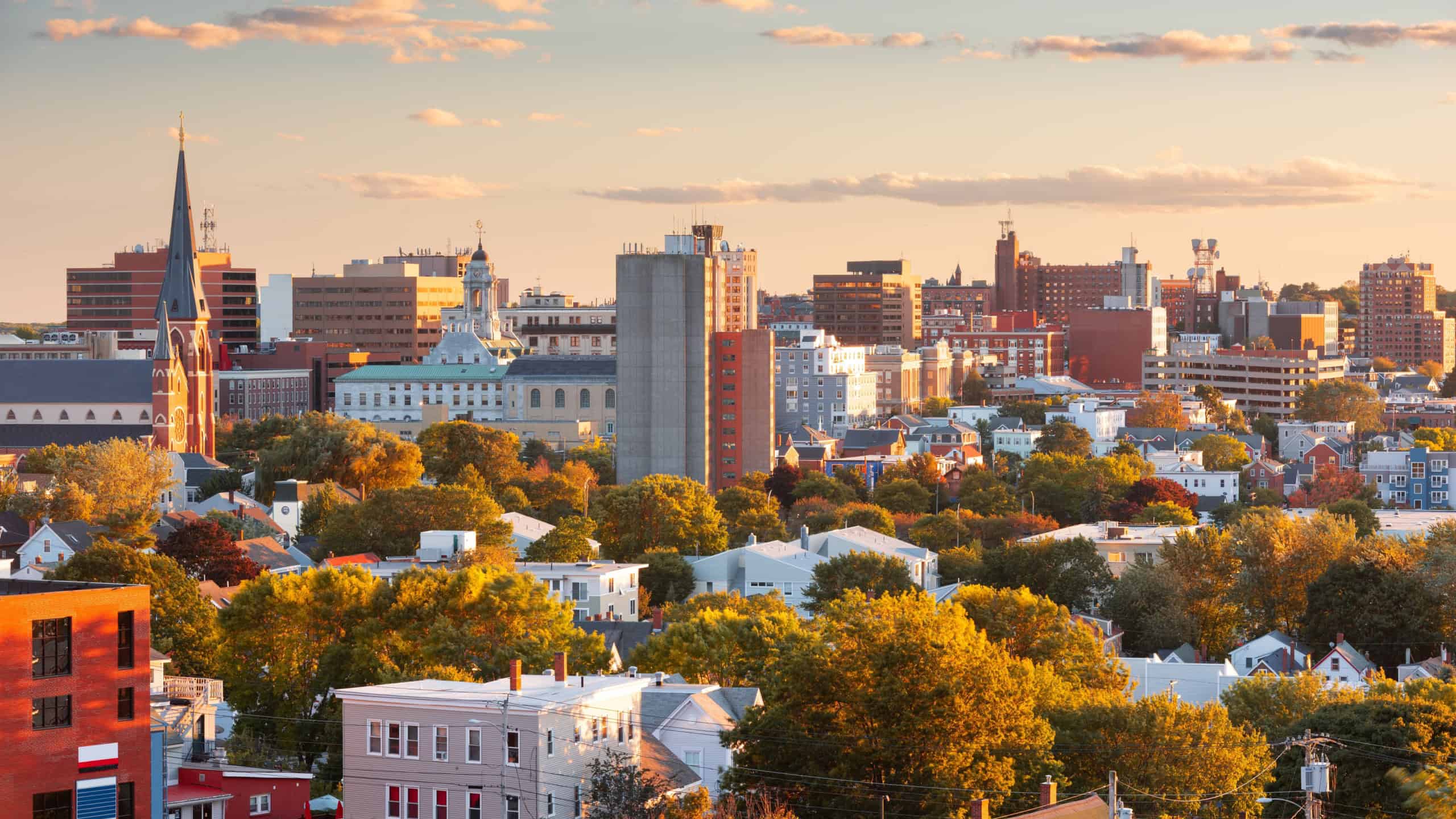
Located in dense, second-growth forests of the Pacific Northwest, the original camping ground that preceded downtown Portland was colloquially referred to as The Clearing by fur traders and pioneers traveling through the area.
When the area was officially opened up for incorporation of an actual town in 1845, its founders resolved their dispute over naming the frontier outpost Boston or Portland after flipping a coin.
San Diego
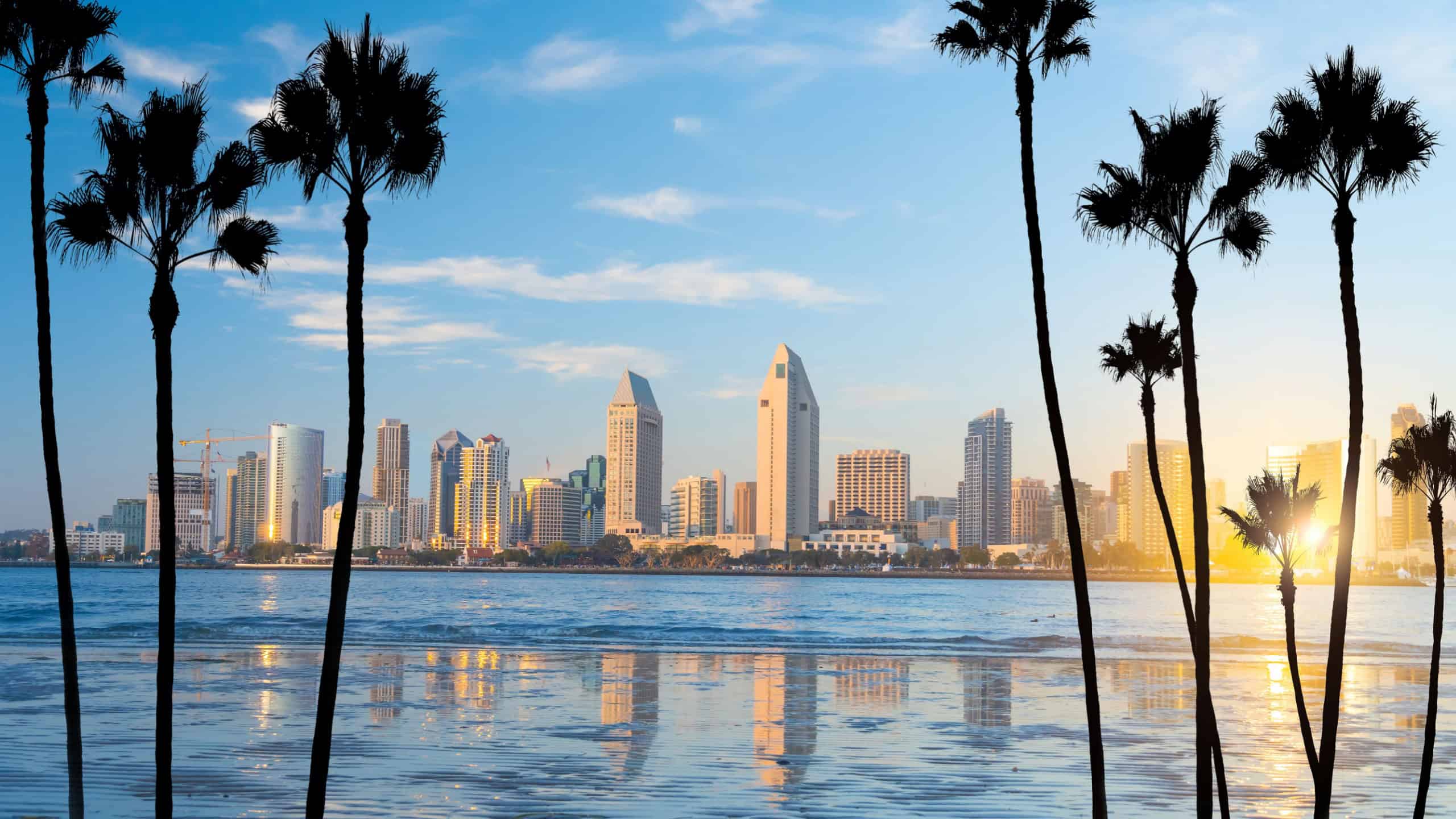
Explorer Juan Rodríguez Cabrillo sailed into the beautiful Southern California coast in 1542, just days before the feast day of Saint Michael. Struck by the untouched splendor, Cabrillo called the area San Miguel.
Six decades later, when a second Spanish survey came through, they opted to erase Cabrillo’s name. They renamed the resource-rich deep-water bay after Saint Didacus of Alcalá, a Spanish Franciscan friar known locally as San Diego.
Truth or Consequences
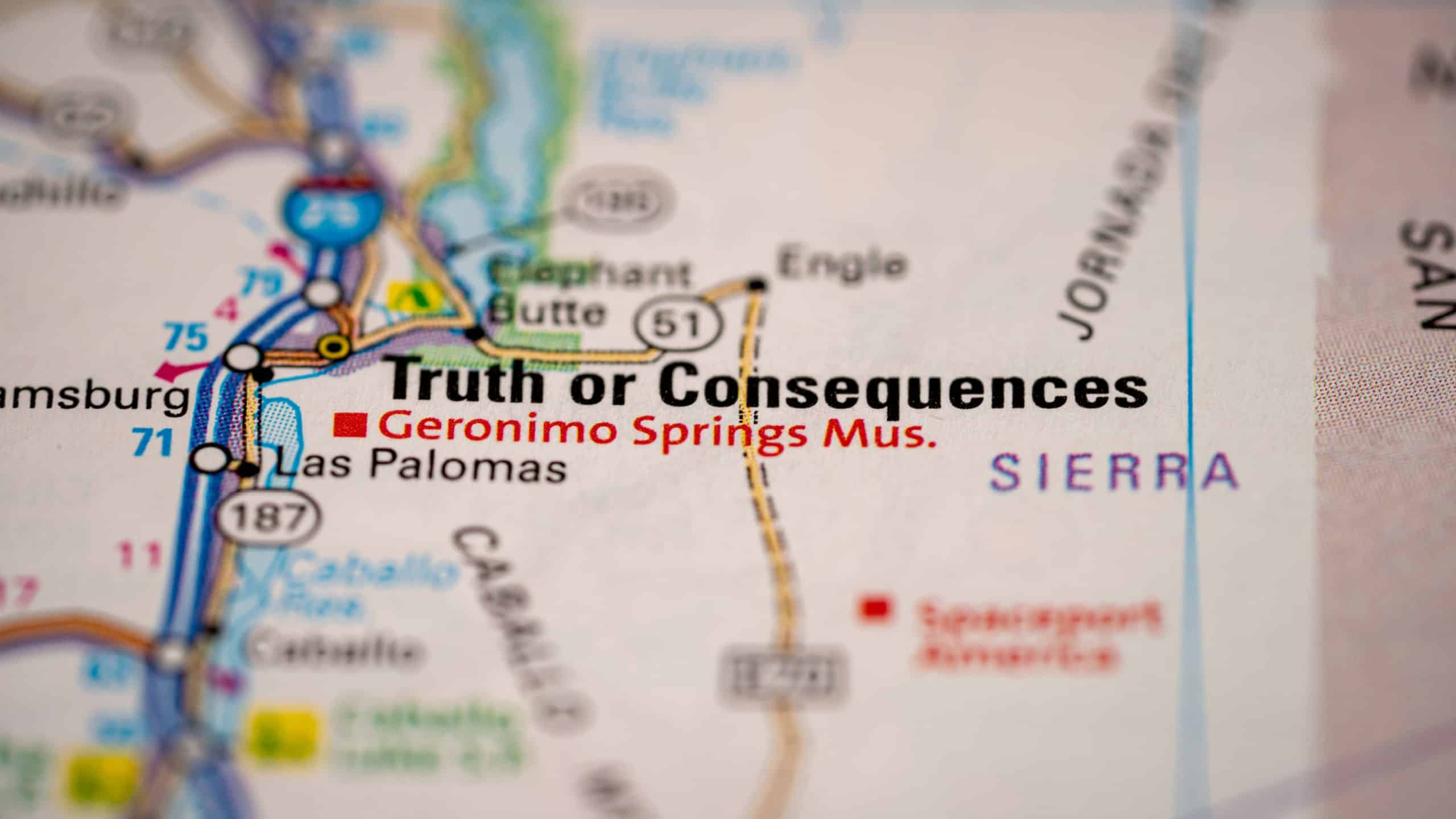
Previously named Hot Springs, this southwest New Mexico town attracted health seekers for years because of its naturally occurring thermal springs.
In 1950, host Ralph Edwards of the wildly popular NBC radio quiz show Truth or Consequences offered a nationwide contest to find the first United States municipality to rename itself after his show. He would then travel there and broadcast a live anniversary episode from that city.
Hot Springs answered the call and renamed itself Truth or Consequences.
Sleepy Hollow
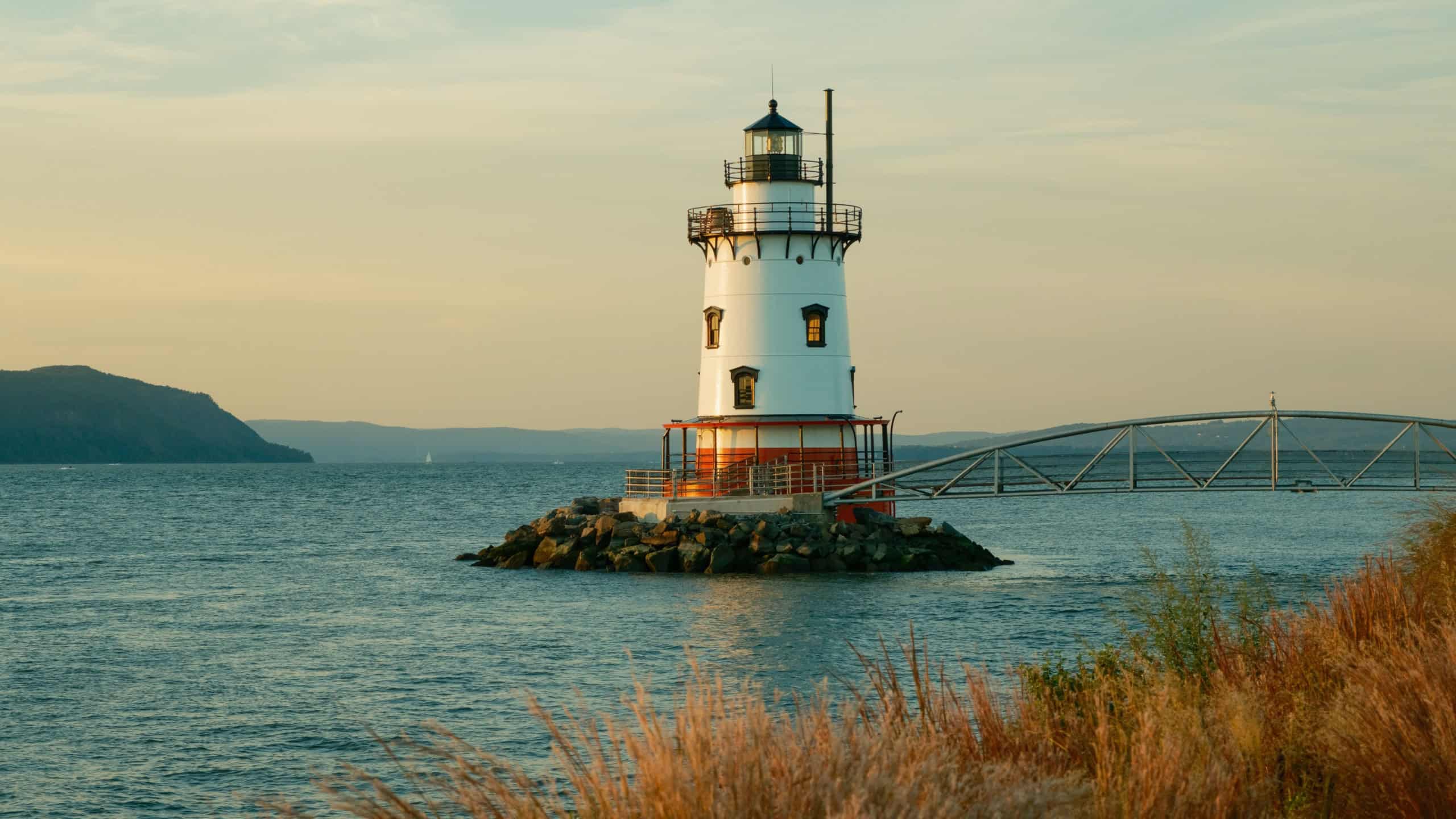
The village that sits on the east side of the Hudson River in New York was once formally known as North Tarrytown for many, many years.
Residents voted to officially rename the village Sleepy Hollow in 1996 (permanently paying tribute to Washington Irving’s famous 1820 Gothic tale) and this bright bit of marketing firmly established the town as a fall tourism hotspot around the globe.
Jacksonville
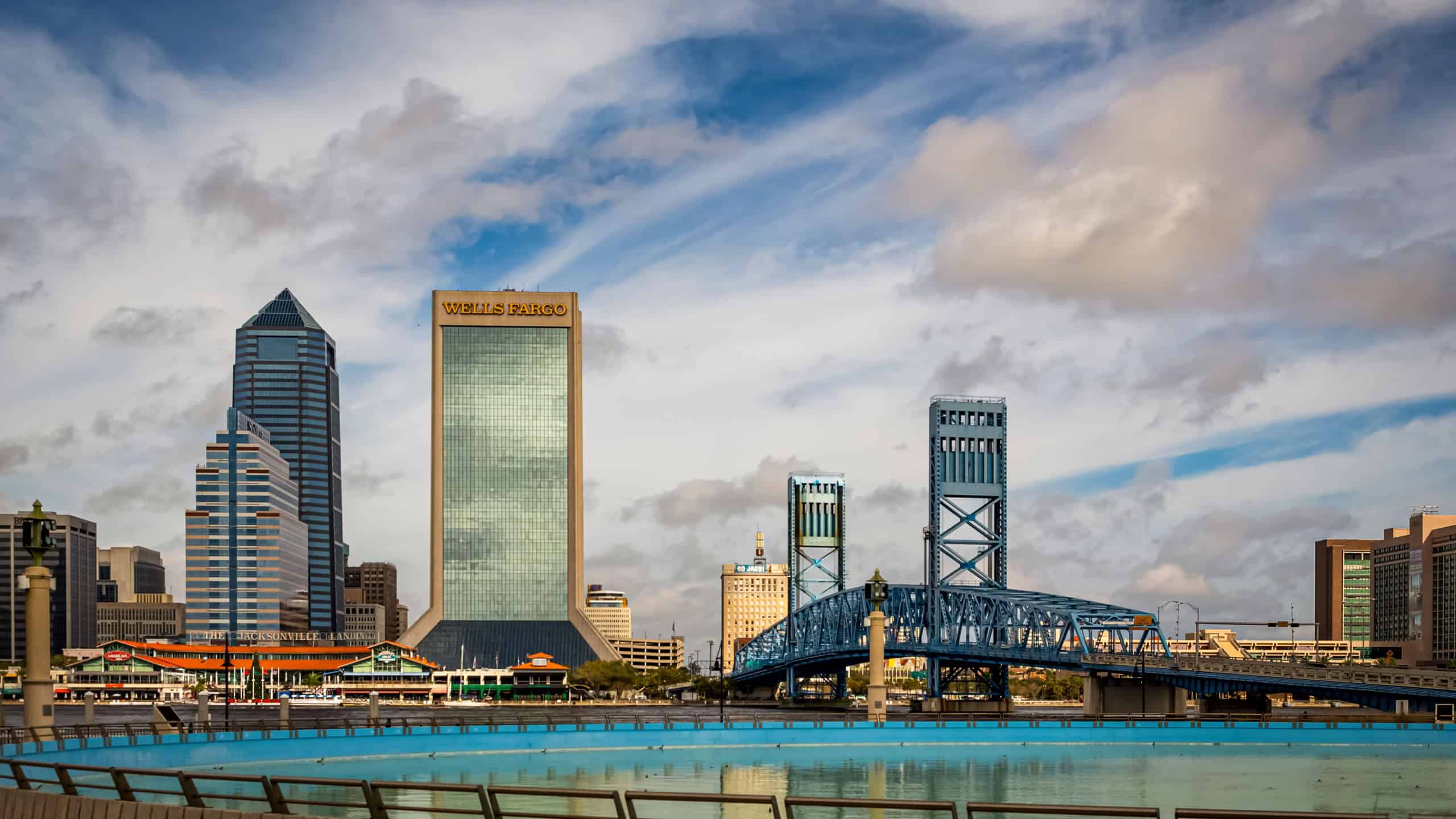
Long before it became the sprawling urban area of northeast Florida that it is today, this narrow chokepoint on the St. Johns River went by the name Cowford. It was extremely fitting as Cowford described the shallow point along the large river where cowboys and Seminoles drove their cattle to cross over to markets north of the river.
Phoenix
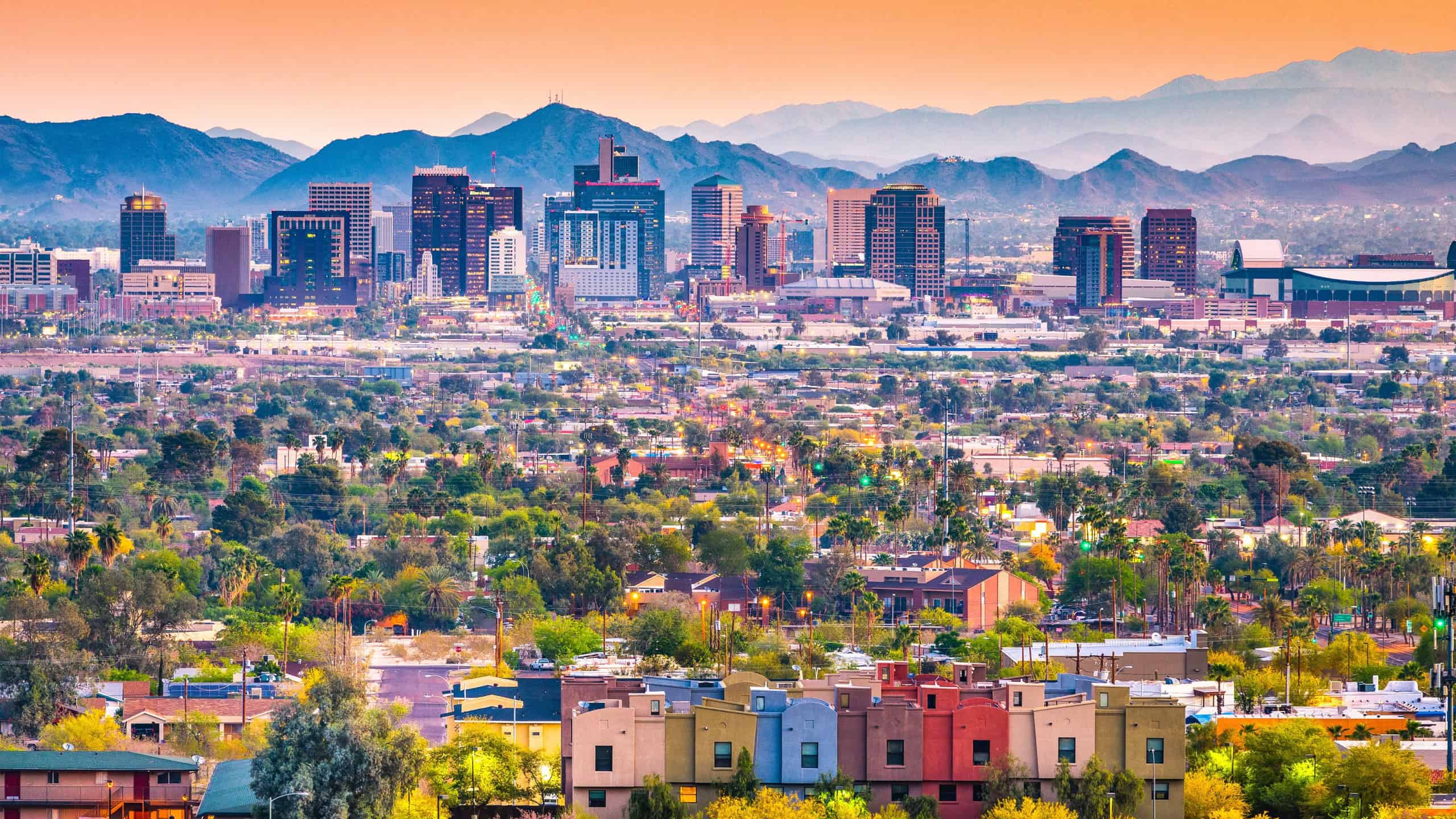
The city of Phoenix began as a farming community established by Confederate war veteran Jack Swilling. Swilling had noticed the agricultural potential of the valley and briefly had towns bearing the nickname Swilling’s Mill.
It was actually an educated pioneer traveling through Phoenix that coined the name Phoenix, accurately describing that a large, modern city would one day spring from the ruins of the old forgotten Hohokam canals.
Lafayette
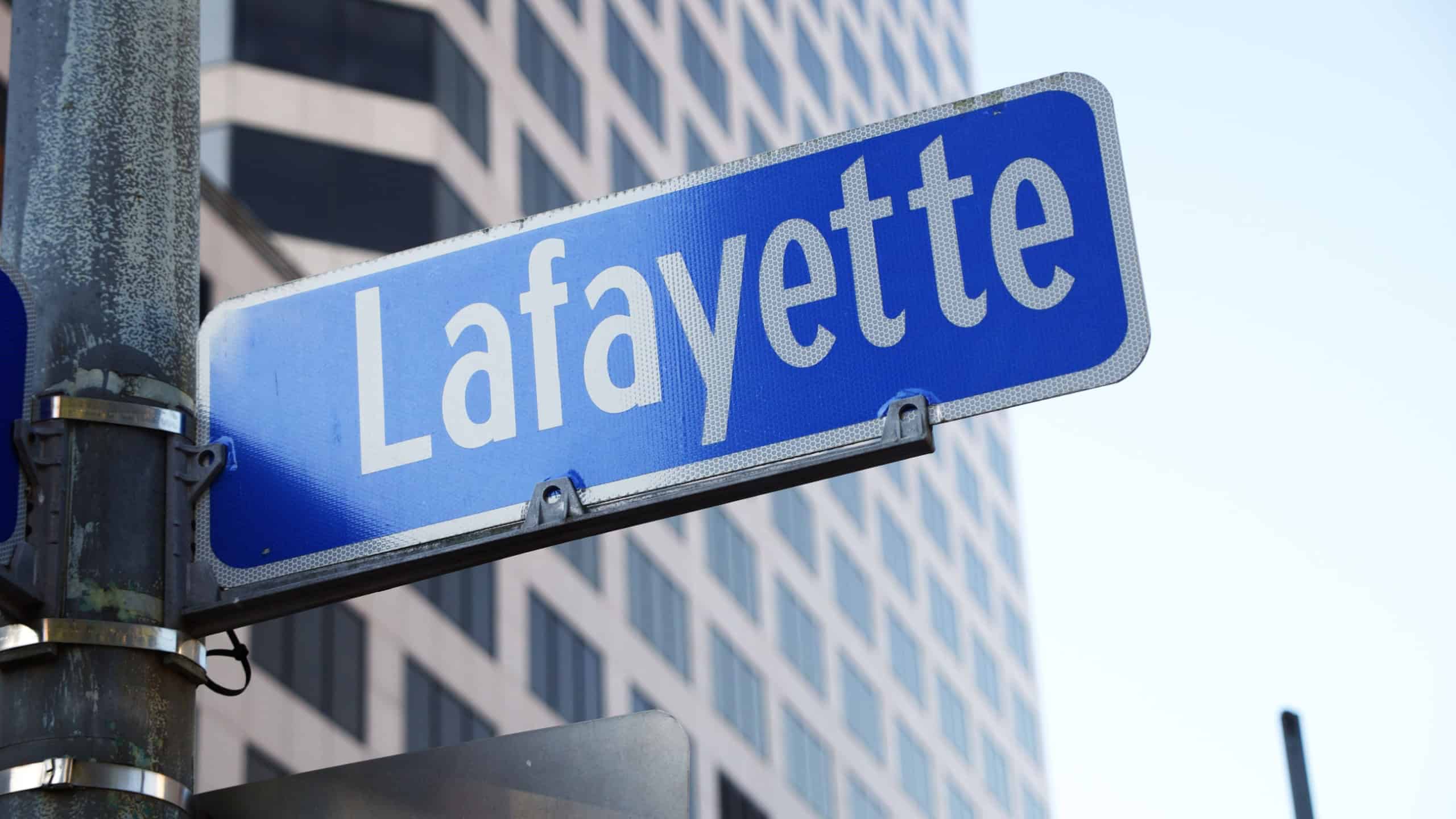
Founded as Vermilionville in 1824, this Louisiana cultural hub received its name straight from the picturesque river that once bordered the original Acadian settlement.
In 1884, city officials changed the name of Vermillionville to Lafayette in honor of French General Marquis de Lafayette, who served alongside George Washington and nearly lost his life trying to secure victory during the American Revolution.
Utqiaġvik
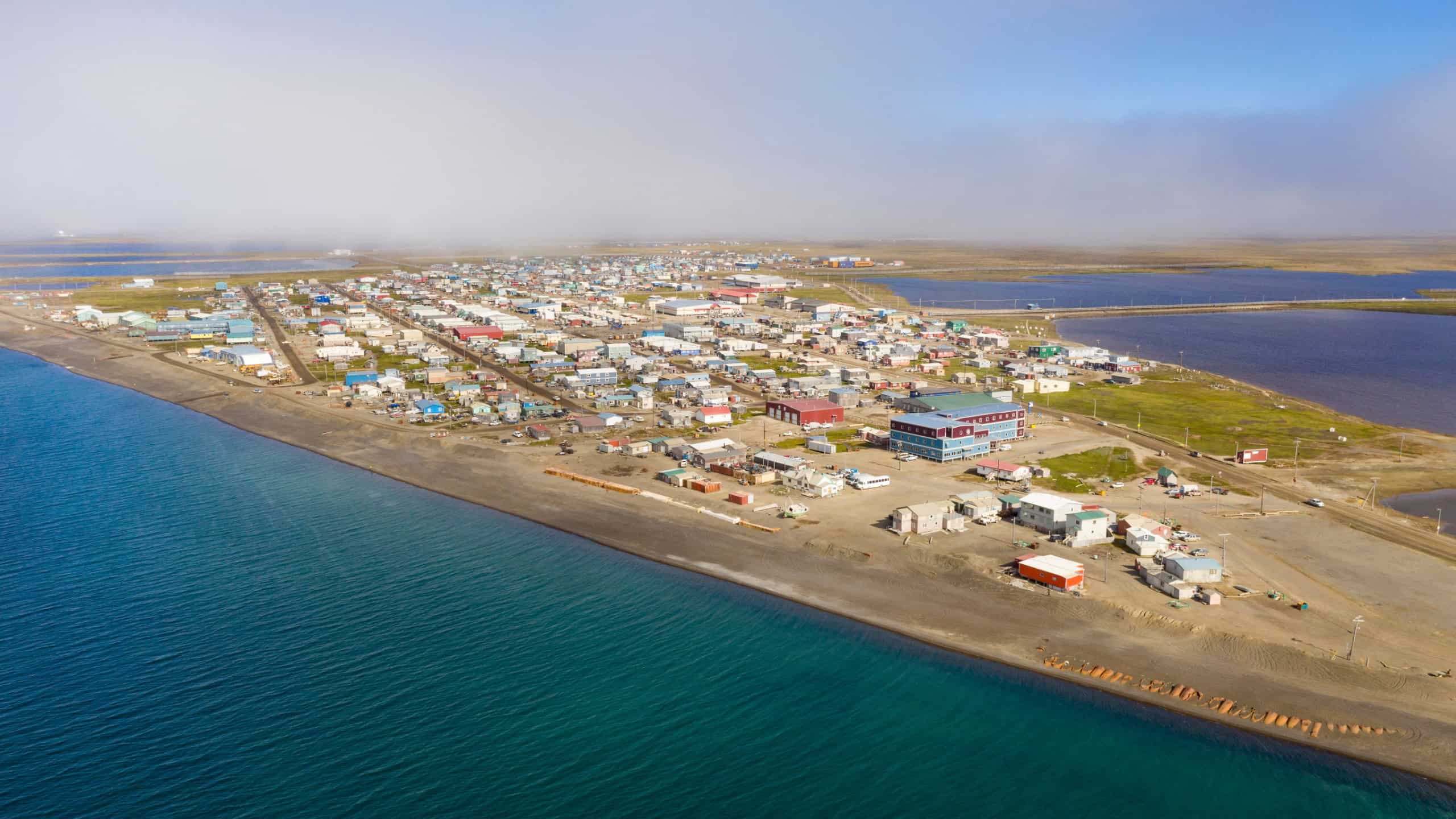
For more than a century, Alaska’s northernmost city went by Barrow, a name given to the town by a British sea captain who was fulfilling a promise to name the town after an important Royal Navy Admiralty official.
However, the residents voted in 2016 to keep their civic name Utqiaġvik, the city’s original Native Iñupiaq title, which has been spoken for thousands of years and means “the place where wild roots are gathered.”
Concord
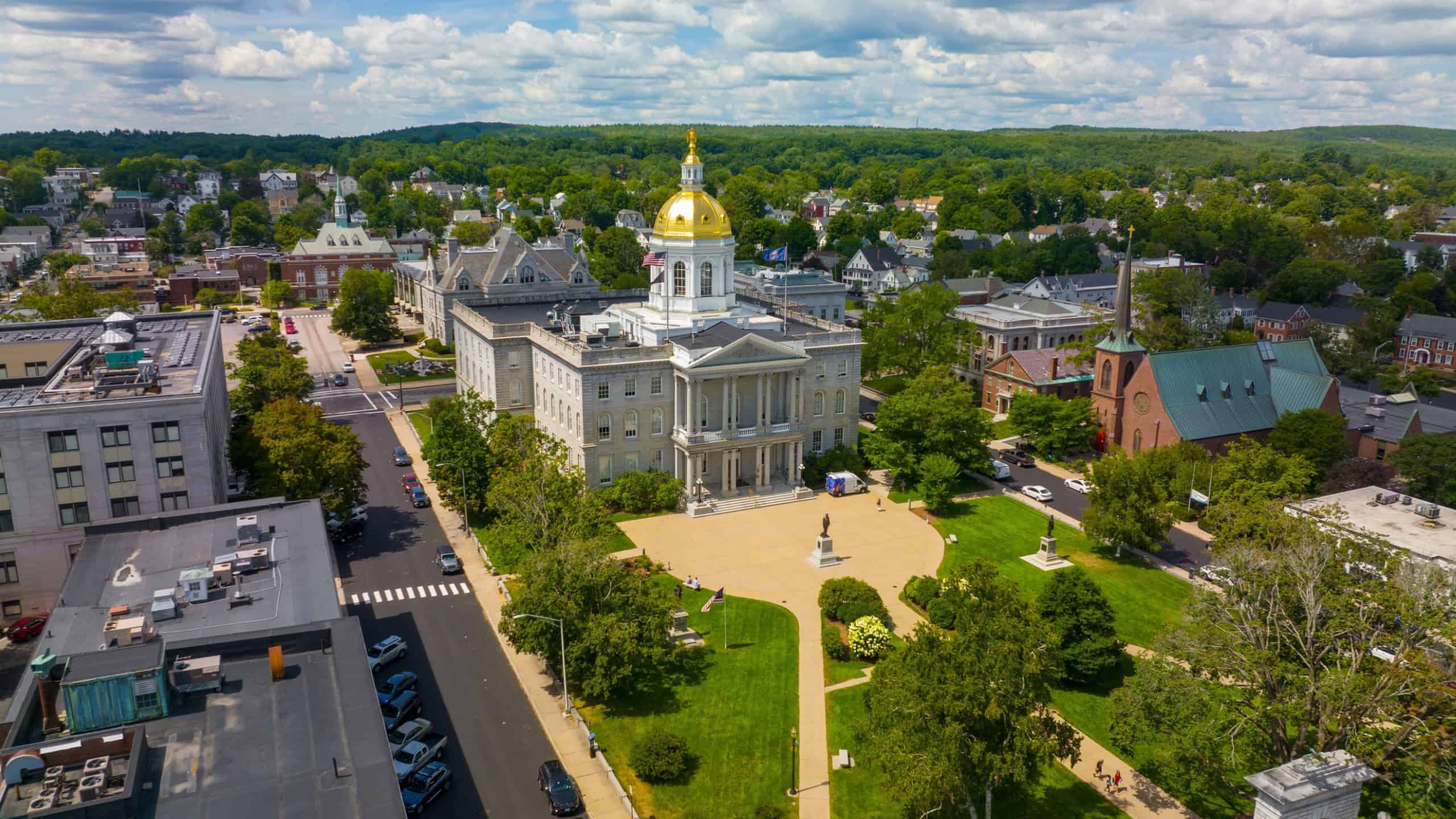
Founded in 1869 by Mexican land grant Don Salvio Pacheco, this Northern California town was originally conceived as an agrarian hub named Todos Santos, or All Saints.
With an influx of Anglo-American settlers coming to the valley in the decades after its founding, citizens opted to instead name their town Concord, indicative of progressive unity.
Sources: Please see here for a complete listing of all sources that were consulted in the preparation of this article.
Like our content? Be sure to follow us.