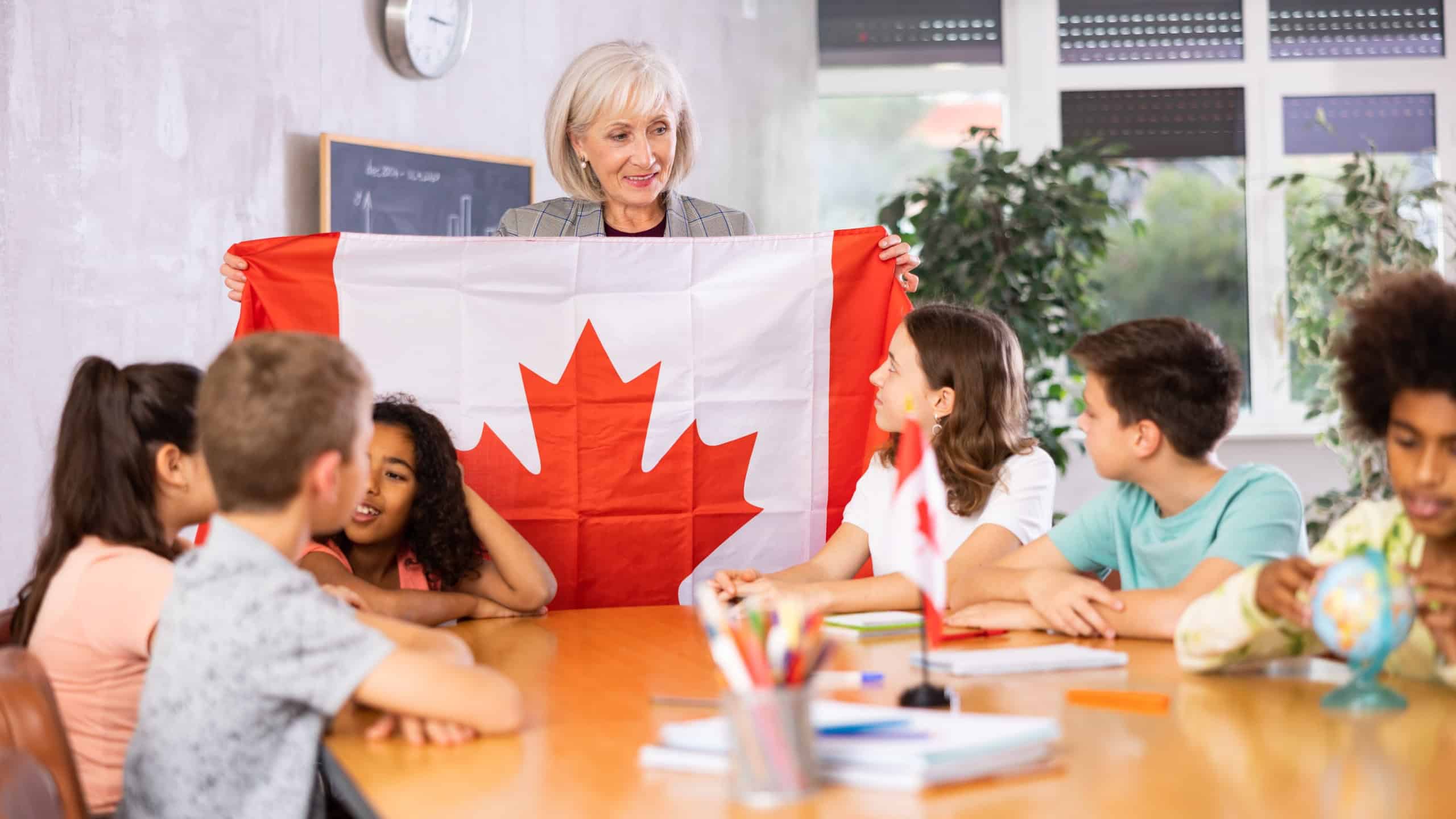
Too many Canadians youth are disconnected from their country’s past and the stories that helped build it.
Canadian youth

What would happen if you walked into a Canadian high school classroom and asked students to identify Canada’s first Prime Minister? Or to describe Canada’s contribution to World War 2? You would probably get more eyes glazing over than thoughtful answers.
Now, more than ever before in human history, we have access to everything we could ever want to know about any topic in the world, so why is it that young Canadians are unknowledgeable about Canada?
School problem

Education in Canada (unlike the United States) is provincial, which means that what a child in BC learns in history class is vastly different than what a child in Quebec or Nova Scotia learns.
In addition, history as a subject is being phased out of elementary and secondary curricula in favor of social studies, and you’re looking at students coming out of school without many of the basic facts, timelines, and understandings of why major conflicts occurred in Canadian history.
And let’s be honest. With science, technology, coding, and engineering being pushed in schools across the country, history lessons have taken a backseat to what kids need to know to get a good job. It’s become more of a nice-to-know rather than a need-to-know.
American influence

Not only do Canadians have to deal with a lack of standardized learning, but they also live in an extremely Americanized world. When a teenager opens up TikTok or YouTube, they are far more likely to see content about Trump, the civil rights movement, or avocado toast than what is happening in Ottawa or the Canadian prairies.
With America holding such a giant microphone to the rest of the world, many Canadian youth grow up knowing more about the American Bill of Rights than the Canadian Charter of Rights and Freedoms. Canadian stories are being overshadowed by the voices of a world consumed by digital media.
Harder story
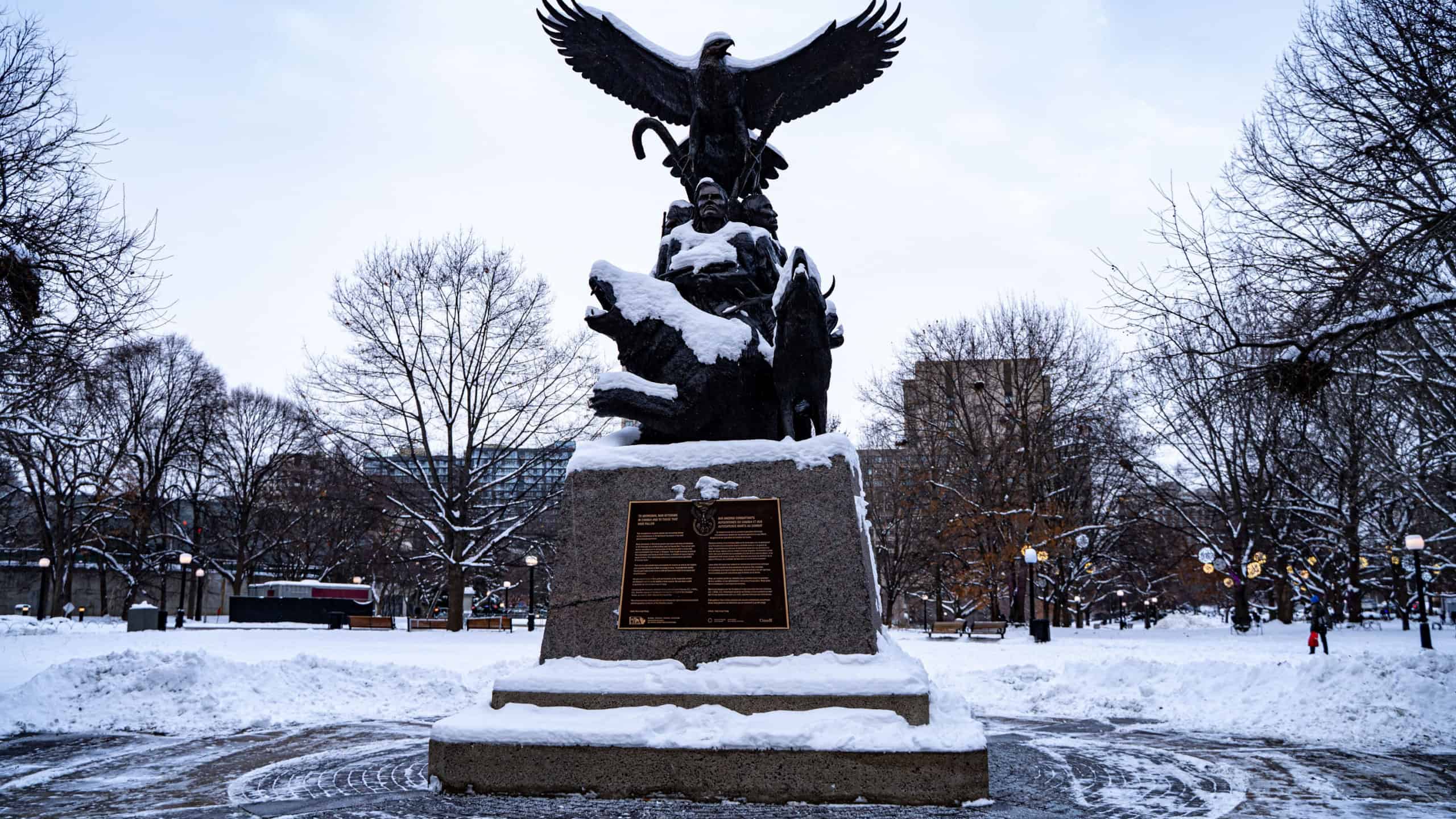
Canadian history books used to leave out some of the dark details. Things like residential schools and the persecution of Indigenous People were left out of Canada’s past.
These conversations are now being had outside of school, without other historical information. Oftentimes, teaching only what was wrong about Canada in the past can leave students feeling disenfranchised with their country and unable to find pride in where they are from.
History’s importance

You may be thinking to yourself, “But does it really matter whether a kid doesn’t know what year Canada became a confederation?” The short answer? Yes.
History is the social glue that binds a country together. It’s how we know why we have the laws that we do, or why our government functions the way it does. It teaches us how Indigenous peoples, the French, the English, and immigrants from all over the world learned to coexist in one country.
Without that foundation, it becomes very difficult for youth to feel like they have a place in Canada or to learn how to vote at election time.
New way forward
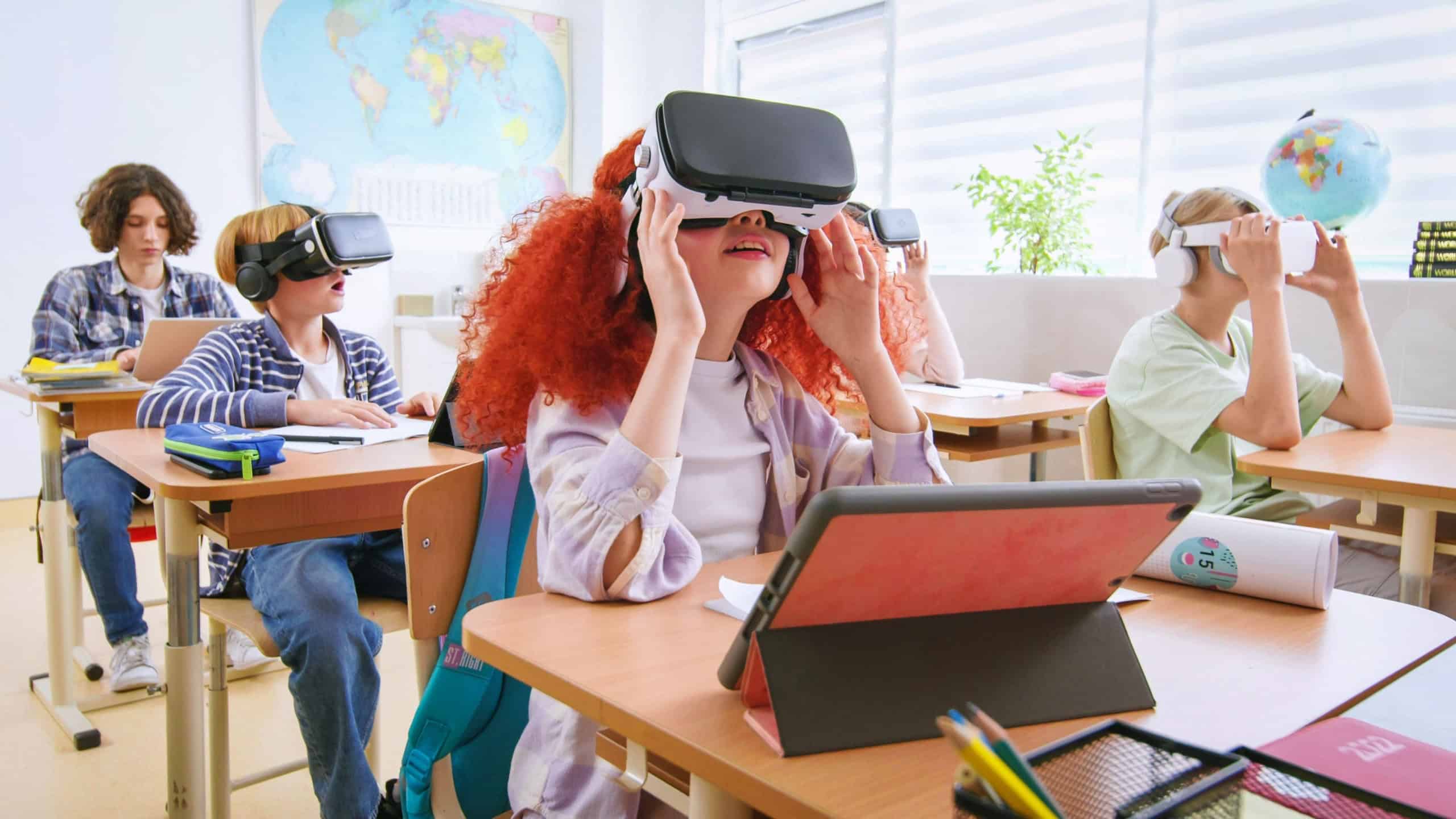
The solution isn’t making children learn hundreds of mundane dates. Children these days love technology, so why not let them walk through forts using virtual reality? Listen to podcasts about Canadian spies who changed the course of history. Talk about real people when teaching about immigration.
Instead of boring textbooks, bring history to life by using what children already love. There’s comedy, there’s drama, there are wars, and there are countless stories of what makes us Canadian.
After all, if we want the next generation to lead Canada, they first need to know what Canada is.
Sources: Please see here for a complete listing of all sources that were consulted in the preparation of this article.