Canada, we are a nation with a culture and a personality of its own. The world knows Canada for courtesy, maple syrup, hockey and being next to America, but that doesn’t say a whole lot. Even if Canada is geographically close to the U.S., we are distinct in culture, beauty, and traditions.
I remember when I first got here; I felt struck by how different Canada felt to me as if I’d found an undiscovered treasure. These are 7 things that many don’t know about Canada, each one proving just how great this nation really is. You’ll even read about a polar bear jail; Now that’s Canadian.
Canada is the Second Largest Country By Land Area

With nearly 10 million square kilometers, Canada ranks second only to Russia. And, even with all this vastness, Canada is very small – our population is about 41 million – and much of it is wilderness.
This low density, especially outside major urban centers, leaves us with national parks, undeveloped forests and open areas that seem out of this world. It’s where you can drive for hours over spectacular scenery without spotting another human, which is what most tourists find awe-inspiring.
The Maple Leaf Flag Is Pretty Young

Even though the maple leaf is an internationally recognized Canadian symbol, it wasn’t officially a part of Canada’s flag until 1965.
Before that, Canada had some British-influenced flags, as it was a colony. Today, the red maple leaf is a flag and a symbol of honor for Canadians, their independent self.
It also symbolizes benevolence, wildlife, and belonging to nature (a perfect metaphor for a nation with an eye for the natural world and openness).
Poutine Is Canada’s Iconic Dish

Maple syrup might be a cliche, but poutine is Canada’s favorite comfort food. Poutine comes from Quebec and is made with french fries, cheese curds and hot gravy. The flavor combination is quite pleasant, a well balanced combination of textures and tastes.
The once-remote delight is now a national dish across Canada, and its variants include everything from pulled pork to truffle oil. Not only does it feed Canadians, but it’s a culinary expression of Canadian pride and hospitality.
The Canadian Rockies Host UNESCO World Heritage Sites

The Canadian Rockies that run through Alberta and British Columbia are some of the world’s most beautiful mountains. Rockies, their mountain tops, turquoise lakes and wildlife, attract millions of visitors every year.
The Rockies’ most iconic locations are Banff and Jasper National Parks, both World Heritage UNESCO sites of natural beauty and significance. Skiing or hiking in the winter or hiking in the summer, the Canadian Rockies contain some of the most amazing sights you’ll ever encounter.
Canada’s Coastline Is The Longest in the World

Bordered by the Pacific, Atlantic and Arctic Oceans, Canada has the longest coastline of any country, at more than 202,000 km.
It’s a long coastline, home to diverse marine species, breathtaking ocean views and special ecosystems from temperate rainforests in British Columbia to glacial lakes in the Arctic. Our shores are also great for whale-watching and fishing.
Canadians Must Vote in English And French

Canada’s bilingualism also reaches to federal elections. Voting materials and instructions must be in English and French. The practice reflects the nation’s loyalty to both official languages. Some places even have materials in indigenous and other languages.
This allows for Canadians of any linguistic background to participate in democracy. This is only one way Canada celebrates diversity, and aspires to be inclusive at every level of government.
It’s Home to the Only Polar Bear Jail
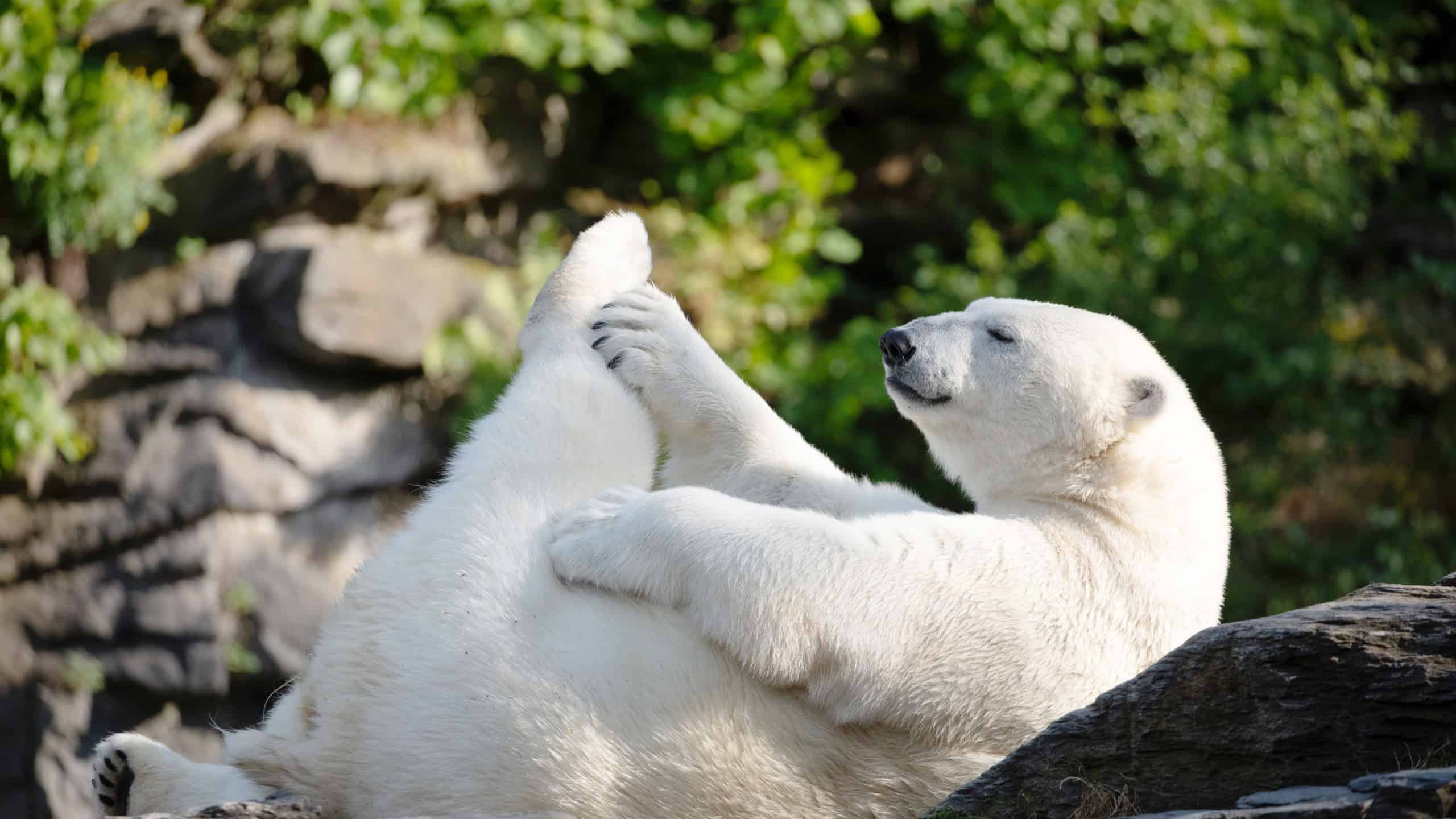
In Churchill, Manitoba (The “Polar Bear Capital of the World”), there is a special “polar bear jail” that houses polar bears that get too close to town, keeping both the bears and the humans safe until the bears can be released back into the wild.
This innovative proposal shows how Canada is interested in keeping wildlife safe and how much we value the environment. And that’s a nice example of how Canadians share our living environment with wildlife in astonishing ways.
Related Articles:
10 forgotten laws that once existed in Canada
10 everyday moments that feel uniquely Canadian
12 common Canadian expressions that aren’t widely used in the U.S.