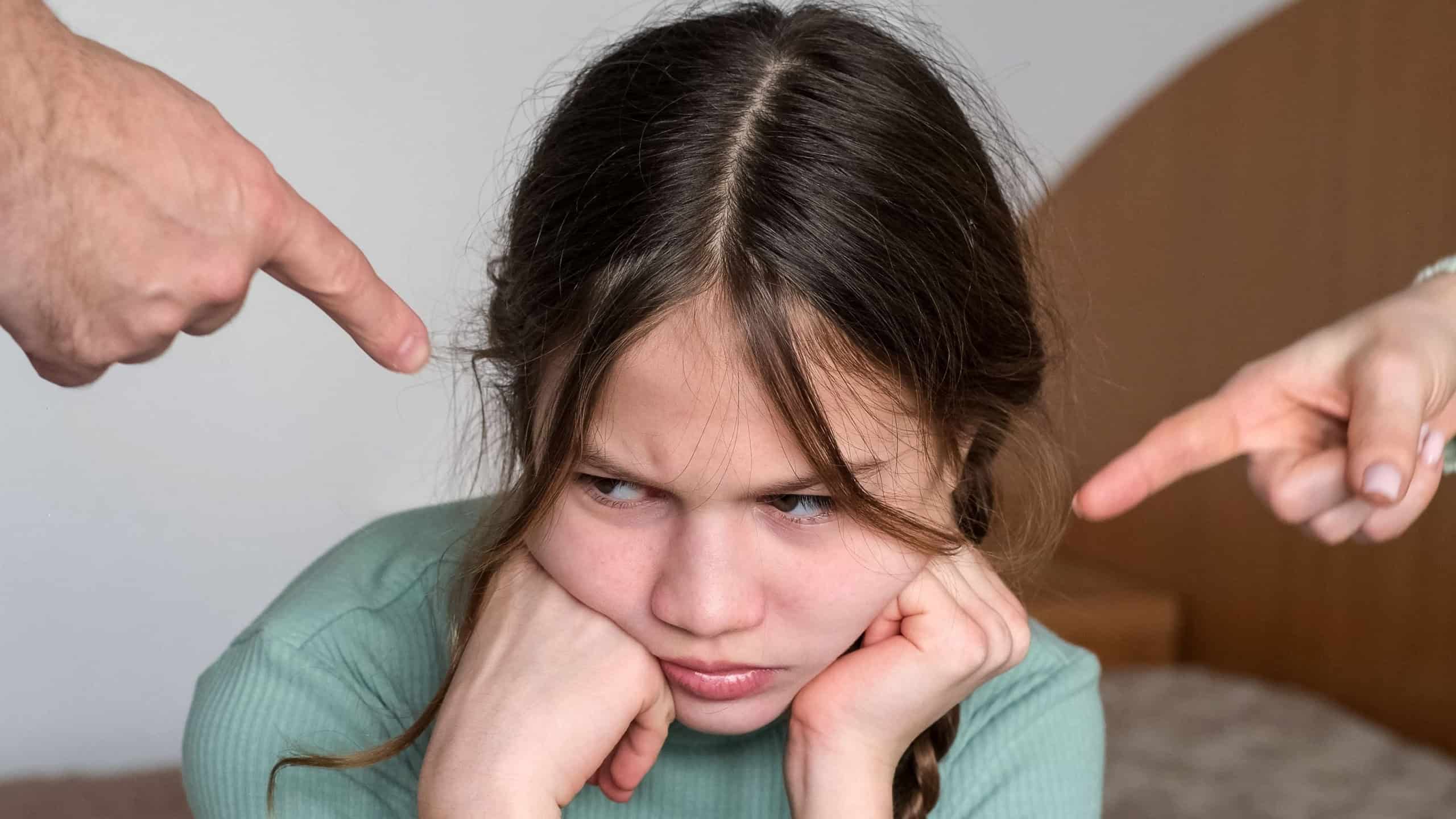
Children are sensitive and are still figuring out who they are. Sometimes we do not even realize our teasing can cause them pain. As per studies and psychologists, one small comment or a casual remark can stick with them for a long time and affect their self-esteem. When we tease them about things that matter to them, it can make them feel isolated or in the worst cases, ashamed.
We need to support and rally behind them, rather than discourage and tease them. This absolutely helps with confidence, which in turn can help you raise happy and secure adults.
Here are ten things you should never tease your kids about.
Their Appearance
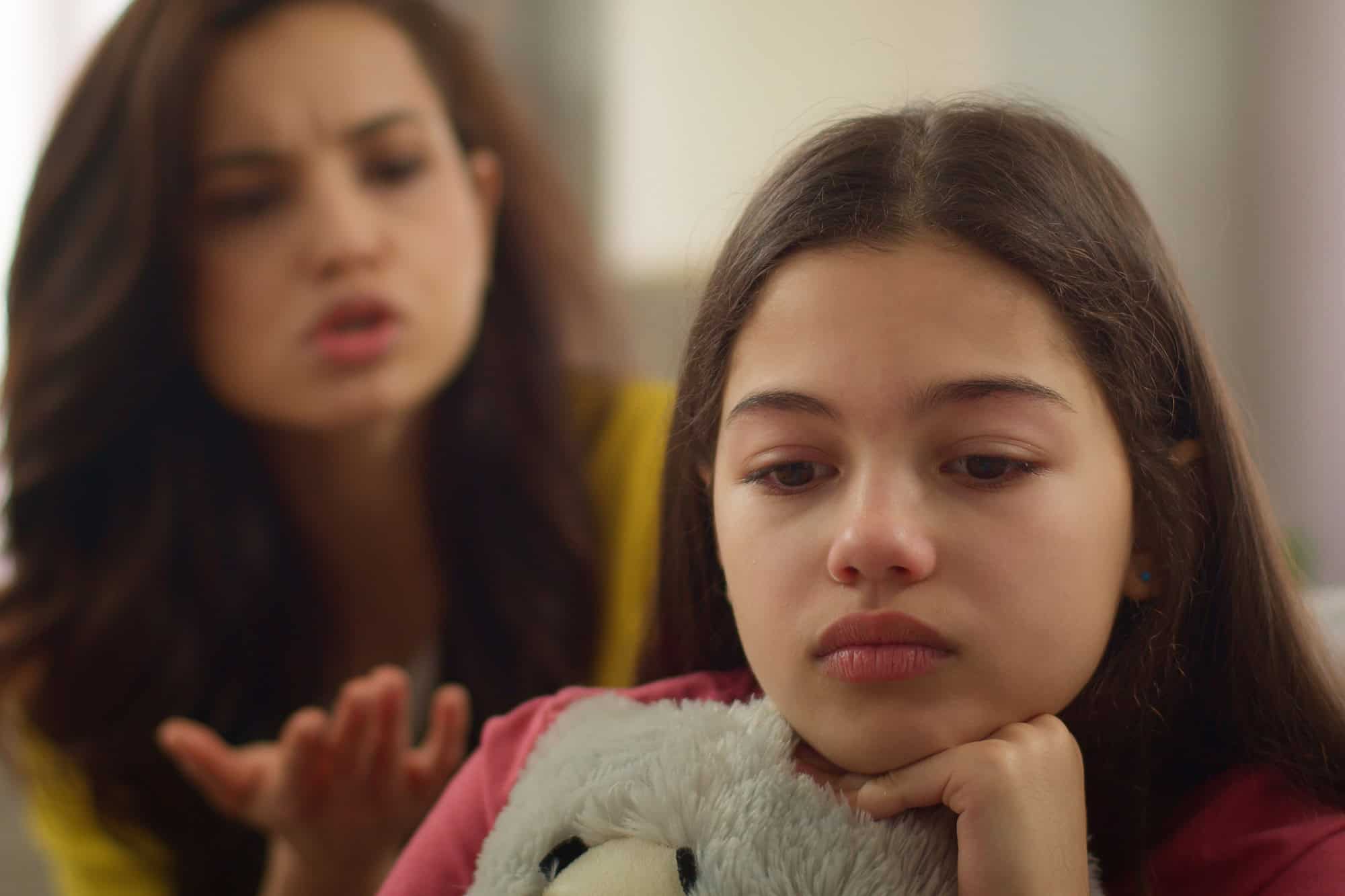
Children are self-conscious about their appearance. Mocking them about their weight, height, or any other physical features (moles, squinty eyes, etc.) can damage their self-esteem. They might begin to feel worthless. What children need most of all from their parents is to be accepted as they are.
Their Intelligence

Mocking a child’s grades or learning struggles can make them feel embarrassed. This may also make them think they are not smart, which affects their confidence in school. Instead of making fun, encourage them to do better and help them improve. Constantly critiquing kids hurts them.
Their Fears
Every child has their fears, be it the darkness, animals or anything else. So teasing them about their fears is not going to help; not in a million years.
Actually, it only serves to make children more afraid than they are and make them feel embarrassed. Help them understand that everyone has fears, and doing so makes them feel safe.
Their Hobbies
Making fun of what a child enjoys or is interested in might force them to step back from pursuing things they like. Kids should feel free to enjoy what they like (whatever they like; girls playing with toy guns or machines, boys playing with dolls, etc.) When you mock their hobbies, they may feel insecure or guilty.
Their Friends

Kids are still learning how to make and keep friends. Making fun of other kids they hang out with or how they socialize hurts their feelings.
They may start to doubt their ability to connect with others. We need to encourage their friendships and help show them how to be a good friend.
Their Emotions
There will be times that kids cry or get upset about something that adults see as trivial. Teasing them about their feelings can make them believe their emotions don’t matter.
This is a good opportunity to teach them we all have feelings, and all of our feelings are valid. And that sometimes the most important thing is simply sharing them out loud. The point here is that children need to feel listened to, not laughed at.
Their Clothing
Children often express themselves through what they wear. Commenting on their attire might make them feel uncool or uncertain about what they wear.
Kids should feel free to explore different styles without fear of judgment. Celebrate their imagination and self-expression instead.
Their Body Changes
When children grow, they go through a lot of physical changes which can make them uncomfortable and awkward.
Embarrassing them by teasing about puberty or body changes can humiliate kids. These topics should be approached with care and understanding.
Their Talents

Laughing at a child for their talents, whether it be singing, drawing, or playing sports can destroy their confidence. We all make mistakes as individuals but children need the space to come into their own.
Taunting them over their abilities will only discourage them from being adventurous in life and pursuing things that give them pleasure.
Their Dreams
Kids, much more often than not, have ambitious dreams and aspirations. Laughing at their future aspirations will make them believe their dreams aren’t valuable.
You should encourage their imagination and daydream with them about what life can be like if they want something more and think it is possible, no matter how unrealistic that may seem.
Sourced from credible studies, research, and journals. For a complete list of all the sources used for compiling this article, please click here.
Related Articles:
10 older parents share words they regret saying to kids
10 Times Your Adult Kids Felt Judged Without You Realizing It