
Being short on money doesn’t always stop people from spending on unnecessary things.
Food delivery fees
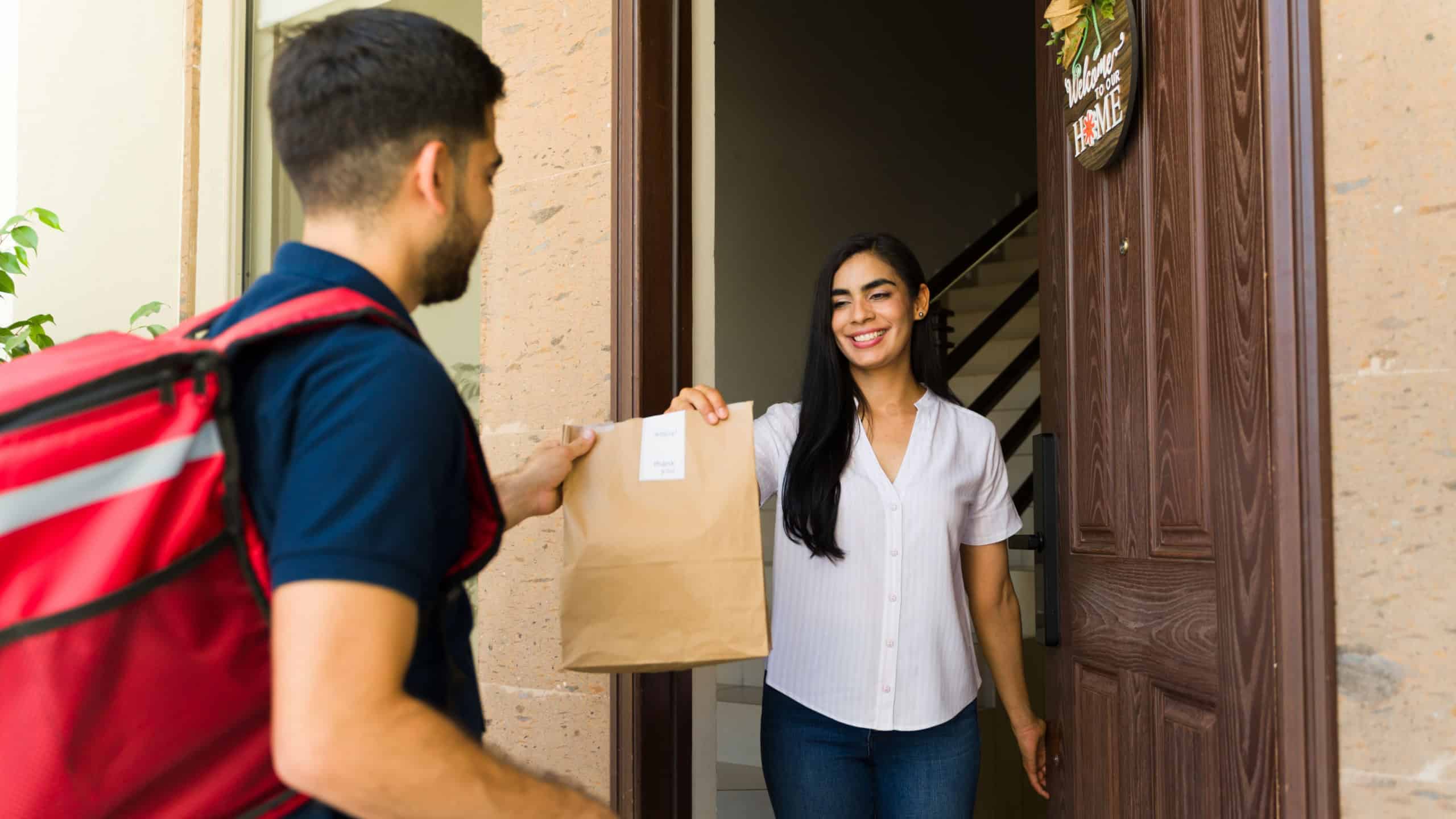
You’ll pay considerably more when you order from many restaurants and have the food delivered to your house. Once you add in all the fees, the tips, and the marked-up food prices, even what looked like a cheap meal can end up costing a lot.
A lot of people turn to these services simply because they can’t be bothered to cook. Ordering in on a regular basis means their money will drain away fast by the time each month wraps up.
Lottery tickets
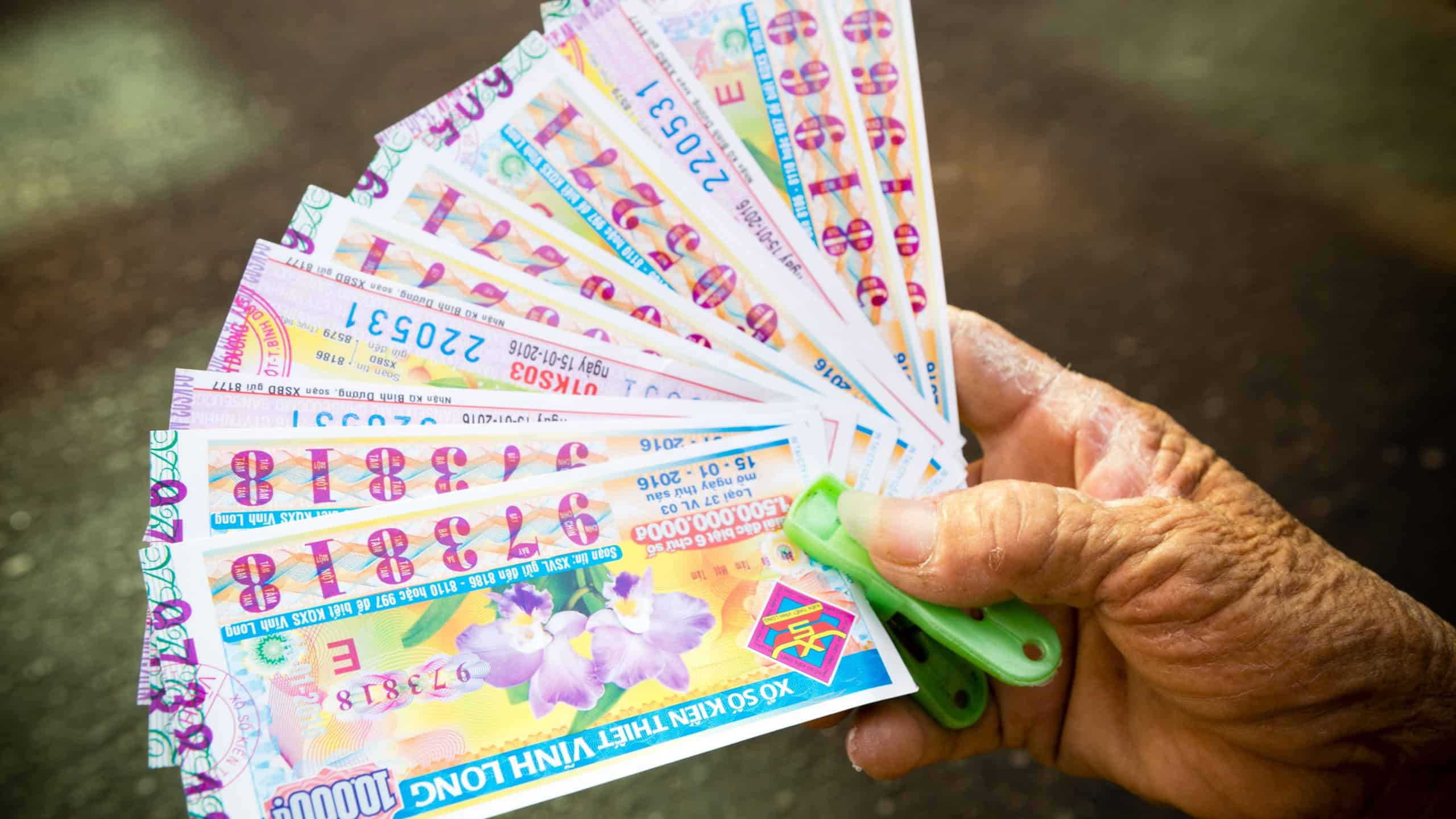
People who are struggling financially may see buying lottery tickets as an appealing route to a better situation. Spending a few dollars for a shot at winning thousands or more doesn’t seem like much of a risk.
But the odds of hitting one of the big jackpots are extremely low. Buying these on a regular basis will only deduct from other necessary bills and will not improve their financial situation.
Unused subscriptions
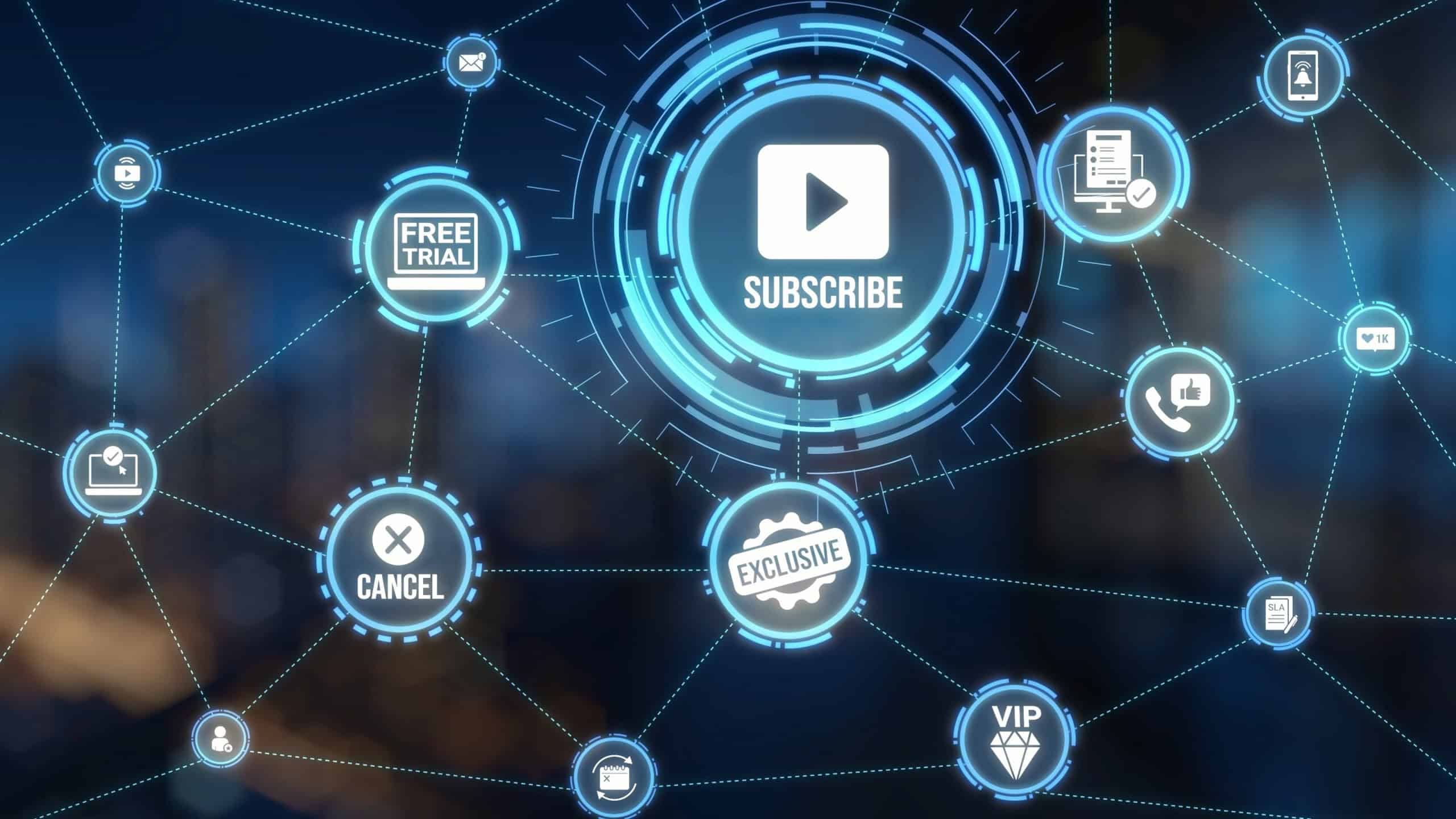
Many people spend money on things like TV streaming services, gym and health memberships that they may rarely, or never, actually use. It’s quite simple to forget about them, especially when the payments are just taken from their account automatically each month.
A few dollars here and there might not seem like much, but several subscriptions can easily add up to hundreds of dollars a year.
Name brand groceries
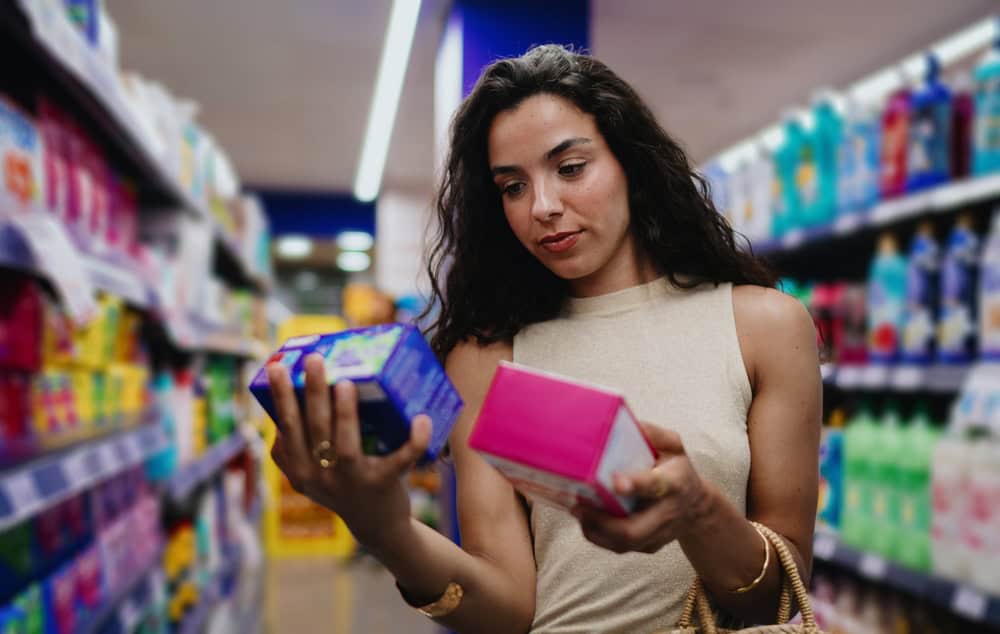
A lot of people reach for the brand name without ever stopping to ask if a cheaper option would do the job just as well. You can find store-brand versions of pasta, cereal, flour, detergent, and many other products that are good in quality.
Paying more does not necessarily mean you’re getting a better product. Across a full cart of groceries, those little differences can add up fast every week.
Convenience store purchases
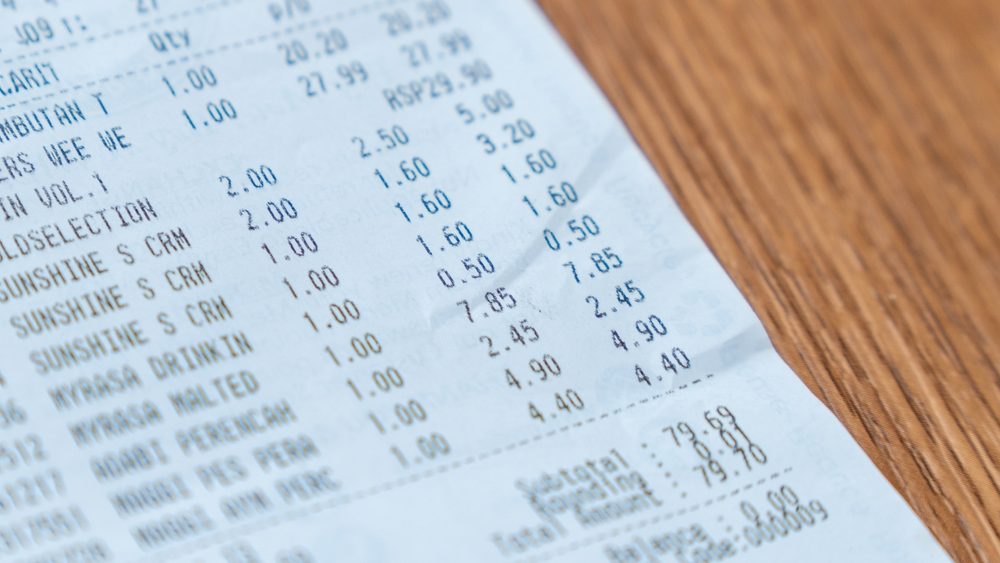
Buying food and other essentials from local convenience stores tends to cost far more than getting them from supermarkets. This may be because of convenience, or simply lack of planning to buy in larger quantities.
One bottle of drink, a small packet of chips, and so on, does not seem too much. But if you’re buying a small thing daily at prices like these, the total soon starts to grow.
In-app purchases
A lot of mobile games and social networks offer things like add-ons, extra lives and other gifts to their users, usually for a pretty small sum. It doesn’t take much to convince yourself to spend a dollar or two several times a day. Bit by bit, these small purchases can really pile up, and in the end you’ve spent a lot on something that isn’t worth much in real life.
Frequent phone upgrades
Many people want a new phone even when the one they have is still working fine. It’s tempting to see a regular monthly payment as pretty affordable, yet they might keep paying it for year after year.
Slightly better cameras and a marginally bigger display are not worth spending more money on if they are struggling financially.
Unnecessary bank fees
Overdraft charges, out-of-network ATM fees and monthly account maintenance fees can eat into a person’s money. Choosing your bank accounts wisely and planning ahead for how many cash withdrawals you make and how large they are can help you sidestep some of these fees.
Of course, customers with little money in their accounts often have no protection against these charges. And being charged simply to access or manage your own money only makes an already difficult situation worse.
Choose digital banks that offer no-fee daily banking instead.
Cheap replacements
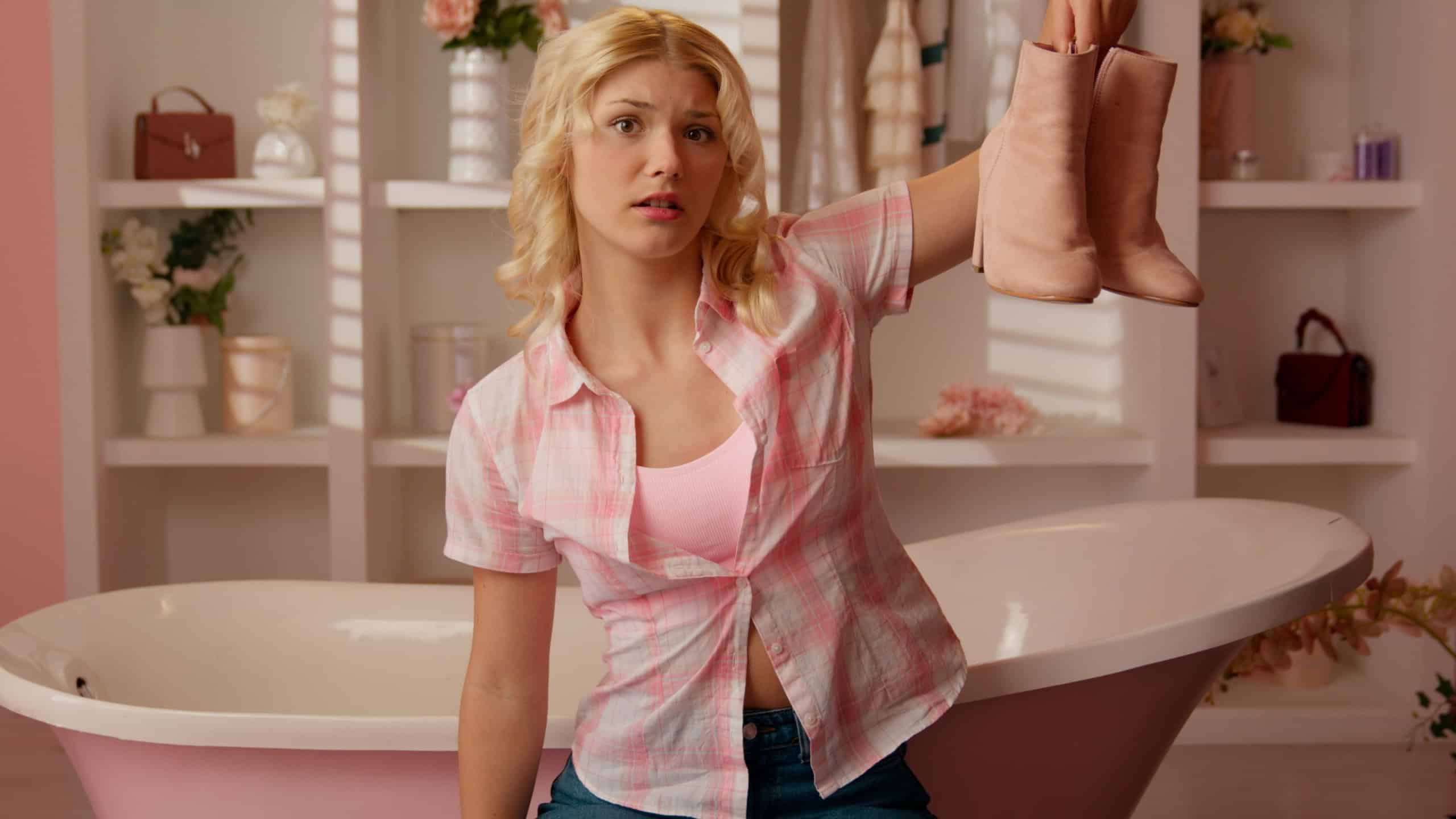
Some people assume that sticking to the cheapest products is a sure way to spend less. However, many things like shoes, charging cables, and cookware tend to wear out fast, so buying them over and over can easily end up costing more than one well-made item.
Unfortunately, if someone has little money to begin with, they might be left with no choice but to keep making these cheaper buys.
Buying drinks separately

Buying water, soft drinks, energy drinks or takeaway coffee to go during the day can all add up quite quickly. Typically, each of these costs far more per unit compared with picking up bigger quantities. Bringing a refillable bottle and brewing your own coffee at home can end up saving you a good chunk of money.
Things on sale
Buying something just because it’s cheap is not always a good thing. People often end up buying clothes, toiletries and other household items simply because they come at a lower price.
All those sales and special offers are just shops trying their hardest to make you feel like you must buy now. Even if they drop the price to $40, you’ve still spent $40 on something you never really wanted.
Wasted groceries

Some people buy fruits, vegetables, and dairy products in bulk assuming that it’s cheaper. But buying more food than can actually be eaten simply means throwing money away.
All sorts of food, from fruit and vegetables to milk and leftovers, can spoil before they get around to eating them. Poor meal planning can make even home cooking unnecessarily expensive.
Paying for social appearances

Some people will spend too much simply to give off the right impression, whether that’s going for expensive dinners, buying fancy presents for birthdays, or contributing to costly group activities, just to keep others from learning the truth about their money troubles.
They frequently spend too much on these things while letting their bills go unpaid. Sure, being socially accepted this way feels better, at least while it lasts, but it only makes a bad financial situation worse.
Single-use products
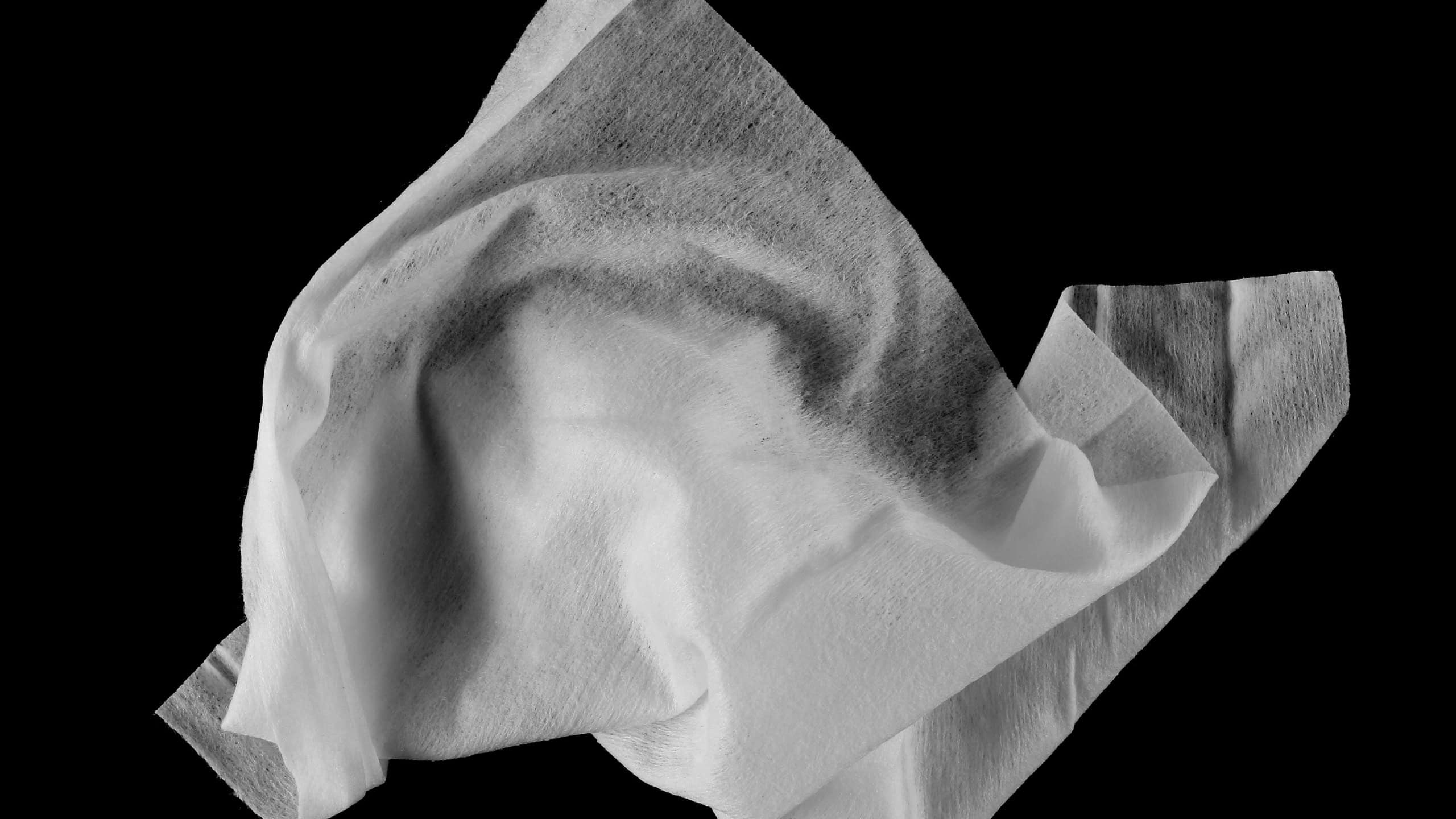
You pay next to nothing for disposable plates, tissues, dusters, and razors, but you’re always running out and needing more.
It is easy to fall into a pattern of buying them when there may be no real need to do so. You can often get the same results using washable cloths, food storage containers or a razor you simply refill.
Like our content? Be sure to follow us.
16 bad money habits draining your bank balance
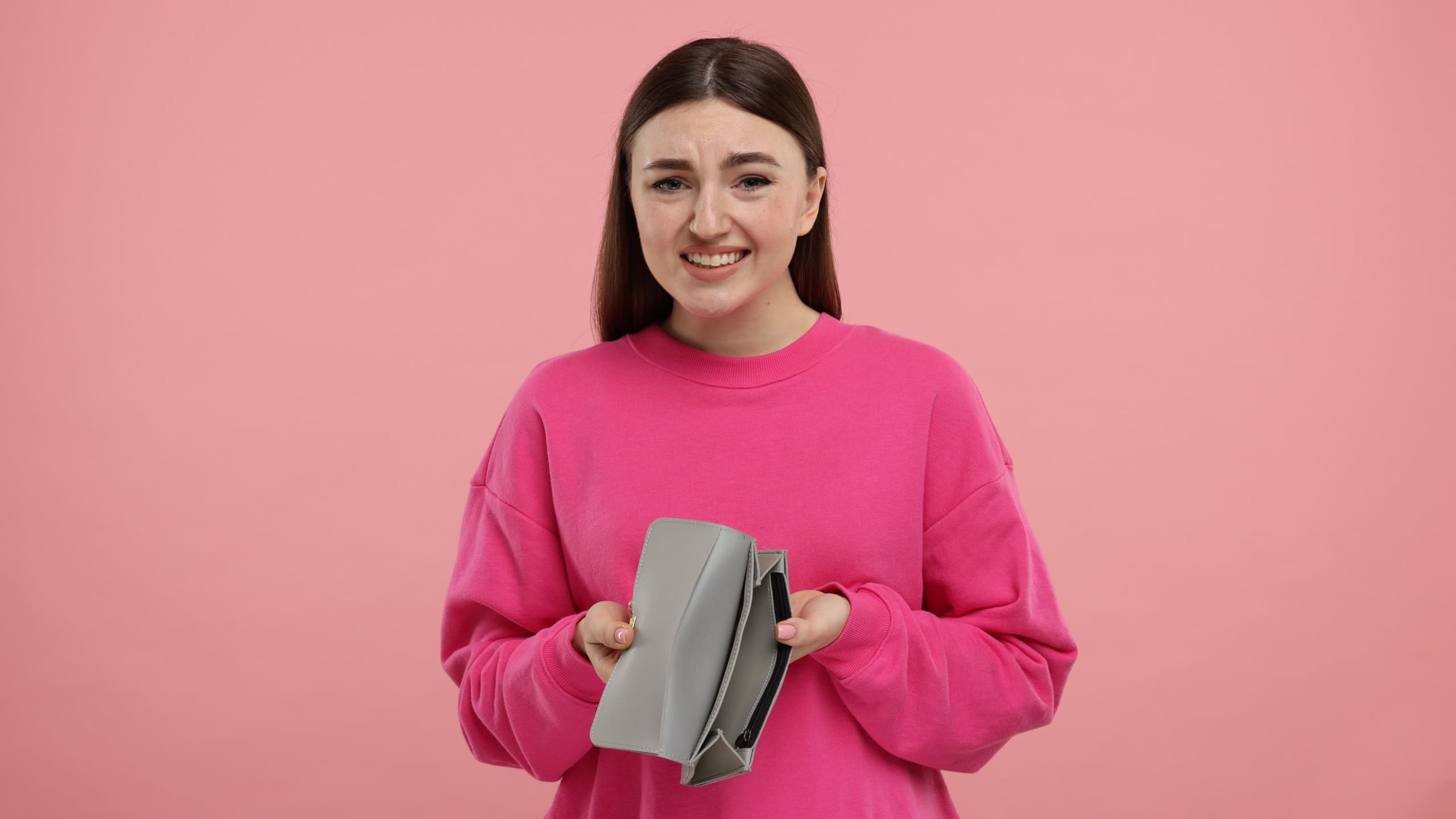
Many people like to blame inflation or low wages when we’re strapped for cash, but the truth is tiny daily habits are bleeding you dry, and you probably aren’t even aware of it.