
Some religious rules made sense centuries ago, but many people question their relevance today.
Hiding hair

In many religions, women are required to keep their hair covered. This expectation grew out of cultures where a woman’s modesty and behaviour were closely tied to ideas of honour.
Today, many people question why women should face stricter clothing requirements than men. Naturally, when a woman covers her hair out of religious devotion, that is entirely her own affair; the controversy arises only when the practice is forced upon her.
Forbidden food

There have been many forms of religiously-mandated diet over the course of human history, ranging from no pork, no shellfish and so on to certain food pairings being forbidden.
Often, a restriction like this carries spiritual meaning and helps shape the identity of the faith. But some people argue that given our current knowledge and techniques to avoid food-borne diseases, such laws may no longer be necessary.
Women religious leaders
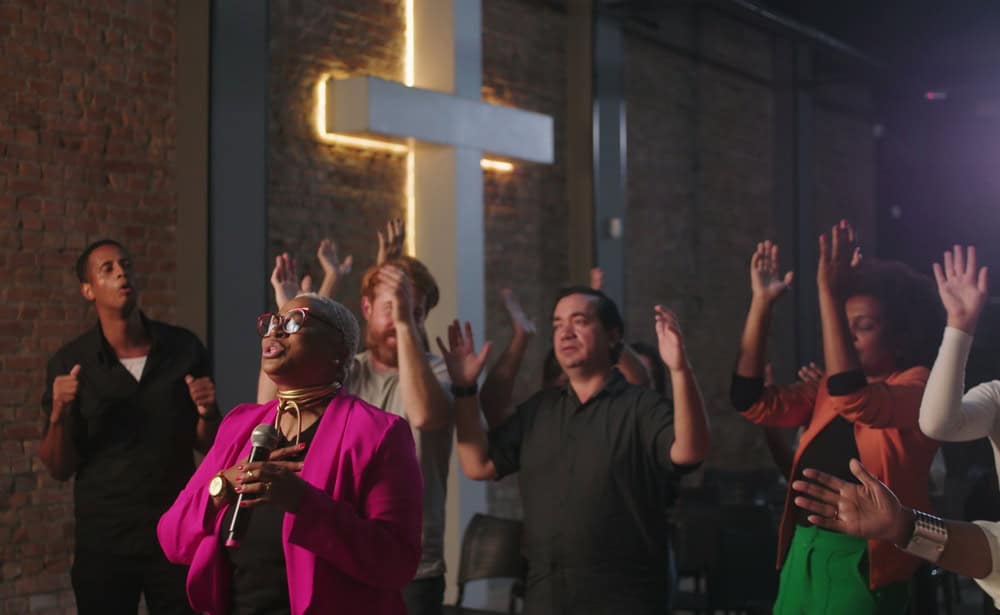
There are religious traditions where women cannot become priests or hold specific positions. This generally comes from long-standing tradition and the religious texts written centuries ago.
However, many feel that a woman’s sex should have no bearing on whether she can preach and lead a community. Some religions have now opened the clergy and office-bearing roles to women, but a segment will always view them as male territory.
Divorce

There are religions that do not allow divorce at all, while others sanction it only under certain conditions. Often, this stems from the belief that marriage is a bond meant to last forever.
However, these strict rules can make people’s lives miserable, especially when a marriage involves serious harm or abuse. As a result, some religions have developed approaches for accepting and sanctioning the ending of a marriage.
Silent women

Historically, some passages in religious texts have been interpreted as women should stay silent during religious gatherings. In fact, some people used these interpretations to prevent women from speaking in public or teaching men.
However, many in modern society believe these teachings are only relevant to the historical context and restricting women violates modern ideas of equality.
Work on sacred days

Most religious observances usually include at least one day when people set aside certain activities. This might mean anything from skipping work and travel to giving up everyday chores at home. Naturally, some would say this is hard to put into practice when a person’s job or the need to care for others cannot simply stop.
Separating men and women

In some regions, men and women have to sit or worship in separate areas. This practice is claimed to help maintain modesty. Some even follow this rule because it’s a religious custom that has been followed for centuries. But modern critics sometimes argue against the need for separation during an activity where followers are supposed to come together.
Ritually impure

Ritual impurity is a concept present in various religious traditions. Women may, for instance, be required to step back from certain practices or rituals during menstruation or after giving birth. Usually, such rules are related to ritual status instead of hygienic conditions. However, some argue that treating natural bodily functions as reasons for exclusion can only reinforce harmful attitudes.
Forbidden marriages

Some religions forbid their members from marrying someone of a different faith. In earlier times, the purpose was to keep the faith alive and let children grow up following that religion. Many today argue that people should be free to wed whoever they love. Of course, some family members and religious organizations may disapprove of an interfaith relationship.
Unmarried leaders
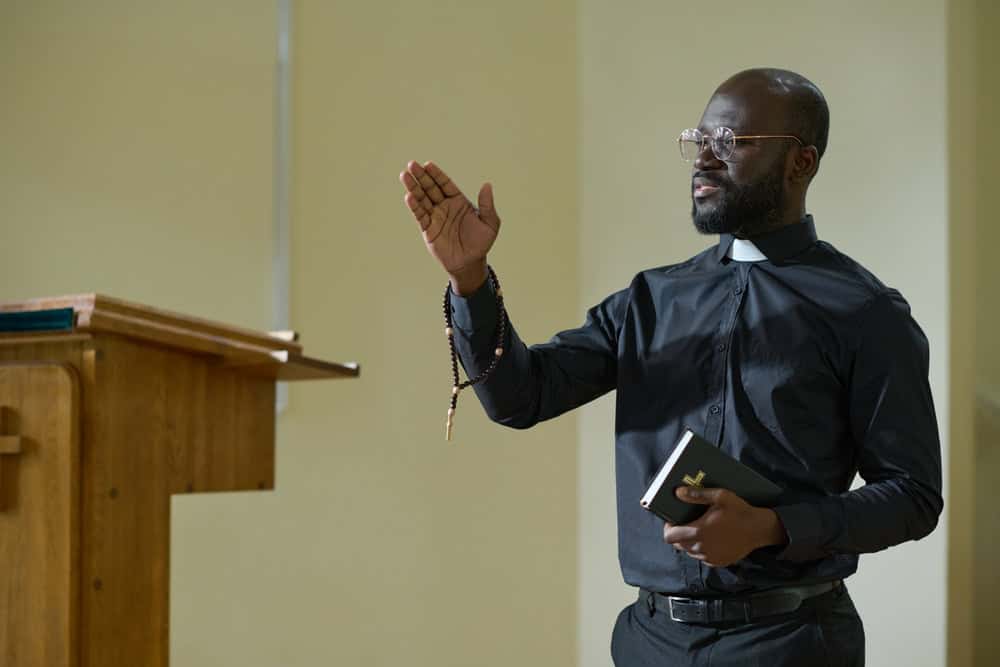
Some faiths insist that their clergy stay unmarried and celibate for life. It is argued that by remaining single, these individuals can dedicate themselves entirely to God. However, some argue there is no reason why a person cannot continue to carry out these roles married. There are, in fact, many successful religious leaders who balance their family life and religious duties.
Birth control

Some religions prohibit artificial contraception because they believe sexual relations within marriage should remain open to the possibility of having children. The Roman Catholic Church, for example, officially opposes artificial contraception, although they do allow some methods of natural family planning.
But many argue whether religious authorities should decide how couples plan their families, especially when pregnancy could threaten someone’s health.
Leaving the religion

In many religions, leaving can be seen as a sin or even a betrayal of one’s family and heritage. Some religions historically handed down severe punishments to those who turned away from the faith, and there are still areas where this happens. But the common view holds that the freedom to follow a faith should carry with it the freedom to walk away from it. Most modern religions recognize this.
Like our content? Be sure to follow us.
14 ancient religious practices that Jesus criticized
Many times Jesus’ fiercest condemnation was reserved not for faithlessness, but for religious rituals that had become meaningless, hypocritical, or distanced from God’s purpose.