
Not everything you’ve worked hard to acquire deserves a permanent place in your retirement years.
Individual stock picks

It can be tough to sell shares of your favorite company if you’ve held them for years, or even decades. They’ve done well for you, and you may become emotionally attached to them. On the other hand, it can be unwise to have a large portion of your retirement savings concentrated in just one or two companies.
If the stock prices plummet, you could lose your financial cushion. Perhaps sell some of your individual stocks and move the profits into diversified investments. Broad market index funds are one way to diversify that risk.
Second car

When you both worked, you may have needed two cars. Now that you are retired, one may be parked in the driveway most of the time. You are still paying insurance, registration and maintenance on an extra vehicle. If you live in an area where public transportation is available, one vehicle may be all you need.
If you travel together most of the time or can walk to work or stores, the second car is just a wasted expense. Selling the car you rarely drive frees you from those monthly costs and puts the sale money in your pocket.
Unused jewelry

That drawer stuffed with gold necklaces and diamond earrings might hold treasures from your past, but it also could be holding on to cash you could be using.
Many seniors have jewelry boxes full of pieces they no longer wear. Maybe you have inherited jewelry from family members or received gifts for birthdays or anniversaries that you don’t wear anymore. Consider selling those unwanted pieces for extra cash and to declutter your home.
Secondary real estate

Vacation homes and rental properties might seem like the perfect place to park your retirement nest egg. The problem is that taxes, insurance, maintenance, and repairs don’t take a vacation when you retire.
Rental properties also involve tenant hassles, unplanned vacancies, and surprise repairs. If you rarely use the property, selling it could free up a hefty amount of equity and simplify your life.
Unused collectibles
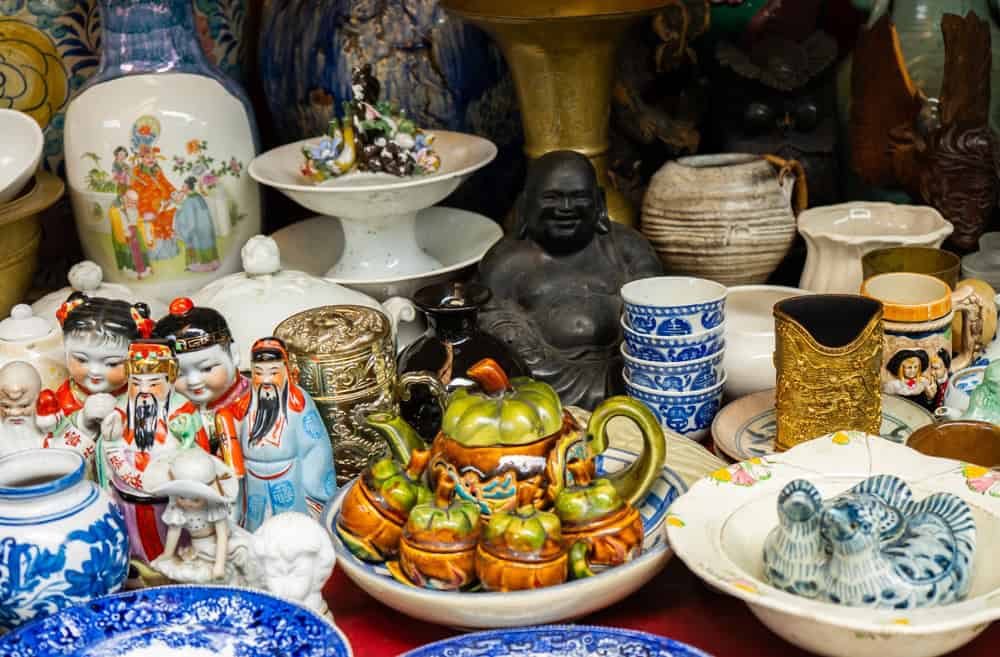
Many people accumulate collections of coins, stamps, figurines, antiques, or commemorative plates over the years. Some of these may have true resale value and others are worth far less than you think. If they’re just collecting dust in boxes and no longer give you pleasure, now may be the time to sell them in retirement.
You can check resale value online or through guides published within the last few years. Get a professional appraisal for rare items, but you may only need to sell common items in bulk.
Oversized family house

Your four-bedroom house may be full of memories, but keeping those bedrooms, bathrooms, and yard maintained can be costly with no kids at home.
Property taxes, insurance, utilities, and surprise maintenance items still add up after the nest empties. Moving to a smaller home can free up considerable equity and cut monthly costs. It can be emotionally tough to move out of your family home, but don’t let your retirement fund move out instead.
RV or motorhome

Buying a recreational vehicle can be the first step to the retirement dream of full-time travel. The reality is most RVs spend more time in storage than on the road.
Storage fees, insurance, maintenance, repairs, tires, and regular upkeep can become costly even if you’re not using it. Selling your seldom-used motorhome can relieve you of monthly expenses and open up a nice chunk of change. Renting a recreational vehicle when you feel like traveling will provide you with the same perks without ownership responsibilities.
Unused sporting gear

Golf clubs, fishing poles, bikes, and camping gear can collect over the years when retirement ages are pushed back or favorite pastimes fall out of favor. An entire garage can be full of pricey equipment that only gets used once or twice a year.
Selling off gear from sports and hobbies you’ve lost interest in can put some extra cash in your pocket and free up room in your storage areas.
High-maintenance antiques
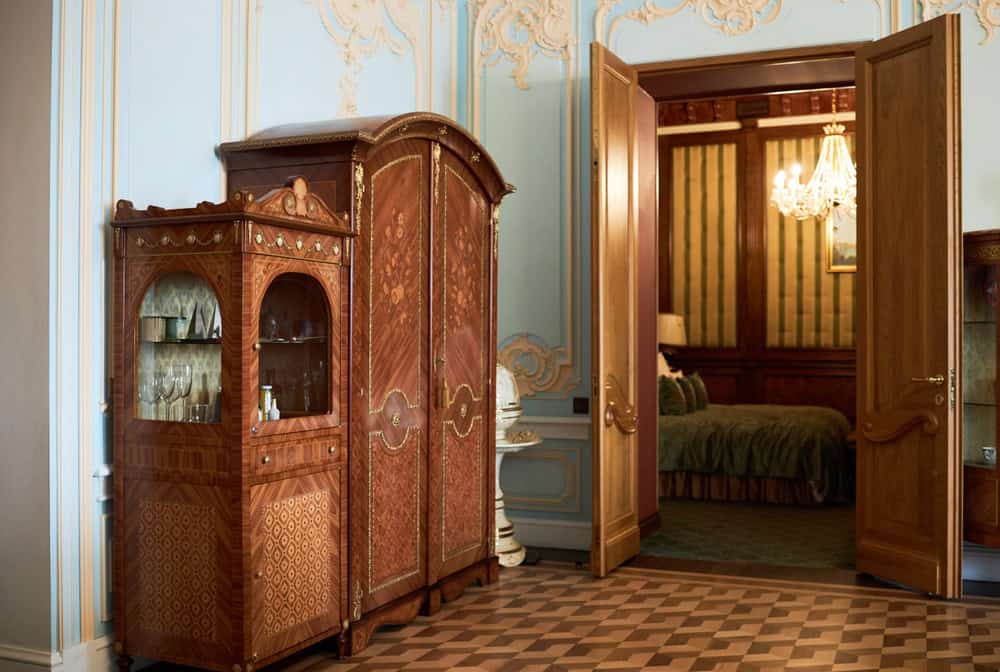
Maybe you’ve spent years collecting wooden dining tables, decorative cabinets, vintage wardrobes, and chunky sideboards, treating each one as a treasure. But the younger generations prefer more practical, smaller furniture that fits their homes. So, it’s no use saving them for family.
Hanging on to too-big furniture pieces also makes downsizing difficult when no one wants them. Selling heirloom antiques through reputable dealers, estate sales, or auctions can help recoup some of their value and lighten your load.
Overpriced life insurance

Life insurance can be very important during your working years when you have children at home, a mortgage to pay off or a stay-at-home spouse who relies on your income.
When you retire, your kids are grown and on their own, and you’ve likely paid off your mortgage and other debts. You may no longer need life insurance.
Additionally, whole life and universal life policies often have very high premiums that could eat up your retirement nest egg. By surrendering a policy that you no longer need, you can free up your policy’s cash value and stop making payments.
Like our content? Be sure to follow us.
11 family heirlooms your kids likely don’t want

These family heirlooms might be valuable and may have sentimental value, but that doesn’t mean your kids have the space or money to keep them.