
Your hands come into contact with countless objects every day, but some deserve an immediate trip to the sink.
Raw chicken and meat
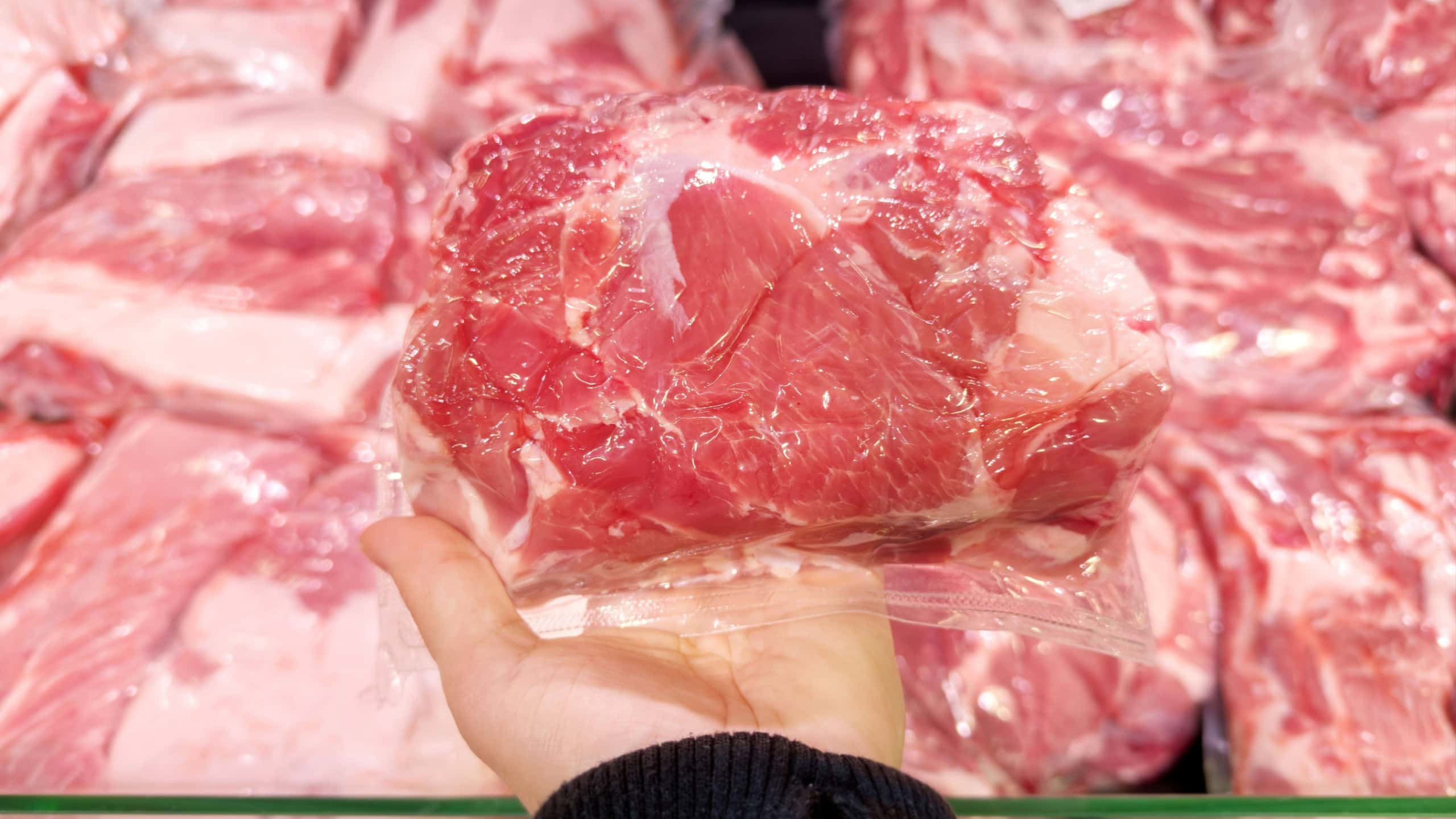
After you handle raw chicken, beef or any other kind of meat, you should wash your hands. Raw poultry is often contaminated with Salmonella and Campylobacter and other meats can be tainted with dangerous strains of E. coli. Washing your hands prevents the spread of these germs to kitchen surfaces, utensils, and cooked or ready-to-eat foods.
And remember: you don’t necessarily have to touch the meat to transfer germs. Packaging and meat juices can also contain bacteria. Wash your hands with soap and water that’s running for at least 20 seconds before you touch anything else after you handle raw meat.
Public restroom surfaces
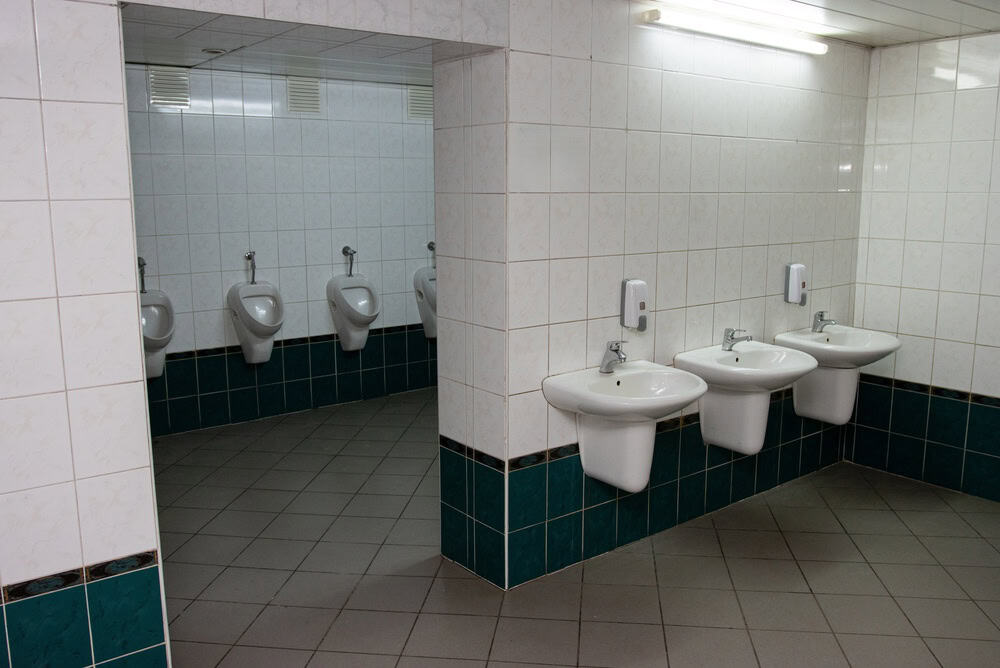
Restrooms are full of commonly touched surfaces. Toilet flush handles, stall locks, faucets, and door handles are all potentially contaminated by germs on people’s hands. Just touching something in a restroom won’t make you sick, but if you touch something and then touch your mouth or food, you’ve given infection a chance to take hold.
Always wash your hands after visiting the restroom, even if you did not touch the toilet itself. If the faucet is manual, turn it off with a paper towel after you finish washing your hands.
Animal waste and litter boxes
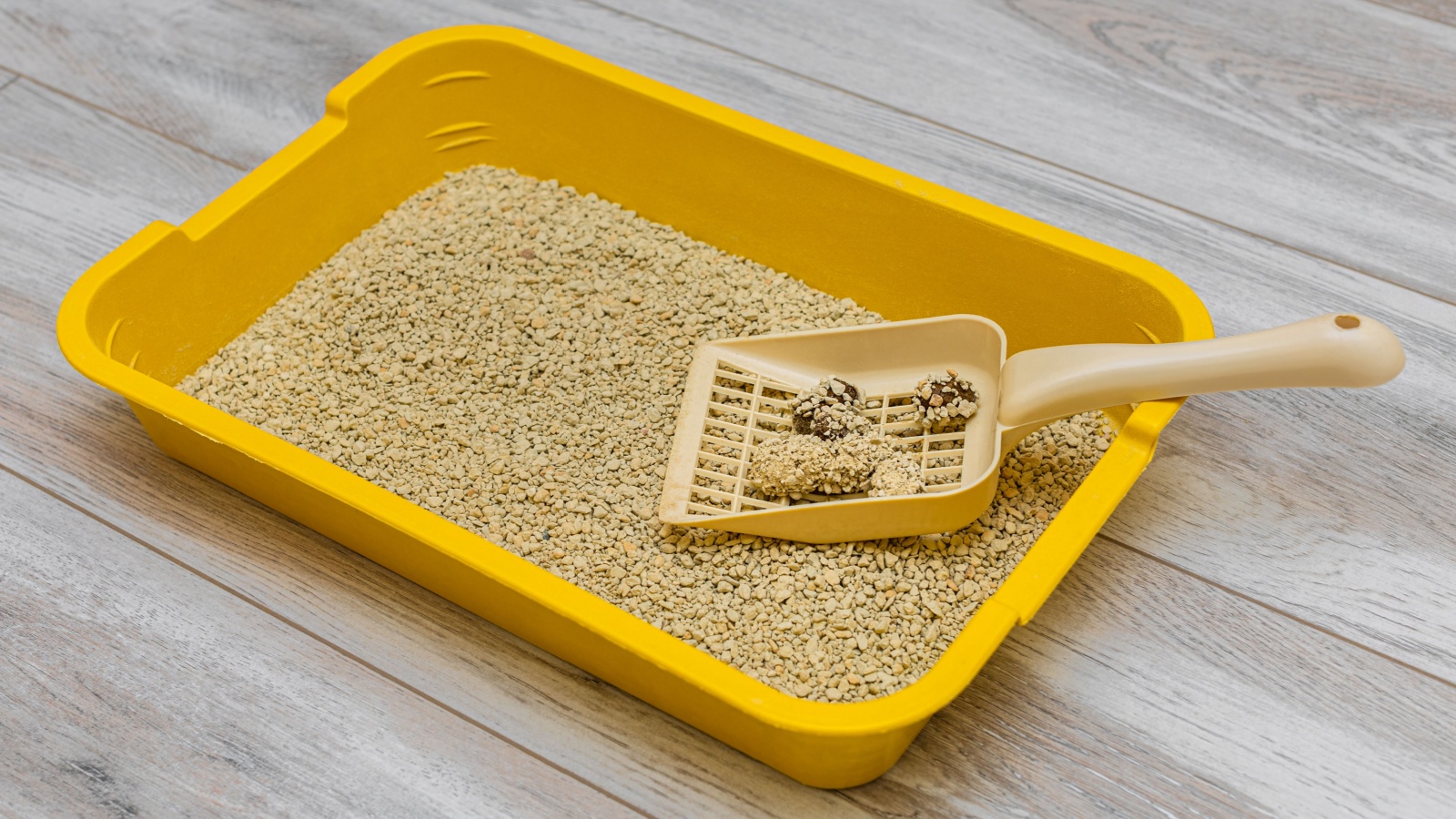
Cleaning a litter box or scooping up after your dog may expose your hands to germs that can make you sick. Even if an animal looks healthy, its feces can contain disease-causing bacteria, parasites and other infectious organisms.
In fact, cat feces can carry a parasite called Toxoplasma gondii, which can cause complications for pregnant women. Using a scoop, gloves or a waste bag can minimize direct contact with feces, but don’t forgo handwashing.
Garbage and trash cans
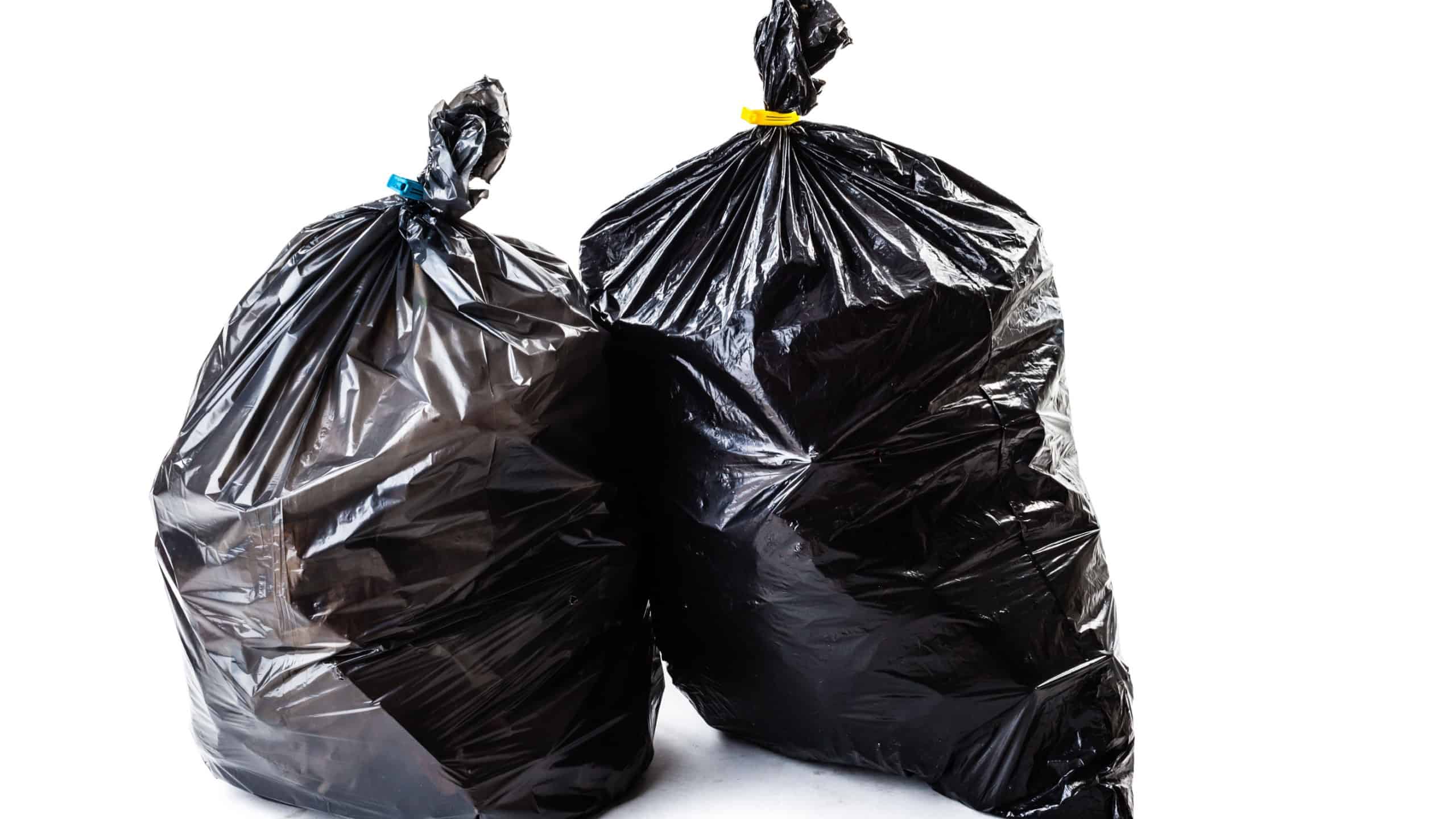
Emptying the garbage can can seem like a low-risk activity since everything is contained within a bag. Trash cans collect food scraps, tissues, contaminated packaging, and plenty of other waste. The garbage can lid and handle are touched numerous times throughout the day, yet they are rarely wiped down or sanitized.
The primary risk to your health is when you touch bags that are leaking, rotting food, or waste with bodily fluid. So make sure to wash your hands after you throw away trash, clean out a garbage can, or touch loose trash.
Cleaning chemicals
Household cleaning products may leave residues on your skin, especially when using disinfectants, bleach solutions or concentrated detergents. Certain chemicals may irritate your skin or may cause more severe damage if you unwittingly rub your eyes or mouth. Wear appropriate gloves when necessary, particularly when using harsh products.
Wash your hands after cleaning according to the label instructions, even if gloves were worn. If a hazardous chemical comes into direct contact with the skin, use whatever first aid response is outlined on the product’s label or safety data sheet immediately, instead of just washing your hands with soap and water.
Used tissue
A tissue used to blow your nose, cover a sneeze, or wipe away mucus may contain respiratory germs. Respiratory viruses are transmitted through respiratory droplets and contaminated hands. Touching used tissues and then your face or common objects could promote spread of these germs.
The best practice is to dispose of used tissues in a trash can and then wash your hands. When soap and water are not available, alcohol-based hand sanitizers with at least 60% alcohol are typically a convenient alternative for respiratory germs.
Raw eggs and eggshells
Cracking eggs to make breakfast may seem harmless. But raw eggs can harbor Salmonella bacteria that cause food poisoning. The contamination can occur on the shell or inside of an egg that looks just fine.
If you crack an egg, then touch refrigerator handles, spice containers or other ingredients before washing your hands, you may be spreading germs throughout your kitchen. The FDA recommends washing hands, utensils and work areas after handling raw eggs.
Reptiles and turtles
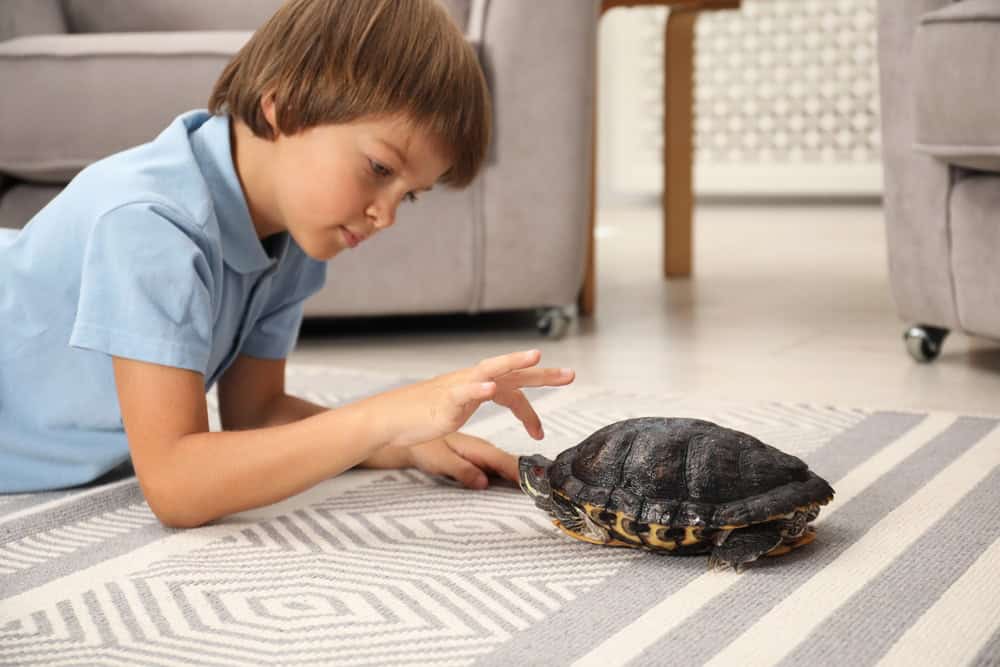
Healthy pet turtles, snakes and lizards can spread Salmonella bacteria even when they look clean. The bacteria live in their droppings and can get on the animal’s skin, as well as its tank, water and other equipment.
You can get infected without necessarily touching animal waste. Simply handling a turtle or cleaning its tank can expose your hands to bacteria. The CDC recommends that people wash their hands with soap and water after handling reptiles, amphibians or anything in the animal’s environment.
Raw flour and dough

Lots of people are aware that eating raw eggs can lead to food poisoning, but many don’t know that flour can contain bacteria as well. Raw flour doesn’t go through a germ-killing process, so bacteria like E. coli or Salmonella can live in it. That’s part of the reason you should avoid tasting raw cookie dough or cake batter. After you bake or cook the dough thoroughly, it’s safe to eat.
Gardening soil
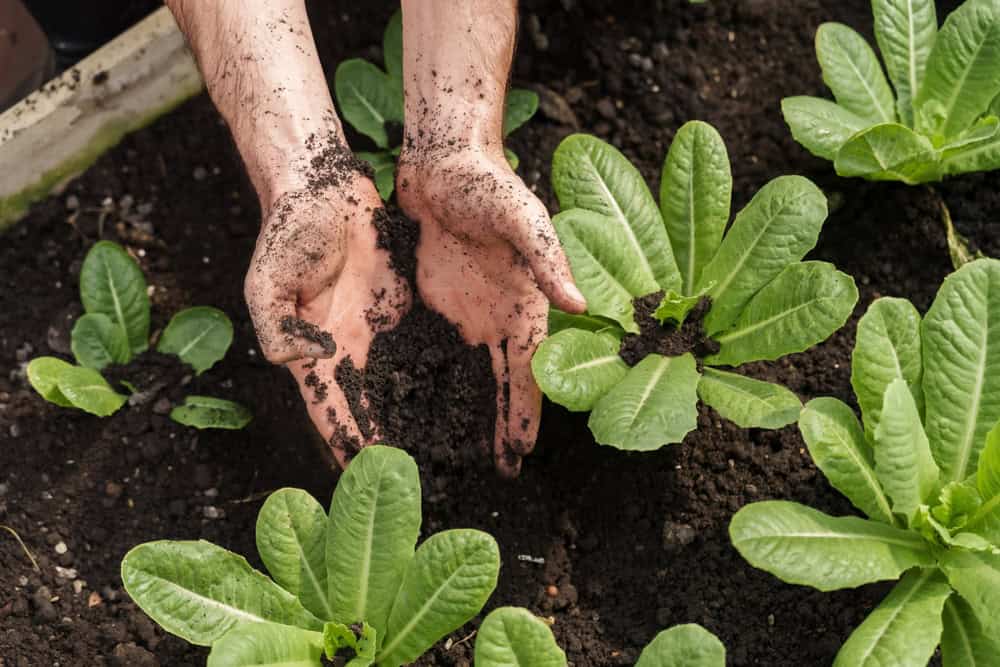
Activities like gardening can expose your hands to bacteria, fungi, and parasites naturally found in soil. Soil can also become contaminated with animal feces if you garden in an area where cats or other animals have been.
One organism that raises concern is the parasite Toxoplasma gondii, which can cause complications in pregnant women. Gloves provide a barrier and decrease contact with soil, but soil can still collect under your fingernails or on your wrists.
Shared gym equipment

Dumbbells, exercise equipment and yoga mats are touched by a lot of people every day. Sweat isn’t generally the issue, but common surfaces can harbor germs passed through skin or from hand contact. Certain bacteria and fungi that cause skin infections can be passed along through contaminated machines, particularly when someone has an open cut or scrape.
So always wipe down equipment before and after use and wash your hands after working out, especially before handling food or touching your face.
Baby diapers
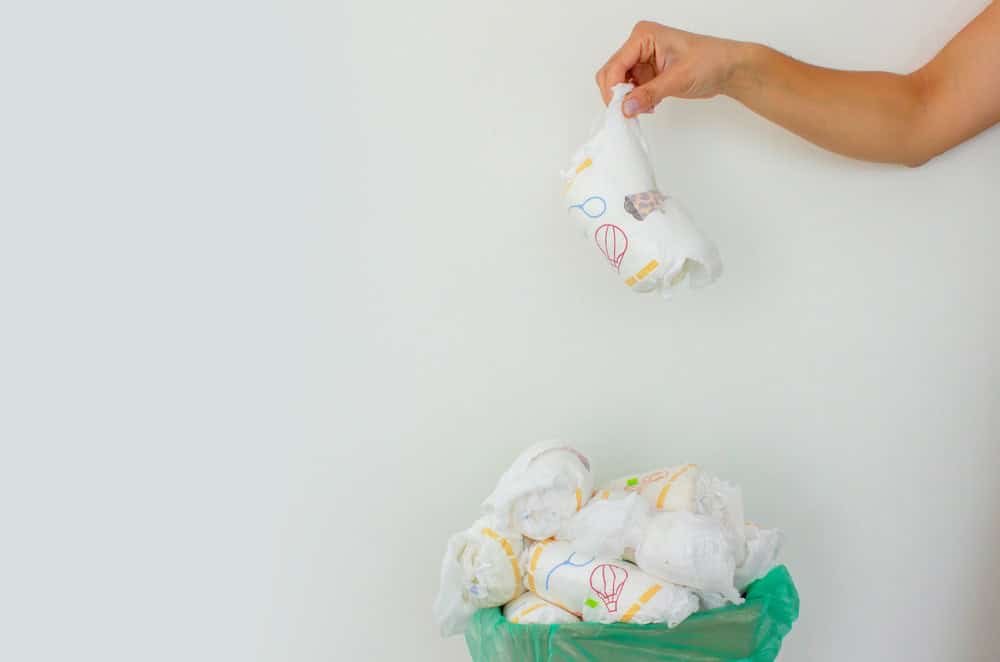
Changing diapers can put your hands in contact with fecal matter and the germs that live in it, such as bacteria and viruses that cause gastrointestinal illness. Even when using disposable wipes and avoiding direct contact with fecal matter, disease-causing germs can be spread via contact with the diaper itself or surfaces touched during changing such as the changing surface or countertops.
Floodwater

Floodwater may be contaminated with sewage, animal waste, chemicals and other hazards. Even floodwater that looks clean can harm you. CDC says it can cause gastrointestinal illness, skin infections, and wound infections if contaminated water gets into an open cut. Wear rubber gloves when touching objects contaminated with floodwater, if possible. Wash your hands with soap and safe running water as soon as possible.
Sources: Please see here for a complete listing of all sources that were consulted in the preparation of this article.
Like our content? Be sure to follow us.
How to stay healthy in December when everyone’s sick
Every December, it seems like no one is immune to sickness. Offices are suddenly germ pools, kids are bringing home every illness from school and holiday gatherings mean less chance of avoiding illness. A few small changes to your routine can help you dodge getting sick, even in December.