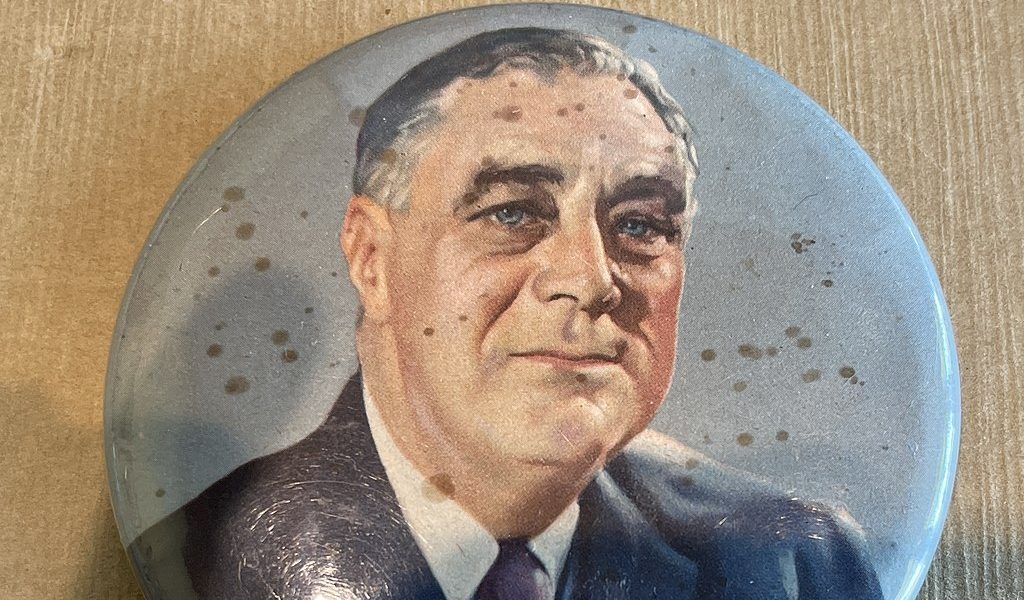
Even history’s most powerful and celebrated figures had fears that could follow them throughout their lives.
Pearls
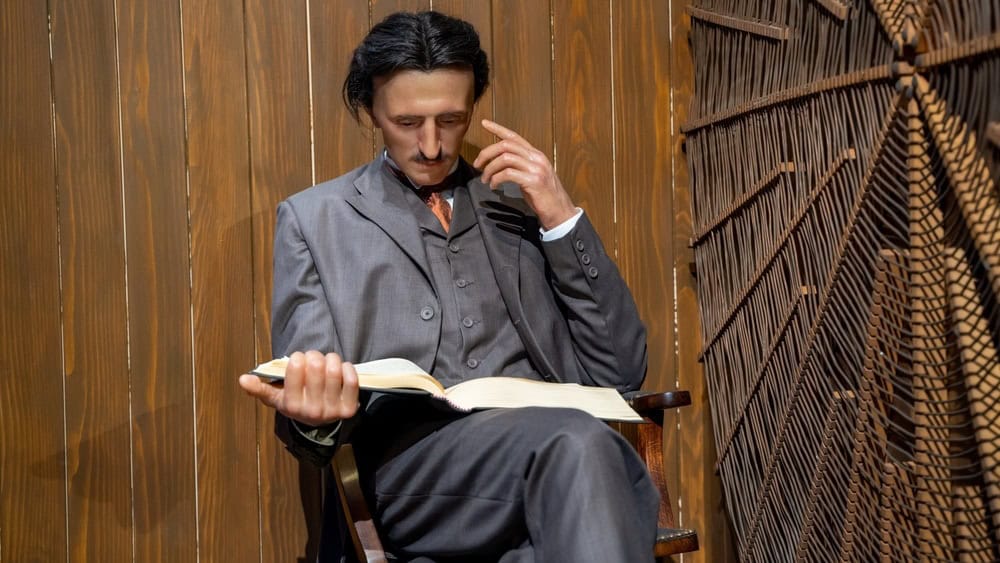
Nikola Tesla
The genius who invented alternating current and wireless electricity had a profound, all-or-nothing disgust for pearls and round jewelry.
Tesla’s disgust was so severe that he refused to talk to or be in the same room with a woman wearing pearl necklaces or earrings. One day Tesla’ secretary showed up wearing a pearl necklace, and without question Tesla promptly sent her home for the day.
Darkness
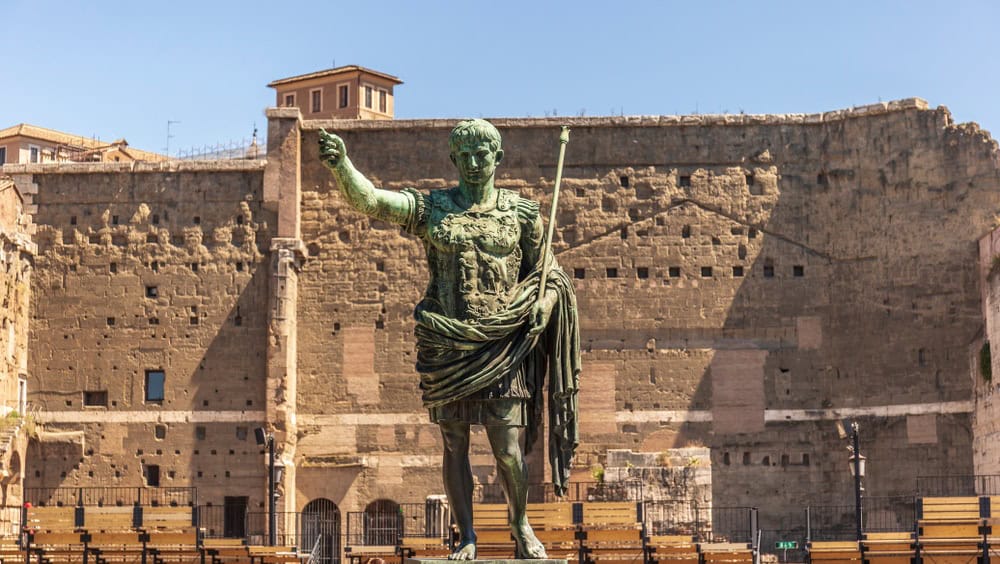
Augustus Caesar
The first Emperor of Rome who changed Rome from a republic into a world empire had one overwhelming fear that plagued him his entire life. Augustus Caesar could not stay in a dark room alone. When night fell, he had to have guards, attendants or nightlights standing by.
Augustus was so scared of the dark that when thunderstorms came, he would crawl into an underground vault or cover himself in thick seal skins to protect himself from thunder and lightning.
Knives
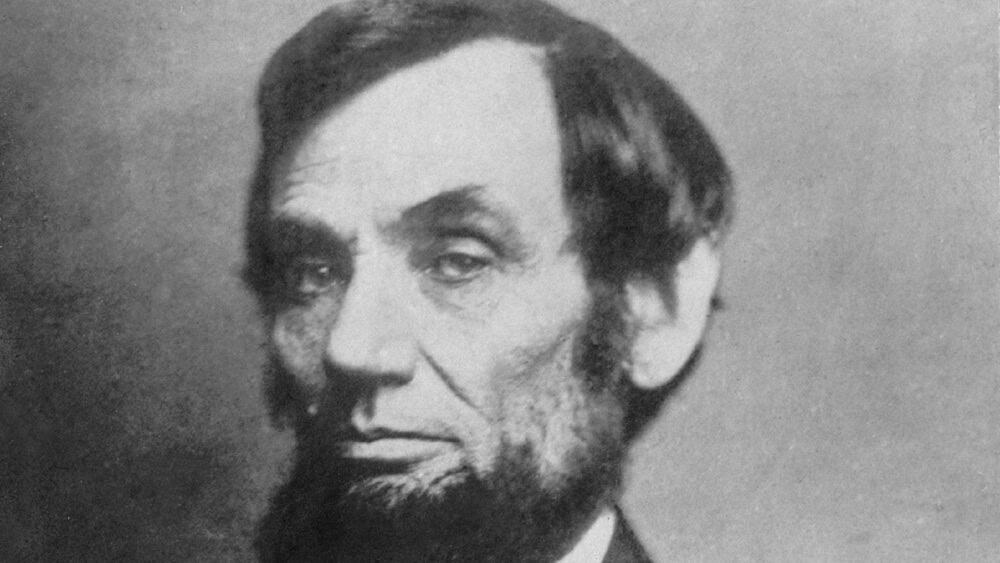
Abraham Lincoln
Even though Abraham Lincoln remained strong through the Civil War, he struggled with depression and an irrational fear of knives.
After experiencing particularly strong depressive episodes, Lincoln requested friends keep knives and other sharp instruments away from him. Lincoln shared privately with friends he worried that he might unintentionally or spontaneously harm himself with a knife if they were accessible.
Train travel

Sigmund Freud
The man who made his living analyzing other people’s fears had a fear of his own: travel anxiety. Freud called it Reiseangst, specifically relating to train travel.
Freud would often get quite anxious before traveling and would even arrive at stations excessively early. However, once the travel began, Freud seemed to be doing fine and continued traveling for the rest of his life.
Assassination
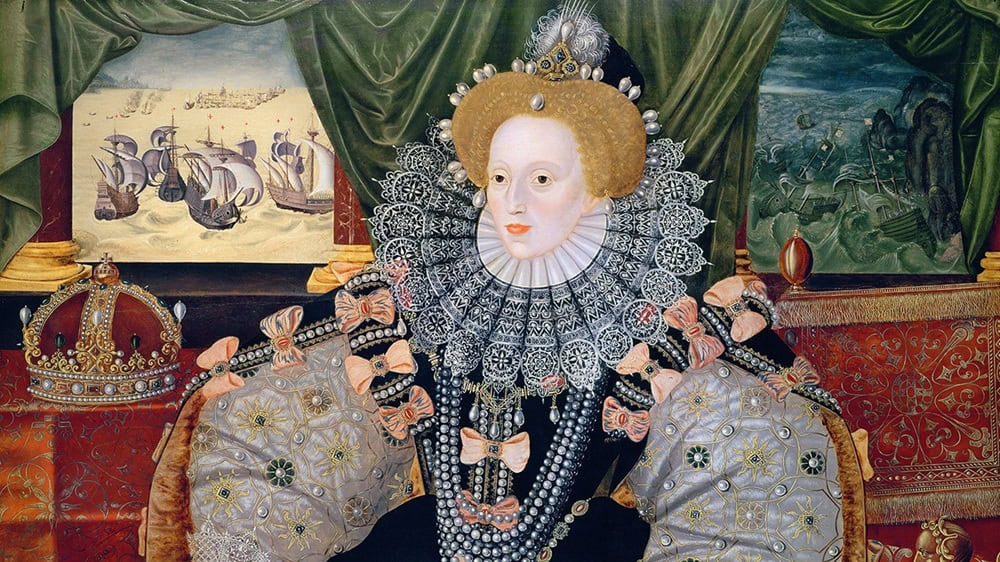
Elizabeth I
It was dangerous being Queen of England. Elizabeth I had ample cause for concern over attempts to overthrow or kill her. Catholic conspiracies, foreign threats and her uncertain succession cast doubts on England’s security throughout Elizabeth’s reign.
Events like the Babington Plot proved that assassination was not just paranoia. The government ran extensive networks of spies partly out of concern that anything threatening Elizabeth posed a threat to England itself.
Being buried alive
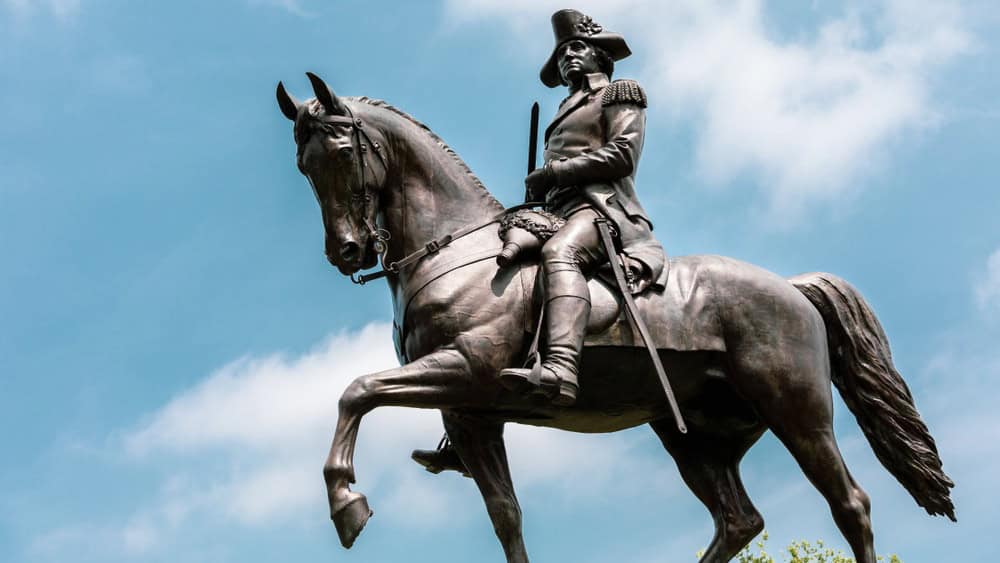
George Washington
George Washington was deathly afraid of being buried alive, which was a common fear in his time because of a lack of medical knowledge. On his deathbed in 1799, he issued detailed and explicit instructions to his private secretary and his physicians about his burial.
He insisted that they wait at least three days after his breathing ceased before they buried him. Washington wanted them to place his body in an upstairs room where it would remain exposed until burial in the family vault.
Disease
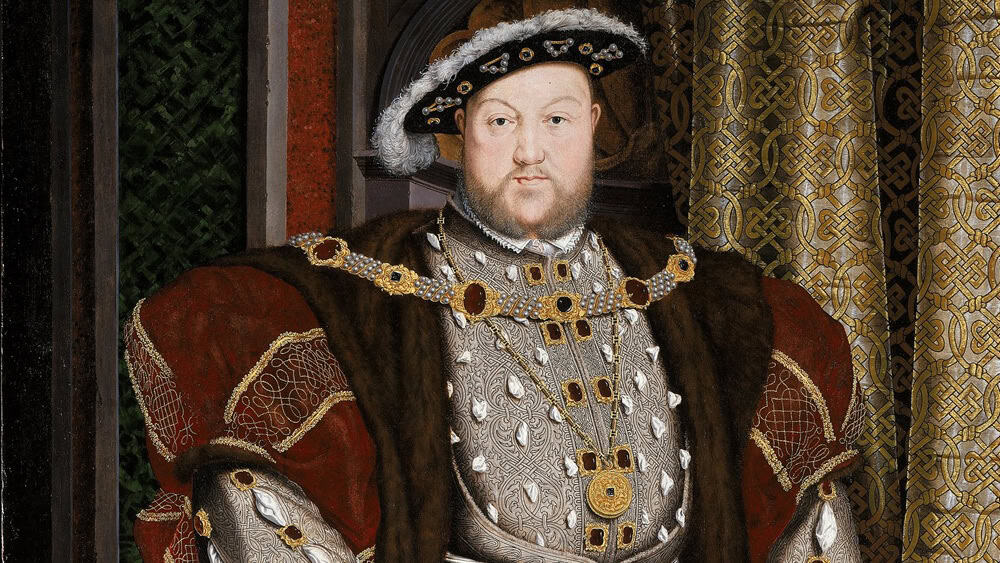
Henry VIII
Henry VIII, the Tudor monarch known for six marriages and splitting from the Catholic church, dreaded contagious diseases above all else. The plague, as well as a mysterious illness known as the sweating sickness, terrified him.
On learning of an outbreak near the capital, Henry would hastily order his court to decamp to one of the rural residences he had taken over across England. He was so terrified he often denied meetings with ambassadors or councillors who had passed through affected areas, essentially putting himself on lockdown.
Cockroaches
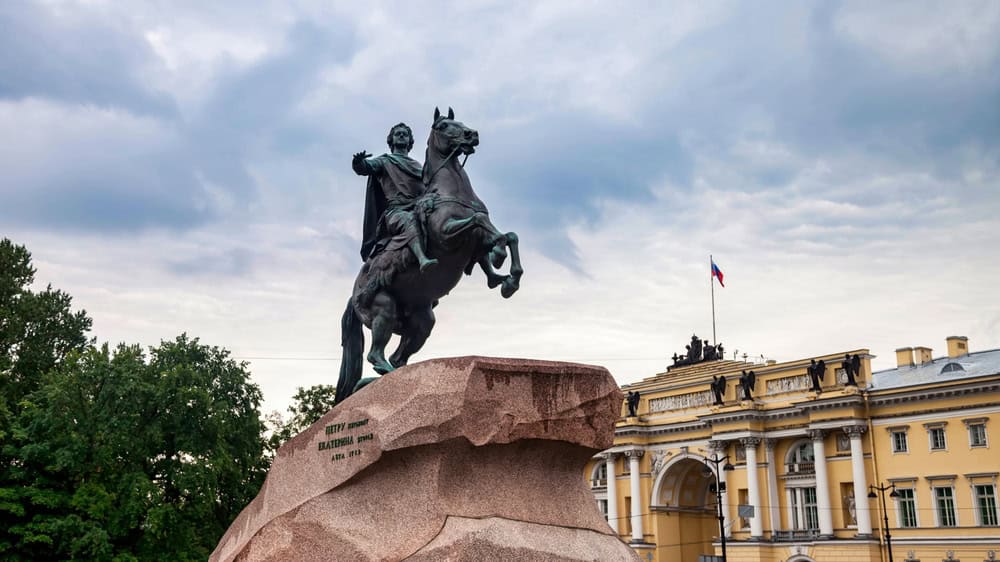
Peter the Great
Peter the Great was the Russian Tsar who modernized Russia and built the city of Saint Petersburg. He had an extreme phobia of household insects, especially cockroaches.
Peter would not set foot in someone’s home if he believed that there was a cockroach present. As Peter traveled throughout Russia, his servants would need to inspect each room and clean it before he would enter.
Fire
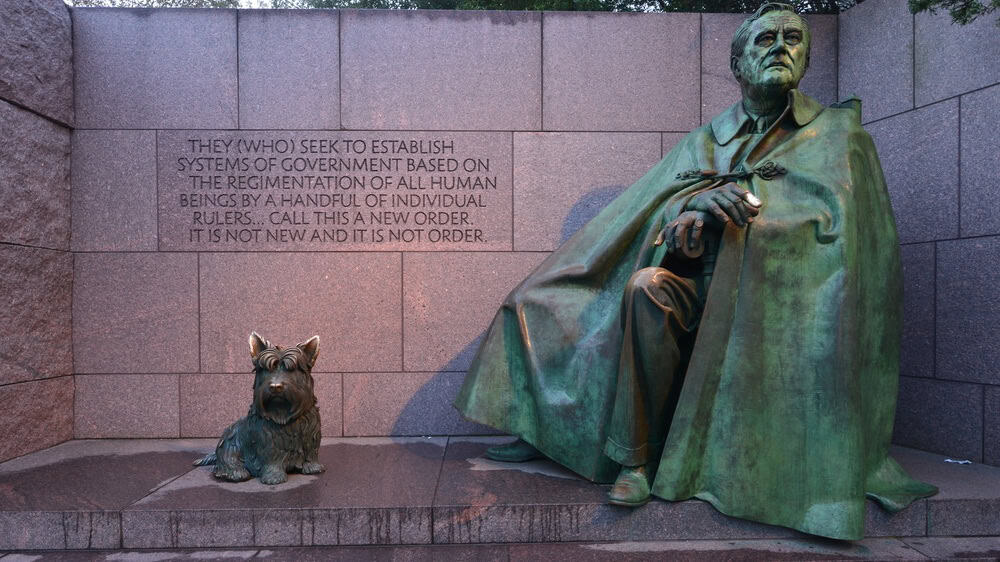
Franklin Roosevelt
Fire safety became one specific worry Franklin Roosevelt developed after becoming paralyzed from polio. Unable to walk on his own, fire was especially terrifying since buildings were less regulated and had fewer safeguards than today.
Besides being limited in mobility, Roosevelt apparently obsessed over the thought of being unable to escape a fire if he was trapped on an upper floor.
Asthma attacks
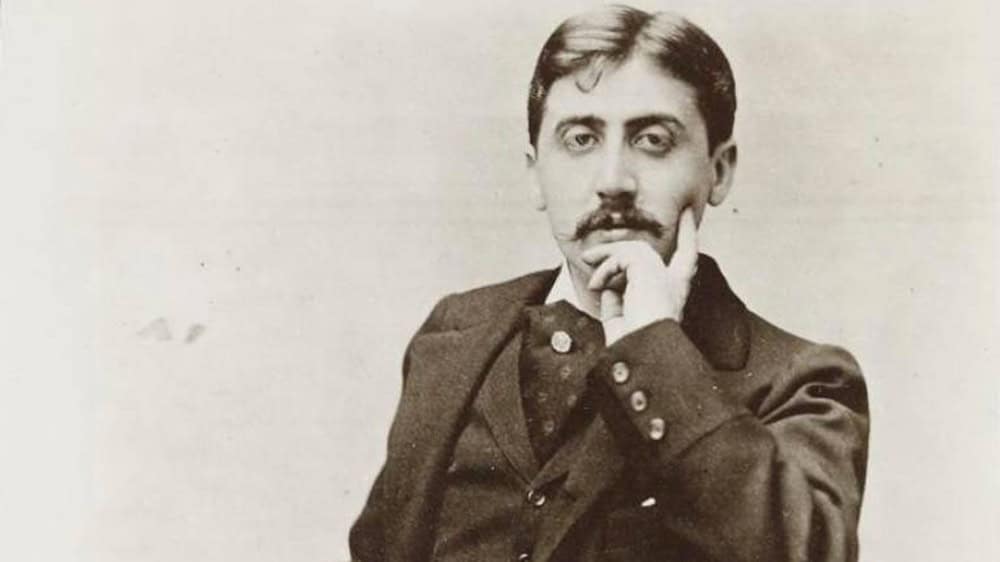
Marcel Proust
French writer Marcel Proust had asthma as a child, and anxiety about his condition became a dominant factor of his adult life. He became hypersensitive to dust, smoke, smells and anything else he perceived as a potential irritant.
At last he became housebound for long periods, famously working in a cork-lined bedroom designed partially to exclude noise and other irritants from outside. Life within those four walls nevertheless gave us one of our greatest gifts: In Search of Lost Time.
Police
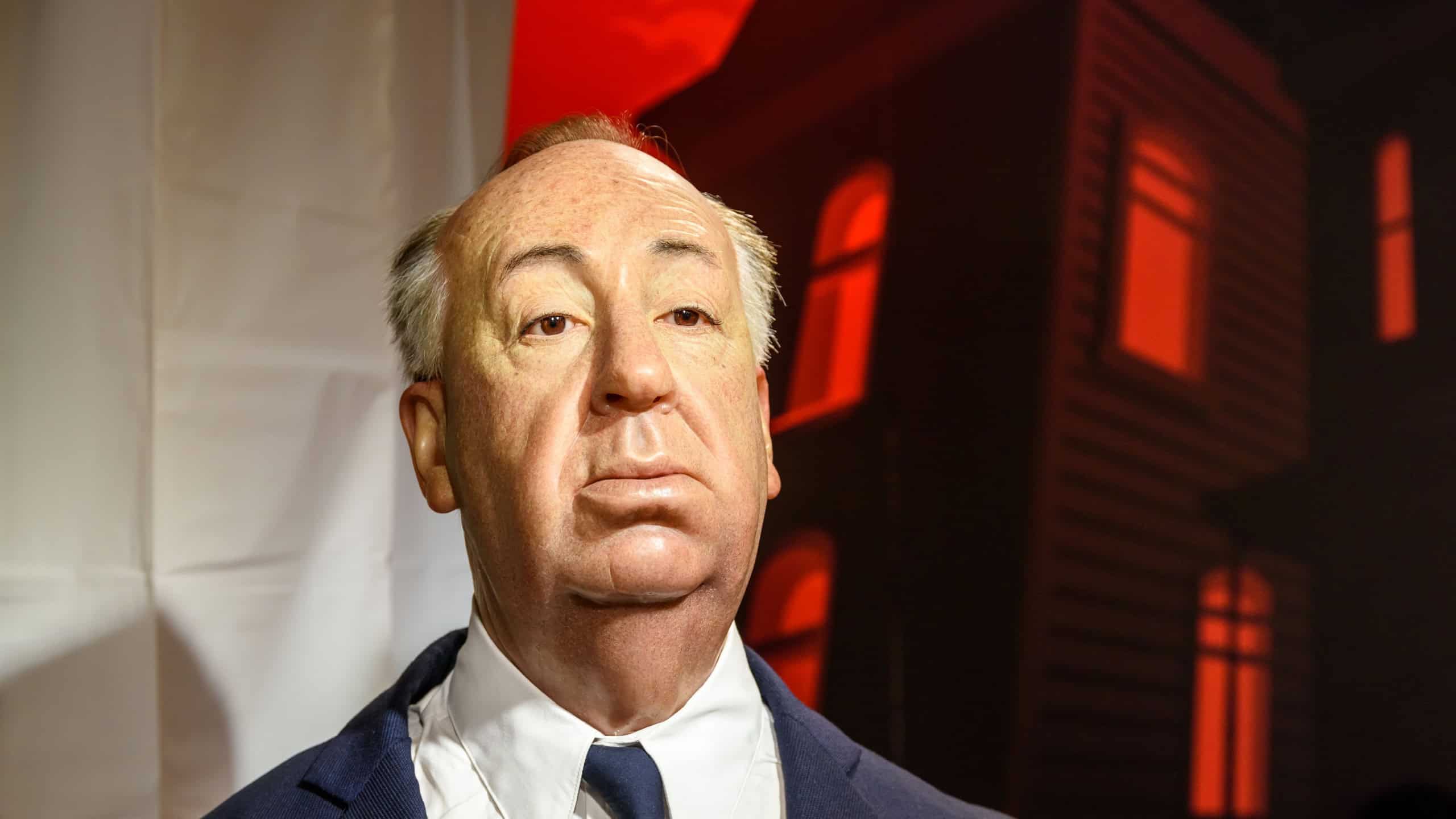
Alfred Hitchcock
Film director Alfred Hitchcock spent his life scaring movie-goers, but he often told of an experience from his youth that scared him.
Hitchcock said that his father sent him to the police station with a note, and upon reading it, a police officer took him into an adjoining cell and locked the frightened boy inside for a few minutes to teach him about the consequences of being naughty.
Hitchcock later blamed the incident for his adult feelings of distrust or fear of police officers. Themes of authority, guilt, accusation, and unjust punishment would reappear in his later films.
Hospitals
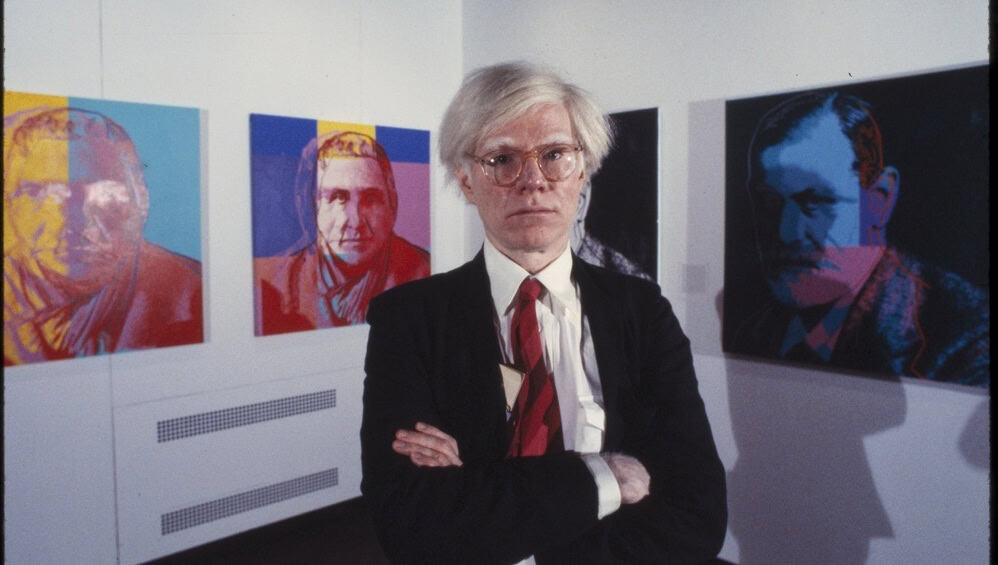
Andy Warhol
Andy Warhol suffered from an intense fear of hospitals and medical treatment. This fear came back to haunt him later in life. After dealing with gallbladder issues for years, he supposedly put off getting surgery. In 1987, he finally got the surgery, but died due to complications a short time after.
Grasshoppers
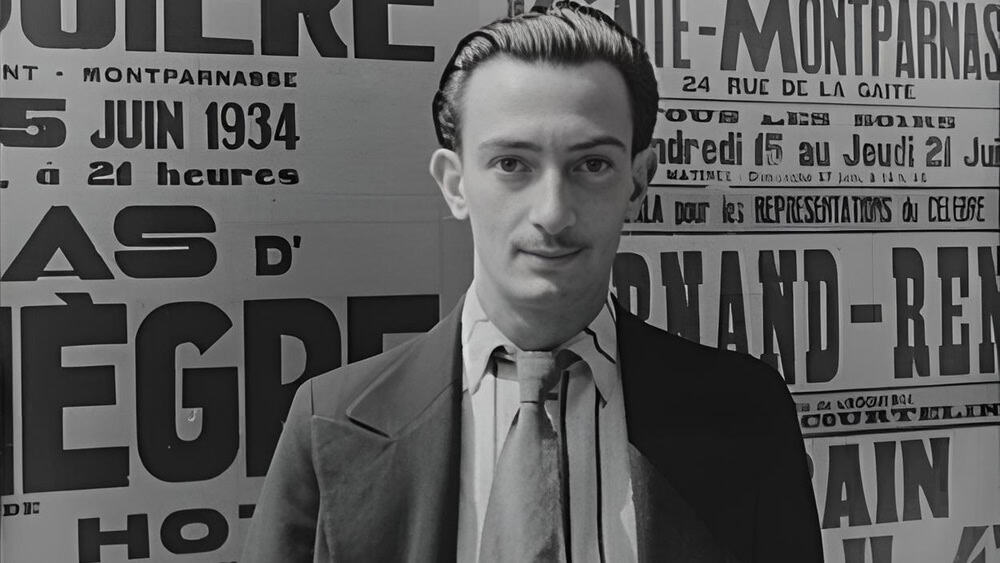
Salvador Dalí
Salvador Dalí, the eccentric Surrealist painter who produced fantastic works of dreamscapes, suffered from a crippling fear of grasshoppers for his entire life.
Dalí would become so panicked by grasshoppers that mere depictions of them, or even mentions of them, could induce crippling panic attacks. Dalí painted grasshoppers into his Surrealist works sporadically as a means of coping with his internal psychological fears.
Number 13
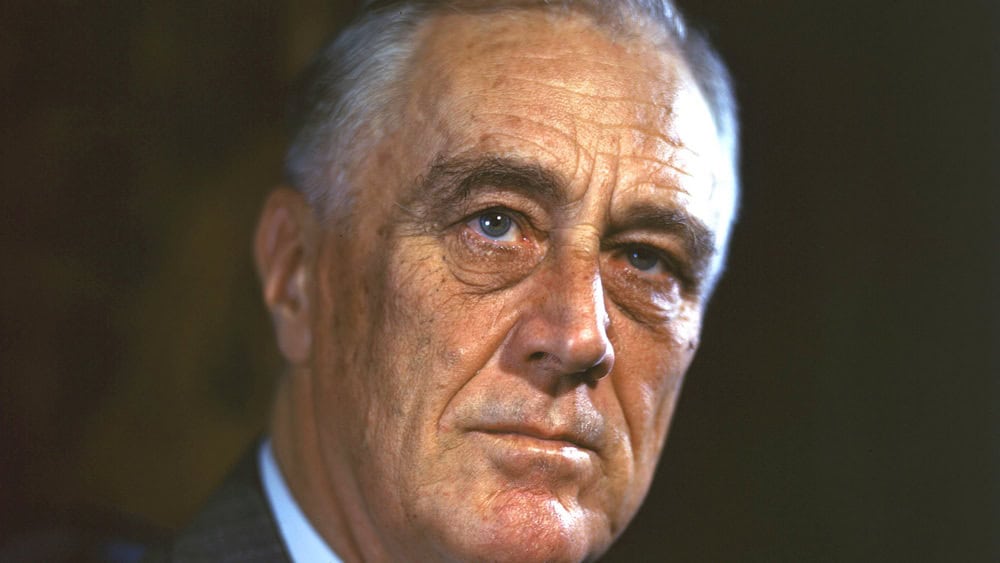
Franklin Roosevelt
The American president who was elected to four terms and who presided over the USA during the Great Depression and World War II had triskaidekaphobia (irrational fear of number thirteen).
Roosevelt wouldn’t travel on the 13th day of the month. He wouldn’t allow dinner parties to be set for exactly thirteen people. If he accidentally did have thirteen people at dinner, he would have his private secretary sit at the table as a last minute fourteenth guest.
Aging and death
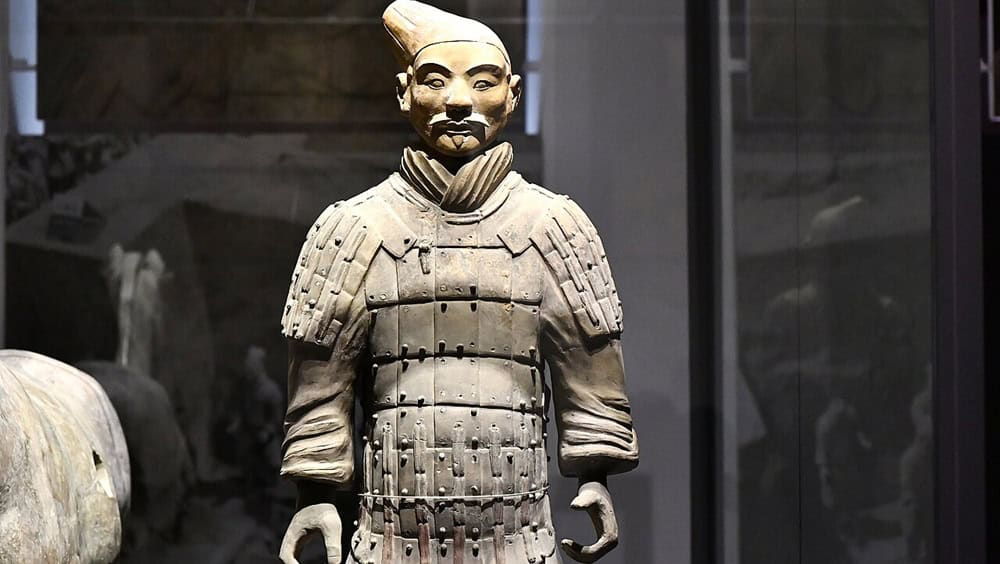
Qin Shi Huang
The first emperor of a unified China, Qin Shi Huang, grew increasingly obsessed with death later in his life. Many expeditions were sent to discover the fabled Fountain of Youth and other longevity secrets while Qin Shi Huang had court alchemists develop elixirs that would supposedly prolong his life.
Ironically, some of the toxic elixirs contained mercury, which may have caused his death in 210 BCE. His massive mausoleum, guarded by the Terracotta Army, has led historians to believe he prepared a great deal for his own death as well.
Sources: Please see here for a complete listing of all sources that were consulted in the preparation of this article.