
Hard living doesn’t necessarily mean scars; it can manifest itself in little things.
Reading every room

Leaning their back against a hard wall or having an exit within eyesight at all times is second nature to someone who grew up in an unpredictable environment. They pay attention to everything around them, sense slight changes in atmosphere throughout the room and pick up on small movements way before others notice.
It’s not because they’re paranoid; they’ve just trained themselves to do so growing up after years of having to know when danger is approaching.
Fixing things

Fixing a broken household tool using improvised materials, making a stretched budget stretch even further, or creatively improvising comes easily to people who grew up with nothing.
They always have drawers full of miscellaneous spare parts, jars, and old tools. This is because growing up with nothing has taught them that they don’t always have a Plan B when something breaks.
Over-apologizing

Apologizing for occupying space, asking a dumb question, or making a slight error is the behavior of someone who grew up knowing there were actual consequences if they stood out or made too much noise.
They make themselves less noticeable, refraining from asking for anything because the thought of inconveniencing others, emotionally or physically, is unbearable. They go through life trying to make as little noise as possible.
Accepting kindness

Getting an unexpected gift, a sincere compliment, or some random act of kindness can often lead to instant skepticism rather than gracious acceptance. Those from tough backgrounds often feel like there has to be a catch to any good deed. They have a hard time accepting kindness because they feel they always owe something back immediately.
Calm in crises

When everyone around them panics in the face of a sudden crisis, like a job loss, eviction, or a health scare, they barely flinch. Years of experiencing mayhem have trained their brain to switch into troubleshooting mode. Stressful circumstances don’t faze them; they can think clearly when others are freaking out.
Downplaying pain

Making light of severe physical injuries, burnout, or loss is another indicator that someone has lived their life in survival mode for years. Not having the luxury of stopping to heal as a kid means you’re taught to just push past pain and move forward regardless.
They don’t complain about their hardships either; they tend to hide serious exhaustion or agony with a humble laugh or brush-off.
Living day-to-day

Creating extensive life plans for five years down the road or even setting long-term goals can seem intangible and unreliable to them. For those whose childhoods were a whirlwind of constant change, the instinct is to simply get through each day. Focusing on today and what’s close at hand is what’s essential.
Extreme self-reliance

Self-sufficiency is often a wall they build because they refuse to rely on anyone else for money, emotions, or logistics. It’s typically built after a history of being disappointed time and time again. They are proud of the fact they can do everything by themselves. Asking for help or showing vulnerability is viewed as unacceptable weakness. This makes them independent but often prevents others from growing close.
Guilt over resting

Whether sitting down to watch a movie, taking a nap, or even just taking a weekend off without doing anything productive feels like a big mountain of undeserved guilt. When someone grows up in a place where they literally had to work hard just to survive, sitting still feels risky or selfish. They have a hard time relaxing because there’s always pressure to do, to be useful, and to always be ready for what’s next.
Expecting trouble

Reaching a major goal, snagging a promotion, or securing financial comfort usually doesn’t call for a big, noisy celebration. Someone who has experienced hardships their whole life waits for the other shoe to drop.
They expect luck to be taken from them just as quickly as it was granted. They keep their expectations low and celebrations private.
Standing up to unfairness

Seeing someone else being treated badly, lied to, or taken advantage of will almost always elicit an instinctive reaction from someone who has suffered. They know what it’s like to be mistreated or to feel utterly powerless. As such, they will not tolerate bullies, phonies, and power trips for very long. They will be quick to defend a stranger because they understand empathy.
Reading people

Being able to quickly gauge someone’s sincerity within moments of meeting them often stems from having to do so out of sheer necessity. They’ve probably experienced their fair share of dishonest, scheming, or unreliable people. Their intuition alerts them to when someone isn’t being genuine. They notice when there’s a disconnect between someone’s words and their actions.
Tiny inner circle

Choosing to have a small circle of very close friends instead of numerous acquaintances is done deliberately. Once they know someone is trustworthy, dependable, and safe, they have a friend who will have their eternal loyalty. Earning that confidence takes time, though; it’s certainly not a rapid process.
Food habits
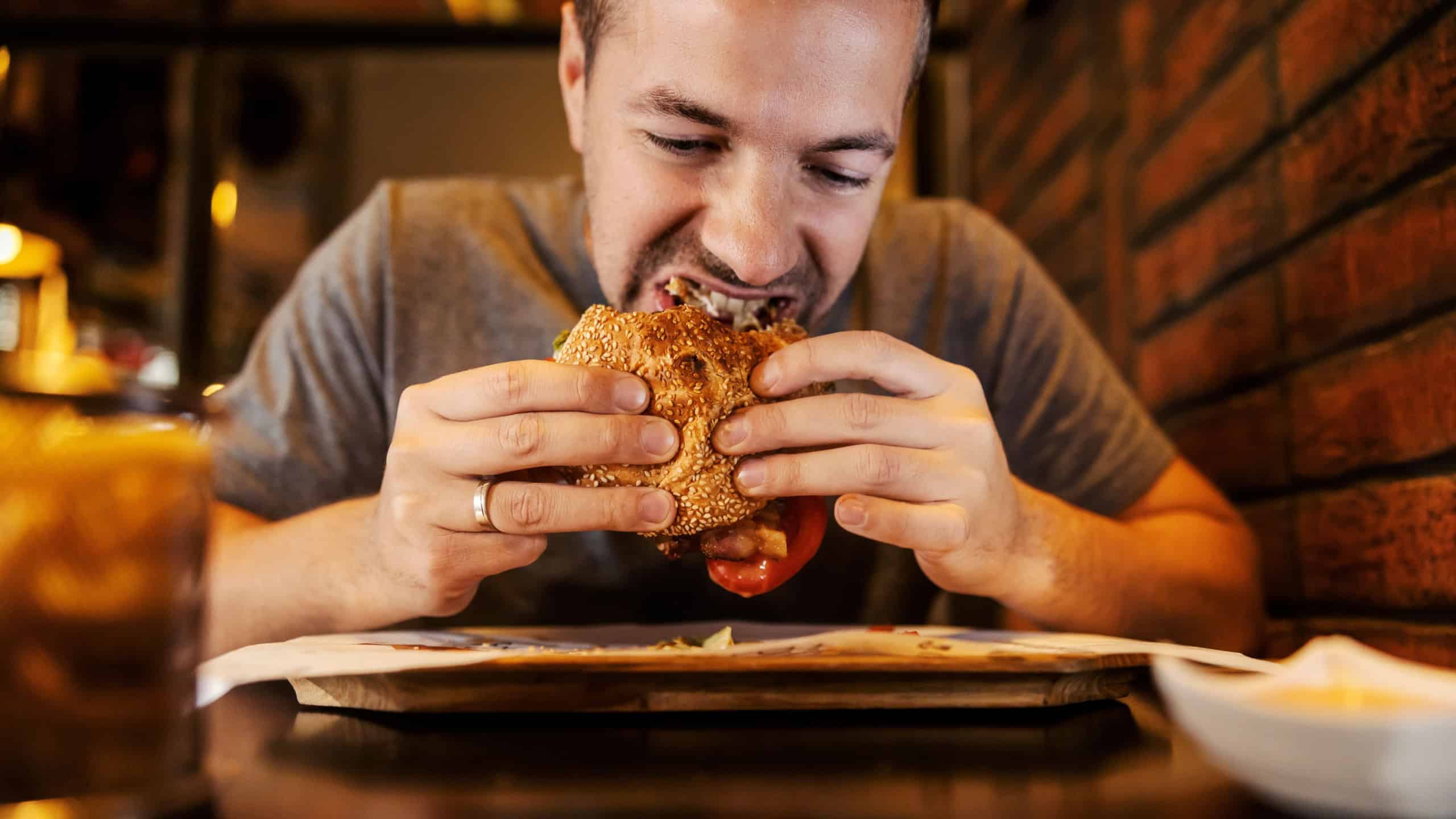
Eating too fast, cleaning the plate completely, or overstocking the pantry with non-perishables are extreme examples of unconscious habits formed by scarcity earlier in life.
When not every meal was guaranteed or plentiful, a person’s brain trains itself to believe food could be taken away at any moment. Decades later, an empty fridge or leftover food on the plate can cause a mild ripple of panic.
Cherishing simple life

Someone who takes great delight in simple things, like a hot cup of coffee in the morning or coming home to a safe, quiet house with food in the pantry, knows what it’s like to live without them.
They never feel secure or comfortable in life; they allow themselves to feel sincere gratitude during calm times because they know others don’t have the privilege of simply living a quiet, mundane life. They don’t think routine is boring; they think it’s luxurious.
Like our content? Be sure to follow us.