If you walked into a grocery store in the 1970s in the U.S. or Canada, you’d probably notice several things that would feel strange today.
Price stickers
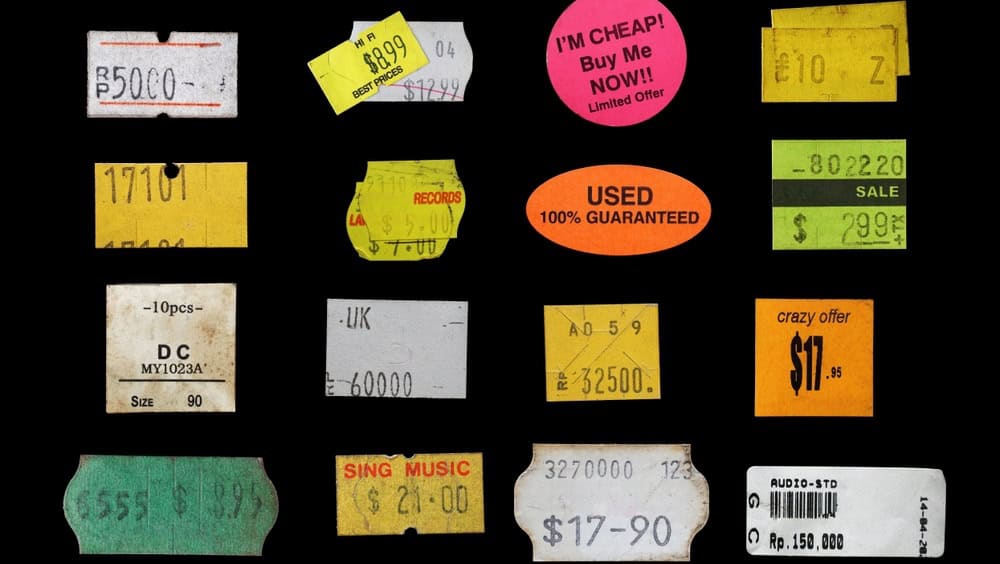
Prior to UPC barcode adoption by manufacturers in the mid-to-late 1970s, store clerks had to manually label every single product on every store shelf. This meant applying pricing stickers by hand (walking the aisles clicking antique manual price guns), or stamping ink directly onto products (on top of cans, jars, and cereal boxes).
Cashiers at the register couldn’t simply swipe products under a laser scanner, either. They were required to look up, see the hand-stamped price on each product, and manually enter every single number on a bulky mechanical register.
Smoking in the aisles

Customers smoking cigarettes casually as they pushed their carts down the cereal aisle or the produce aisle was completely normal. Metal poles with standing ashtrays were commonly placed at the end of aisles or by the checkout lanes.
Many cashiers even had small glass ashtrays that they kept right next to their registers. The store was steeped in tobacco smoke, a smell that blended seamlessly with the fragrances of freshly brewed coffee and warm cookies.
Returnable glass bottles
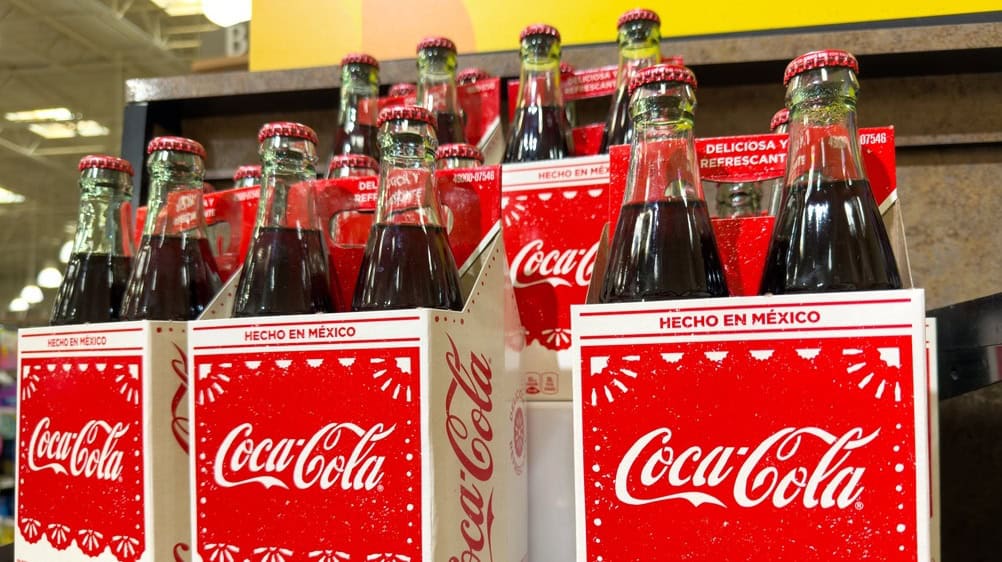
Back in the 1970s, your local grocery store didn’t have those big lightweight plastic bottles. The beverage section was lined with heavier, clinking glass bottles.
Households regularly returned cardboard or wooden crates filled with empty Coca-Cola, Pepsi, or 7-Up bottles to the front of the grocery store on their next shopping trip. An employee checked the bottles and gave the customer a cash refund of their deposit, which was applied immediately to that day’s grocery bill.
No name brands
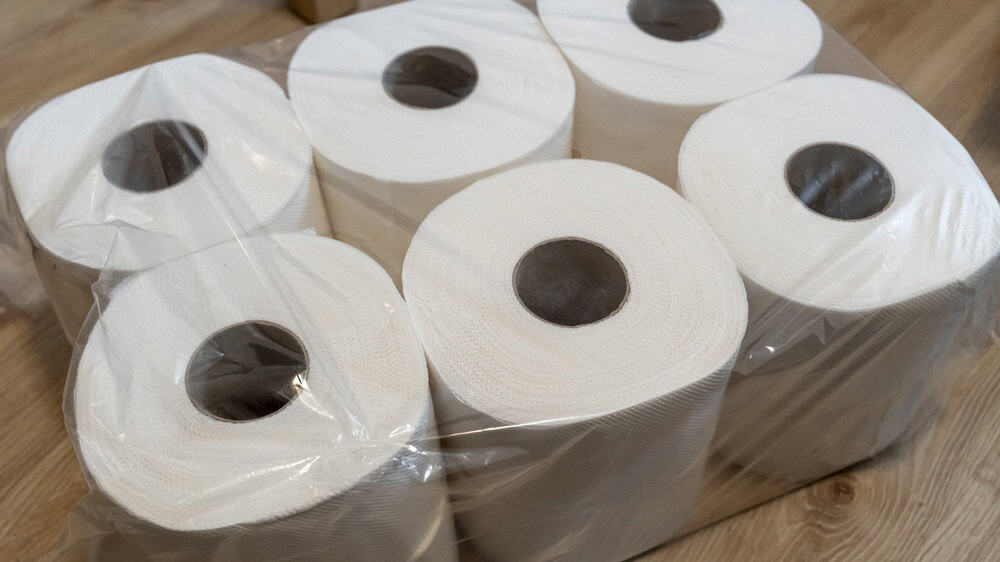
Inflation in the late 70s led to the boom of extremely simplistic generic brands. Rather than having today’s trendy private-label designs, many American generics of the 70s were made with simple white packaging and catchy bold black block text that read “BEANS”, “BEER”, or “PAPER TOWELS”.
Loblaw launched its iconic No Name line across Canada in 1978, packaged in yellow containers with black, bold lettering.
Generic products had minimal use of pictures and catchy advertising phrases used by larger brands. These products offered nothing more than an item with the most simplistic use.
Collectible grocery premiums
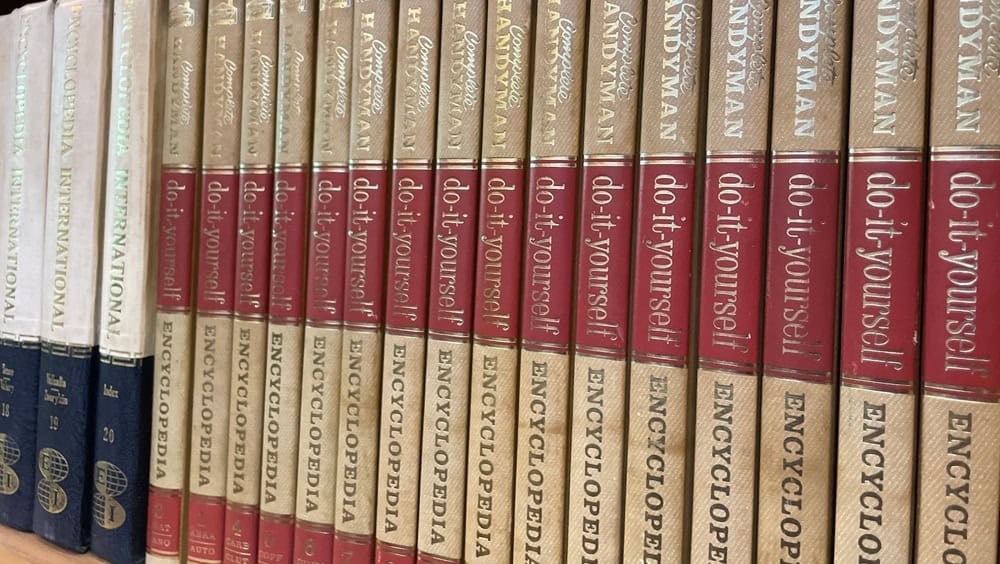
Grocery Stores in the ’70s were de facto regional distributors of collectible homeware goods. It was common for promotions to let shoppers steadily collect dishes, glassware, books, or other homeware, with new installments appearing now and then.
Most people eventually gathered a full set piecemeal while shopping for groceries. Items, costs and deals could differ depending on the supermarket and location (U.S./Canada).
Default paper

“Paper or plastic?” wasn’t really a question in the early 70s. Shopping at the grocery usually meant your items were stuffed into giant brown paper sacks. Plastic grocery bags wouldn’t become common for quite some time. Baggers carefully placed heavy cans and bottles at the bottom of the bag and saved bread and eggs for last.
Cheques at the checkout
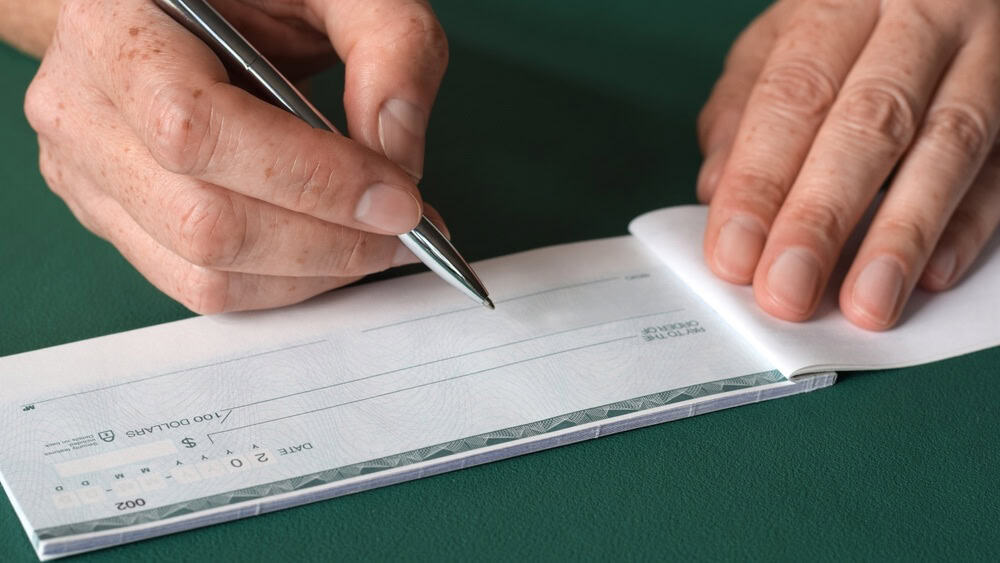
Writing a personal cheque for groceries was absolutely normal in the 1970s. People would often fill out the date, store name, amount, and signature at the checkout counter as the entire line impatiently waited behind them. Cashiers could request identification or even write customers’ ID numbers on their cheques before accepting them.
Debit cards wouldn’t become a normal payment method at the checkout for years, so most grocery transactions were done in cash or with a handwritten cheque.
Like our content? Be sure to follow us.