
Moving abroad can sound exciting, but living in these countries may require a much bigger budget than you expect.
Life at a premium
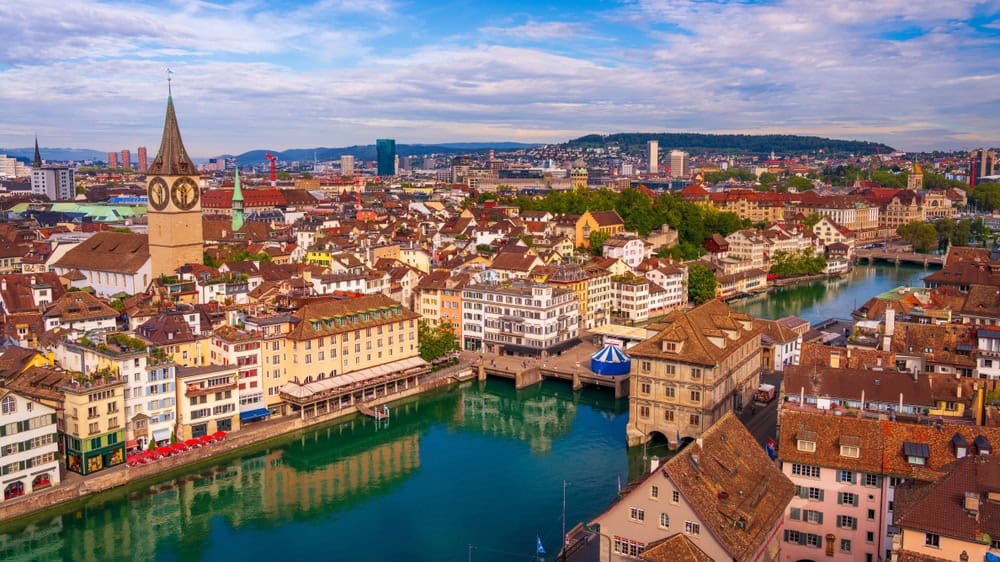
Switzerland ranks as one of the most expensive countries to live in every year. You will find prices to be very high for rent, groceries, medical expenses, eating out, and more. Salaries are higher than in most other countries, but tourists and expats visiting Switzerland are quickly overwhelmed by prices. Basic public services, daily transportation, and leisure activities are expensive throughout all major cantons.
Small island, big bills
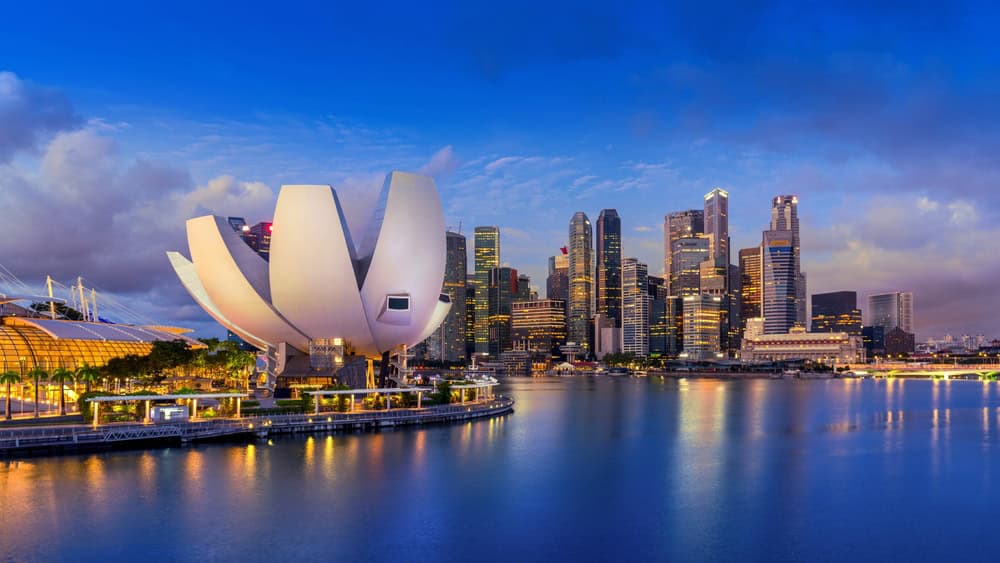
Singapore is a densely populated city-state with negligible natural resources. It imports nearly all its food, energy and industrial raw materials. Housing land is limited, so residential rent and property prices are among the highest in the world.
Taxes levied by the government on car ownership are some of the highest in the world as well, making owning and driving a car costlier than in most other places.
The Alpine microstate
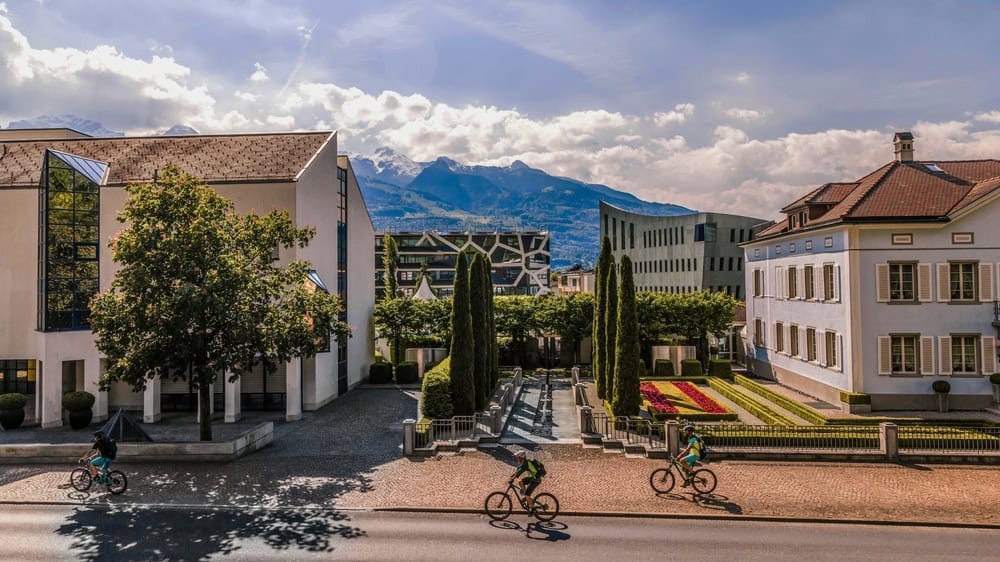
Liechtenstein is small in size, has a strong financial sector, and one of the wealthiest populations on earth. Sharing an open border and currency with Switzerland means Liechtenstein displays the same high cost for goods, services and building. Limited availability of housing drives real estate prices and rent payments to some of the highest in Europe.
The luxury coastline
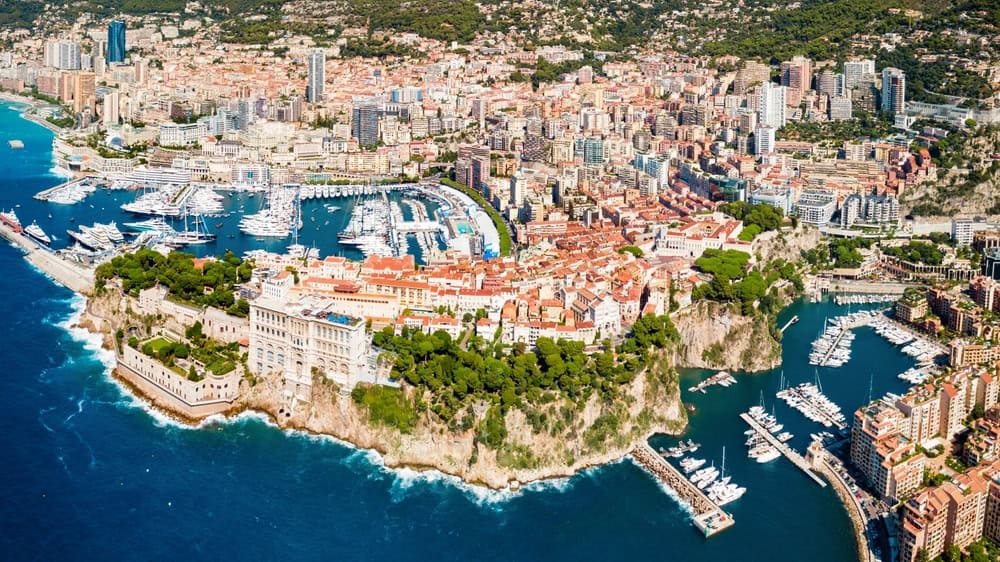
Monaco has earned the reputation of being a playground for billionaires due to its tax advantages. With limited land area on the French Riviera being developed for real estate, prices per square meter are some of the highest in the world. Regular goods and services such as eating at bistros and the cost of home services are targeted towards high-net- worth individuals.
The island effect
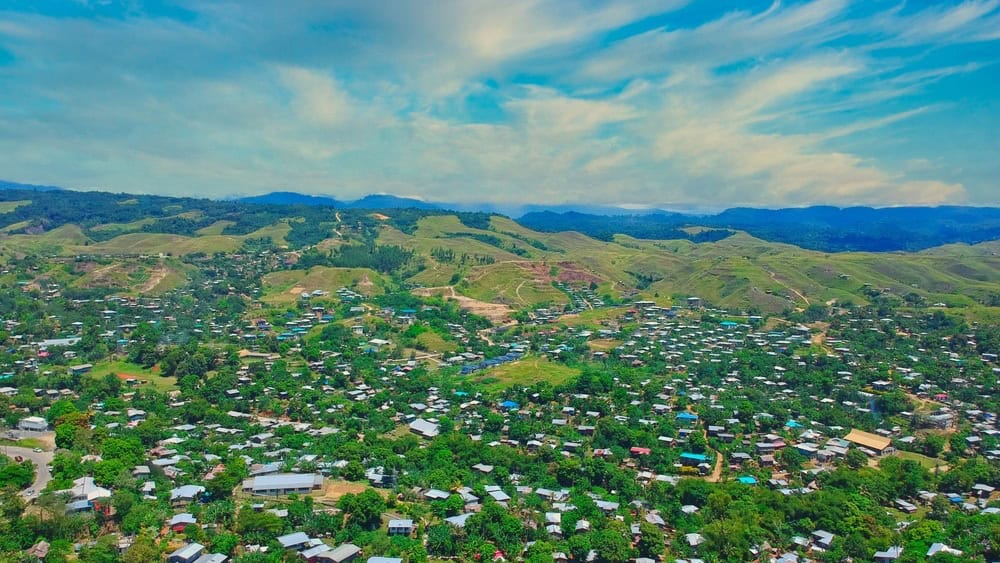
Solomon Islands are a gorgeous archipelago in the South Pacific filled with rainforests, sea life, and shipwrecks. One downside to living on the islands is that prices are extremely high. Nearly everything, from fuel to packaged food to daily necessities, is imported from overseas. Bringing supplies to the islands themselves and transporting them between the nearly 1,000 islands is very costly. Also, rent and electricity are unexpectedly expensive in the capital, Honiara.
The remote high life

Situated in the North Atlantic, Iceland imports nearly everything, including consumer goods, electronics, and farming products. High import tariffs, domestic labor rates, and strict market regulations ensure grocery bills stay high. Heating and electricity rates are low due to plentiful geothermal resources, but eating out and short-term accommodations cost a lot.
The North Sea giant
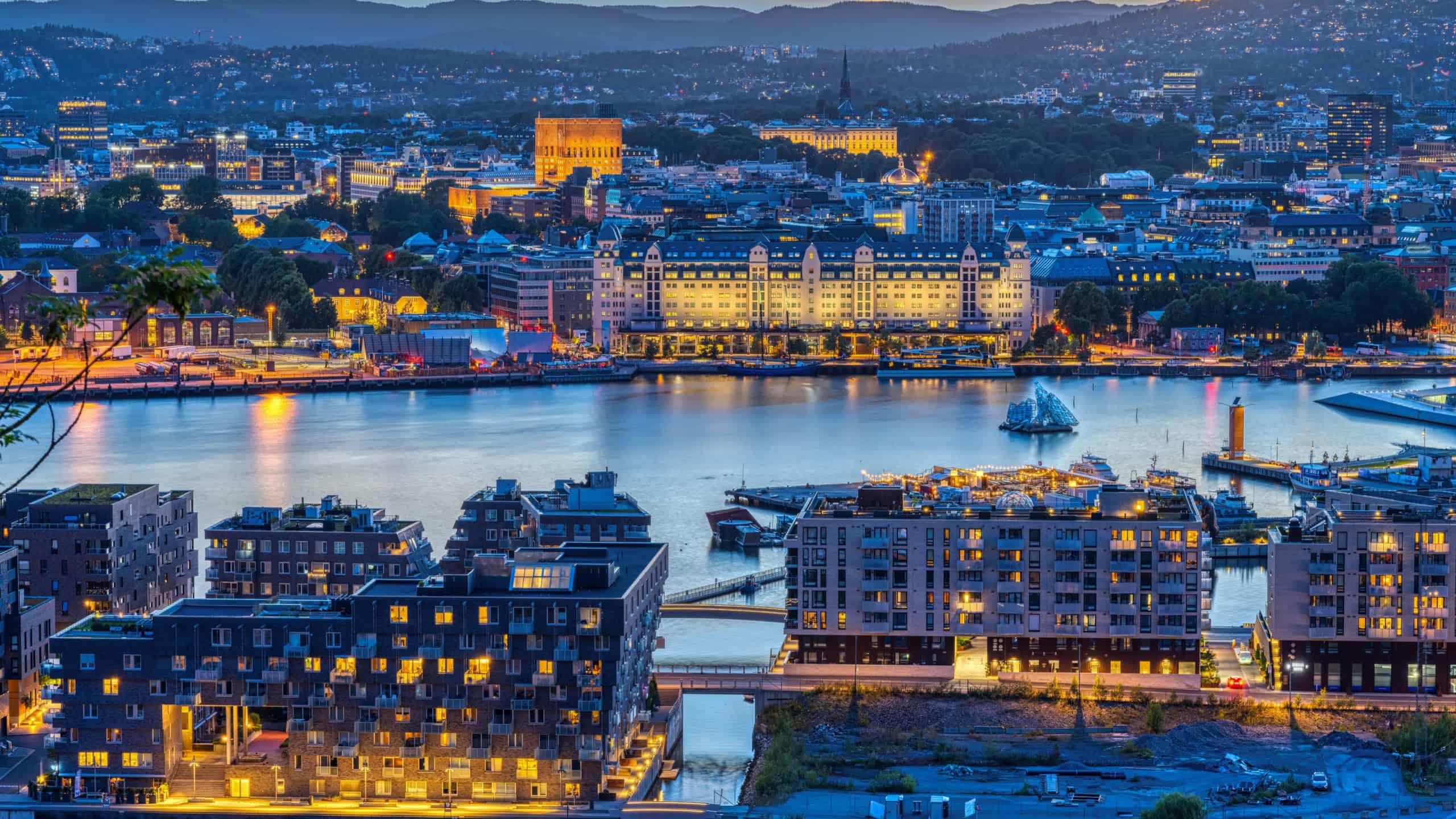
With its large oil-funded economy and relatively high wage levels, Norway is an expensive country. Taxes on most goods are very high compared to Europe (value added tax), and agricultural tariffs are among the highest in the world. They keep imported food expensive in order to subsidise domestic agriculture. Eating out, buying alcohol and tipping for services will take up a larger share of your budget than in most parts of continental Europe.
The Middle Eastern oasis
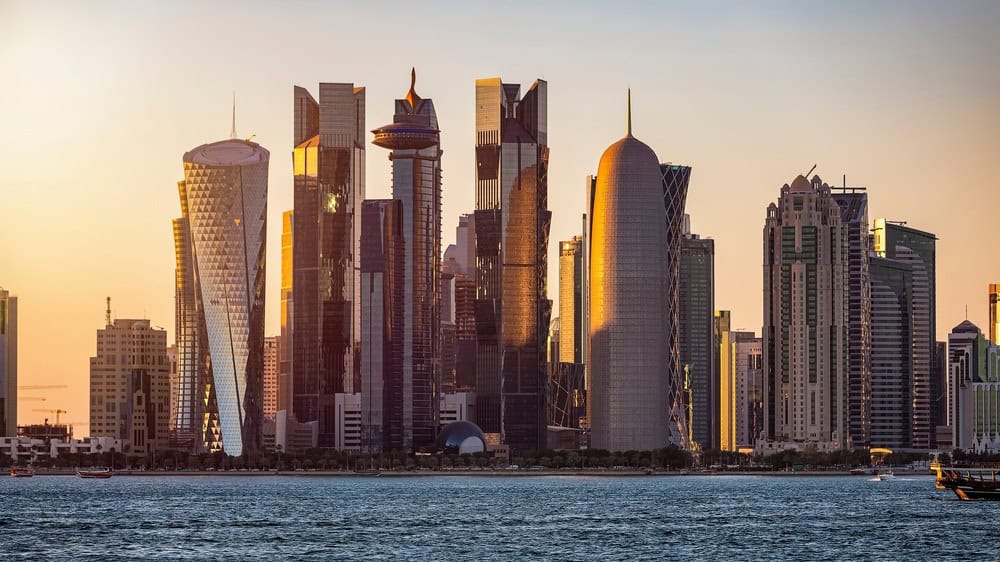
Due to Qatar‘s recent economic growth brought on by its large natural gas industry, it has developed into a large metropolis with an extremely high standard of living. Since Qatar imports many luxury goods, electronics, and fruits and vegetables, the cost of living can be quite high. Rent in some neighborhoods of Qatar’s capital city, Doha, and private education for expatriate families are two of the highest costs of living.
The Nordic welfare model
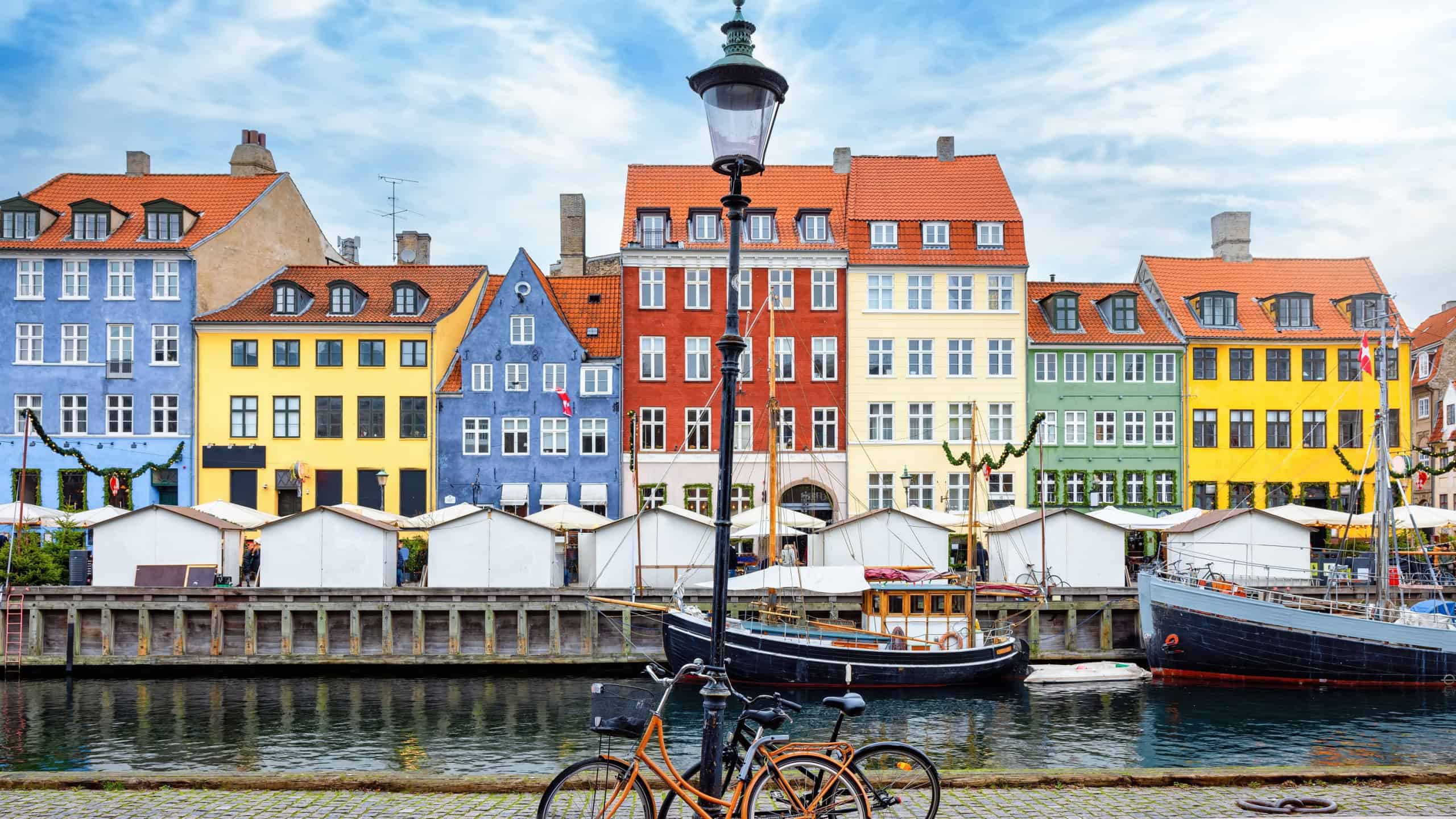
Denmark has a very high standard of living. It has a large public welfare system which is funded by high personal and sales taxes. A strong currency paired with high minimum wage rates keeps service-sector expenses, eating out and entertainment expensive. Taxes on new cars and energy use increase monthly expenses.
The Pacific Ocean archipelago

Australia‘s distance from everywhere else means importing goods, specialist machinery and electronics requires lengthy shipping, which inflates retail prices. Demand for housing in Australia’s large coastal cities pushes rents and purchase prices through the roof. Strong minimum wages mean Australia’s workers earn very well, but that equates to higher prices for eating out, entertainment and personal care.
The desert capital hub
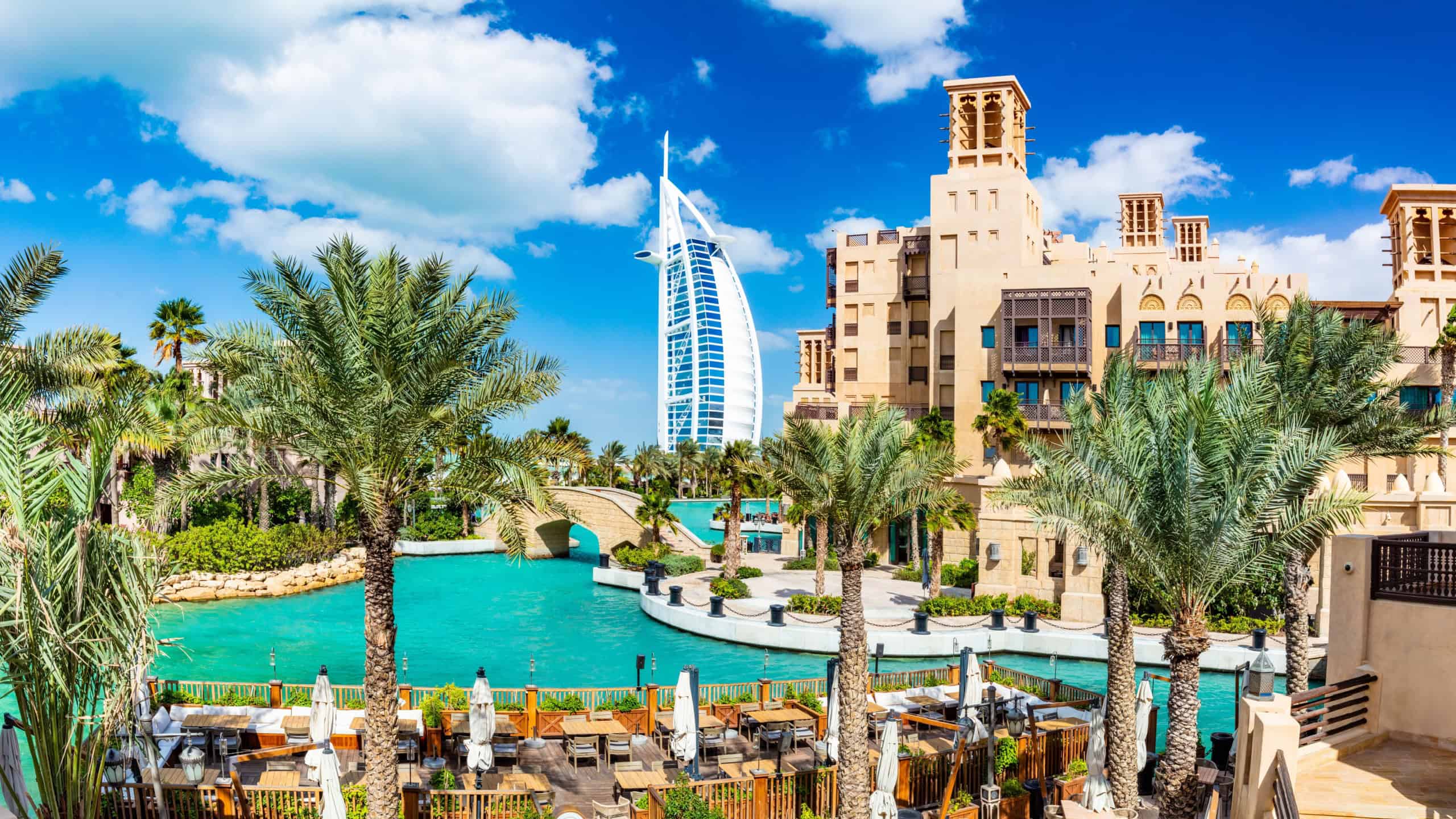
Dubai and Abu Dhabi in the United Arab Emirates attract a huge international population lured by tax-free salaries and new infrastructure. Local energy costs, utilities, and transportation can be cheap, but luxurious real estate, private international education, and imported food can really expand your budget. The cost of living is kept elevated by standards of living in metropolitan areas.
The Western European powerhouse
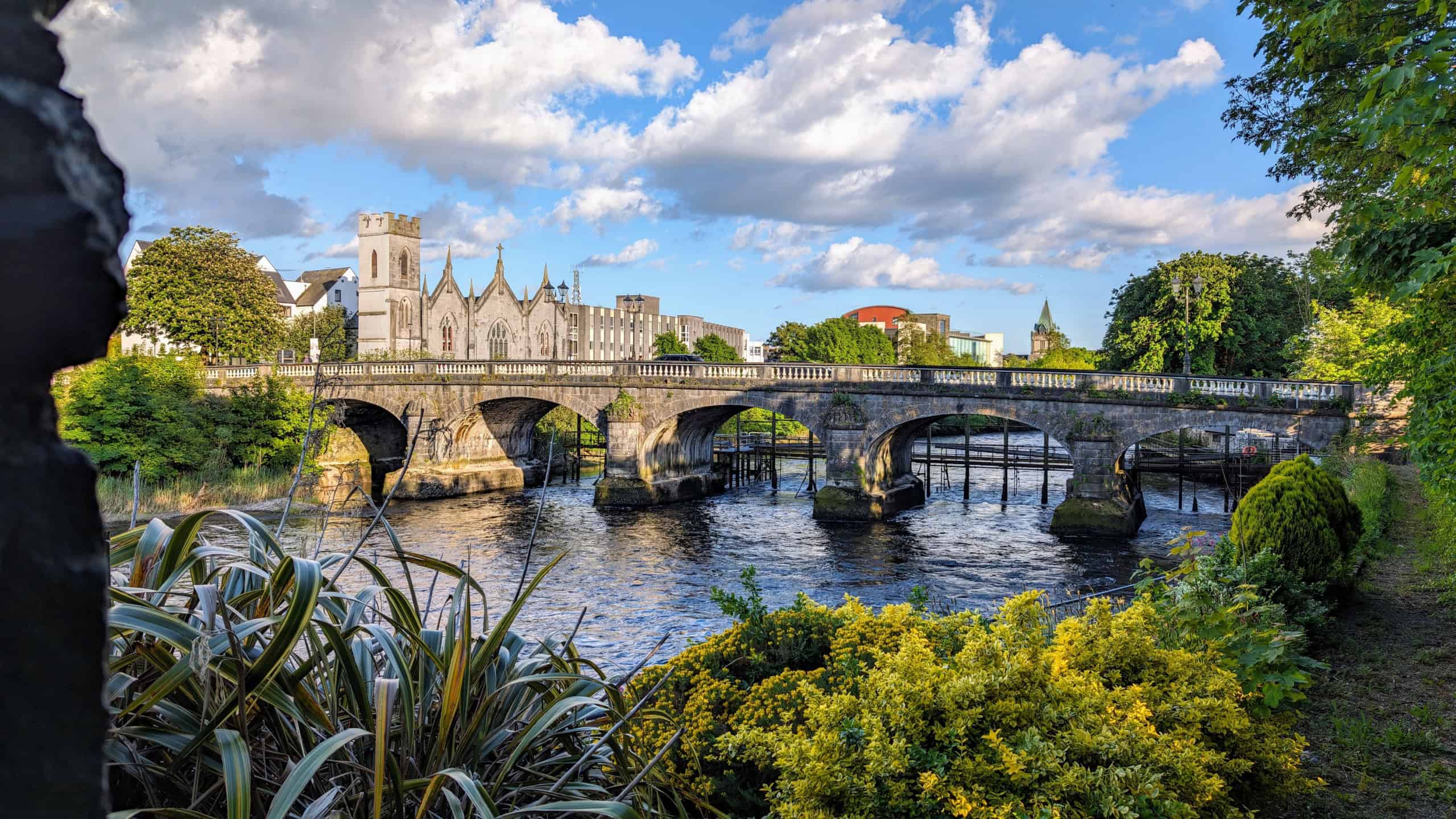
Ireland has quickly become a European hub for technology and corporate headquarters, which has led to sudden population booms in major cities. Rapid expansion has led to housing shortages, resulting in soaring rents in recent years. Indirect taxes are high, healthcare can be expensive, and utility bills are above average, keeping Ireland’s cost of living well above Europe’s average.
The North American leader

There are substantial regional cost-of-living differences across the United States. However, the national average cost-of-living is still considered high. Much of this is due to large metropolitan areas that serve as centers of the American economy and commerce. Higher costs of health care, college education, and housing in urban centers can cause expenses to skyrocket. While fuel and consumer goods prices are lower than in Western Europe, many other costs of living are high.
The Pacific gateway
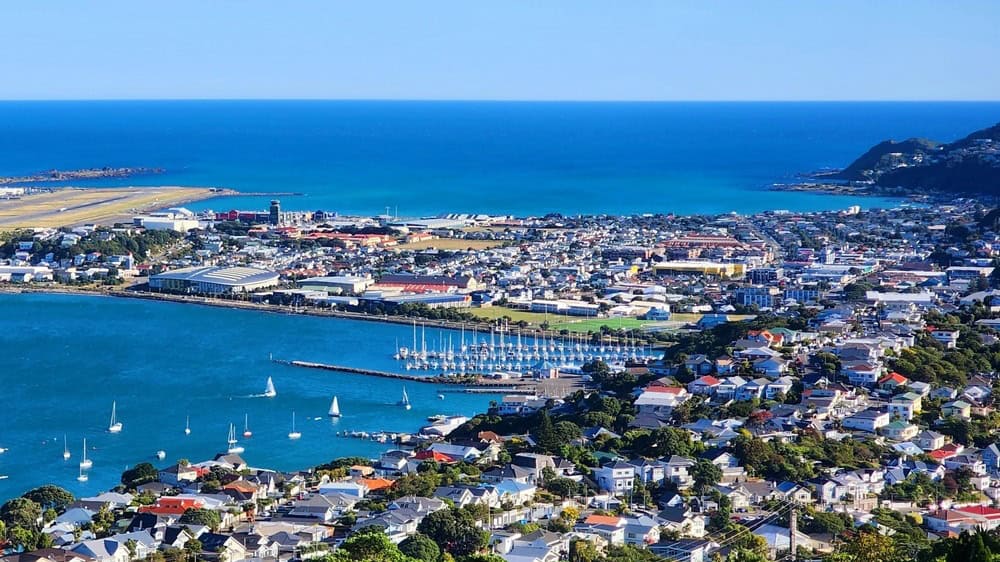
New Zealand is geographically isolated like many of its Pacific neighbors. Because of this remoteness, transport costs make most manufactured goods and specialist products very expensive to import. The relatively small population restricts economies of scale, resulting in few supermarkets, so grocery prices are relatively high due to limited competition. House prices remain high compared to incomes because demand for housing, particularly in urban centres, continues to outstrip supply.
The expensive paradise
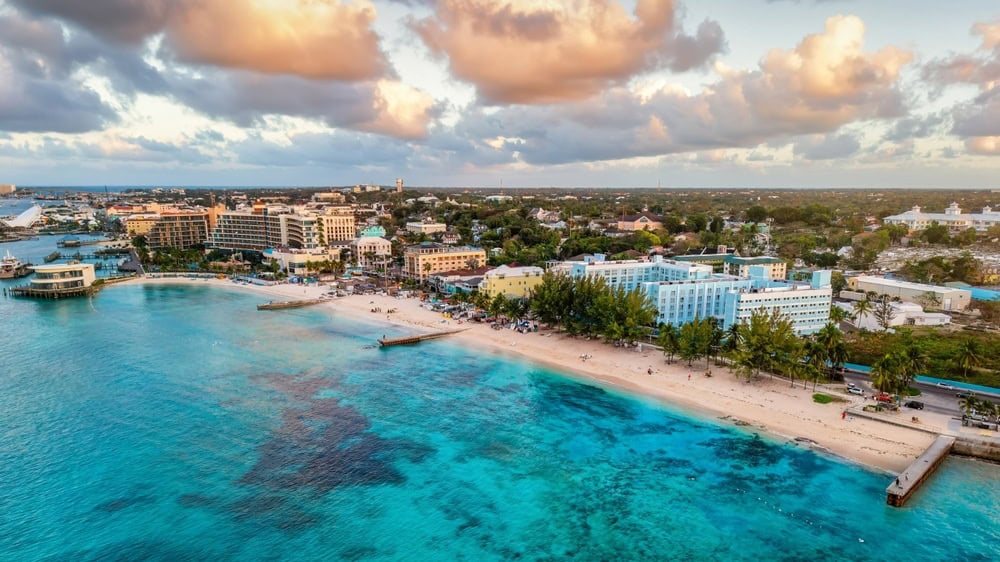
The Bahamas is well known for its clear turquoise waters, warm weather, and upscale resorts. The Bahamian government taxes heavily on imports as they do not have a personal income tax. Nearly all groceries, gasoline, and construction materials are imported to the islands. For this reason, groceries and store prices are very expensive. Everyday living can be quite costly with high electric bills and a competitive real estate market targeted towards luxury vacation buyers.
Caribbean costs
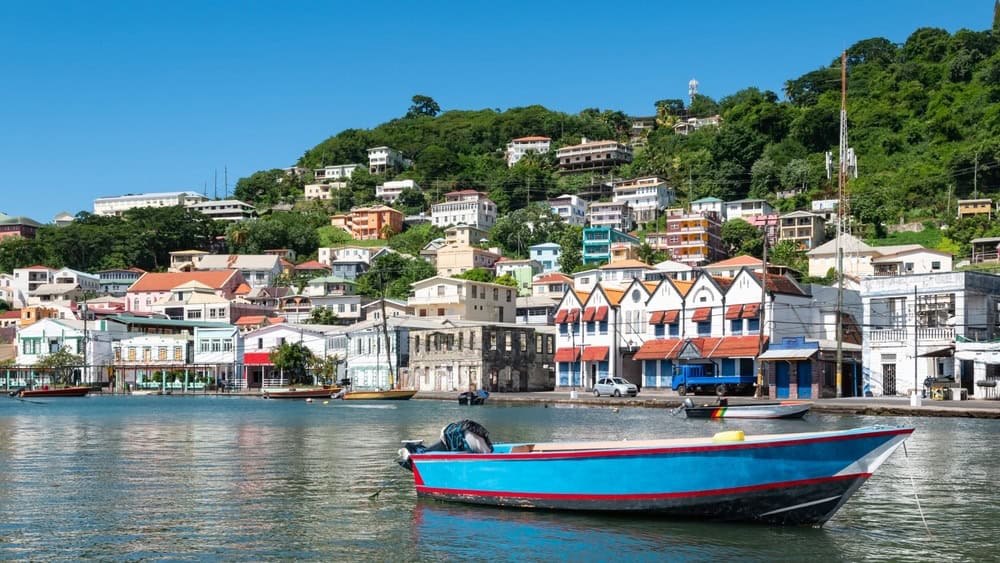
Grenada is called the “Spice Isle” and is known for producing nutmeg, cocoa, and gorgeous tropical beaches. Grenada grows fresh fruits and vegetables on local farms but must import most other staples, processed foods, and fuel by boat. Electricity costs are high because it’s powered by imported oil, and landlords charge high prices to visitors and students. Eating locally grown food from the market is cheap; however, it is expensive to live an average Western lifestyle there.
Sources: Please see here for a complete listing of all sources that were consulted in the preparation of this article.
Like our content? Be sure to follow us.