
Anger and defiance can be perfectly normal aspects of childhood development, but some behaviors warrant closer inspection.
Fixation with fire
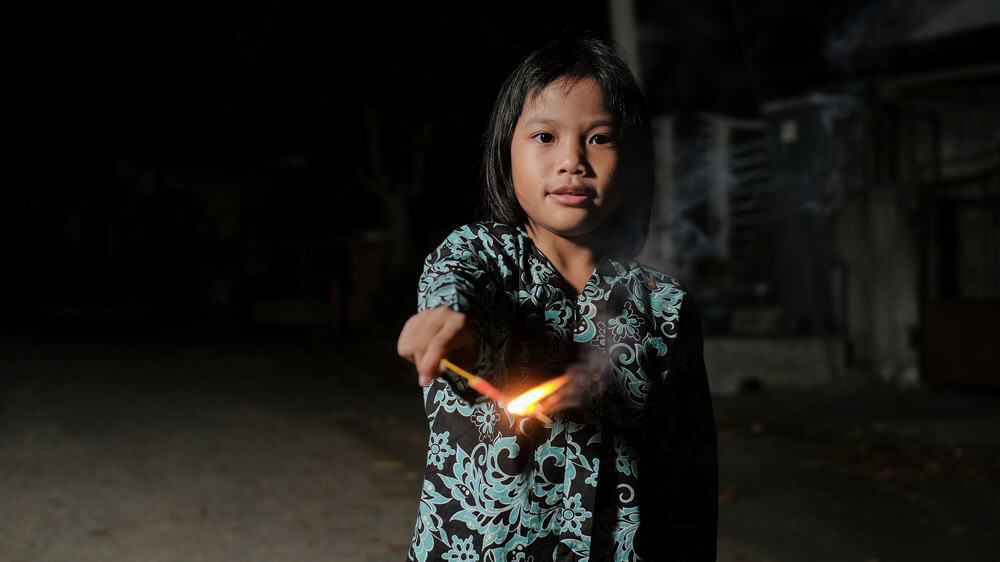
Your child might secretly light fires, experiment with matches or lighter fluid, hoard lighters/matches, or like to watch things burn, even if you’ve repeatedly told them that fire is dangerous.
While some experimentation with fire can be part of typical childhood curiosity, frequently engaging with fire or attempting to engage with fire in private can show signs of emotional disturbance, impulse control issues, or other behavioral issues. It also puts people and property at risk of serious harm.
More than anger

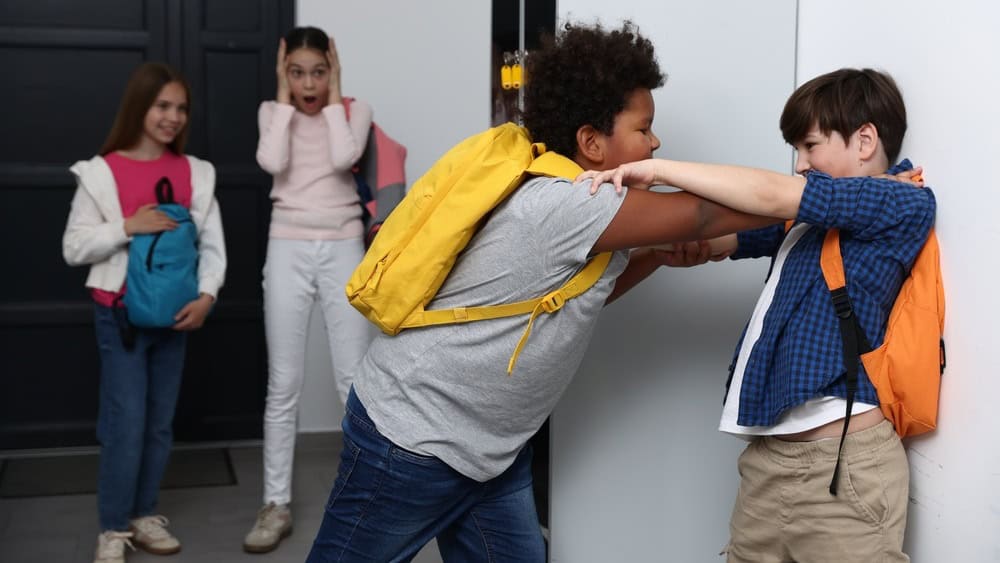
Sibling rivalry and the occasional playground scuffle are part of childhood for many kids. But when hitting and physical aggression become frequent and extreme, there may be cause for concern.
Your child may start fights regularly, purposefully injure siblings or classmates, or use objects that can cause serious harm. This behavior could be a sign that your child is struggling to control anger, impulses, or intense emotions.
Words that feel different

Children can make outrageous statements when they are angry. However, threats that are specific or repeated should not be brushed aside with humor. Threats to severely hurt or kill others are particularly serious when the child identifies the person, explains how they would carry it out, or repeatedly returns to the threat.
Even if you believe the child is not serious, take the time to calmly discover what is prompting the threat. If the threat is immediate and credible, contact an adult and professional help right away.
Hurting the defenseless
Intentionally harming animals, young children, or other vulnerable individuals can be a big red flag, especially if it’s done repeatedly. There’s a difference between a young kid accidentally being rough with a pet and an older kid purposefully hurting them.
Doing cruel things over and over with enjoyment, planning, or disregard afterwards should be evaluated by a professional immediately.
Nothing seems to matter

Your child might lie once or twice, break something, or say something hurtful to someone else and then feel defensive or embarrassed about it. What’s more problematic is habitually hurting people significantly and not seeming to care.
Blaming everyone else, not caring about how the person they hurt feels, or continuing to do the behavior over and over are also signs. This doesn’t automatically mean they have no empathy, but if it’s consistent, then take note.
The rules stop working
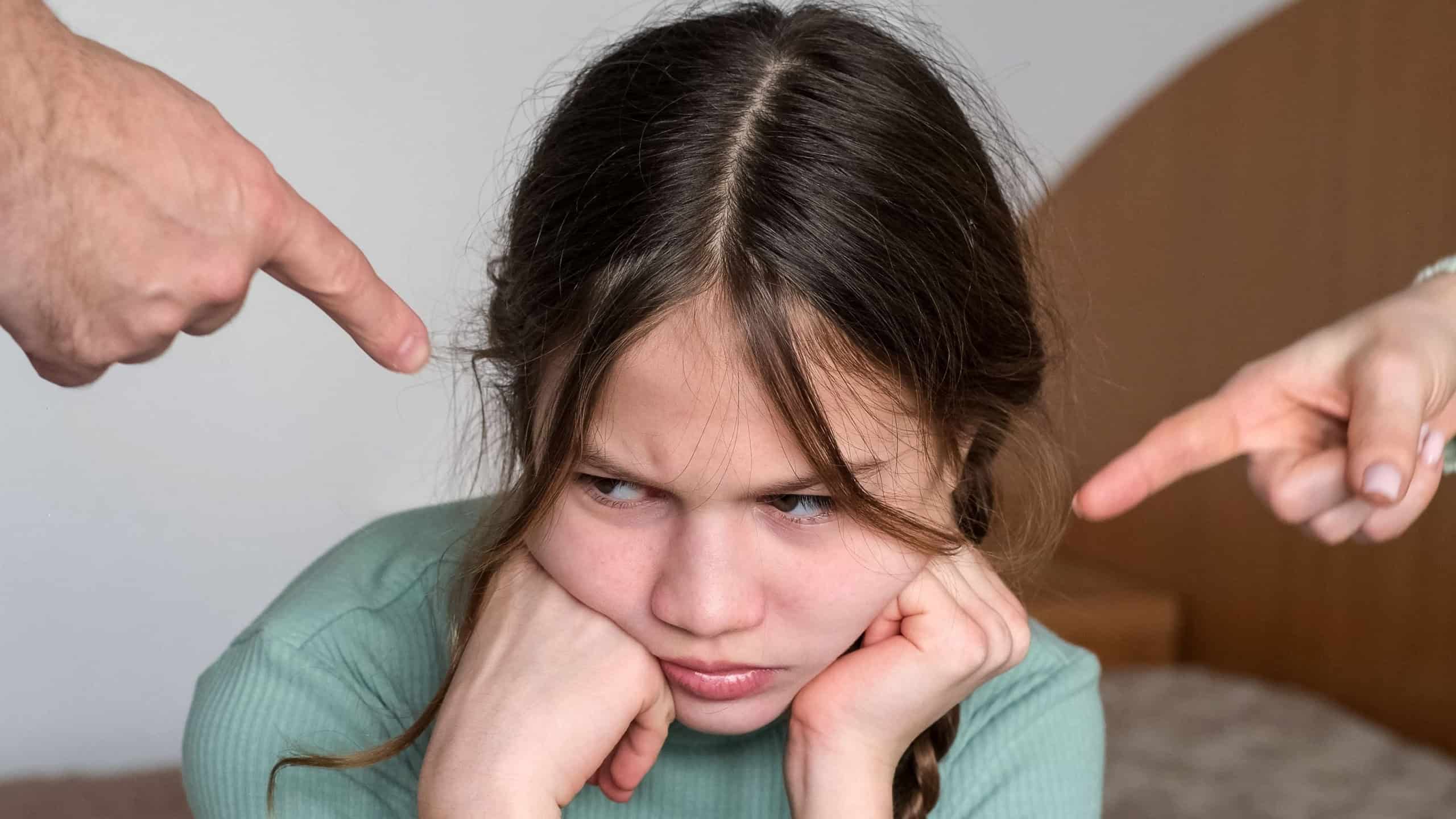
Kids disobeying rules is typical child development. But there is a line between boundary-pushing and consistently crossing serious boundaries. Theft, intentional destruction, arson, frequent fighting, or running away frequently can be indications of deeper emotional/behavioral problems.
If multiple behaviors occur together or escalate, consult a professional who can determine what may be underlying the behaviors.
A sudden change
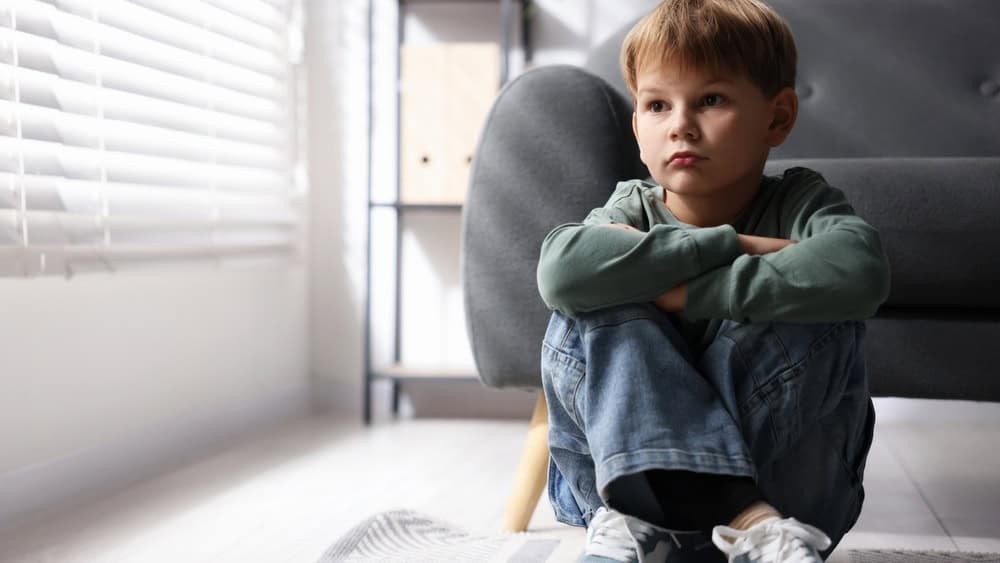
Sometimes, the red flag isn’t one scary action but rather an extreme shift in behavior. Maybe your once-friendly kid suddenly withdraws, stops having fun, becomes overly aggressive, sleeps too much or too little, or starts getting into serious trouble at school.
Bullying, abuse, grief, depression, trauma, drug use, or other problems could be influencing factors. Simply asking what happened can be more helpful than labeling them as just bad.
Looking for revenge

Arguments and grudges happen, but if your child continues to obsess over getting revenge many times, it can become alarming. Your child may spend excessive amounts of time talking about humiliating, scaring, or harming someone who has wronged them.
It becomes more alarming if your child’s fantasies of revenge become more detailed or are followed by threats and acting out.
Friendships never last

Friendships can come and go all through childhood, but losing friendships frequently due to aggressive, controlling, or unpredictable behavior can be alarming. Kids may begin avoiding a child who regularly has angry tantrums, behaves cruelly toward others, lies about serious things, or attempts to manipulate them.
Eventually, a child may find themselves with few friends because they have a hard time getting along by sharing, cooperating, and respecting others’ space. The child is not necessarily bad or dangerous, but an ongoing pattern is possibly a sign that the child could use some support.
When anger leaves damage

Accidents happen, and children sometimes lose their tempers and act angrily. But if your child deliberately destroys things or acts destructively repeatedly, that’s destructive behavior.
Some examples are breaking things, destroying school property, vandalizing buildings, or purposefully breaking things that belong to others in the neighborhood or family. This behavior is particularly aggressive if your child does it to scare someone, get back at someone, or cause harm or financial loss to others.
Like our content? Be sure to follow us.