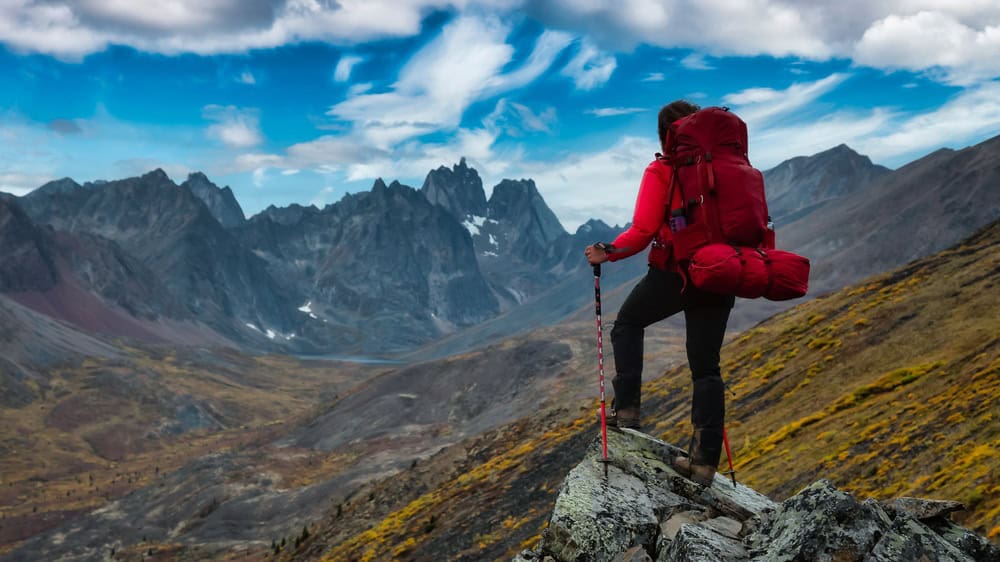
Everyone knows Canada’s famous sights, but the places tourists overlook can sometimes be even more memorable.
Stories written in stone
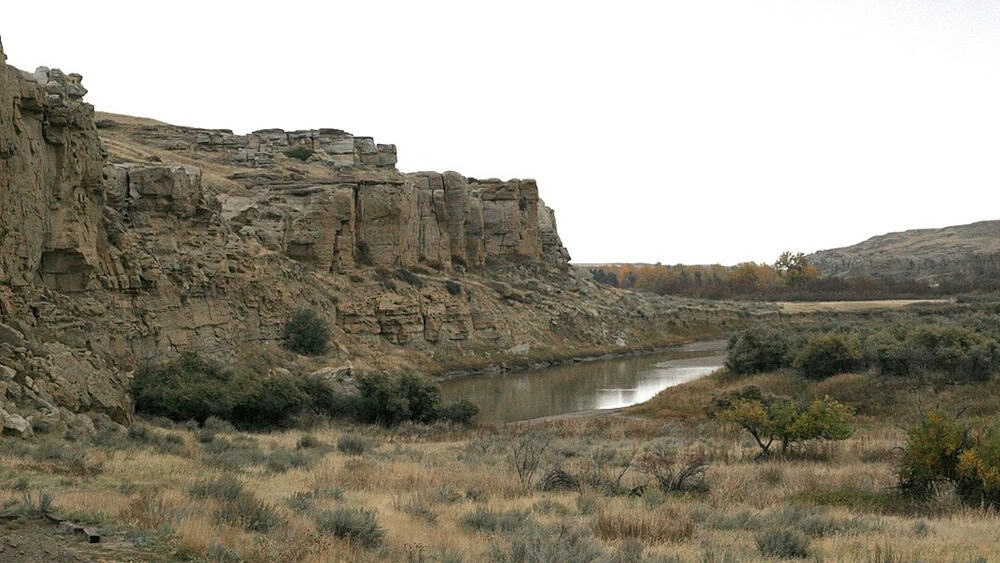
Writing- on- Stone / Áísínai’pi Provincial Park is a dramatic landscape of hoodoos and towering sandstone cliffs, which are adorned with one of the highest concentrations of Indigenous rock art in the world.
The landscape is culturally and spiritually important to the Blackfoot and is a UNESCO World Heritage Site. It’s a very different landscape than the mountain vistas travellers think of when visiting Alberta.
Alberta’s other world
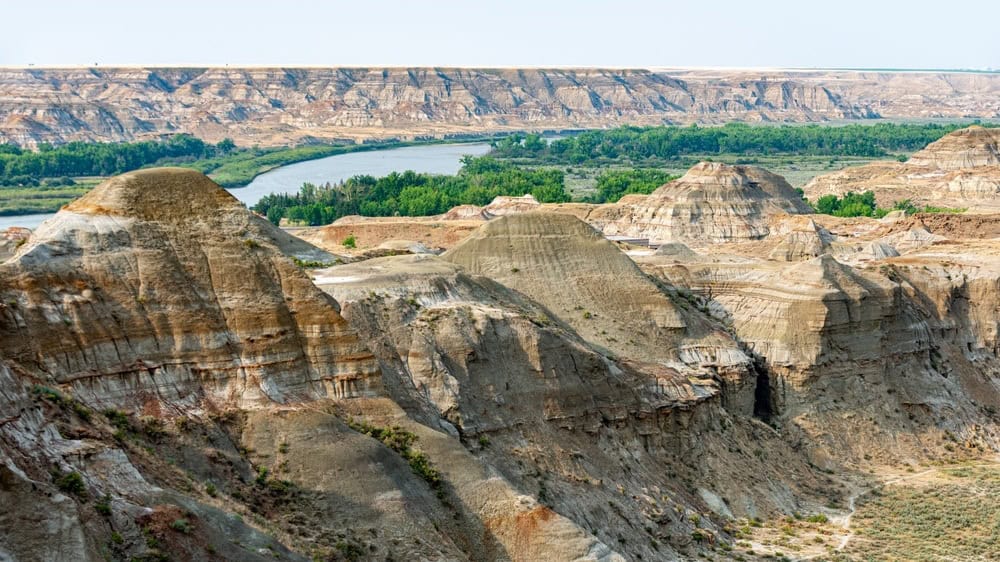
The landscape of Dinosaur Provincial Park seems almost alien compared to Alberta’s mountainous backcountry. Badlands dotted with hoodoos and other exposed rock formations house some of the world’s largest deposits of dinosaur fossils.
People sometimes mistake the park for Drumheller, but the park is located about two hours away. Exploring the park on foot really feels like you’re walking on a different world than the Canadian Prairies.
A different side of the Rockies
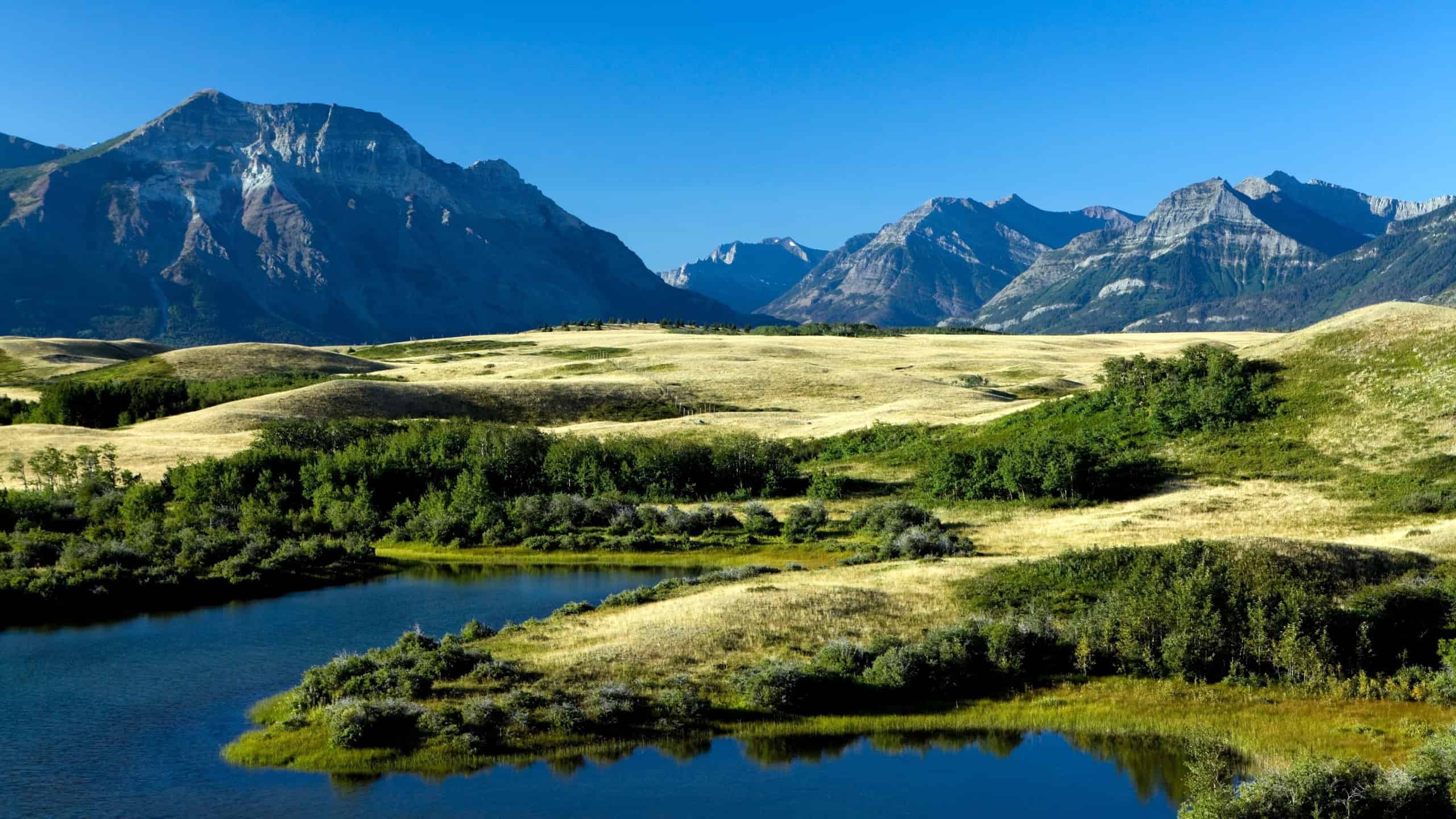
Waterton Lakes National Park is located in south-western Alberta. However, many foreign visitors visit Banff and Jasper instead. The prairie appears to tumble headlong into the Rockies’ peaks here, with deep-blue lakes nestled among them.
The tiny Waterton townsite allows visitors to enjoy amazing views with less of a crowded resort feel. The historic Prince of Wales Hotel perched above Upper Waterton Lake is sure to make your visit unforgettable.
Where the roads get quiet
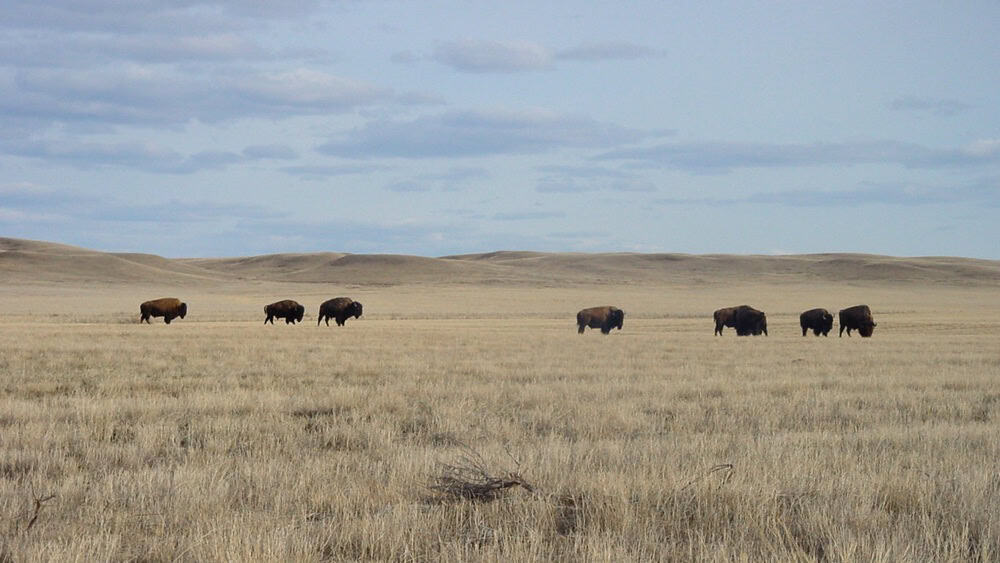
Driving through Grasslands National Park will introduce a Canada many visitors won’t expect to encounter. Forget mountains and dense forests; the land suddenly opens up into rolling grasslands, rugged badlands, and mile-high skies. Bison still roam the area, and colonies of prairie dogs dot the grassland. At night, the secluded setting and very dark skies offer phenomenal stargazing opportunities.
Islands at the edge
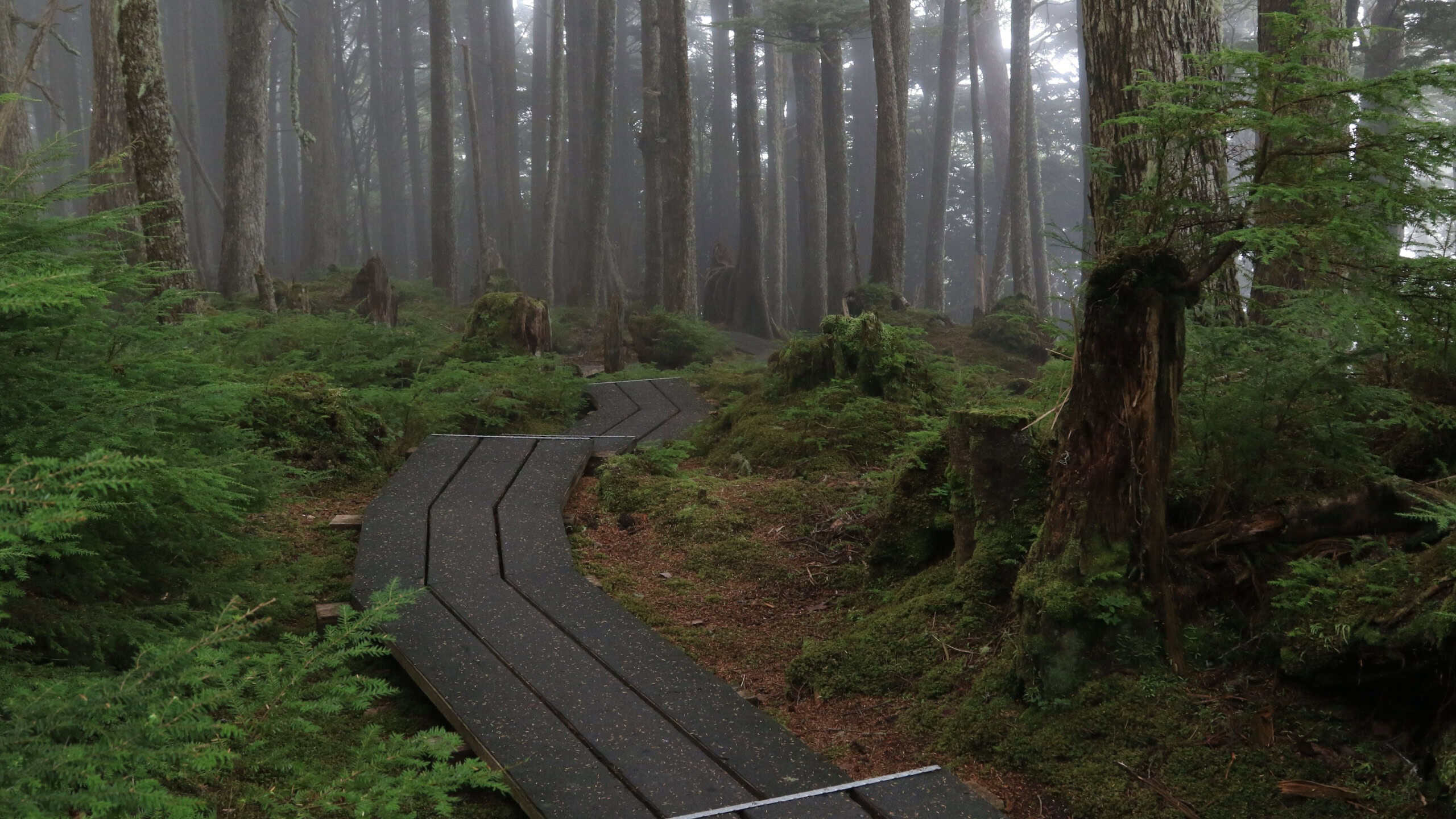
Situated off the northern coast of British Columbia, Haida Gwaii feels incredibly isolated from the rest of Canada’s tourist circuits. Ancient forests, wild beaches, and indigenous Haida Nation culture and history are unlike anywhere else in Canada. Traveling here requires more effort than Vancouver Island, which is likely why some tourists never find themselves on these islands.
Beyond the end of the highway
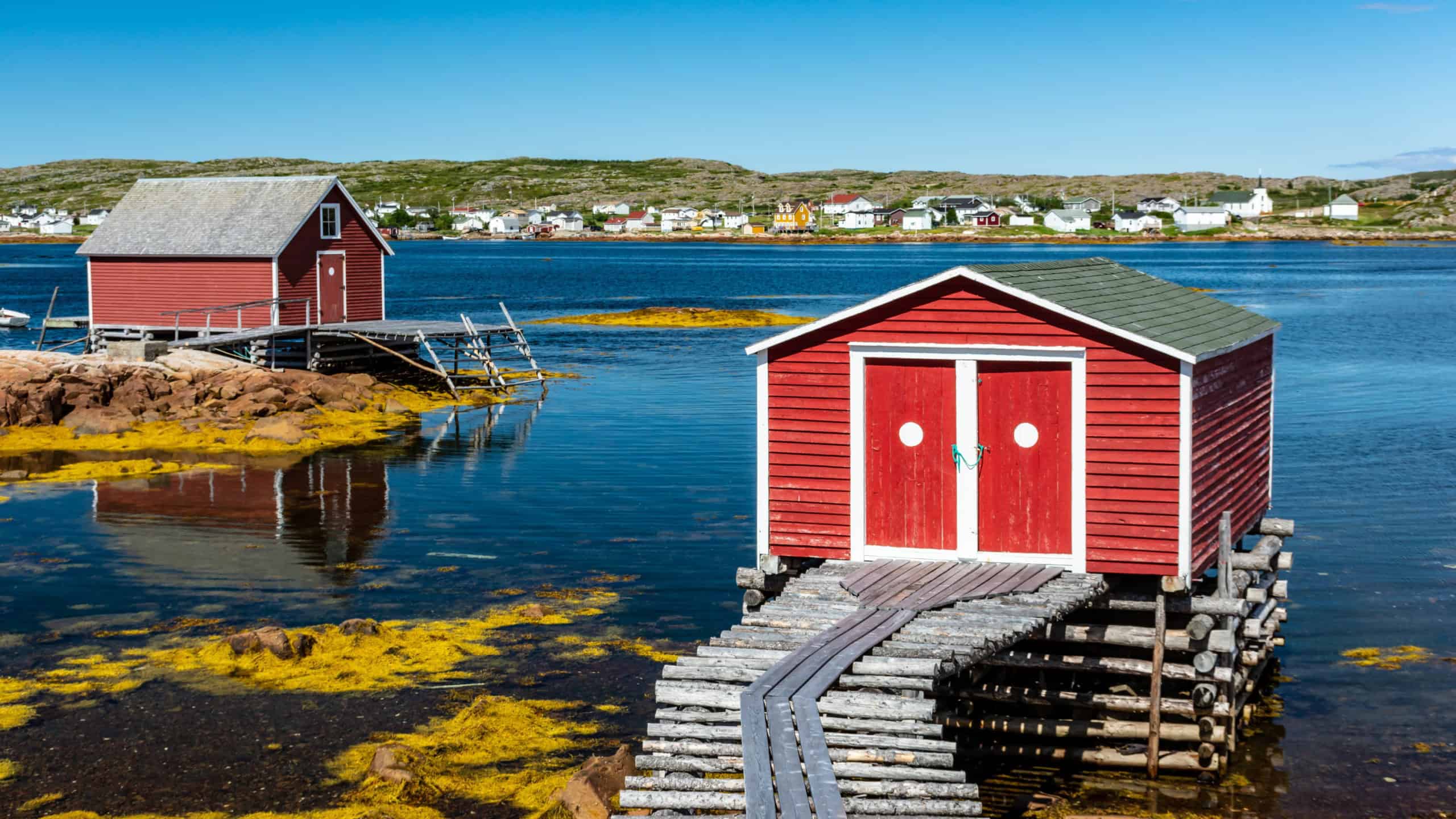
Accessible only by ferry, Fogo Island lies off the northeastern coast of Newfoundland. Small fishing villages, rocky coastlines, colorful homes, and vast expanses of the North Atlantic contribute to Fogo’s lovely isolation. Icebergs and whales may also be spotted offshore, depending on the time of year.
The mountains without Banff
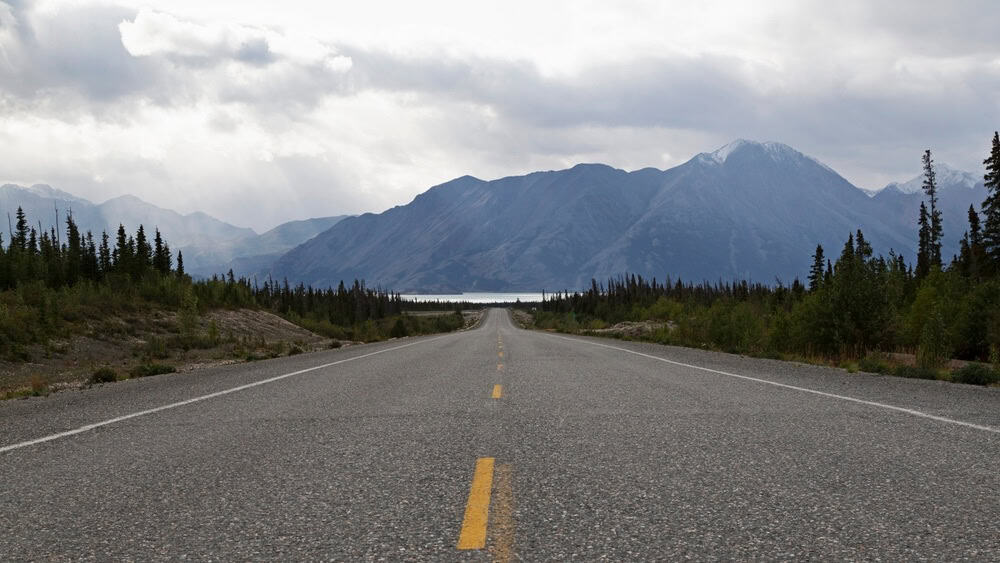
Kluane National Park and Reserve is home to some of the largest mountain scenery in Canada, though it receives far less recognition than its southerly neighbours in the Rockies. It has massive icefields and houses Canada’s highest peak, Mount Logan.
In many areas, it is wilderness you travel through, as opposed to scenery created around accessible viewpoints. It is difficult to fully grasp the vastness of the landscape until you experience it firsthand.
Quebec beyond the cities
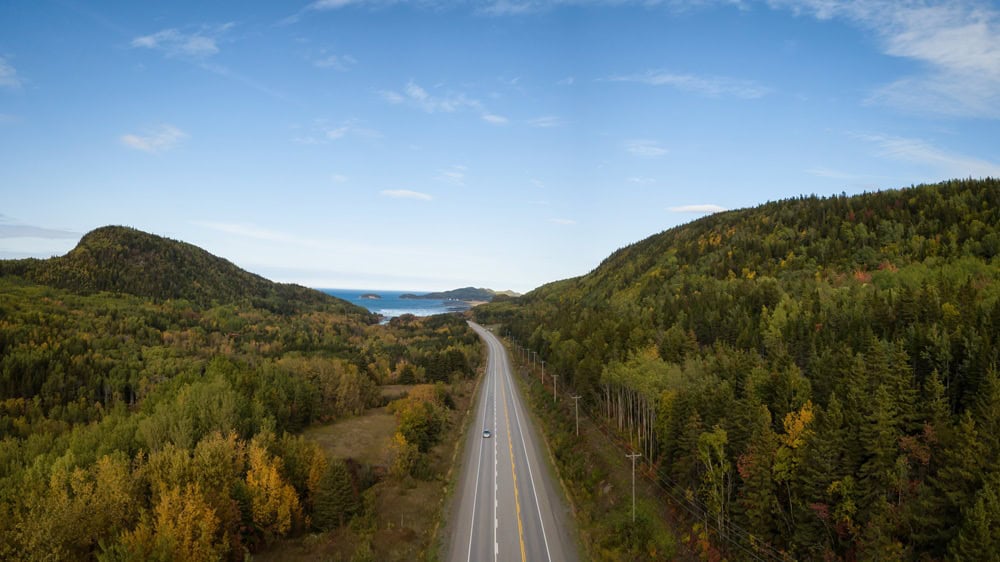
With its rocky coastline, bays, islands, forest, and headlands jutting out into the St. Lawrence Estuary, Parc national du Bic is picturesque. You can frequently spot seals along the shore and enjoy gorgeous sunsets. Sunsets are one of the park’s big draws. However, visitors from outside Quebec often never venture much beyond Montréal and Québec City.
A town beneath the cliffs
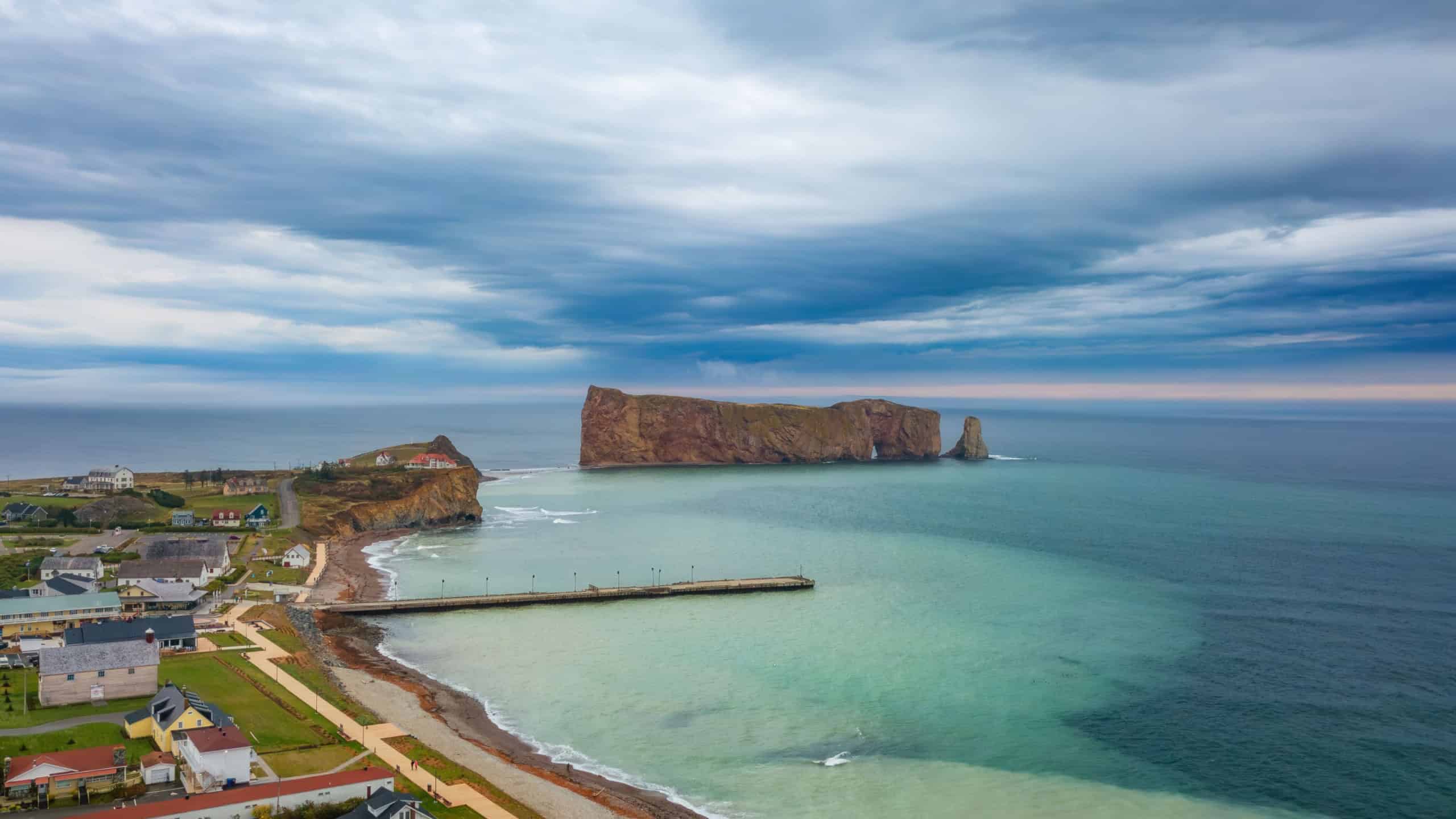
Percé’s big attraction is the massive Percé Rock offshore in the Gulf of St. Lawrence. The surrounding Gaspé Peninsula adds cliffs, coastal roads, colorful houses, and spectacular ocean views. While certainly known to Quebecers, foreign travellers exploring eastern Canada often ignore this bit of the province.
The island inside a lake
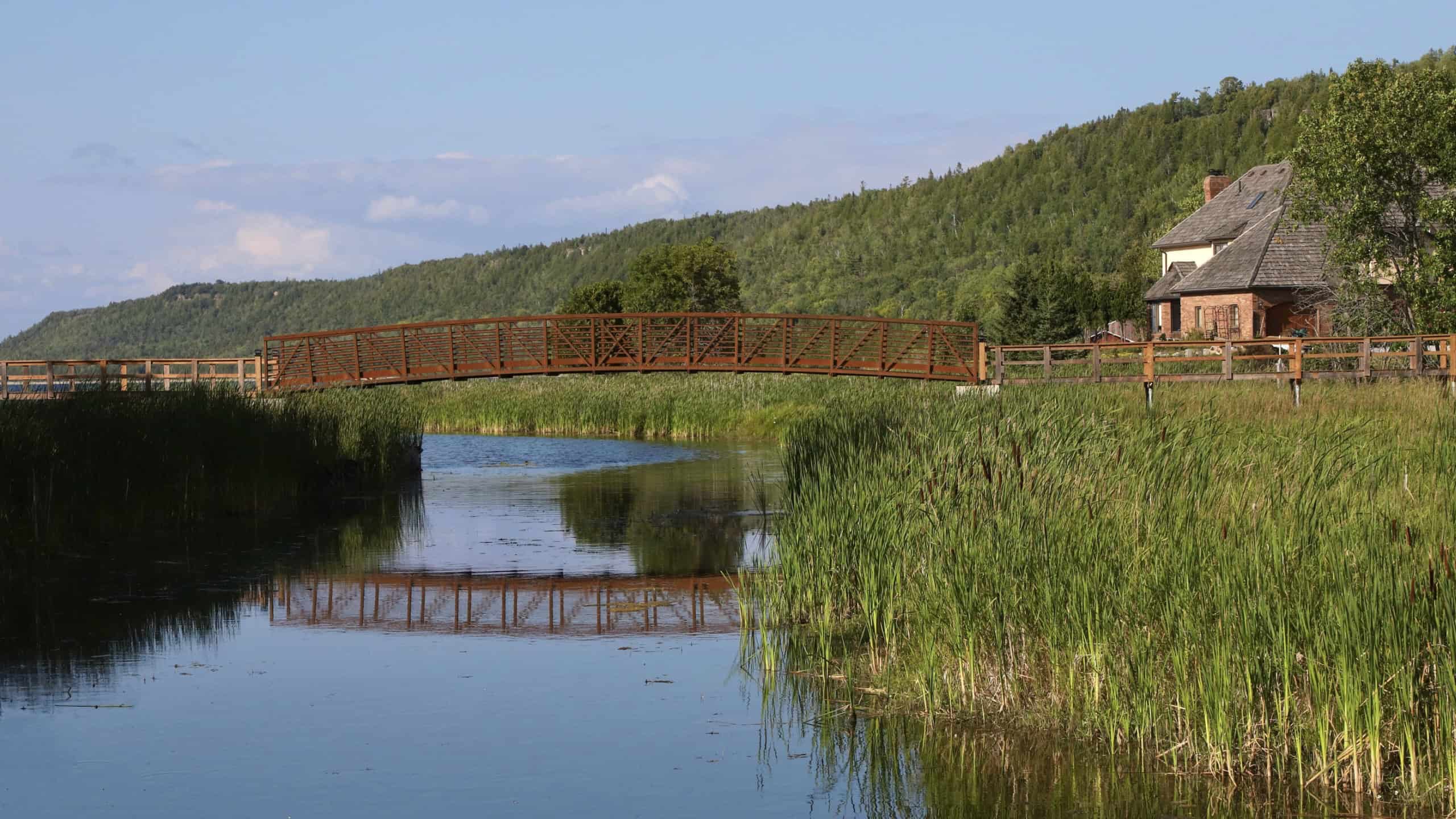
Manitoulin Island is located in Lake Huron. Called the largest freshwater island in the world, Manitoulin has lakes on the island itself, waterfalls, hiking trails, quaint villages, and significant Anishinaabe cultural experiences. Toronto and Niagara Falls take up so much tourist attention in Ontario that many international visitors aren’t aware that such a destination exists so far north.
Nova Scotia after the crowds disappear
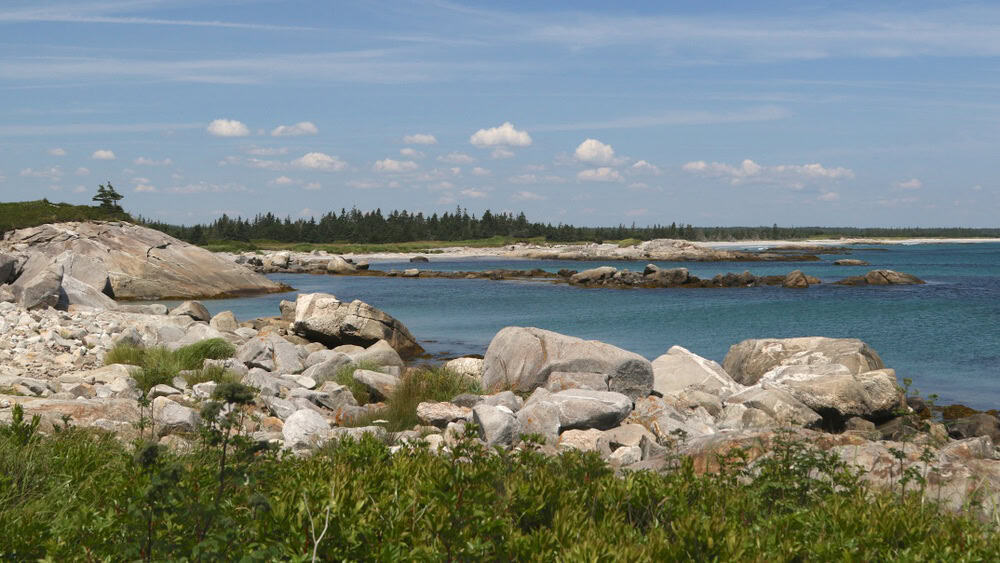
Lost in the shadow of Cape Breton and Nova Scotia’s well-known coastal drives is Kejimkujik National Park and National Historic Site. Keji’s forested interior of rivers and lakes is tranquil and lends itself well to exploration on foot or by canoe. The area also provides a rich cultural landscape that tells the story of thousands of years of Mi’kmaq settlement.
Canada’s Wild Pacific
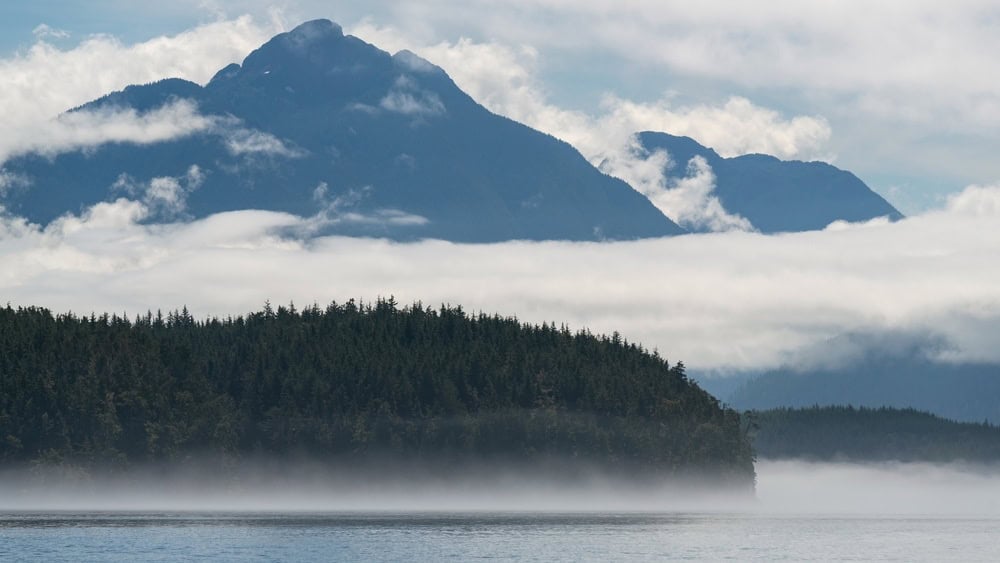
Great Bear Rainforest covers a remote swath of British Columbia’s Pacific coast and is home to one of the largest remaining expanses of coastal temperate rainforest in the world. Dramatic misty forests, islands, fjords, and mountains make for an awe-inspiring landscape. The area is also known for its wildlife, including the elusive white Kermode or spirit bear. It is very isolated from typical Vancouver–Whistler tourist destinations.
Canada’s northern surprise
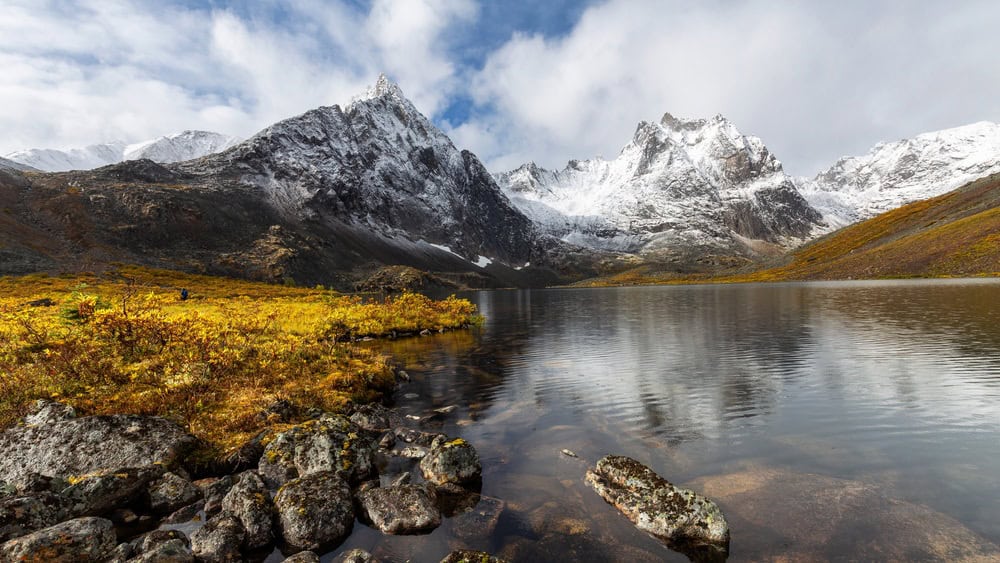
Jagged peaks, alpine tundra valleys, strange rock formations and fall colours can make the scenery at Tombstone Territorial Park feel surreal.
Bordering the Dempster Highway north of Dawson City, it takes much more effort to visit than Canada’s more famous southern parks. That isolation is part of the draw: this is Canadian landscape that still feels truly wild.
Newfoundland’s ancient secret
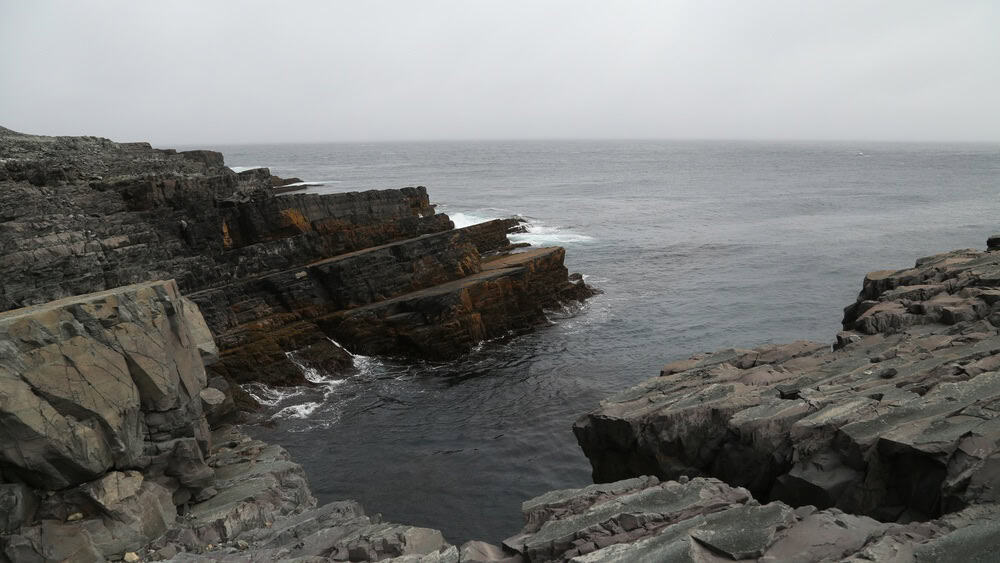
Over 500 million-year-old fossils are preserved at Mistaken Point Ecological Reserve on Newfoundland’s spectacular Avalon Peninsula. Impressions of some of the earliest complex, multicellular life forms exist here, and Mistaken Point is a UNESCO World Heritage site because of it. This fantastic site is often overlooked by tourists who focus on visiting Newfoundland’s quaint towns and coastline.
An unexpected desert
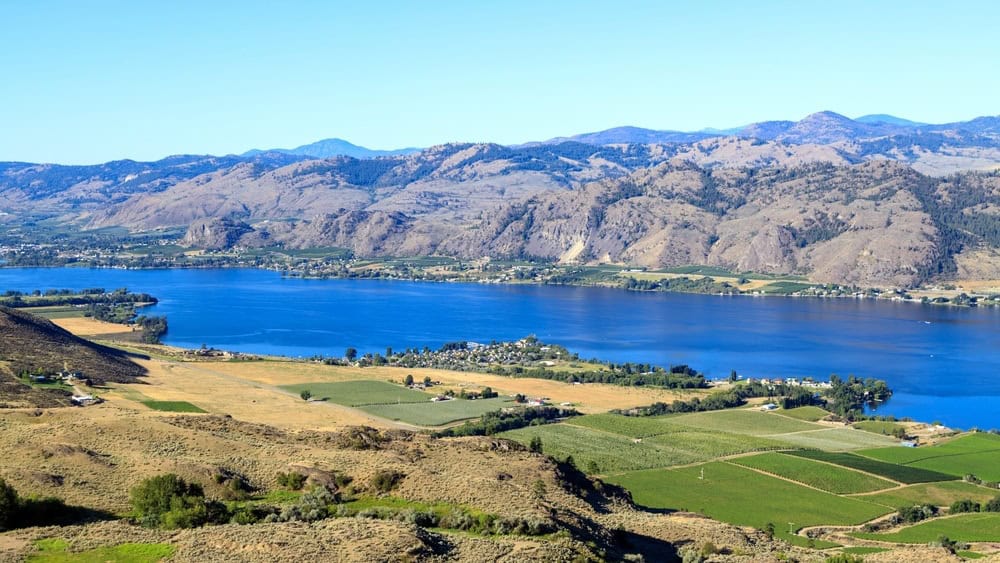
Situated far away from Canada’s Pacific coast, Osoyoos astonishes visitors who envision Canada to be covered in trees, mountains, and snow. Rolling grasslands and shrub-steppe dominate the southern Okanagan region that surrounds Osoyoos, as do vineyards, orchards and hot lakes. The semi-arid climate can’t seem more different than Vancouver’s West Coast vistas in the same province.
Sources: Please see here for a complete listing of all sources that were consulted in the preparation of this article.
Like our content? Be sure to follow us.