
Being the personal assistant of a famous person isn’t always as glamorous as it might seem.
Mary, Queen of Scots
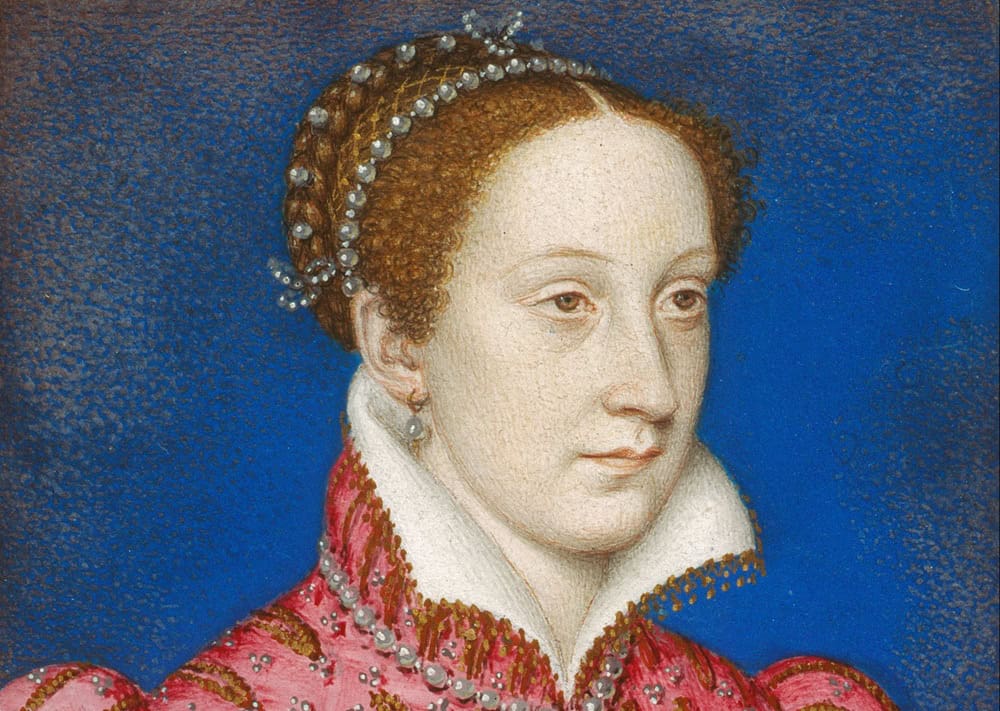
David Rizzio was a musician from Italy who was appointed as private secretary to Mary, Queen of Scots. He attracted significant resentment from many Scottish lords and Mary’s husband, lord Darnley, over time.
On one evening in March 1566, Rizzio was murdered by a band of conspirators who entered the room where he was dining with the Queen. Rizzio was pulled from the room and stabbed multiple times.
Peter the Great
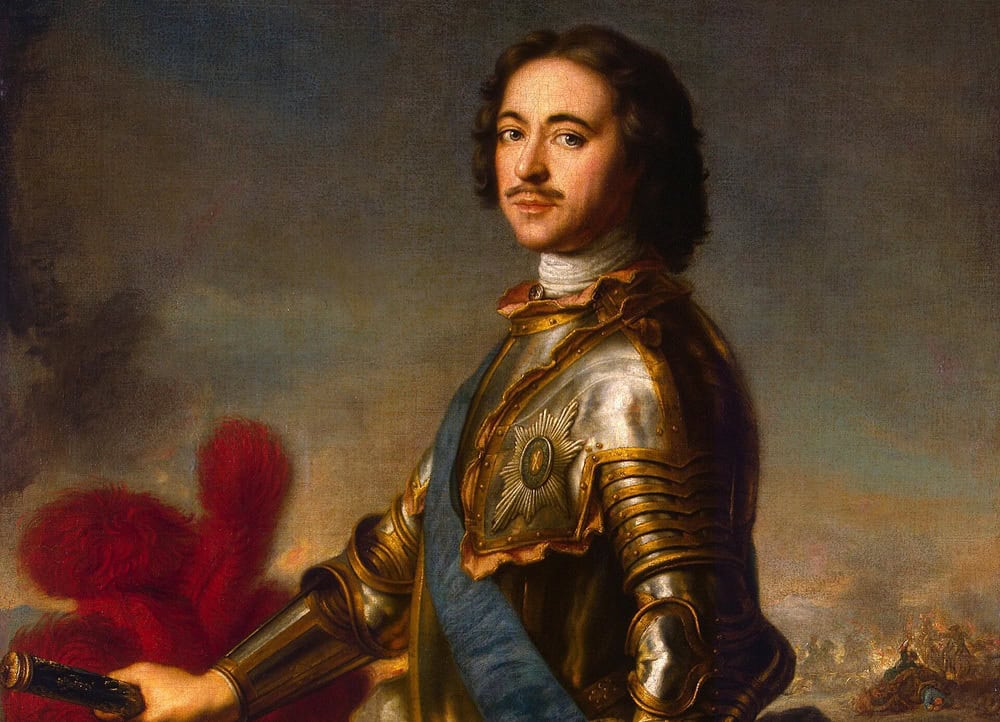
Peter the Great’s close companion and former personal attendant, Alexander Menshikov, rose from relatively humble beginnings to become one of Russia’s most powerful men. Even so, Peter had a notoriously fierce temper and is said to have beaten Menshikov more than once.
He was repeatedly investigated for corruption while still enjoying favour with the Tsar. After losing his political influence under Peter II, he was stripped of his wealth and sent into exile in Siberia. He died there in 1729.
Henry VIII
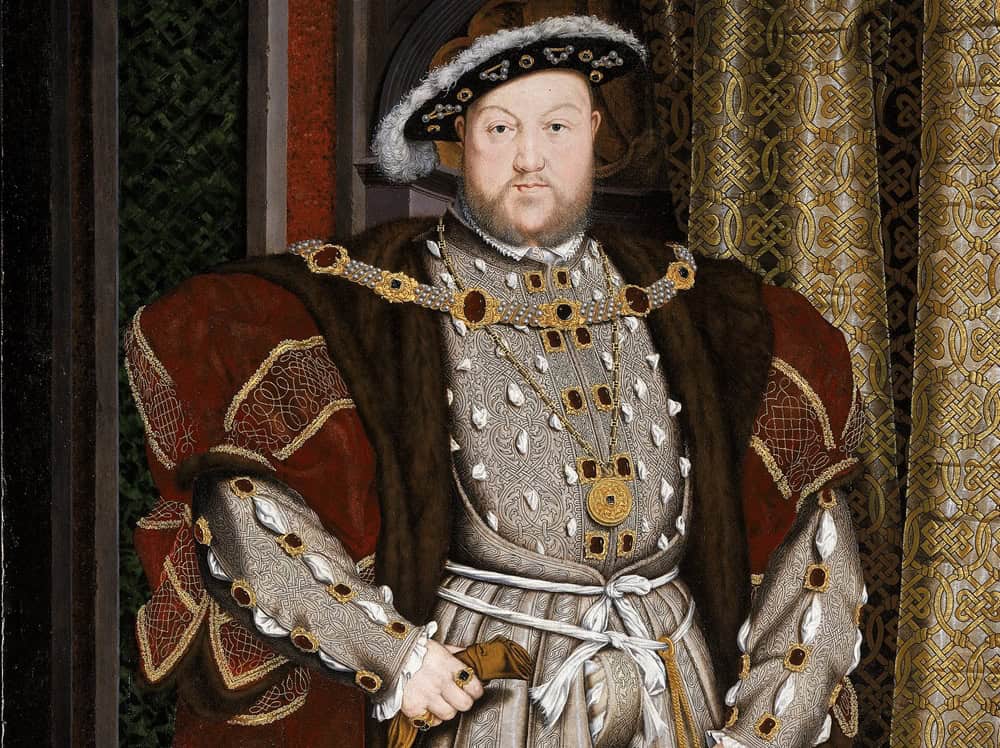
From 1534, Thomas Cromwell served as Henry VIII’s Chief Secretary and played a key role in implementing many of the King’s controversial policies. His role in securing Henry’s marriage to Anne of Cleves finally brought his career to a close.
When the marriage failed, Cromwell’s enemies convinced the King to imprison him and have him executed in 1540 without any trial. All those years of service to the King counted for nothing once he fell out of favour.
Leon Trotsky
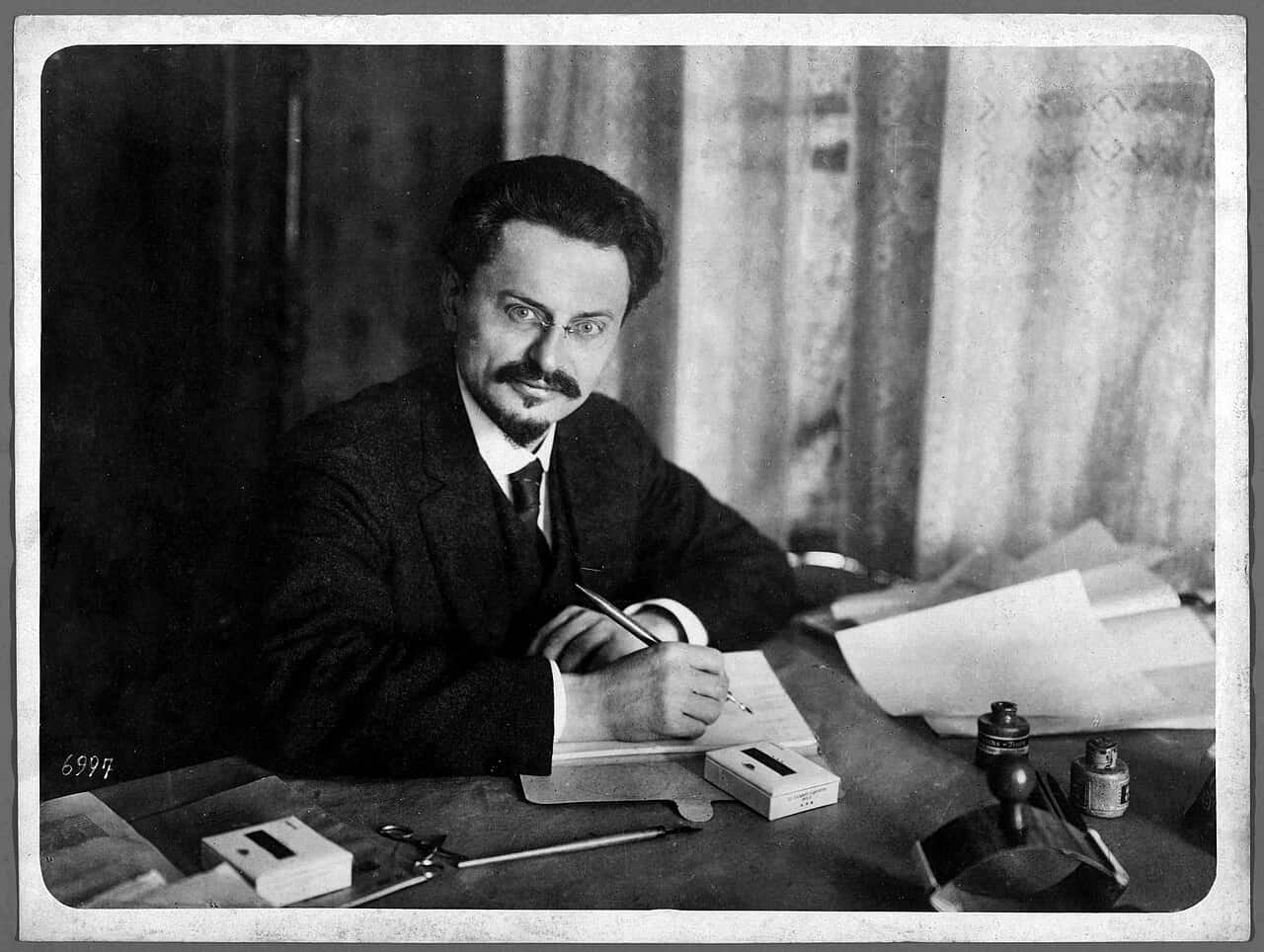
Rudolf Klement was a secretary to the Russian revolutionary Leon Trotsky, assisting him with various political endeavours during his periods of exile. But this came to the attention of the Stalinist secret police.
In 1938, Klement went missing in Paris and was subsequently found dead in pieces along the banks of the River Seine. He is believed to have been killed by the Soviet intelligence agents.
Philip II of Spain
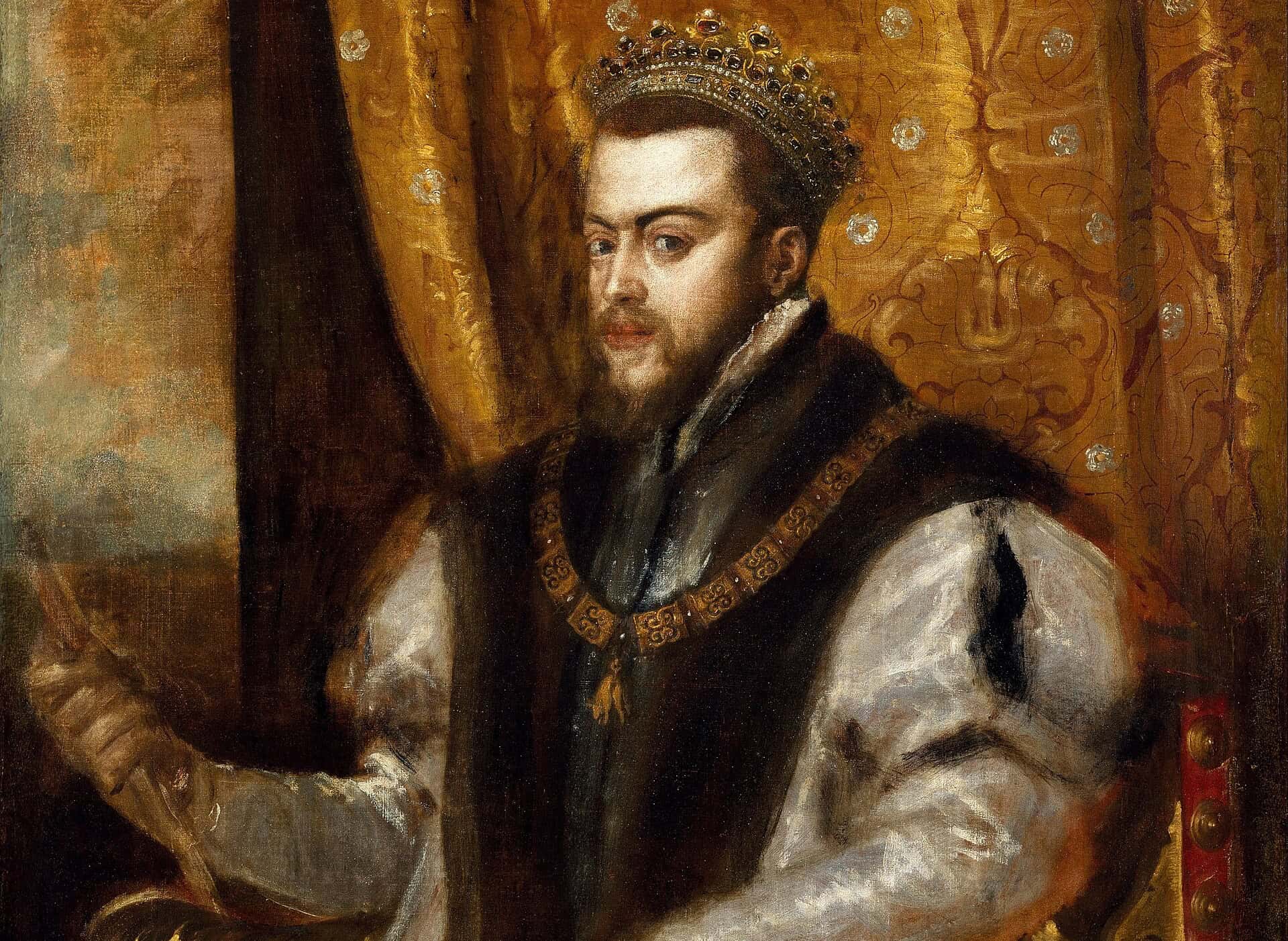
As a Secretary to King Philip II, Antonio Pérez came to know a great deal about the King’s personal business. After being implicated in the killing of Juan de Escobedo, he lost the King’s trust. He was jailed, subjected to torture and subsequently managed to flee to Aragon. From there he escaped to France and remained in exile for some time.
Franklin D. Roosevelt
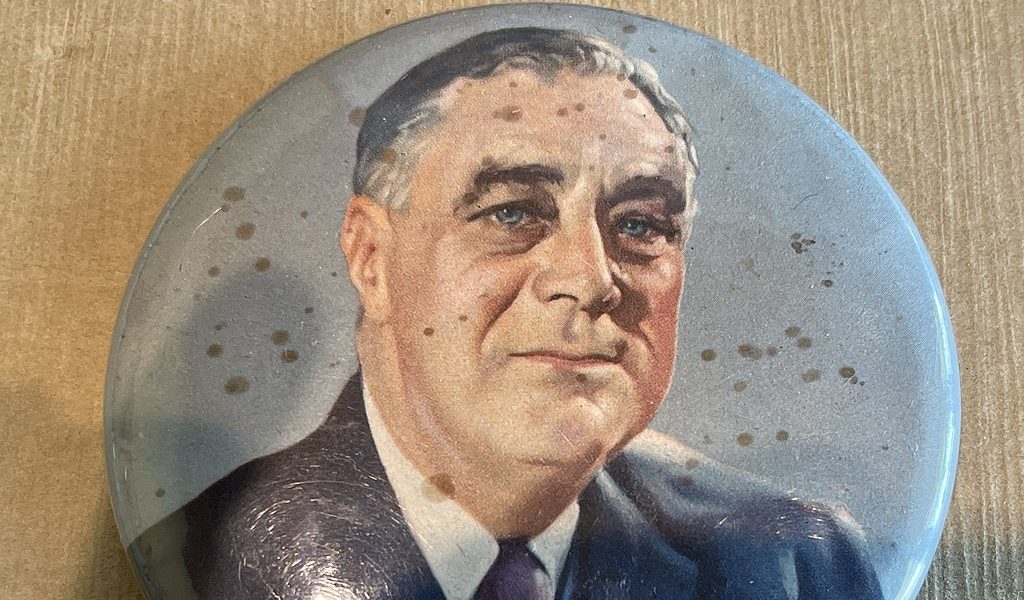
Marguerite LeHand (Missy) was Roosevelt’s longtime personal secretary and one of his most trusted aides. Her responsibilities went far beyond ordinary secretarial work. Much of her personal life revolved around Roosevelt’s needs.
In 1941, LeHand had a major stroke from which she never fully recovered. For the rest of her life, she battled a range of debilitating ailments before passing away in 1944, aged only 47.
Napoleon Bonaparte

Louis Antoine Fauvelet de Bourrienne served as Napoleon’s private secretary. His working day stretched to between 16 and 18 hours, during which he had to read Napoleon’s illegible writing, manage his accounts, and put up with his rages.
He also stole large amounts of money from illicit army contracts. Once Napoleon discovered this and dismissed him, Bourrienne squandered his wealth, ran from creditors and ended his life in a lunatic asylum in France.
Lyndon B. Johnson
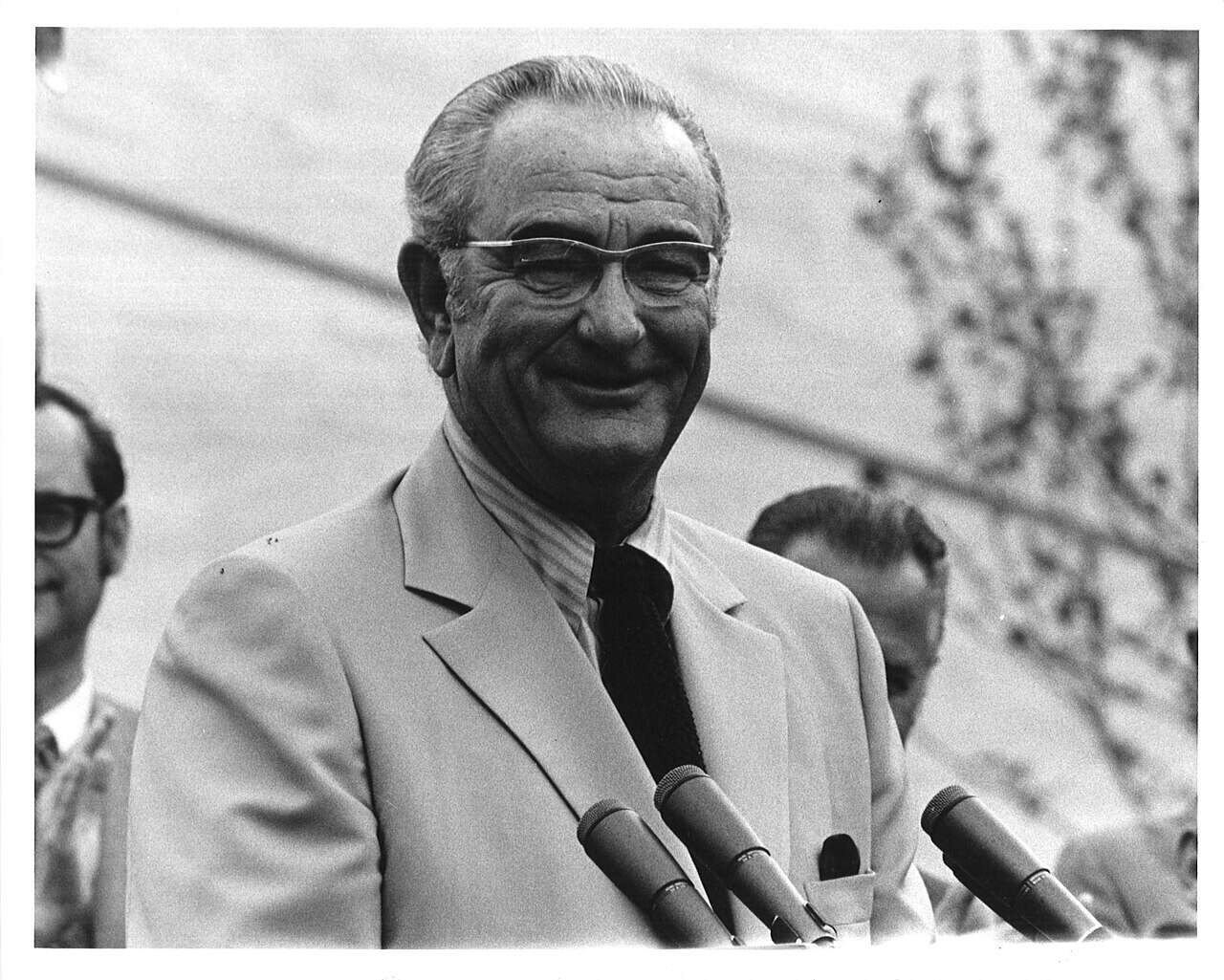
It would have been a trying and degrading job to work for Lyndon B. Johnson. As US President, he drove himself incredibly hard, and was equally harsh towards others around him. Early in his Presidency, he made his aide Luther E. Jones take dictation while Johnson sat on the toilet.
Biographer Robert Caro suggests this was part of Johnson’s wider tactic to humiliate and dominate his subordinates.
Robert Baldwin Ross
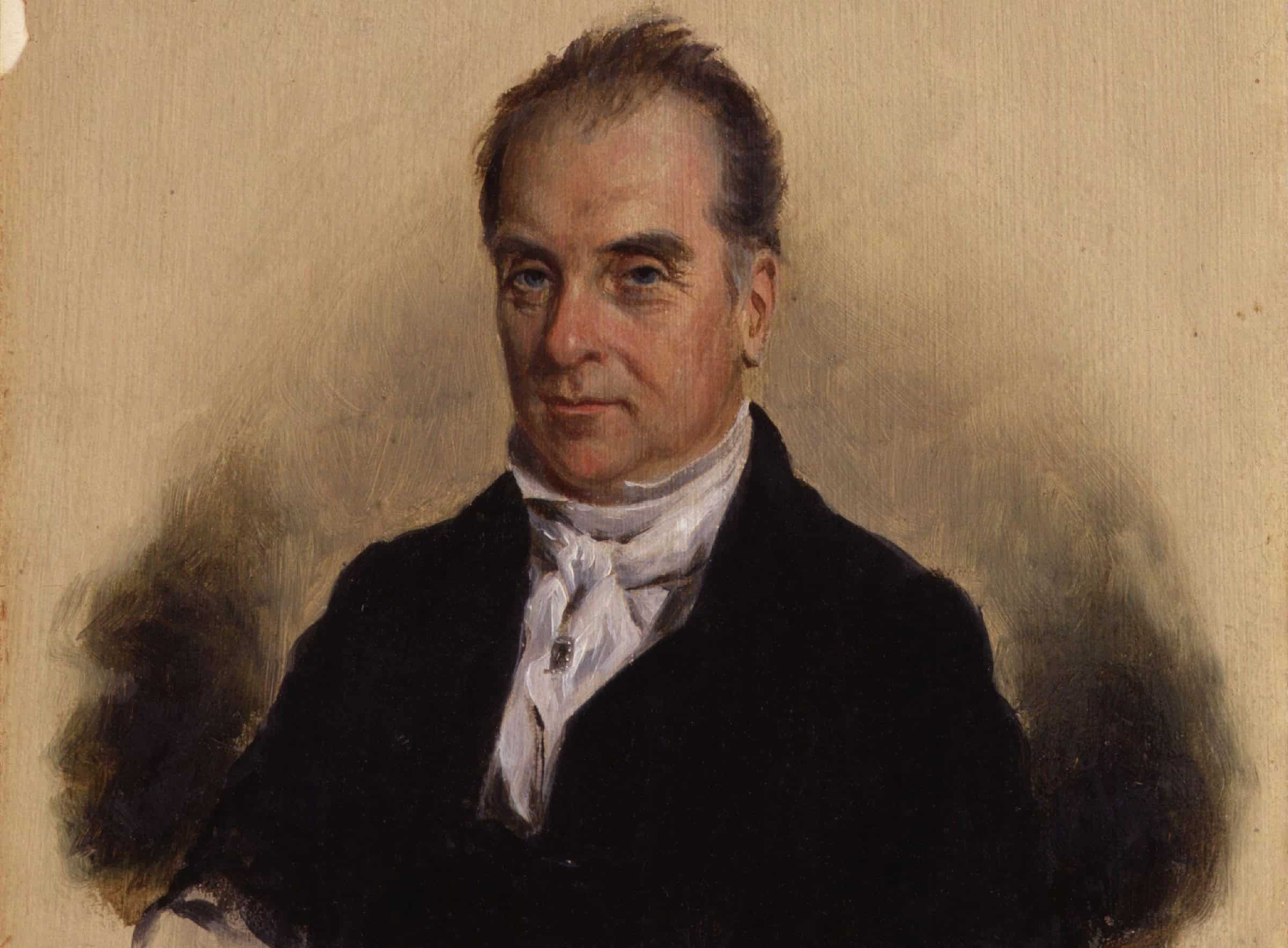
In 1911, Christopher Sclater Millard took up the post of private secretary to Robert Ross, Oscar Wilde’s literary executor. He became caught up in the bitter disputes over Wilde’s literary legacy and Ross’s personal matters.
In 1914, he was pulled into a lawsuit pitting Ross against Lord Alfred Douglas. He was subjected to hostile questioning about his private life, including his previous imprisonment for homos***al offences.
Saddam Hussein
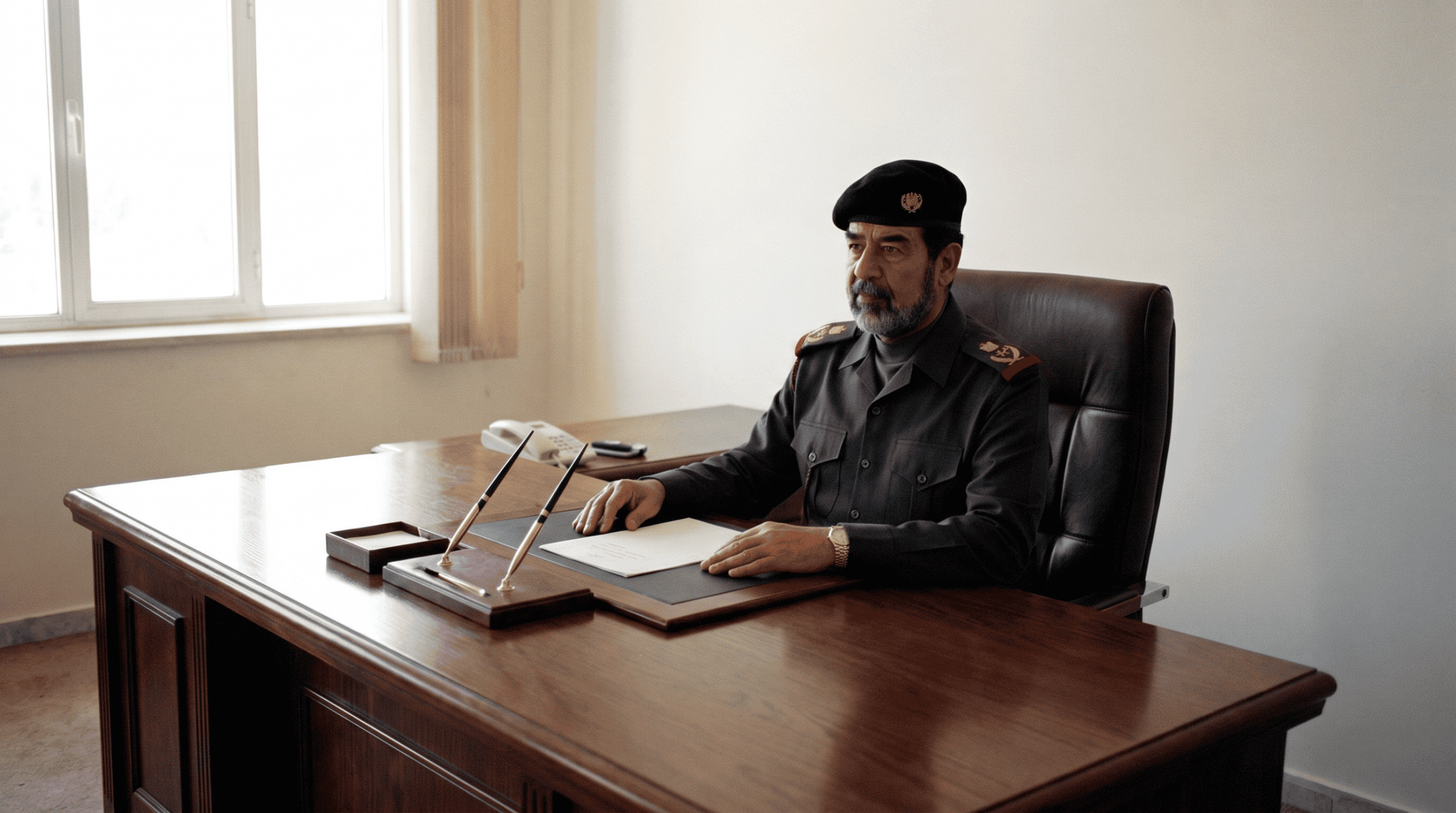
Abid Hamid Mahmud served as Saddam Hussein’s private secretary. As such, he had near-exclusive control over who could see the Iraqi leader and played an integral role in running his country.
After the US invasion of Iraq in 2003, he was taken into custody and imprisoned for several years. In 2010, he received a sentence of execution and was hanged in 2012.
Queen Victoria
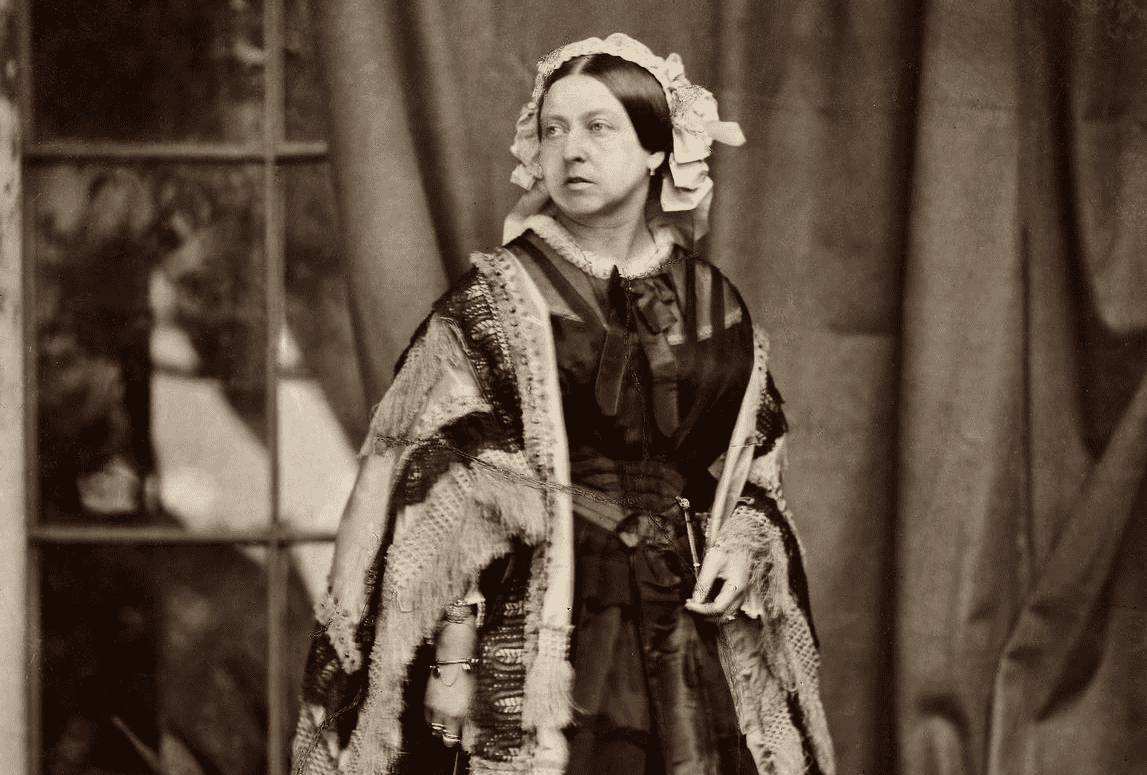
Sir Henry Ponsonby acted as the daily buffer between the stubborn queen and the British government, taking on the Queen’s relentless stream of grievances against members of the government, her responsibilities as monarch and even her offspring.
He had to rewrite the Queen’s angry letters to the various politicians (including W. Gladstone) to avoid provoking further constitutional breakdowns. After working so many years without any break, he suffered a paralyzing stroke right at his desk.
Ernest Hemingway
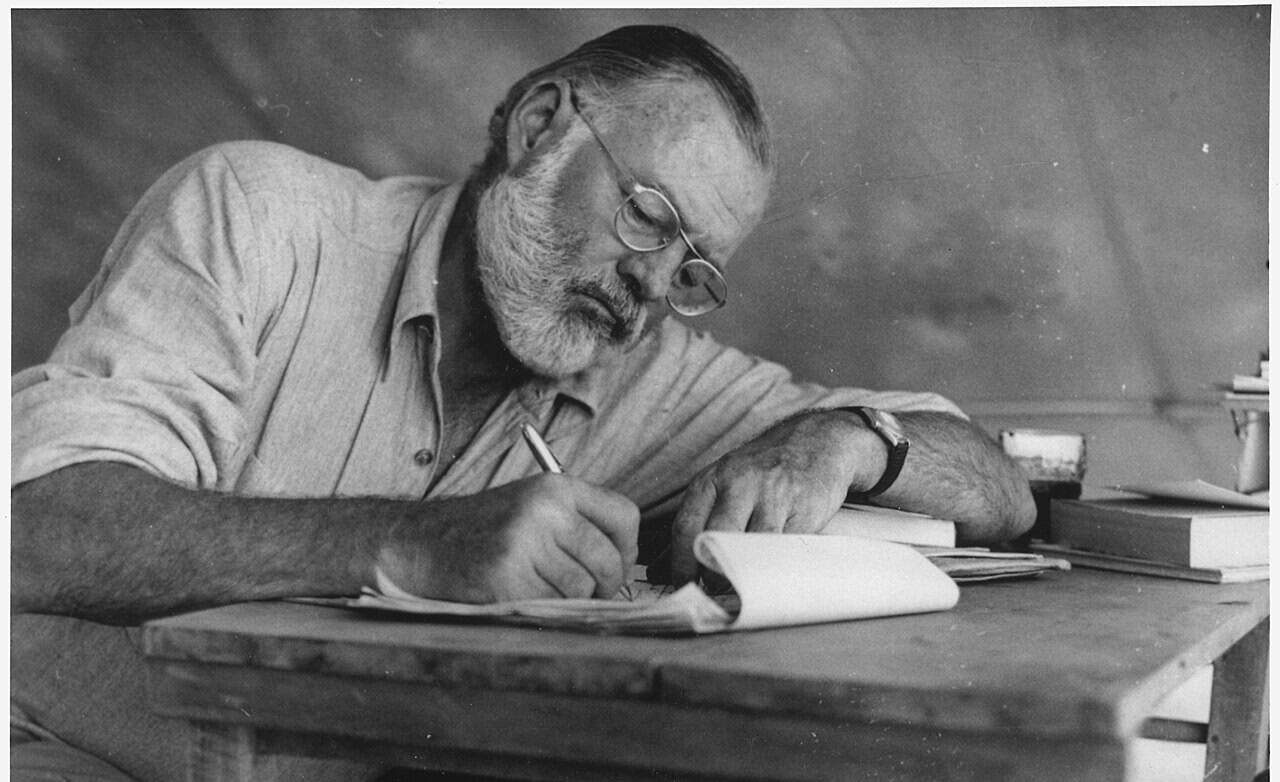
Valerie Danby-Smith was hired by Hemingway at age 19 in 1959. She typed manuscripts and travelled with Hemingway and his wife in Spain and Cuba as his mental health collapsed.
She had to deal with his severe alcoholism, brain damage from past accidents, terrifying mood swings, and crippling paranoia about the FBI. This lasted until Hemingway took his own life in July 1961.
Leo Tolstoy
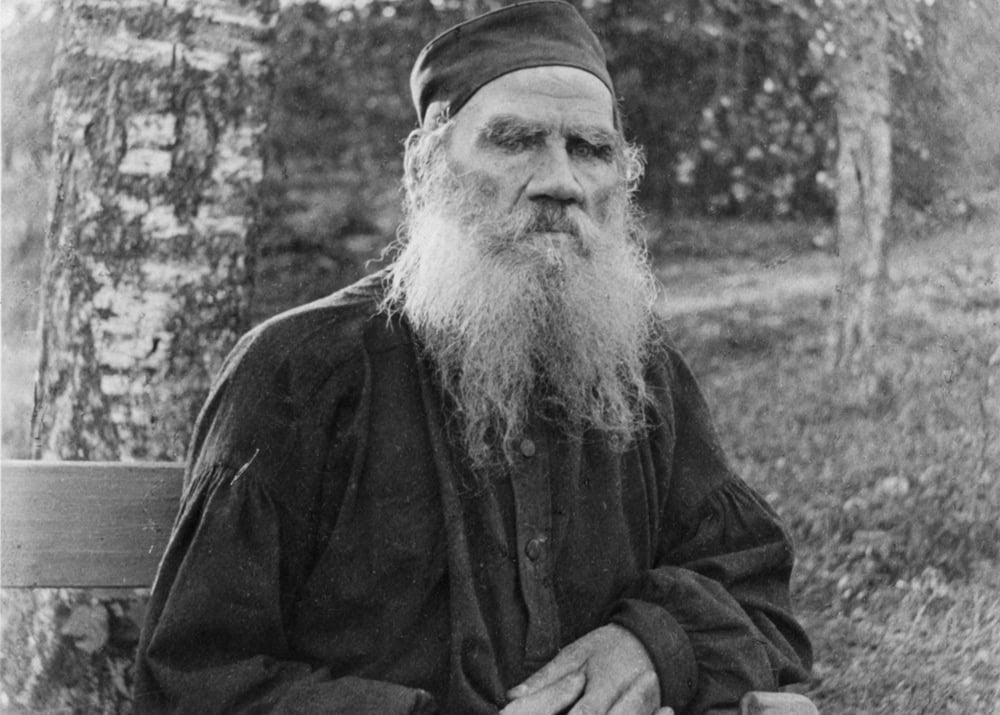
From 1910 onwards, Valentin Bulgakov, Leo Tolstoy’s secretary, spent his days copying the author’s messy, endlessly revised manuscripts while living through a toxic feud within his household.
Sophia Tolstoya came to believe that Bulgakov and the rest of Tolstoy’s followers intended to disinherit her and their offspring. For many months, Bulgakov endured screaming matches, spying, and suicide threats until Tolstoy finally fled his own home in the middle of the night.
Joseph Stalin
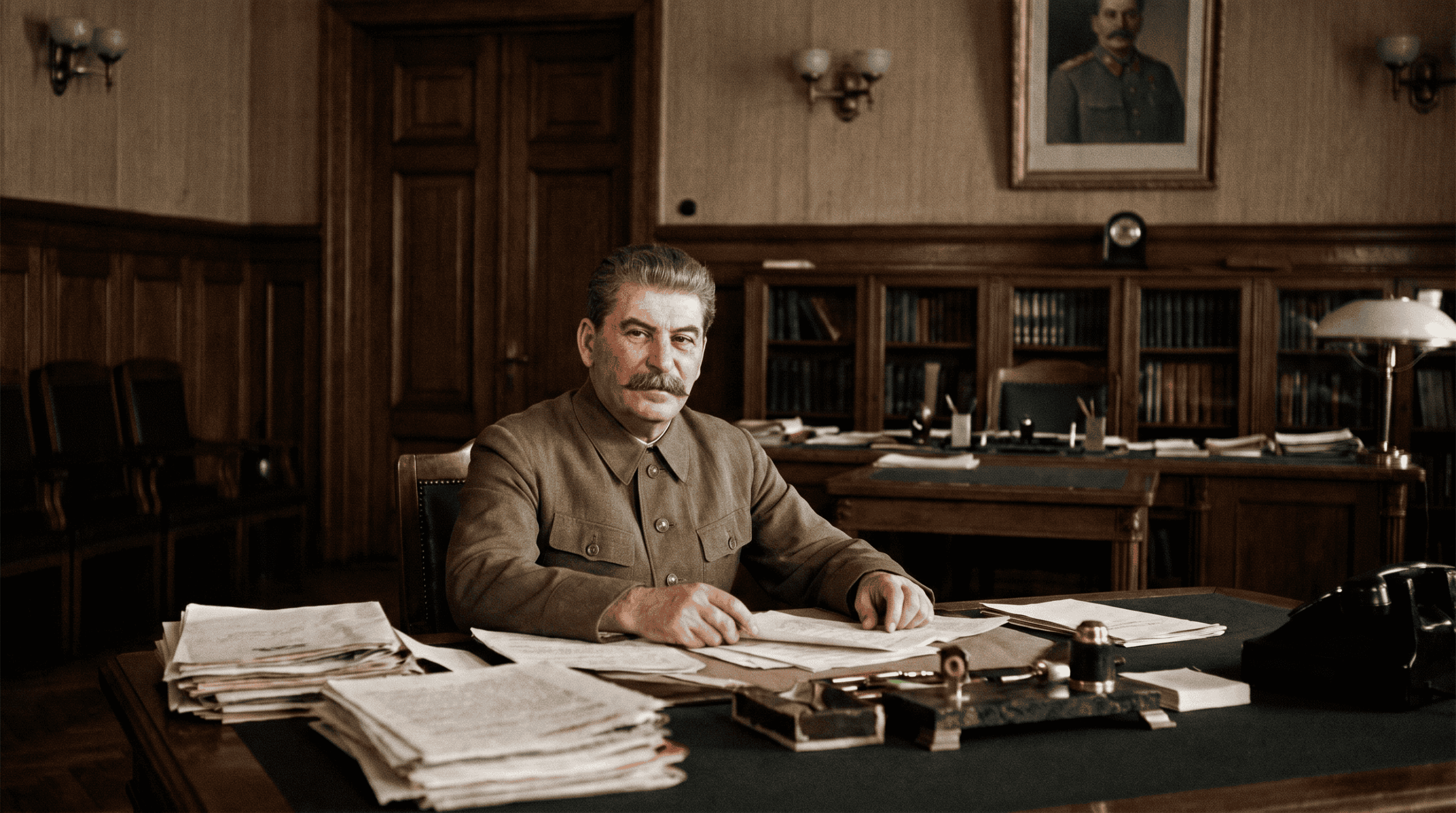
Alexander Poskrebyshev served as Stalin’s secretary for many years and learned to navigate his erratic daily routine and violent outbursts. It only grew more terrifying after Stalin had his wife Bronislava arrested and executed in 1939.
Poskrebyshev remained by Stalin’s side until the final years of the dictator’s life, before he was dismissed.
Adolf Hitler
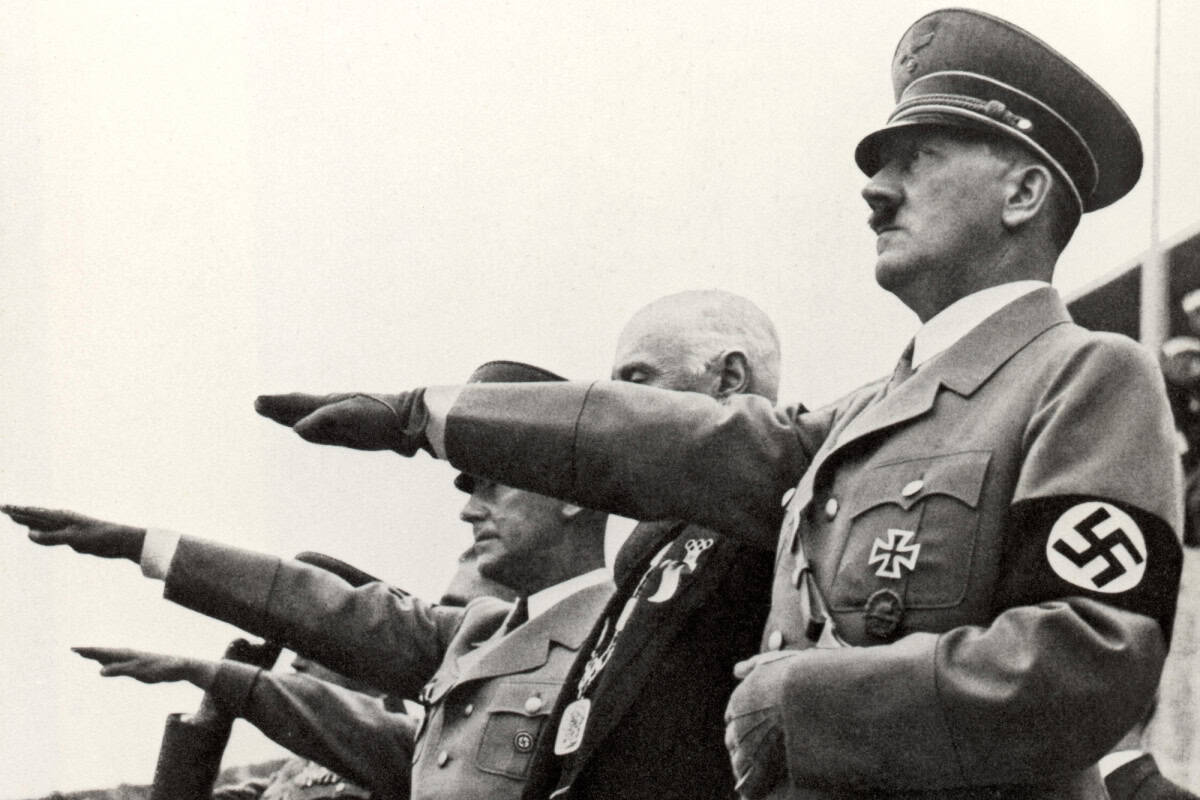
The secretaries working for Adolf Hitler were accustomed to late nights due to his extended working hours. Traudl Junge was one of those secretaries, starting the job in 1942 and eventually becoming one of the last people to leave Hitler’s bunker before the Third Reich fell.
It was Junge who wrote out Hitler’s will and political testament just prior to his suicide. After escaping the bunker, she faced detention and interrogation. Junge later expressed remorse over her time in Hitler’s service.
Winston Churchill
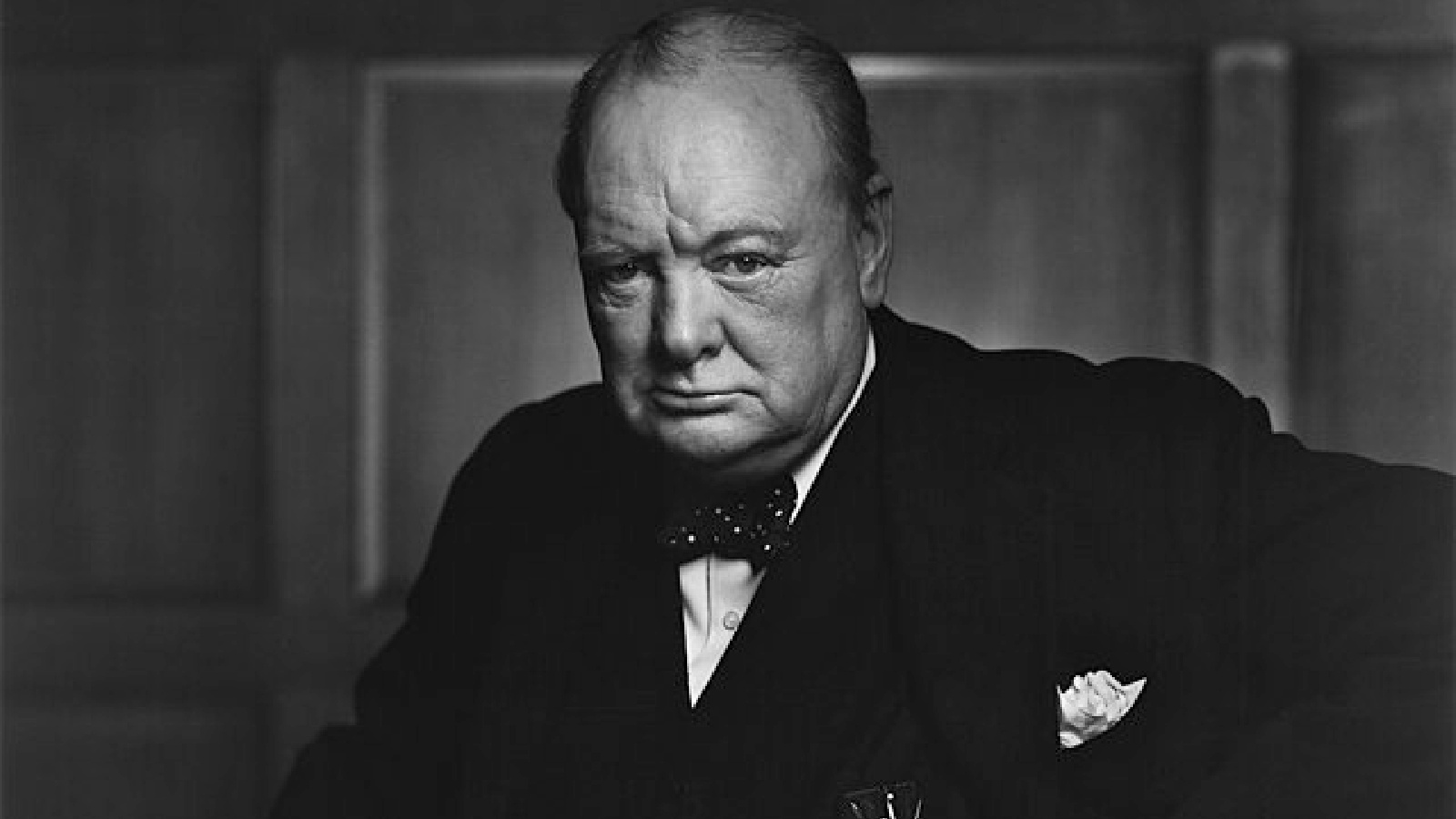
For those working as Churchill’s personal secretaries during the Second World War, regular working hours barely existed at all. As one of Churchill’s secretaries, Elizabeth Nel had to be ready to sit and take his dictation at any moment, and this often stretched late into the evening and on into the night.
At times Churchill would dictate propped up in bed. His dictation was fast and required quick note-taking.
Sources: Please see here for a complete listing of all sources that were consulted in the preparation of this article.
Like our content? Be sure to follow us.
15 fears that haunted historical figures
Even history’s most powerful and celebrated figures had fears that could follow them throughout their lives.