
Age itself isn’t what determines when you should stop driving, but some behaviors behind the wheel may signal that you need to reevaluate how safely you can operate your vehicle.
The horn keeps finding you
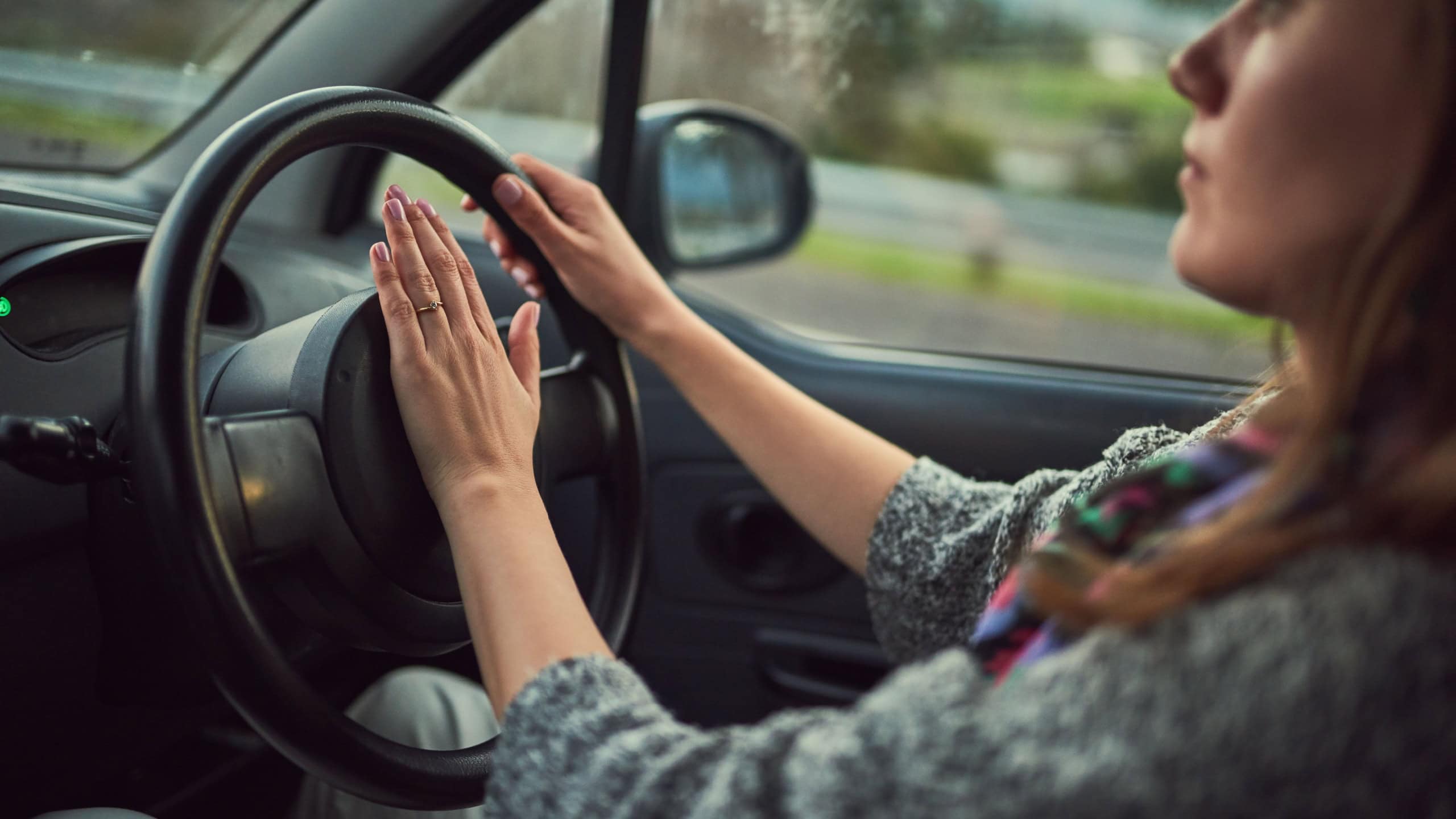
People seem to be honking at you way more than they used to. Sometimes they’re just being impatient drivers, but if you notice it happening frequently, take note. Maybe you’re taking forever to accelerate when the light turns green, you find yourself drifting into other lanes, cutting into traffic too slowly, or you turn when no one else was expecting you to.
If people who aren’t familiar with you are reacting to your driving frequently, it may be a sign that something has shifted.
The familiar road feels different
You’ve been making the drive to the grocery store, your doctor, or grandmother’s house for years. One day you suddenly miss your turn or aren’t sure which street to take. It’s easy to get distracted here and there, but regularly driving somewhere and getting confused is a bigger problem.
When you drive, you have to know your location at all times while reading signs, monitoring traffic, watching pedestrians and other vehicles. If you find yourself having to really concentrate on where you’re driving just to know where you are, talk to your doctor and assess your driving.
Someone else saw it first
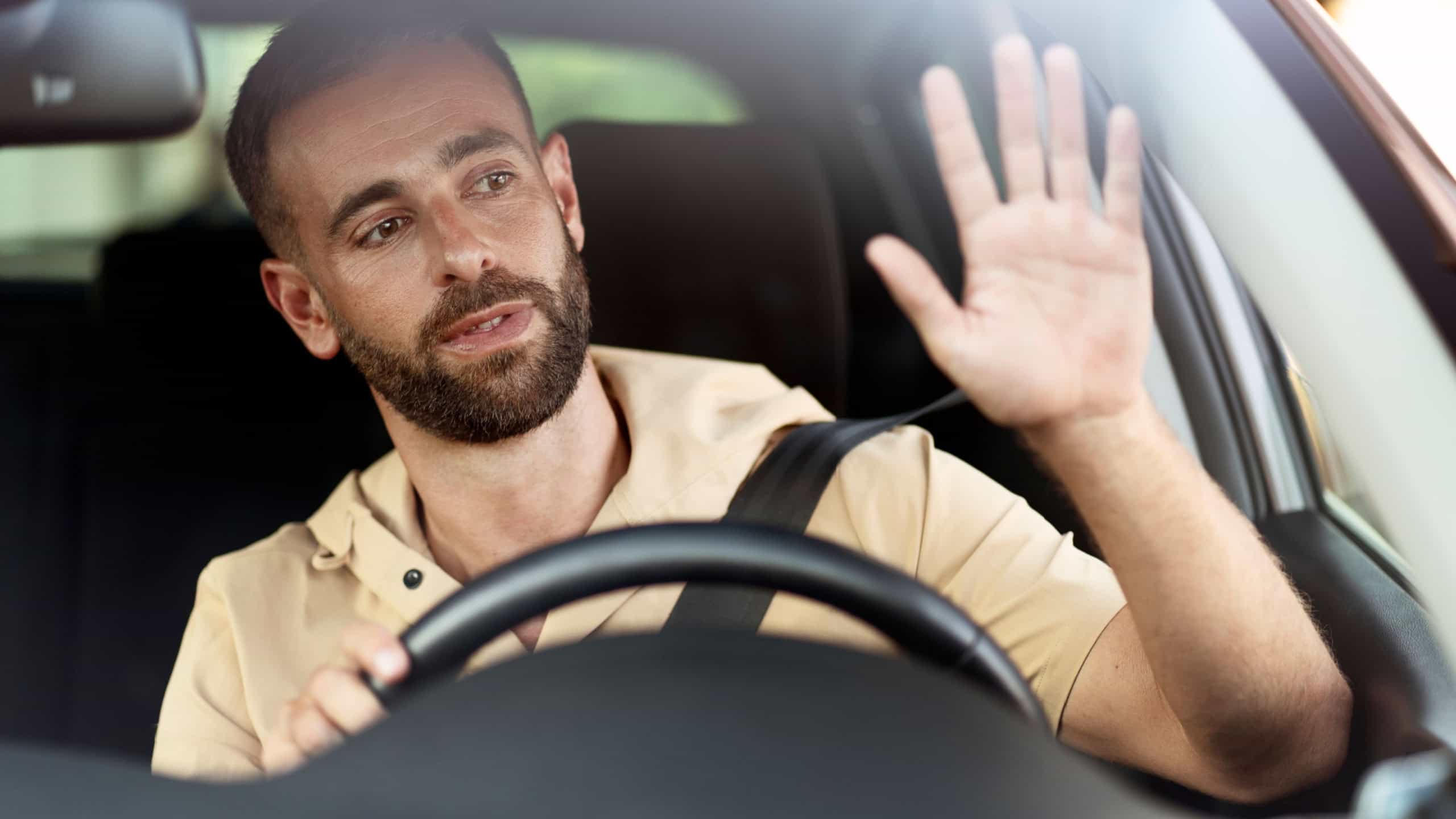
Your spouse, adult kids, or good friends have begun offering to drive, and maybe they’re offering especially frequently. They may even refrain from bluntly criticizing your driving because they know you’re touchy about the subject.
One worried passenger doesn’t make a case against your driving. But if several people on their own all feel hesitant about riding with you, don’t assume they’re just being overprotective.
Nightfall changes everything
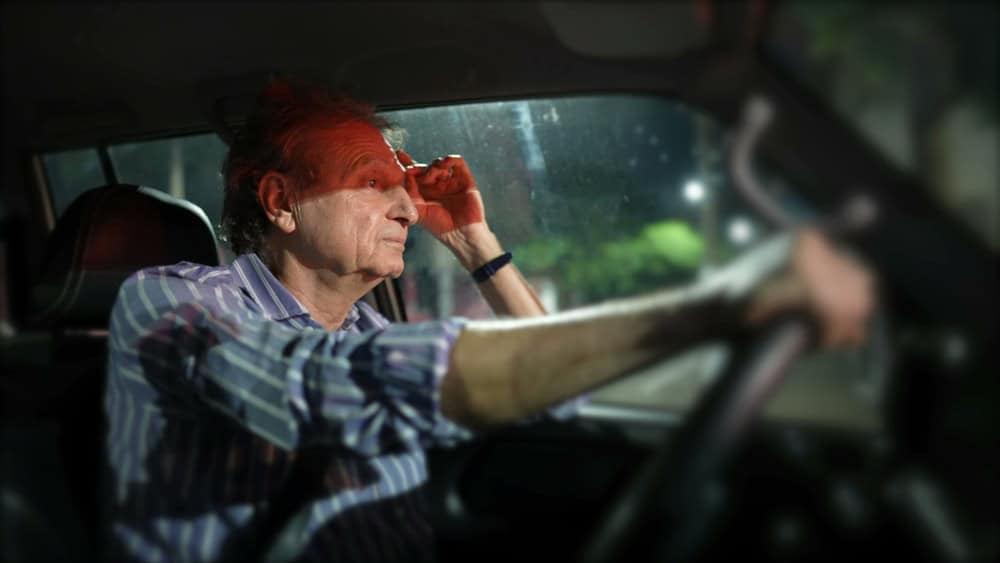
Daytime driving seems just fine, but when the sun goes down, everything changes. Headlights glare, road lines blur, pedestrians pop out of nowhere, or it’s tough to judge distances. Vision problems at night are common as we age and can be worsened by eye diseases.
Having trouble driving at night doesn’t mean you’ll have to stop driving, but if night driving is difficult, it’s time for an eye exam.
The parking lot tells a story
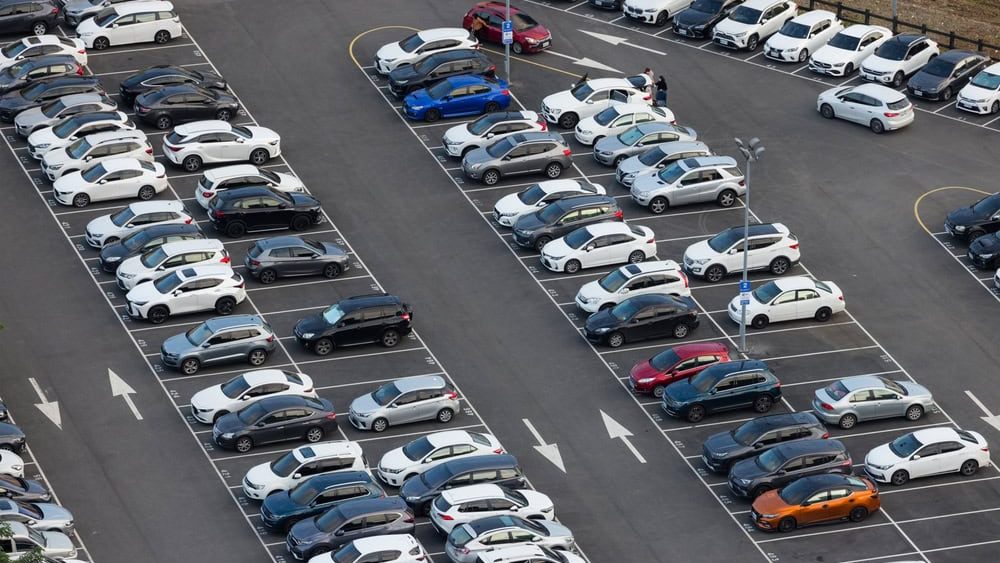
Parking used to feel effortless. You slid into spot after spot without hesitation. These days, your car often parks at a weird angle, over the lines, too close to another car or several feet from the spot you’re aiming for. Parking requires depth perception, spatial judgment, steering coordination, and rear view awareness.
We’ve all had that one horrible parking job. But new and worsening struggles to park merit concern, especially if you’re facing other driving issues as well.
Everything happens too quickly

Someone walks into your path near the roadway, or the car in front of you abruptly stops, and you realize your reaction isn’t what it used to be. Reaction time can slow as we age, but it’s not the only reason; tiredness, drugs, and underlying health issues, along with distraction, play a role as well.
You are faced with split-second decisions every time you drive. If you find yourself becoming more startled by things you wouldn’t have previously reacted to, it might be time to reconsider driving.
The marks keep appearing
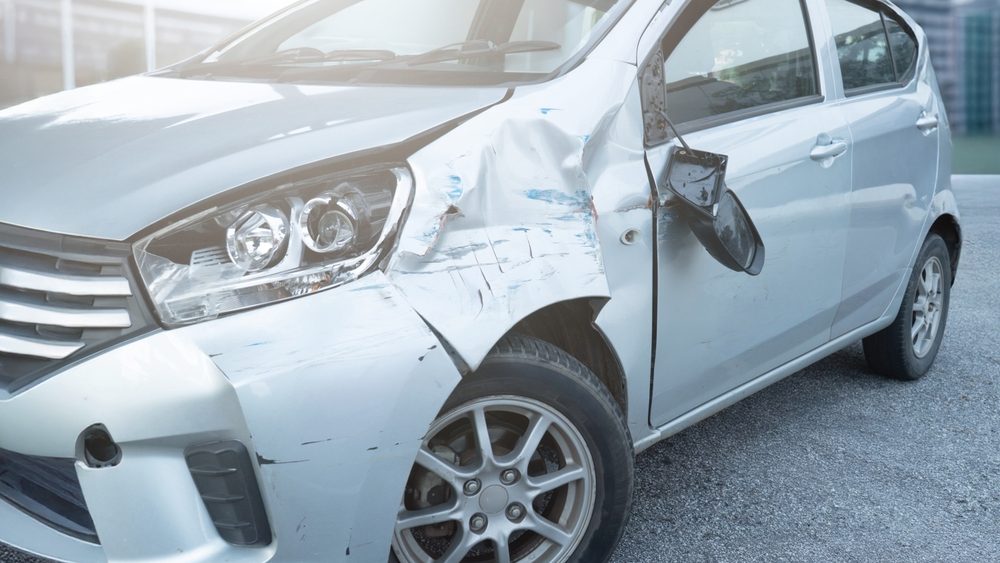
You have fresh scratches on your bumper, scuffs on your wheels, or dents along your car’s side but can’t remember exactly how they all occurred. Separately, these are little accidents. Together, they can signal that you are finding it harder to judge your car’s position relative to its surroundings.
Continually clipping curbs, brushing things, or misjudging gaps can be a warning sign well before a major collision happens.
Your head doesn’t turn like before
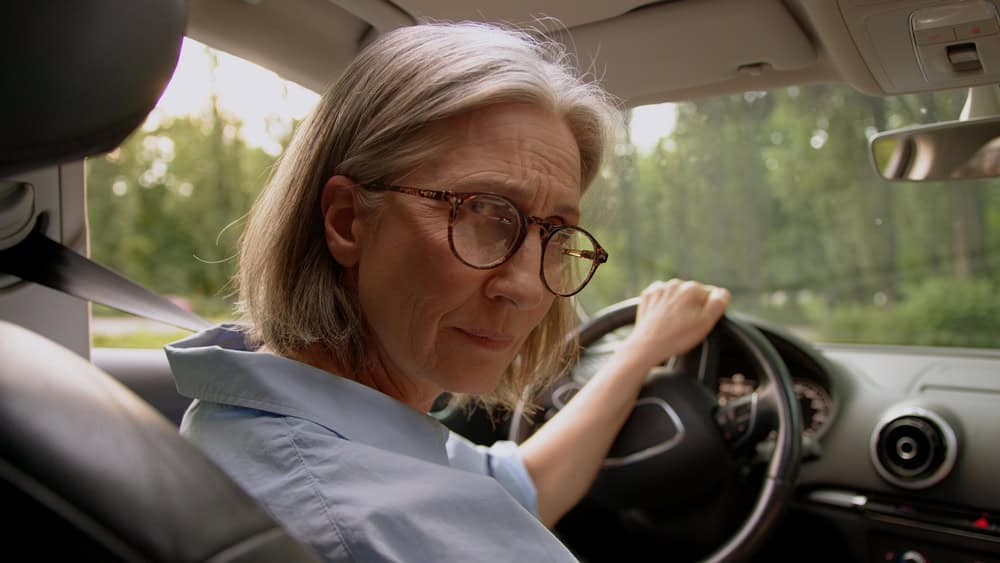
Lane changing is more than observing what’s reflected in your mirror. It also requires knowledge of vehicles that may be stopped in your blind spot. When arthritis or reduced range of motion in your neck, shoulders, or upper body affects your ability to look around, you lose some of that information.
Correctly adjusted mirrors and blind-spot sensors are helpful. But they can’t account for everything.
The signs arrive too late
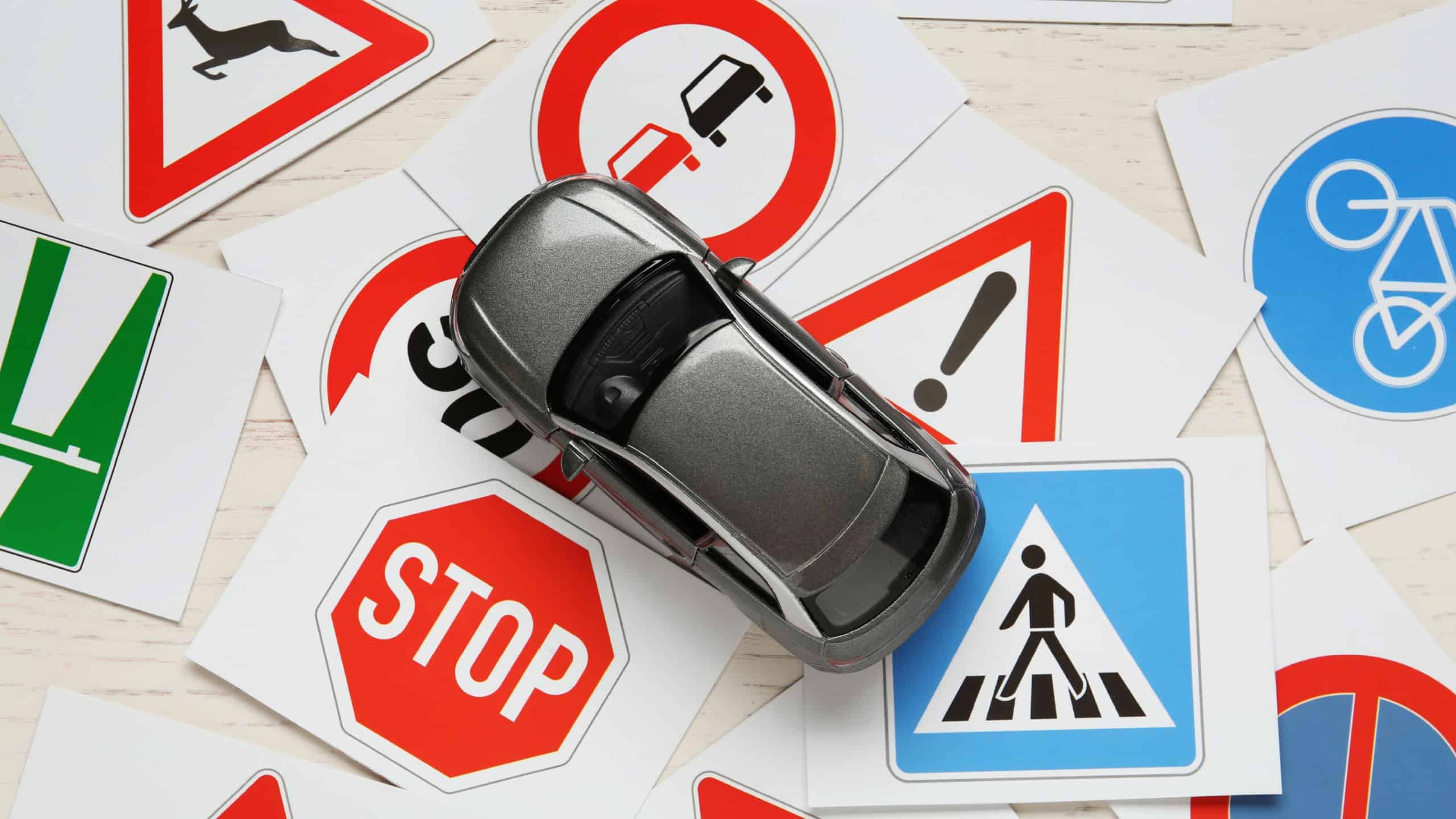
You can read just fine at home. But street signs are clear only when you’re right on top of them. Maybe you’re missing street names, or you just can’t make out traffic signals from afar. Maybe it’s hard to see people crossing against that busy backdrop.
Driving requires more than 20/20 vision on an eye chart. Contrast sensitivity, peripheral vision, glare recovery, and depth perception are important, too.
Busy roads become overwhelming

Driving down a quiet residential street is nice. Busy intersections, freeway on-ramps, roundabouts, or traffic jams throw you into overload. There’s just too much going on. Staying safe means splitting focus between your mirrors, blinkers, road signs, other vehicles, pedestrians, GPS, and shifting traffic patterns.
If you find yourself becoming confused or panicked while driving through situations you used to breeze through with ease, you may have experienced a shift in your multitasking abilities.
The close calls are adding up

You haven’t really crashed, so you keep telling yourself that everything is okay. However, there have been a few incidents lately where another driver slammed on their brakes, and you almost merged into someone’s lane, or you almost didn’t see that pedestrian in time.
Near misses are significant because they illustrate how something could have happened. Waiting until you collide with something or someone before reacting to your near misses is a hazardous way to gauge your driving.
You’re following the car ahead
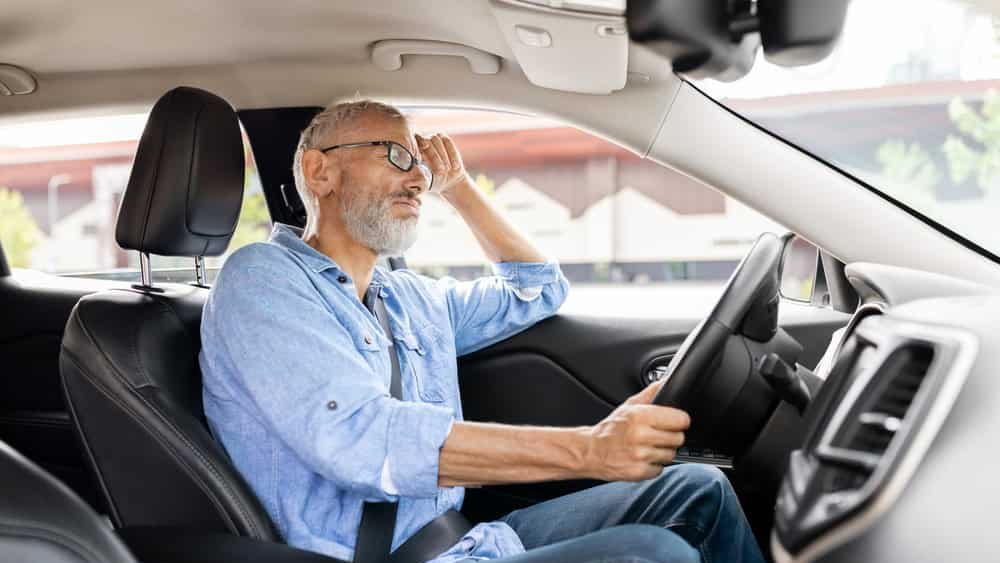
Sometimes, you drive based on what the car in front of you is doing, instead of reading the road yourself. You slow down when they slow down, turn when they turn, or feel uneasy when you suddenly don’t have a car in front of you to reference.
Mirroring traffic is common, but relying on another driver to help you see the road suggests that navigating, seeing, or processing information has become harder.
The pedals require thought
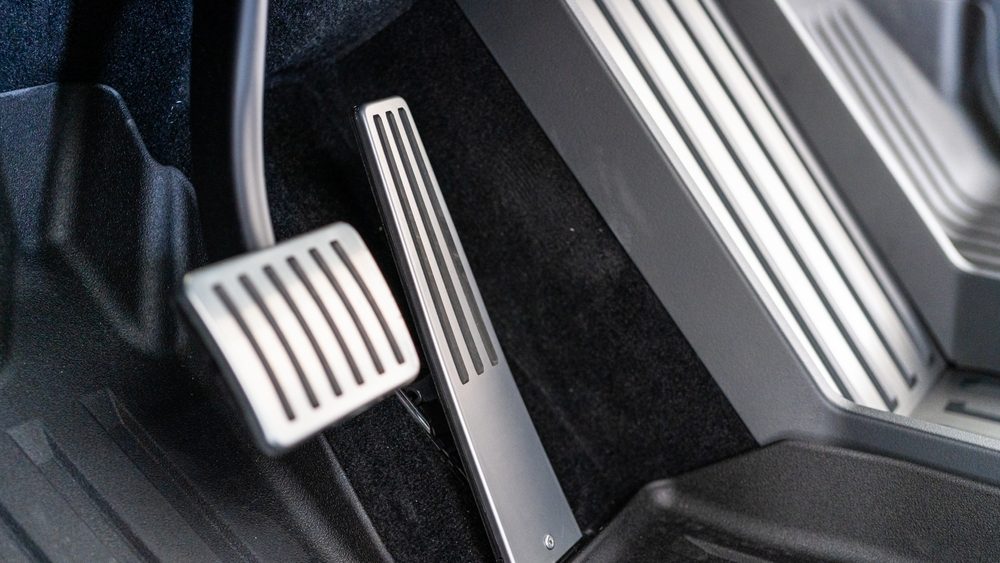
Transitioning from accelerator to brake pedal should feel second nature. If you find yourself hesitating sometimes about which pedal you are pushing, foot placement is wrong, or you’re looking down to verify your actions, you should take heed.
A mistake on the pedals can turn an innocent parking lot fender bender into a catastrophic collision in a split second.
Your world behind the wheel is shrinking
You haven’t really made a conscious decision to do this, but you find yourself avoiding driving on the highway. Then you avoided driving at night. After that, it was driving in unknown places. Then in the rain, at crowded intersections, and then during rush hour.
Modifying your driving to fit your skills can be a smart safety measure. But if you continue to mentally check off things you won’t do as a driver, it could be revealing something significant about your driving abilities in general.
Driving leaves you shaken
A drive that used to be routine now fills you with anxiety. You grip the steering wheel tighter than normal, dread future trips, or spend the entire trip concerned that you will do something wrong. Feeling nervous does not necessarily mean you are unsafe to drive.
However, if the way you feel about driving changes dramatically, something needs to be done. An on-road driving assessment can identify if restrictions, modifications, review training, or eventually ceasing to drive would be best.
Sources: Please see here for a complete listing of all sources that were consulted in the preparation of this article.
Like our content? Be sure to follow us.