
Canada has long been known across the globe for its stability, beauty, and quality of life, but there are growing issues making reality feel increasingly different from the image.
The disappearing Canadian dream

It’s increasingly difficult for Canadians to find a stable job, buy an affordable home, and work their way into financial security. Home prices and rents have spiked in recent years, especially in Canada’s largest cities. But housing supply is struggling to keep pace.
First-time homebuyers are not the only Canadians affected. Adult children are staying in their family homes longer, couples delay purchasing homes and starting families, and renters may struggle to afford the rising costs associated with their current home.
Some Canadians have moved further away from large employment hubs in search of lower housing costs. This, however, often results in increased transportation costs and lengthy commutes.
The everyday squeeze

Even Canadian families who aren’t stretching to buy a home can still feel stretched. Housing costs, including rent if you’re renting, eat up a big chunk of the typical household budget. So do groceries, transportation, utilities, insurance, and other essentials. There’s less left over for dining out, vacations, entertainment, and savings. And that leaves Canadians very little room to absorb an unexpected car repair or dental work.
The paradox is that while Canada is a rich country, some middle-income Canadians don’t feel very wealthy. Once they pay their monthly bills, they have few assets left over.
Waiting for care

Canada has universal healthcare coverage, meaning most medically necessary hospital and physician services aren’t something Canadians receive a bill for after receiving treatment. Accessing that front door can prove difficult, though.
Roughly 5.7 million Canadian adults lacked a regular healthcare provider in 2024, CIHI (Canadian Institute for Health Information) reported. Without a family doctor or nurse practitioner, Canadians may turn to walk-in clinics, virtual care services, or emergency departments to receive care for issues that would otherwise be addressed by a primary care provider.
It’s not that universal health care has fallen off the face of the earth. It’s that having health care doesn’t always mean you can see the right person at the right time.
Immigration concerns

Canada has an international identity as one of the most immigration-friendly nations among Western countries. While that certainly hasn’t disappeared and plenty of Canadians appreciate the economic and social contributions of immigration, there’s been an increasing debate around whether our population growth has been supported by proportionate investment in housing, doctors, schools, transit and other infrastructure.
For example, in a Canadian survey in November 2025, 47% of Canadians thought there were too many immigrants coming to Canada, up from 22% in March 2023. In August 2025, 63% thought immigration had caused too much pressure on public services, and 56% thought it had caused too much pressure on local housing prices.
For ordinary residents, these concerns may feel painfully tangible: if their city is adding thousands of new residents without building enough apartments, clinics or transit capacity, there isn’t enough to go around and everyone is competing with each other.
An economy losing momentum

Canada is a wealthy country, but it has weak productivity growth. Productivity, broadly speaking, measures how much value workers create for every hour worked. Growth in productivity allows businesses, at least in theory, to pay workers more without raising prices and allows living standards to increase over time. Without it, living standards are more difficult to improve.
According to the OECD (Organisation for Economic Co-operation and Development), Canada’s performance on labour productivity has been lacklustre. Weak investment is part of the reason. Canada also faces a host of other structural challenges.
Weak productivity can translate into wages that feel like they don’t go as far, fewer sectors with highly productive industries where you can land a good-paying job, and frustration that working harder doesn’t seem to increase your standard of living as it did for your parents.
The debt underneath

A family can own a million-dollar home and feel like they’re living paycheck to paycheck. Owning a valuable asset isn’t the same as having cash to spend in day-to-day living. If that million-dollar home still has a six-figure mortgage attached to it, higher interest rates will eat into budgets.
Canada’s inflated housing market has fueled generations of Canadians to rack up debt. Those higher interest rates will become glaringly obvious when those mortgages renew.
Nature is fighting back

Canada’s forests, lakes and majestic wilderness are cited as many of the country’s top attractions. But living so close to nature comes with risks. Wildfires can cause entire towns to evacuate, create haze hundreds of kilometres away, and disrupt transportation, tourism and businesses.
Floods and other severe weather can damage property and infrastructure. Repeated fires also raise questions about the future of rebuilding and insurance.
Climate risk isn’t just an environmental concern. It affects where Canadians can live safely, what governments should spend on infrastructure, and how communities plan for emergencies.
Addiction crisis on the streets

Canada’s toxic drug and overdose crisis is one of the country’s most painful social problems. Drugs like opioids, especially an unpredictable illicit supply involving fentanyl, have driven tens of thousands of deaths nationwide over the last decade. While visible on parts of city streets like those in Vancouver, the crisis is neither isolated nor provincial.
Families have lost kids, parents and siblings. Emergency services, hospitals and community groups are stretched to the limit. Public drug use and related disorder have overwhelmed some downtown communities, too, sparking intense debate over how to address treatment, harm reduction, policing and public safety.
Getting around
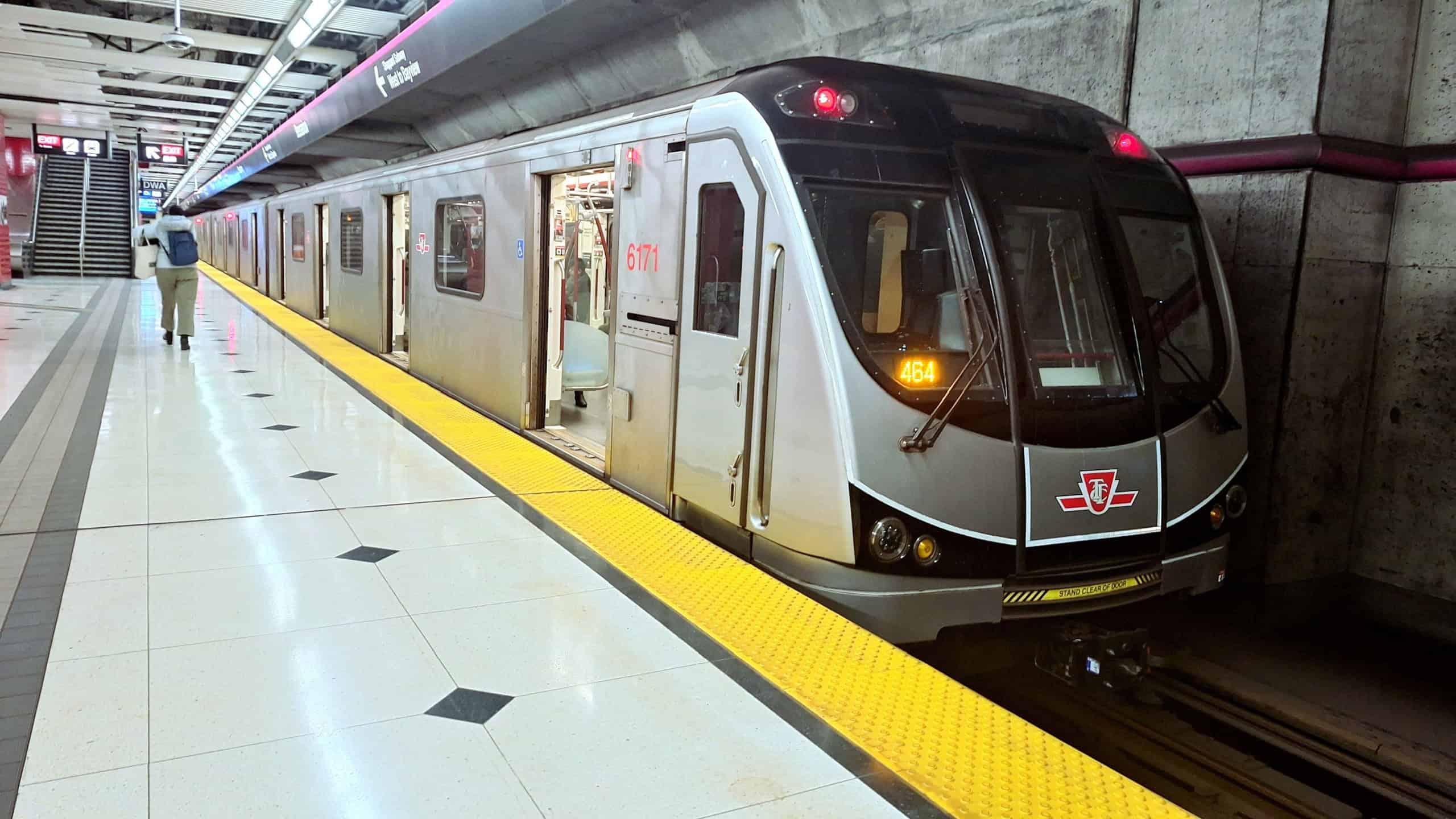
Canada’s enormous size is part of its identity. Getting between Canadian cities, however, can be expensive and sometimes unexpectedly difficult. Passenger rail service is sparse outside major corridors, and many communities are cut off without cars or airplane access.
Long commutes and crowded buses or trains are daily annoyances even in Canada’s expanding metro areas. Visitors might be surprised that two major Canadian cities can be geographically close yet have so few fast transit options between them.
Sources: Please see here for a complete listing of all sources that were consulted in the preparation of this article.
Like our content? Be sure to follow us.