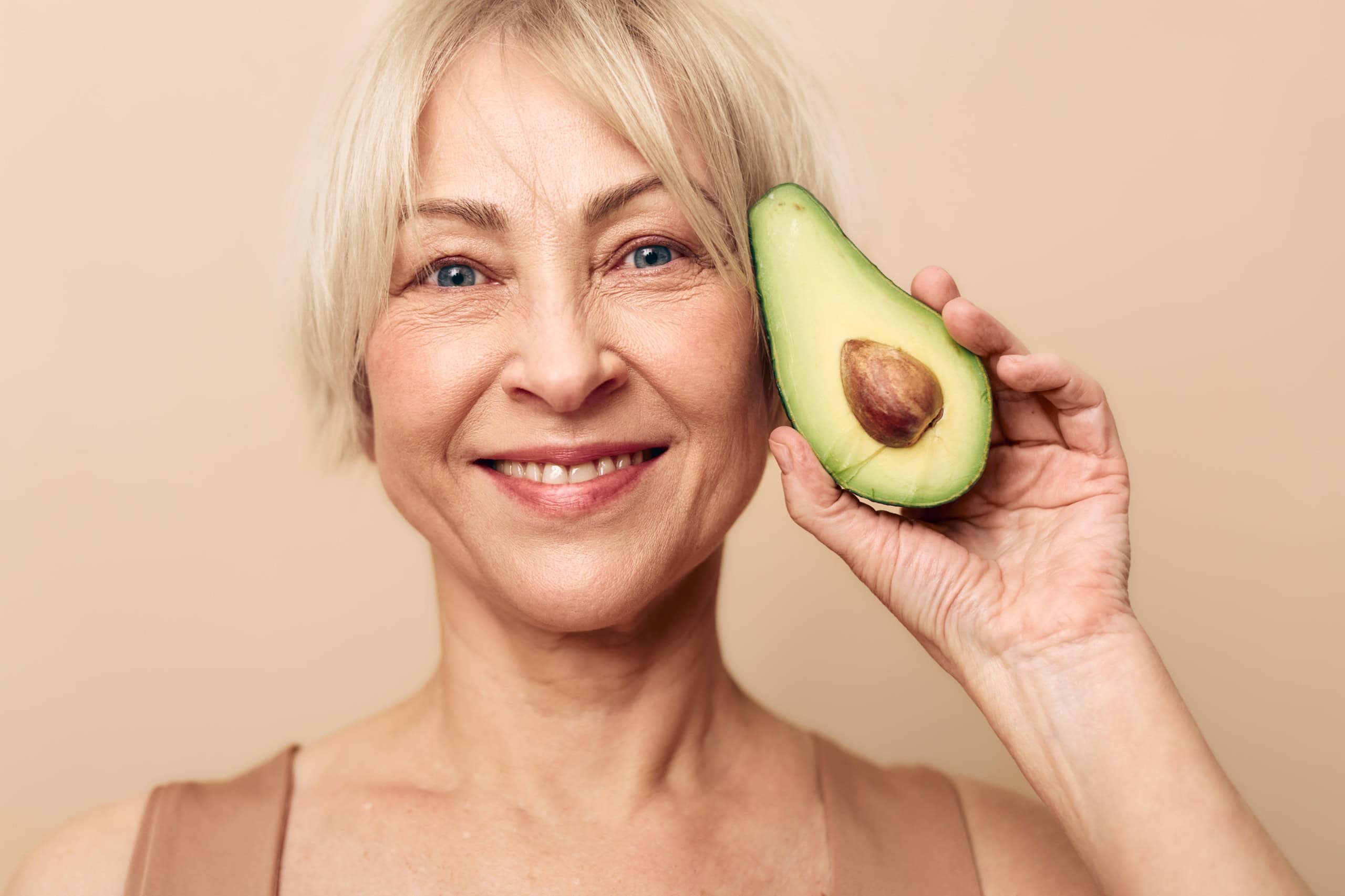
Nutrition is important for everyone, but as we get older, the right fruits can make a big difference in keeping our bodies strong and healthy.
Blueberries
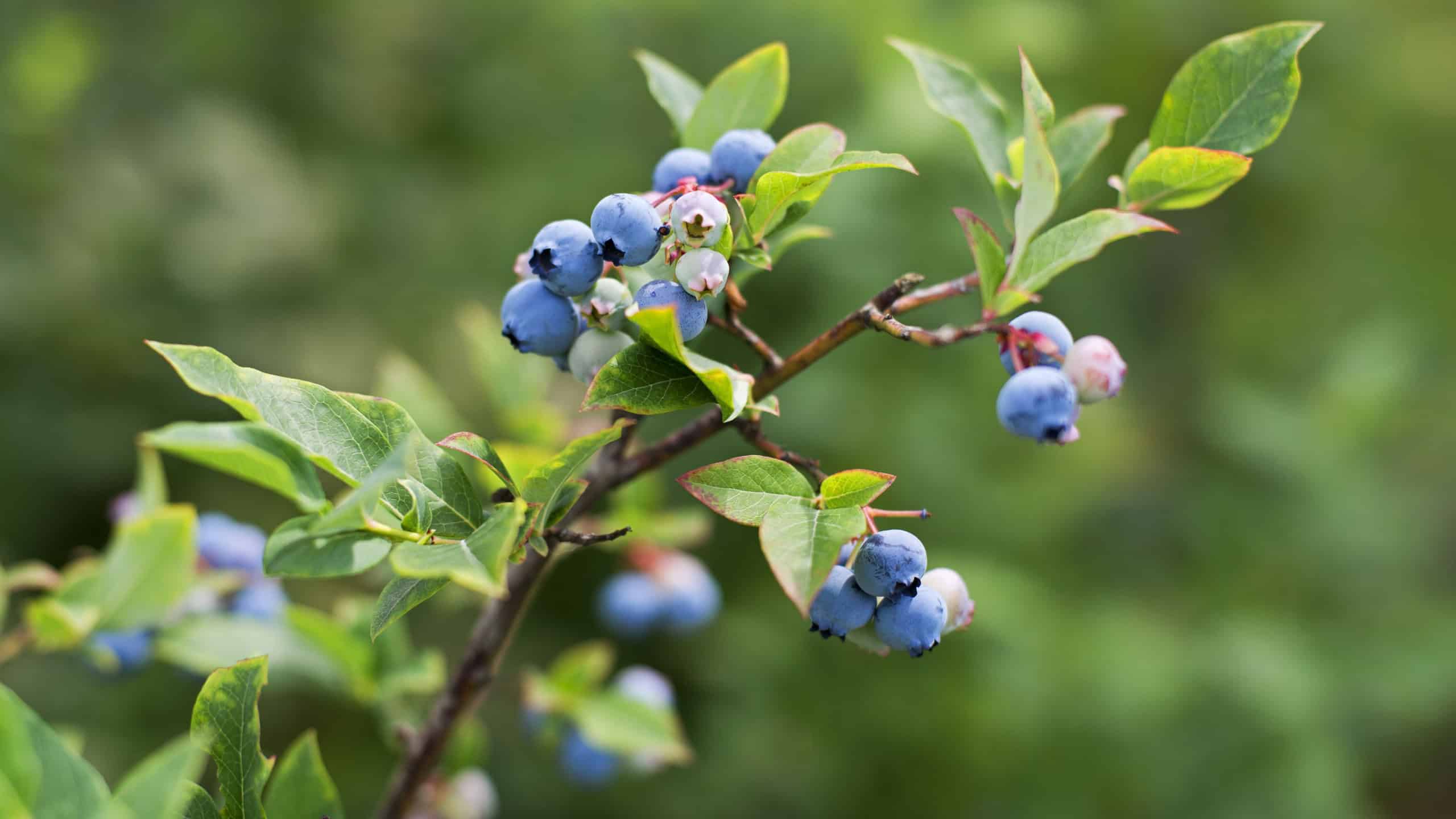
Rich in brain-beneficial antioxidants known as anthocyanins, blueberries are able to travel past the blood-brain barrier. They can help improve memory and slow cognitive decline.
Blueberries can also lower blood pressure and reduce vascular inflammation, boosting heart health. Easy to chew and swallow, blueberries are small but mighty nutrition for brain and heart health in seniors.
Bananas
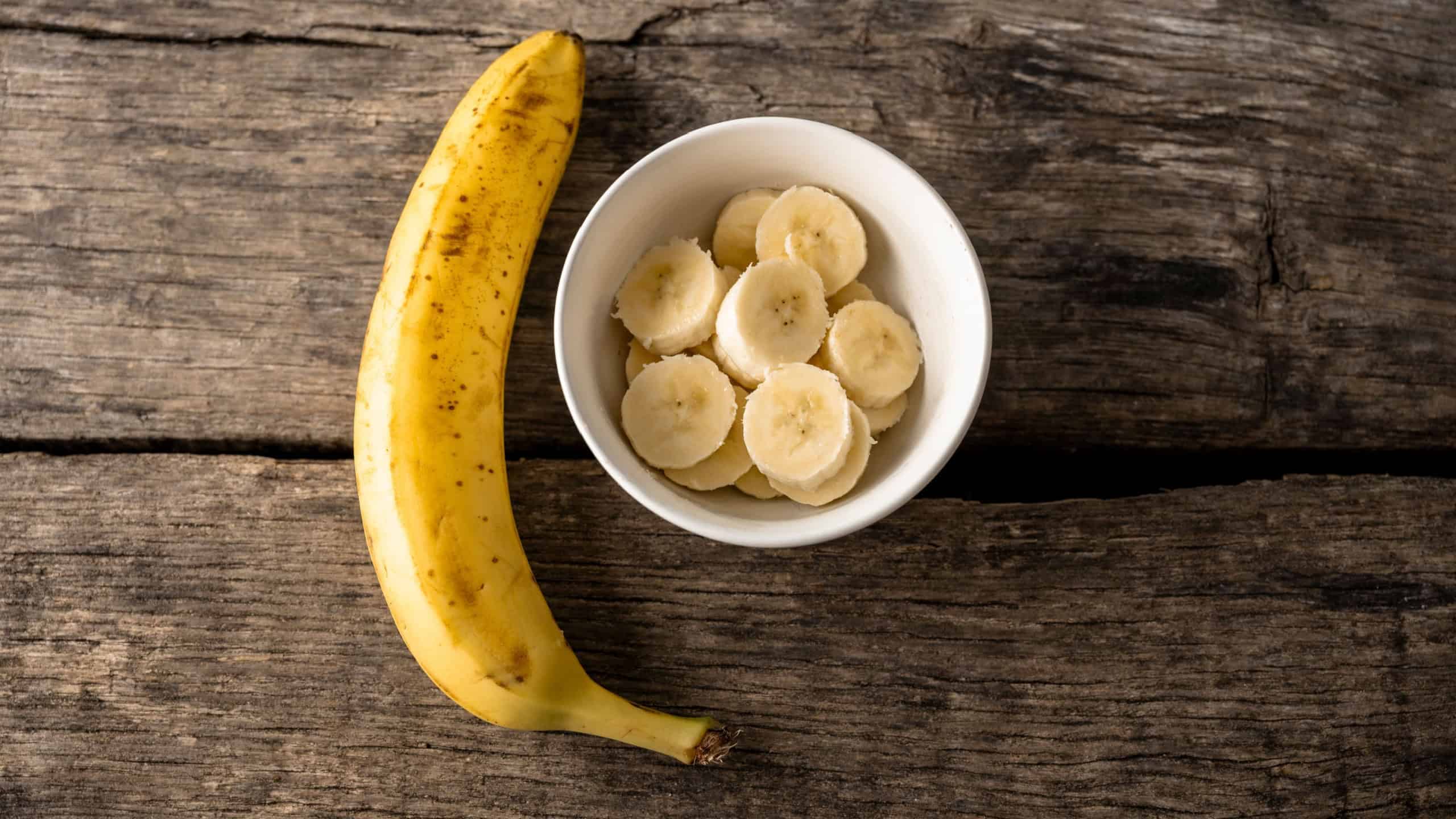
Bananas are easy on digestion and soft to chew, making them a convenient snack food for seniors. They are high in potassium, low in sodium for regulating blood pressure and reducing stroke.
Bananas provide consistent levels of dietary fiber and vitamin B6 for healthy digestion and daily energy.
Apples
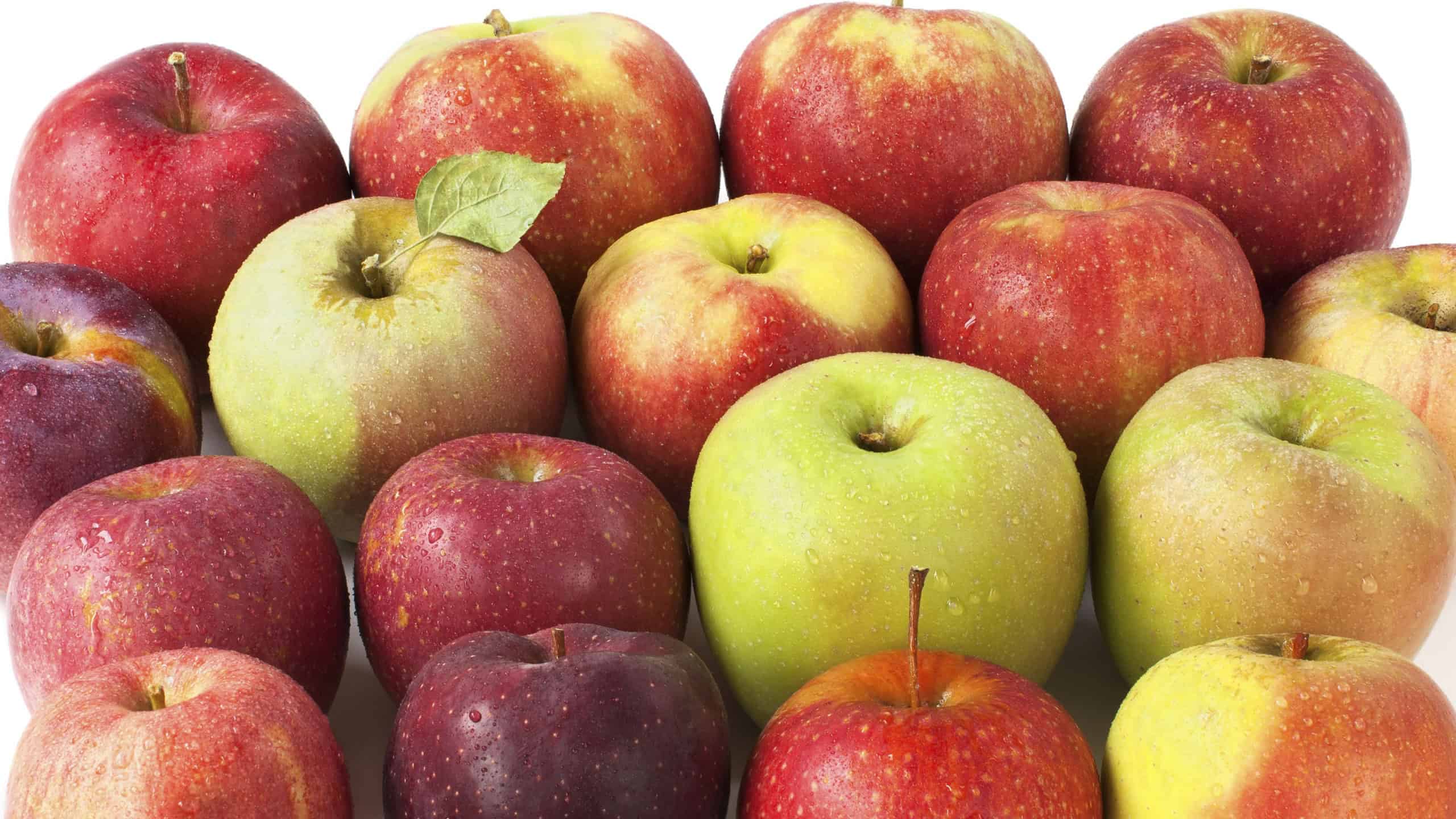
Apples contain high amounts of pectin, which is a soluble fiber that helps to reduce LDL cholesterol and regulate blood sugar levels. Fiber also helps feed good bacteria in the gut, as well as regulates the digestive tract and helps avoid chronic constipation.
Consumed raw with the skin on, apples provide the greatest source of nutrients. However, baked apples are also healthy for those who require softer foods.
Papaya
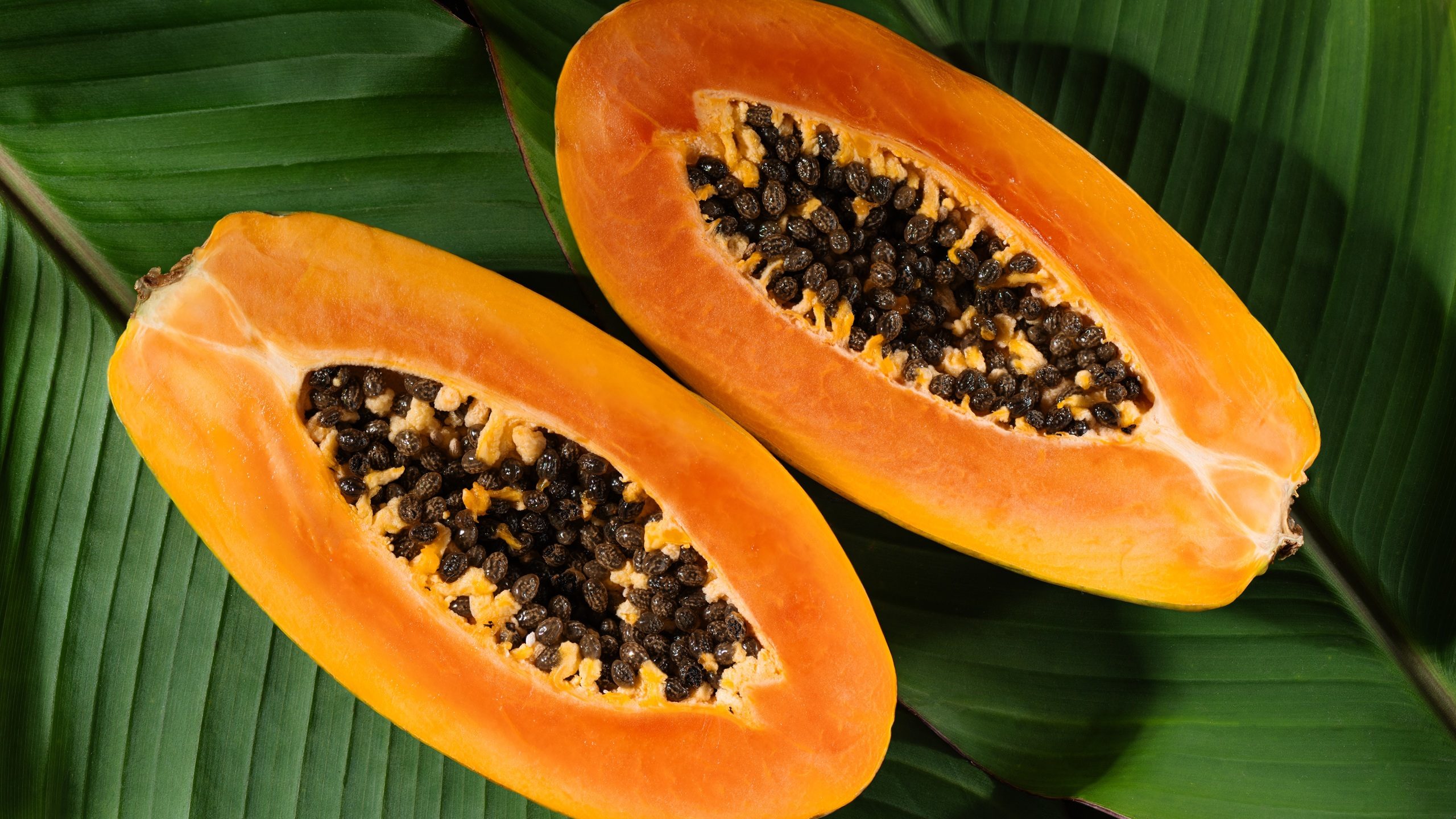
Renowned for its papain content, papaya is a natural protein-digesting enzyme that helps reduce bloating and discomfort from indigestion. Papaya is also extremely rich in vitamin C as well as vision-supporting nutrients like lutein to help protect against age-related macular degeneration.
The fruit’s buttery smooth texture also makes it ideal for the elderly who have sensitive teeth or trouble chewing.
Avocados
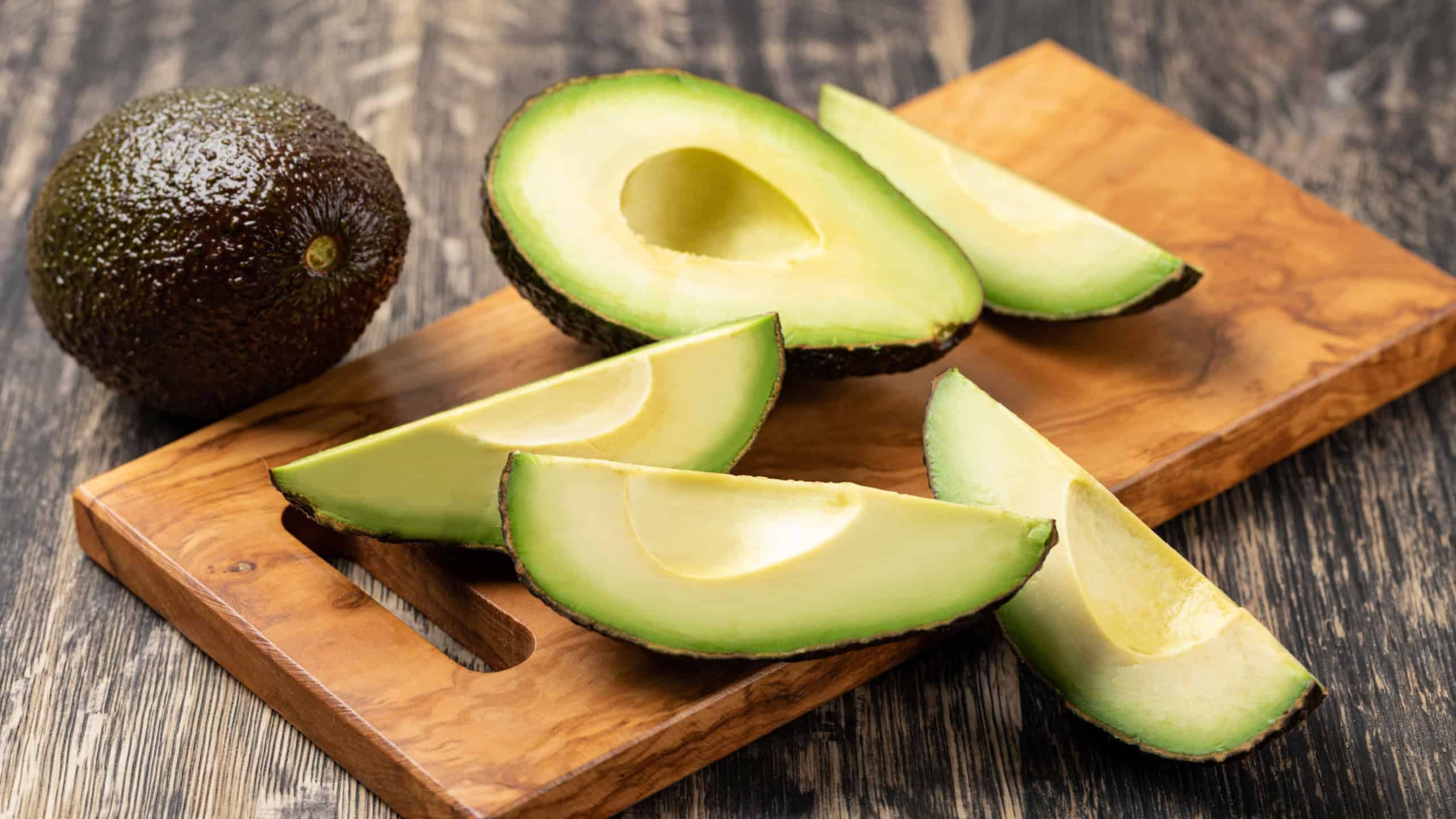
Technically a fruit, avocados offer heart-healthy monounsaturated fats that reduce LDL cholesterol and make room for better heart health.
These healthy fats also aid the body in absorbing essential nutrients and vitamins from other foods. Smooth and delicious, avocados provide your body with potassium and folate for blood pressure and brain health.
Oranges
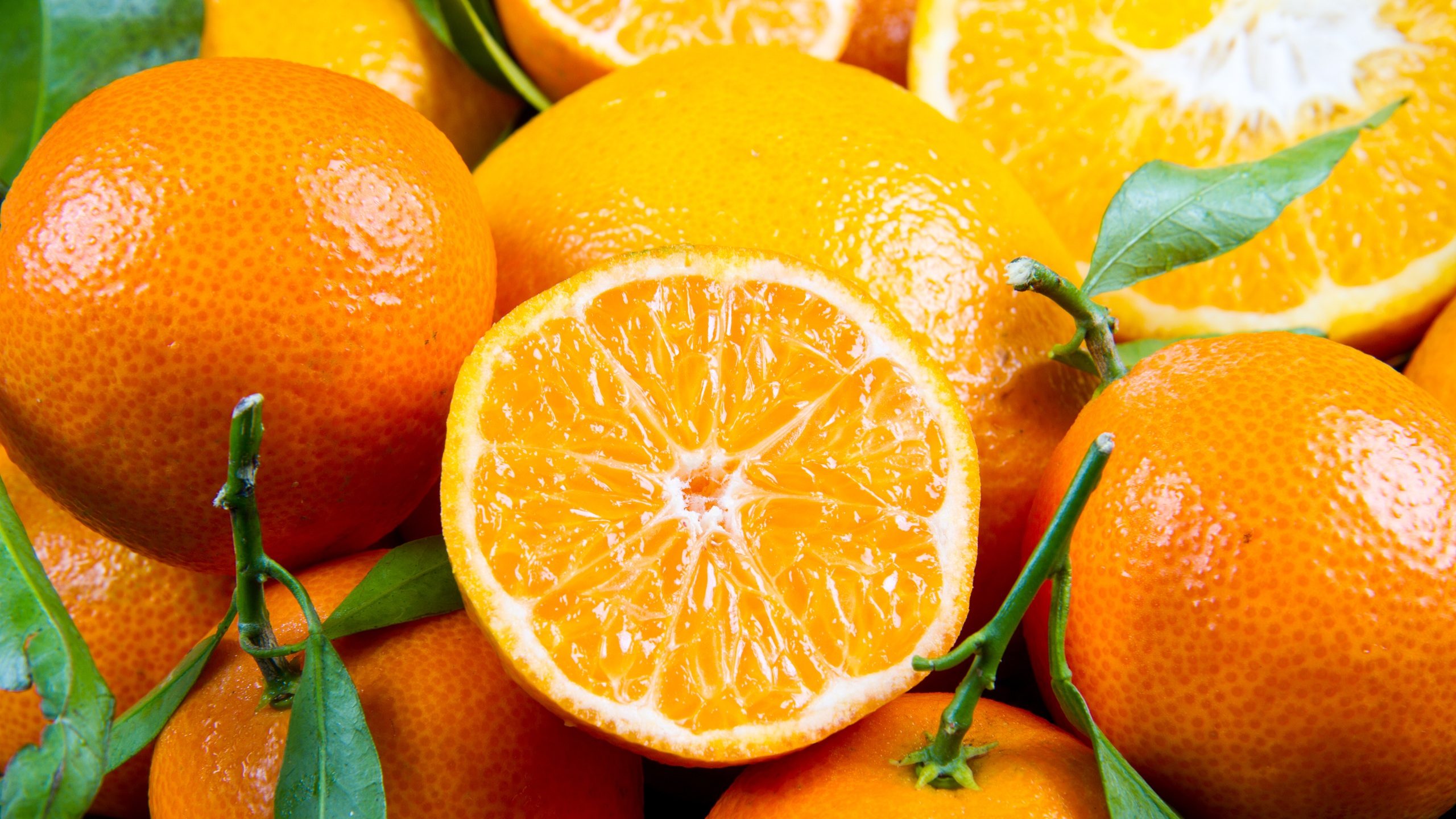
Oranges provide vitamin C, which helps ward off illness by boosting older immune systems and increasing white blood cell production. Vitamin C helps synthesize collagen, which maintains healthy skin and cartilage in your joints. Oranges are also made mostly of water and are ideal for seniors to help them drink more water daily.
Pears
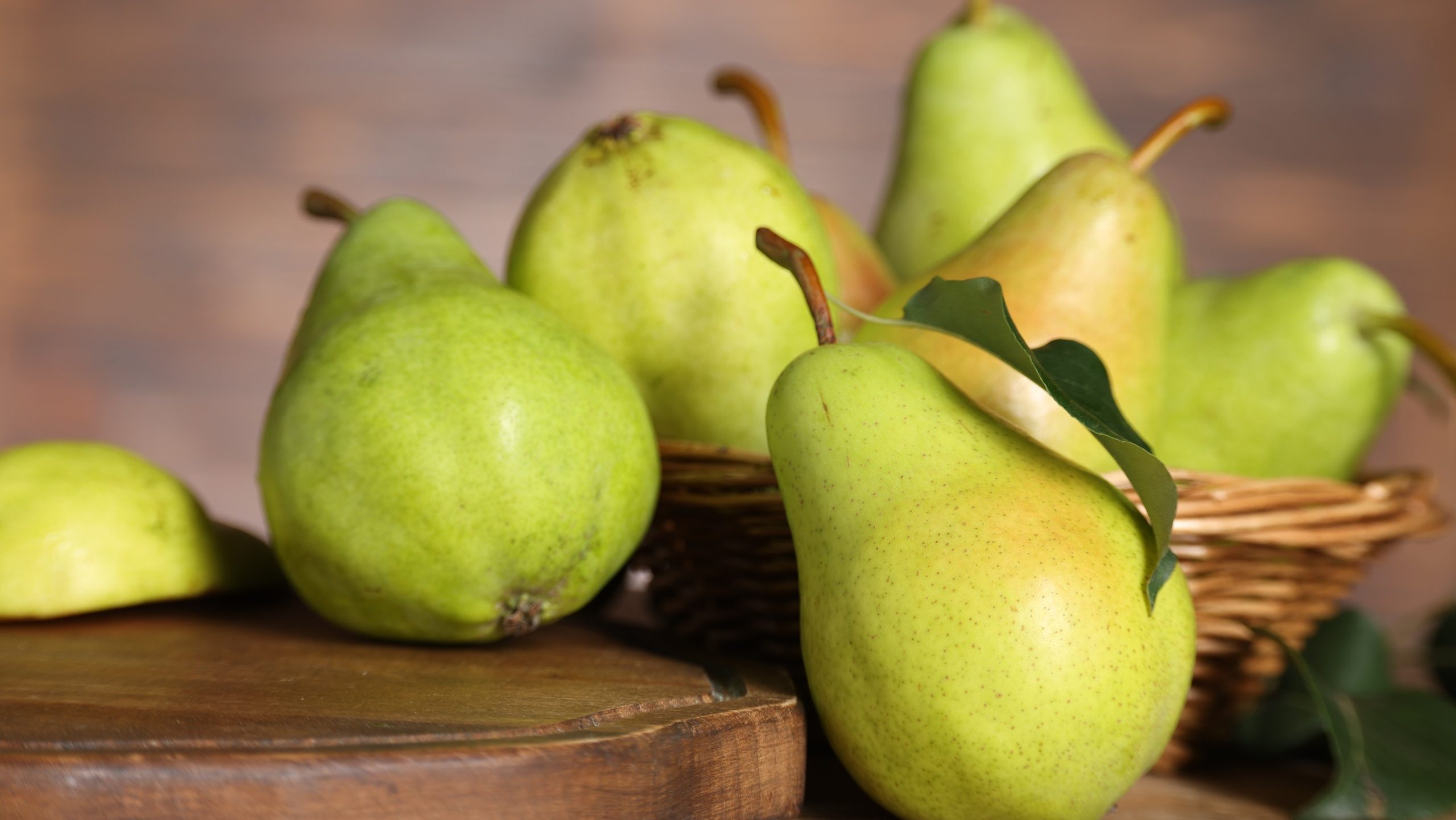
Pears rank among the fruits with the most fiber. They are excellent for keeping constipation and other digestive issues at bay.
Thanks to their soluble and insoluble fiber content, pears slow the absorption of sugar into your bloodstream, making it an ideal low-glycemic option if you have diabetes. Copper and vitamin C are great antioxidants that help your cells stay youthful.
Strawberries
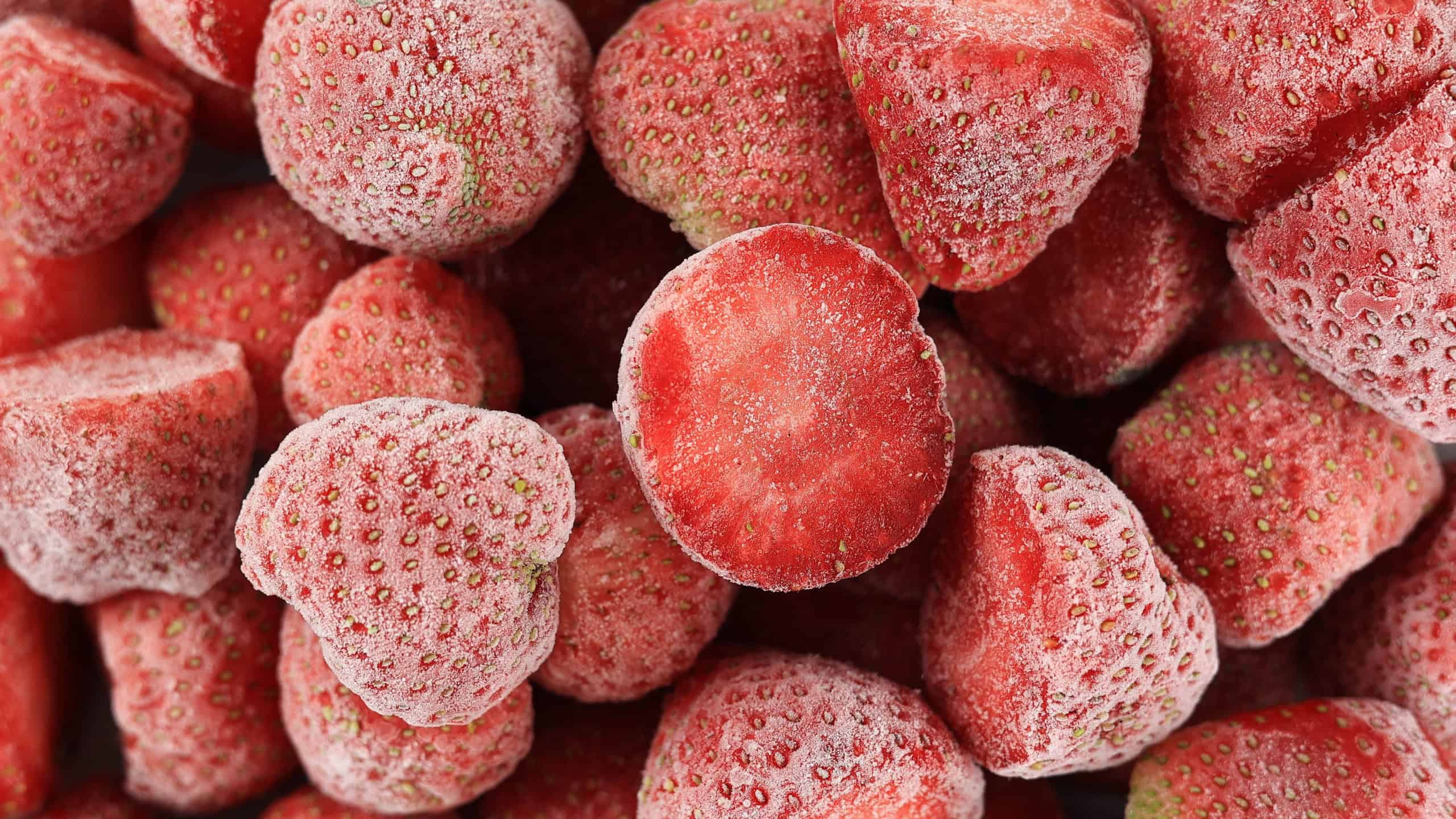
Strawberries are potent anti-inflammatory agents that help relieve joint stiffness while promoting vascular health. Being low in calories and sugar, strawberries offer vitamin C and antioxidants with no spike in blood sugar.
They contain water, fiber, and important minerals that promote eye health and healthy blood pressure levels.
Prunes
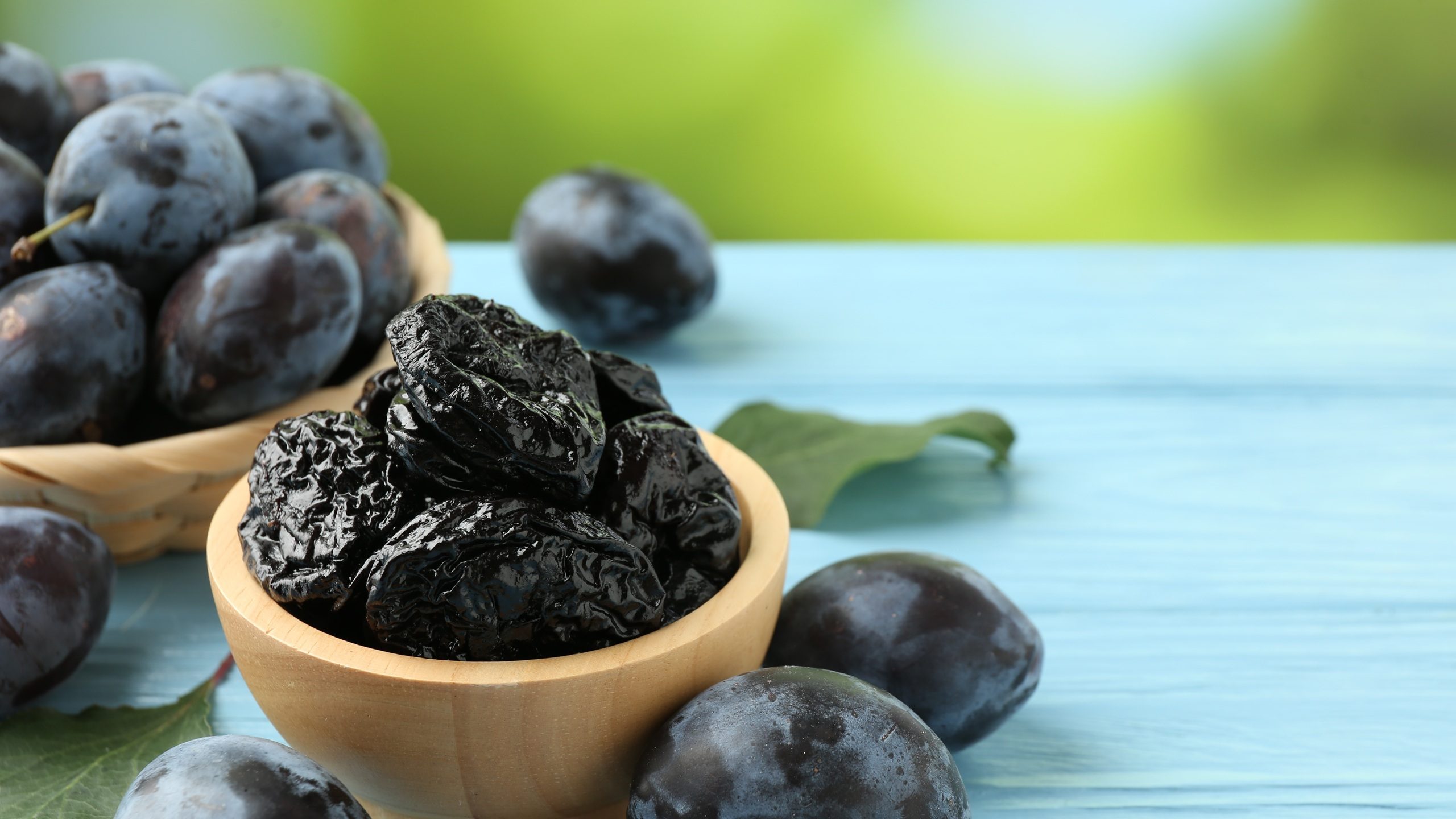
Known for preventing constipation due to their natural sorbitol and fiber content, prunes also play an important role in bone health.
Regular consumption has been linked to decreased bone density loss, preventing osteoporosis and bone fractures later in life. They are high in vitamin K and potassium.
Watermelon
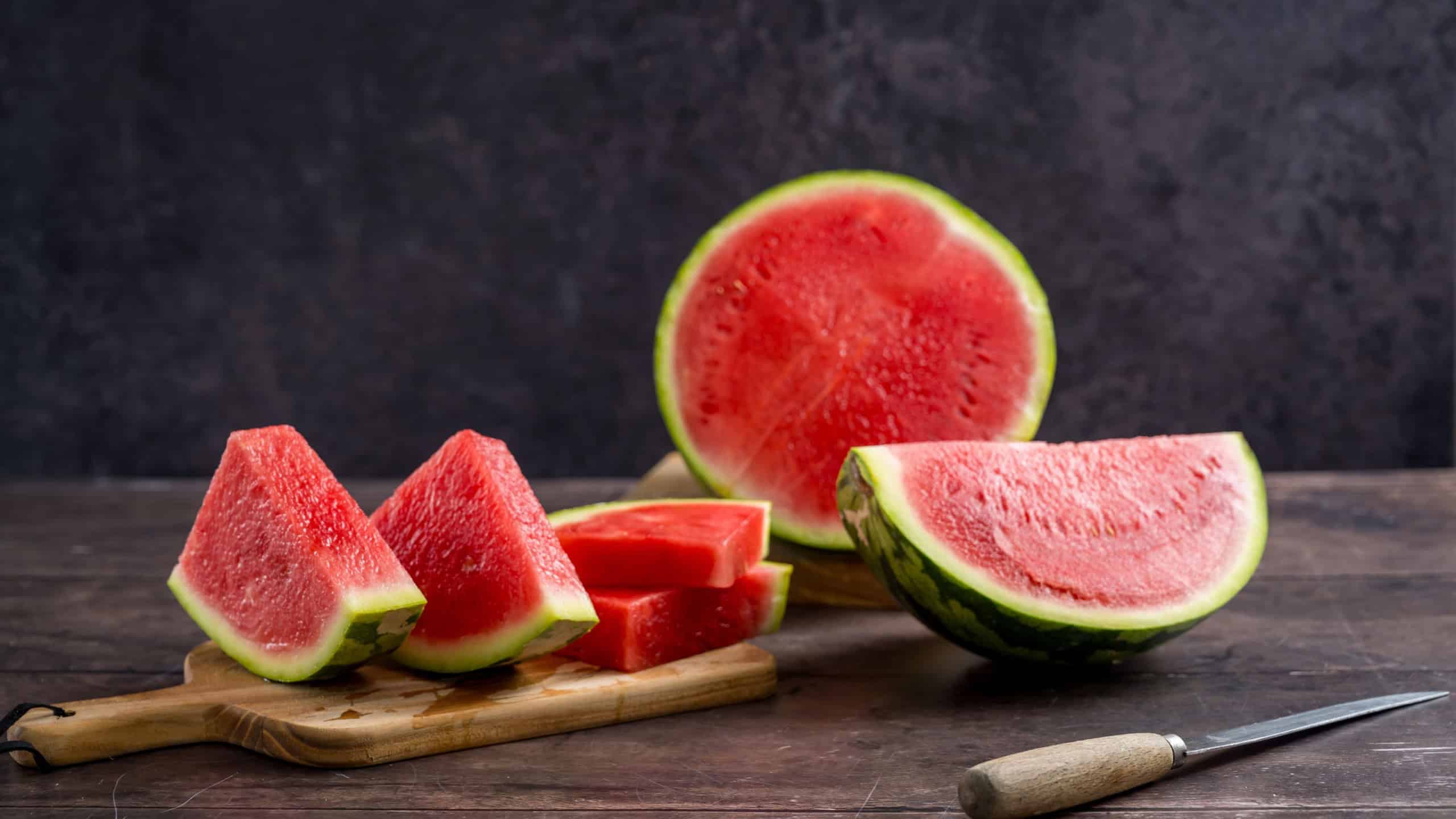
Made up of more than 90 percent water, watermelon helps keep seniors from becoming dehydrated. Packed with lycopene, which gives watermelon its red color, it aids in heart health as well as prostate health. Soft and easy to chew, watermelon contains amino acids that relax blood vessels and can reduce muscle aches.
Sources: Please see here for a complete listing of all sources that were consulted in the preparation of this article.
Like our content? Be sure to follow us.