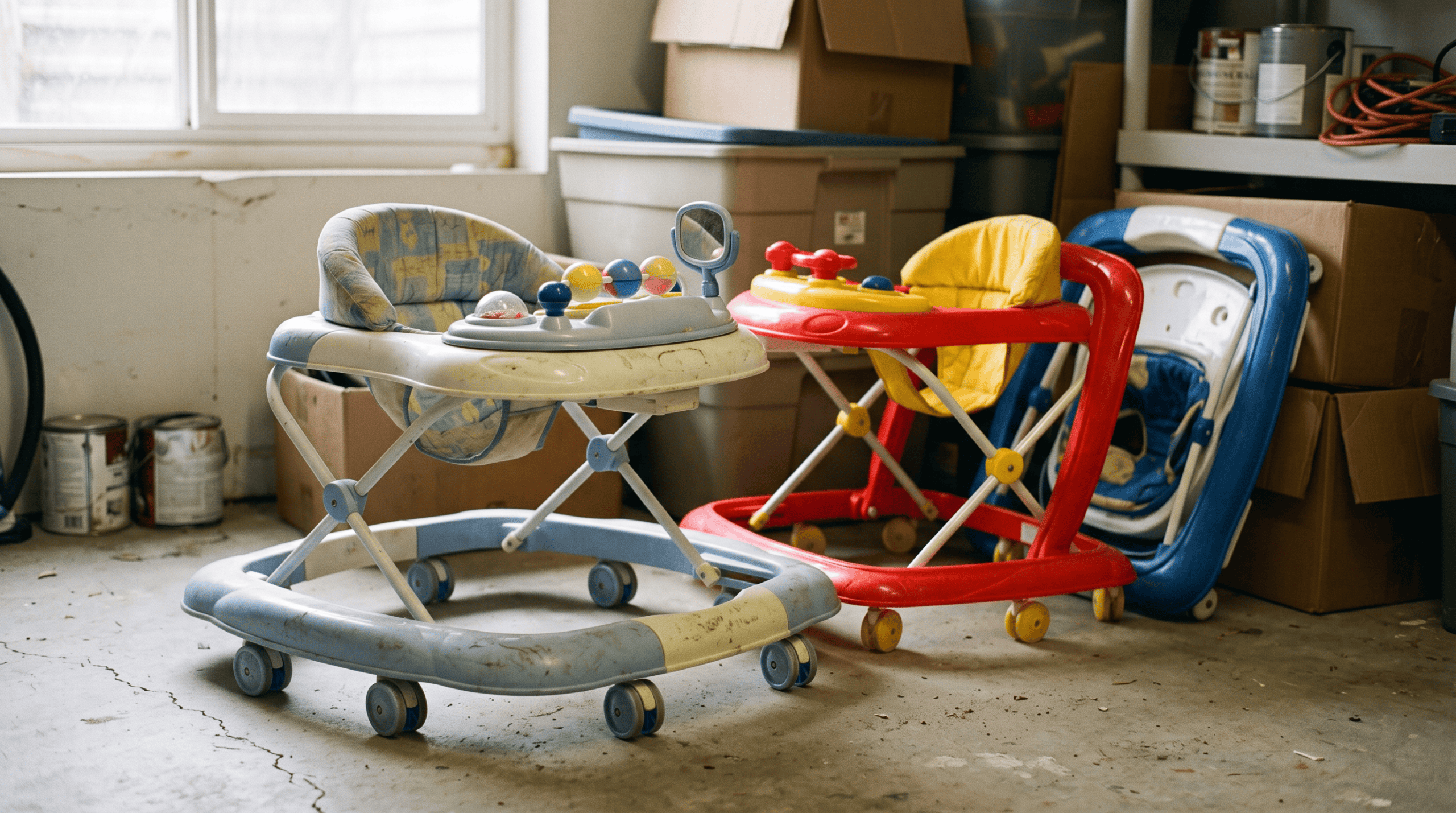
Some products that were once completely legal have since been banned after links to safety, health, or environmental hazards were discovered.
Baby walkers
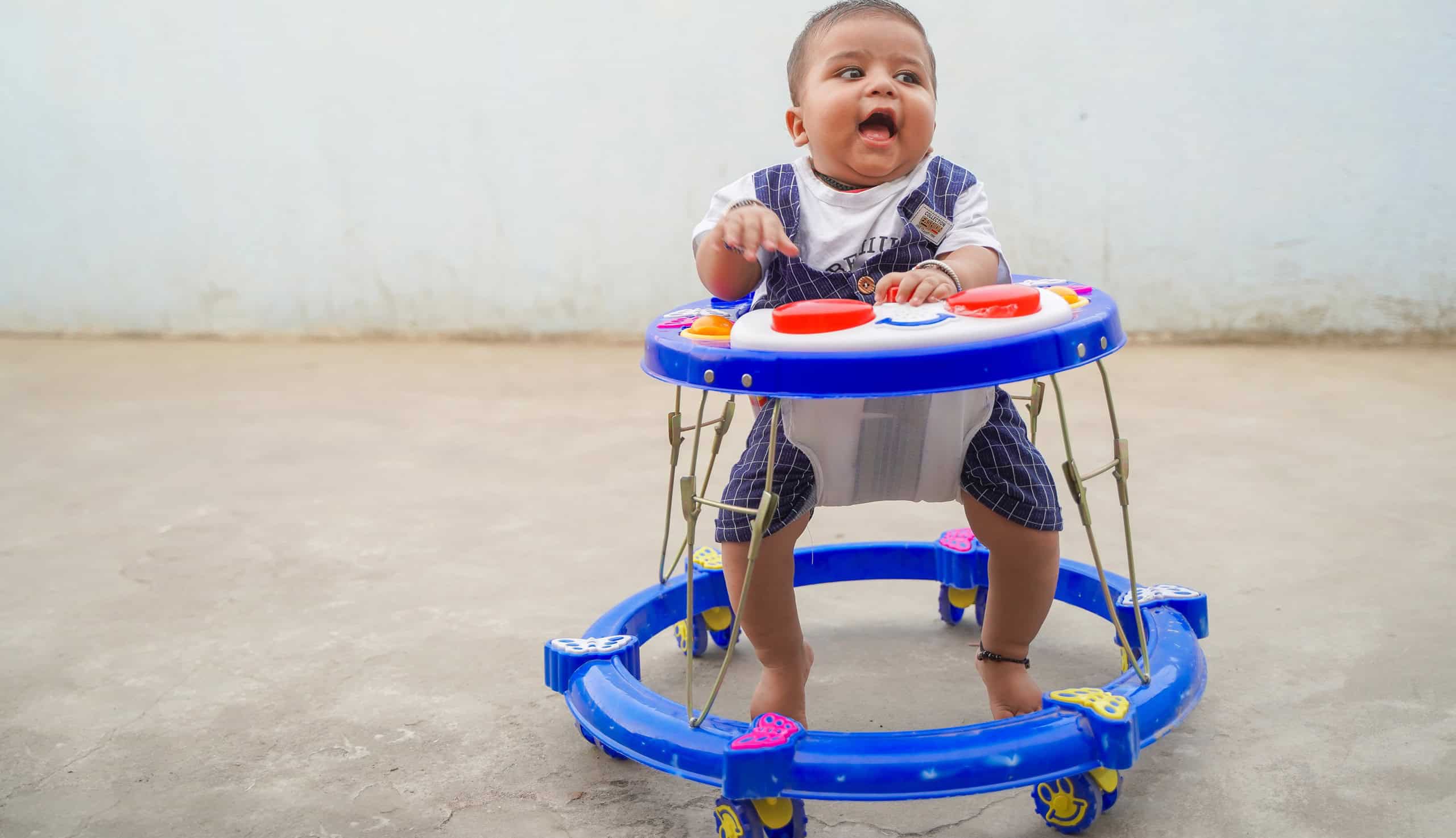
Canada was the first country to ban wheeled baby walkers in the world, in 2004. Research by Health Canada discovered thousands of serious injuries associated with walkers, as toddlers can scoot around quickly enough to tumble down stairs and pull hot liquids and electrical cords within reach.
Yo-Yo balls with long elastic cords
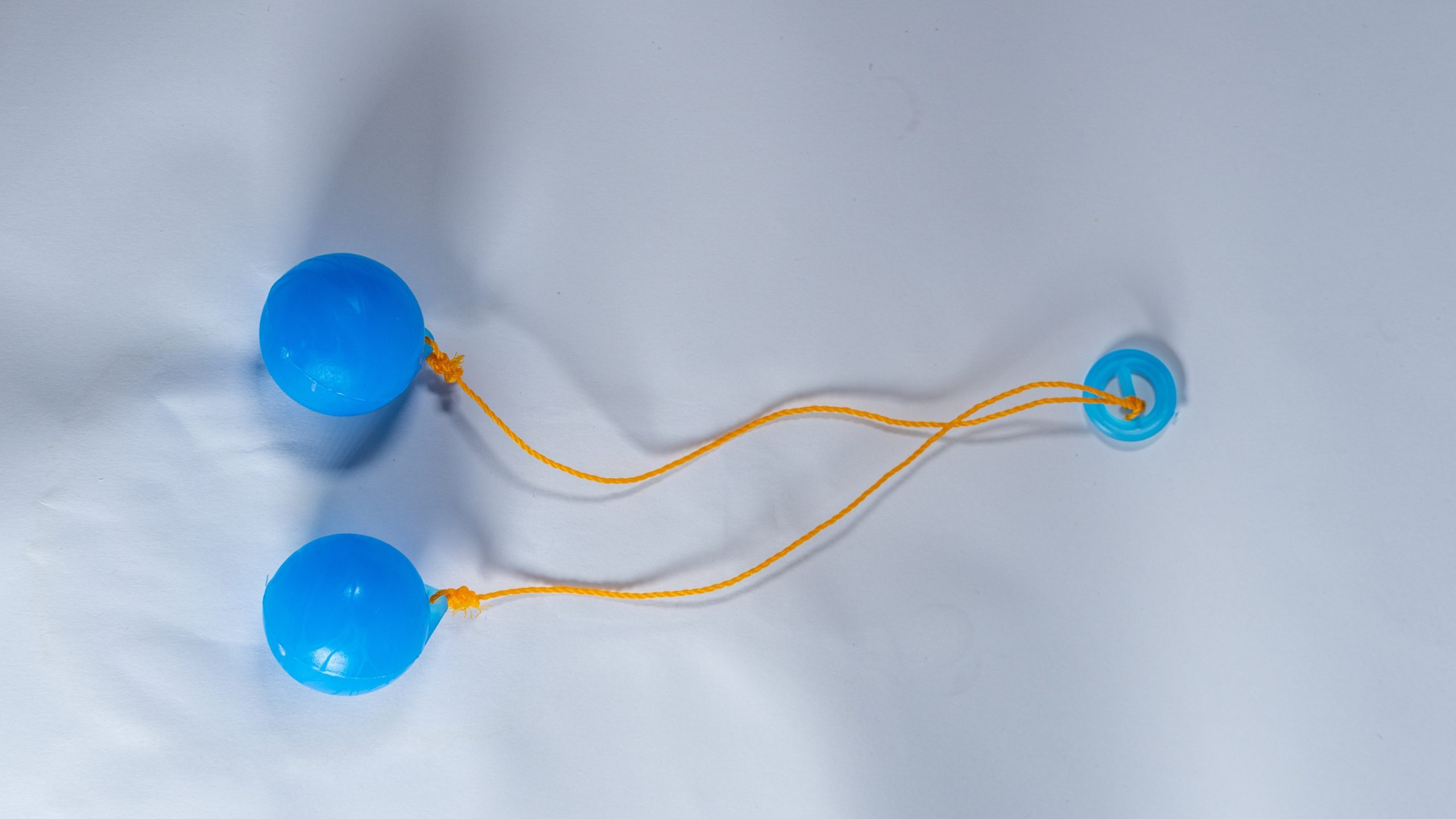
These toys are made of sticky, elastic rubber orbs connected to an elastic string. These toys were recalled in 2003 after reports of children injuring themselves when the sticky string wrapped around their necks from swinging the ball and becoming difficult to remove, causing a strangulation hazard.
Drop-side cribs
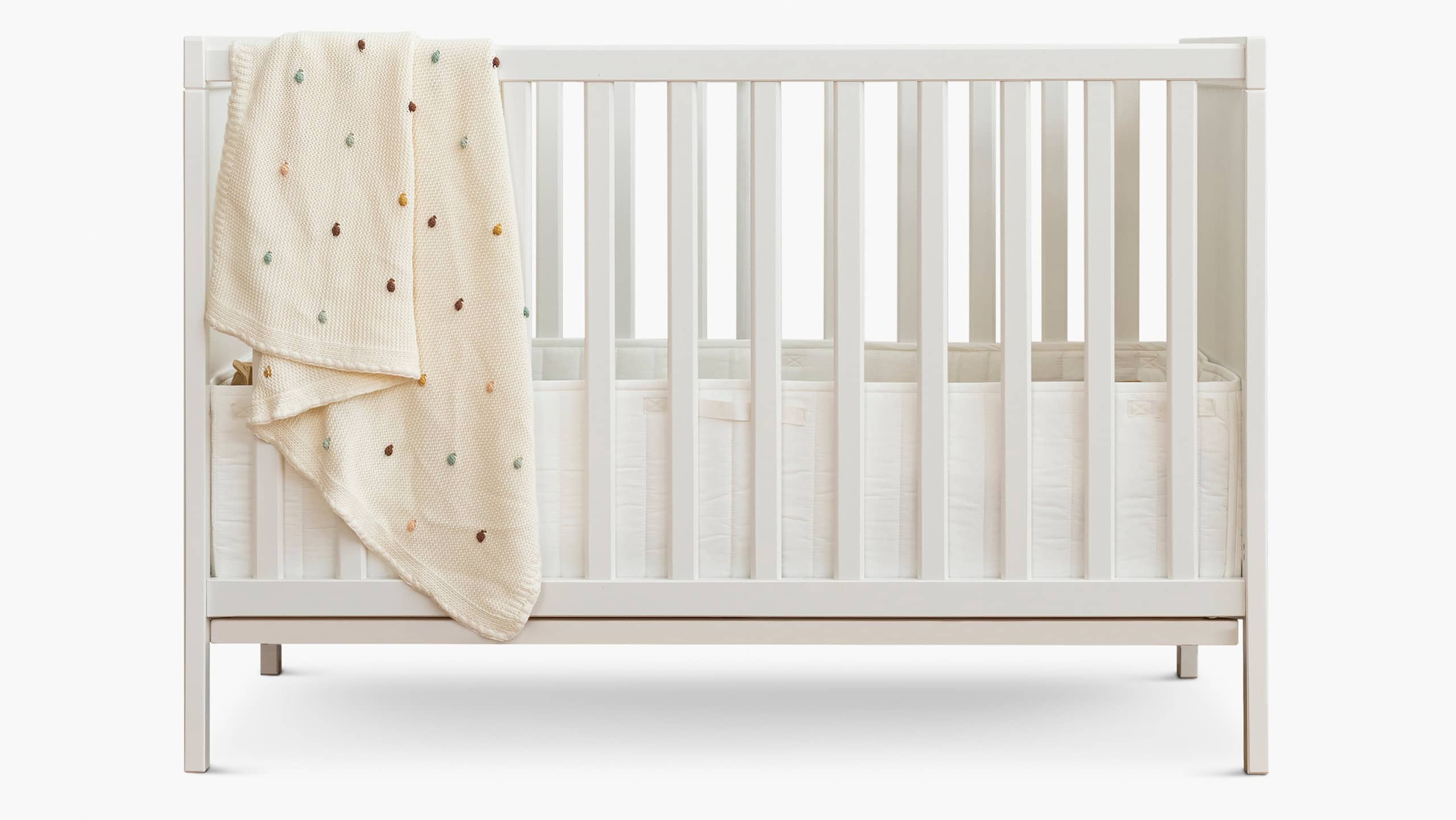
Drop-side cribs were banned in Canada in 2016. The sliding hardware became increasingly more likely to break or detach over time. Once detached, infants could become trapped in the opening and risk suffocation or falling.
Chemical balloon blowing kits

Popular retro toys included a tube of gooey liquid plastic & a tiny straw for blowing oversized plastic bubbles. They were banned in Canada in 1973 when it was discovered the goo included chemical solvents (such as acetone) that emitted toxic vapors when kids blew their breath directly into it.
Infant self-feeding devices

They were pillows that held a baby’s bottle for them so they could feed without an adult. They were banned by Health Canada after babies improperly propped with bottles would choke, aspirate liquid into their lungs, or violently vomit.
Relight trick birthday candles

These novelty candles were designed to relight themselves a few seconds after being blown out. They were banned in Canada in the 70s because they posed an unpredictable fire hazard if tossed while still secretly burning.
Certain single-use plastics
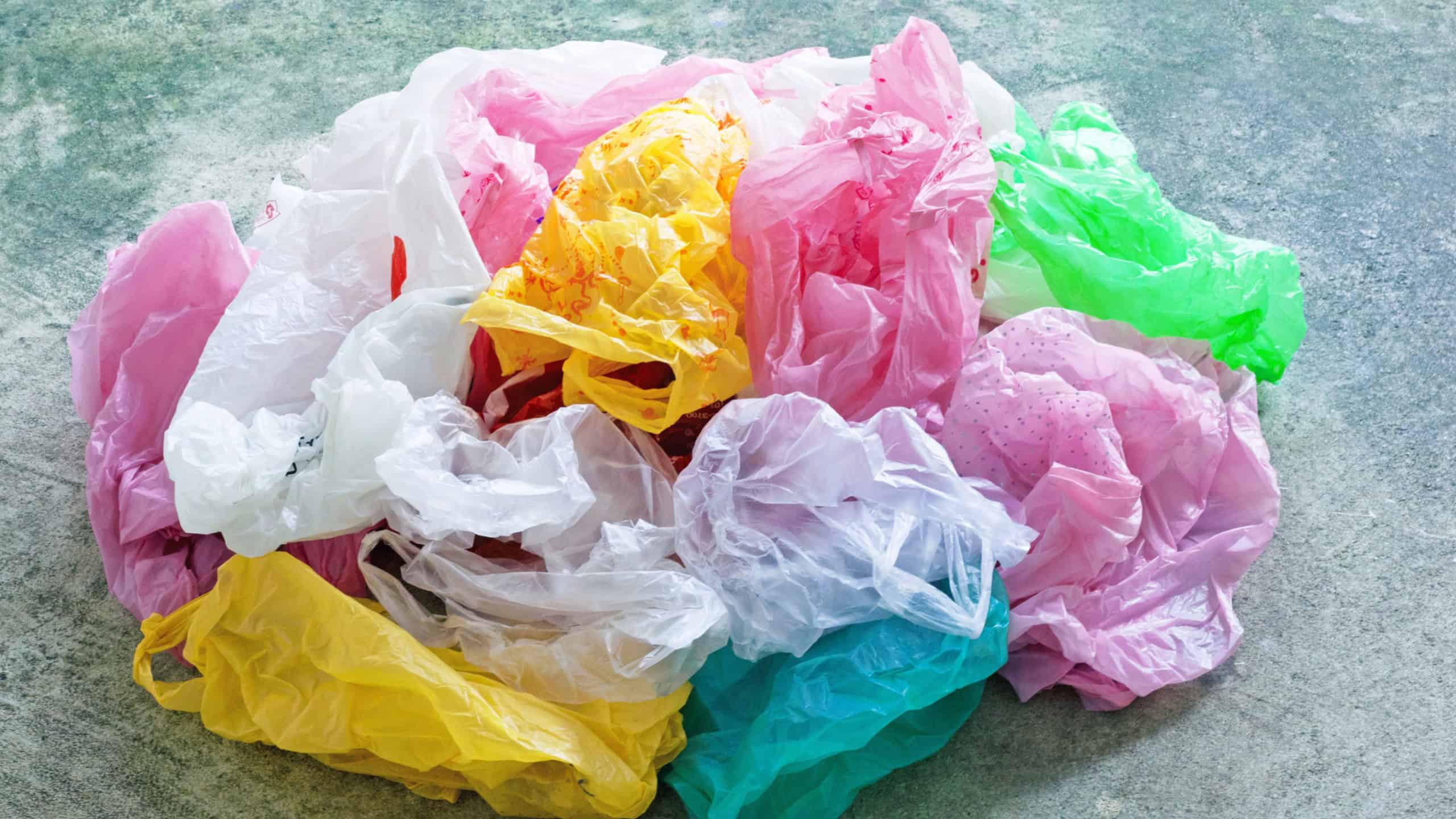
Canada recently banned a wide range of single-use plastics including checkout bags, plastic cutlery, stir sticks, ring carriers and hard-to-recycle takeout containers. The bans on these single-use plastics should help cut down on plastic debris littering coastlines and filling landfills.
Jequirity beans
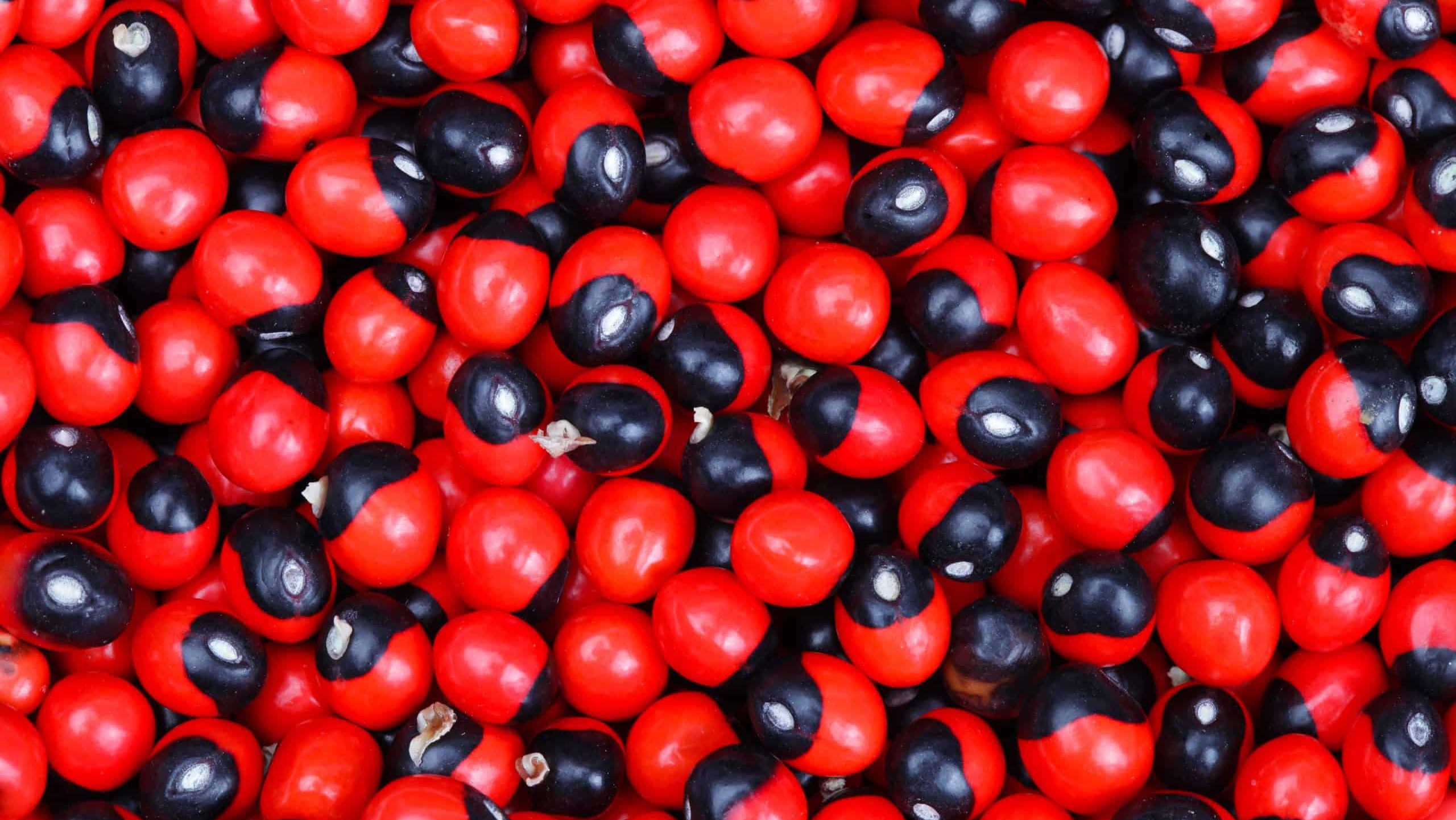
These red-and-black seeds were commonly used in imported jewelry, crafts, and musical shakers. They were banned in Canada because they naturally contain abrin (a substance similar to ricin that causes fatal poisoning), and could cause death if a single seed is chewed or swallowed.
Animal-tested cosmetics
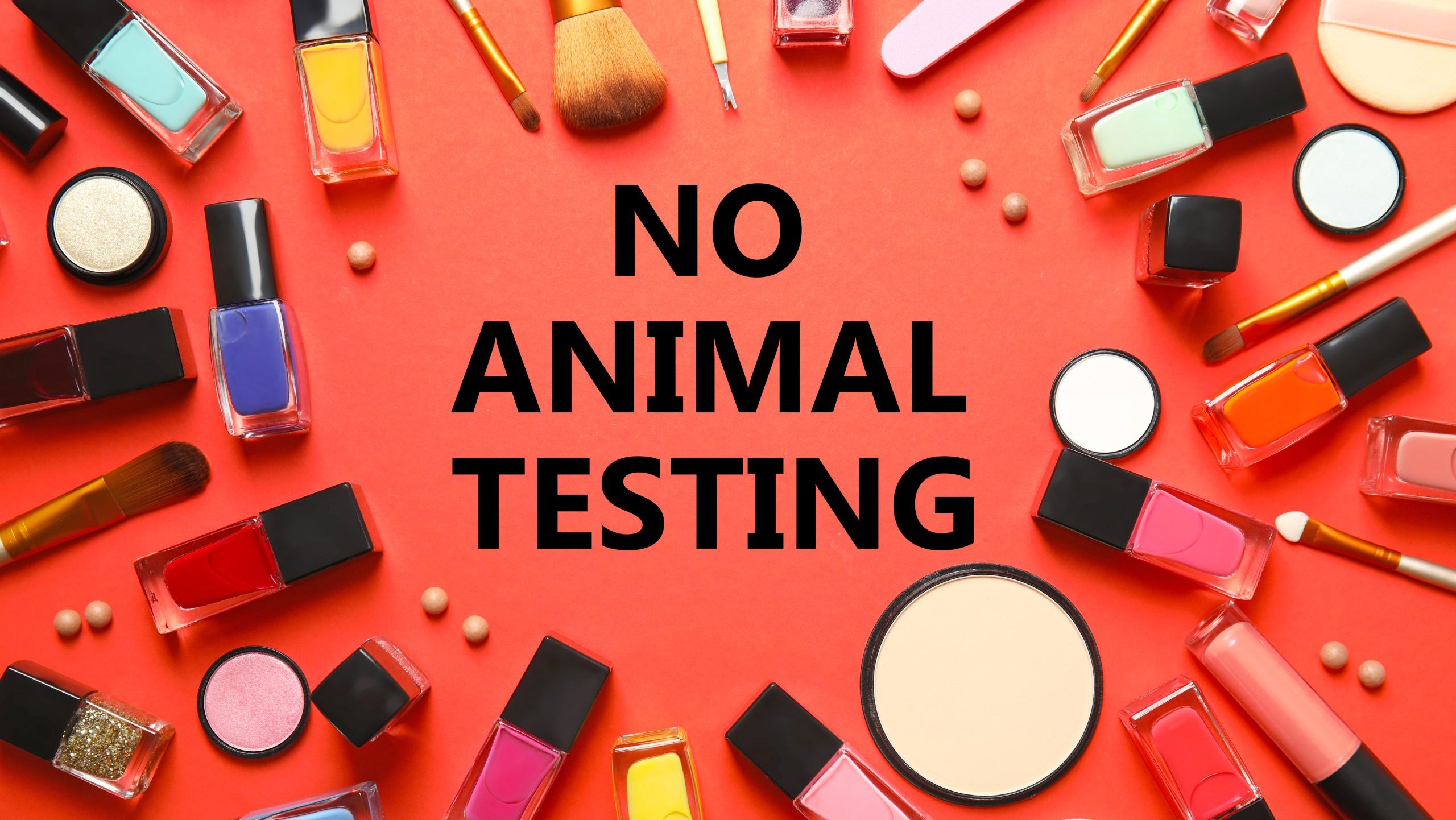
In 2023, Canada fully adopted cosmetic animal testing bans into its food and drug legislation. It is now illegal to test cosmetics on animals in Canada or sell cosmetics that were tested on animals abroad for safety data. Many popular brands had to redo their testing procedures as a result.
Pepper spray
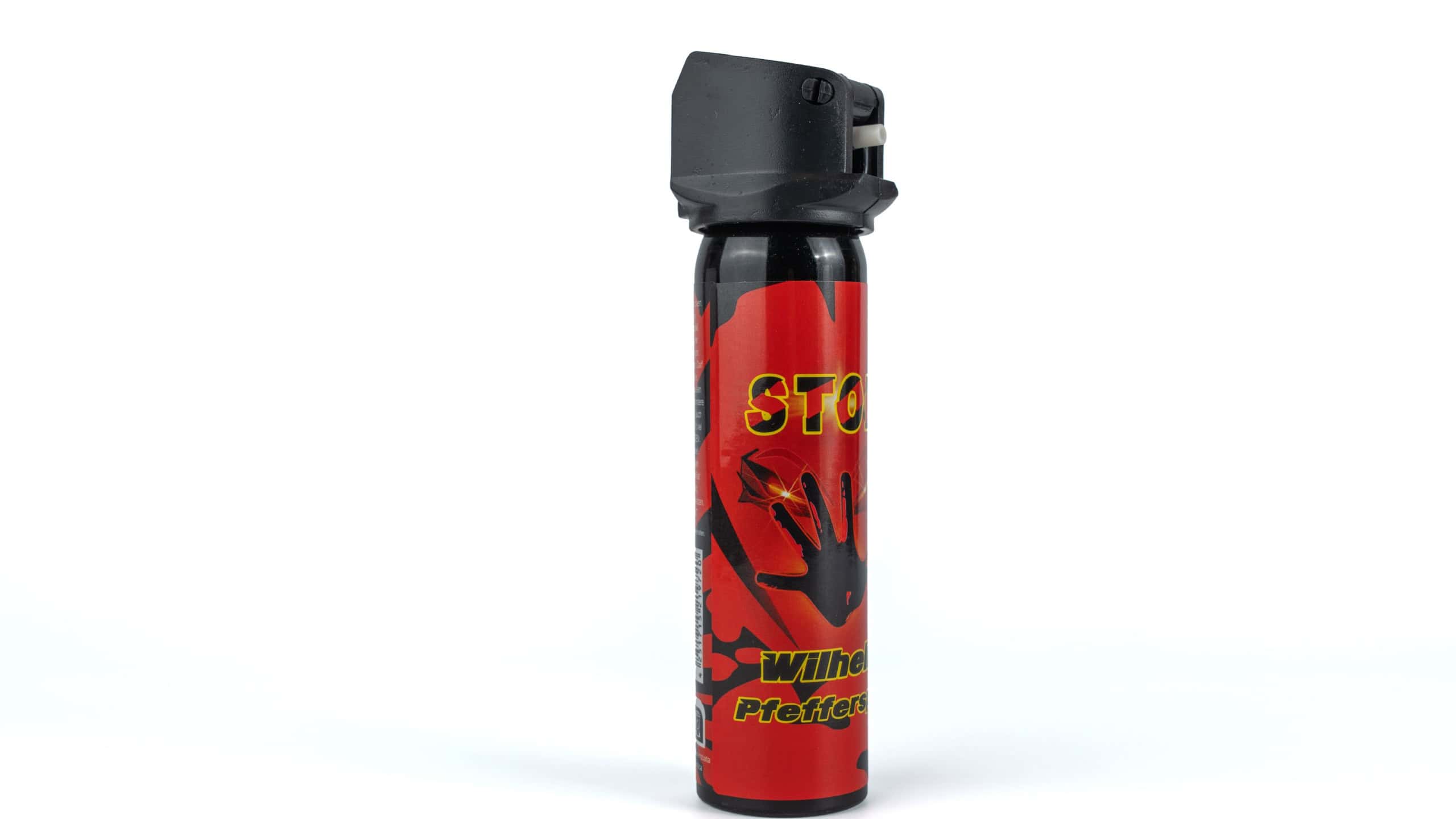
Personal self-defense pepper spray for use against other people falls under prohibited weapons in Canada. You can carry around “bear spray” where large animals are present. However, you cannot carry pepper spray on your person for self-defense against other people.
Over-the-counter high-dose Hydroquinone creams

In Canada, skin-lightening creams with more than 2% hydroquinone were taken off the shelves in 2021. A prescription is now required due to the fact that high doses can lead to permanent skin damage, chemical burns, or increased health risks.
Unpasteurized (raw) milk

Sale of raw milk directly to consumers has been prohibited countrywide since 1991. Its sale is banned because it poses a risk of transmission of deadly foodborne pathogens such as E. coli, Salmonella, and Listeria. These bacteria are usually destroyed with pasteurization.
High-powered small magnet desk sets
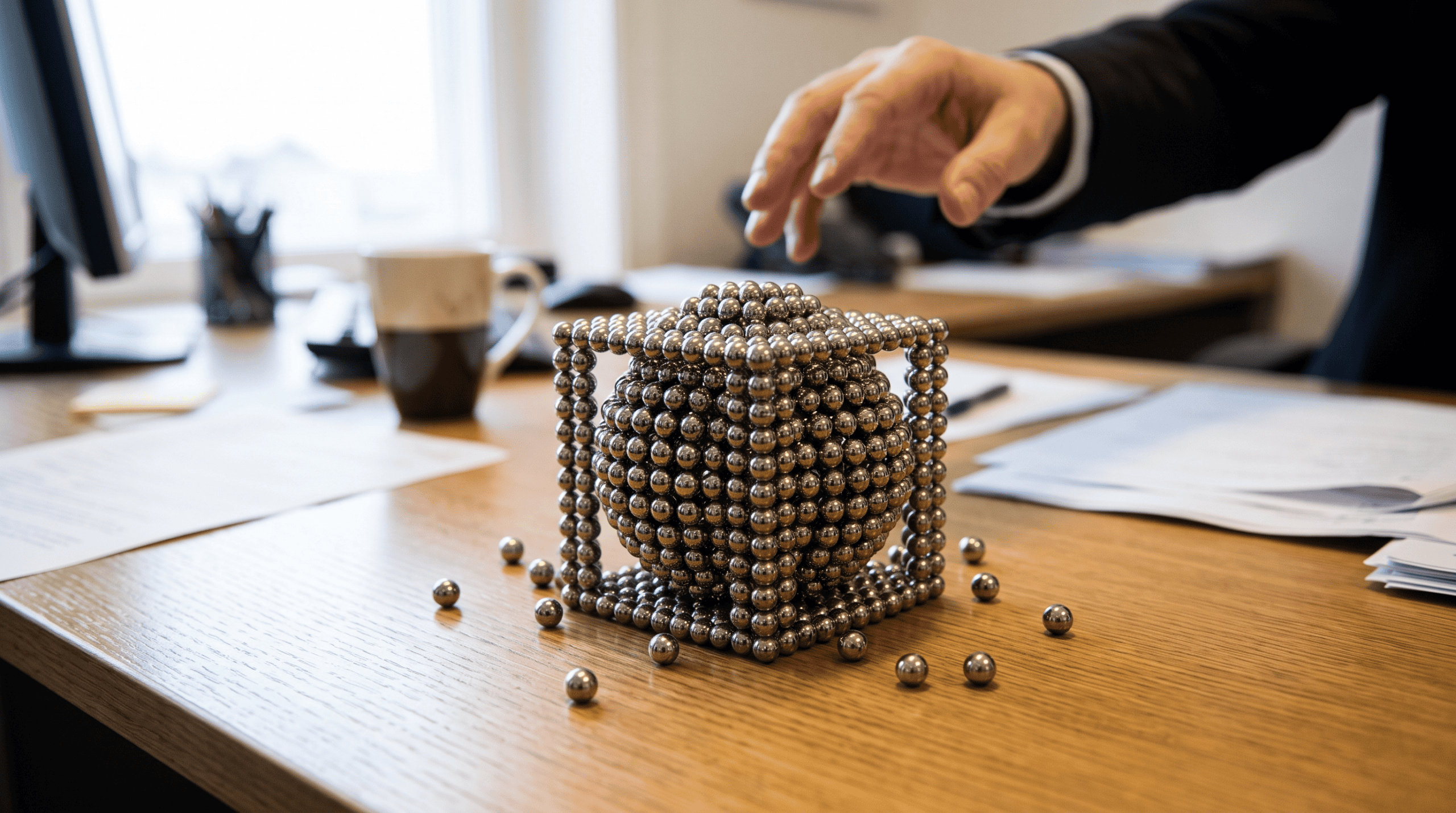
Popular desk toys consisting of small, extremely powerful neodymium magnetic spheres (Buckyballs, for example) were recalled and banned from retail sales. If two or more magnets are swallowed by a child, they connect in the intestines with tremendous strength, ripping internal organs apart.
Flammable fabrics in children’s sleepwear

Canada strictly prohibits loose-fitting children’s nightgowns and pajamas made from flammable, untreated cotton or rayon. Children’s sleepwear must be flame resistant or tight-fitting (leaving no loose fabric to ignite from home heating appliances).
Lawn darts with heavy metal tips
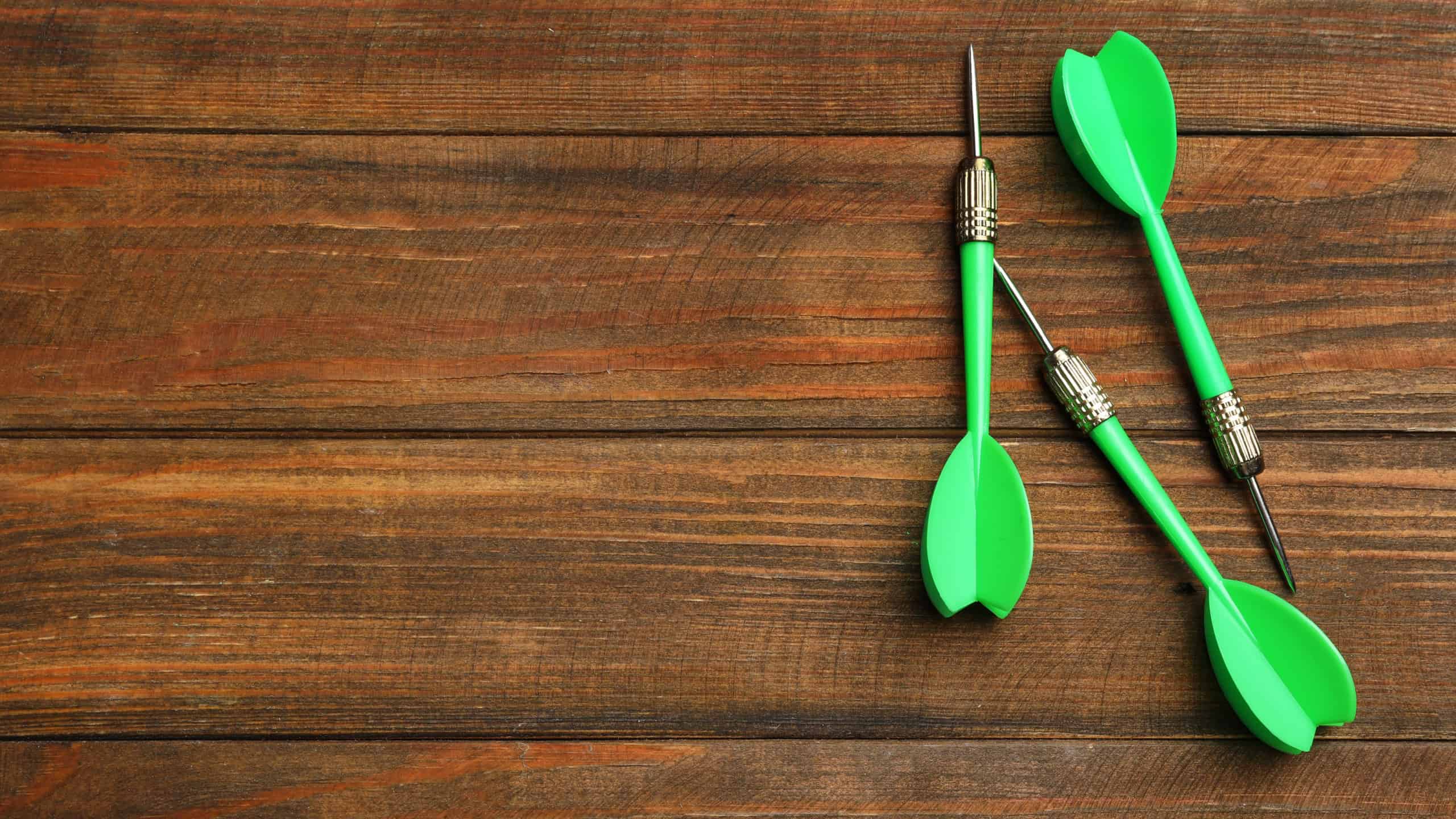
These backyard throw games called “Jarts” involved heavy, pointy metal missiles you would hurl at targets around your yard. Canada banned them in 1989 after realizing how often stray shots ended up causing serious head injuries and penetrating skull wounds, particularly in children who used them in their yard.
Sources: Please see here for a complete listing of all sources that were consulted in the preparation of this article.
Like our content? Be sure to follow us.