
You may have these products sitting at your house right now and not even know they’re banned or heavily restricted in some places.
Traditional goldfish bowls
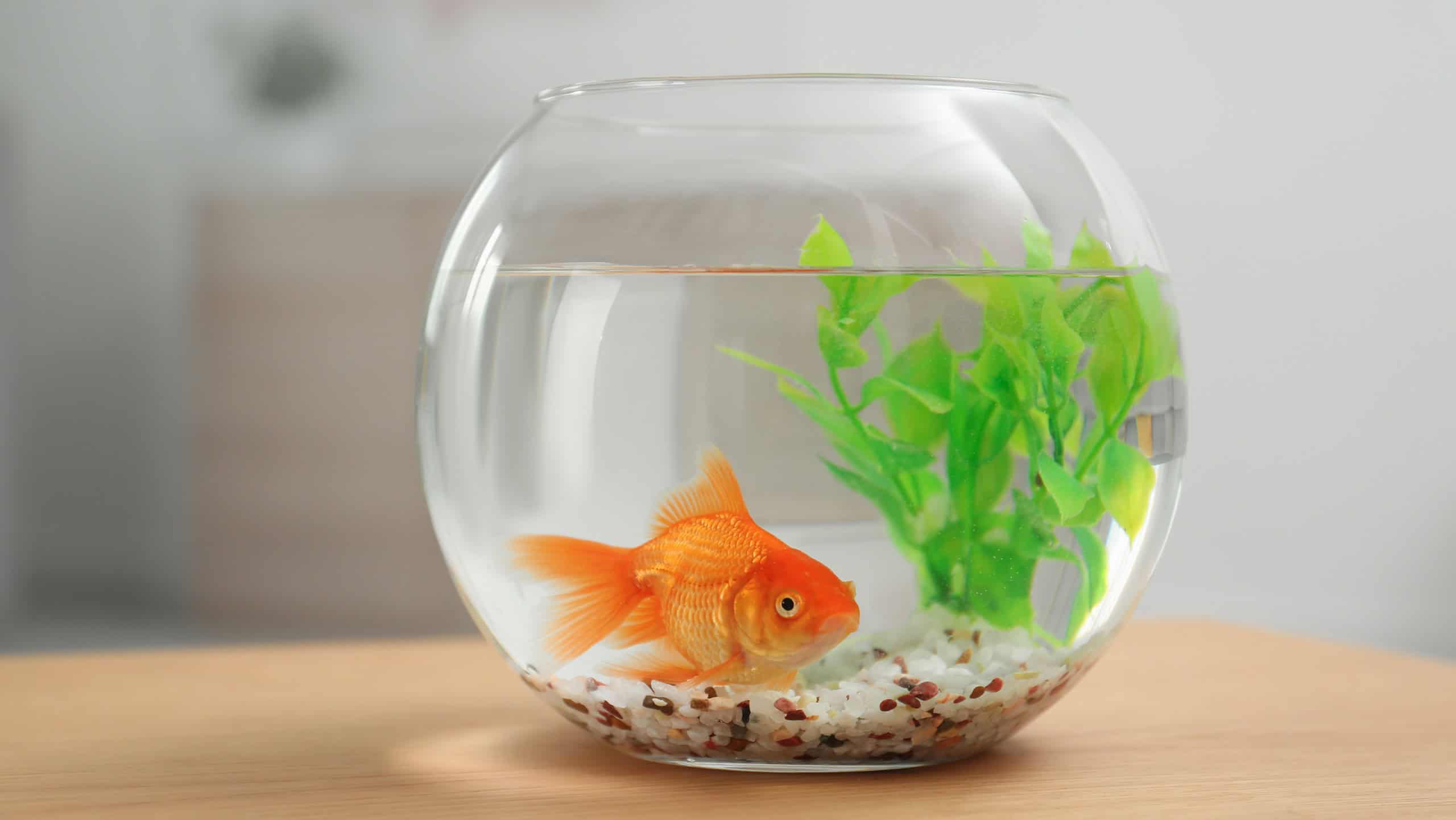
Despite being iconic, keeping goldfish in small fishbowls is illegal throughout Rome, Italy. Authorities outlawed them based on animal welfare laws that focus on the round bowl’s insufficient surface area. The bowls cause fish to essentially suffocate from lack of oxygen over time, and swim around blindly from unnatural refraction.
In Canada: Canada has no national prohibition against traditional goldfish bowls. However, fish kept in distressing conditions may still be subjected to animal-welfare laws.
Infant walkers with wheels

Widely used in nurseries around the world, wheeled baby walkers were banned entirely in Canada back in 2004. Regulators determined that walkers led to severe injuries, primarily when babies rolled themselves down stairs or over to kitchen ranges, and prohibited sales, imports, or resales of walkers.
Incandescent light bulbs

If you still have that old box of 40- to 100-watt general service incandescent light bulbs in your garage, they’re now banned for sale and manufacturing throughout the United States (along with the rest of the EU and UK). New federal energy efficiency standards require bulbs to produce a minimum of 45 lumens per watt, effectively eliminating standard incandescent bulbs in favor of LEDs.
In Canada: Canada too has federal energy-efficiency regulations that cover general-service incandescent bulbs. General-service incandescent lamps made on or after January 1, 2026 will need to have efficacies of at least 45 lumens per watt.
Kinder Surprise chocolate eggs
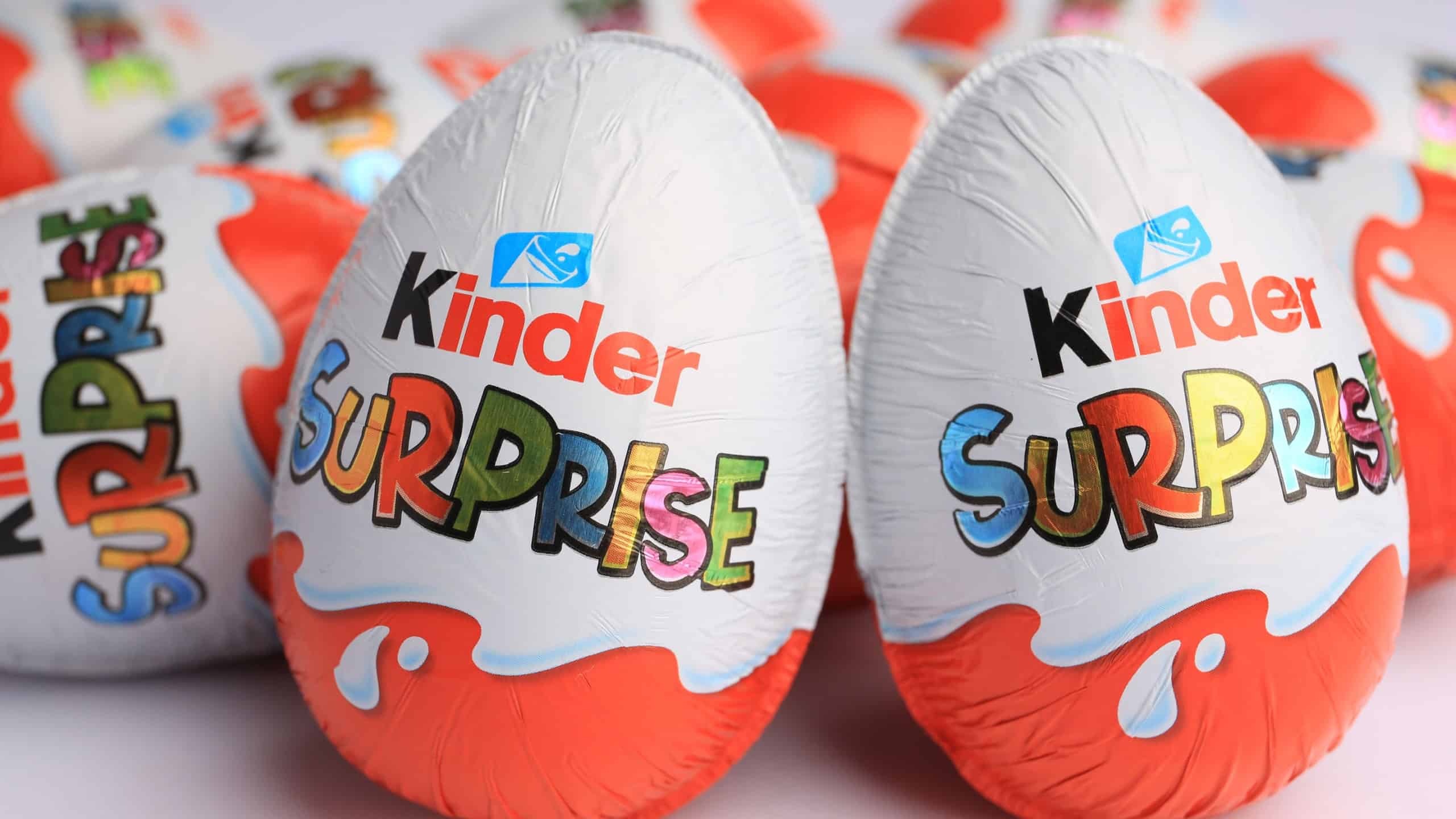
This classic European chocolate, a hard chocolate shell filled with a plastic capsule toy inside, is illegal in America. The 1938 Food, Drug, and Cosmetic Act bans embedding “non-nutritive objects” entirely inside food due to choking hazards. The Kinder Joy eggs sold in America contain two separated halves in order to circumvent this law.
In Canada: The Kinder Surprise eggs with a toy capsule encased in chocolate can be legally sold in Canada.
Synthetic lacy lingerie
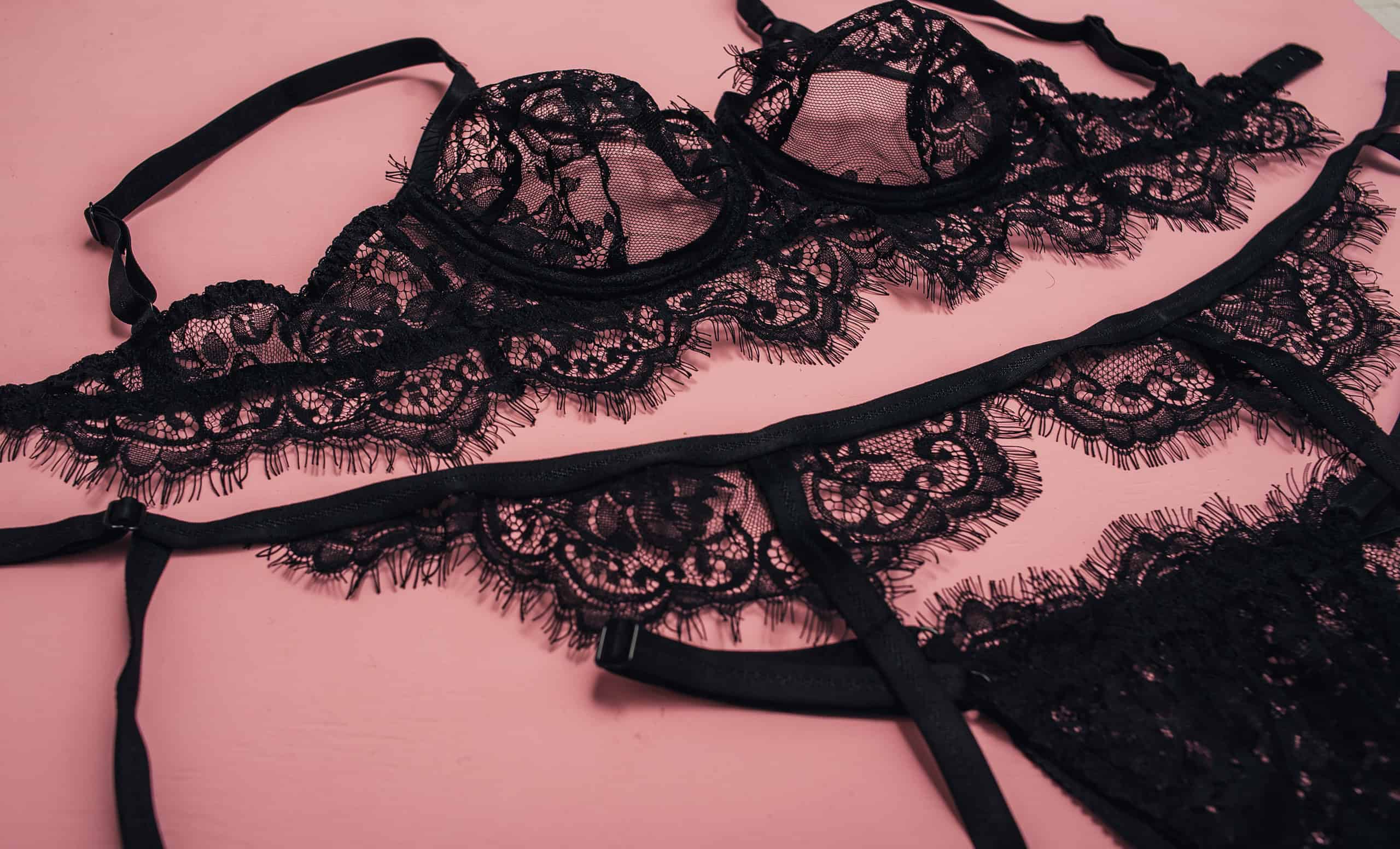
Pure synthetic lace underwear may not be manufactured, sold or imported into Russia, Belarus, and Kazakhstan per Eurasian Customs Union rules. Underwear which touches skin must contain at least 6% natural cotton fibers to allow breathability and hygiene. 100% synthetic lace is therefore considered illegal.
In Canada: Canada does not have a national standard banning any percentage of synthetic fibres for underwear. Clothing items must still meet Canada’s labelling and product-safety regulations.
Mercury fever thermometers
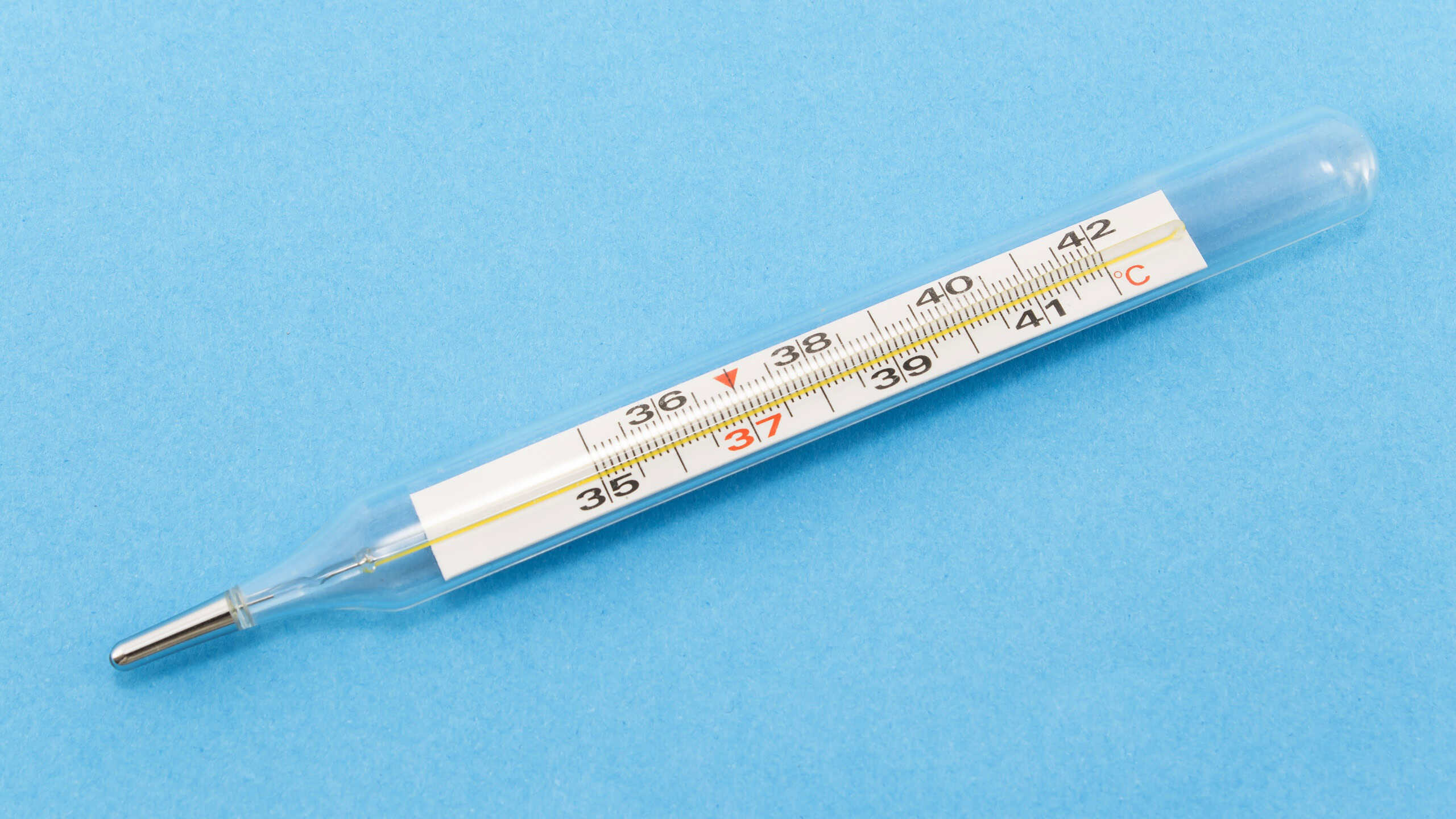
Vintage glass thermometers hiding in your parents’ medicine cabinet are filled with elemental mercury. Sales of these thermometers have been prohibited in many states within the U.S. and throughout the EU because of the risk they pose to the environment and their toxicological effects if broken.
In Canada: Canada’s stance on mercury fever thermometers is equally strict. Mercury fever thermometers cannot be manufactured or imported.
Rainwater harvesting barrels (without permits)
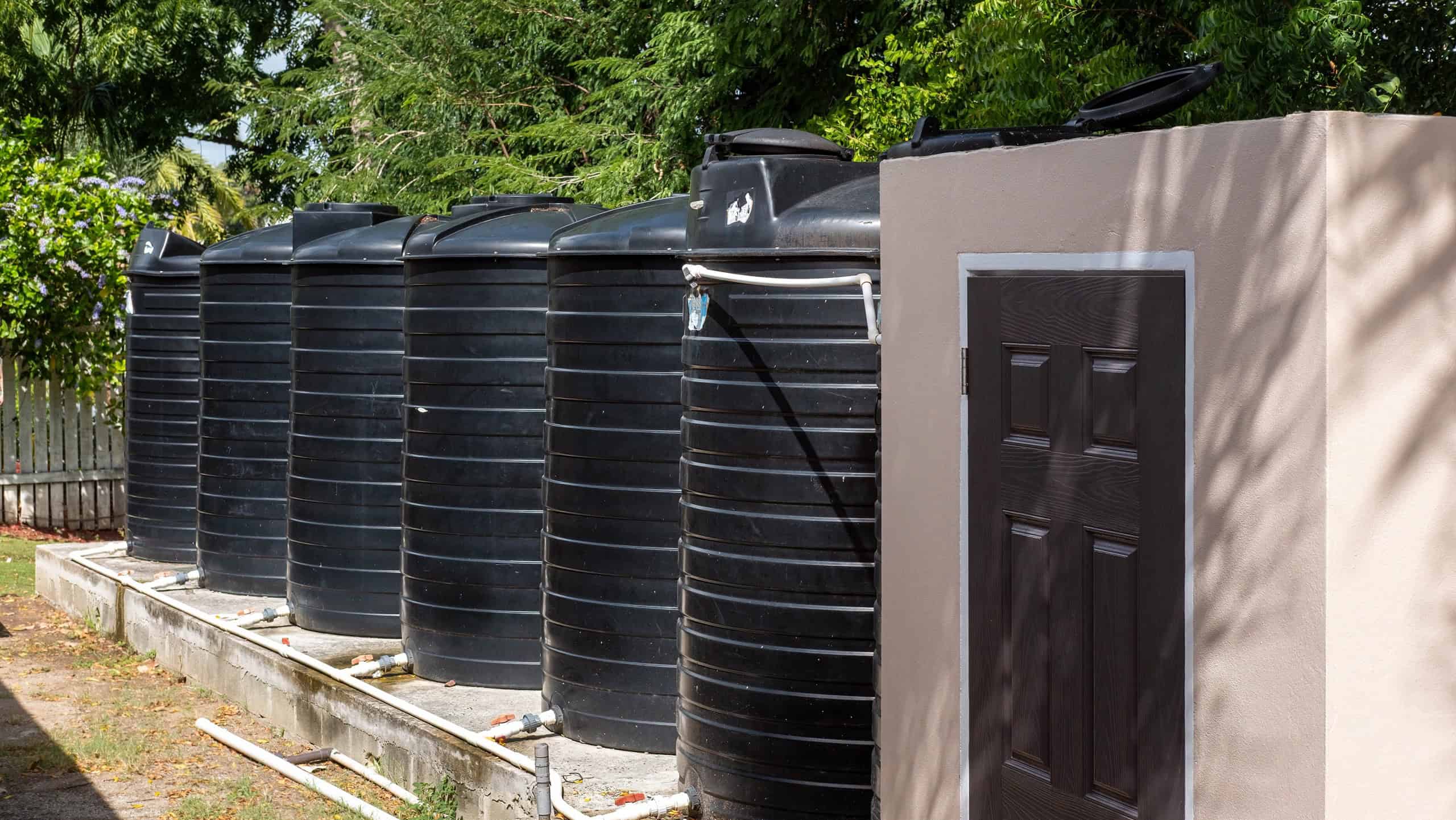
Did you know collecting rainwater runoff from your roof into large homemade barrels is illegal in some U.S. states? The western U.S. takes water rights very seriously.
Colorado and Utah claim rainwater belongs to designated watersheds. Homemade small barrel catchments are becoming permissible, but large barrel catchments without permits are still illegal.
In Canada: There is no national Canadian ban on residential rain barrels. Restrictions may vary provincially or municipally regarding larger-scale collection, plumbing integration, and usage of collected water.
Certain unpasteurized (raw) milk cheeses

That tasty wheel of French raw milk cheese (like young camembert, Reblochon or Brie de Meaux) you may have purchased during your travels through Europe is illegal for import/sale in the US unless it is aged a minimum of 60 days at above 35° F, according to FDA guidelines on dangerous bacteria.
In Canada: Canada regulates the sale of raw-milk cheeses as well. Cheeses made with raw milk must typically be aged at least 60 days.
Antique ivory trinkets or jewelry
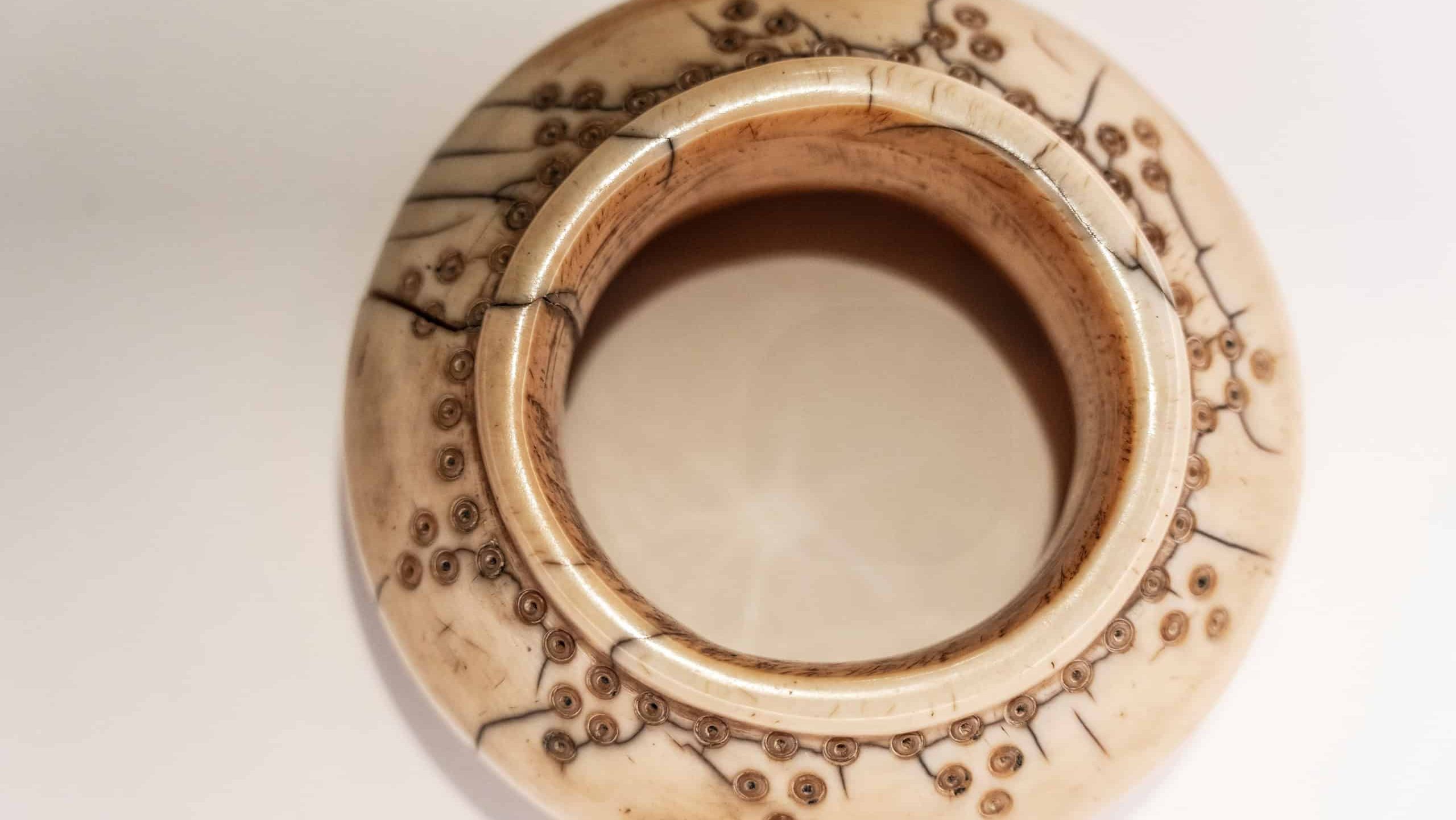
Ownership of heirloom jewelry, scrimshaw, carved statues or musical instruments that contain elephant ivory may be restricted worldwide by CITES laws (Convention on International Trade in Endangered Species of Wild Fauna and Flora).
Within the U. S. and Britain, trading ivory internationally or transporting it through customs without very specific legal documentation showing it was acquired before environmental laws is a federal offense.
In Canada: Canada tightly controls the import, export, and trade of elephant ivory. Exceptions are limited and require permits.
Large commercial lawn fertilizer (high-phosphorus)

Many states across the U.S. (such as New York, Michigan, and Florida) prohibit homeowners from purchasing or using lawn fertilizers with phosphorus in them unless they are laying down a new lawn. Phosphorus washes into lakes and rivers where it can cause deadly algae blooms.
In Canada: Canada has no overarching federal ban on lawn fertilizer containing phosphorus, but provinces and municipalities may have restrictions due to concerns over phosphorus running off into lakes and streams.
Old refrigerators using Freon (R-12 Refrigerant)
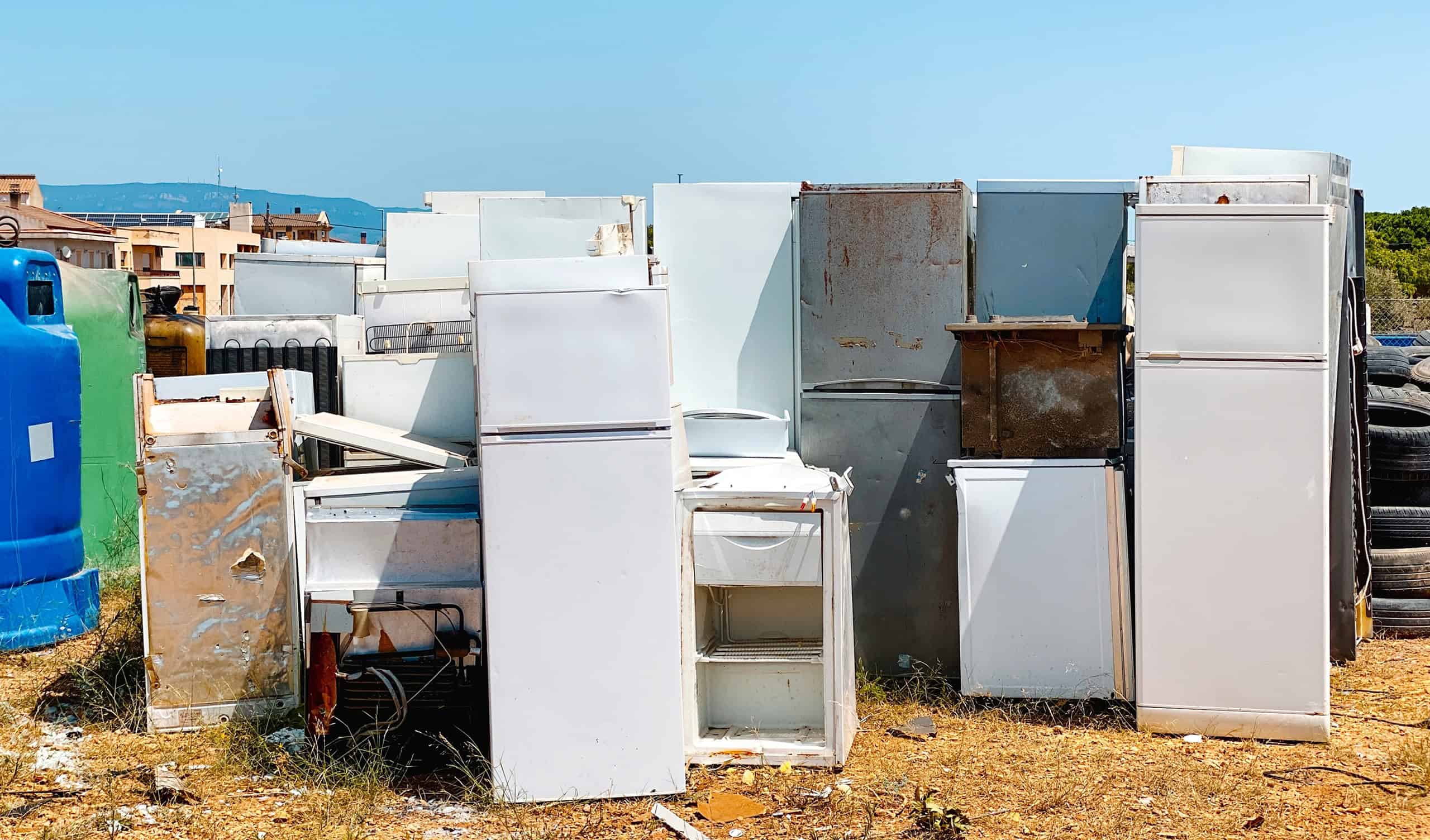
Refrigerators made before the mid-1990s utilize chlorofluorocarbon compounds such as R-12 for refrigeration. It is not illegal to own a working vintage refrigerator. However, the sale, purchase, or release (such as during repair) of R-12 to the atmosphere is illegal throughout the world under international environmental agreements.
In Canada: Canada has strict controls on ozone-depleting refrigerants like CFCs, and it is against the law to release refrigerant while servicing equipment or disposing of units.
Heavy windshield accessories (hanging ornaments)
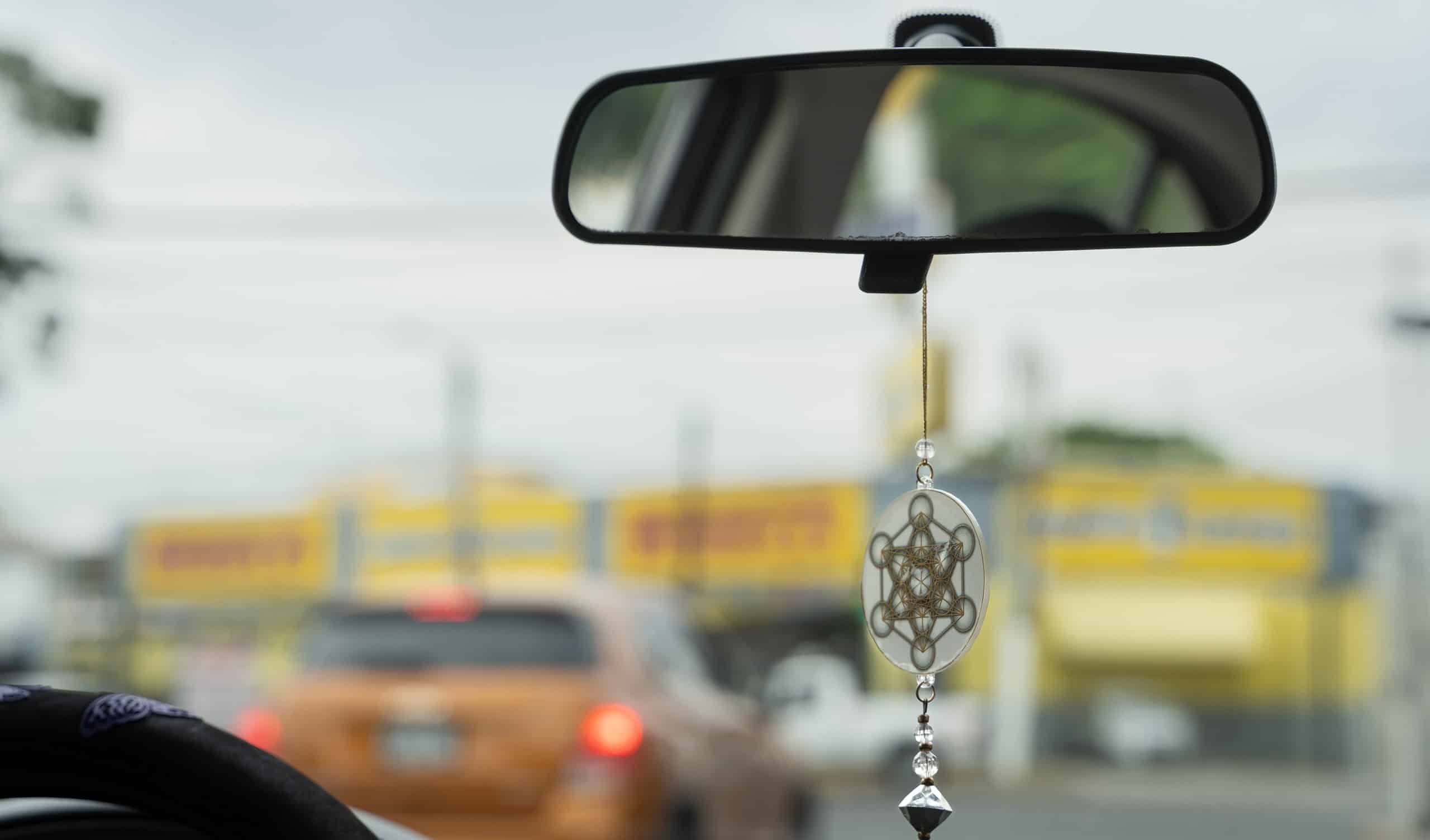
It’s illegal to hang items such as oversized air fresheners, fuzzy dice, or graduation tassels from your rear-view mirror in several U. S. states (like Minnesota, California, Illinois) under strict “Vision must not be obstructed” vehicle codes.
In Canada: There is no federal prohibition against hanging fuzzy dice or air fresheners from rear-view mirrors in Canada, as traffic regulations are provincial. However, provincial traffic laws prohibit obstruction of the driver’s clear view through the windshield, so an excessively large hanging object could still get you in trouble.
Haggis containing sheep lungs

Did you know that if you imported the Scottish delicacy of traditional haggis, you now have a banned food item in the United States? The USDA made it illegal to sell or import animal lungs used for human consumption back in 1971 due to fear that fluids from the stomach or pathogens could come into contact with the organ meat during preparation.
In Canada: Traditional imported Scottish haggis cannot be brought into Canada. The CFIA and Health Canada do not allow importation or sale of lungs from mammals for human consumption.
Single-use plastic grocery bags
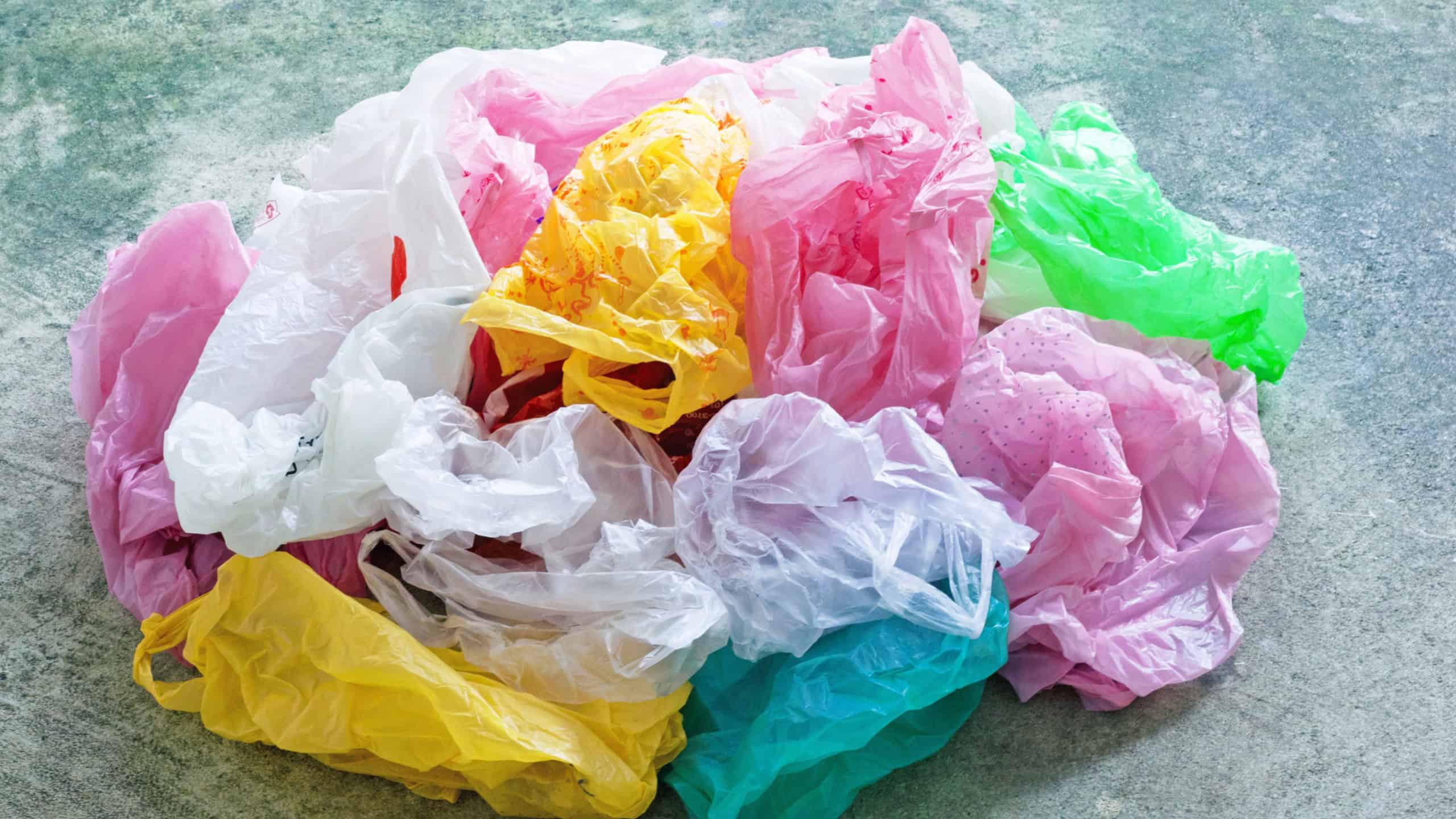
Single-use plastic grocery bags or thin plastic checkout bags are banned for distribution in retail stores throughout Canada, New Zealand, and some states in the United States (such as New York and California), where consumers use reusable bags or paper bags instead.
Sources: Please see here for a complete listing of all sources that were consulted in the preparation of this article.
Like our content? Be sure to follow us.