
Cars used to have some strange and whimsical features that gave them personality, but safety regulations and driving laws forced many of these off the streets.
Pop-up headlights
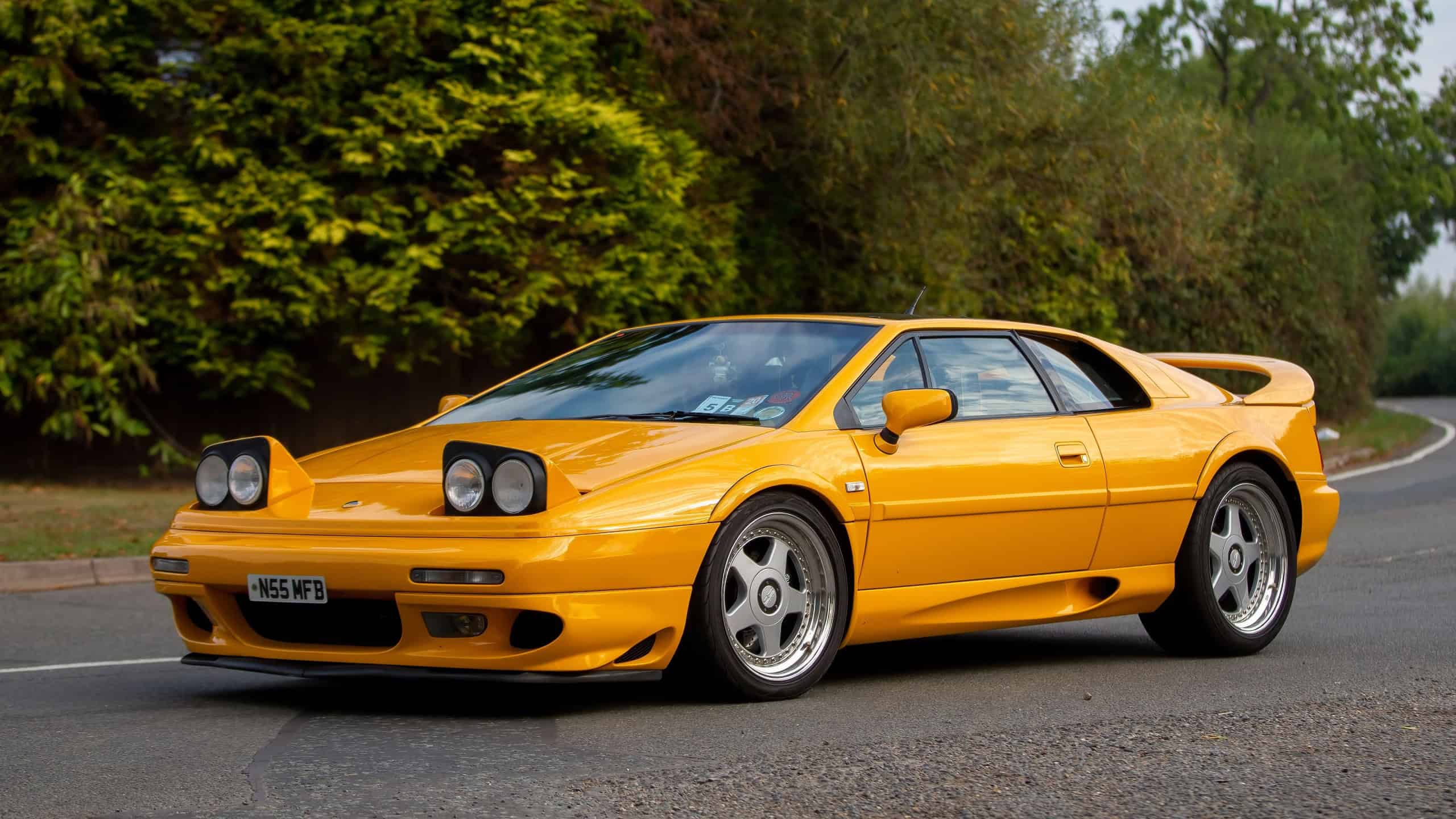
There was no car feature quirkier than headlights that popped up from the hood at the push of a button. Pop-ups accentuated the sleek looks of models like the Mazda MX-5, Chevrolet Corvette and Lamborghini Countach.
They weren’t banned outright everywhere, but pedestrian-safety and lighting regulations made them difficult and too costly to use. Their mechanical parts were also prone to failure, so automakers eventually dropped the feature entirely.
Exhaust cutouts
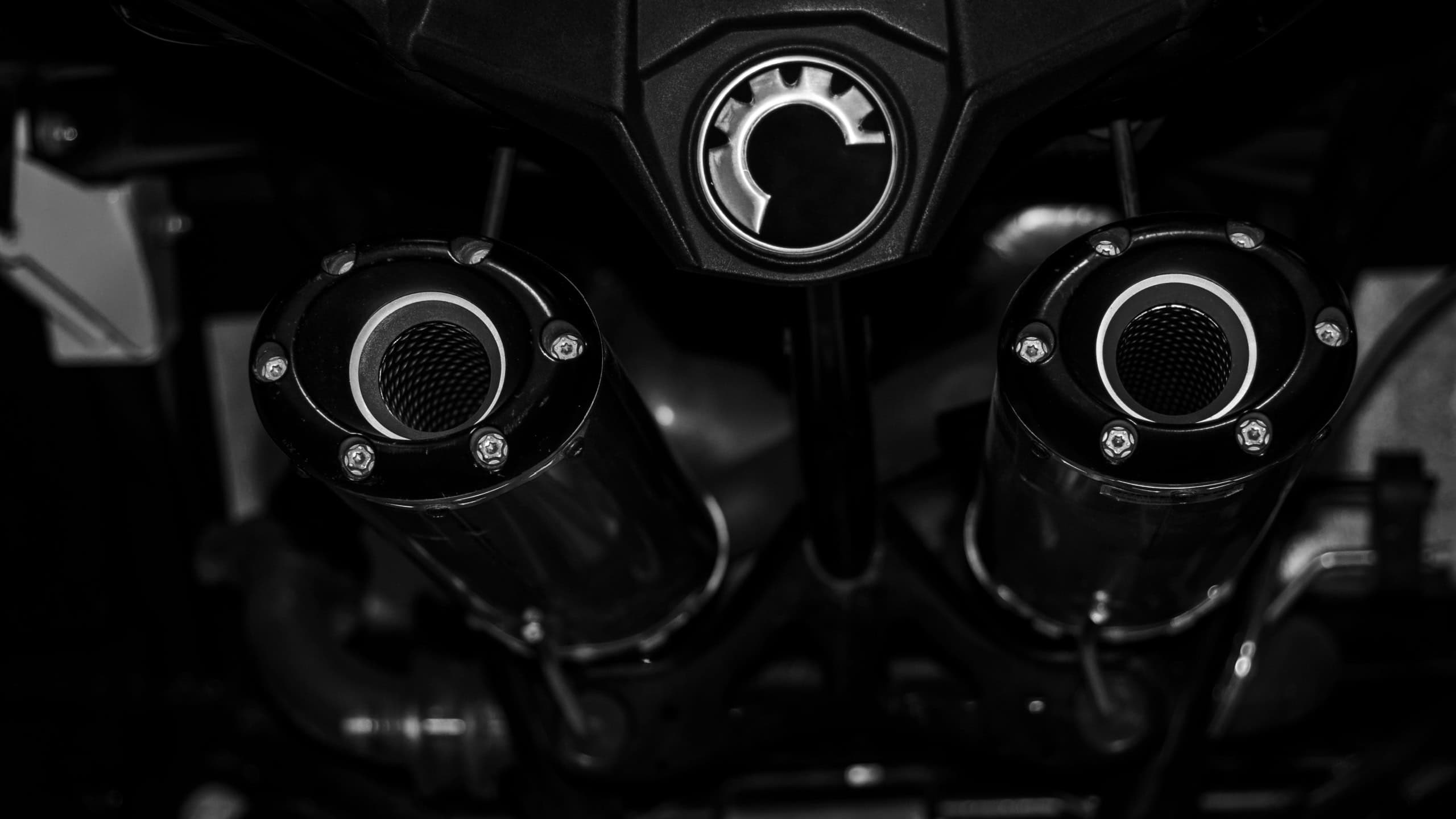
An exhaust cutout allowed the driver to route exhaust gases around the muffler, dramatically increasing the noise output of the engine at the push of a button. Many drivers loved hearing their engines roar immediately upon pressing the cutout button, especially if the car was a powerful muscle car.
Cutouts often created levels of noise that violated anti-noise laws. Additionally, they bypassed emission controls, which is illegal in most jurisdictions. For that reason, cutouts are now illegal in many jurisdictions, as are any alterations that bypass a factory-installed exhaust muffler or pollution control device.
Rigid hood ornaments
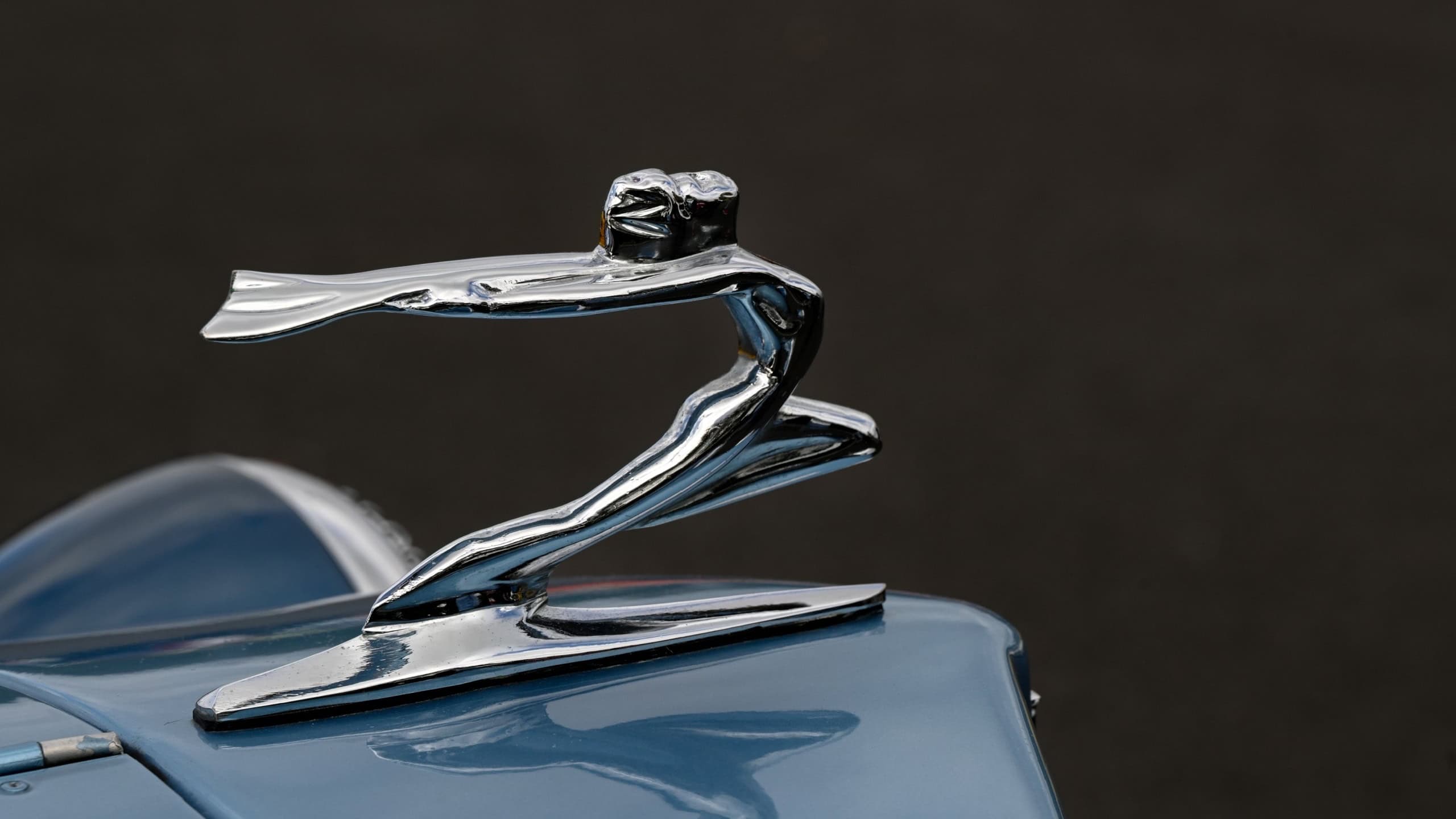
Chrome hood ornaments were once big, flashy symbols of style and wealth. Some were modeled after birds, beasts or humans and became icons associated with entire brands.
But if one made solid contact with a pedestrian, it could severely hurt them. Regulations require modern equivalents to fold, retract, or shatter easily. This is why tall, stiff hood ornaments largely vanished.
Dashboard televisions
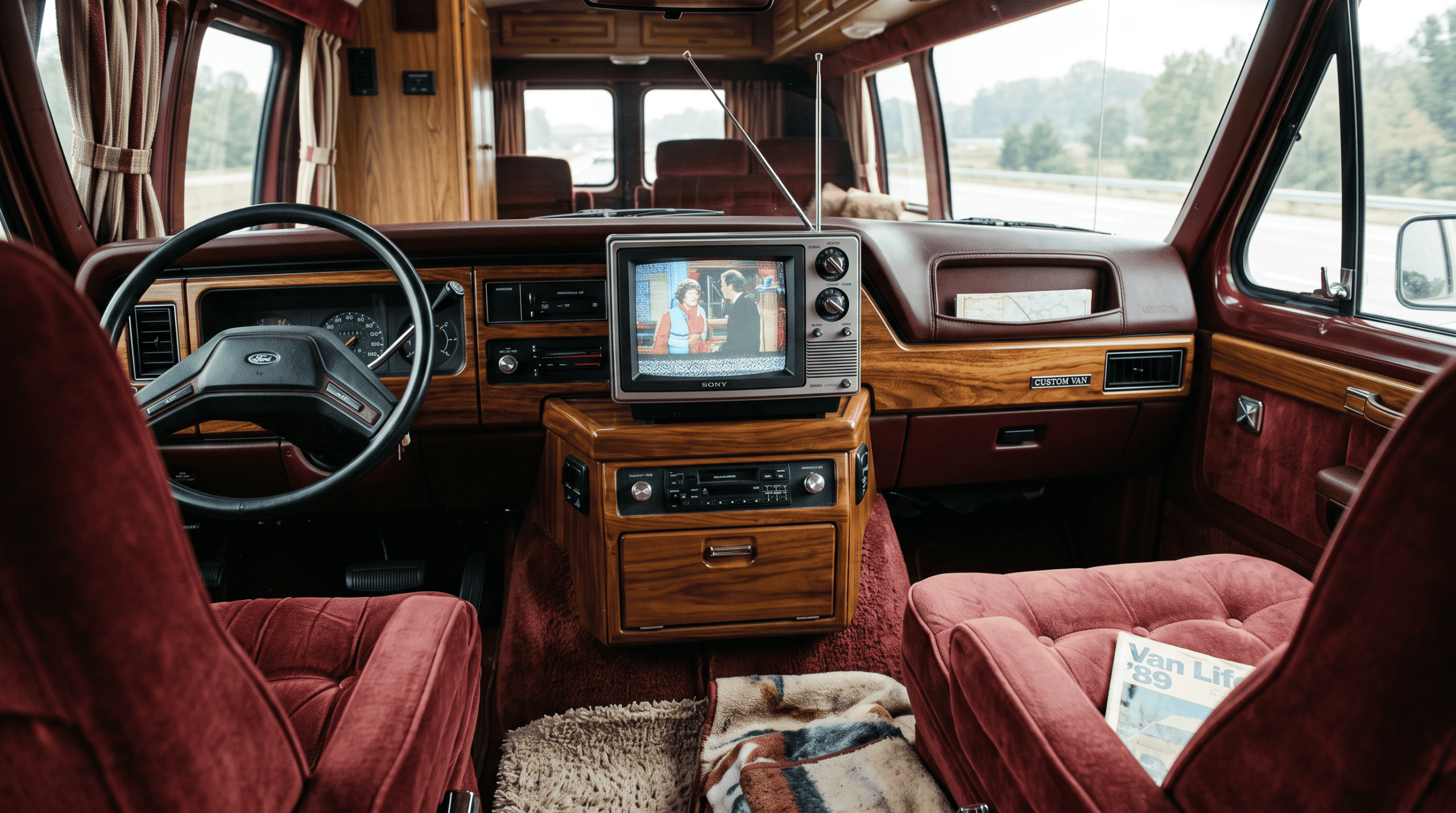
Mini televisions were once installed in luxury vans and custom automobiles. They were often mounted near the dashboard for ease of viewing by passengers. While the concept of watching television during a road trip was enticing, having a screen within the driver’s line of sight was distracting.
Many places have made it illegal to operate a motor vehicle with entertainment devices in front of the driver. These systems typically disable video playback on the front screen while the vehicle is in motion.
Musical horns

Custom horns could blast songs, animal sounds, or popular melodies in place of a typical warning beep. They were entertaining at car shows and sometimes attracted lots of attention on the street.
However, horns are designed to alert other drivers, not entertain passengers. Musical horns or horns that are excessively loud are banned in many areas because they can distract other drivers and disturb neighborhoods.
Coloured underglow
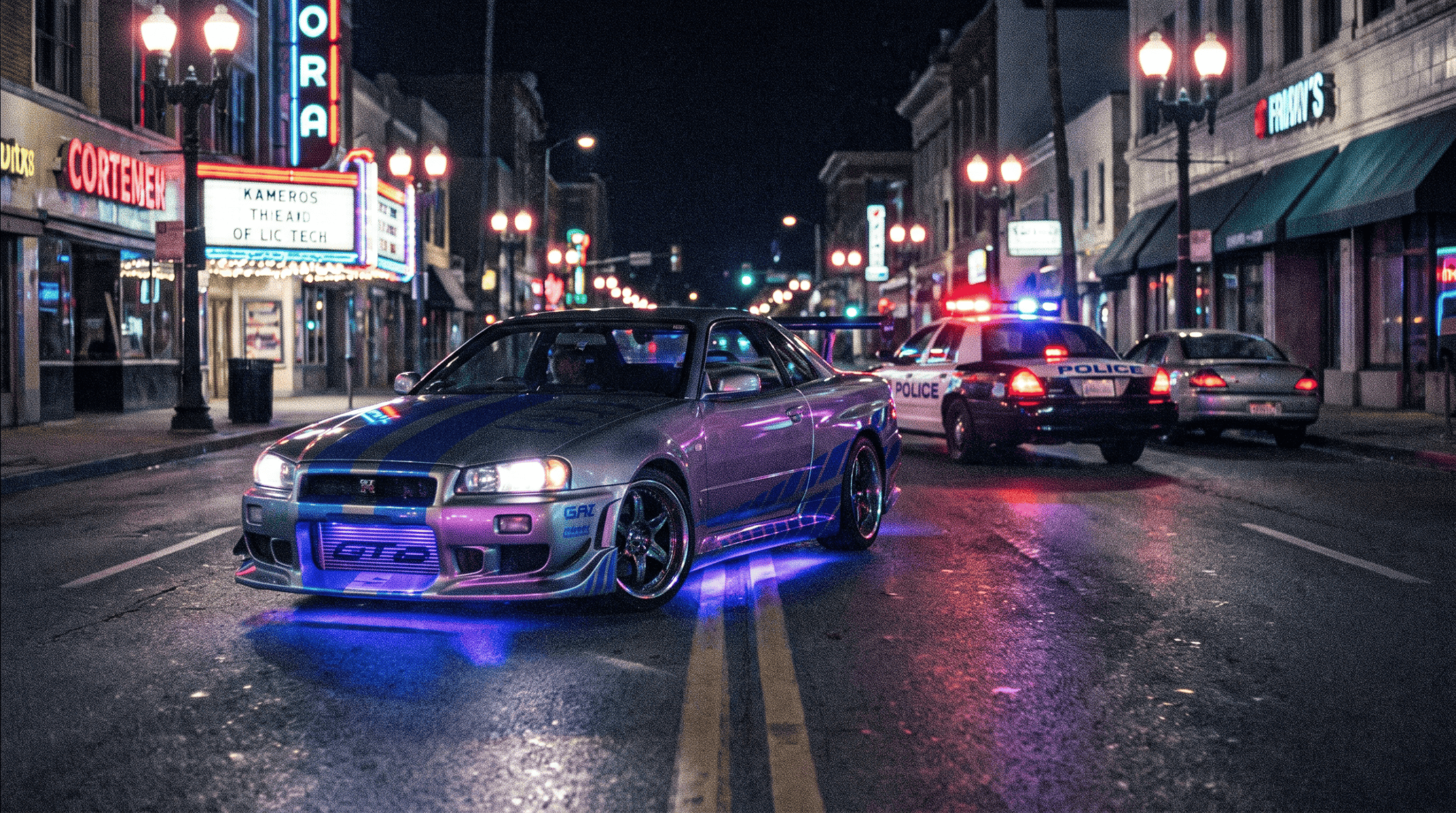
Neon tubes and later LED lights mounted under vehicles became popular. Cars could be made to glow while moving along the roadway at night. Flashing lights and certain colors, however, are often mistaken for emergency vehicles.
Depending on local laws, it may be illegal to use underglow lighting while driving or may have to remain turned off while on public streets.
Emergency-style lights

Some drivers used to install flashing lights, rotating beacons or light bars modeled after police lighting for aesthetic purposes only. Lights such as these could make a normal vehicle look like an ambulance or police car.
Other drivers may yield the right of way or act erratically when seeing these colors. As a result, unauthorized red and blue lighting is now illegal in most jurisdictions.
Sirens and police sounds
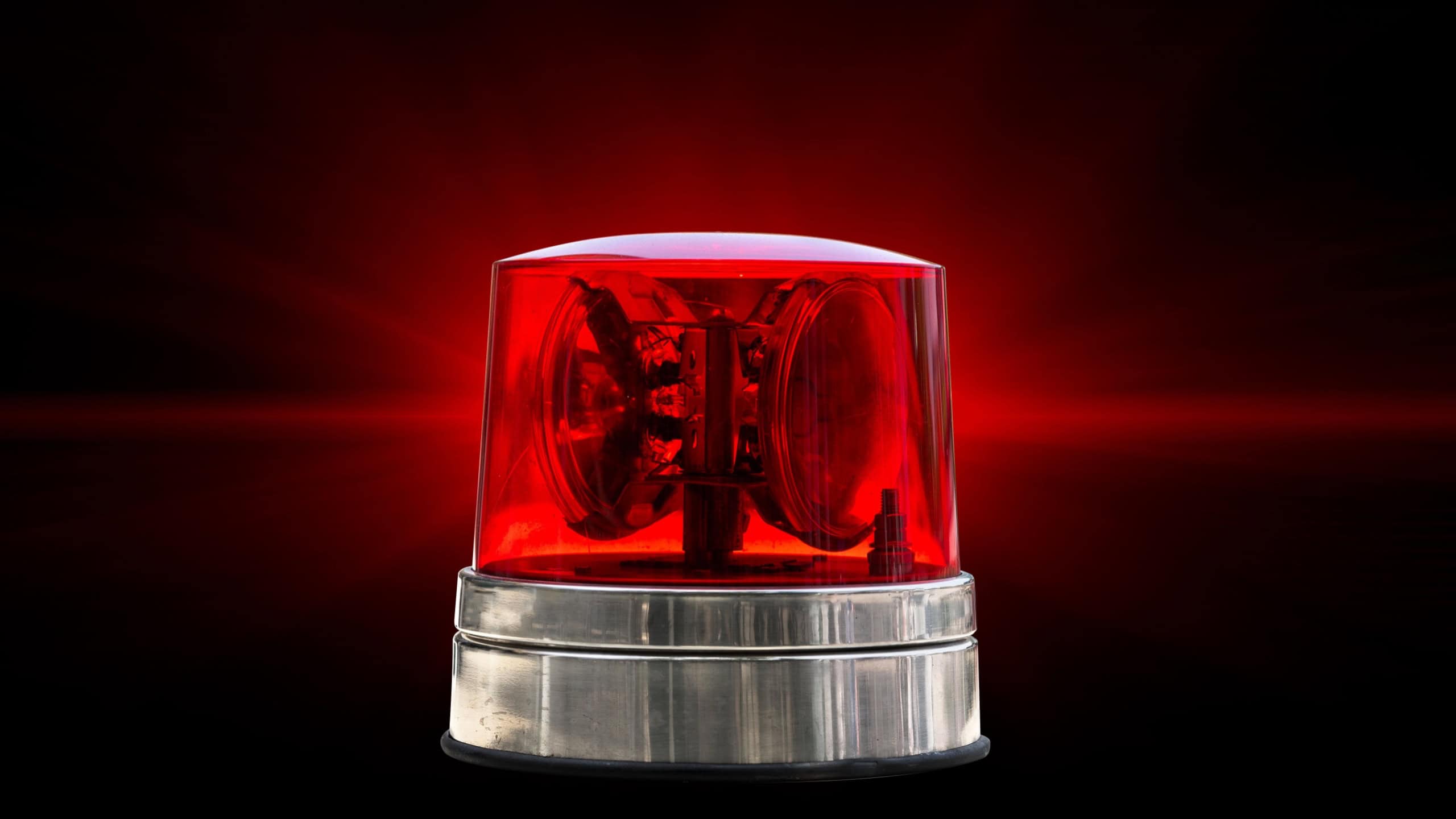
Custom sirens were another way to stand out. Some systems replicated the sirens of police cars, ambulances, or fire engines very closely. An unscrupulous driver could easily pretend to be an officer of the law, causing confusion among roadway users. Because of this, sirens and other warning devices are restricted to official vehicles only.
Radar detectors
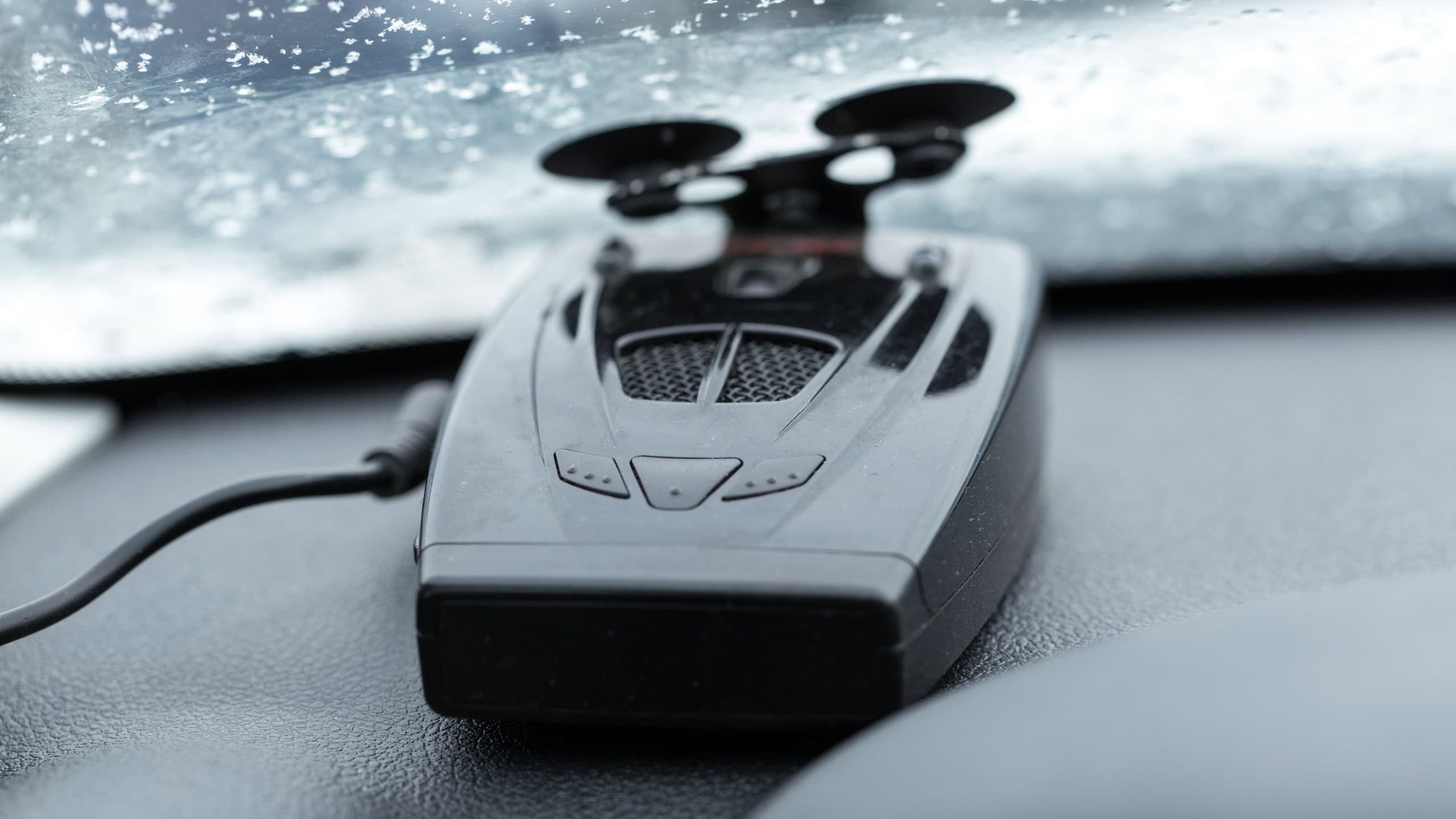
Radar detectors warned drivers when police speed detection devices were in the area. For some drivers, evasion of speed traps became part of the thrill of driving. Laws about radar detectors still vary widely from place to place: they are legal for use on personal vehicles in many states in the United States, but illegal in Washington, D.C., and many provinces in Canada.
In jurisdictions where they are prohibited, police may fine drivers who possess them and confiscate the detector.
License-plate hiders
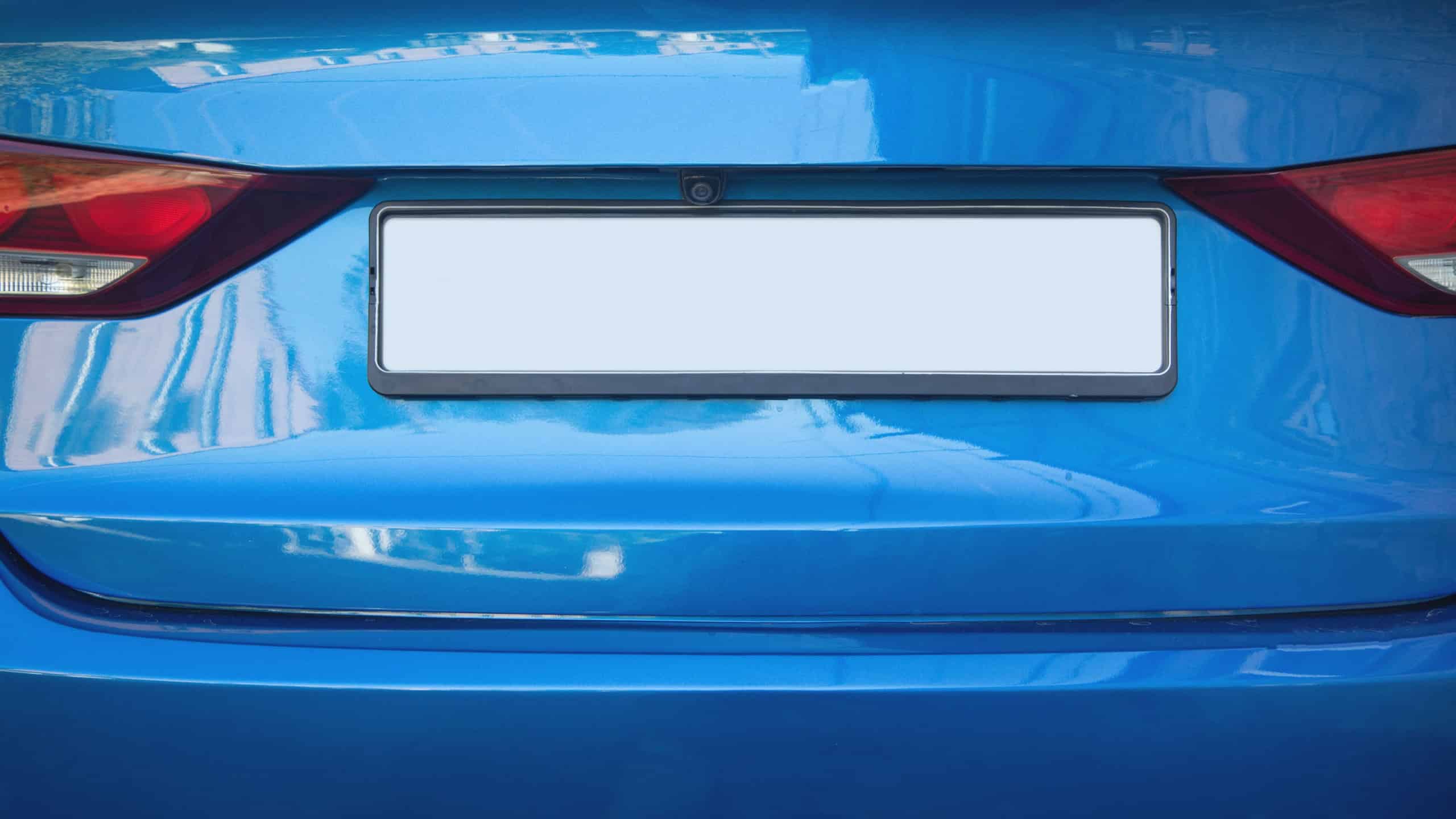
Some custom cars employed tinted covers, revolving frames, sprays, or even powered devices intended to obscure the licence plate. Some owners began treating them as jokes and toys, particularly after speed and toll cameras became widespread.
However, licence plates are required to be clearly visible for identification purposes. Any device that obscures, covers, distorts or otherwise interferes with a licence plate is illegal in most jurisdictions and will quickly result in police attention.
Leaded high-octane fuel

This was not a visible characteristic; however, most performance cars from the classic era used leaded fuel. So drivers learned to associate lead with high-performance engines, higher compression ratios and the heyday of muscle cars.
Scientists then discovered significant health problems and environmental concerns regarding lead pollution. In addition, catalytic converters required the use of unleaded fuels. The sale of leaded fuel for regular on-road vehicles was outlawed in the United States beginning January 1, 1996.
Sources: Please see here for a complete listing of all sources that were consulted in the preparation of this article.
Like our content? Be sure to follow us.