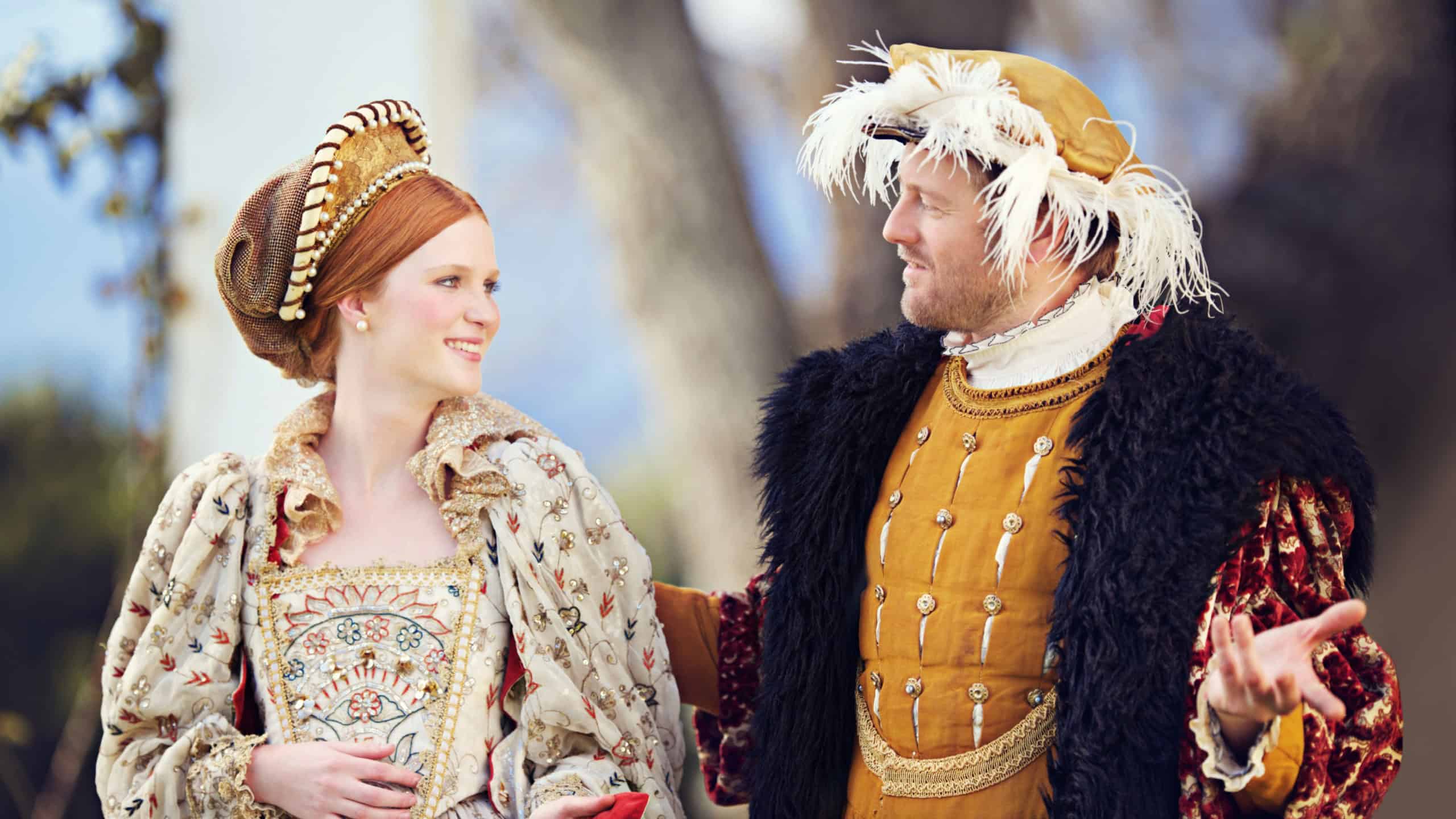
Most historical marriages were meant to unite kingdoms and families, but some also blossomed into lasting love.
Shah Jahan & Mumtaz
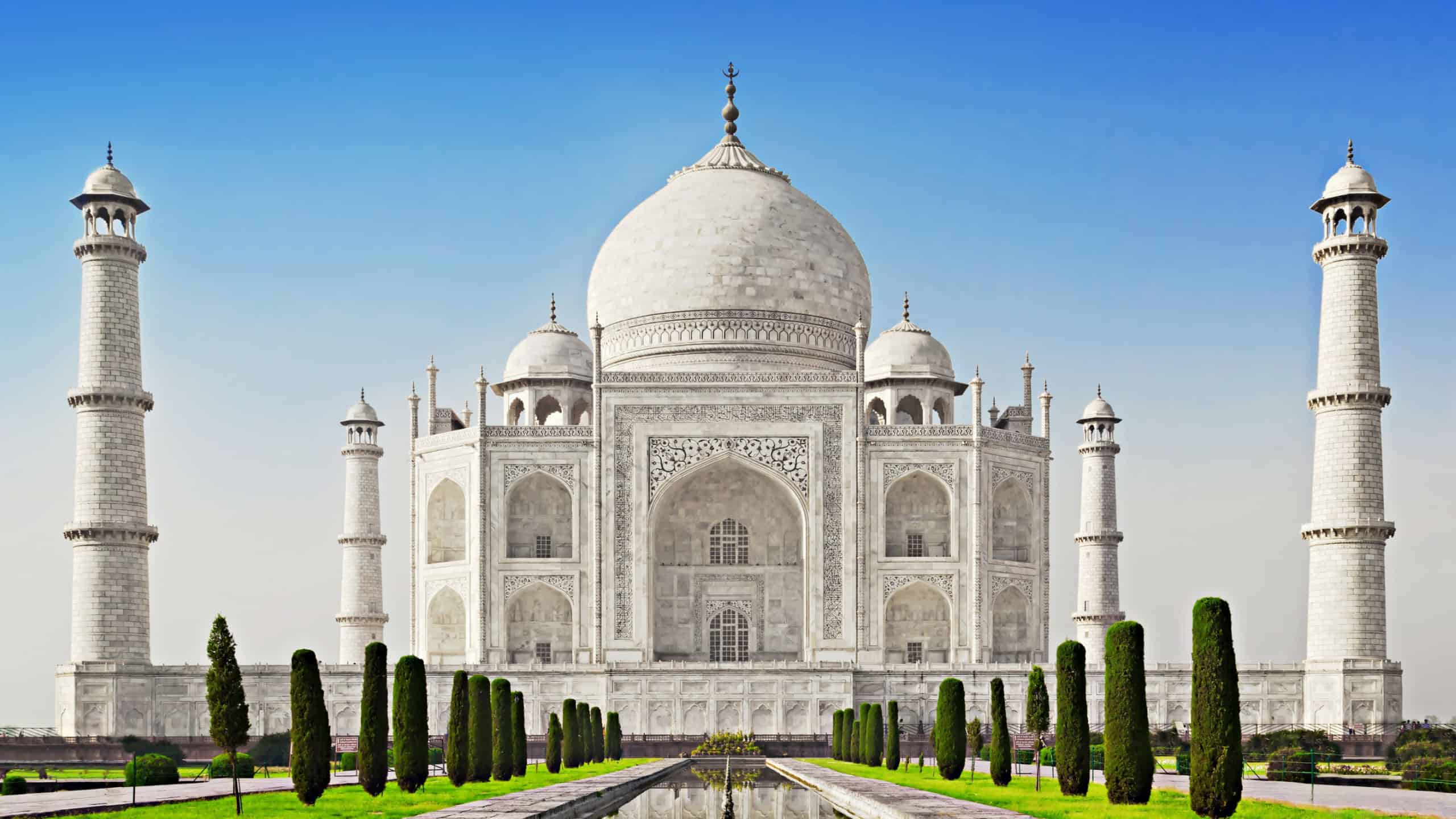
Prince Khurram (future Emperor Shah Jahan) and Arjumand Banu Begum (future Mumtaz Mahal, “Chosen One of the Palace”) were married when they were teenagers. This marriage was arranged to solidify alliances in the Mughal court.
Mumtaz was his chief political adviser and accompanied him on military expeditions. When she died giving birth to their 14th child, the heartbroken Emperor commissioned the Taj Mahal in her memory.
Charles I and Henrietta Maria
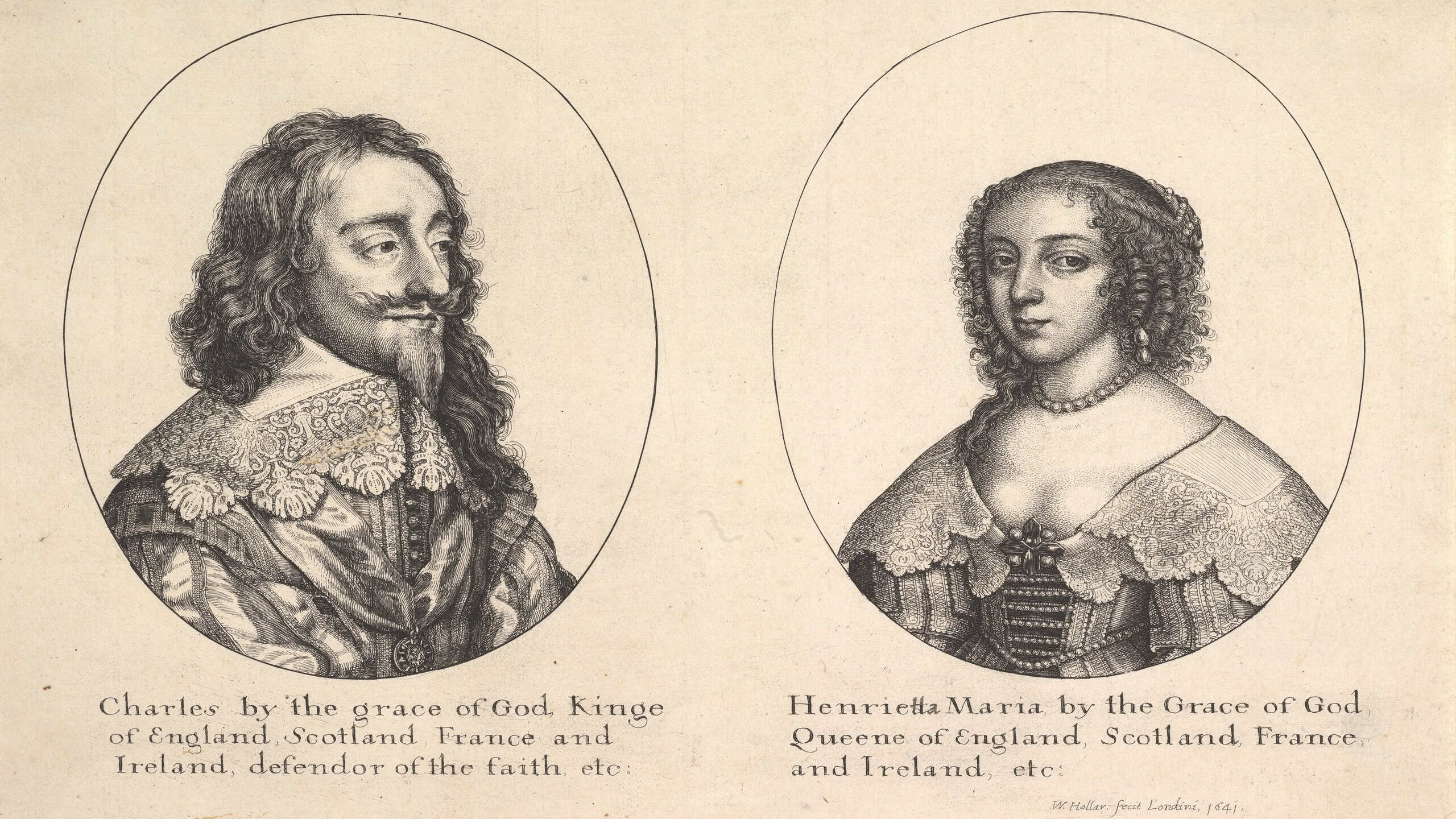
Charles I’s marriage to French princess Henrietta Maria was politically motivated to bring about an Anglo-French alliance. They had a rocky relationship early on due to religious and personal differences and conflicting courts.
But eventually Charles and Henrietta Maria grew extremely devoted to each other. Henrietta Maria even helped her husband in the English Civil War by fundraising and soliciting foreign support for his cause.
Edward I and Eleanor of Castile
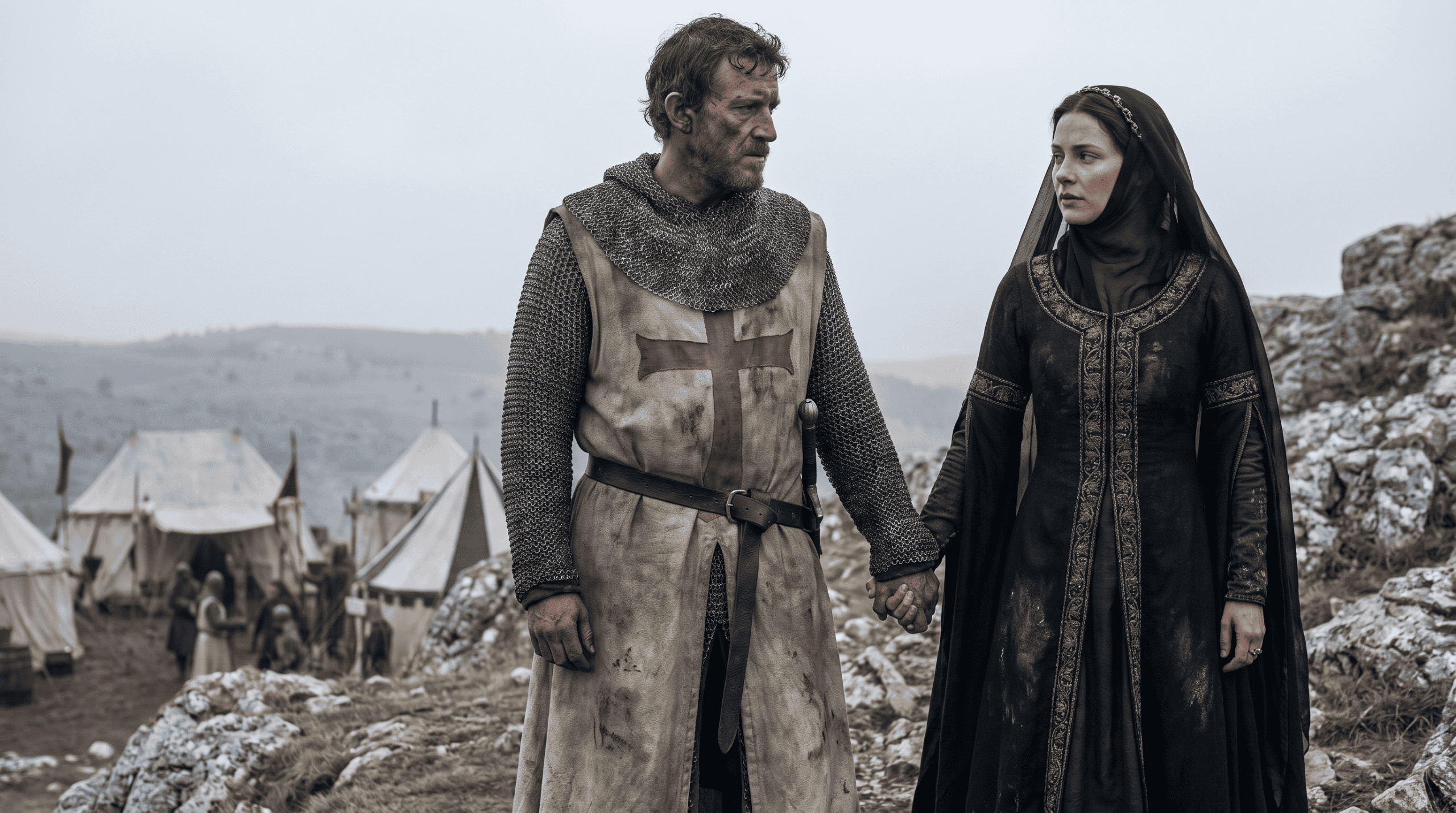
Contracted in 1254, when they were only children, to secure a peace treaty regarding lands claimed in France, the couple’s marriage would become one of British royalty’s great love stories. Eleanor was Edward’s companion on a crusade to the Holy Land and travelled with him wherever he went.
When she died in 1290, he commissioned twelve large stone crosses, known as the Eleanor Crosses, at every place where her funeral cortège paused on its way to London, from deep grief.
Louis XVI and Marie Antoinette
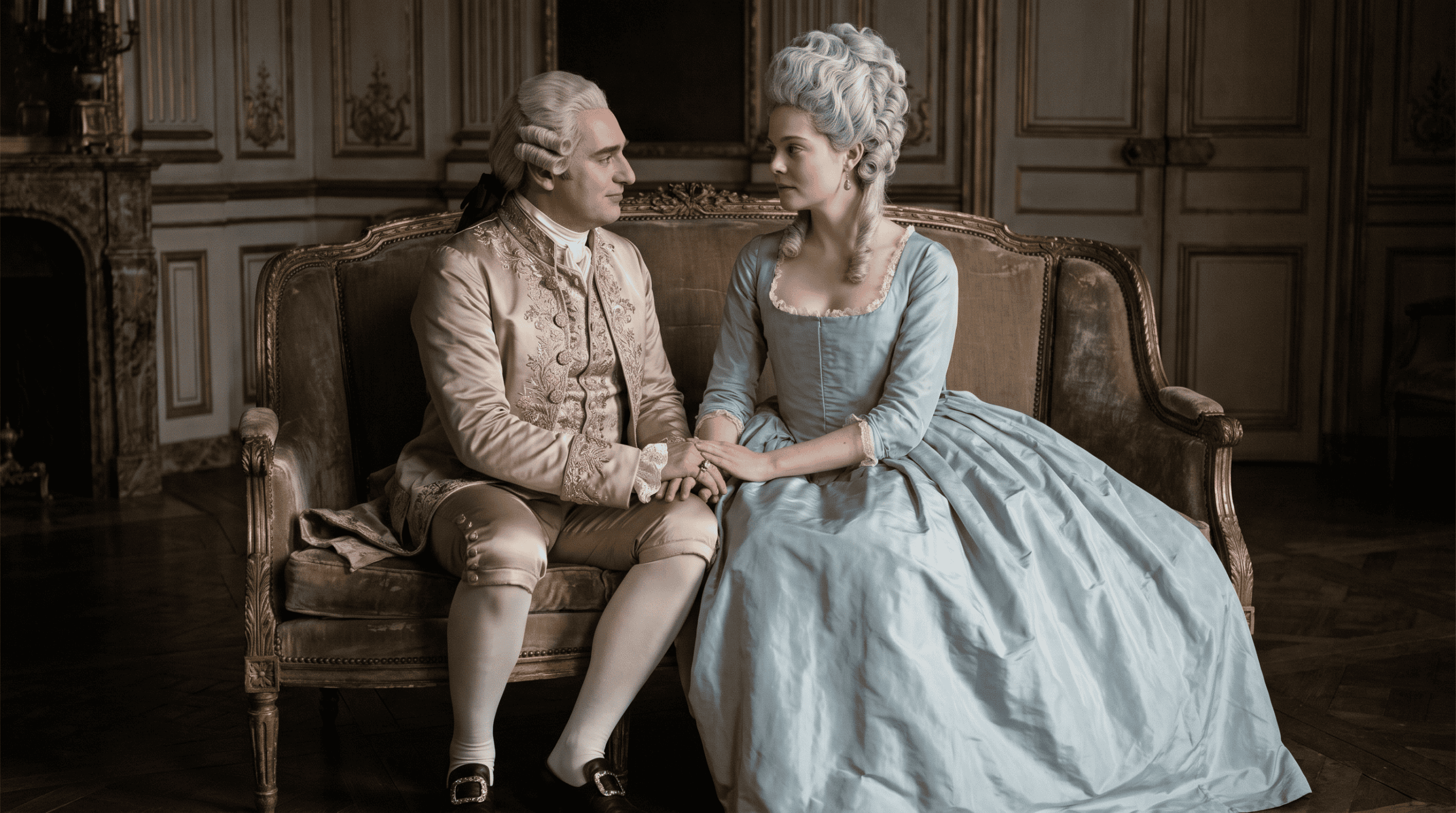
King Louis XVI married Marie Antoinette in 17̀0 as part of an alliance between France and Austria. Historians say that they were uncomfortable around one another early in their marriage, but grew to be sincerely attached to one another as years passed.
Louis XVI and Marie Antoinette had four children together. They leaned heavily on each other during the French Revolution, which robbed them of their power and privacy.
Henry VII and Elizabeth of York
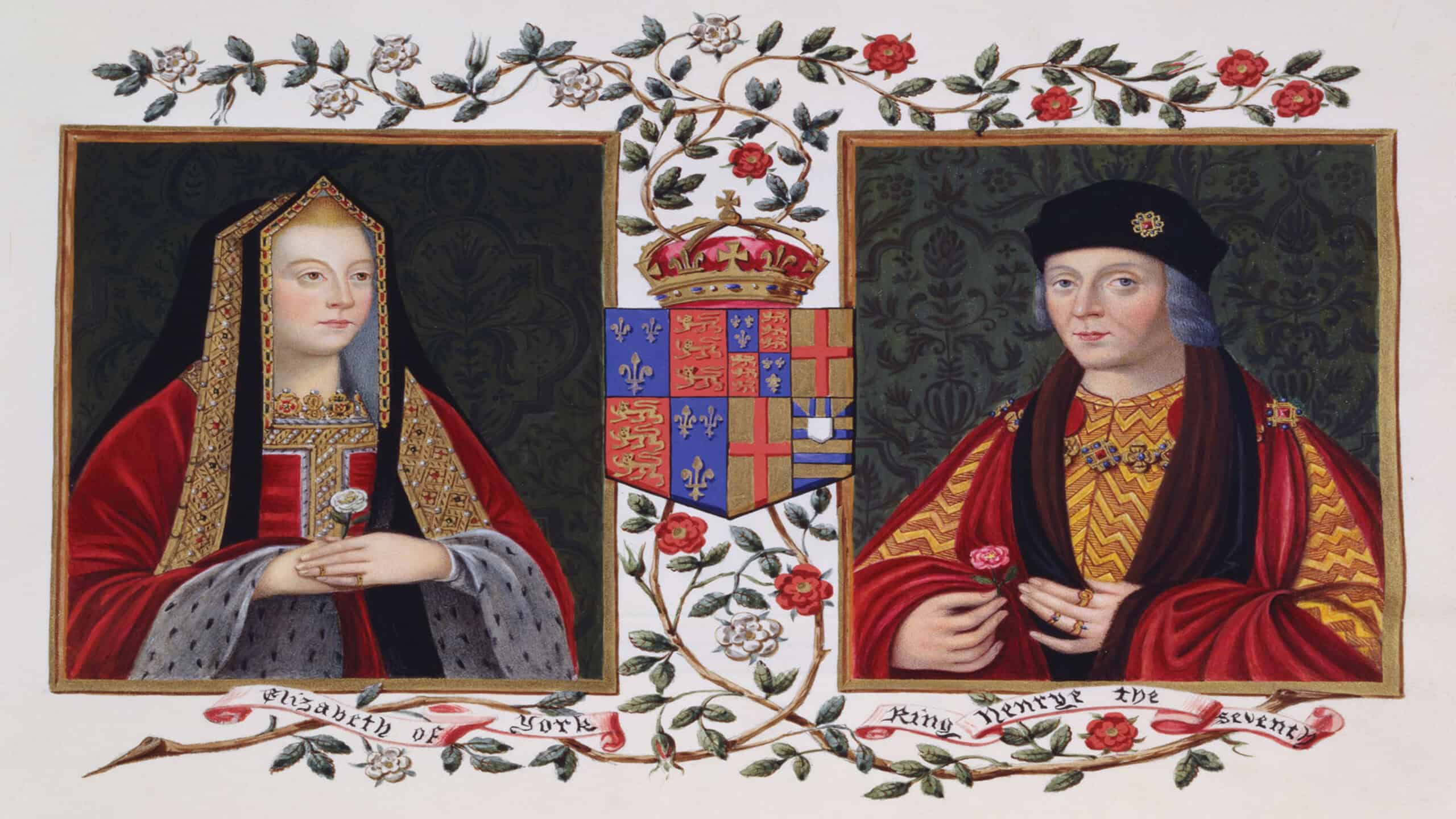
Henry VII married Elizabeth of York to reconcile the feuding houses of Lancaster and York after the Wars of the Roses. The marriage was to solidify his claim to the throne and bring peace to England.
Though their marriage was a political answer to the conflict, it is believed they did develop feelings for each other. After the death of their first son, Arthur, they shared in each other’s sorrow. Henry died two years after Elizabeth died while giving birth in 1503.
Akbar and Mariam-uz-Zamani
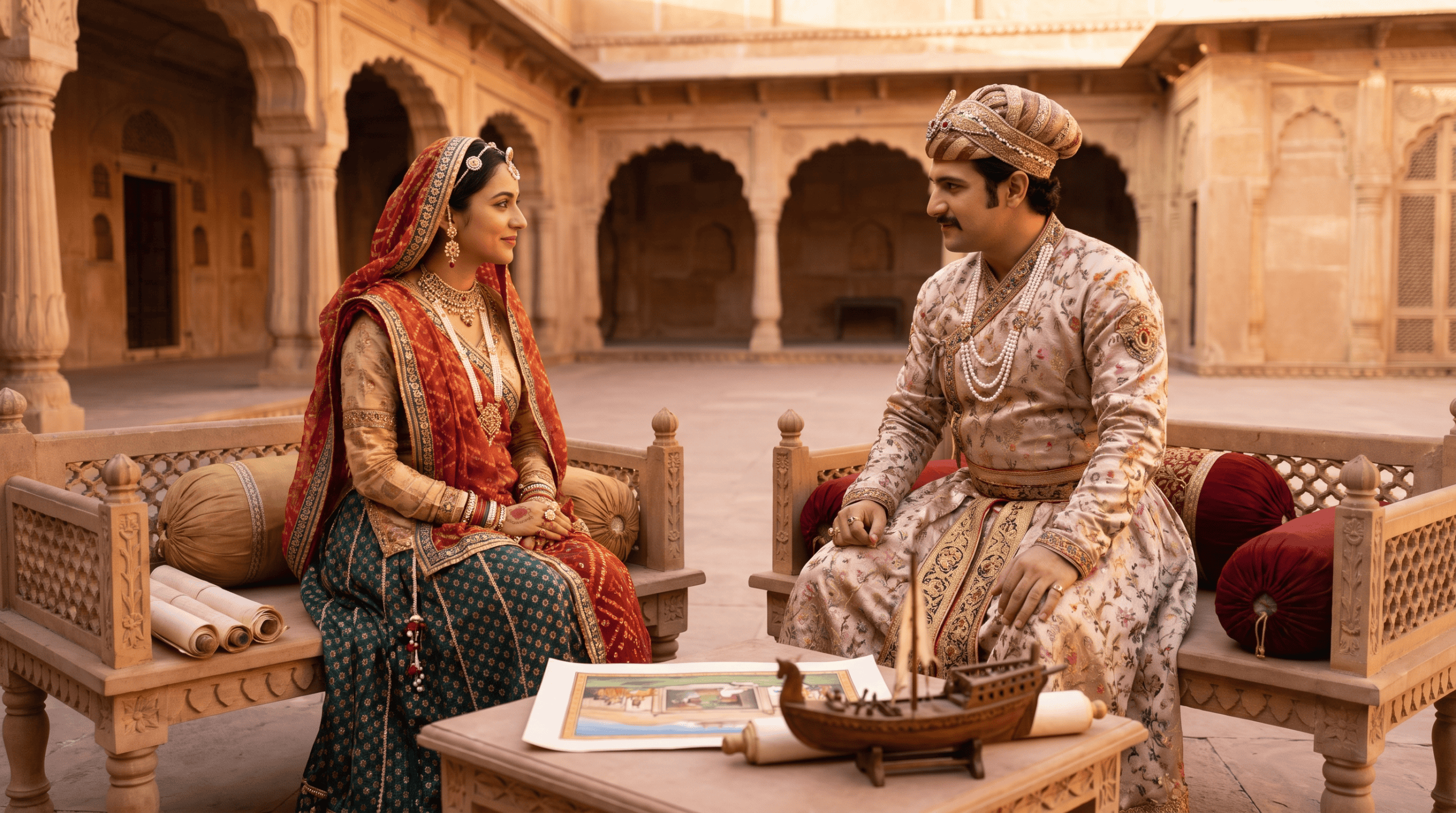
The marriage between Mughal Emperor Akbar and Rajput princess Mariam-uz-Zamani was arranged for political reasons to ensure a peace treaty between the two states. However, their marriage soon developed into a true love match and deep friendship based on religious tolerance.
Akbar respected his wife deeply and tolerated her Hindu faith in his court. She became a political advisor in her own right and ran a highly profitable global merchant shipping business.
Maria Theresa & Francis Stephen
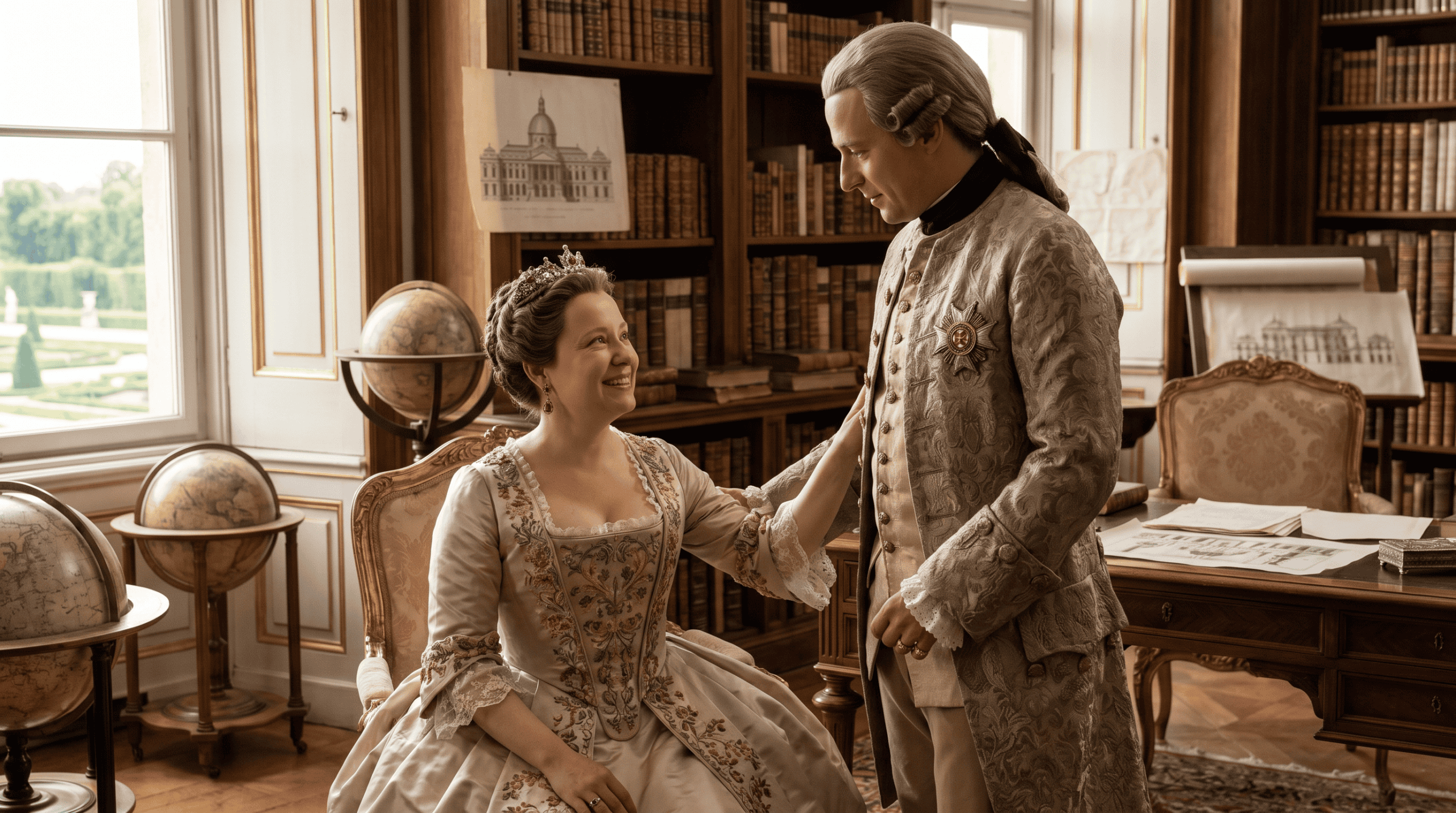
The marriage of the future Habsburg Empress Maria Theresa and Francis Stephen, Duke of Lorraine, was brokered as a way of maintaining the power balance within Europe. Francis and Maria had met when they were children, and Maria Theresa had been in love with him ever since.
The dynastic marriage became an incredibly happy one. Maria Theresa adored Francis despite her heavy responsibilities as absolute sovereign of the realm. The pair went on to produce 16 children in a highly affectionate royal family.
George III & Charlotte
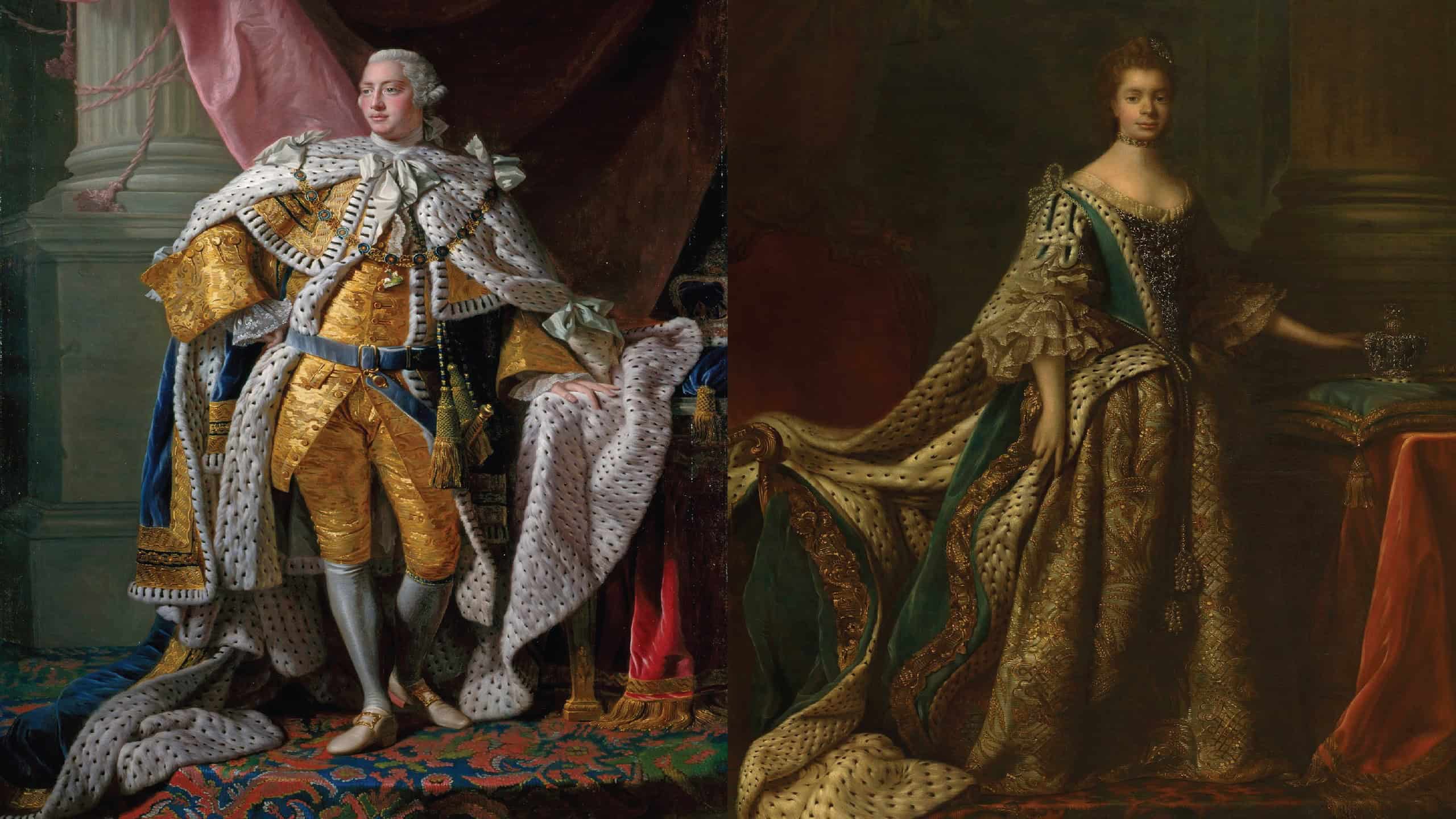
King George III first laid eyes on his bride Charlotte of Mecklenburg-Strelitz on their wedding day in 1761. George is said to have never kept a mistress, in stark contrast to many of the King’s forefathers, respecting and loving his wife.
He and Charlotte lived happy and serene lives with their hobbies of music, botany, and their children. Charlotte supported George when his mental illness took hold of him in his later years.
John of Gaunt and Blanche of Lancaster
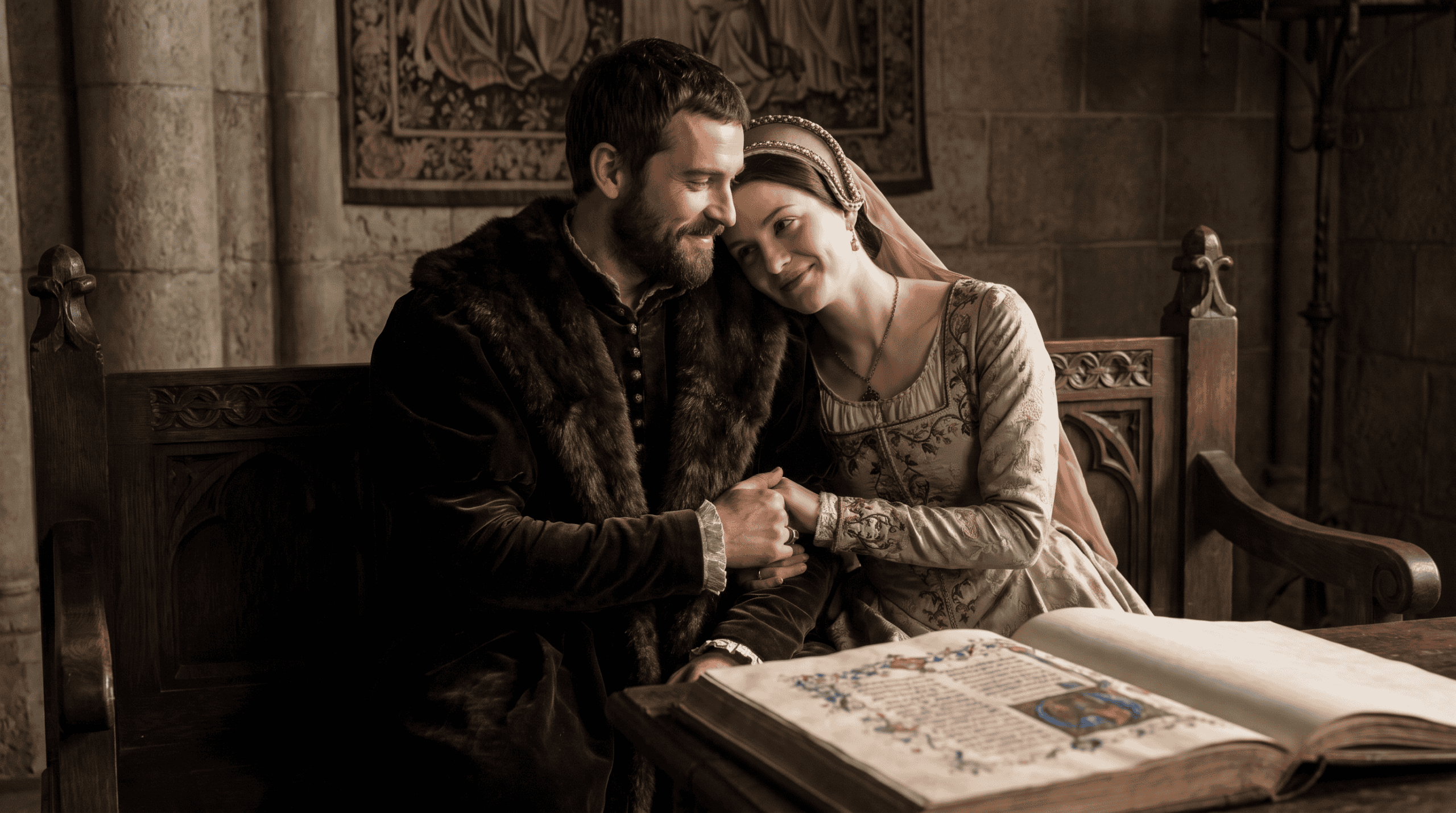
John of Gaunt’s marriage to Blanche of Lancaster had been brokered to strengthen two wealthy noble families further, and made Gaunt vastly wealthier and more powerful than he had been previously. However, they seem to have loved each other dearly despite the political beginnings of their relationship.
John and Blanche had several children together, and Blanche remained his favourite wife for the rest of his life. Upon her death in 13′68 he grieved for her loss, and some historians believe Geoffrey Chaucer’s poem The Book of the Duchess was written for the purpose of praising her memory and soothing the loss of the duke.
Lady Rachel & William Russell
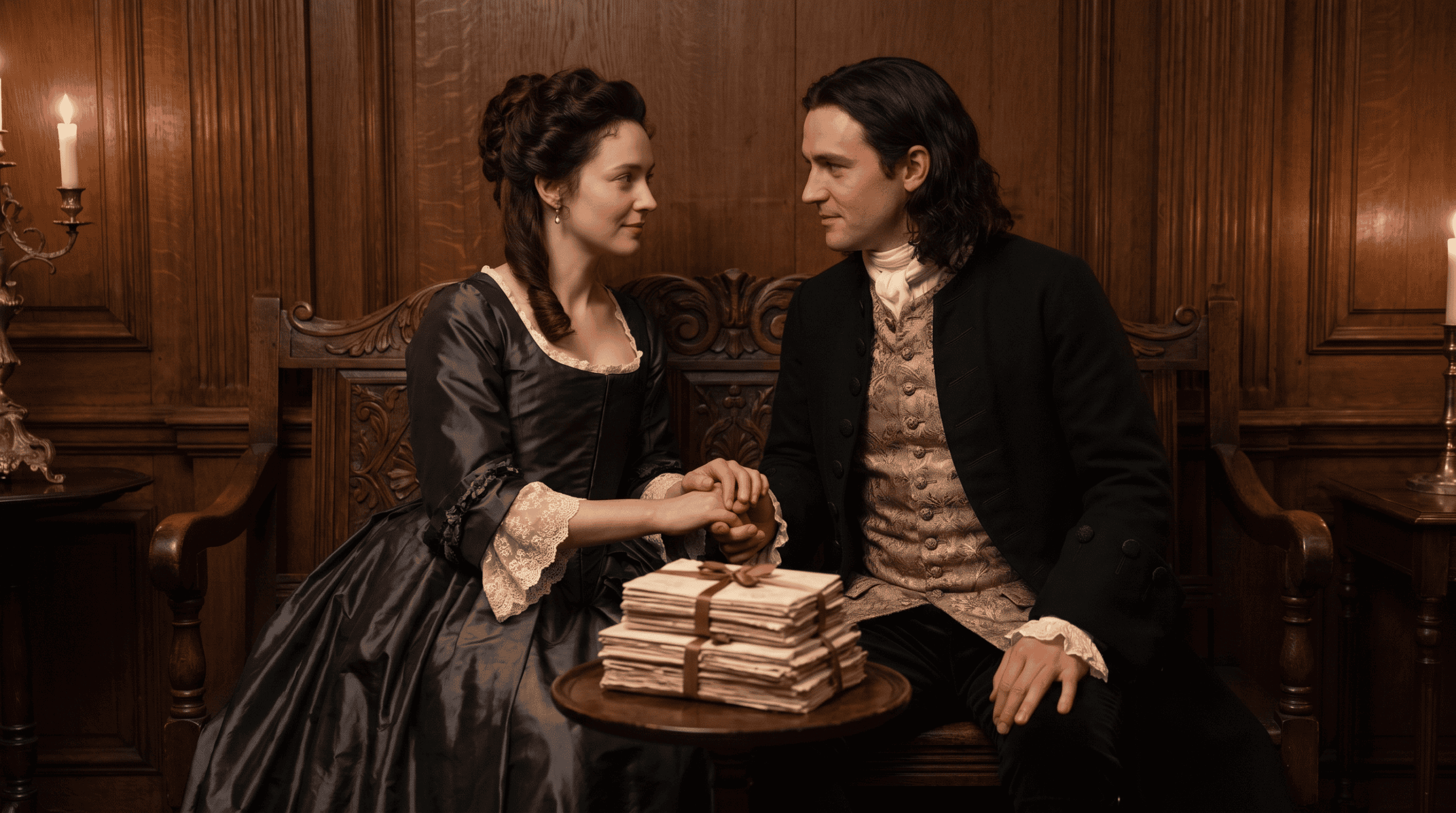
The union of wealthy widow Rachel Morrison and politician William Russell in seventeenth-century England was orchestrated by their families to help manage immense estates. Unexpectedly shocking London high society, the pair became privately and publicly deeply in love, sending heartfelt love letters when separated.
When William was falsely executed for treason in 1683 Rachel spent the remainder of her long life successfully restoring her husband’s good name.
Sources: Please see here for a complete listing of all sources that were consulted in the preparation of this article.
Like our content? Be sure to follow us.