Life in these countries means dealing with snow, ice, and freezing temperatures every year.
Canada
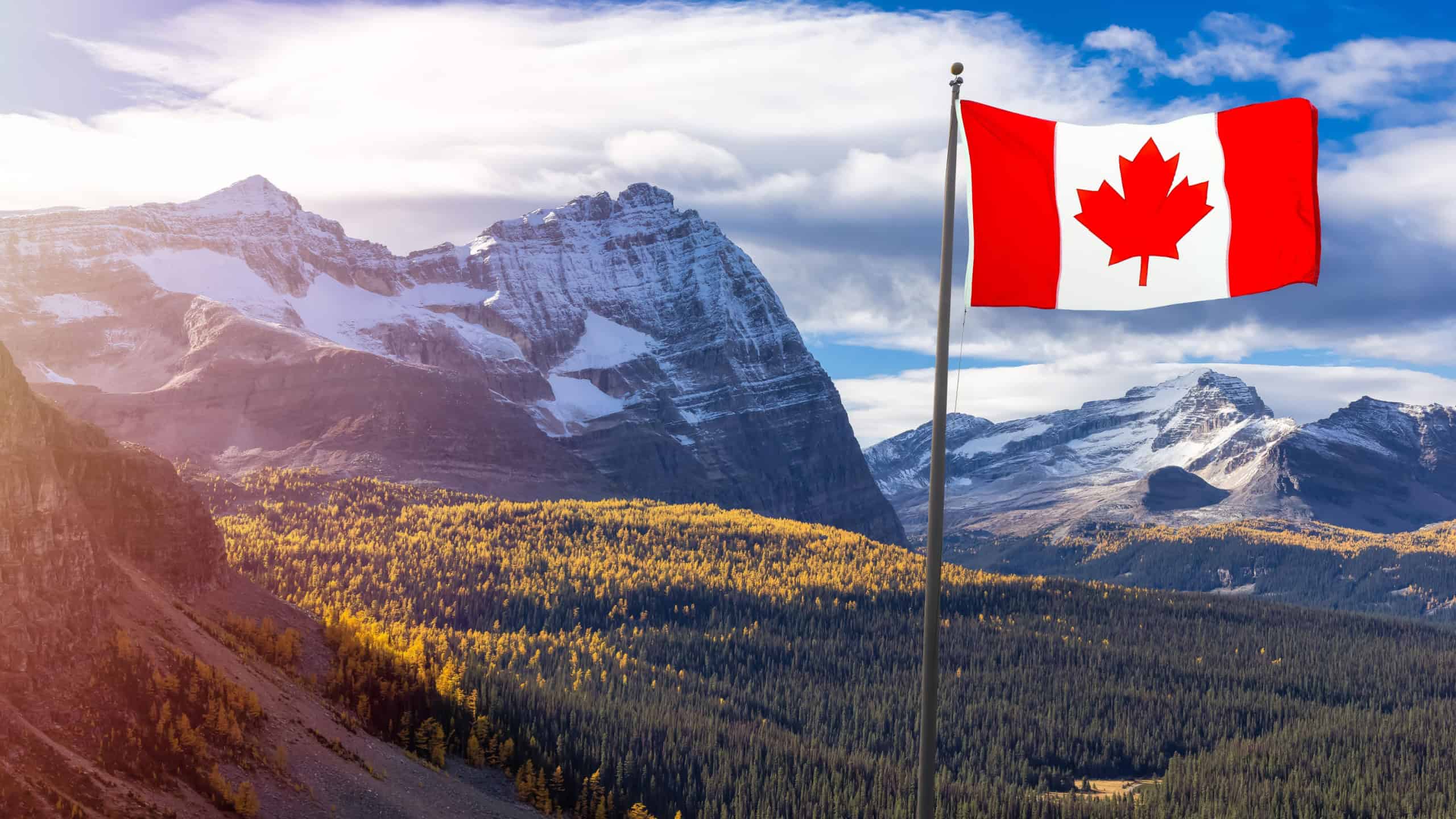
Canada’s average temperature of approximately −2.89 °C (26.8 °F) makes it the country with the lowest average annual temperature. Canada has pleasant summer weather in southern regions along the border with the United States, where nearly all of Canada’s population lives.
But much of Canada is far north of this and is tundra or forested boreal regions and the Arctic. Snow covers the ground for more than six months of the year in many northern areas of Canada.
Russia
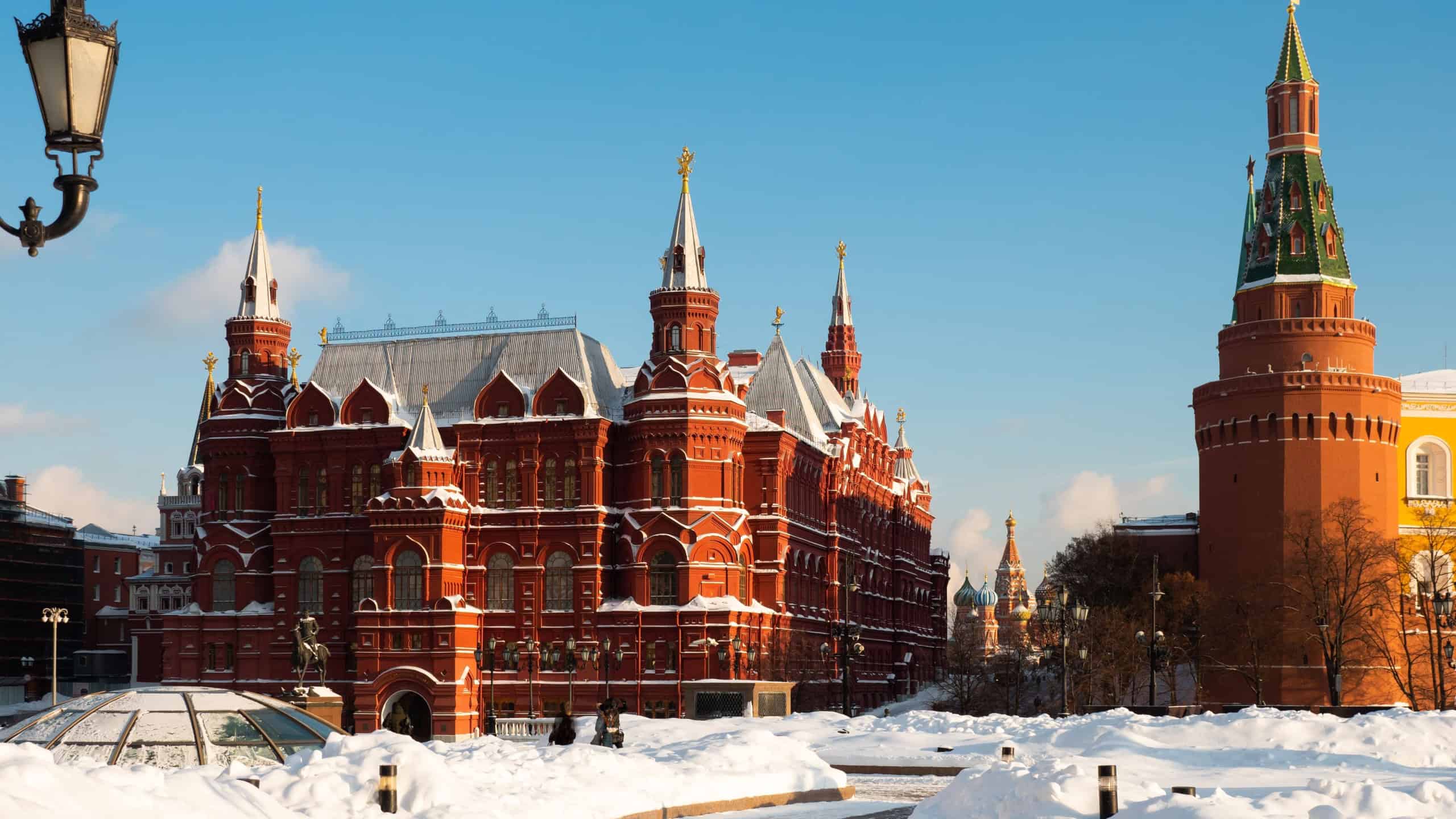
Russia has the second-lowest average annual temperature of any country at approximately −2.82 °C (26.9 °F). Covering most of northern Asia, Russia features Siberia, which contains some of the most frigid inhabited places, including Oymyakon. Its climate consists of cold continental weather, massive permafrost regions, and long dark winters.
Tajikistan
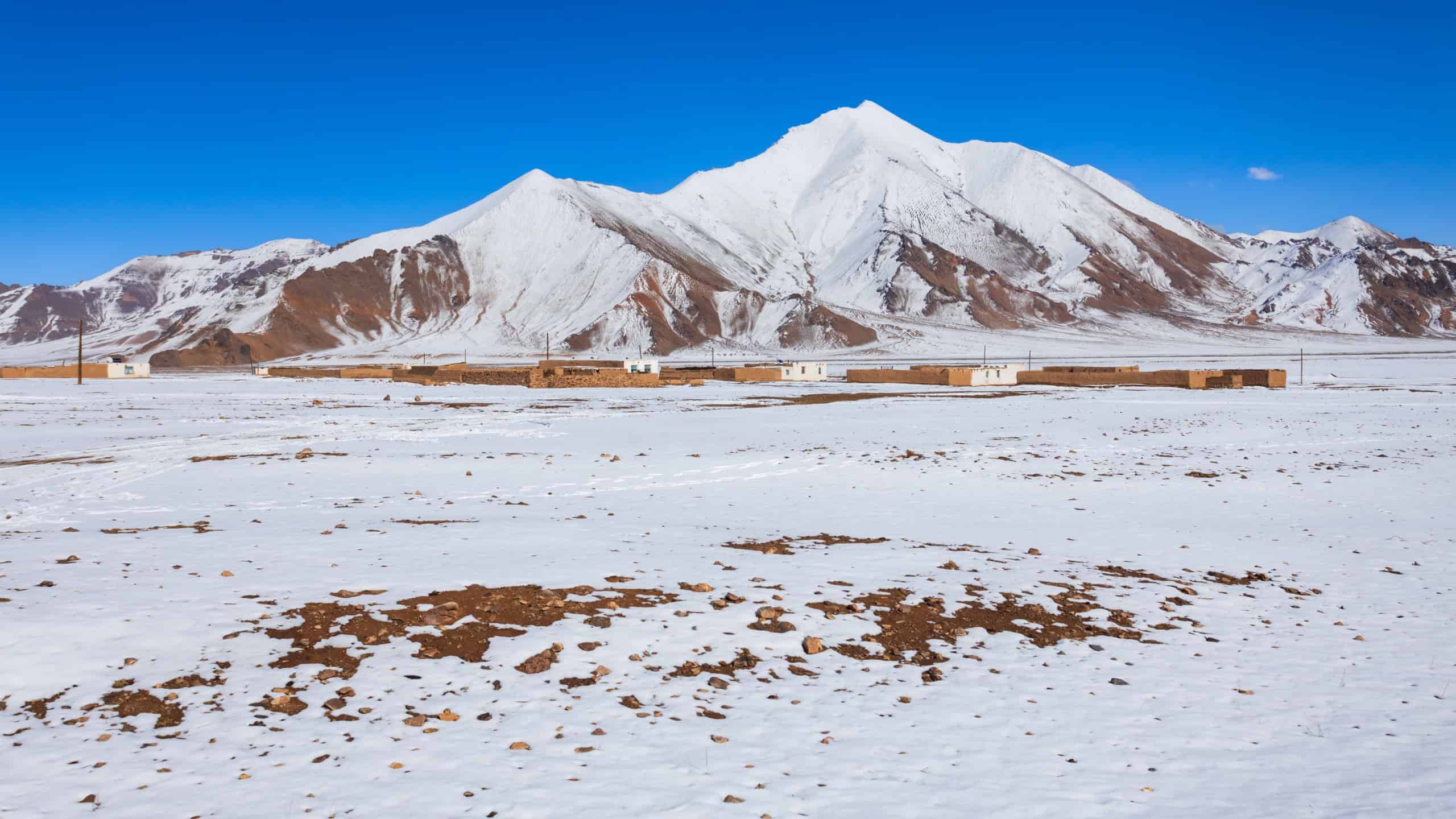
High altitude determines much of Tajikistan’s climate. Despite being on roughly the same latitude as Mediterranean Europe, Tajikistan’s mean temperature is around 1.10° Celsius (34° Fahrenheit). Three-quarters of Tajikistan is covered by the sharp snowy peaks of the Pamir Mountains, called the “Roof of the World”.
More than 90% of Tajikistan is mountainous, and much of the country lies thousands of meters above sea level. This means that even when lower elevations start to heat up, temperatures high in the Pamir Mountains remain cool, windy, and heavily frosted.
Kyrgyzstan
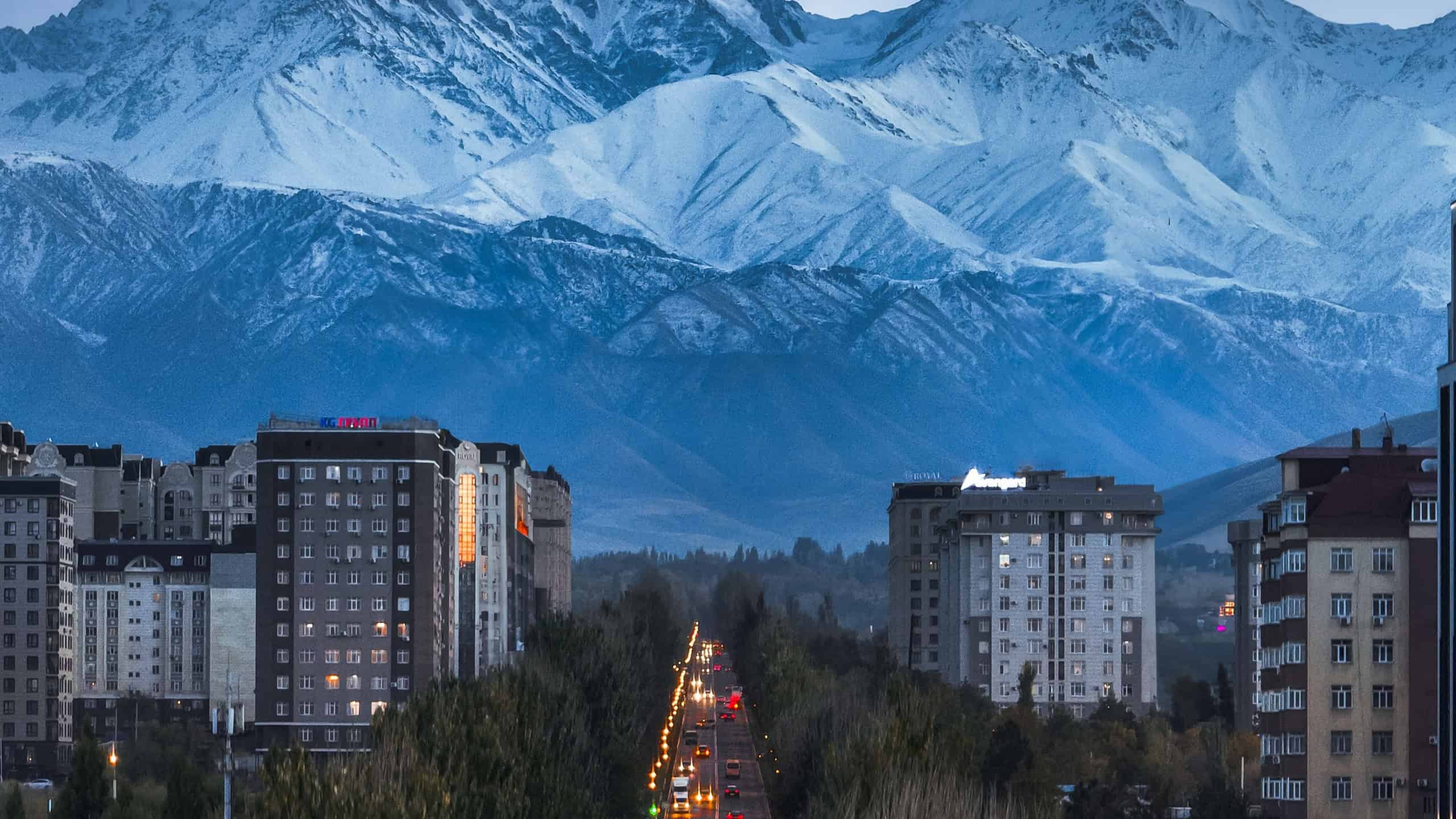
As with other countries in Central Asia, Kyrgyzstan averages just a chilly 1.54° Celsius (34.8° Fahrenheit) because of its mountainous terrain. Spread across the country is the Tian Shan mountain range, which creates a trough of Siberian cold air that gets trapped within its valleys.
With permanent glaciers, heavy snowfall, and icy runoff defining much of Kyrgyzstan’s climate year-round, summers remain brisk and windy at higher elevations.
Iceland
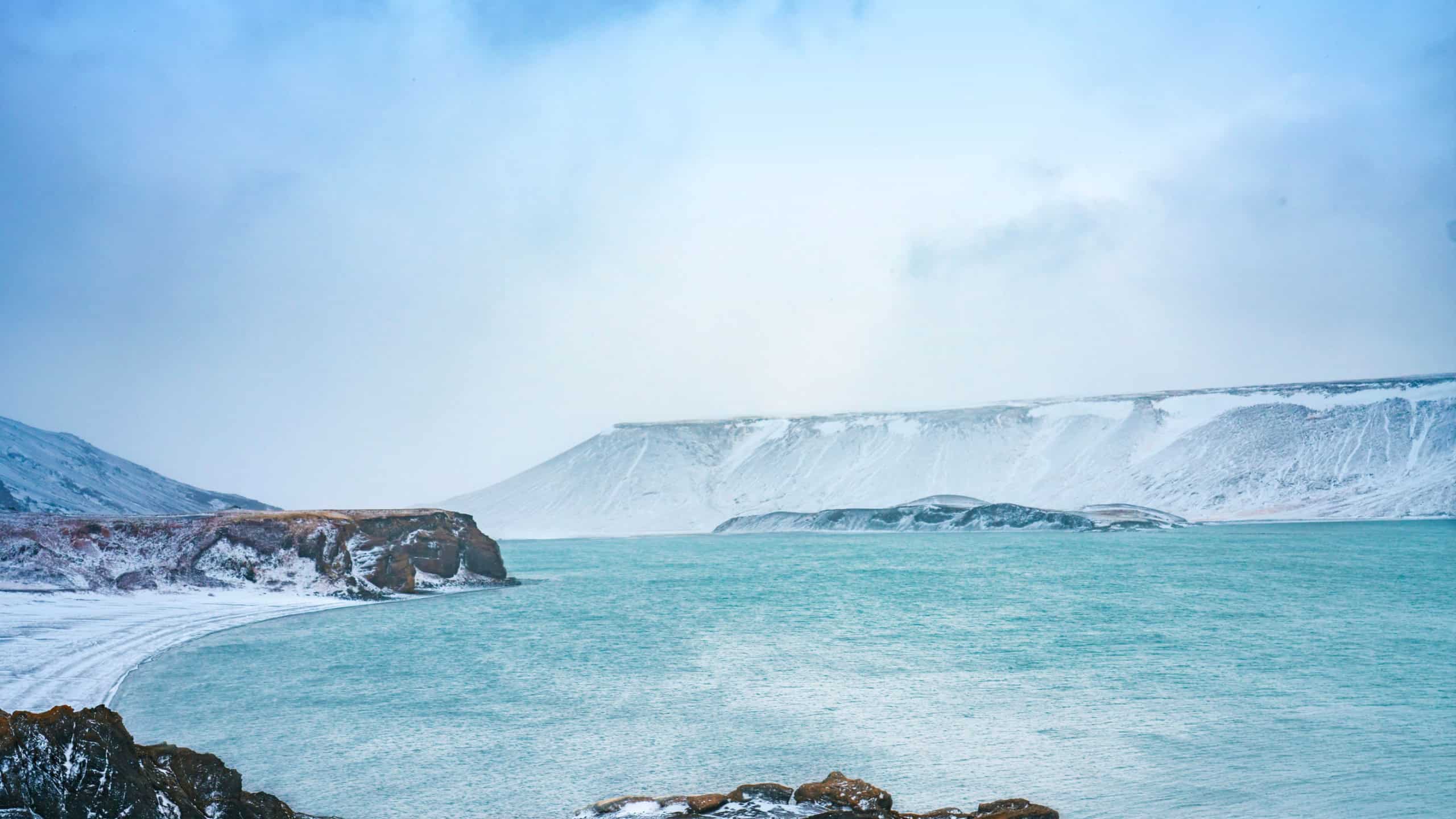
Located just below the Arctic Circle, its average temperature is just above freezing at 1.77° C (35.2° F). Warmer currents from the North Atlantic Gulf Stream spare Iceland some of the huge negative averages experienced in Siberia or Northern Canada, but Iceland’s chilly, unstable summers and its huge interior ice caps ensure the country remains cold.
Mongolia
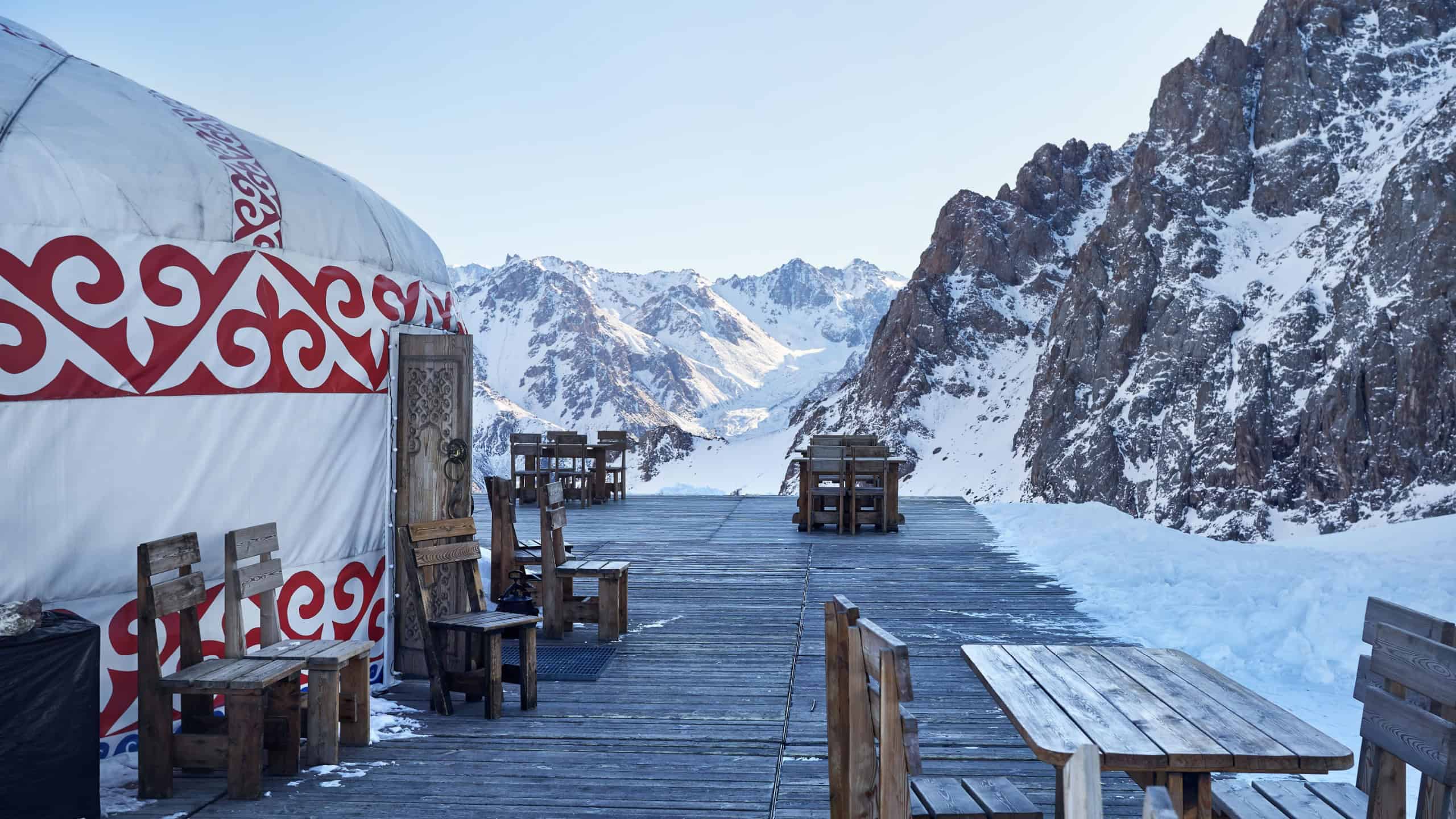
With an annual temperature of just 1.82°С (35.3°F), Mongolia’s continental climate is influenced by its severely landlocked position and high elevation.
With its exposed, high-altitude steppes and plateaus of the Gobi Desert, Mongolia lies squarely in the path of frigid Arctic air masses that sweep across the country unhindered, resulting in long and severe winters that characterize much of the country.
Norway
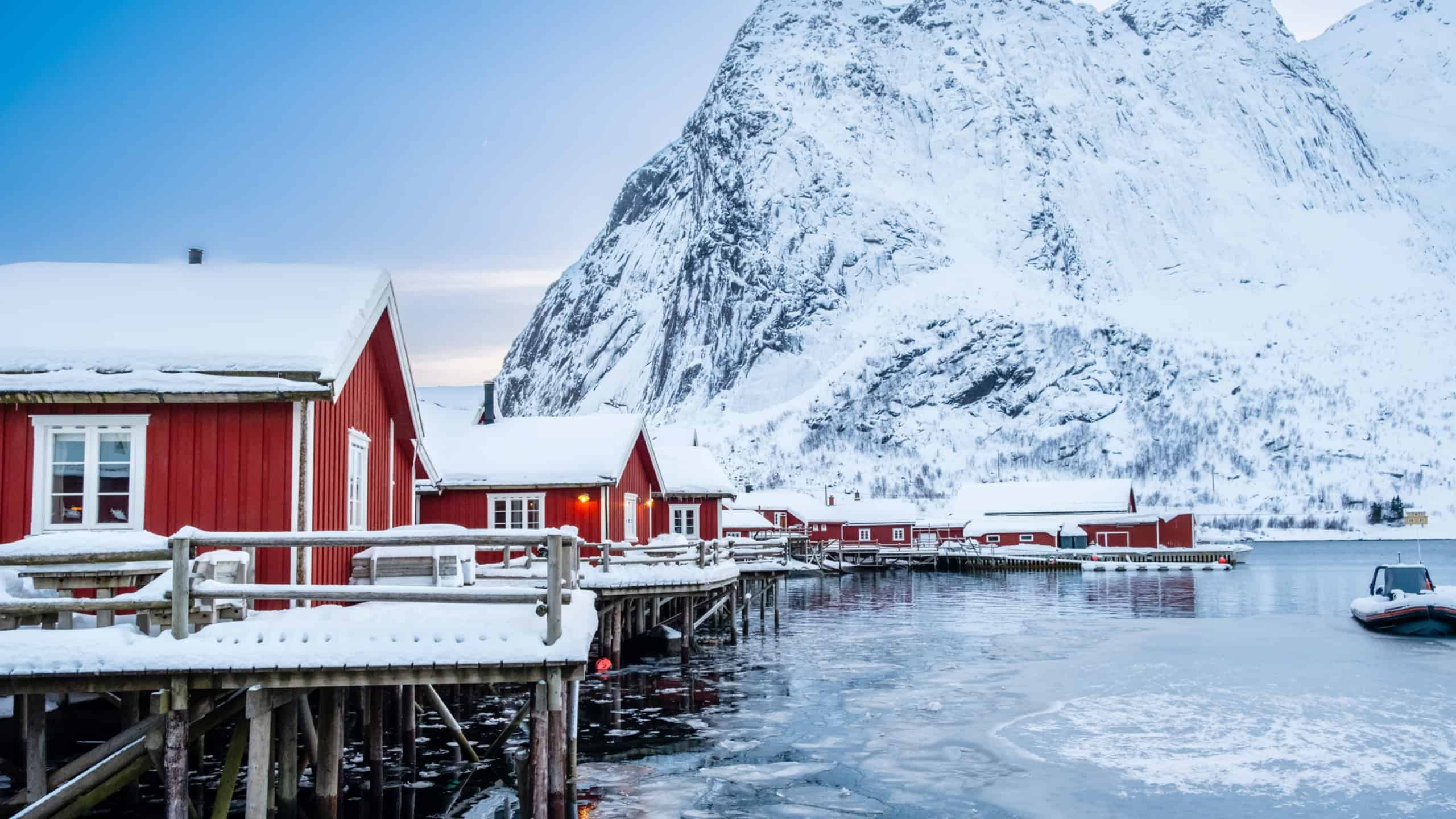
The northern stretch of Norway into the Arctic Circle drags the country’s average low to about 2.28° C (36.1° F). Norway’s coastal fjords are mild year-round, remaining ice-free thanks to the Gulf Stream.
However, as a result of its large areas of inland mountains and high plateaus combined with treeless north tundra of Lapland, winters are cold and snowy, with snow often well into spring.
Finland
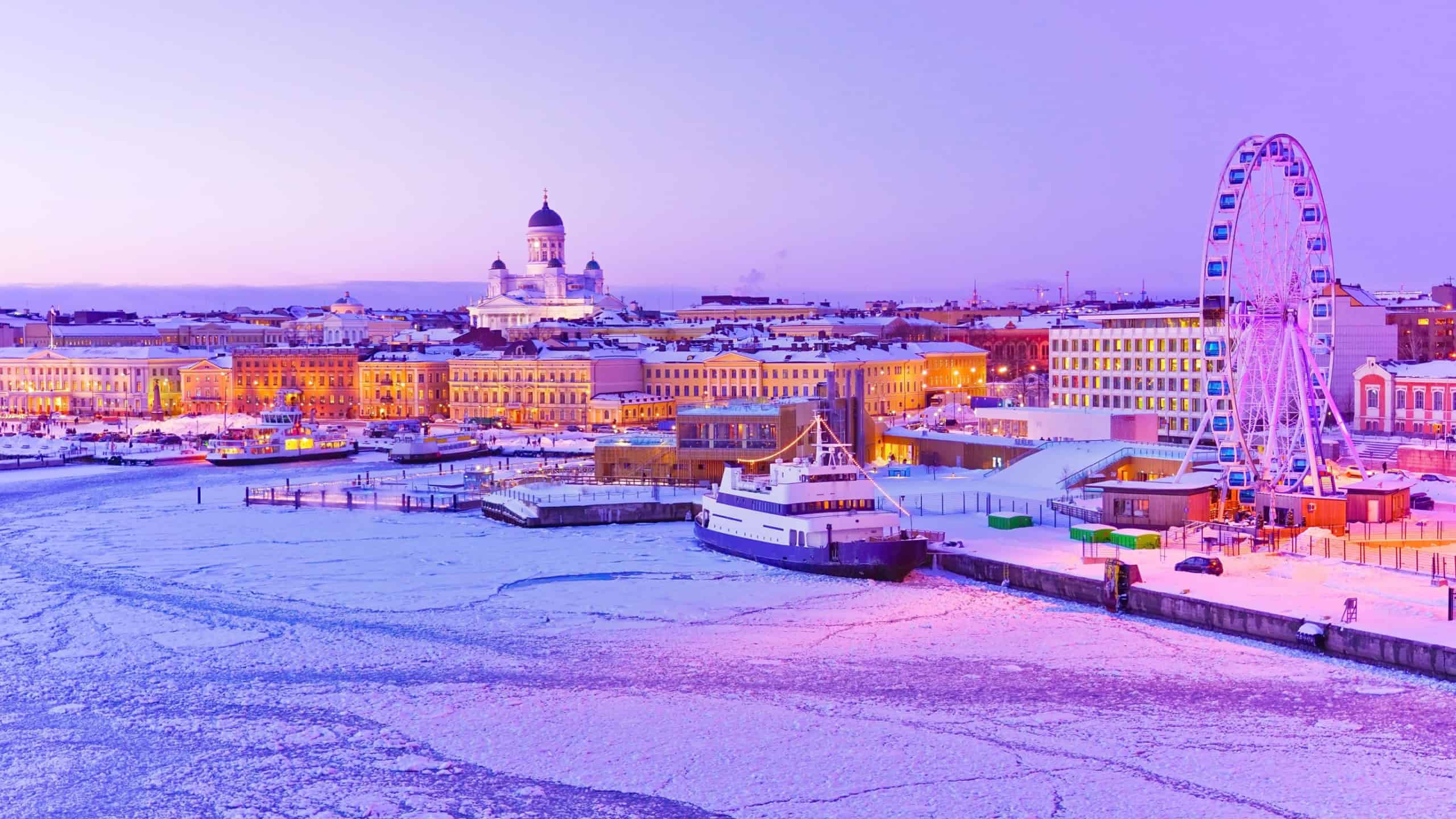
With an average temperature of 2.87° C (37.2 °F), Finland’s northernmost territory, Lapland, has months of polar night, very cold sub-zero temperatures, and plentiful snowfall. Thousands of inland lakes freeze solid, encasing Finland’s landscape in winter beauty for six or more months each year.
Sweden
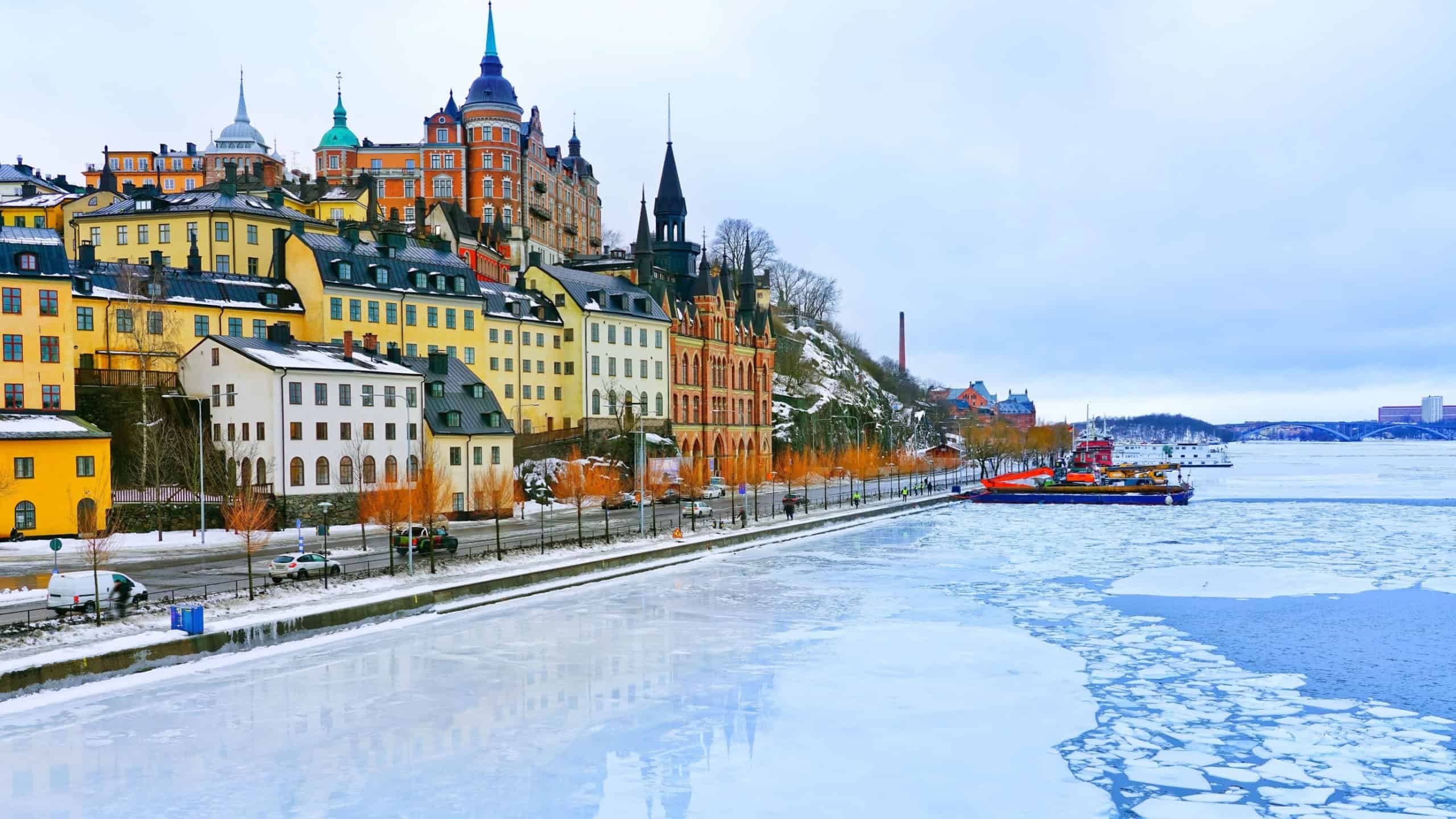
Sweden brings up the rear of the Scandinavian countries with an average temperature of 3.38°С (38.1°F). The southern half of the country enjoys a temperate climate due to the moderating influence of the Baltic Sea. This is where most Swedes reside.
The large expanses of mountainous wilderness to the north experience harsh subarctic conditions that lower the nation’s overall average. Winters here are characterized by heavy snowfall, ice-covered gulfs, and very short days.
Estonia
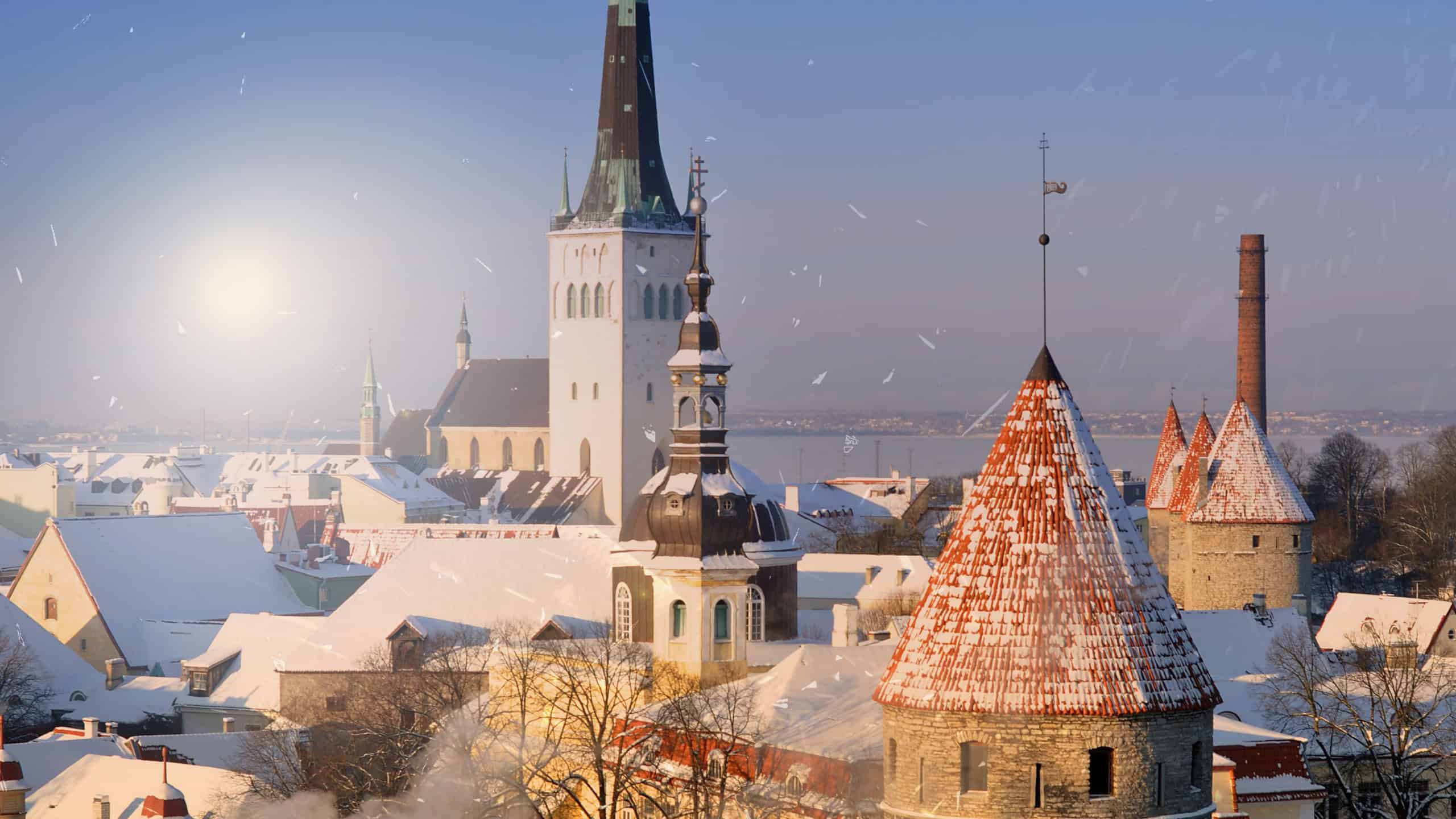
Estonia’s average annual temperature is just 6.94° C (44.5° F), a result of its location on the cold waters of the Baltic Sea. Estonia has cold, long winters and short, cool summers.
Prevailing winds are maritime, carrying copious moisture, which results in significant snowfall and heavy frost. Grey coastal skies gift the landscape with stunning yet icy vistas of medieval villages, primordial bogs and glaciated wetlands that stay snow-covered for extended periods.
Latvia
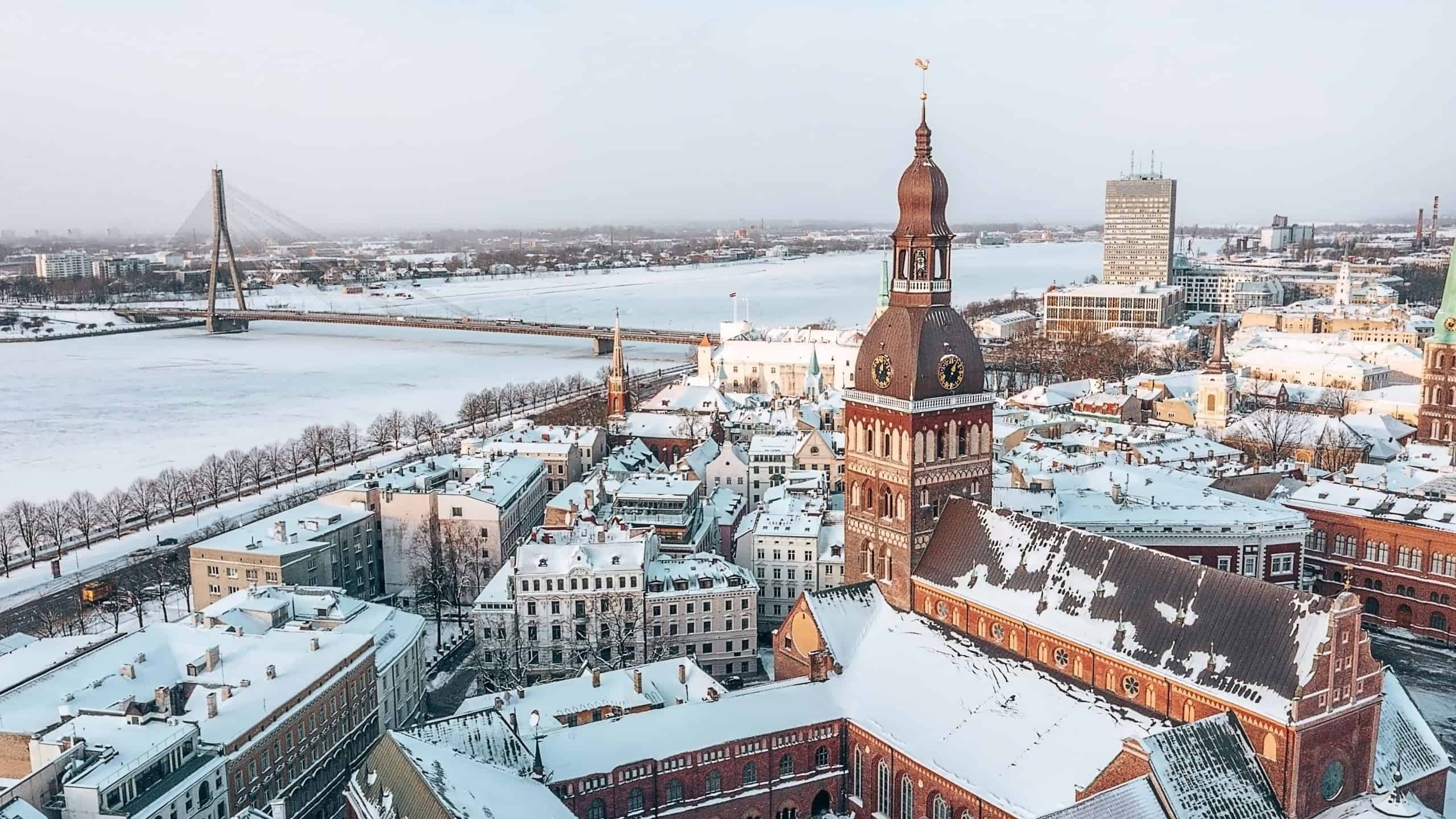
South of Estonia, Latvia has an average of 7.85°C (46.1°F). With the country straddling both maritime air from the Baltic Sea and continental air masses rolling in from Russia’s great plains to the east, Latvia experiences cold, snowy winters typical of the Baltic region with wet, cool shoulder seasons.
Switzerland
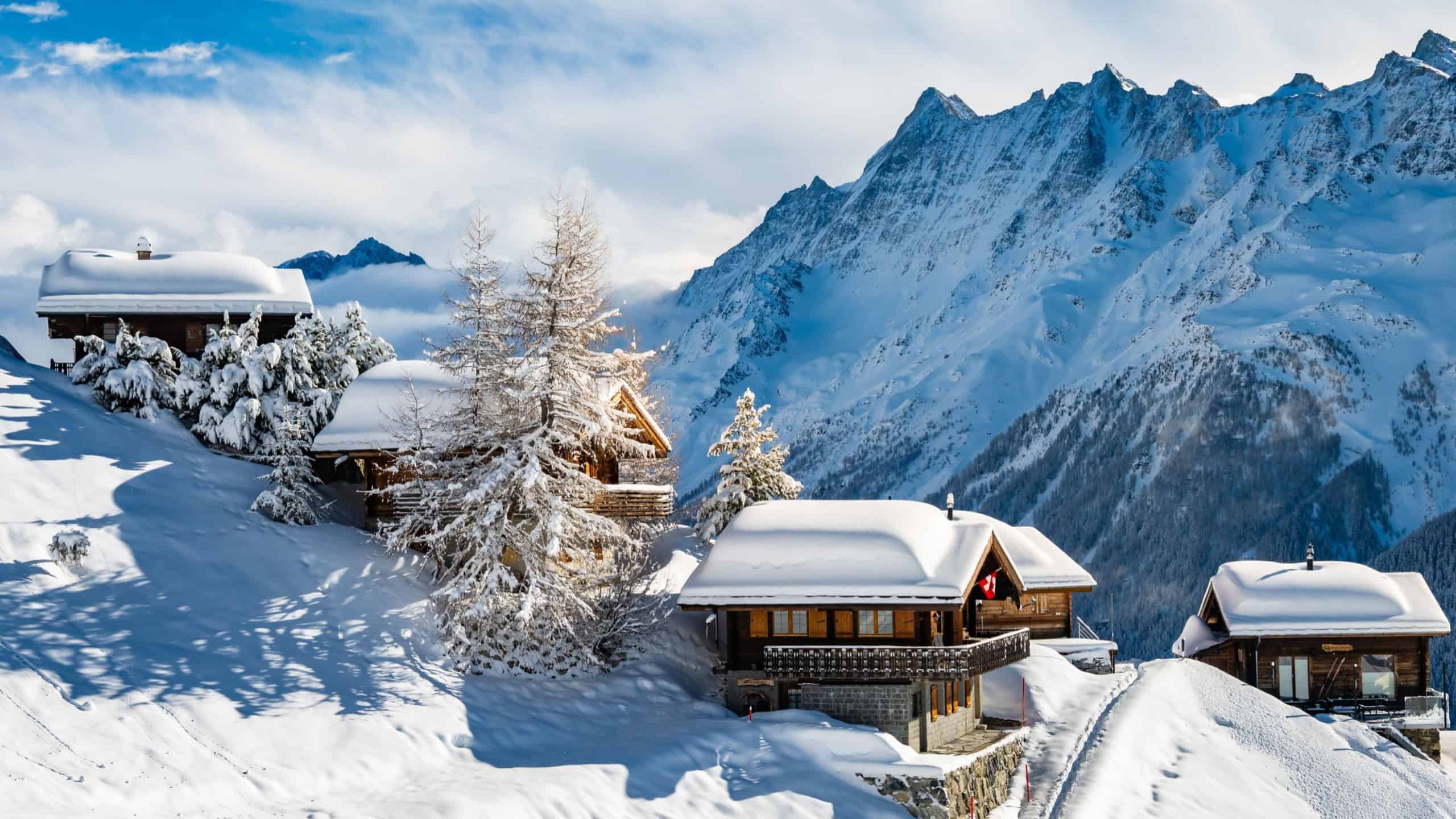
Due to its dramatic landscape, Switzerland has an average temperature of 7.97° C (46.3 °F). Snow-capped, high-elevation Alpine peaks and extensive glaciers, along with valleys and basins nestled in their shadows, create a colder climate; this offsets Switzerland’s relatively warmer, more populated lowland plains and lake-front cities.
The mountains make up approximately 60% of Switzerland’s land area, and year-round subfreezing temperatures there pull the national average down.
North Korea
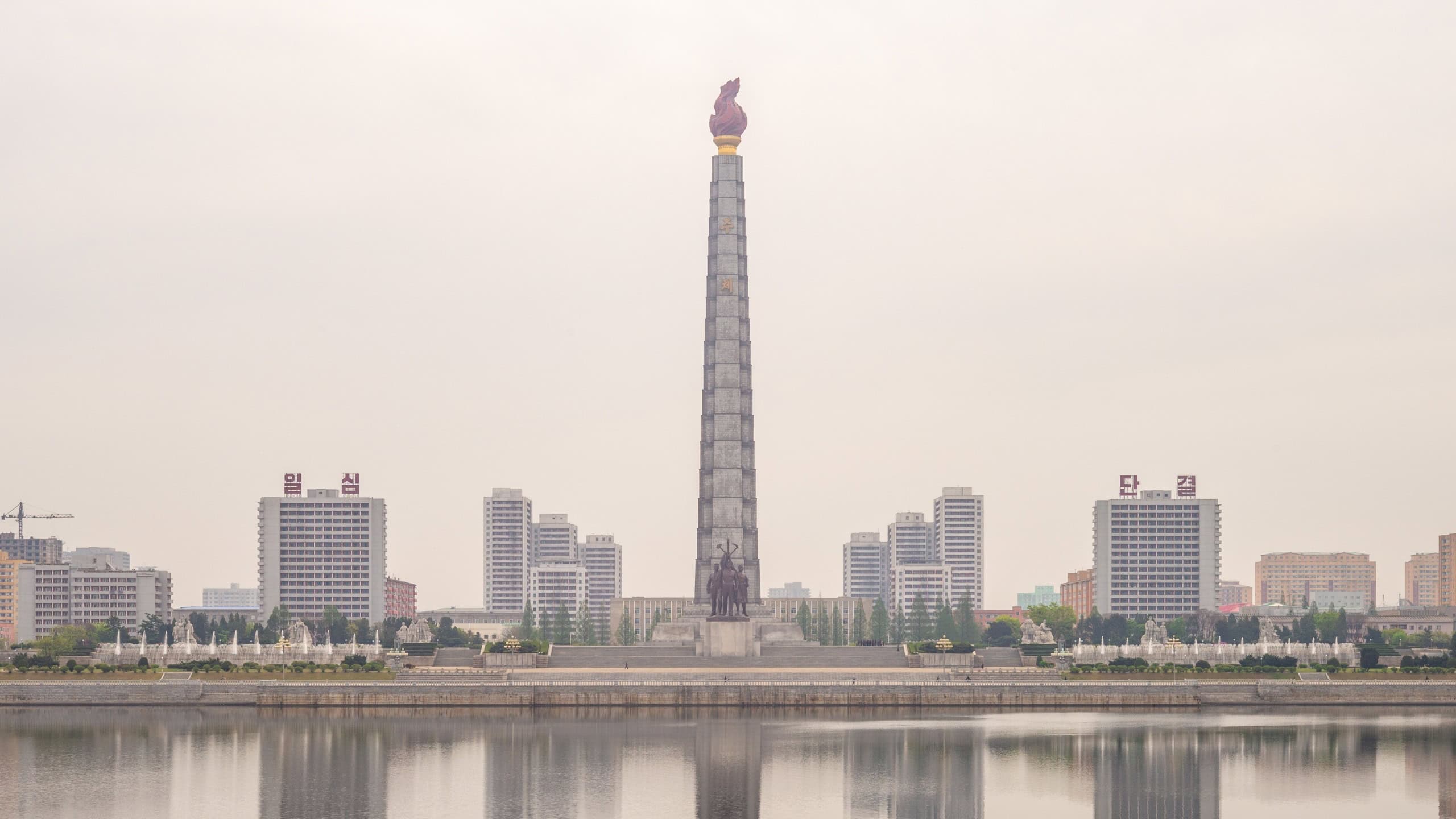
North Korea has a cold, somewhat harsh, and bitter climate despite its latitude, with about 8.10°C (46.6°F) on average. The Korean Peninsula is open to Siberia and northern China due to its lack of nearby seas that soften Japan’s climate.
Bitter winds coming off of Siberia contribute to North Korea’s winters that are extremely cold, snowy, and windy compared to its short, humid monsoon season during summers.
China
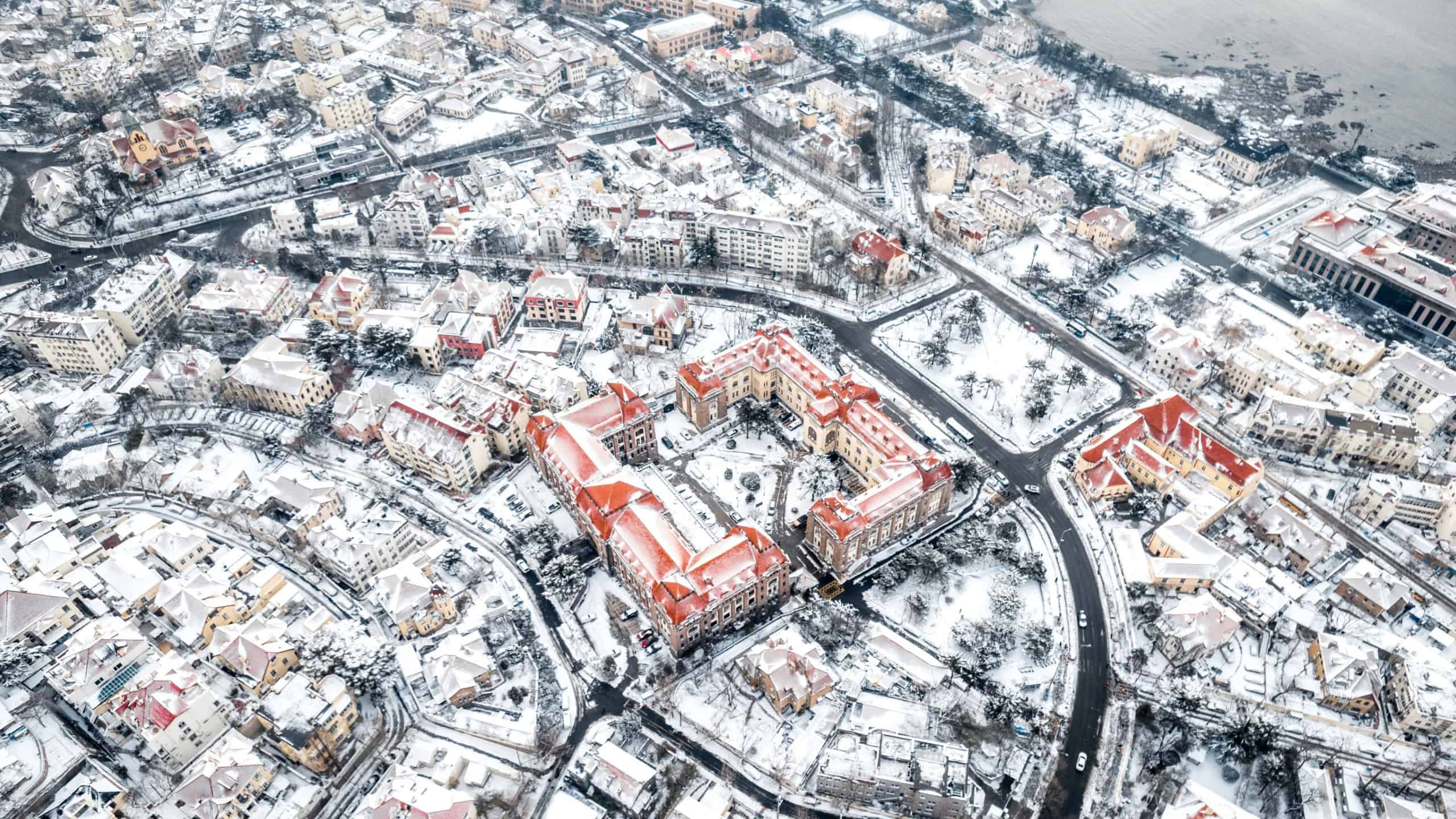
While China has tropical climates in its extreme southern areas, the large expanse of northern China, the high Tibetan Plateau, and chilly desert basins lower its average temperature to just 8.40°С (47.1°F).
Northern China, especially Heilongjiang Province, experiences months of harsh arctic cold and internationally renowned ice festivals. Cities like Harbin experience temperatures similar to Siberia.
Lithuania
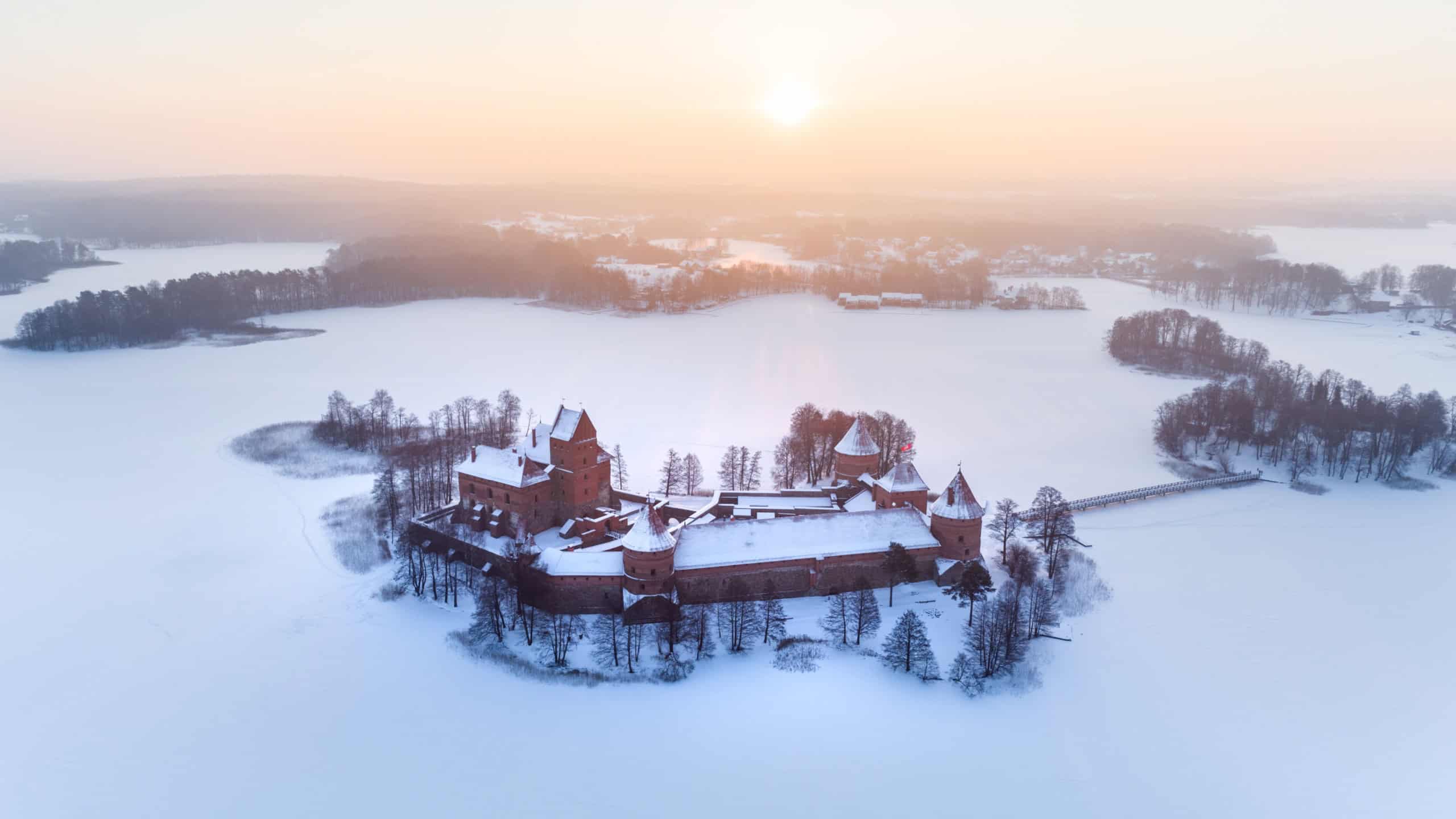
Lithuania, with an average temperature of roughly 8.62°C (47.5°F), features a moderate continental climate typical for Eastern Europe. Winters are snowy and cold. The country’s landscape of thick pine trees, gently rolling hills, and snow-covered valleys, as well as frozen lakes and rivers are blanketed with thick snow. Temperatures often dip below freezing during winter. Summers are short and moderately warm, followed by chilly, wet autumn.
Sources: Please see here for a complete listing of all sources that were consulted in the preparation of this article.
Like our content? Be sure to follow us.