
World Health rankings assess a combination of factors such as medical infrastructure, timeliness, low cost, and overall patient outcomes to see who’s leading when it comes to healthcare.
Taiwan

According to CEOWORLD magazine’s Health Care Index, Taiwan claims the top spot in international rankings (with an overall score of 78.72) due to its extremely efficient, single-payer National Health Insurance system.
Every citizen is already enrolled in a single digital system with ID smart cards that instantly access medical records with no paperwork delays. Citizens have access to the best care with low out-of-pocket expenses and quick access to specialists.
South Korea

South Korea operates one of the most high-tech and easily accessible healthcare systems in the world. From high survival rates of the leading chronic diseases to an abundance of hospitals with cutting-edge technology, Korea accomplishes some of the best rates in leading healthcare metrics (77.7 score in CEOWORLD magazine Health Care Index).
Its universal system is so effective and efficient that many patients travel to Korea for medically complex surgeries and specialty care.
Australia

Australia runs a mixed public-private system known widely as Medicare. The system is renowned for its overall patient equity and quality of care.
The government ensures necessary treatments are available to all citizens at minimal cost by subsidizing healthcare with tax money and keeping the cost of private care affordable. Australia has one of the highest life expectancies globally, showing the system’s effectiveness in prevention and dire health matters.
Canada
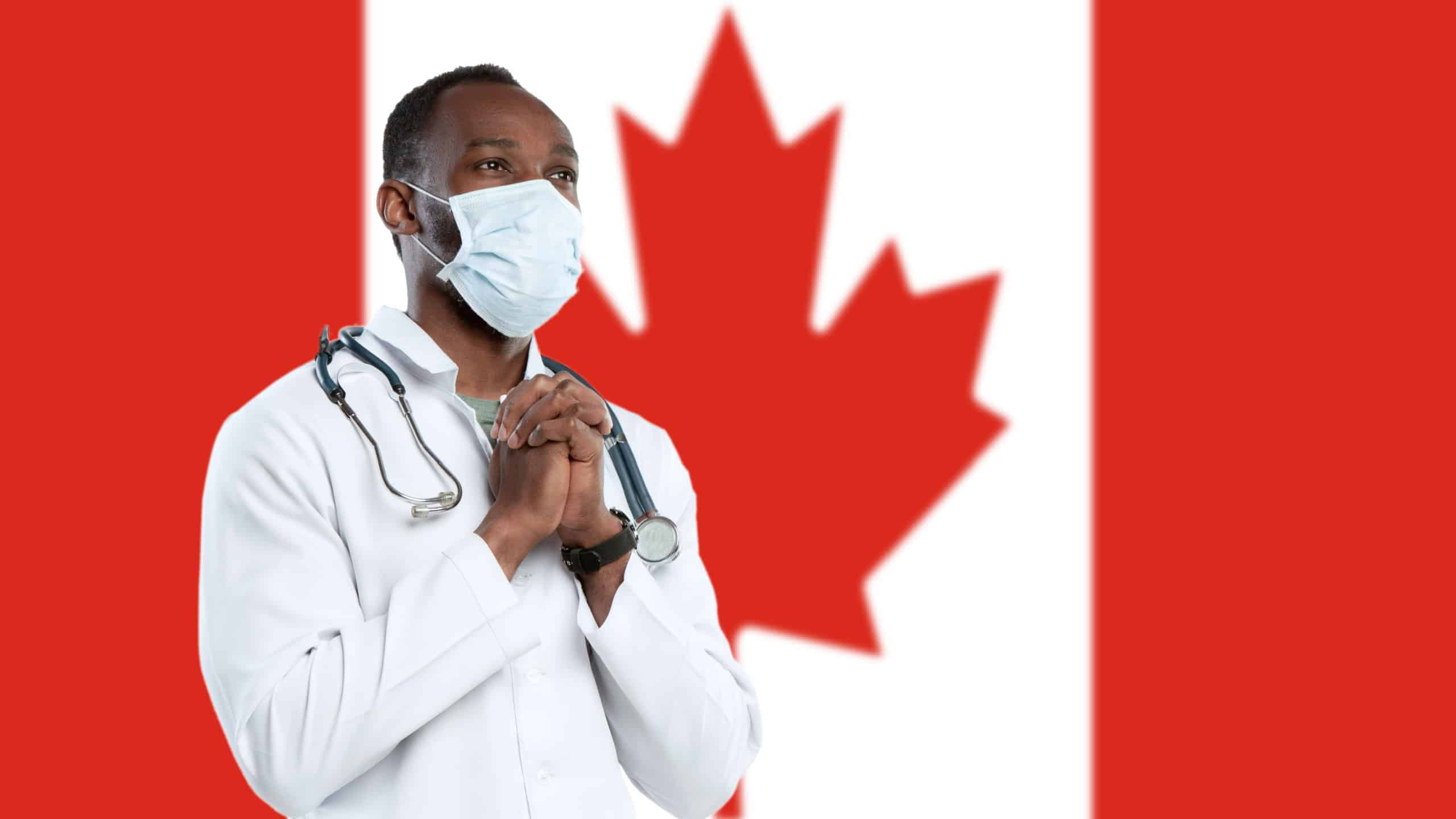
Canada has universal, publicly funded healthcare, meaning doctors and hospitals treat you according to need instead of ability to pay. Canada spends large sums of money on medical services, which translates to skilled nurses and world-class research hospitals.
However, there can be long wait times for elective procedures. Overall, Canada offers great preventative medicine and lifesaving treatments.
Sweden

Sweden has decentralized, region-based medicine, which allows everyone to have access to premier care. No matter where you live in Sweden, you will be close to a medical facility. There are capped out-of-pocket costs for patients, which cover doctor visits and medications.
So, for all intents and purposes, Swedish medicine is free at the point of care. Because of their focus on mental health and early childhood intervention, they have one of the healthiest senior citizen communities.
Ireland

Ireland has quickly skyrocketed up the charts due to their vast investments in public hospital infrastructure and accessibility to medicines.
The country connects universal primary care with innovative trauma centers to ensure optimal time of recovery for patients. Ireland scores incredibly high in terms of patient satisfaction. Recent legislation has prioritized keeping medical costs low for families.
Netherlands

Under the Dutch system, everyone is required to have private insurance with stringent government regulations to guard against consumer abuse.
Private health insurers cannot increase premiums or deny coverage to patients due to age or past medical history. This pressures clinics to provide top-notch care while keeping expenses stable.
Germany

Germany has the world’s first universal social health insurance system, and it’s still one of the most prolific when it comes to medical availability. They have some of the highest concentrations of hospital beds and cutting-edge medical scanners per person.
Patients virtually never experience wait times to receive diagnostic testing. They also have the option to fluidly move between public and private care while guaranteeing baseline care for all.
Norway

Norway leverages its high tax revenue and the public’s trust in government to provide its citizens with a heavily subsidized, state-of-the-art medical system.
Each Norwegian is issued a personal family practitioner who addresses general needs and will swiftly refer them to one of Norway’s regional specialist hospitals if needed. Norwegian patients cannot be overcharged past an annual limit.
Israel

Ranked 10th internationally in CEOWORLD magazine’s Health Care Index, Israel scores 61.73, thanks to its advanced universal private-public system.
Israel’s competitive mandatory non-profit health funds provide coverage for all citizens. As a leader in medical technology and digital health, Israel achieves high life expectancy and patient outcomes by emphasizing nationwide early preventative care and efficient integration of data throughout its clinics.
Sources: Please see here for a complete listing of all sources that were consulted in the preparation of this article.
Like our content? Be sure to follow us.