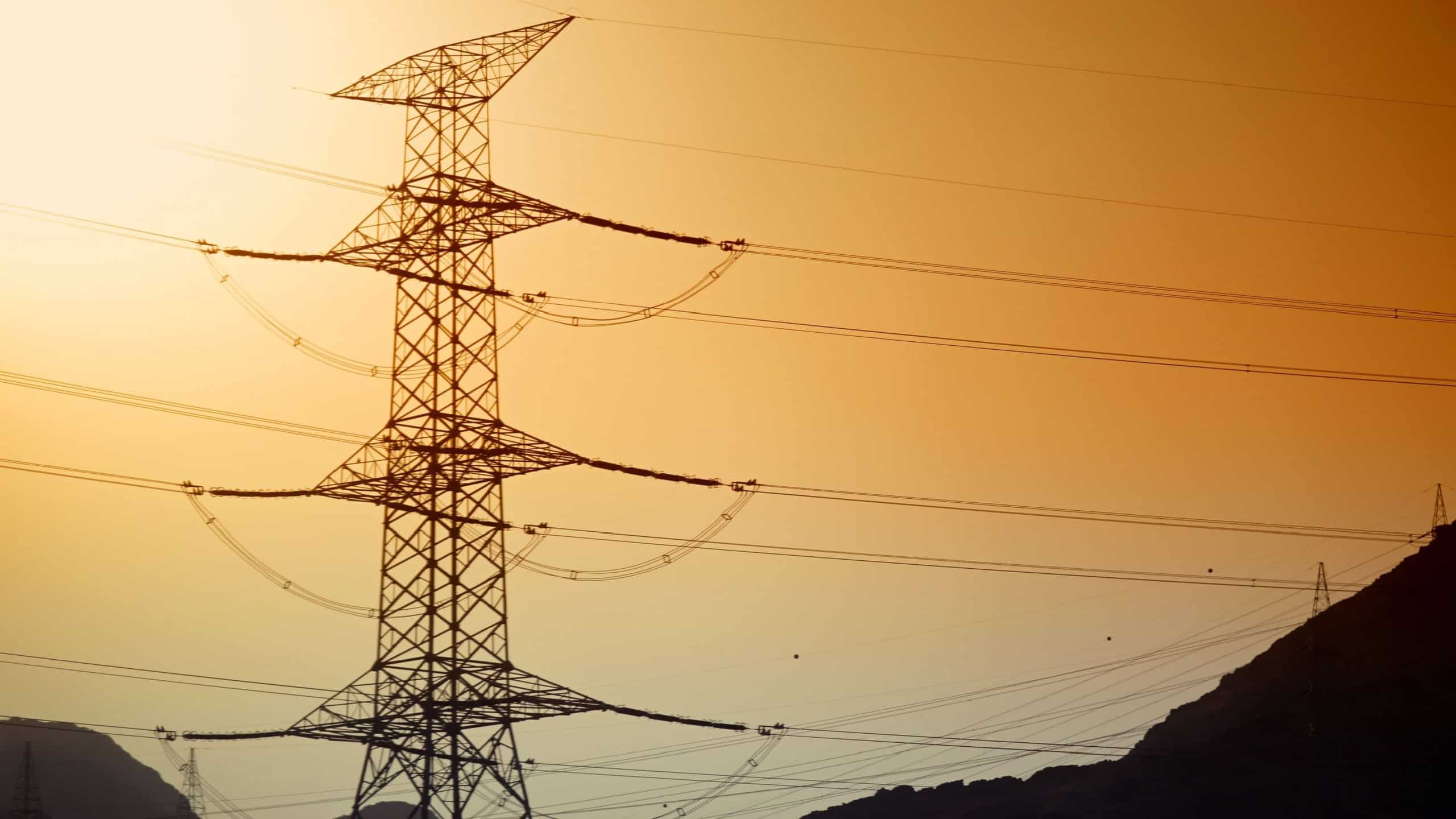
Electricity grids in the U.S. and Canada are so connected that some large U.S. cities rely on a giant, silent flow of hydropower from Canada each day to stay lit.
New York City, New York

New York City consumes a lot of electricity, and Quebec helps power it. Hydro-Québec has for years sent electricity through cross-border corridors into New York State, including along the Massena-Marcy line. Hydro-Québec transmission was made permanent in 2026 with the Champlain Hudson Power Express (CHPE).
It’s a $6 billion high voltage direct current transmission line buried underground the length of its 339-mile journey from the U. S.-Canada border, through Lake Champlain and under the Hudson River. The line is now transmitting 1,250 megawatts of clean Canadian hydropower into New York City, enough to power approximately 20% of NYC’s peak load and over one million homes.
Boston, Massachusetts

With some of the highest energy prices in the country and years of failed attempts to construct power plants locally due to stringent New England environmental regulations and a coastal real estate crunch, New England imports a significant amount of power from Canada to keep the lights on in Boston and across its suburbs while reaching clean energy targets.
Electricity flows from Canada over several different transmission corridors cutting through Vermont and Maine and feeding Quebec’s hydroelectricity right into the ISO New England grid. That connection serves as a critical bridge during harsh winter cold snaps when locally available natural gas is pulled from power plants and redirected to heat homes.
Minneapolis, Minnesota

The Twin Cities and Minnesota in general are very connected to Canadian energy sources to help phase out coal-fired power plants. Manitoba Hydro owns a vast grid of dams throughout northern Canada and has a very large, longstanding relationship with both Minnesota Power and Xcel Energy.
There is even a private, 500-kilovolt high-voltage transmission line known as the Great Northern Transmission Line that runs straight from Manitoba into northeast Minnesota. This unique setup essentially works as a giant battery: Minnesota will pull in clean Canadian hydro when the winds die down at Minnesota’s wind farms but can also send excess wind energy north when Manitoba needs to fill its reservoirs.
Seattle, Washington

While the Pacific Northwest is well-known for housing domestic dams, the entire Pacific Northwest operates under the Western Interconnection and Pacific Northwest-SouthWest Intertie grid systems. Seattle and Washington grid operators routinely purchase energy from British Columbia (BC Hydro), during high-demand periods to help keep their own grid stable and avoid blackouts.
This relationship between Washington and British Columbia is maintained by the Columbia River Treaty, an international water-management treaty focused on flood control and maximizing downstream electricity generation for both parties.
Detroit, Michigan

Michigan borders Ontario across a vast, uninterrupted line that ties their grid infrastructure together for reliability purposes. Transmission lines beneath and atop the St. Clair and Detroit rivers enable Hydro One Ontario and ITC/DTE Energy Michigan to sell and purchase power to one another 24/7.
When high demand is placed on Detroit’s automotive factory grids and home grids, power is easily imported from Ontario’s large fleet of nuclear power plants and hydro grid infrastructure. Both areas depend so heavily on one another that if something were to go wrong on one grid, it could cause a ripple effect like what happened in the 2003 Northeast blackout.
Fargo, North Dakota

As does Minnesota, North Dakota relies heavily on the central Canadian power corridor even while being one of America’s largest producers of oil and coal-fired electricity. Manitoba Hydro exports power south daily into the Midcontinent Independent System Operator grid (MISO), controlling power flow throughout the American Midwest.
As the regional transmission grid treats electrons as water through one pipe, North Dakotans in Fargo using simple household appliances are often using electrons made by roaring water in northern Manitoba during peak wind and fossil fuel generation maintenance seasons.
Burlington, Vermont

Vermont doesn’t shy away from acknowledging its Canadian relationship. But Vermonters may be surprised to learn just how extensive that reliance is. The largest utility in Vermont, Green Mountain Power, purchases a significant portion of its total energy supply, frequently over 60% of its capacity, exclusively from Hydro-Québec, in multi-decade supply contracts.
Due to Vermont’s ban on in-state nuclear generation and restrictions on fossil fuels, Canadian hydropower through Hydro-Québec powers everyday life for millions of Vermonters in Burlington and beyond.
Sources: Please see here for a complete listing of all sources that were consulted in the preparation of this article.
Like our content? Be sure to follow us.
These US states are economically dependent on Canada
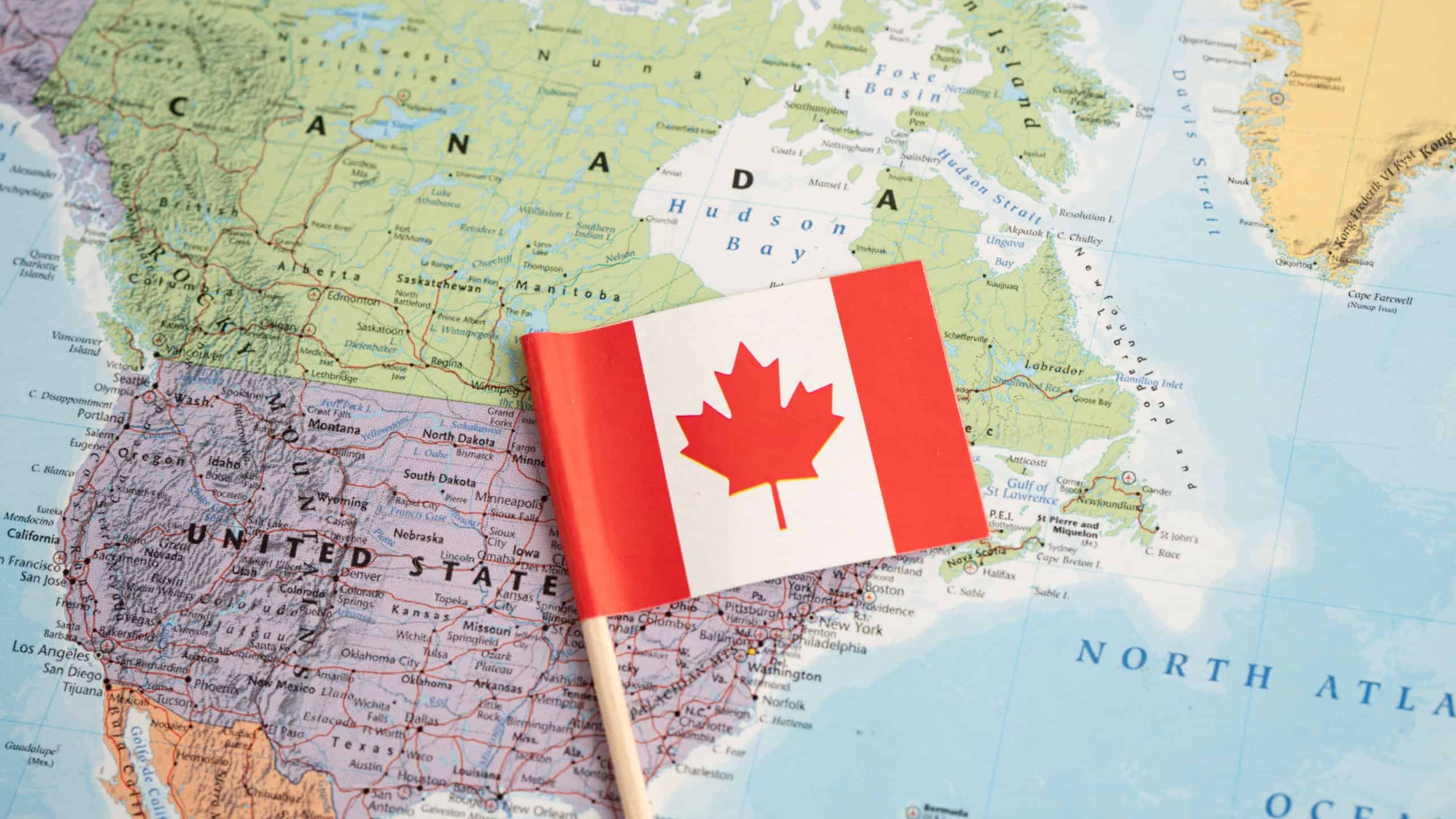
The sheer volume of trade between Canada and the US means the economies benefit reciprocally from each other’s strength, with some states counting on good trade with Canada to fuel their own prosperity.