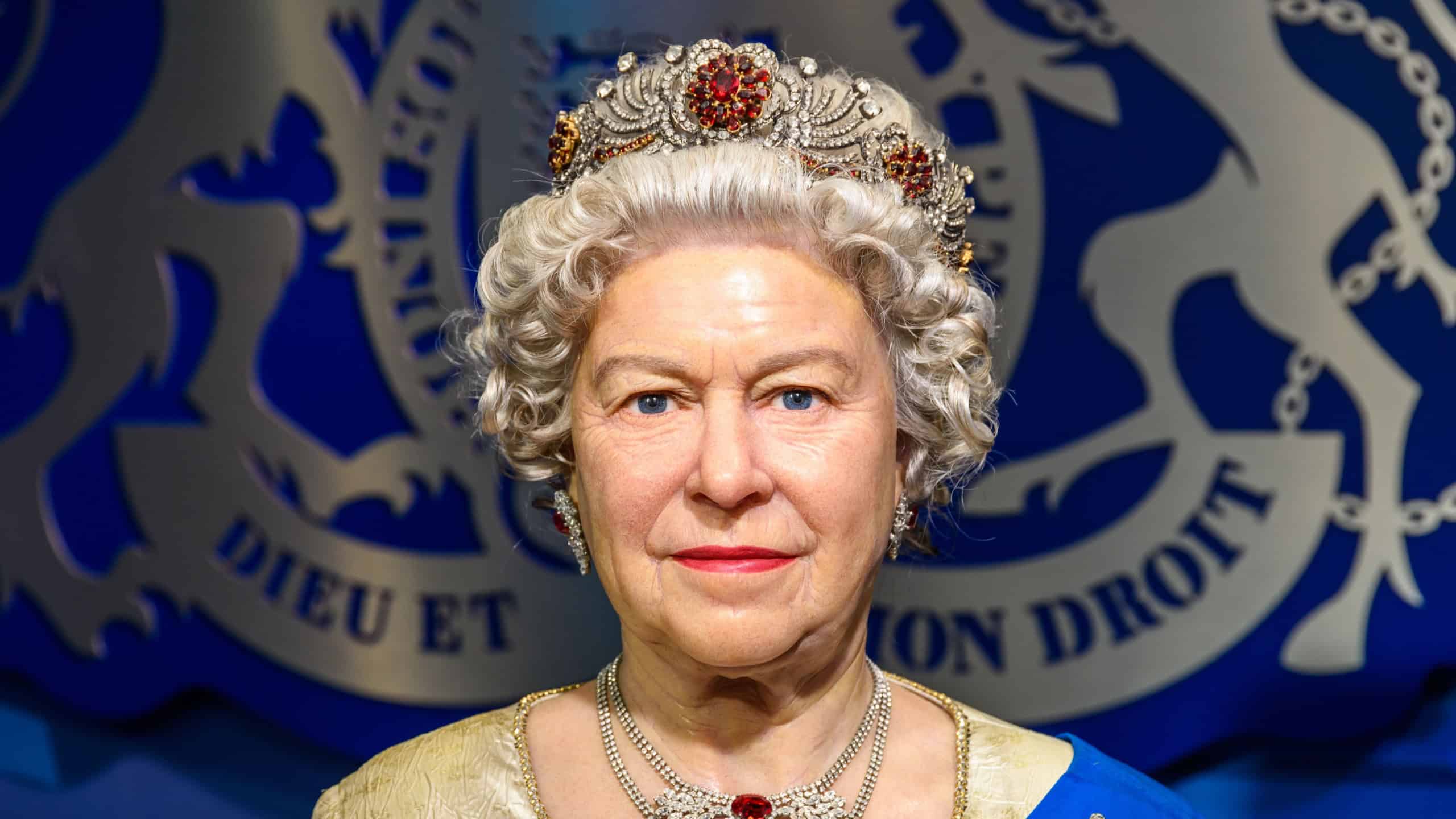
Queen Elizabeth II was known around the world for her staunch dedication to royal tradition, but she was ready to break the rigid royal rules whenever familial compassion, modernization, or political necessity needed it.
Bowing to Diana
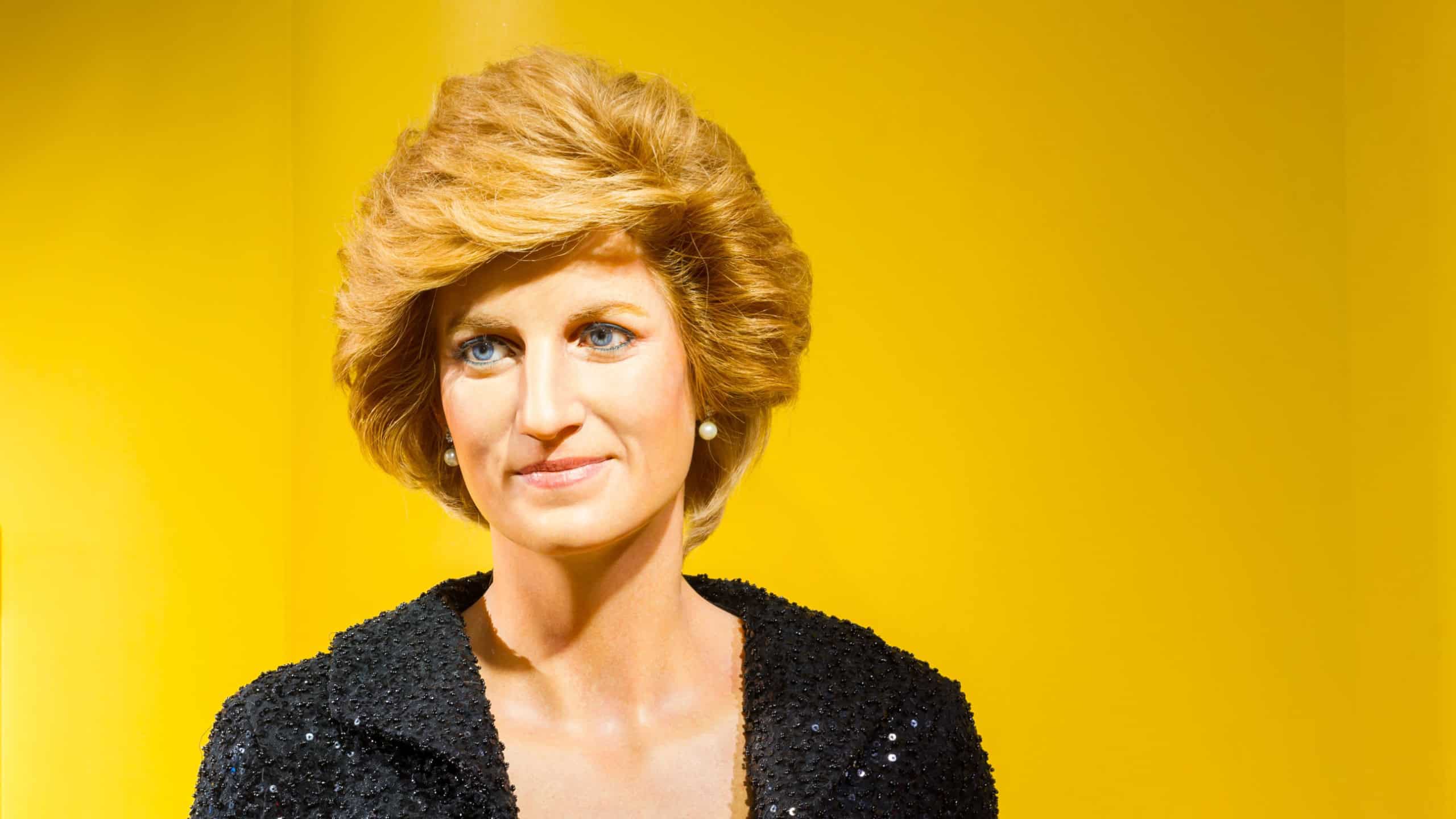
Under British law and tradition, the monarch will never bow down to anyone, for the Queen is the personification of the power of the state itself. But as Diana, Princess of Wales’ coffin travelled past Buckingham Palace in her 1997 funeral procession, Queen Elizabeth bent the immovable rule and bowed her head.
Modern walkabouts
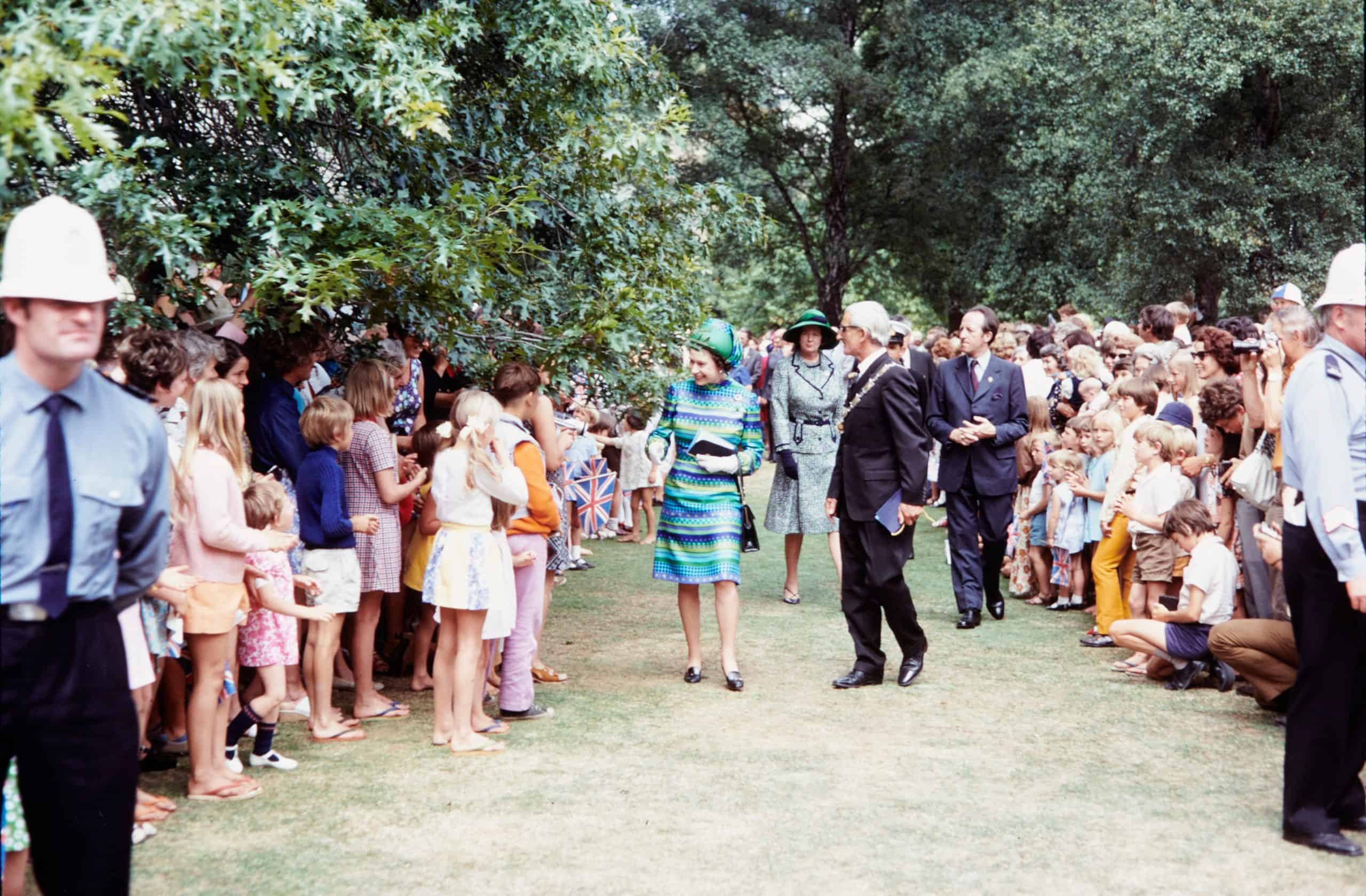
Before 1970, royals only waved to crowds from secure moving automobiles or from royal balconies. Queen Elizabeth broke with tradition on her tour of Australia and New Zealand in 1970 by stepping down from her protection and walking among the crowds. Ever since that tour, royal walkabouts have been a staple of royal public relations.
Returning hugs
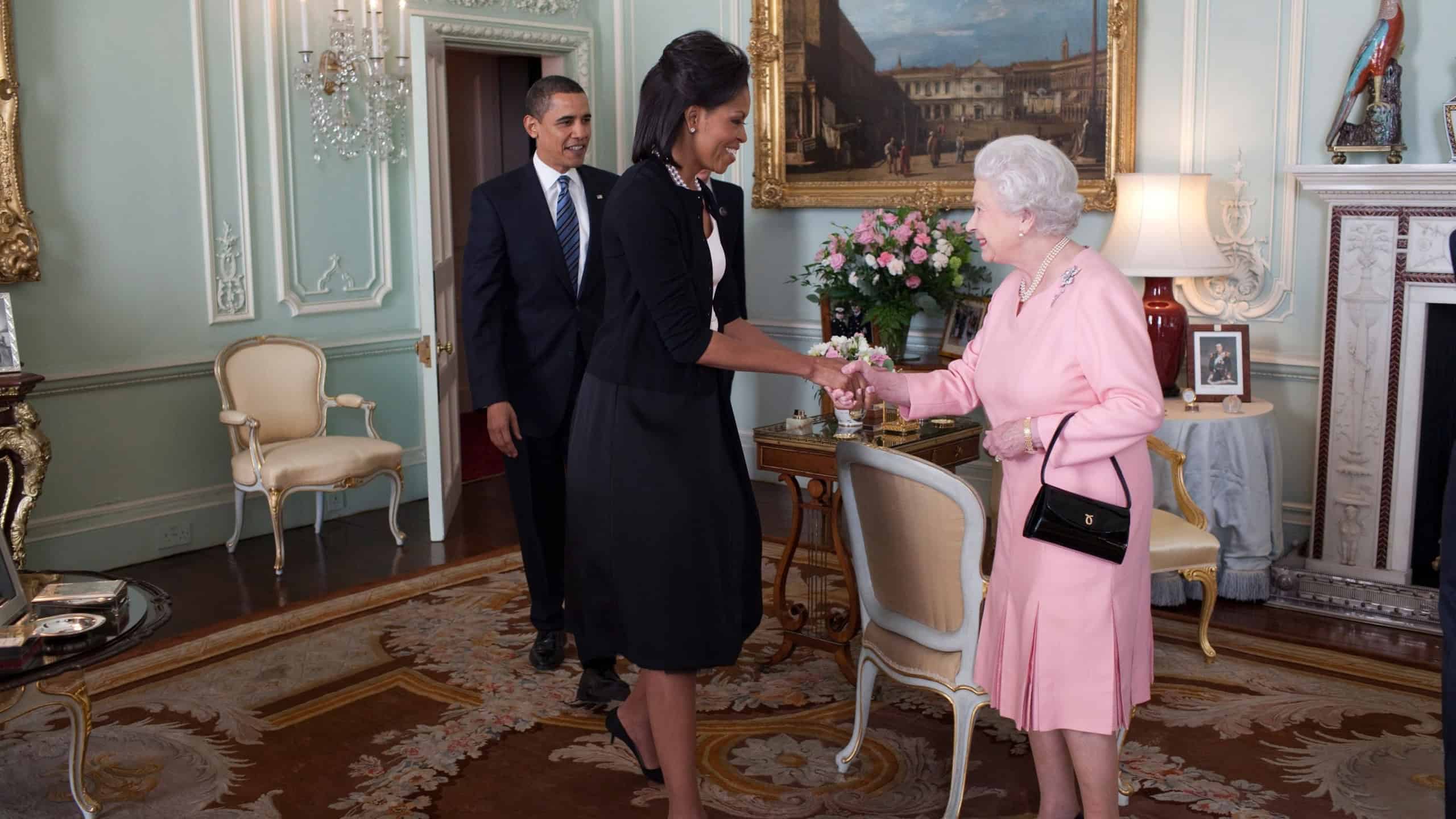
One cardinal rule about meeting the Queen is no touching. But when former first lady Michelle Obama put her arm around the Queen during a G20 reception at Buckingham Palace in 2009, the Queen didn’t tense up or pull away. She moved closer and reciprocated the hug.
Signing autographs
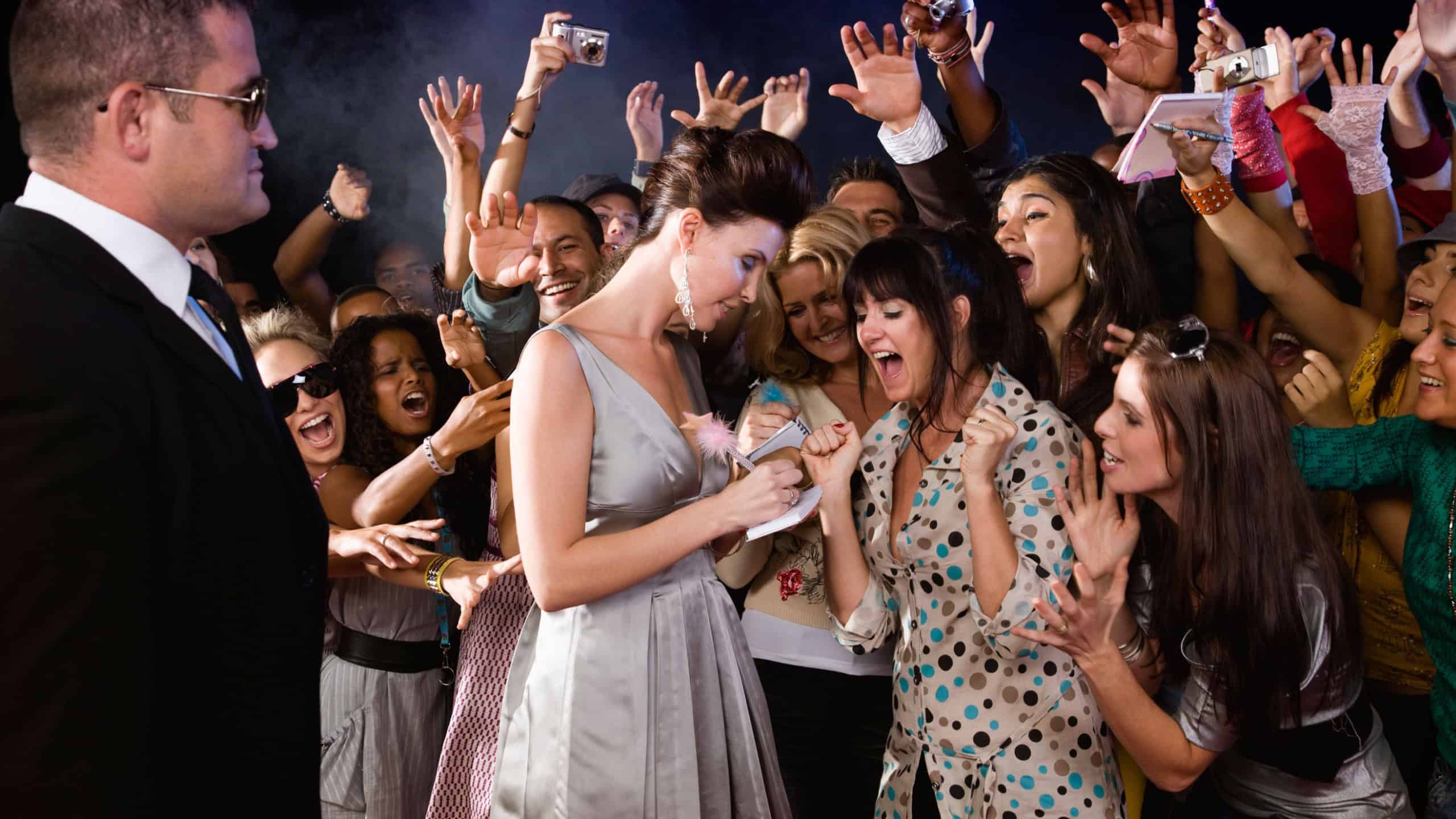
It is actually against regulations for any member of the royal family to sign autographs, as their signatures may be forged or used for monetary gain. However, while on an official visit to Malaysia in 1998, a young girl handed the Queen a football and she wrote her signature on the ball, ignoring her security team.
Accepting flowers
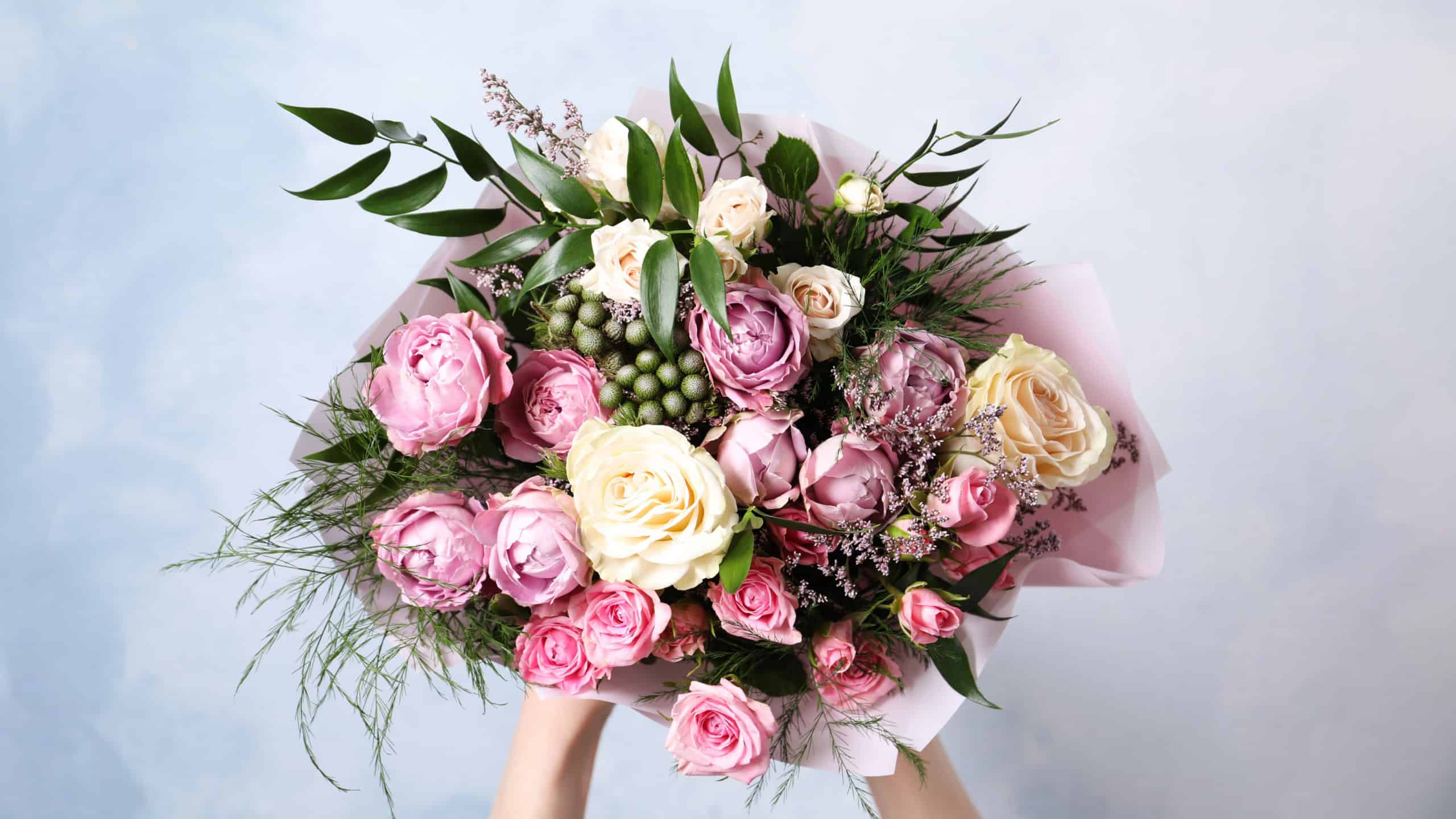
Gifts presented to The Queen, including flowers, cards and homemade gifts, are traditionally accepted by one of her ladies-in-waiting or security team. However, on many occasions, she has shaken protocol by accepting flowers directly from well-wishers and children at garden parties and walkabouts.
Guest lists
While planning his wedding in 2011, Prince William was reportedly given a traditional, politically inspired guest list of hundreds he hardly knew by palace officials. William consulted his grandmother on the situation, who reportedly advised him to throw out the palace list and invite his friends first and fill up the spaces afterwards.
Royal titles
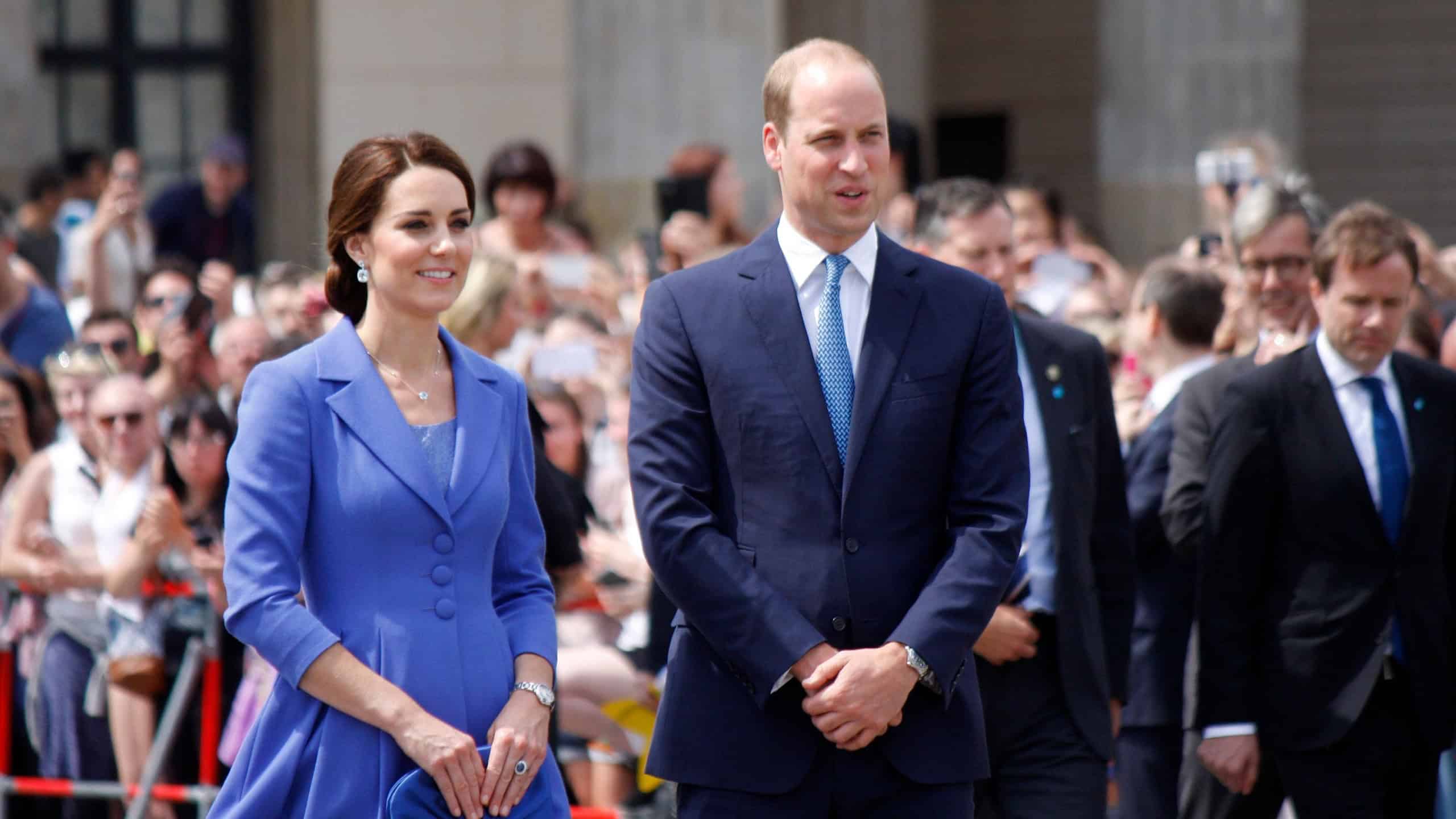
According to an outdated 1917 proclamation made by King George V, only the eldest son of the eldest son of the Prince of Wales would automatically become a Prince. Queen Elizabeth abolished her grandfather’s decree in 2012 with a decree of her own that ensured all of William’s children would have equal royal status.
Political hints
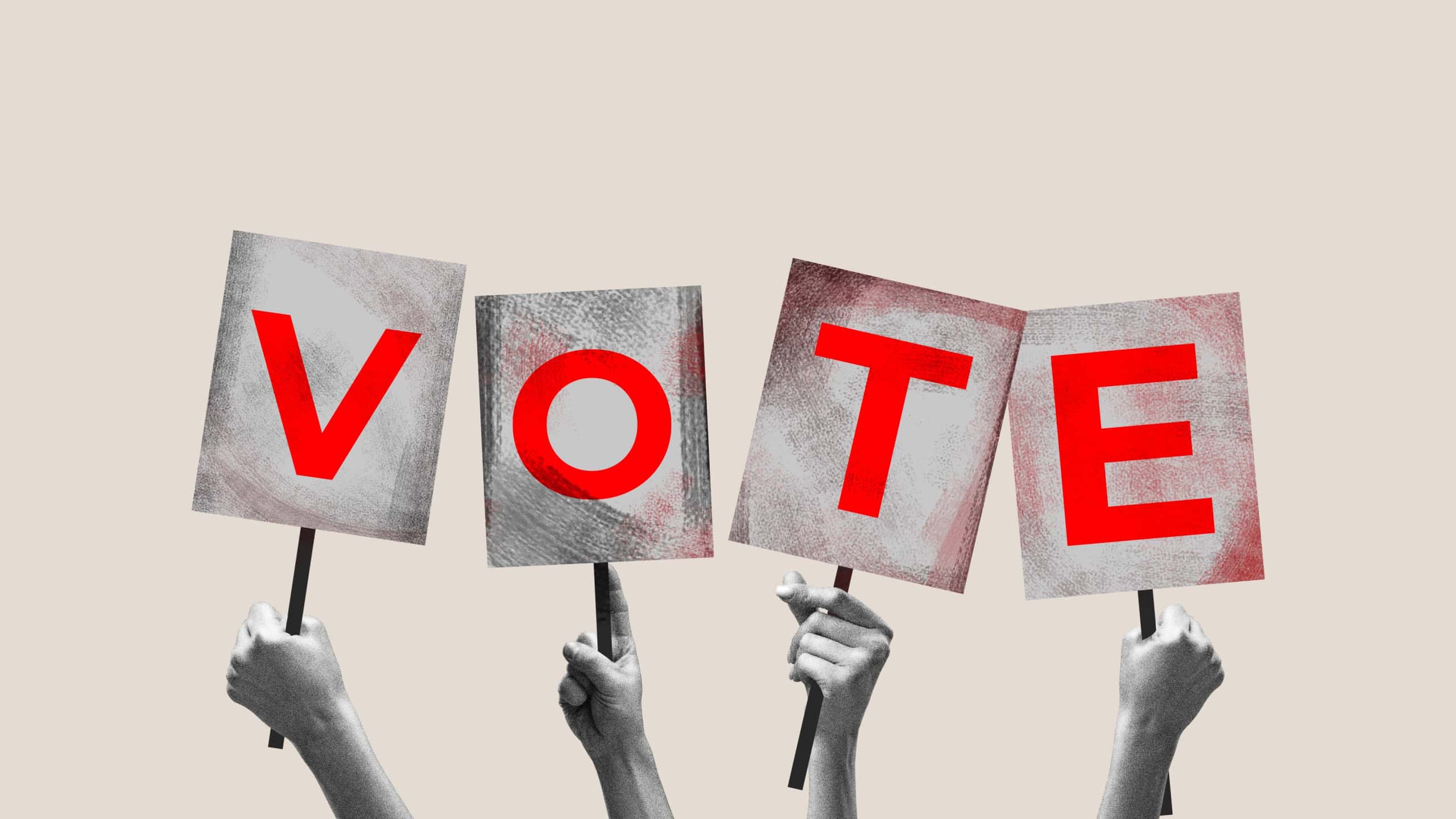
The British sovereign is required, by constitutional convention and legal requirement, to remain strictly neutral on matters of politics and elections. Yet, days before the extremely divisive 2014 Scottish independence referendum, the Queen stepped out of her church in Balmoral and subtly nudged voters when she told a well-wisher that she hoped people would “think very carefully about the future.”
Public Statements
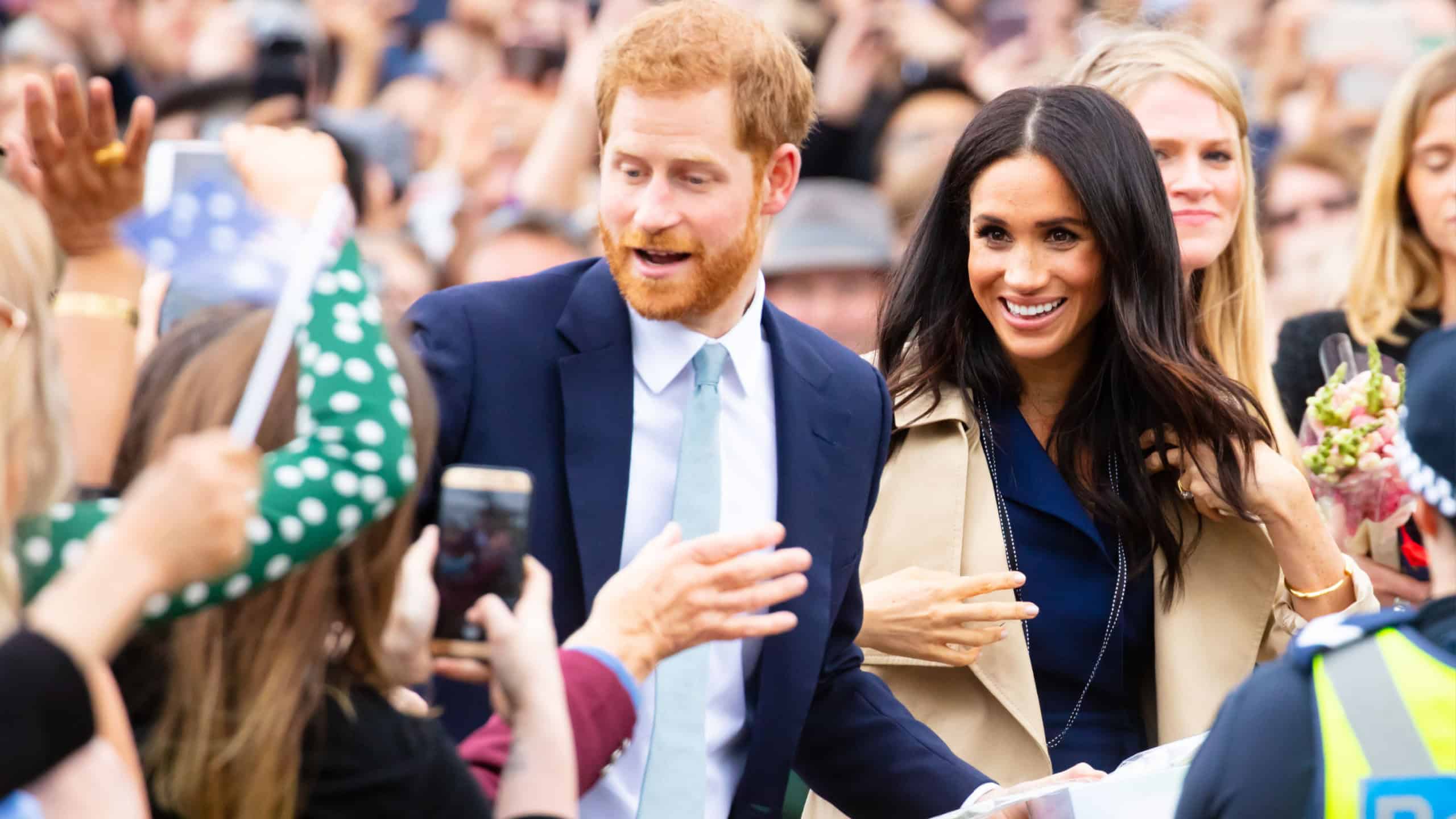
The palace’s strategy for handling personal scandal or criticism has been to simply say nothing. However, after Harry and Meghan stepped back from royal duties and delivered an explosive interview, the Queen bypassed the palace defenses and released a statement that included the phrase “some recollections may vary.”
Succession laws
British succession has been governed by male-preference primogeniture for hundreds of years, allowing younger brothers to skip over older sisters to inherit the throne automatically. The Queen herself worked with Parliament to pass legislation, called the Succession to the Crown Act 2013, allowing Charlotte to remain in line for the throne ahead of her younger brother Louis.
Amateur photography

Traditional photos of the royal family (particularly at royal residences such as Balmoral) had to be taken by approved professional photographers. The Queen understood the public desire for more candid images and allowed the Princess of Wales to snap and publish her own private, informal photographs of her family.
Views on Brexit
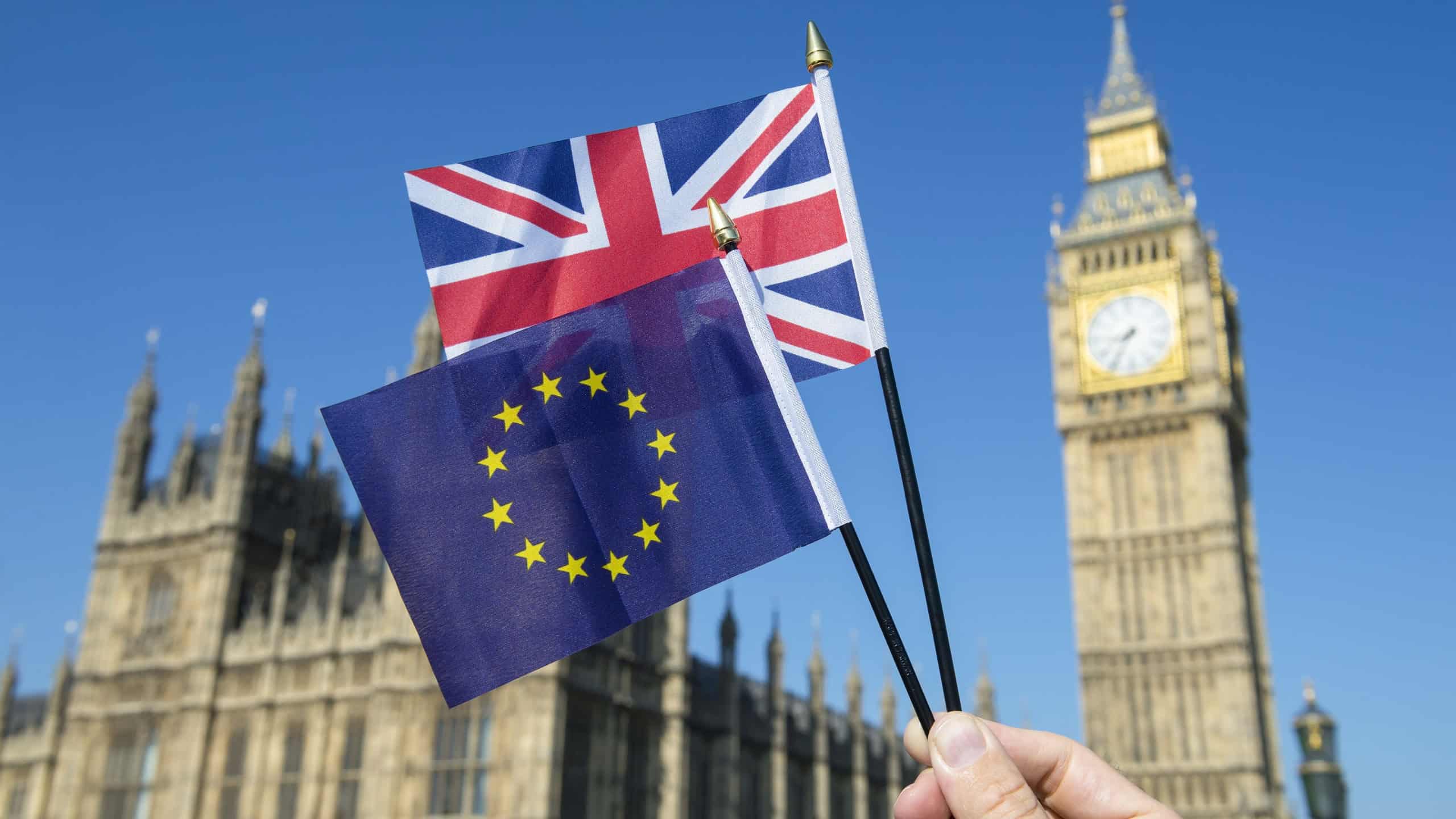
The British monarchy is supposed to stay neutral on political issues, especially when the country is having serious debates. However, during the battle over Brexit, Queen Elizabeth II allegedly left some things unsaid to voters. While addressing a Women’s Institute meeting in 2019, she encouraged people to find middle ground and reminded people to “come together.”
VE Day celebrations
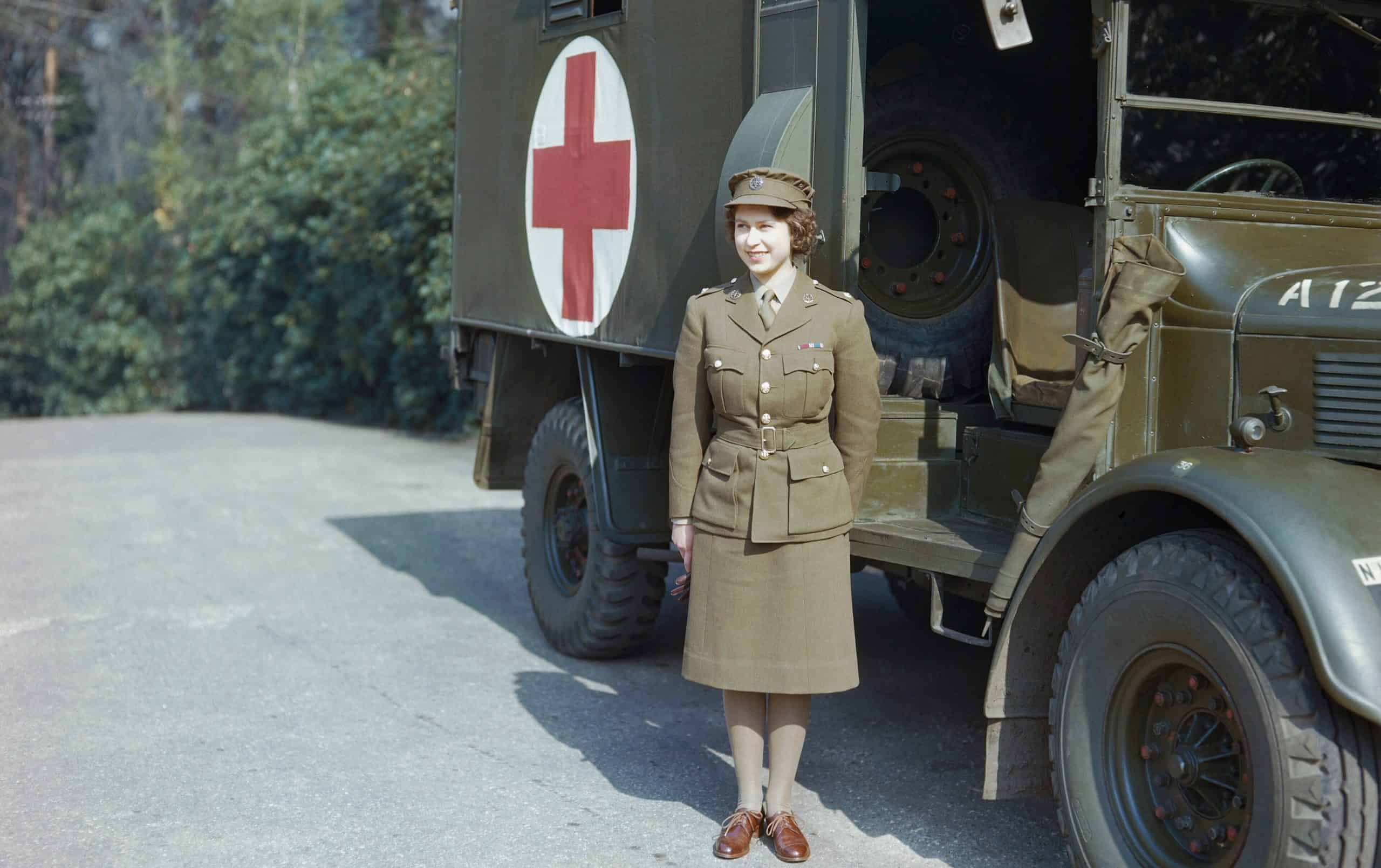
When World War II ended in Europe on May 19, 1945, Princess Elizabeth did something very few expected of a future queen. She snuck away from Buckingham Palace with her sister (with the knowledge of their parents) to join the crowds celebrating in London’s streets. Queen Elizabeth would later say it was one of her most memorable nights.
Christmas Sandringham guests
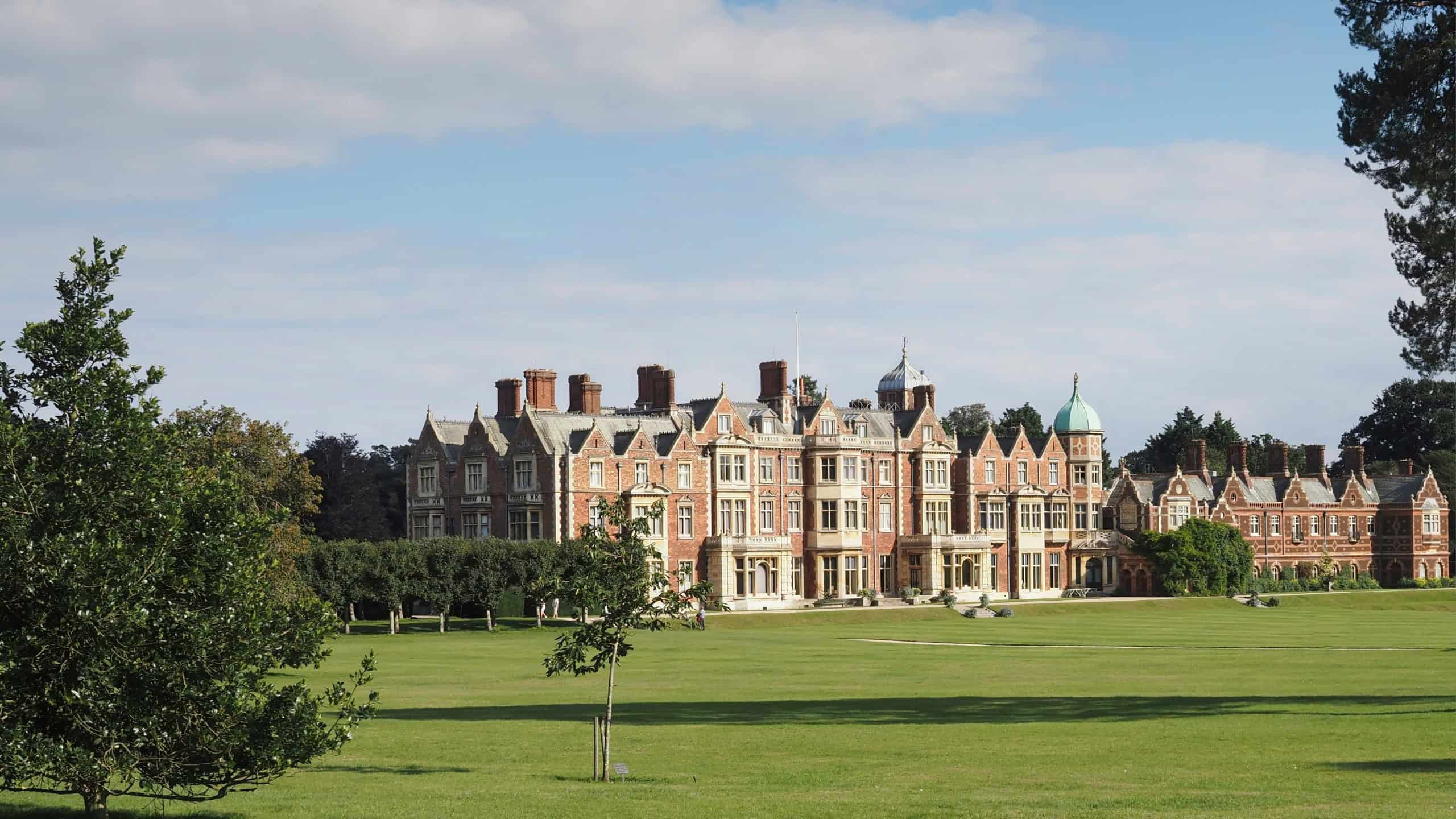
Royal Christmas holidays at Sandringham do not usually involve non-relatives, even unmarried partners of the family. However, the Queen invited Meghan Markle and her mother Doria Ragland to join the family Christmas at Sandringham in December 2017, before her engagement to Prince Harry.
State funerals

State funerals are reserved by law and tradition for the monarch only. On one occasion in 1965, at her personal prerogative as Queen, Elizabeth allowed Winston Churchill, her wartime prime minister, to have a funeral equivalent to a state funeral as a personal tribute to him and their relationship during the Second World War.
Sources: Please see here for a complete listing of all sources that were consulted in the preparation of this article.
Like our content? Be sure to follow us.