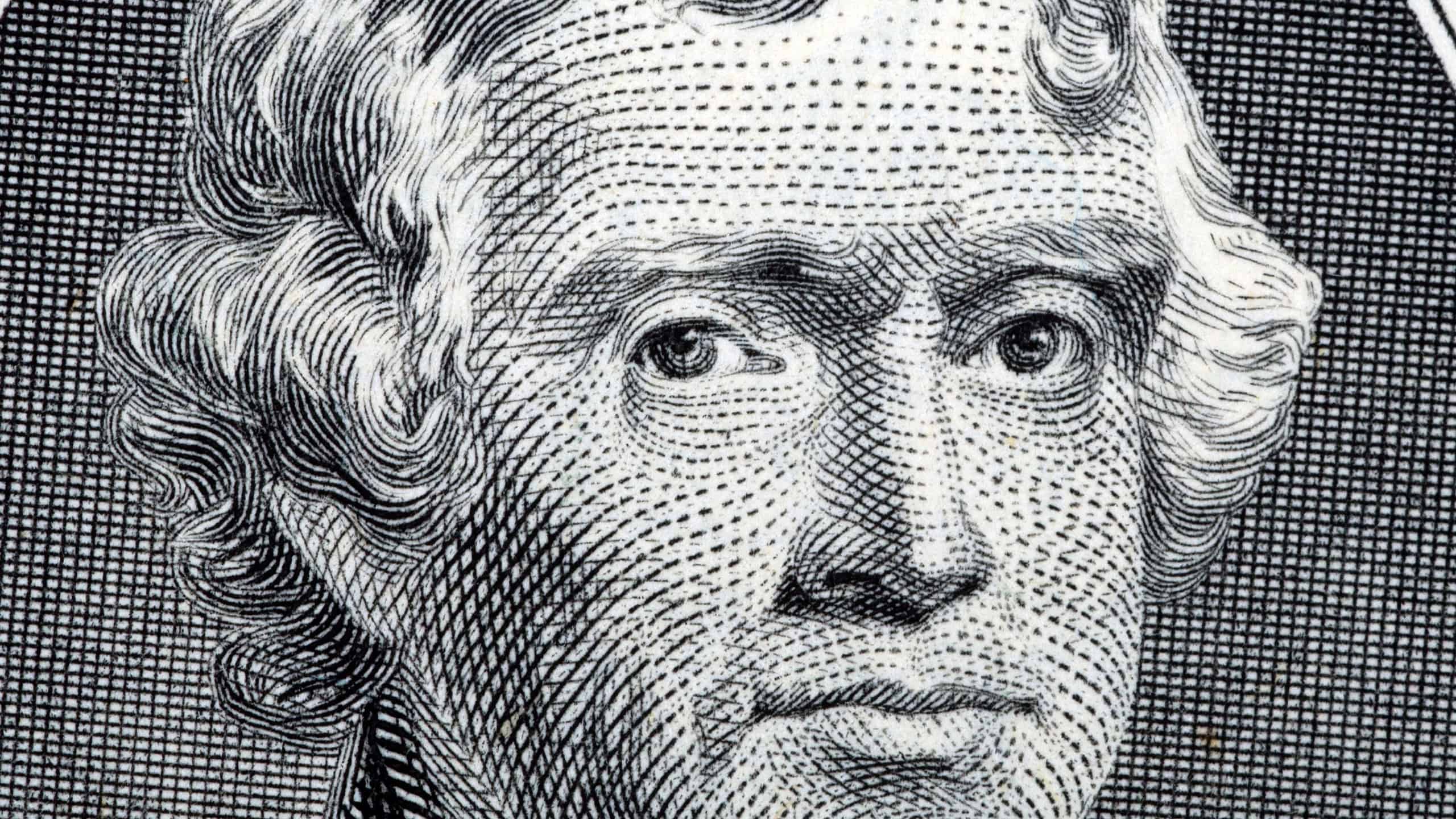
We often remember historical figures for their accomplishments, but some of history’s most admired names had a very different side that rarely appears in textbooks.
Thomas Jefferson
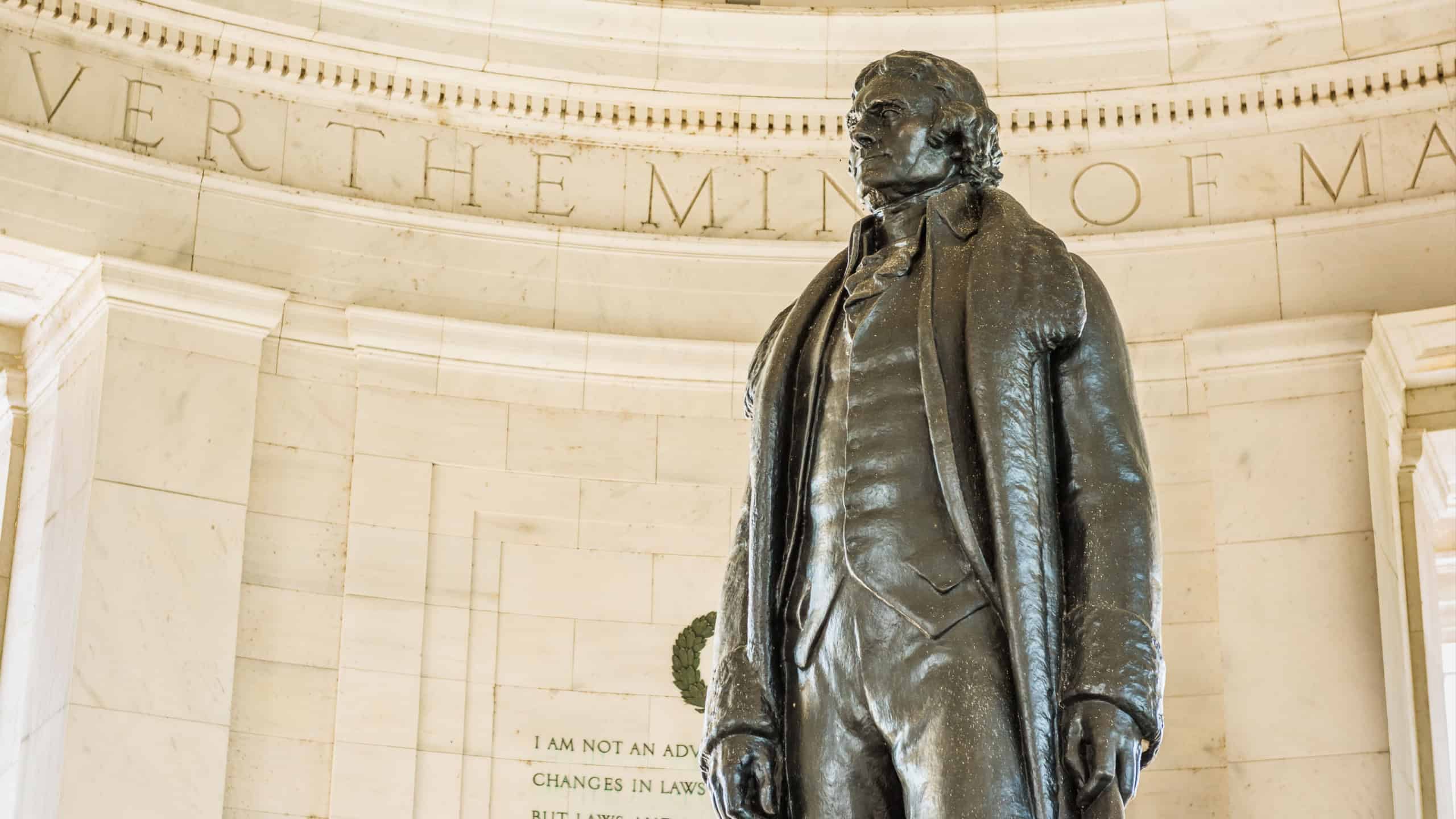
Thomas Jefferson, who drafted the United States Declaration of Independence and wrote that “all men are created equal,” was a slave owner. Jefferson owned more than 600 slaves during his lifetime.
After his wife died, Jefferson began an interracial relationship with Sally Hemings, one of his teenage slaves who was also his wife’s half-sister. He probably fathered at least six children with Hemings, all of whom were born into slavery.
Winston Churchill
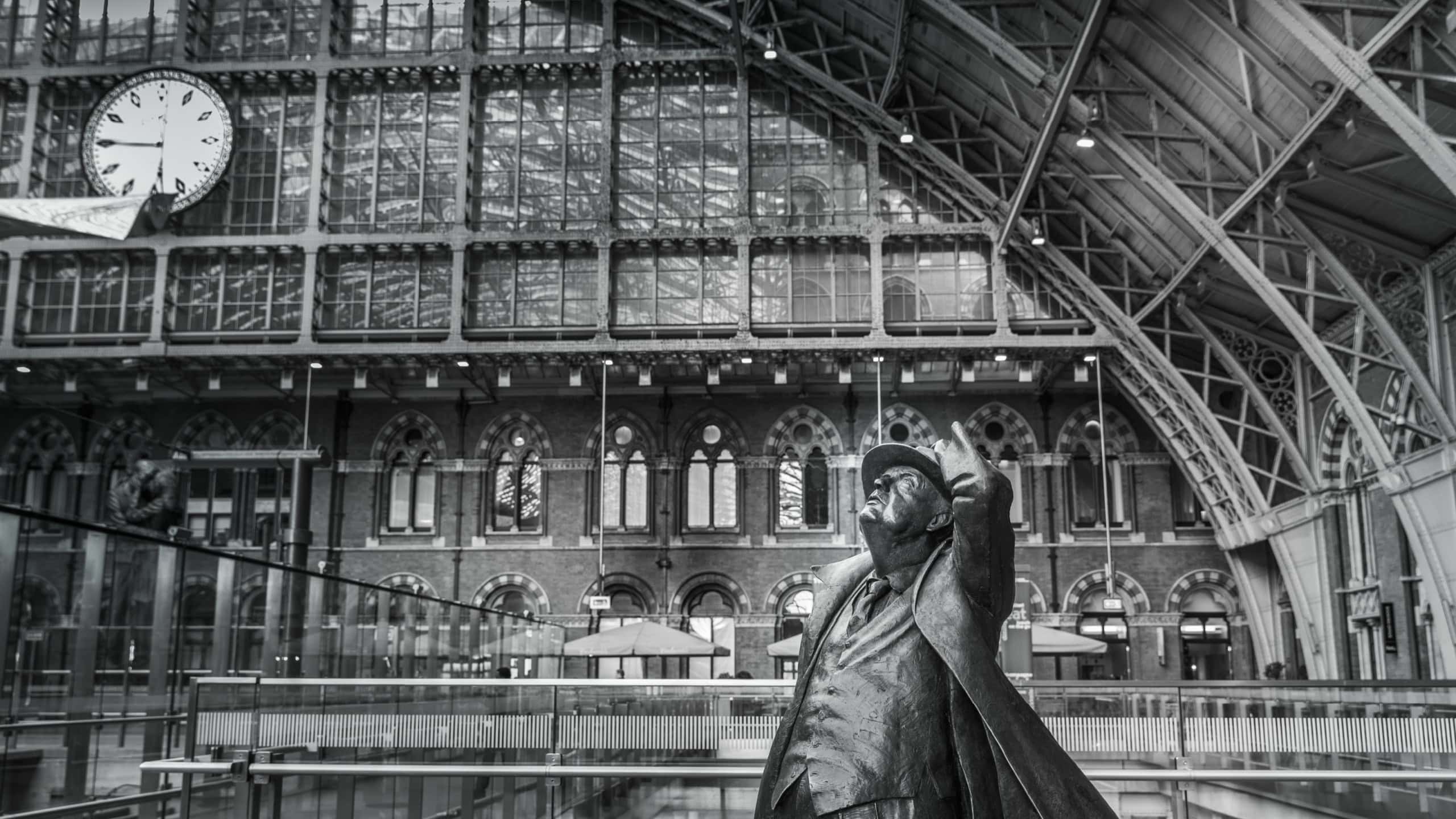
Best known as the prime minister who guided Great Britain during World War II, Churchill was privately cruel and contemptuous towards colonial subjects. Churchill’s policies and refusal to redirect shipping space to India worsened the Bengal Famine of 1943, which killed up to three million Indians from starvation.
When pressured by members of the British government to send grain to India, Churchill infamously penned in his journal that Indians were responsible for the famine because they breed like rabbits.
Mahatma Gandhi

Even though Gandhi is internationally revered as a civil rights leader and advocate of peaceful disobedience, his personal practices were quite scandalous. Towards the end of his life, Gandhi made his teenage grandnieces sleep naked in his bed each night as a self-experiment to prove his spirituality and celibacy.
Additionally, when Gandhi was a young lawyer in South Africa, he commonly described black Africans using racist slurs in both his personal letters and published documents.
Mother Teresa
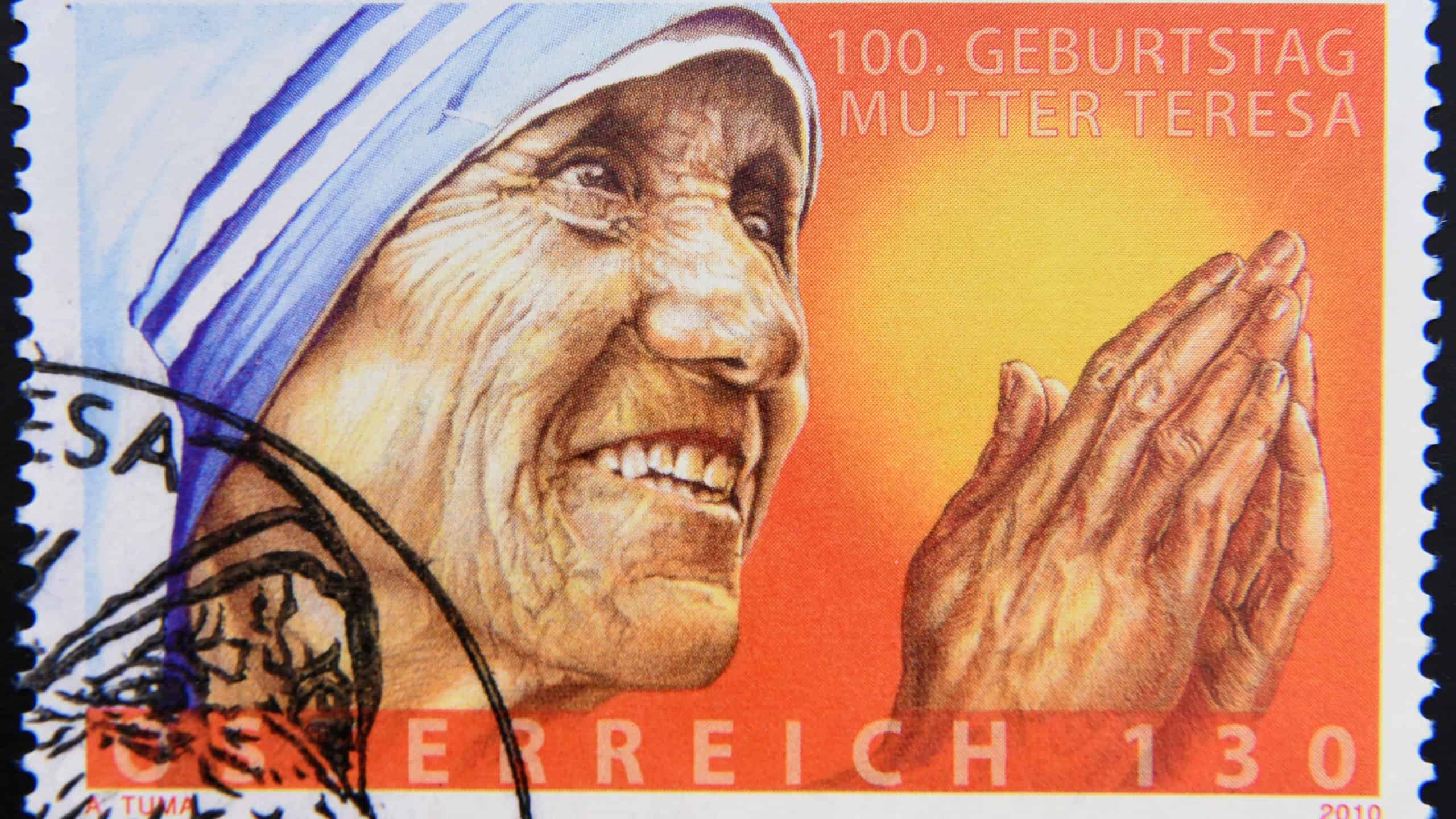
Winner of the Nobel Peace Prize for charitable work in Calcutta, Mother Teresa presented herself to the world as a font of indiscriminate mercy. Internally, however, the hospitals and hospices she ran embraced an unsettling theological belief that physical suffering was a beautiful means of uniting oneself with Christ’s passion.
Medical professionals who inspected her establishments found that terminally ill patients were denied even mild painkillers, made to lie in their own filth, and quietly baptized against their will at the point of death, regardless of their religion.
Christopher Columbus
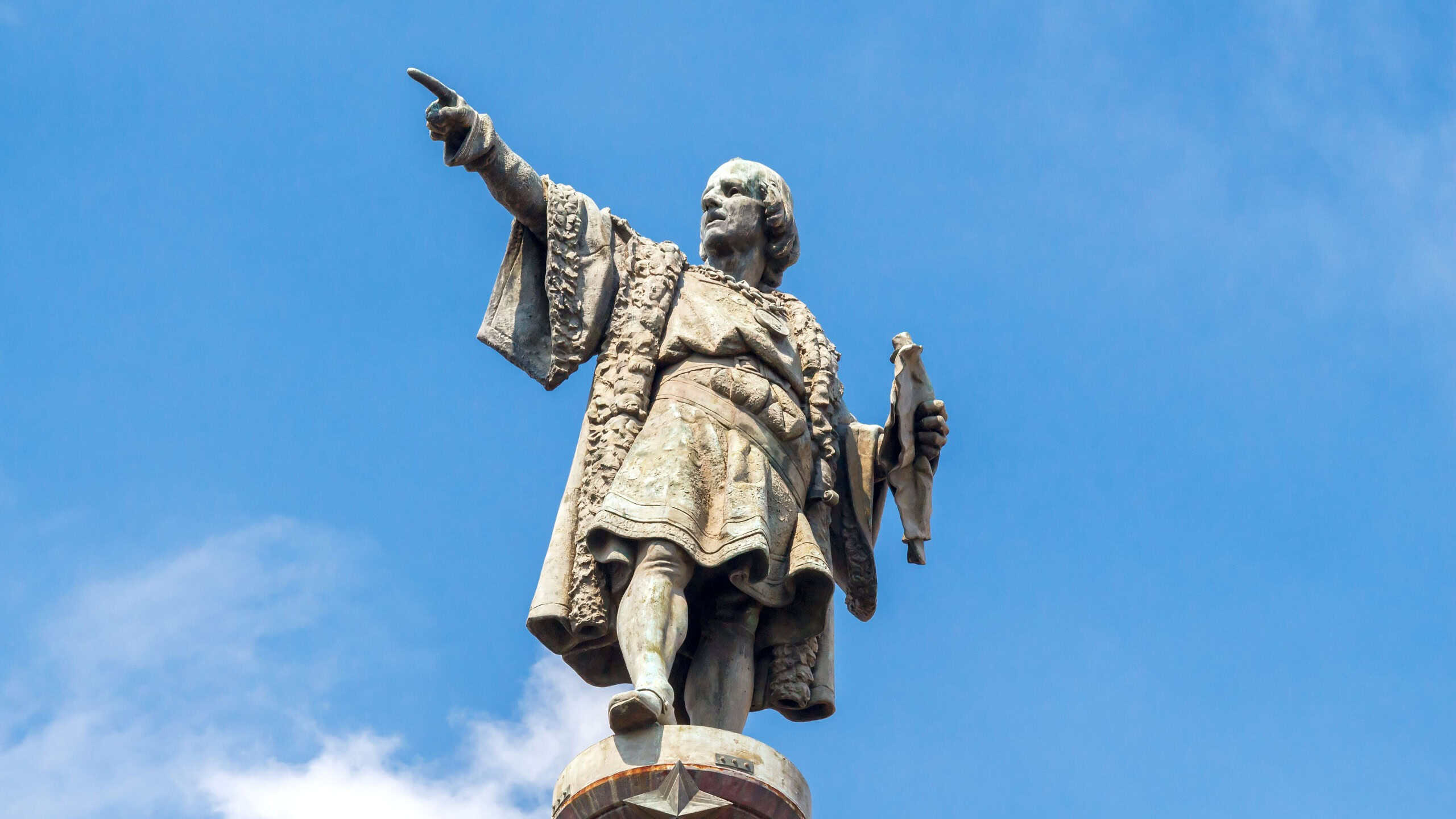
For centuries, Christopher Columbus has been depicted as a brave adventurer bridging Europe and the Americas. Over the past few decades, historians have given more scrutiny to Columbus’ treatment of Indigenous people.
Primary sources recorded brutal punishments, enslavement, and exploitation of the natives. Although his expeditions did shape world history for the ages, many believe Columbus was a man who caused great harm to others.
John Lennon
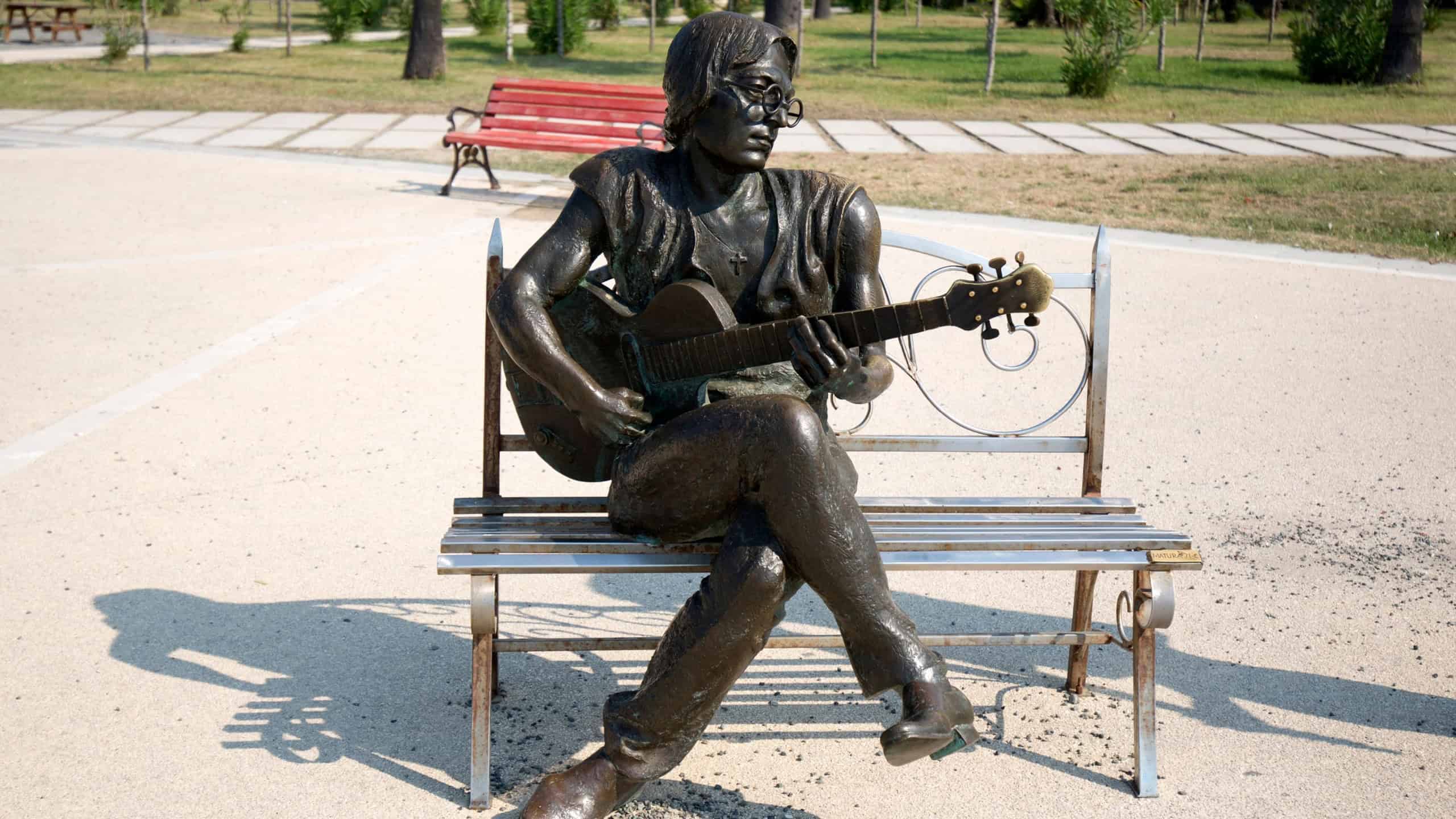
World-renowned as a pacifist singing advocate of peace, love, and hippie brotherhood, Lennon penned songs that spoke to millions who yearned for an end to war. Privately, he led a life filled with volcanic temper tantrums, emotional abuse, and physical abuse of his partners.
His eldest son, Julian, would eventually write that his father was emotionally distant, generally absent, cold, and capable of horrific fits of anger. Lennon openly admitted in interviews that he was a physically abusive partner in his younger years.
Charles Dickens
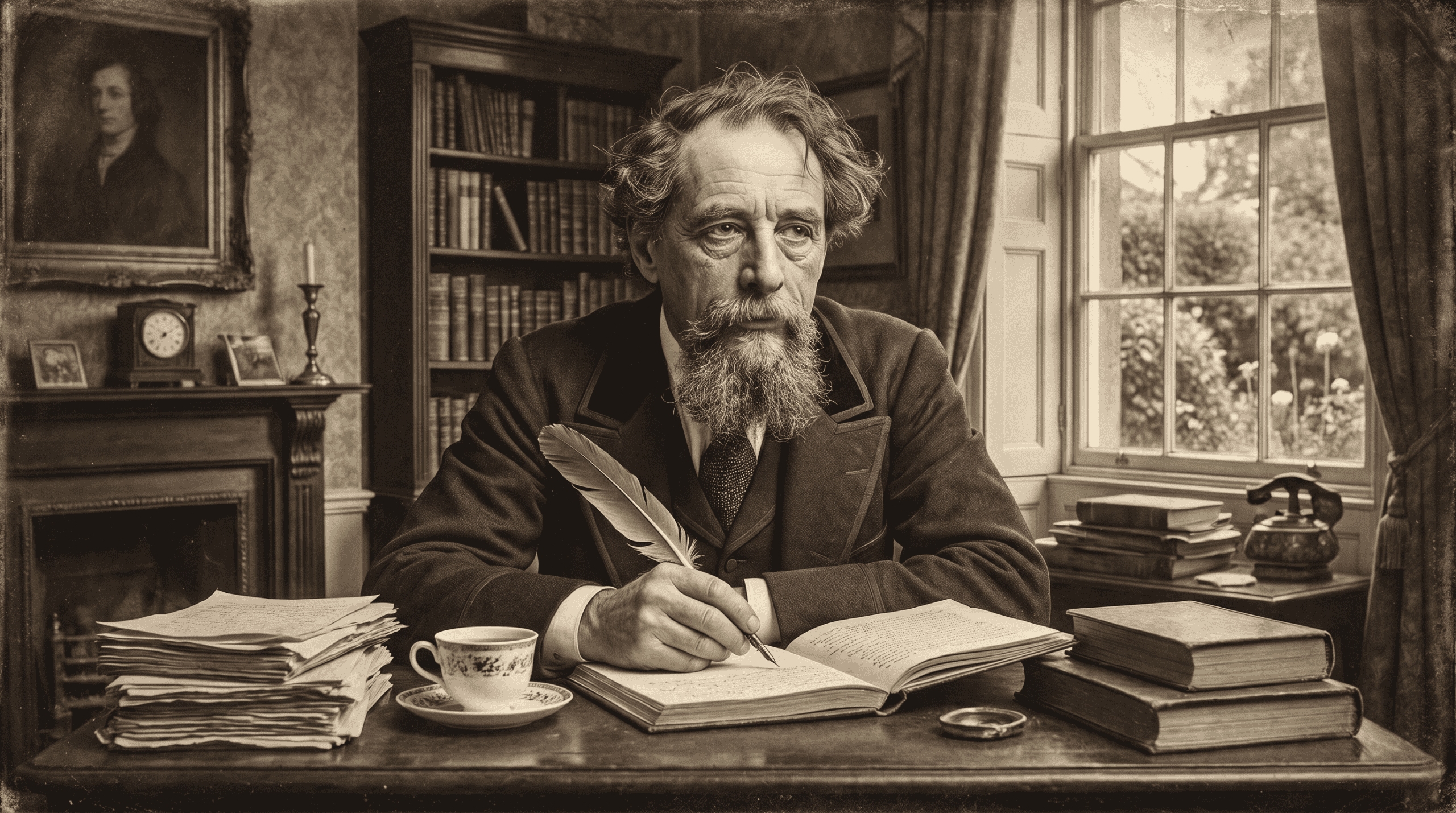
The great Victorian novelist fought for the rights of the poor and orphans and wrote A Christmas Carol to promote family values and giving to charity. In his personal life, Dickens became outrageously bitter with his wife, Catherine, after she had produced ten children for him.
He kicked her out of their family home, attempted to legally split their house in half so he never had to see her again, and cruelly had her committed to an insane asylum so he could carry on with an eighteen-year-old actress.
Steve Jobs

Jobs cofounded Apple and brought great innovation to the technology we use today. He inspired people to publicly “think different” and chase perfection. Privately, Jobs could be extremely cruel and lacked empathy.
He screamed at employees, embarrassed engineers in public, and fired workers with no warning or severance. Jobs notoriously denied for several years that he was the father of his first daughter, Lisa. He even claimed in a court document that he was sterile, forcing his daughter’s mother to go on welfare.
Alfred Hitchcock
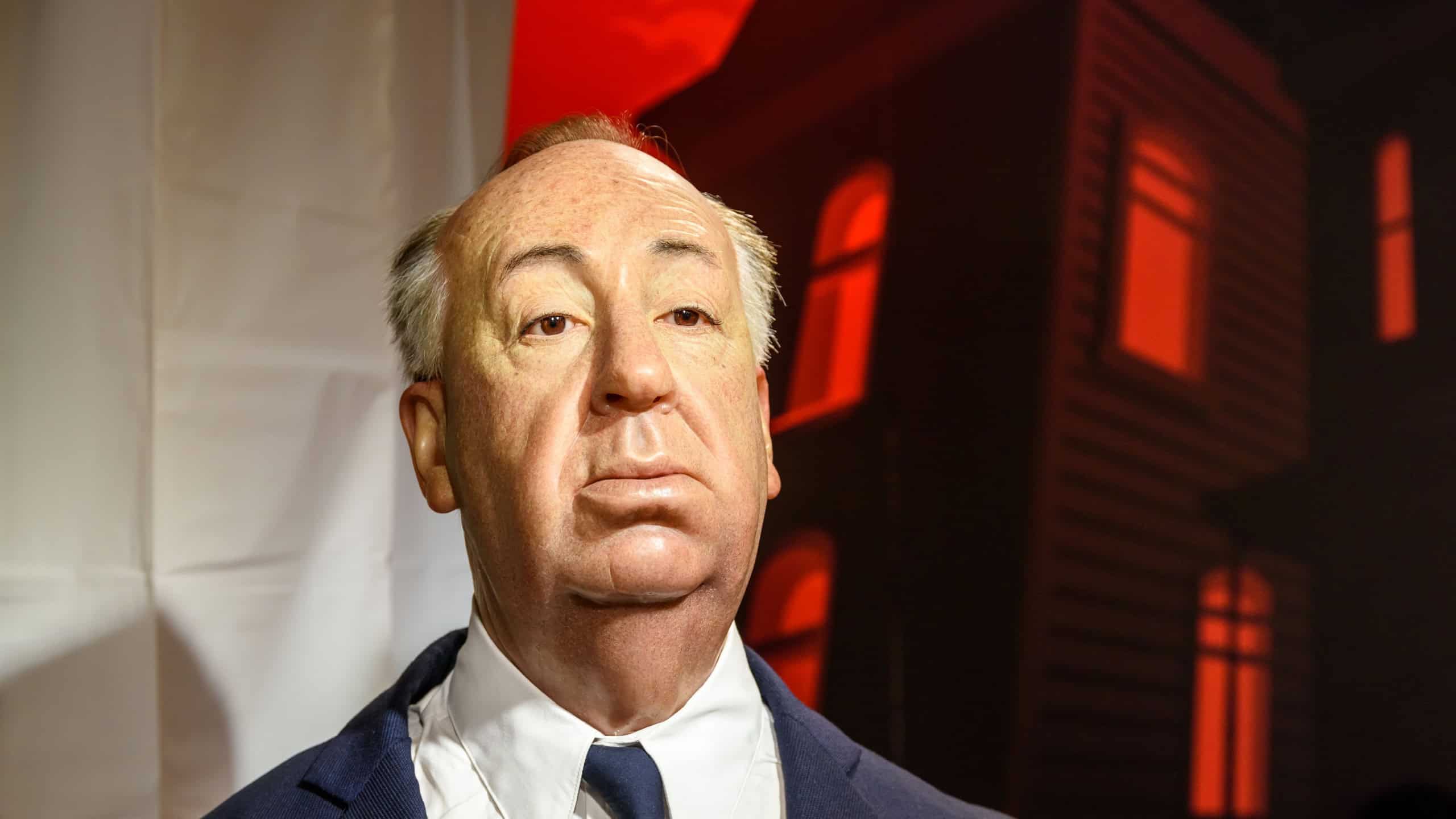
Creator of some of the best-known thrillers in movie history and called the “Master of Suspense,” Hitchcock terrorized his actresses behind the scenes. One of the most infamous was actress Tippi Hedren while filming The Birds.
Hitchcock controlled every aspect of Hedren’s life; he had her followed everywhere, put live birds in her dressing room, and purposely made her spend hours filming with frightened live birds taped to her body. Hedren suffered deep cuts across her face and had a nervous breakdown as a result.
Coco Chanel
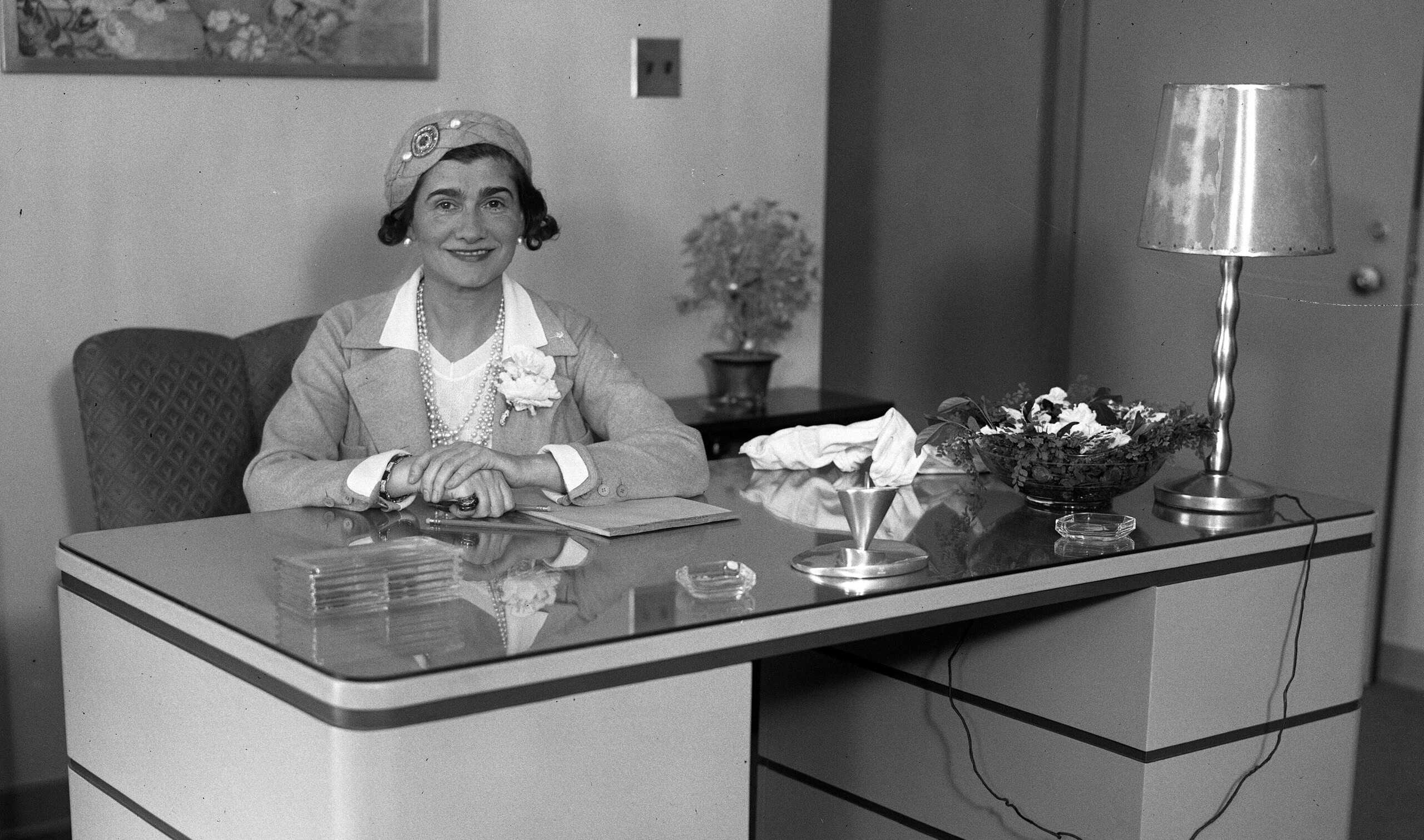
The French fashion designer transformed women’s attire and is remembered for her classic style of elegance, modernism and liberation.
During World War II and the Nazi occupation of Paris, Chanel exploited the political climate to further her own agenda by registering as an agent for the Nazi military intelligence service, the Abwehr.
Chanel leveraged elite Nazi contacts and an ongoing affair with a German officer to live lavishly at the Ritz Hotel while scheming to remove Jewish business partners from her perfume company.
Pablo Picasso
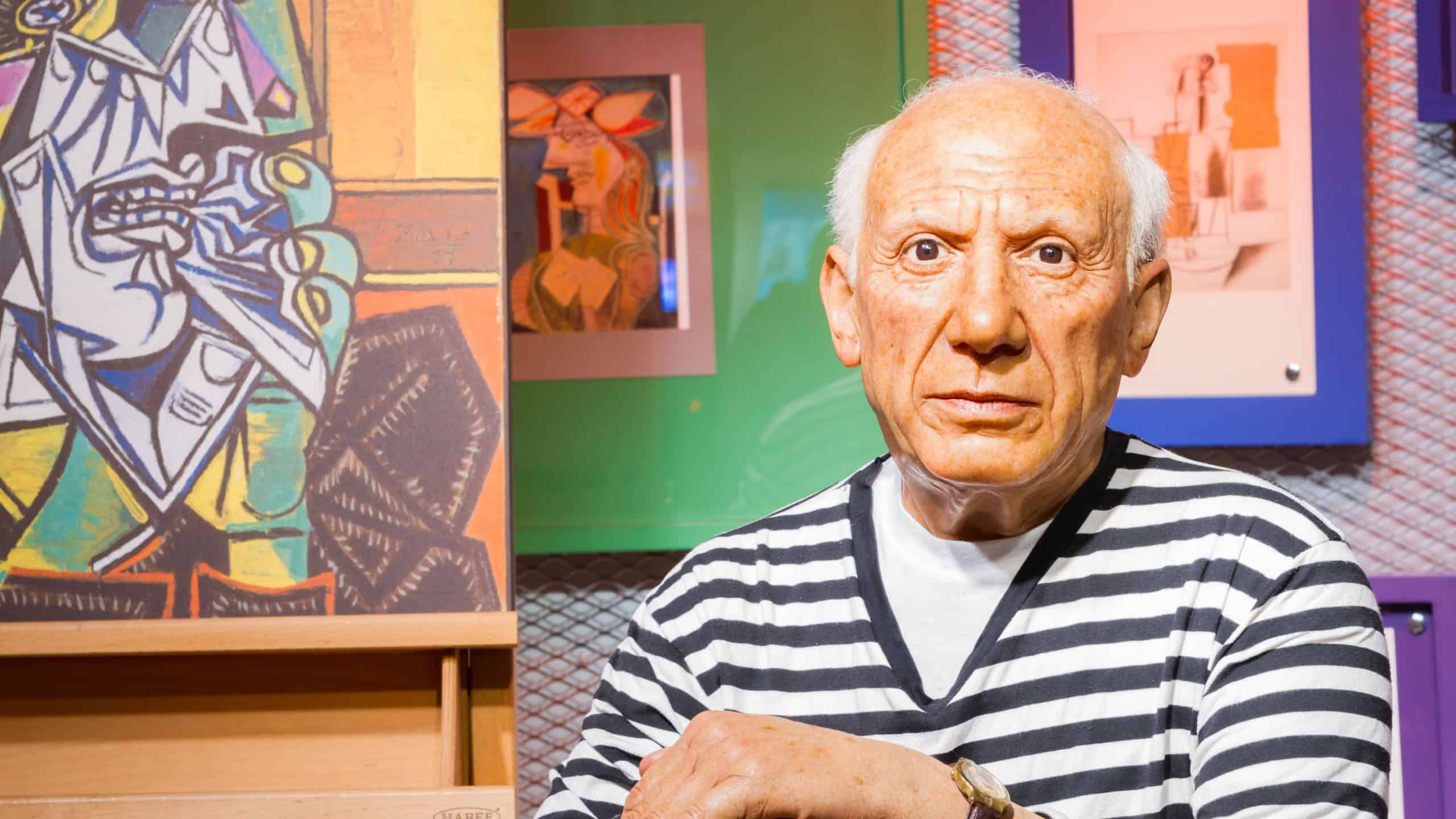
No artist has had more influence on twentieth-century art than Picasso, who literally reinvented what art looked like with Cubism. Picasso was also an unabashed misogynist.
He cynically manipulated the women in his life as muses. Picasso viewed all women as either goddesses or doormats. He mentally, physically, and emotionally abused his wives and mistresses, including two who committed suicide as a result of his treatment of them.
Roald Dahl
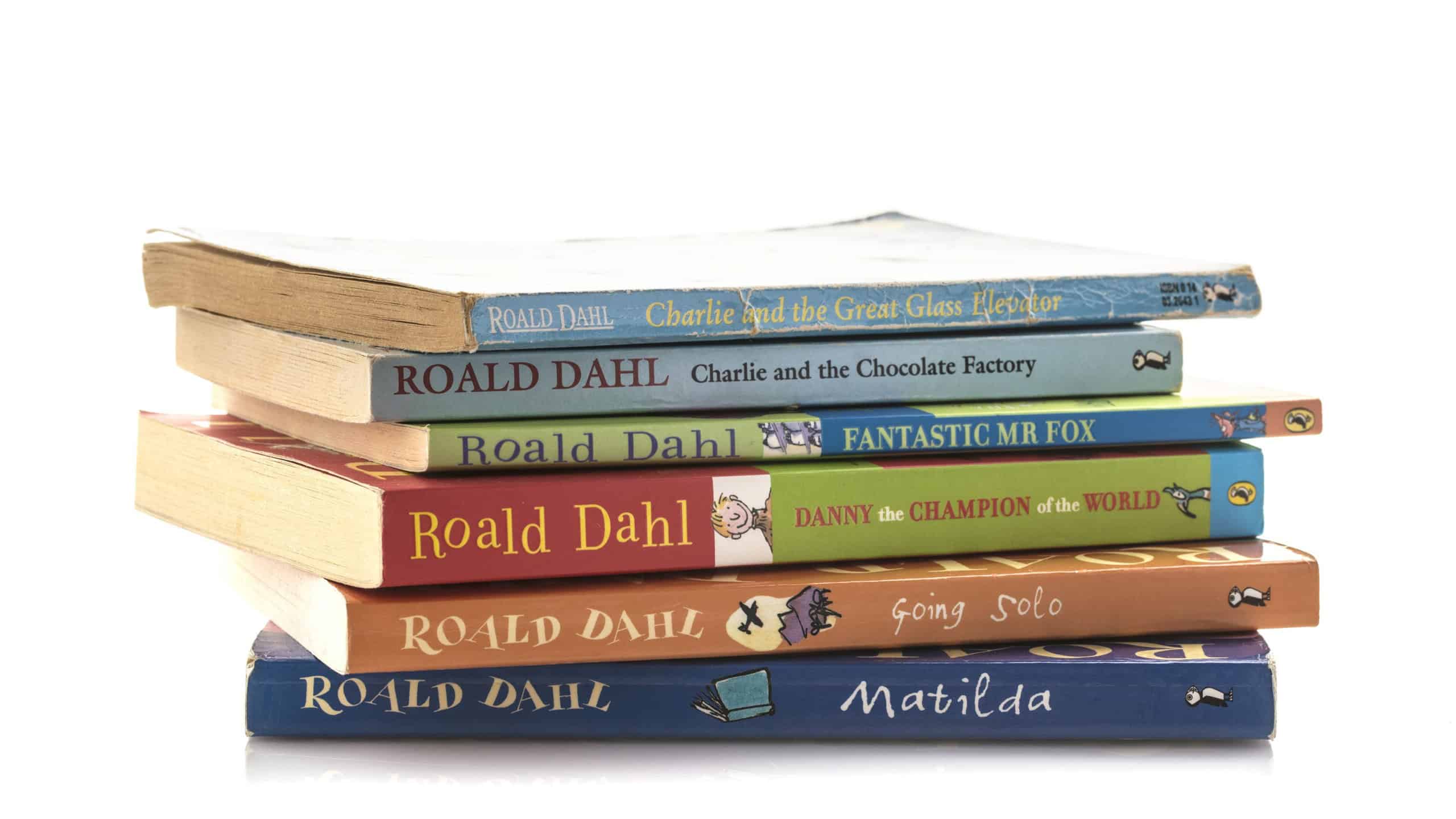
The author of Charlie and the Chocolate Factory and Matilda delighted children all over the world with his zany, fantastical writing. Off the page, Roald Dahl was known to be difficult, abrasive, and, quite frankly, horrible to his publishers, friends, and family.
He was also an unabashed, outspoken anti-Semite who proudly defended himself in interviews and wrote hateful essays proclaiming Jewish people were to blame for their persecution.
Lord Byron
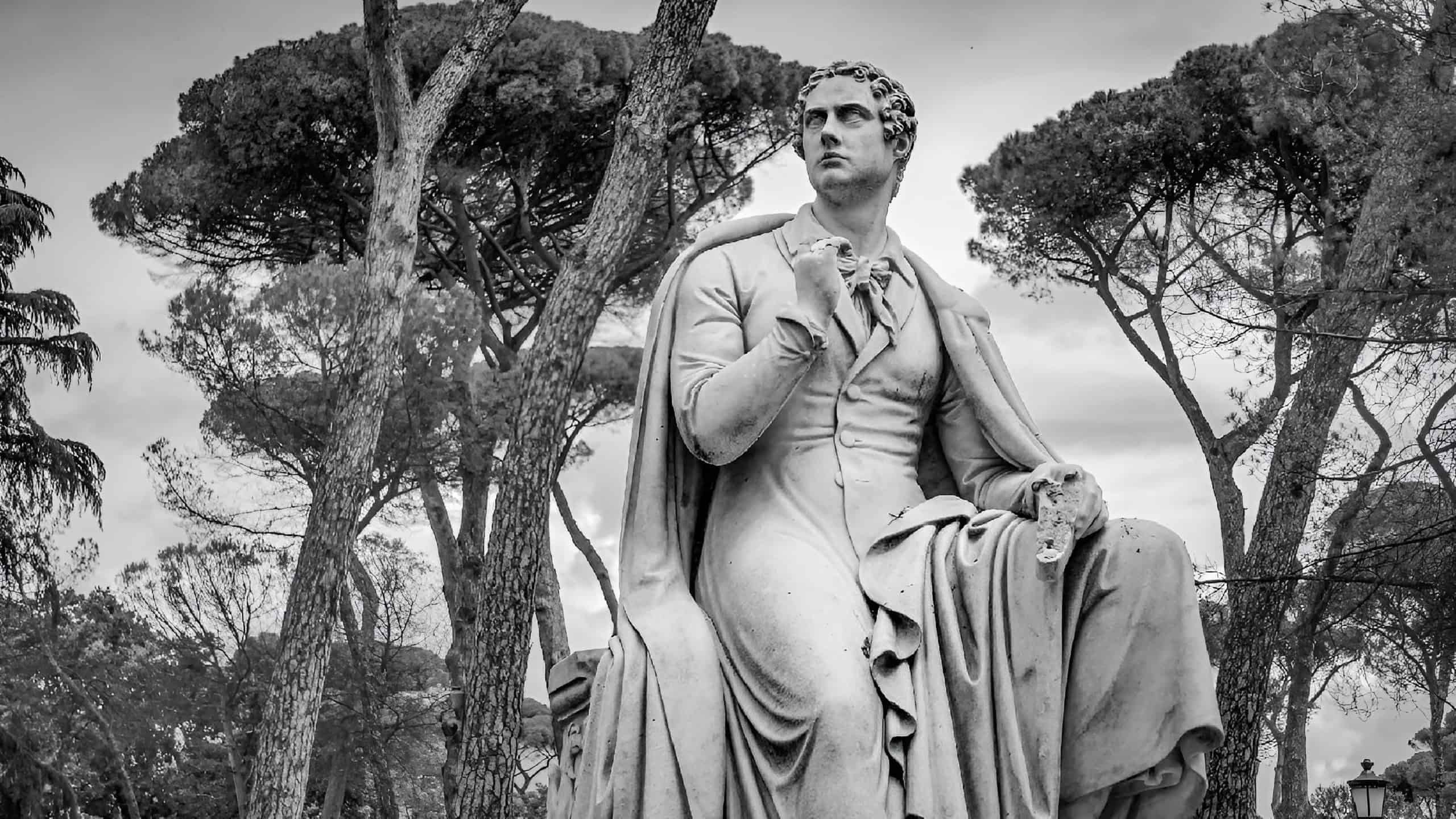
Byron was revered throughout Europe as the archetypal Romantic poet. His fame was based on his melancholy demeanor, his lovely poetry and his vocal support for political liberation.
He pursued countless women with a predatory abandon, seducing even his half-sister in an incestuous affair. His treatment of his wife was so cold and psychologically abusive that she ended the marriage because she feared for her life.
Frank Sinatra
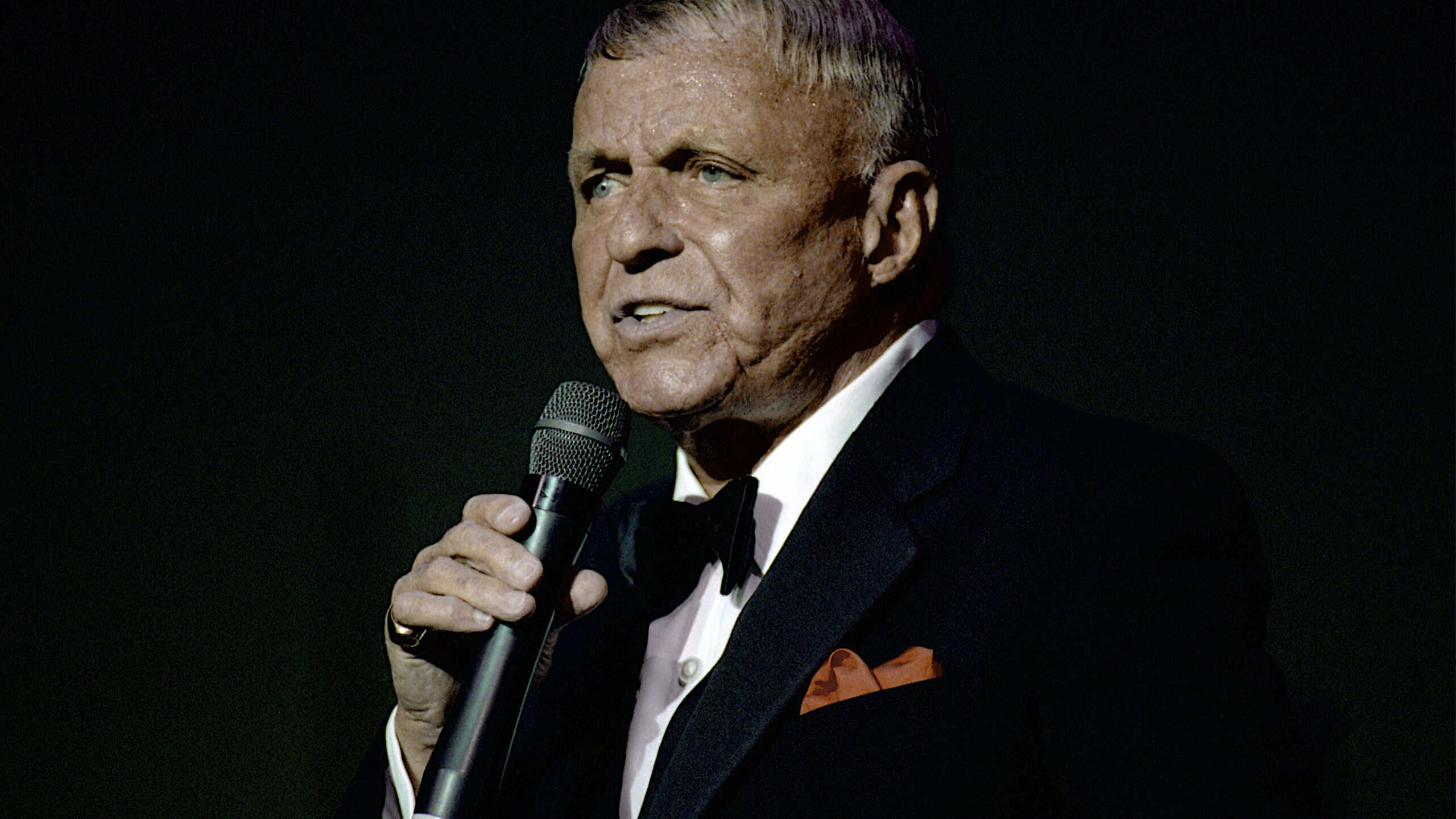
Sinatra was known as the charming frontman of the Rat Pack and set the standard for American cool for years with his unrivaled singing voice and philanthropy. Offstage, he was infamous for drunken rages and unpredictable fits of intimidation that frightened his associates.
He destroyed hotel rooms, beat up critics, stayed close with high-level mobsters throughout his career, and made use of his tremendous influence in the entertainment industry to blacklist others.
Isaac Newton
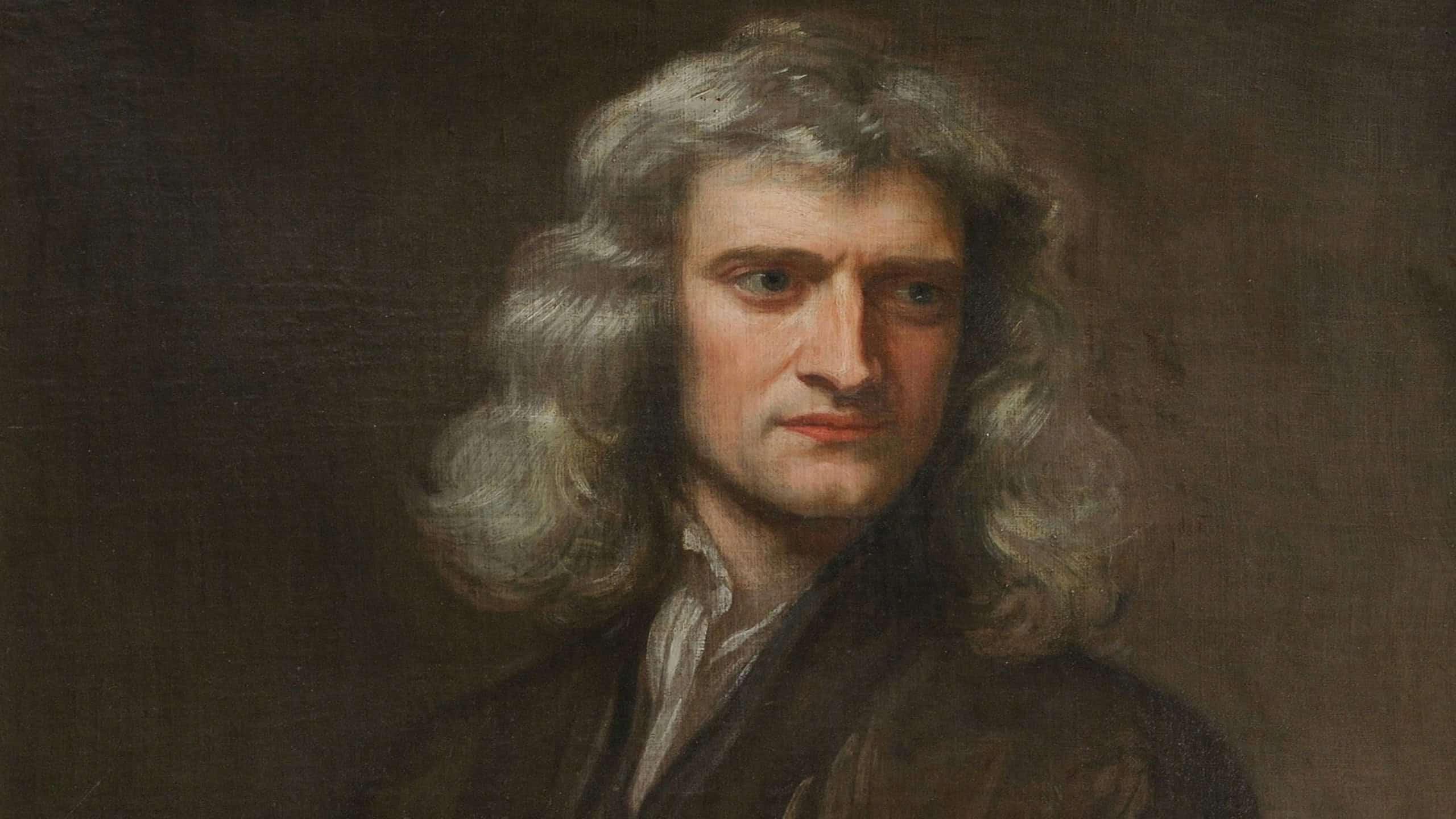
Sir Isaac Newton revolutionized how people viewed science and the world. To the people who interacted with him, he could be aloof, private, and aggressively competitive. Newton engaged in decades-long scientific feuds and was capable of incredible pettiness towards his peers.
After he accrued power in scientific societies, he would wield it over people he felt had wronged him. Newton was a genius, but he could also hold a grudge for decades.
Sources: Please see here for a complete listing of all sources that were consulted in the preparation of this article.