
Canadians often say that some popular Canadian companies couldn’t succeed in the U.S. because they are products of uniquely Canadian quirks, sensibilities, and landscapes.
Canadian Tire
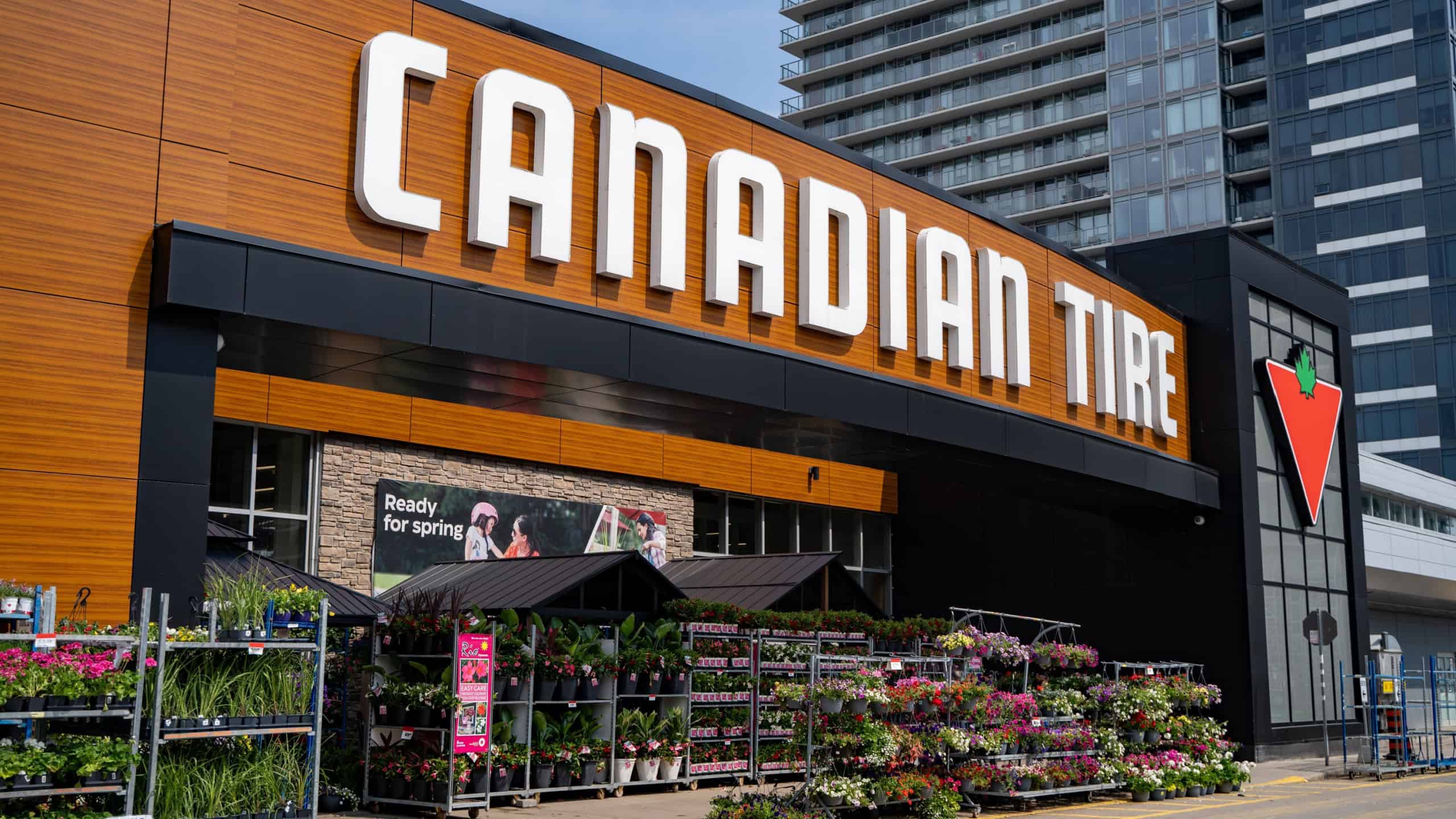
To Americans, the name sounds like a tire store. To Canadians, it’s a department store, but also a home improvement megastore, sports retail chain, garden center and automotive center all rolled into one.
Best of all? Canadian Tire Money. Since 1958, Canadian Tire has operated its own loyalty program currency that was so revered it became the target of counterfeit rings and was actually accepted as official currency by local pubs and bars.
Shoppers Drug Mart

America has Walgreens and CVS. Canada has Shoppers Drug Mart. But they don’t operate on the same level. Sure, it’s a pharmacy. But it’s also an upscale beauty boutique (complete with luxury cosmetics shelves and full-on beauty consultants), grocery shop, electronics store and neighborhood hangout.
Hudson’s Bay Company (The Bay)
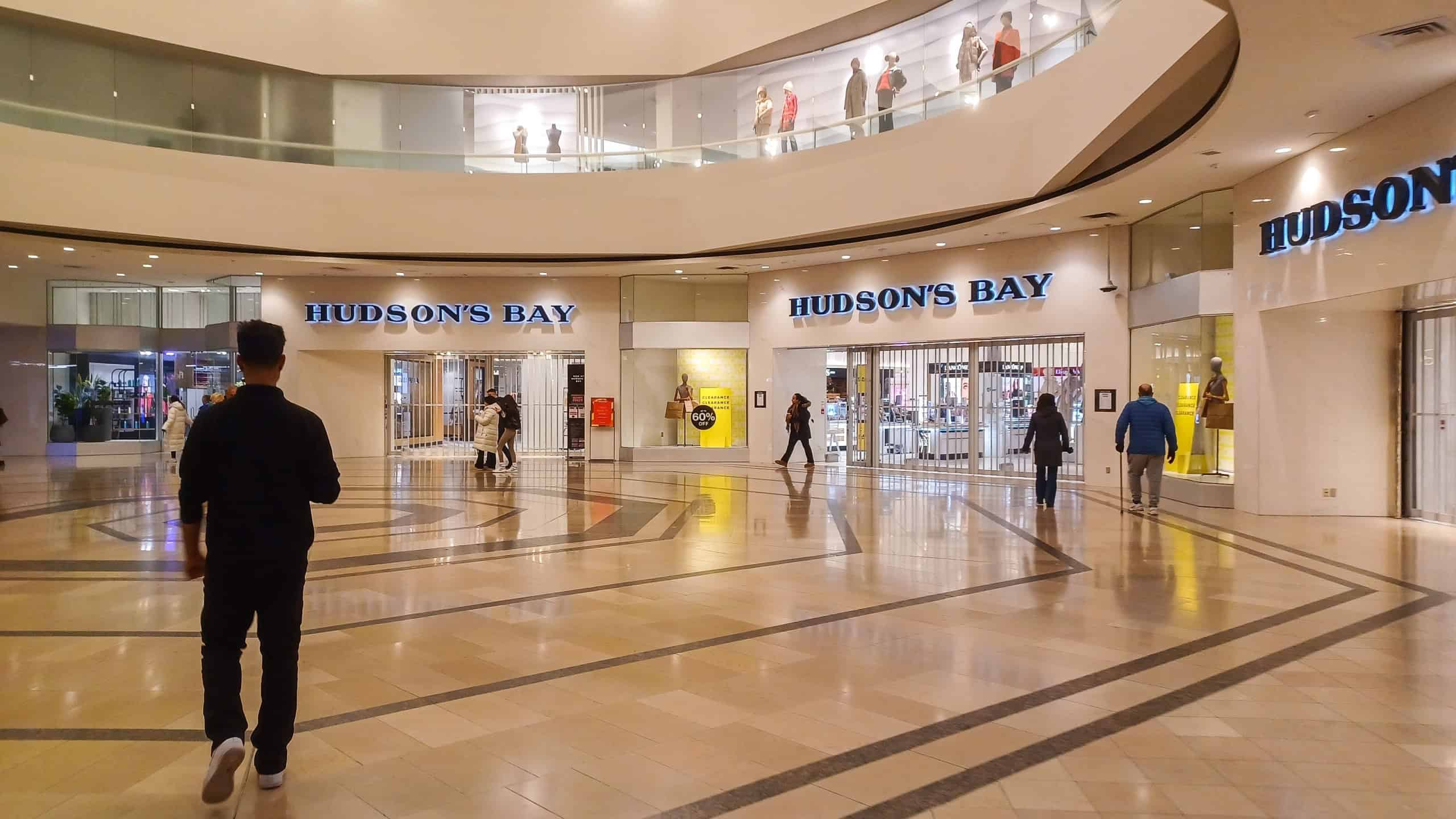
Founded in 1670 as an actual fur-trading empire that once controlled an immense portion of land on the North American continent, “The Bay” was North America’s oldest continually functioning company till recently. Though the stores shut down recently, their green, red, yellow, and indigo striped point blankets are literally pieces of history.
Harvey’s

Fast food joints have been built on the concept of moving burgers down an assembly line wrapped in paper before they arrive at your restaurant window.
Harvey’s gambled for nearly 60 years on the exact opposite concept: “Beautiful Munch”.
Since opening their doors in 1959, Harvey’s has been serving flame-grilled burgers in front of customers who then walk down a glass enclosed garnish case to select how they want their burger dressed by an employee making them fresh to order.
LCBO (Liquor Control Board of Ontario)
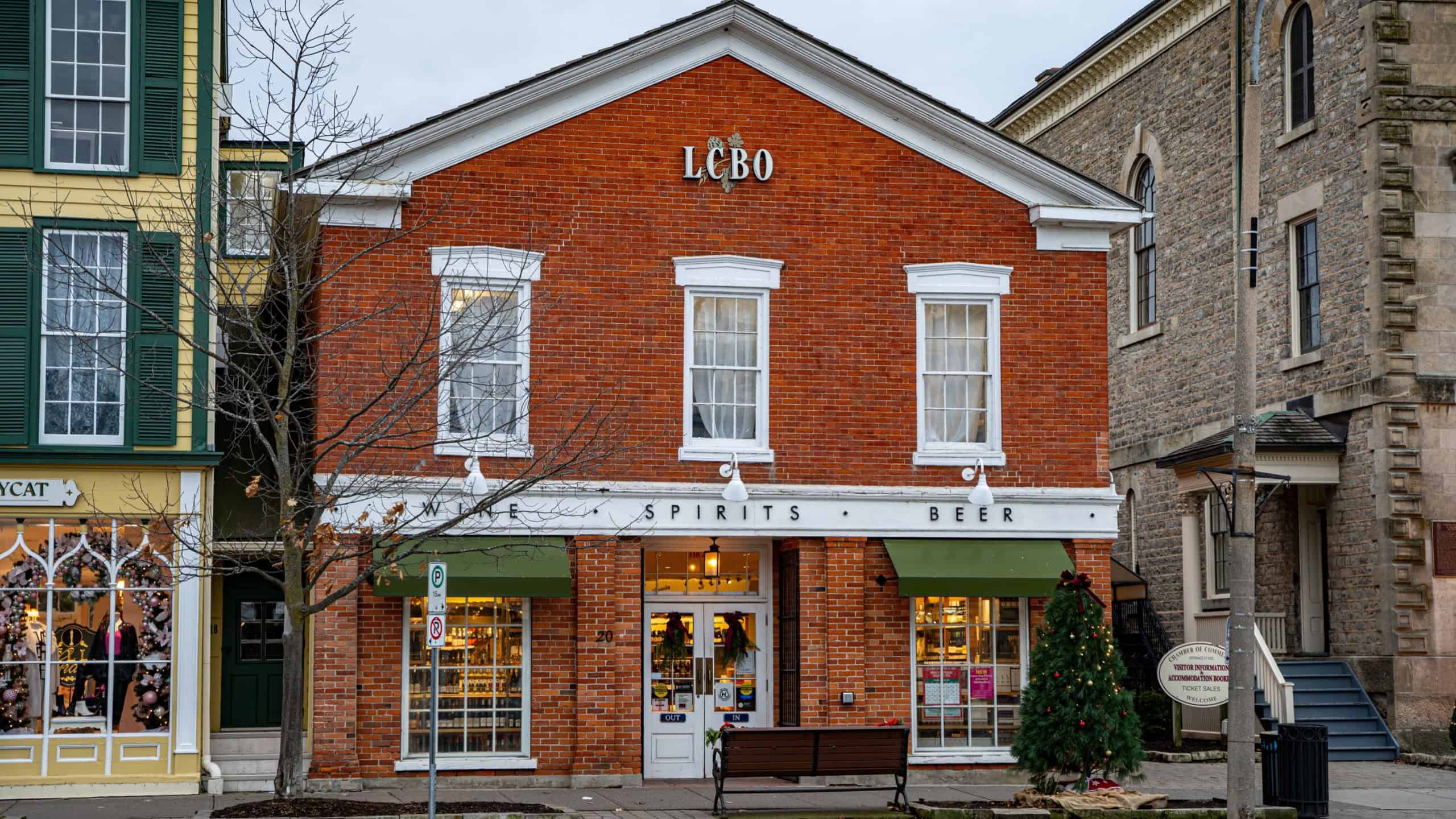
The LCBO is a government-owned crown corporation. It is one of the largest single buyers and retailers of alcohol on the planet.
The size and centralization of its buying power allow it to request rare vintages, set worldwide pricing patterns and demand unparalleled luxury, curated retail that feels like a chic museum. Government run alcohol monopoly this large and authoritarian doesn’t fly in the U.S., with its state-by-state liquor laws.
Swiss Chalet
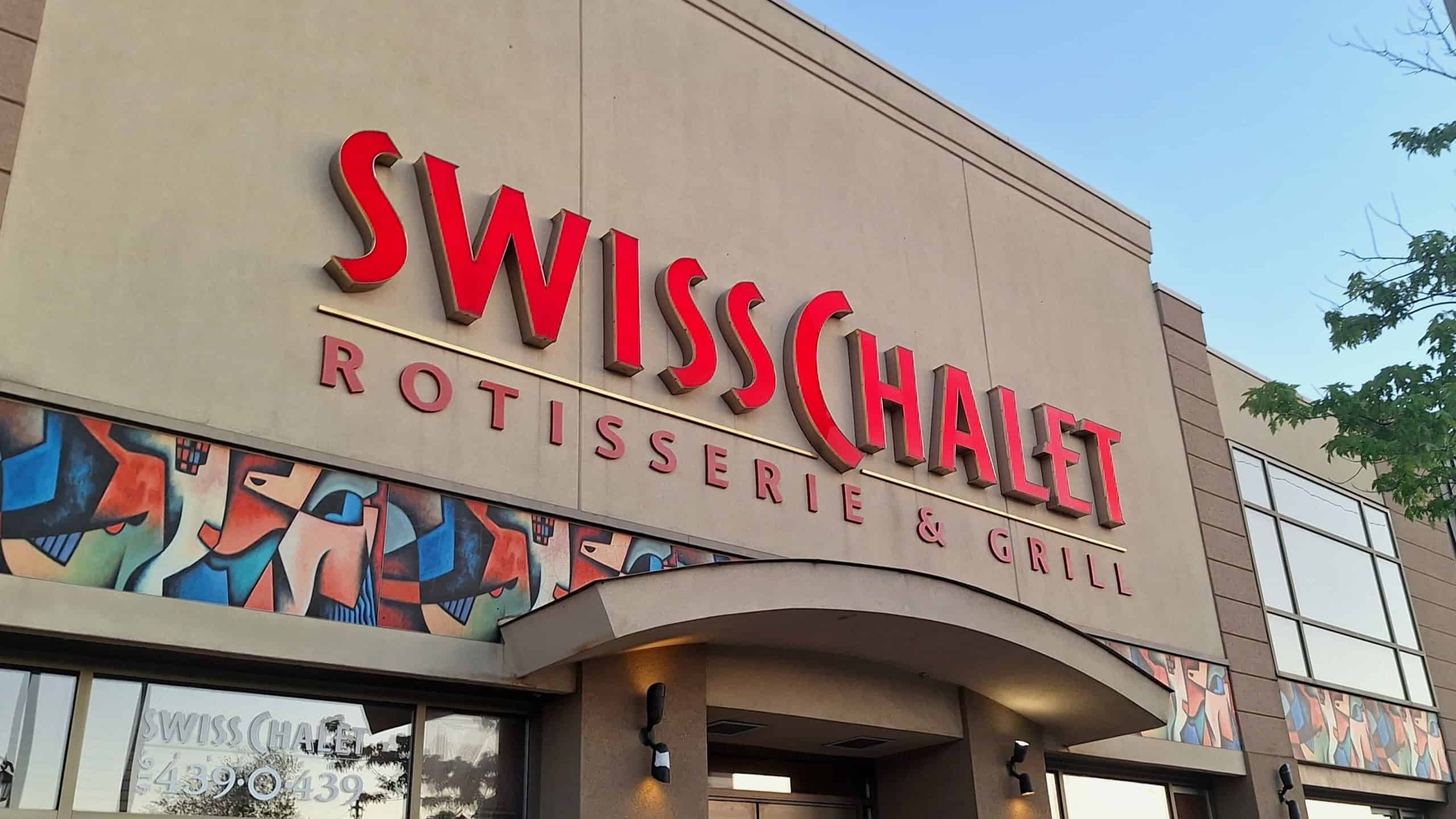
The menu might seem shockingly simple to outsiders: rotisserie chicken cooked slow-roasted on a spit, fries, a white roll, and a cup of intensely proprietary, herb-forward, acidic dipping sauce advertised simply as “Chalet Sauce.”
Established in 1954, Swiss Chalet operates on old-fashioned, multi-generational comfort food nostalgia. The unique taste of their signature dipping sauce polarizes outsiders and bonds Canadians in a nostalgic sit-down dining experience that a new brand could never replicate in the US.
Cineplex (Odeon)
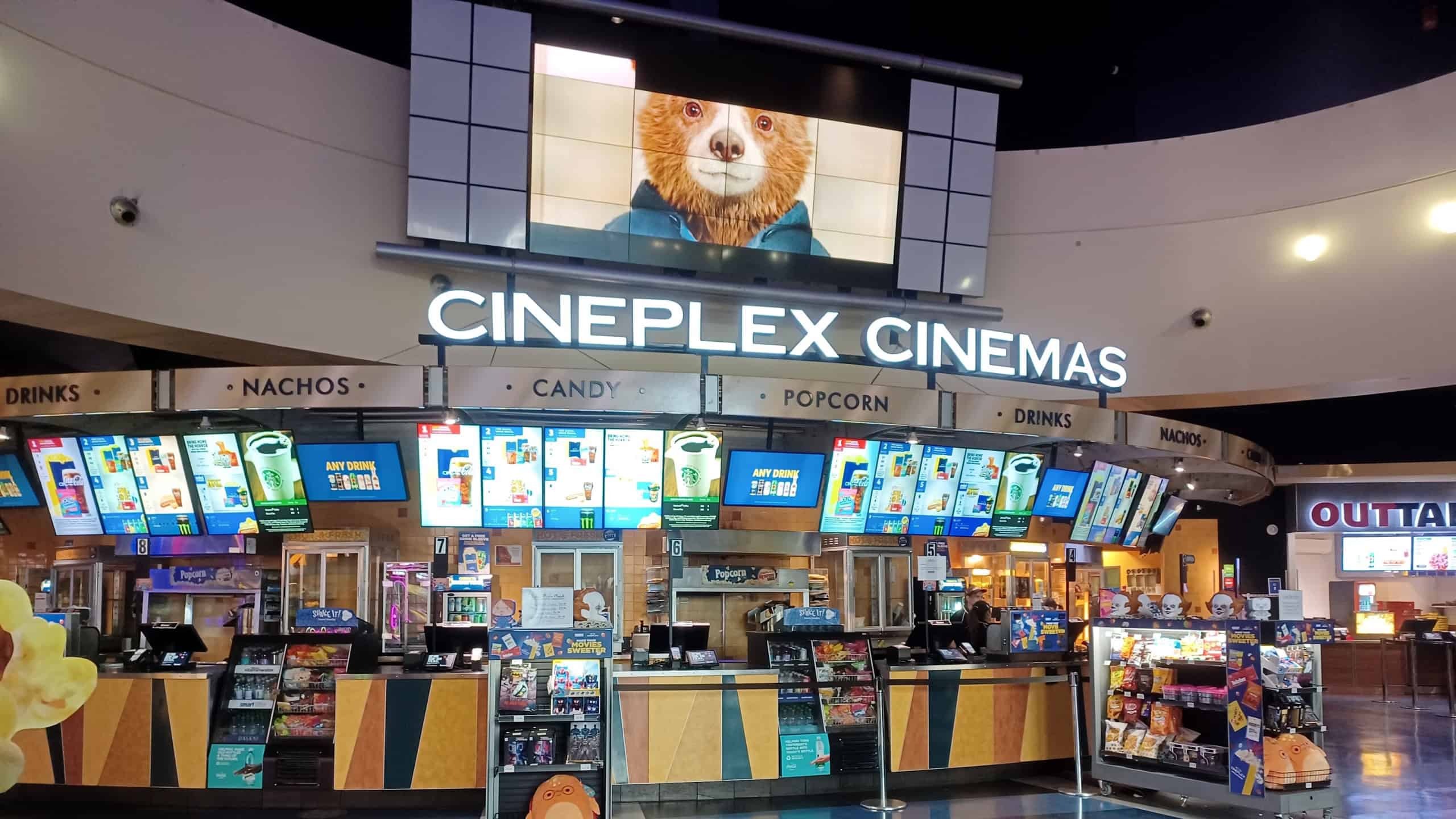
For much of the past decade, American movie theater chains have struggled to stay solvent while Canadian theater giant Cineplex has continued to expand, working towards dominating Canada’s movie theater market.
Much of its success comes from gobbling up competitors and becoming less about films and more about entertainment experiences; introducing amenities like VIP dine-in theaters, The Rec Room (gigantic restaurant-arcades), and entertainment destinations that help theater-going stay relevant in the digital age.
Dollarama
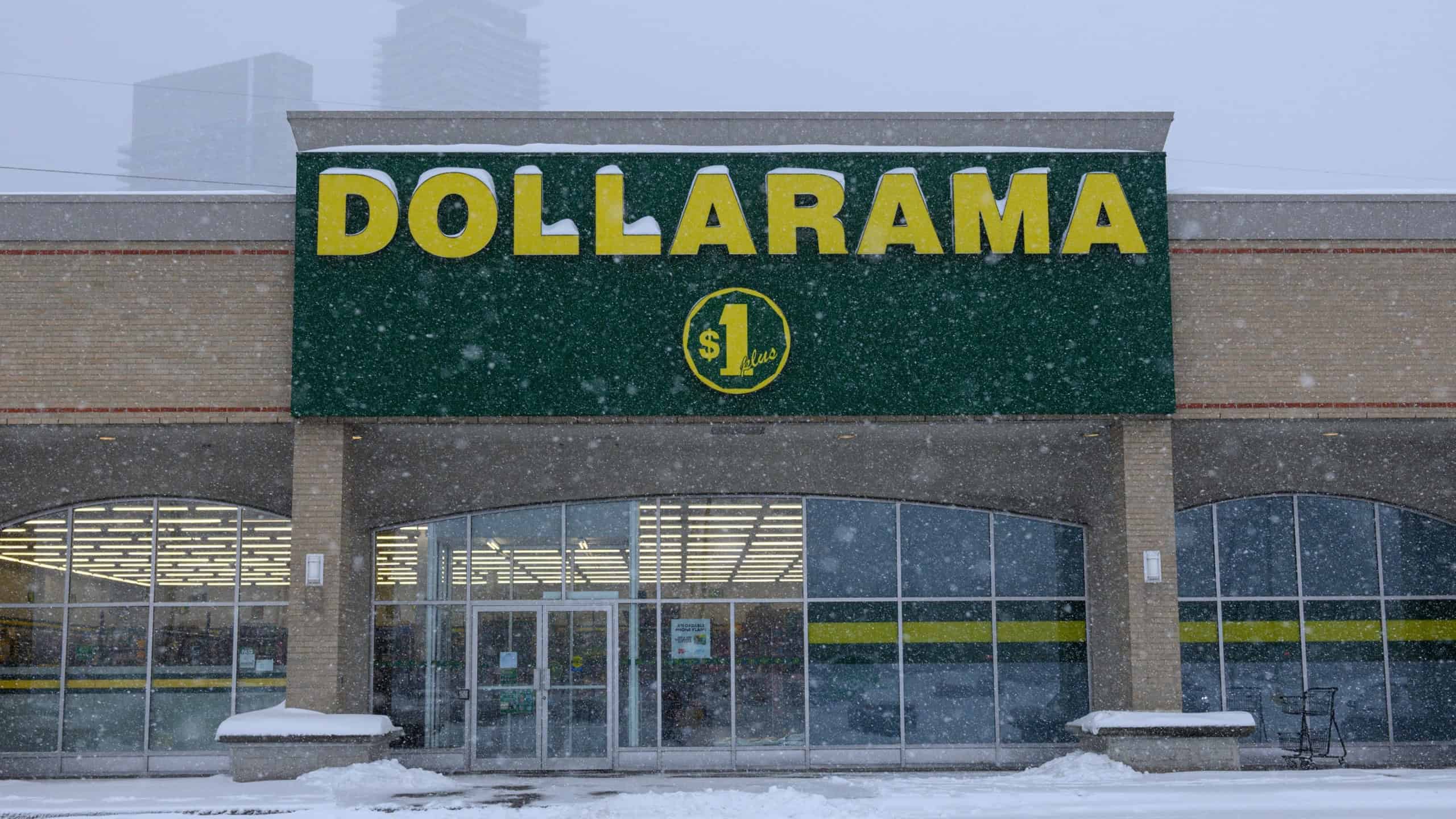
Most dollar stores in America are corporate chains such as Dollar Tree or Dollar General that have notorious issues with overcrowded shelves and local resident complaints.
Dollarama is the opposite: their stores are pristine, extremely organized, ultra-efficient. They have cornered the discount market in Canada so well that they have no real competition, presenting themselves as a higher-end, well-curated establishment and raising the bar for the entire dollar store concept.
Boston Pizza
This casual dining empire wasn’t actually founded in Boston. Rather, it was started in Edmonton, Alberta, in 1964.
It is unique from a structural standpoint. Each establishment is divided right down the center into two entirely different atmospheres: family friendly, high-booth dining room on one side; energetic, high-intensity sports bar on the other, complete with an enormous menu ranging from artisan pizza to wings and noodles.
Roots
Roots was founded in Toronto in 1973 and refined the hardworking cabin-in-the-woods aesthetic of the Canadian outdoors into elegant urban streetwear.
Defined by its trademark beaver logo, salt-and-pepper sweatpants, and hand-stitched leather goods, Roots struck a careful balance between comfy athletic apparel and earnest luxury.
MEC
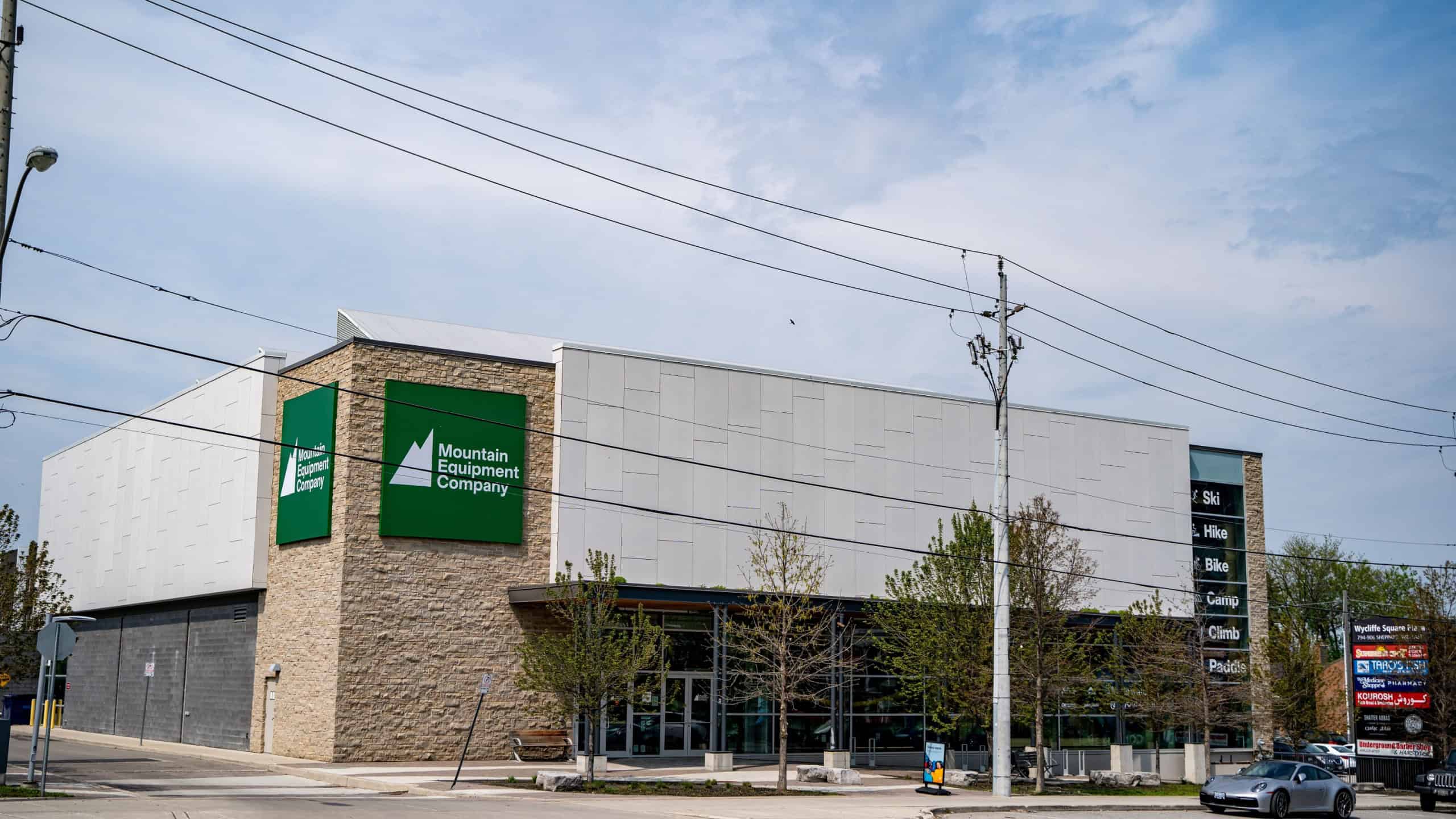
Started in 1971 as a co-operative, buying anything from MEC (Mountain Equipment Company) meant purchasing a five-dollar lifetime membership, whether you were buying a climbing rope or a jacket.
Membership made customers shareholders and birthed a cult-like following who viewed this brand as an environmental crusade and less of a store. Though MEC has moved away from the pure co-op model since 2020, it still owns the narrative when it comes to Canadian wilderness.
WestJet
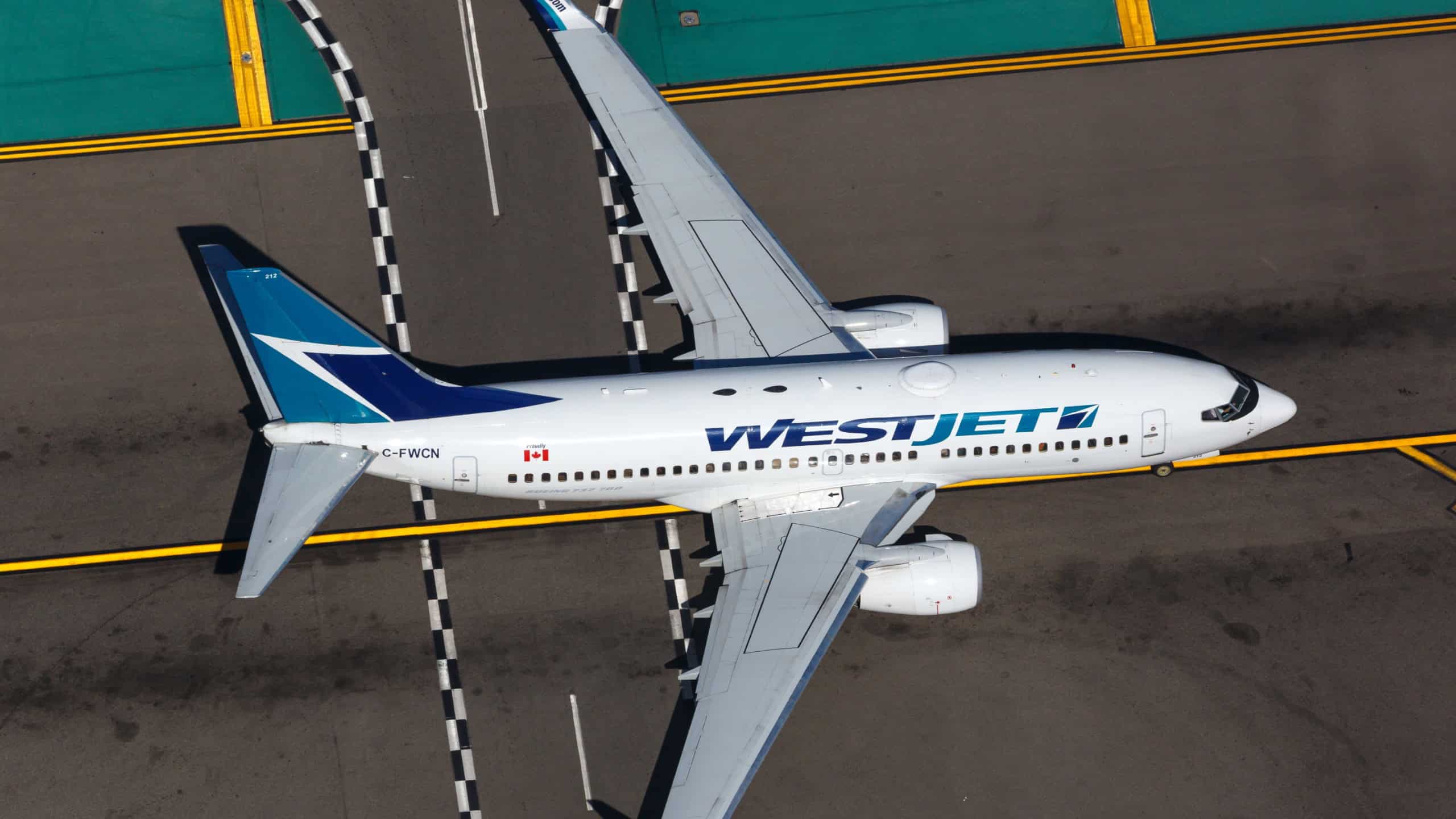
Started in 1996 as a low-cost Canadian West startup, WestJet has done what U.S. discount carriers have failed to do: grow into a global premium airline without losing its down-home personality.
It challenged Canada’s long-distance, sparse population with international routes and upscale Dreamliners without sacrificing its famed employee profit-sharing program.
Sources: Please see here for a complete listing of all sources that were consulted in the preparation of this article.