
While some lies are soon forgotten once people realize they’ve been duped, others become so notorious that no one will forget them.
Donation of Constantine
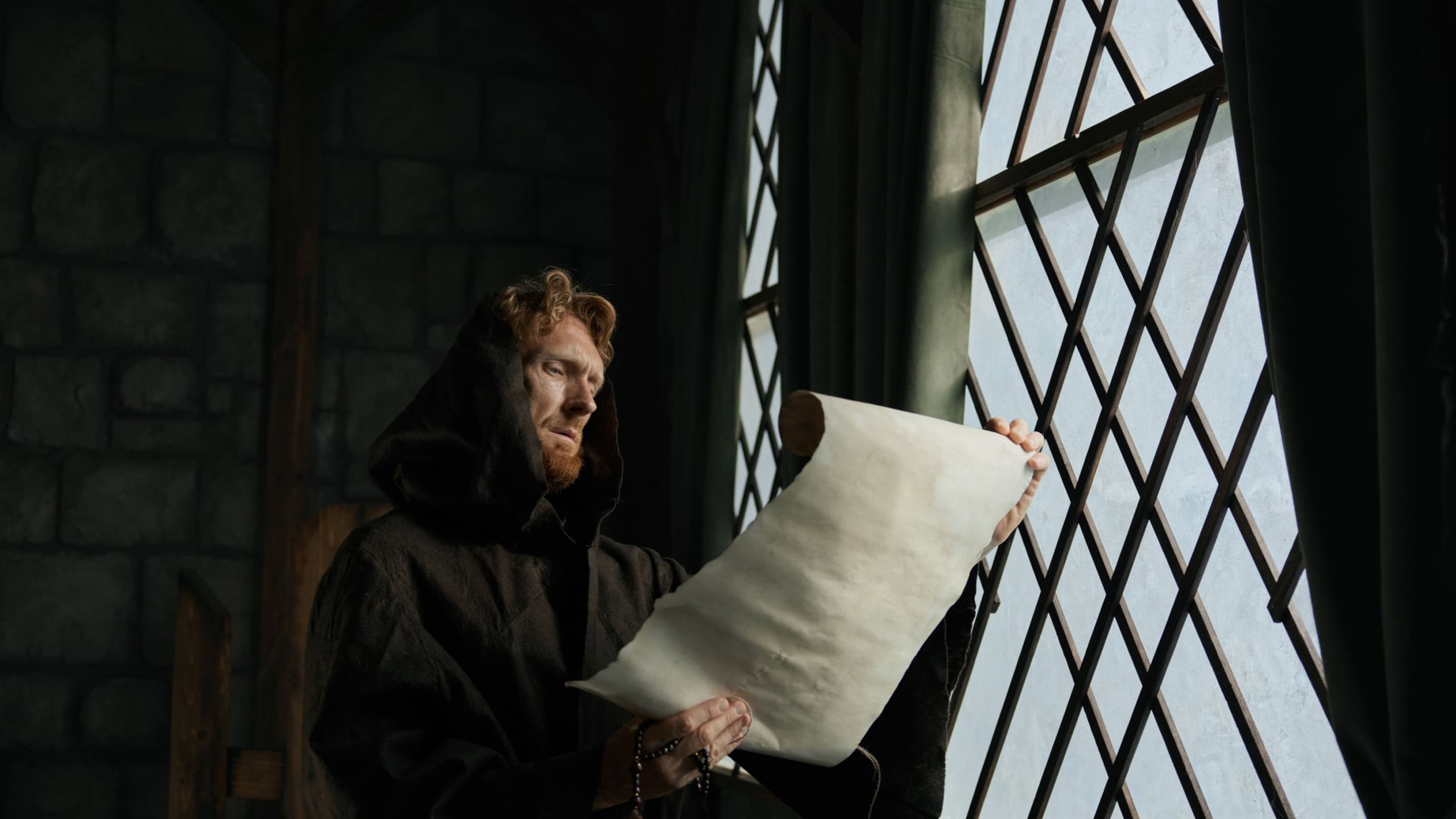
The Catholic Church asserted political power over much of Western Europe for centuries based on a document they said was penned by Roman Emperor Constantine the Great in the 4th century AD. The document explicitly granted spiritual and temporal power over Rome and the former Western Roman Empire to the Pope.
It was not until the 15th century that Catholic priest and scholar Lorenzo Valla demonstrated through linguistic evidence that the document was entirely forged, probably created in the 8th century to enhance papal authority.
The Zinoviev Letter
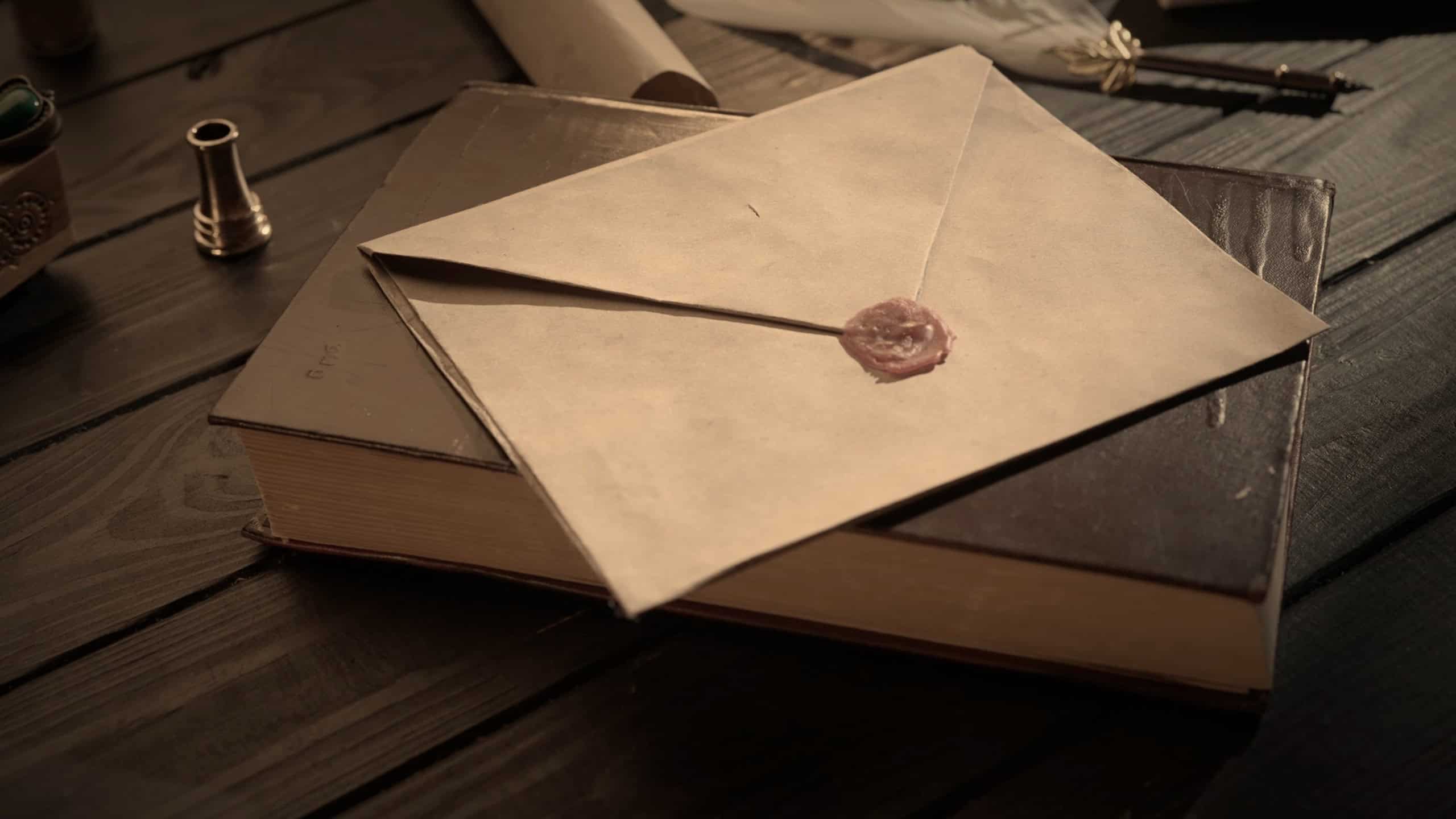
A few days before a British general election in October 1924, the Daily Mail released a document they said had been leaked from Moscow that called for British workers to begin a violent revolution. The letter sparked a tide of anti-communist hysteria, frightening the nation and helping sweep the sitting Labour government from office.
While the letter was promptly denied by the Soviet Union, it remained a genuine example of communist subversion for decades afterwards. It has since been exposed as an utter fabrication most likely created by anti-Bolshevik Russian exiles hoping to destroy British leftist movements.
The Piltdown Man

In 1912, amateur archaeologist Charles Dawson announced he had found the long-sought missing link between ape and man. He uncovered a humanoid skull with an ape-like jawbone in a gravel pit in Piltdown, England. The find was happily received by British scientists, who were certain Britain was where mankind began.
It took 40 years for the deception to be uncovered. In 1953, newer forms of chemical testing proved it was a medieval skull combined with an orangutan jawbone, which had been stained and filed down.
The Protocols of the Elders of Zion
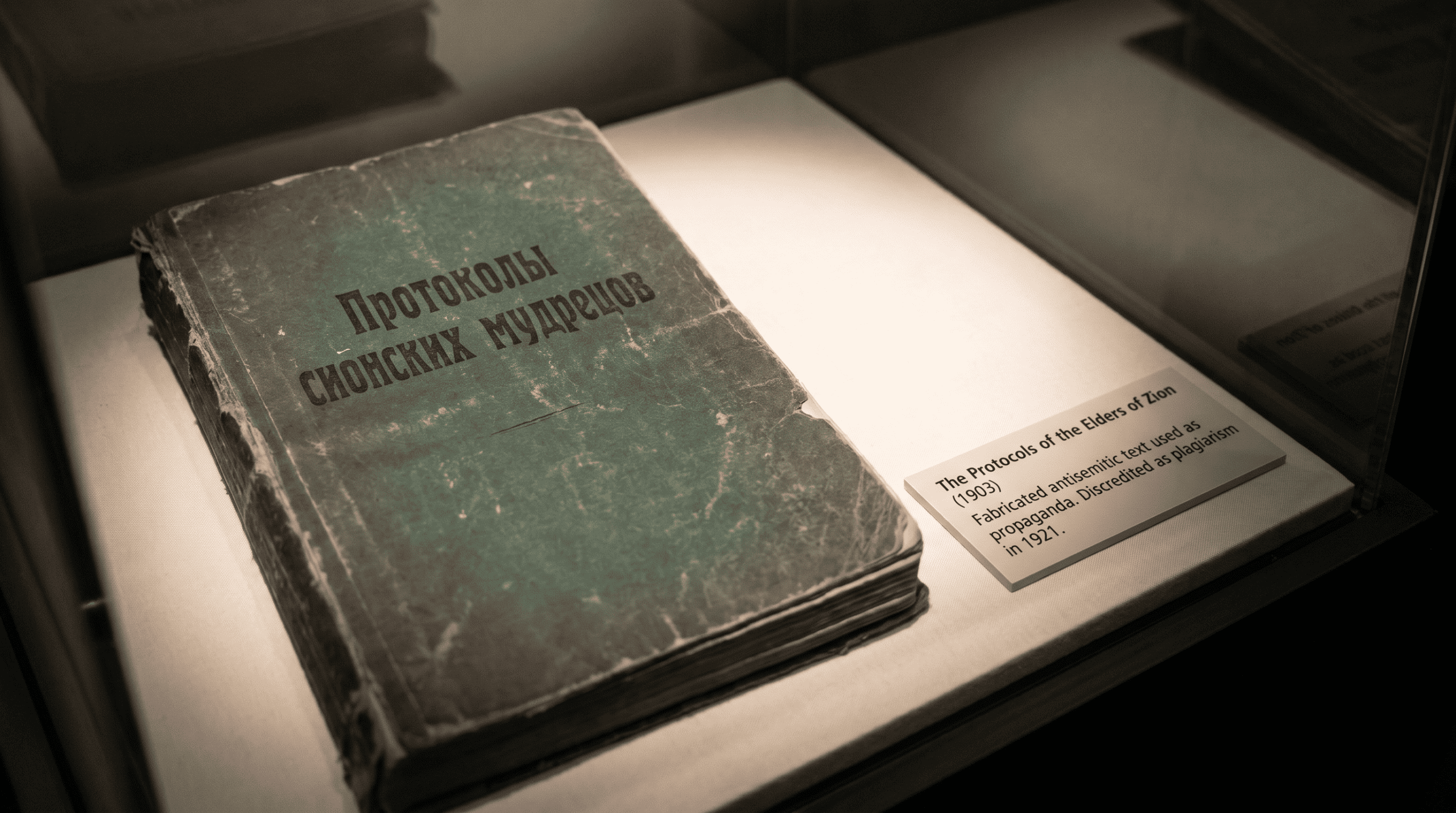
First published in Russia in 1903, the text purports to describe the minutes of a secret meeting of Jewish leaders who devised a conspiracy for global domination of the economy, the media, and governments.
Although discredited as a wholly plagiarized fabrication by a British newspaper in 1921, the myth was turned into a murderous weapon. Nazi propaganda used it to justify the Holocaust and continues to inspire dangerous conspiracy theories globally.
The Great Moon Hoax

The Sun newspaper in New York City ran a series of articles in August 1835 that claimed an astronomer had found life on the moon. The public ate up descriptions of blue unicorns, two-legged beavers and flying bat-like men roaming a lush lunar wilderness.
Sun reporter Richard Adams Locke had written the entire series as a hoax to satirize religious theorists who bent God to fit their tales of space. Once readers discovered the deception, they laughed off their anger and enjoyed one of the biggest media jokes ever.
The Cardiff Giant
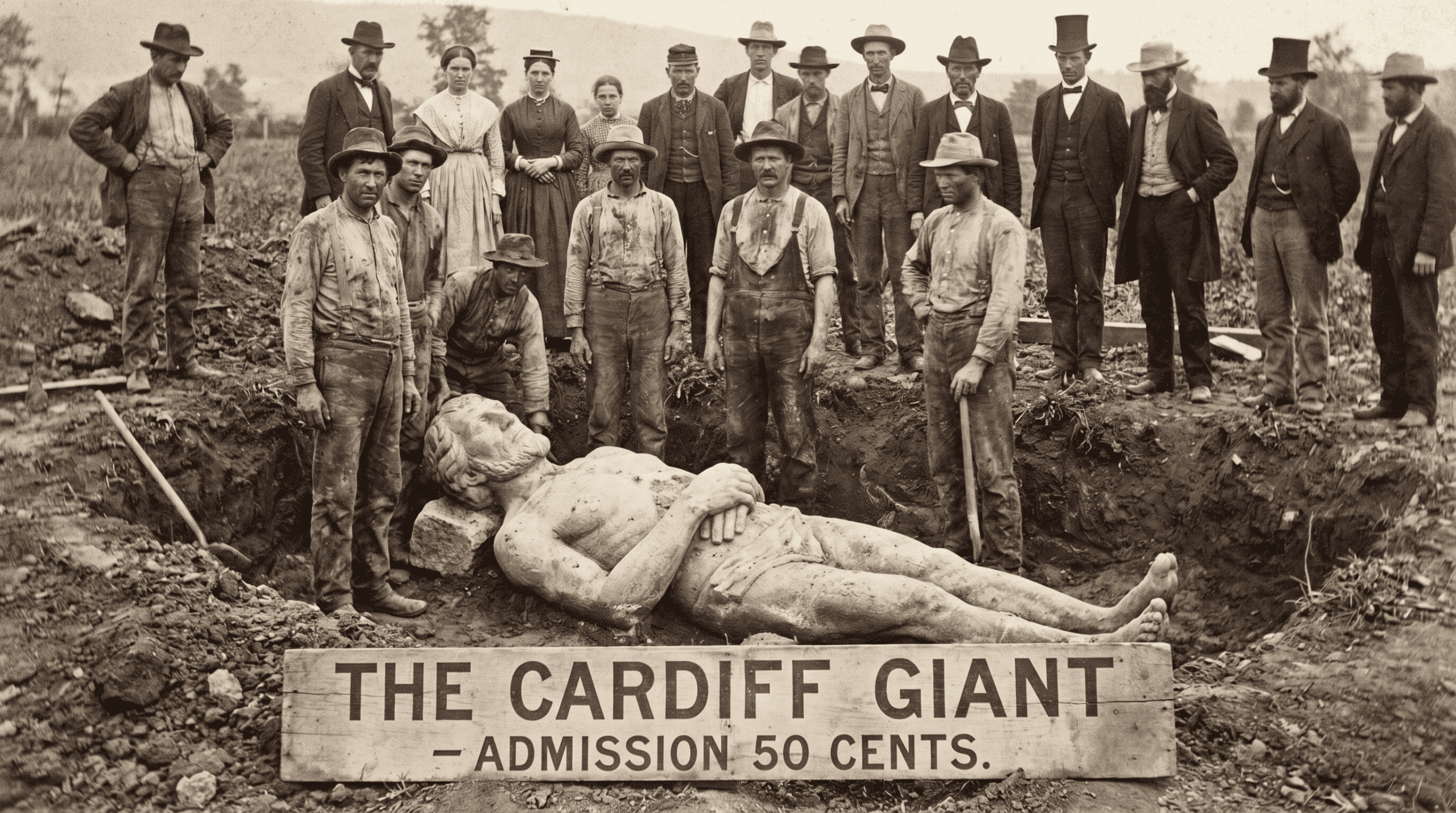
In 1869, laborers on a farm near Cardiff, New York, uncovered a giant 10-foot-tall stone while digging a well. The American public was intrigued and thousands of people paid to see the petrified giant, sparking heated debates between theologians and scientists regarding whether or not giants once walked the earth.
The whole event was actually a hoax perpetrated by atheist George Hull, who had the giant carved from a block of gypsum and buried the year before as a practical joke against religious literalists.
The Popish Plot
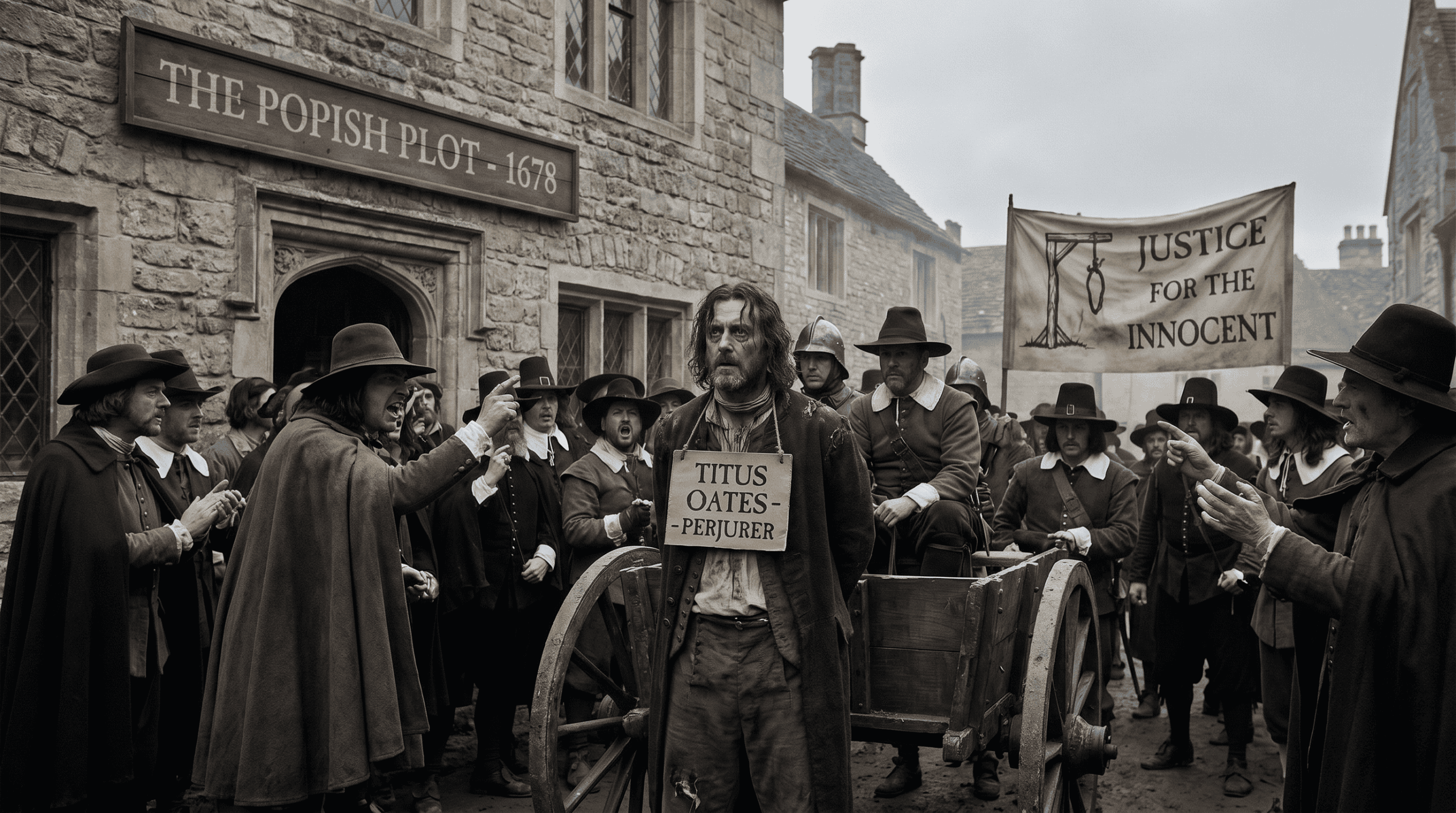
Titus Oates was an infamous liar. In 1678, he fabricated a story about a large-scale, underground Catholic plot to kill England’s King Charles II and put his brother James on the throne. Oates’ elaborate deceptions whipped the country into anti-Catholic frenzy.
At least 22 men were executed because of Oates’ lie. He caused a national political crisis until he was exposed, whipped through the streets and jailed for his crimes.
The Hitler Diaries
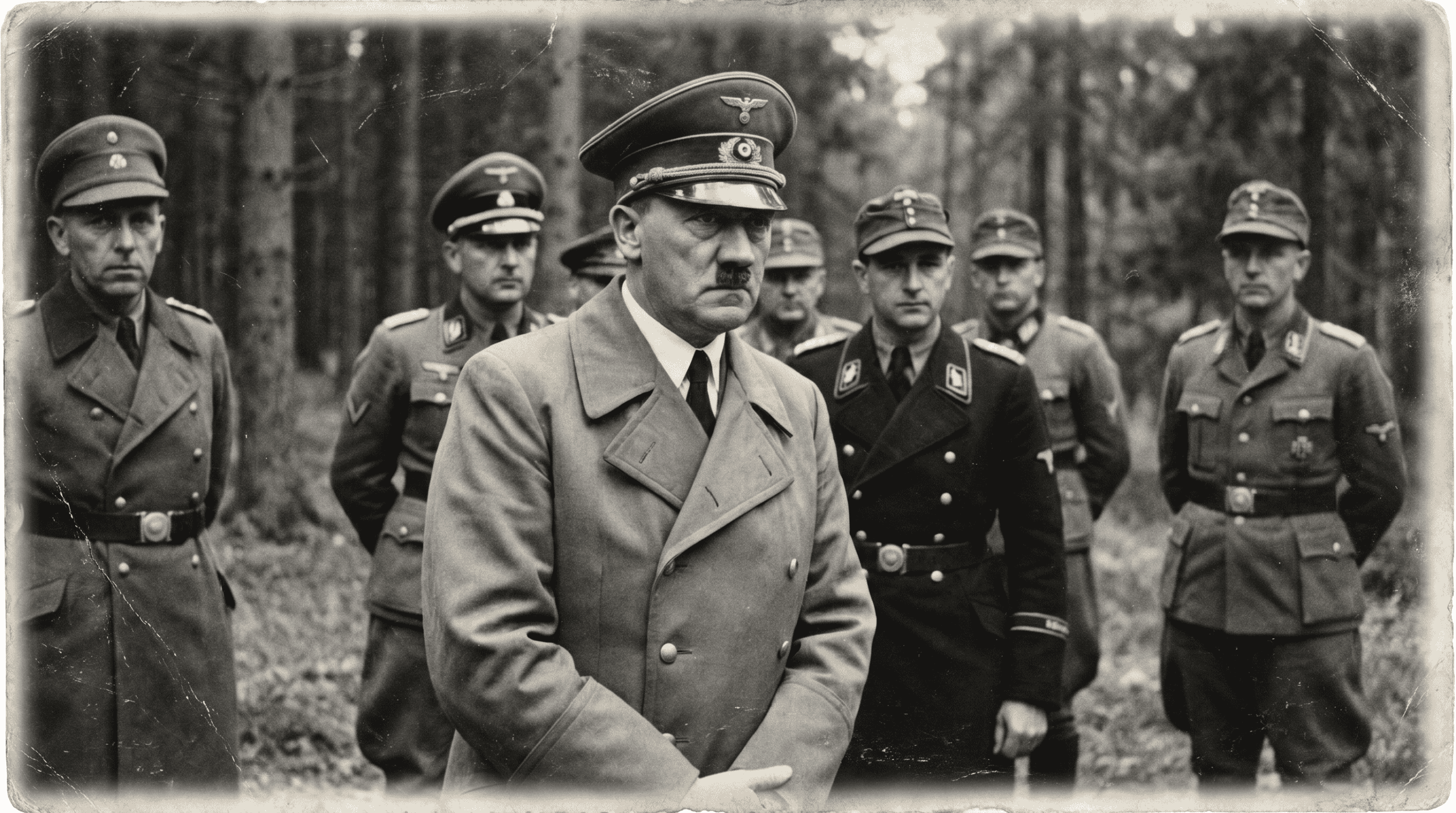
The West German magazine Stern stunned the world in 1983 with news it had found 60 volumes of secret personal diaries Adolf Hitler had allegedly kept. Stern paid millions of Deutsche Marks for the diaries and historians authenticated them.
Forensic tests were conducted weeks later on the paper, ink, and bookbinding glue, and proved entries were made with modern-day synthetic whitening agents and were created by a notorious forger, Konrad Kujau. It became one of the greatest media scandals ever.
The War of the Jenkins’ Ear
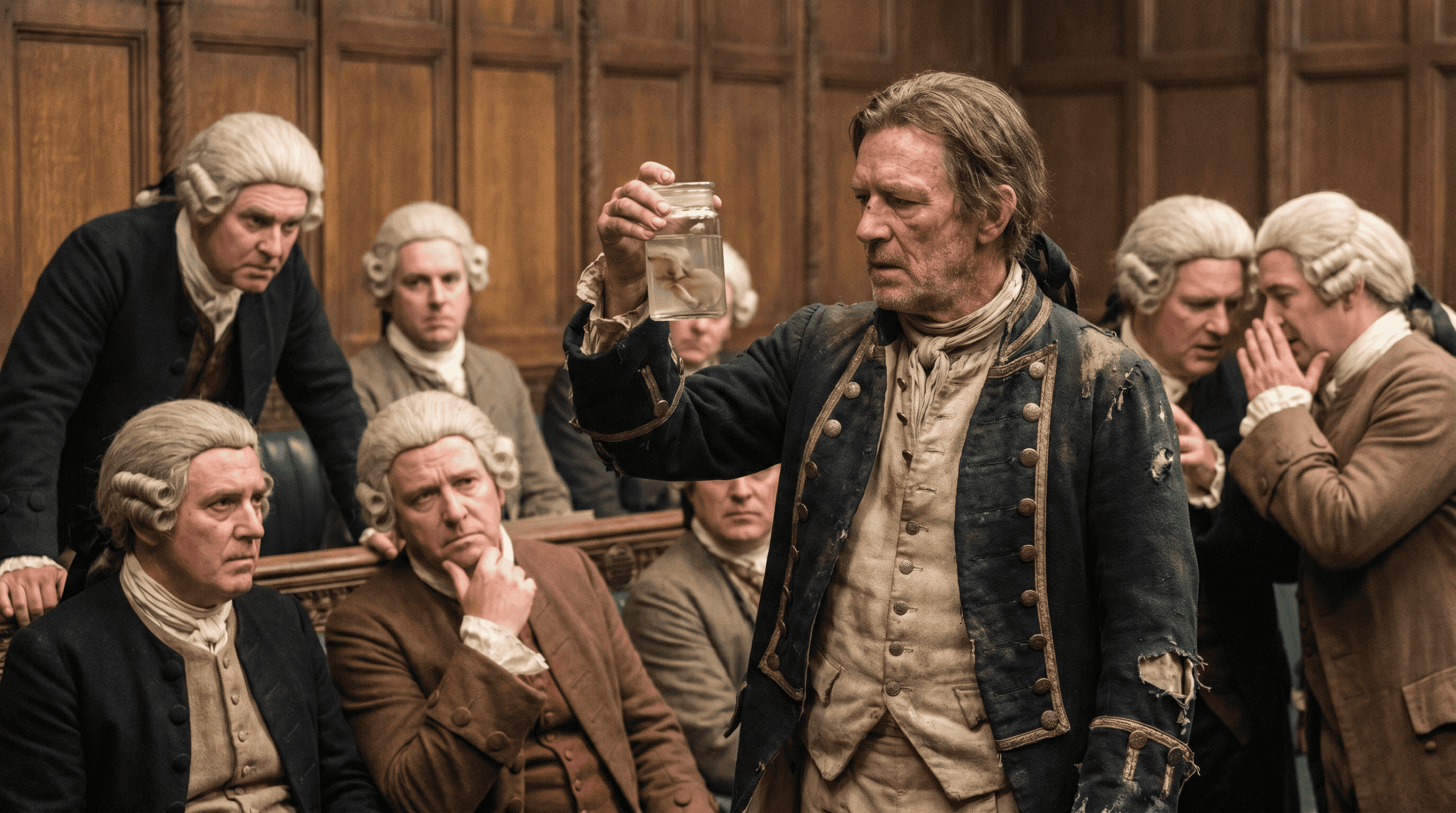
In 1738, British sea captain Robert Jenkins showed up before British Parliament with a jar of his pickled severed ear. Jenkins told politicians that Spanish coast guards had boarded his ship seven years prior, tied him up, and cut his ear as revenge against the British Crown.
Politicians exaggerated the tale in order to manipulate the public into demanding that their somewhat reluctant Prime Minister declare an actual war with blood and treasure against Spain. This conflict became known as the War of Jenkins’ Ear.
The Cottingley Fairies

Captured in photos produced by two cousins, aged nine and sixteen in 1917 in Yorkshire, England, these fairies appeared to be real, winged creatures frolicking in the girls’ garden. The photos dazzled a public numbed by World War I casualties, garnering such believers as Sherlock Holmes writer Sir Arthur Conan Doyle.
For decades, the hoax went undetected until the girls confessed in the 1980s that the fairies were cut from a popular children’s book and mounted with hatpins.
Sources: Please see here for a complete listing of all sources that were consulted in the preparation of this article.