
From enhanced consumer protections to day-to-day conveniences you didn’t know you needed, Canada has many shopping perks that citizens often take for granted.
Food safety

Canada’s food safety system affords consumers many protections. Artificial growth hormones are not allowed to be used on dairy cows in Canada. Packaged goods are required to list ingredients, nutrition facts, and allergen information in both official languages.
Warning labels are required if the product contains any of Canada’s major food allergens, including peanuts, milk, eggs, or shellfish.
Canada’s food rules ensure that citizens often know more about the food they buy than consumers in other countries, and their food safety standards are consistent from province to province.
No hidden fees
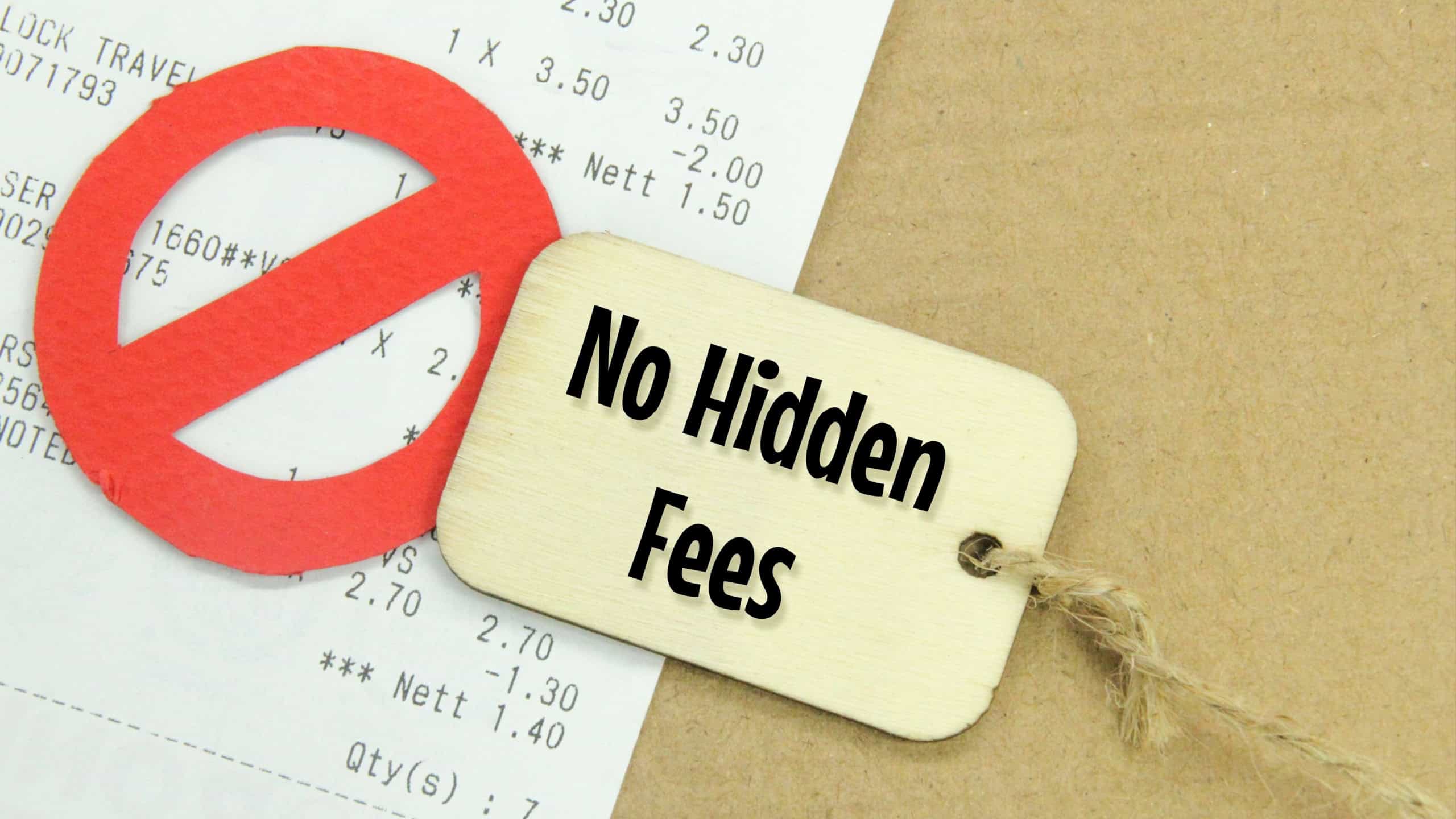
Canadians enjoy some of the world’s strongest protections against drip pricing schemes. Drip pricing is when a business advertises a price, then sneakily adds mandatory fees as consumers go through the purchasing process.
Step by step, the cost of a product or service ends up significantly higher than originally advertised.
Over time, Canadian regulators and courts have cracked down on this practice and demanded greater transparency from businesses.
Free corporate mediation

Filing a lawsuit against a large company can be costly, time-consuming and frightening. In Canada, however, consumers may have the option of using free independent complaint- resolution services.
Agencies like the Commission for Complaints for Telecom-Television Services (CCTS), which deals with phone, internet and television providers, and banking ombuds services exist to adjudicate certain disputes.
Unified safety recalls

When a product is found to be unsafe, Canadians don’t have to search dozens of company websites to find out if they’re affected.
Canada has centralized recall registries that compile safety notices for everything from toys and electronics to cars and food. Not only does this allow Canadians to better keep tabs on products they own, but it also gives consumers the chance to act fast if a product they have could endanger their safety.
Regulated weights & measures

Few consumers ever question whether their gas pump is delivering the appropriate amount of fuel or if their grocery store scale is accurate.
Canadians don’t have to worry about this because there is a federal government agency that routinely inspects and certifies commercial measurement devices. Common devices like gas pumps, grocery scales and electricity meters are checked to verify they dispense what consumers pay for.
Children’s products

In Canada, there are strict safety regulations regarding products for infants and children. Toys, cribs, strollers, car seats, baby carriers and accessories must meet strict regulations before they are able to be sold.
Recalls on unsafe products can be issued through a national monitoring system that alerts both the consumer and the store. So parents can rest assured that products labeled for children have been stringently reviewed for safety and continue to be monitored once they are on the market.
Privacy rights

Privacy legislation in Canada allows consumers some degree of control over how their personal information is collected, used, stored and disclosed.
For example, in many situations, organizations must disclose why they are collecting personal information and how that information will be used. Consumers are often able to request access to personal information that an organization has about them and request that the information be corrected if it is inaccurate.
Door-to-door sales restrictions

Some Canadian provinces have imposed severe regulations on door-to-door sales of items like furnaces, air conditioners, water heaters and various other home services.
Regulations were implemented after consumers complained of being harassed into signing costly contracts they didn’t understand. By limiting or banning certain types of unsolicited sales, governments have reduced opportunities for high-pressure sales tactics and misleading claims.
Anti-spam protection

Canada’s anti-spam law is regarded as one of the strictest in the world. In most cases, businesses will not be allowed to send consumers large amounts of promotional emails, text messages, or other forms of electronic marketing unless they have their permission first.
Additionally, businesses must include an easy way for consumers to say no to future messages. Companies that fail to comply with Canada’s anti-spam rules may be subject to significant penalties.
Price accuracy code

The vast majority of large Canadian chains abide by the voluntarily-run Scanner Price Accuracy Code, which is designed to protect consumers.
If something at the register scans higher than the shelf price, consumers may be able to pay the shelf price or receive the item for free, depending on how much it is. The code gives stores an incentive to get things right and allows consumers to easily dispute pricing errors.
Air passenger rights

Canada’s Air Passenger Protection Regulations (APPR) allow travellers to legally ask for compensation when their flight is delayed, cancelled, or if they are bumped (denied boarding) from a flight due to circumstances within the airline’s control.
Airlines are also obligated to provide passengers with certain standards of treatment (food, drink, and access to communication) if their flight is substantially delayed. Passengers also have clearly defined rights around mishandled baggage.
Cell phone unlocking

Canada is one of the first countries in the world to ban mobile phone unlocking fees nationally. Prior to 2017, many Canadian consumers were required to pay their wireless provider just to unlock their phone to use it on another network.
Canadian carriers are now required to sell unlocked phones. Customers can easily switch providers if they find a better offer from another company. It lessens the risk of consumers feeling locked into one company.
Sources: Please see here for a complete listing of all sources that were consulted in the preparation of this article.