Many Canadian households still practice outdated rules that were once necessary to make it through long winters and country living, even though technology has made life a lot easier.
Heat loss

Growing up, most Canadians heard this every winter: “Don’t leave the door open, you’re letting all the heat out!” This was a rule when houses were not as energy efficient as they are today, and heating bills could get costly during Canada’s lengthy winters.
While houses today are much more energy efficient, many Canadians will still frantically shut the door/window as soon as a chill is felt from outside. Some people living with their parents/grandparents may even get a lecture for leaving a door open for a few seconds.
Chest freezers
For generations, Canadians had large chest freezers in basements, garages, or utility closets. The practice became quite popular with rural Canadians, where trips to town were infrequent. Families often purchased groceries in bulk quantities and large chest freezers were often used for game meat, garden vegetables, frozen berries and items bought on sale months earlier.
Even though today’s supermarkets allow for more frequent trips to the store, chest freezers remain oddly abundant across Canada, especially with older homeowners who like to buy in bulk and cook ahead of time.
Emergency kits
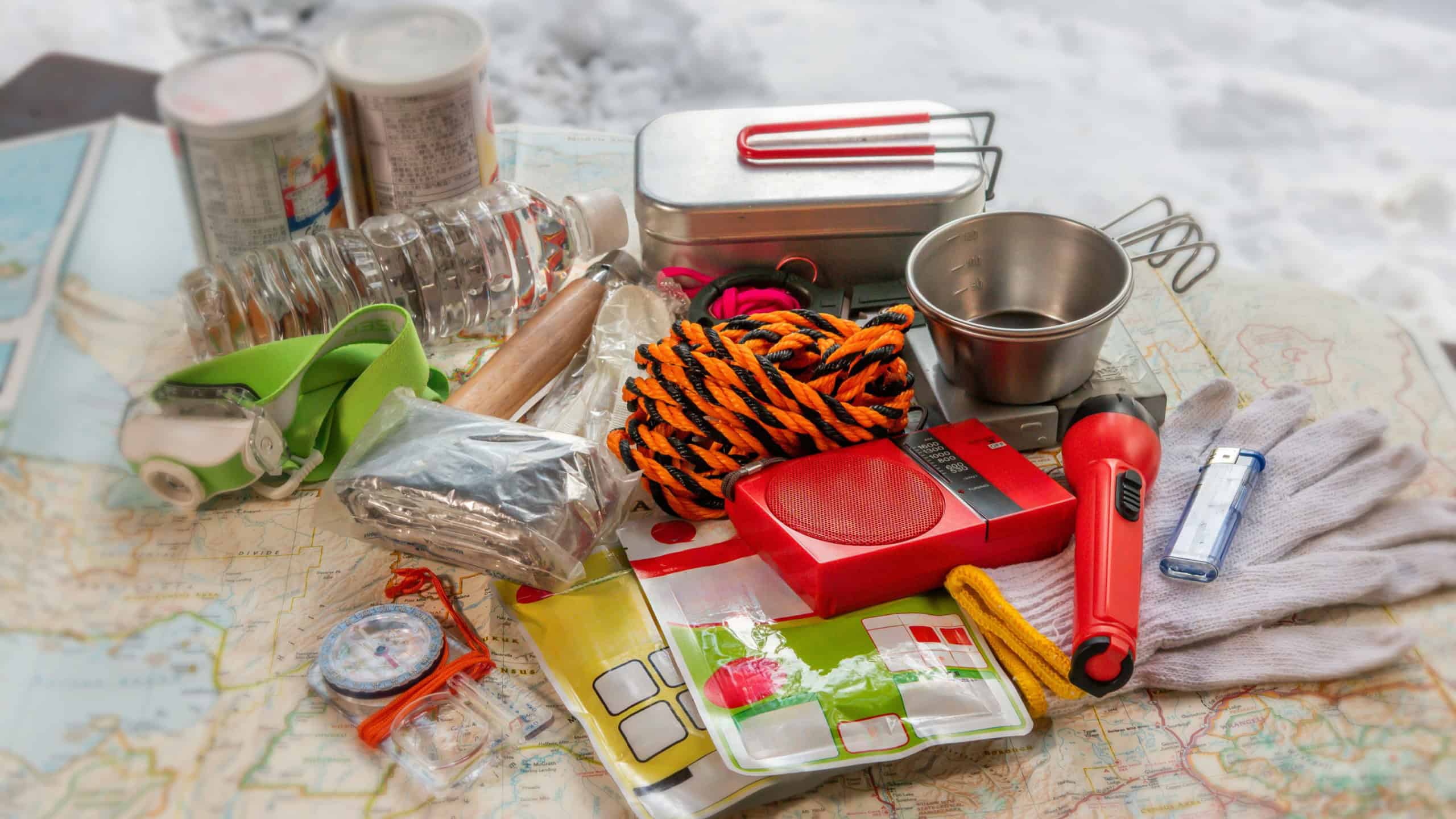
Previous generations of Canadians grew up learning how to prepare for winter storms, blackouts and severe weather events. Many families kept candles, batteries, flashlights, blankets and extra food in their homes in case of emergencies.
Even though modern infrastructure is more dependable than before, many of us continue the practice of storing emergency kits anyway. Being caught off-guard in a winter storm is still an uneasy thought for many of us.
Cottage closing

Families who own cottages traditionally engage in a yearly ritual called ‘closing the cottage’ before winter sets in. Docks are taken out, water systems are drained and furniture is put away. Buildings are shuttered to prevent damage from snow loads and freezing temperatures.
This ritual was developed because cottages were originally not designed to be inhabited year-round, and early cottages could be subject to damaging freeze-related expenses if left open.
Plastic bags

Despite the popularity of reusable totes, the age-old practice of keeping a “bag of bags” is still common in Canada. Many people store plastic bags for reuse as garbage liners, lunch bags, storage bags or even to carry wet clothing.
Many of us still have a cupboard or drawer full of plastic bags we’ve saved, although stores aren’t providing as many these days.
Wet mittens
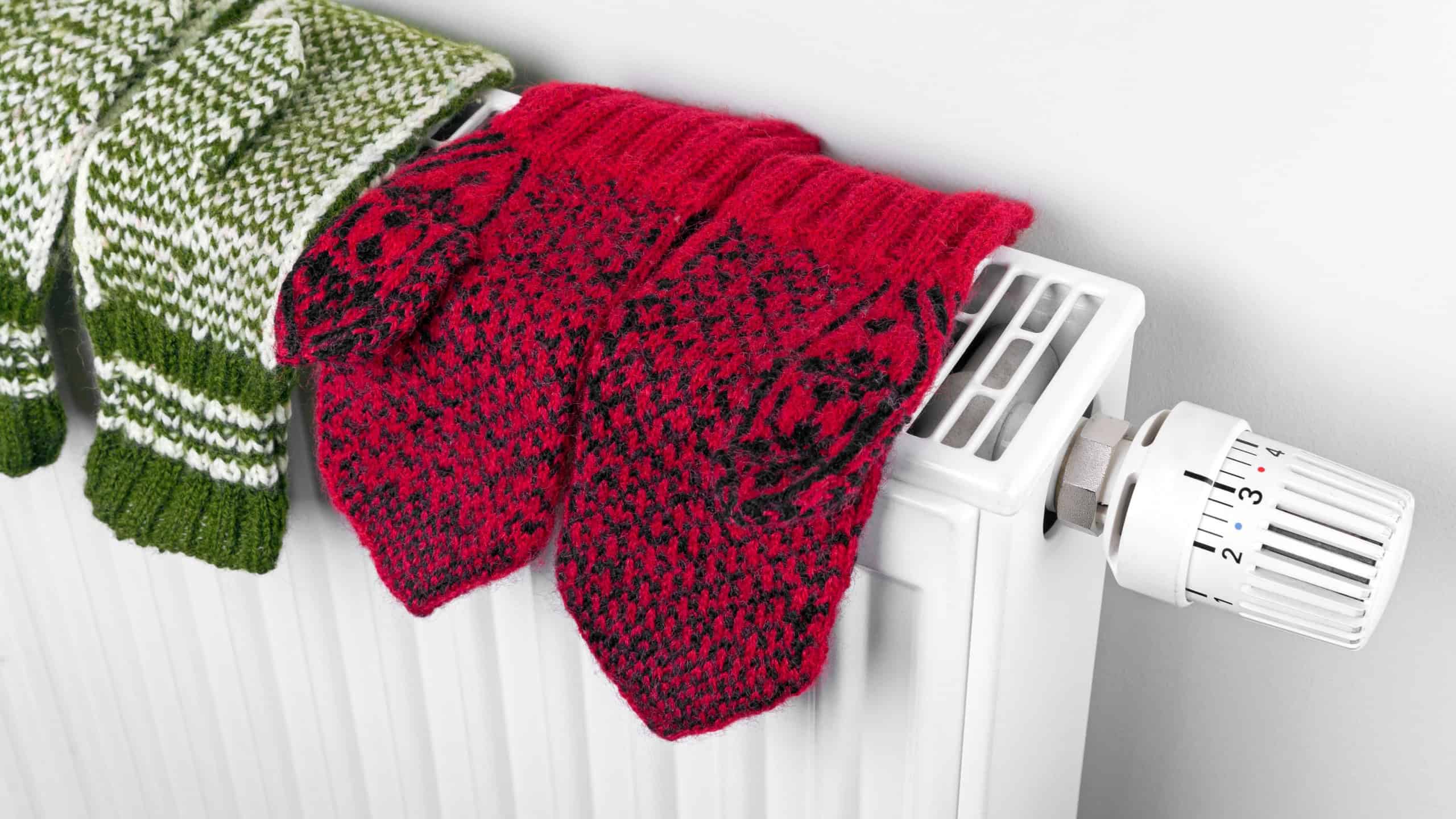
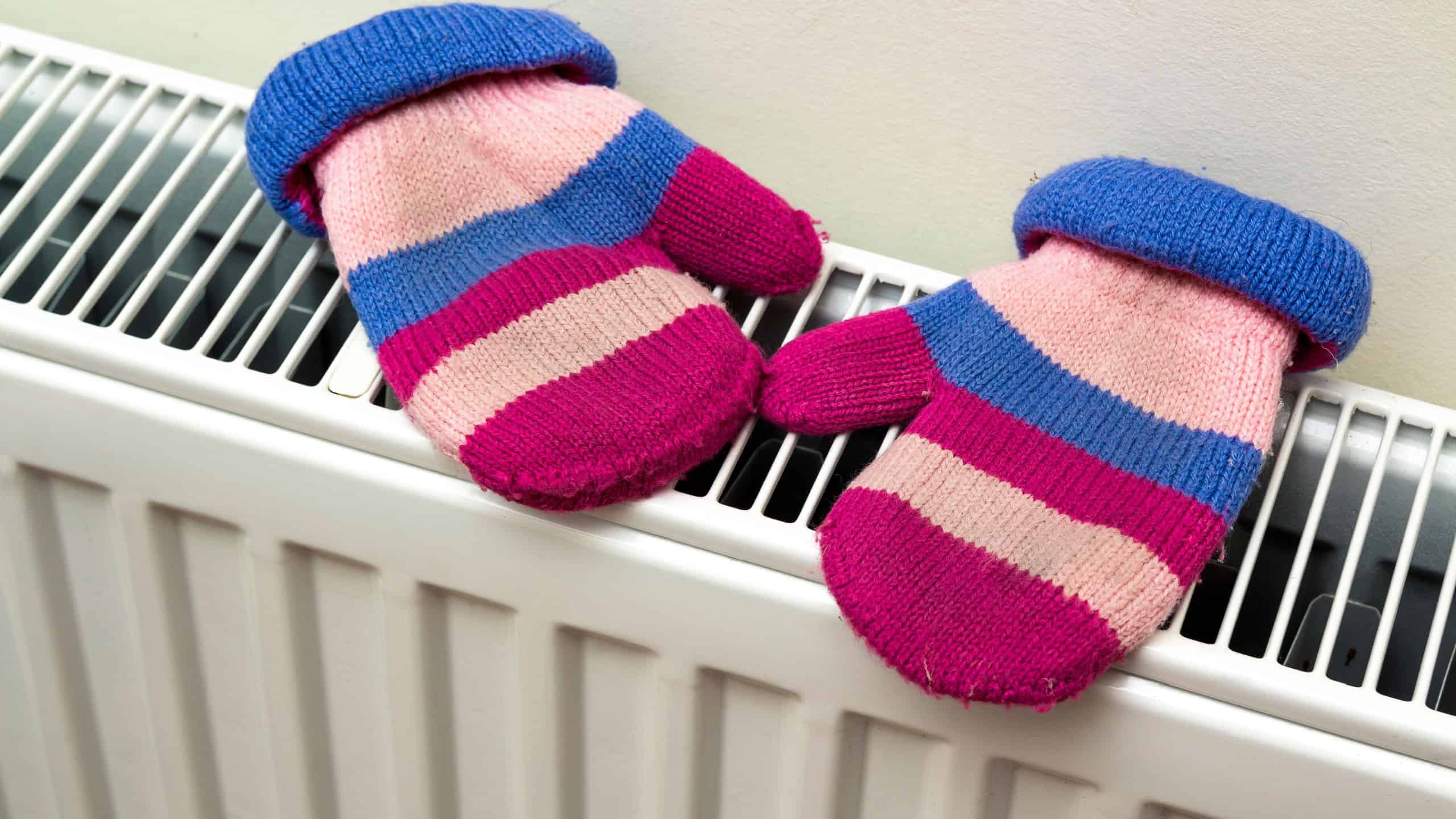
Canadian kids are taught from an early age to dry wet mittens, gloves, hats, and scarves as soon as they get indoors.
They would be hung on radiators, heating vents, or dried over the fireplace so they would be ready to go in the morning. Dryers have made it easier, but most people grew up doing this.
Basements
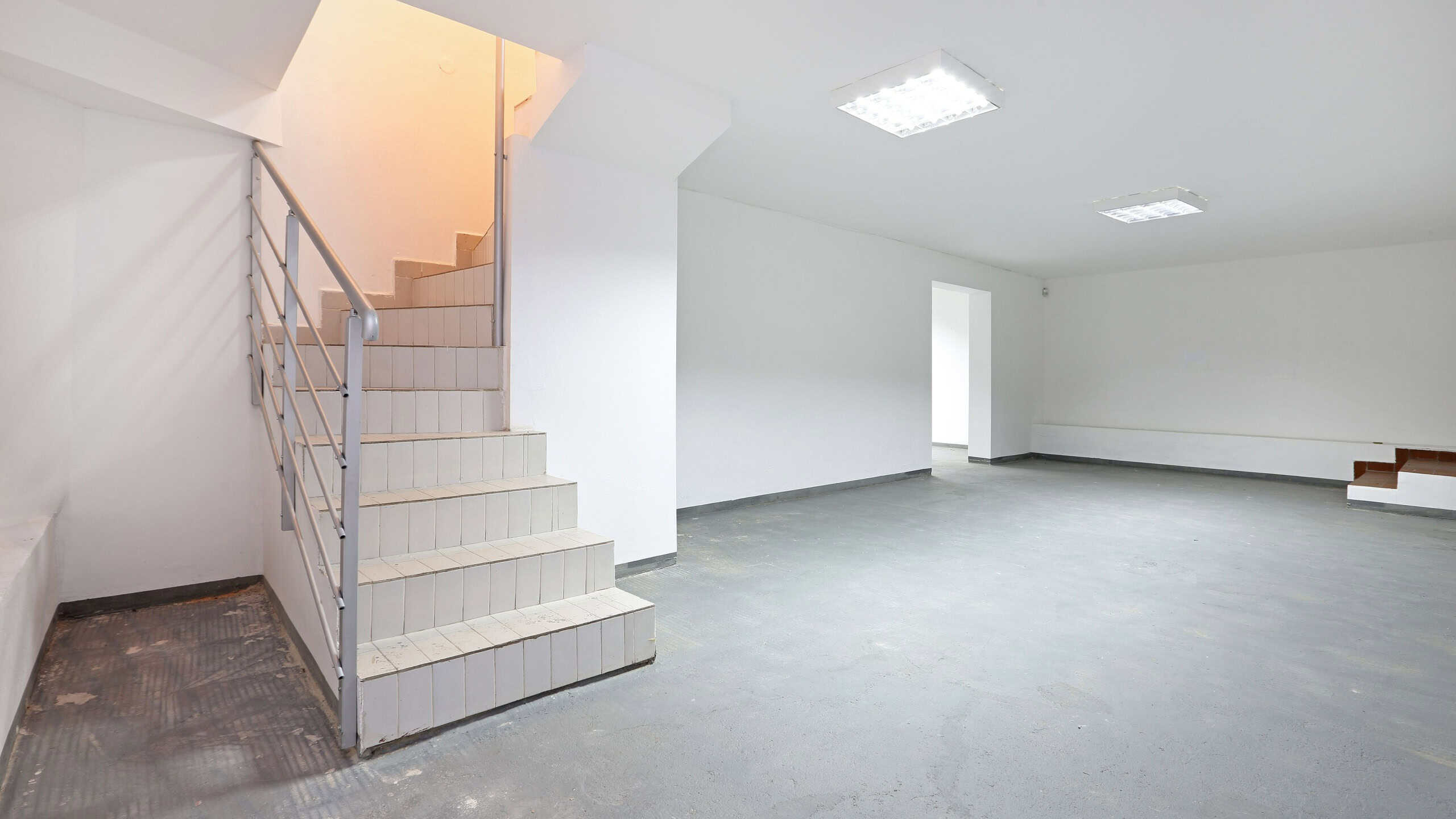
Basements in Canada have historically been used as huge storage spaces for Canadian families. Decorations, furniture you no longer use, sports gear, tools, canned goods and emergency kits are usually kept downstairs.
Many Canadians still continue this trend of storing way more than they need because they have the room for it.
Cottage gear
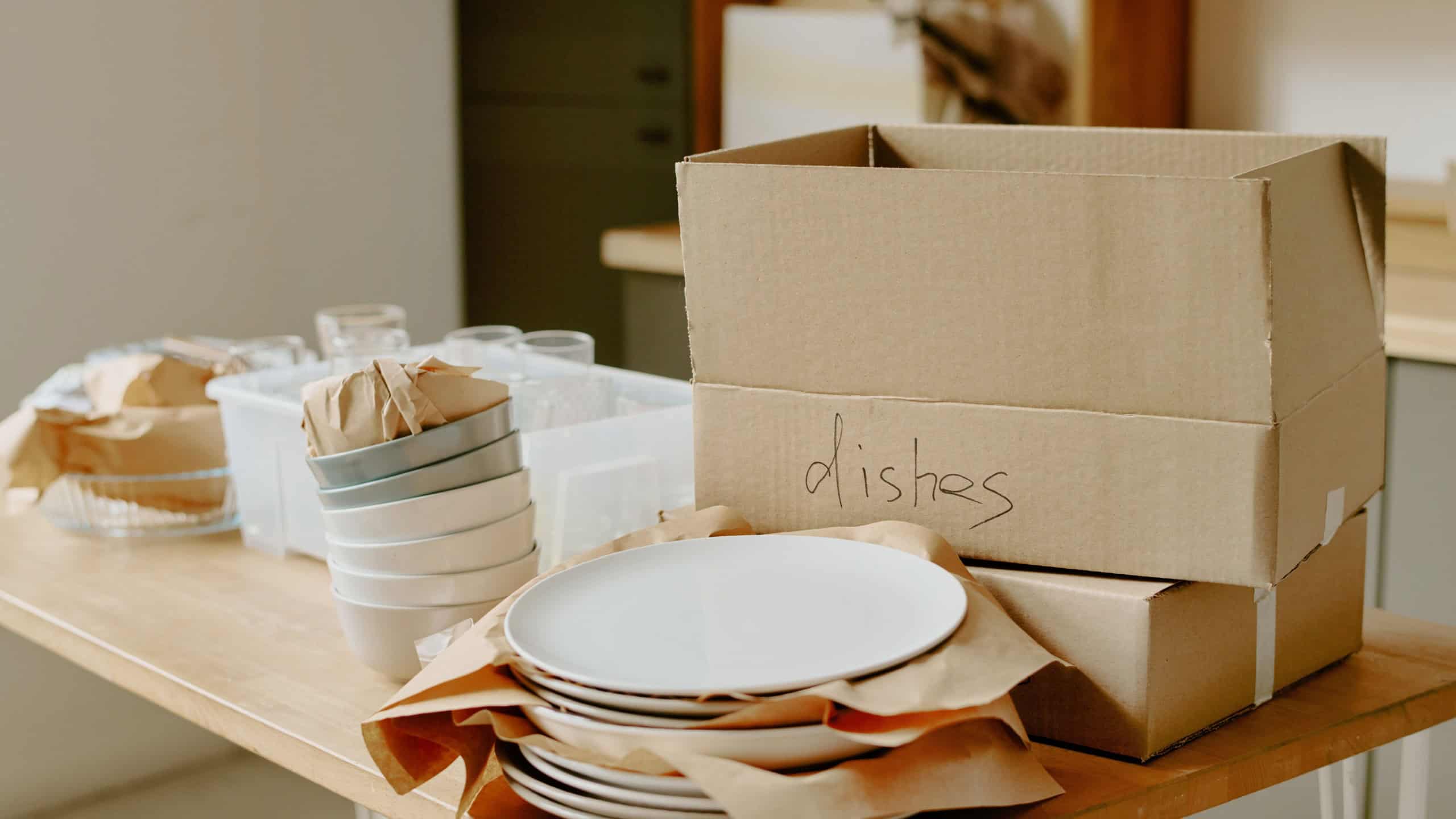
Many cottage-owning Canadian families keep a second set of housewares exclusively for summer. Plates, blankets, tools, patio furniture, and kitchen appliances are often stored at the cottage at all times.
The custom arose from the inconvenience and time constraints of transporting items back and forth. Although travel is easier today, many Canadians continue to keep a second set of items as convenience.
Thermostat wars

While Canada experiences some of the world’s harshest winter climates, there is intense competition over home temperature. Families attempt to keep their heat cranked down low out of stubbornness to save on the electric bill and to show that they can handle a chilly house (down around 19° C / 20° C, where you might wear a sweater). Running your heat high inside a wintertime abode is silently judged as frivolous and a mark of weakness.
Coin tins

Before digital banking took over, empty, metal Tim Hortons coffee tins were the unofficial safes of Canadian households. Typically stashed away in the back of a pantry or atop a closet shelf, they housed rainy day cash, spare loonies, and lone screws or keys.
We have digitally accessed smart safes or banking apps now, but open the door to any Canadian household these days, and you’re sure to find a rusted coffee tin from the 1990s doubling as a hardware drawer or hiding spot for extra cash.
Storm windows

Before modern double- and triple-pane windows, many Canadian households would install storm windows each fall and remove them come spring. This additional barrier prevented cold air from entering the home and cutting heating costs during cold winters.
Up until recently, putting up and taking down storm windows was viewed as a typical seasonal household task. Thankfully, modern energy-efficient windows have eliminated the need for storm windows.
Sources: Please see here for a complete listing of all sources that were consulted in the preparation of this article.