
We asked Americans and Brits what really gets on their nerves in their day-to-day lives, and it became apparent that there are some common annoyances that Brits really hate more than others.
Missing kettles
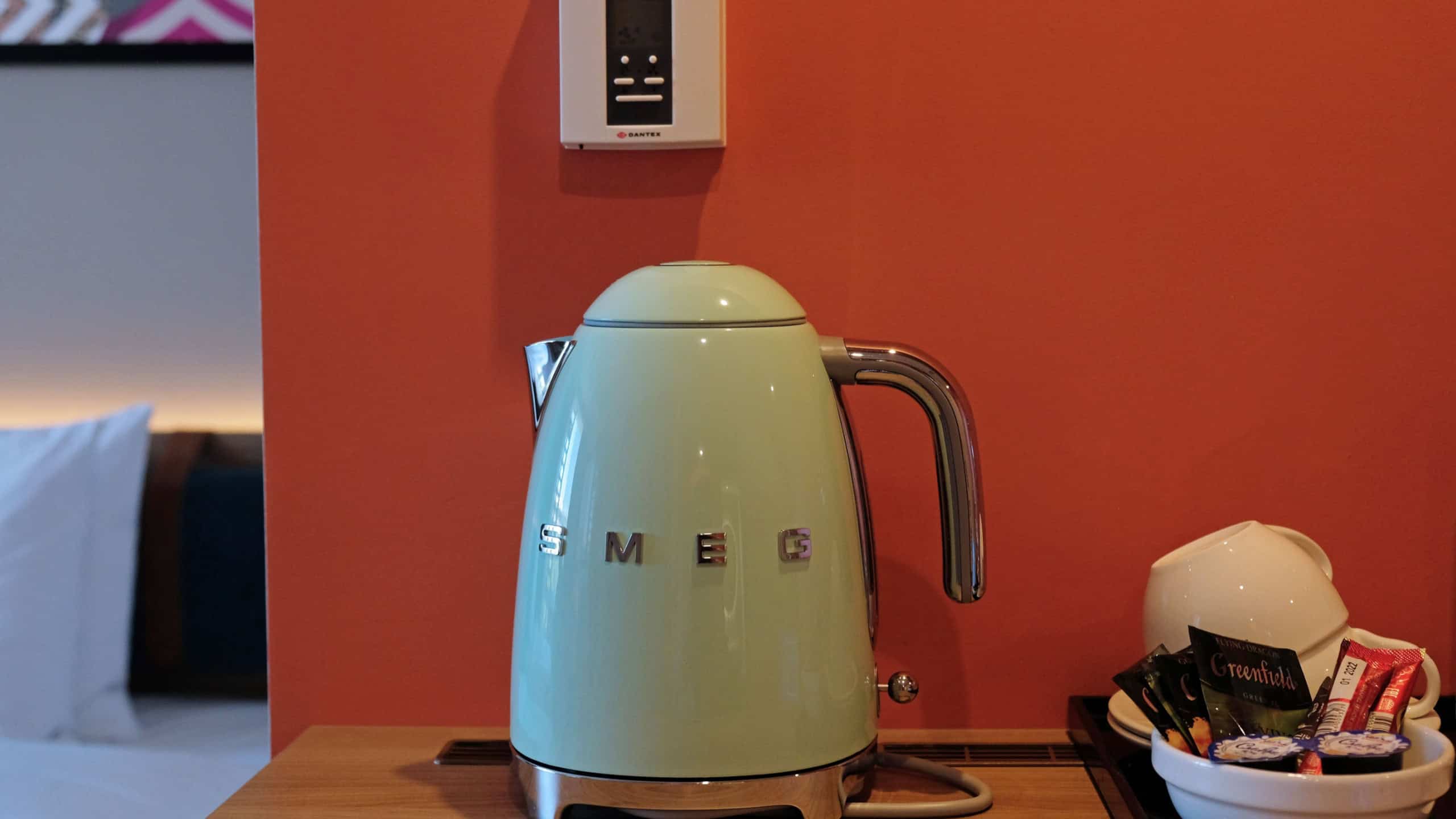
If a hotel room comes without a kettle, it can instantly sour a British person’s first impression of the whole establishment. For them, being able to make tea is seen as essential, not a luxury.
Guests from many other countries simply wouldn’t notice if there was a kettle or not. For British people, however, learning that there isn’t a simple way to brew tea can seem like a catastrophe.
Escalator etiquette

Perhaps few things annoy British commuters more than someone standing on the wrong side of the escalator. In cities like London, there’s an unofficial rule that has existed for years: stand on the right and leave the left side clear for those who wish to walk past.
Tourists hogging the walking side often get angry stares, sighs or even reminders. While people of other countries tend to just stand wherever there is room, the British love to take the escalator debate seriously.
Tea making
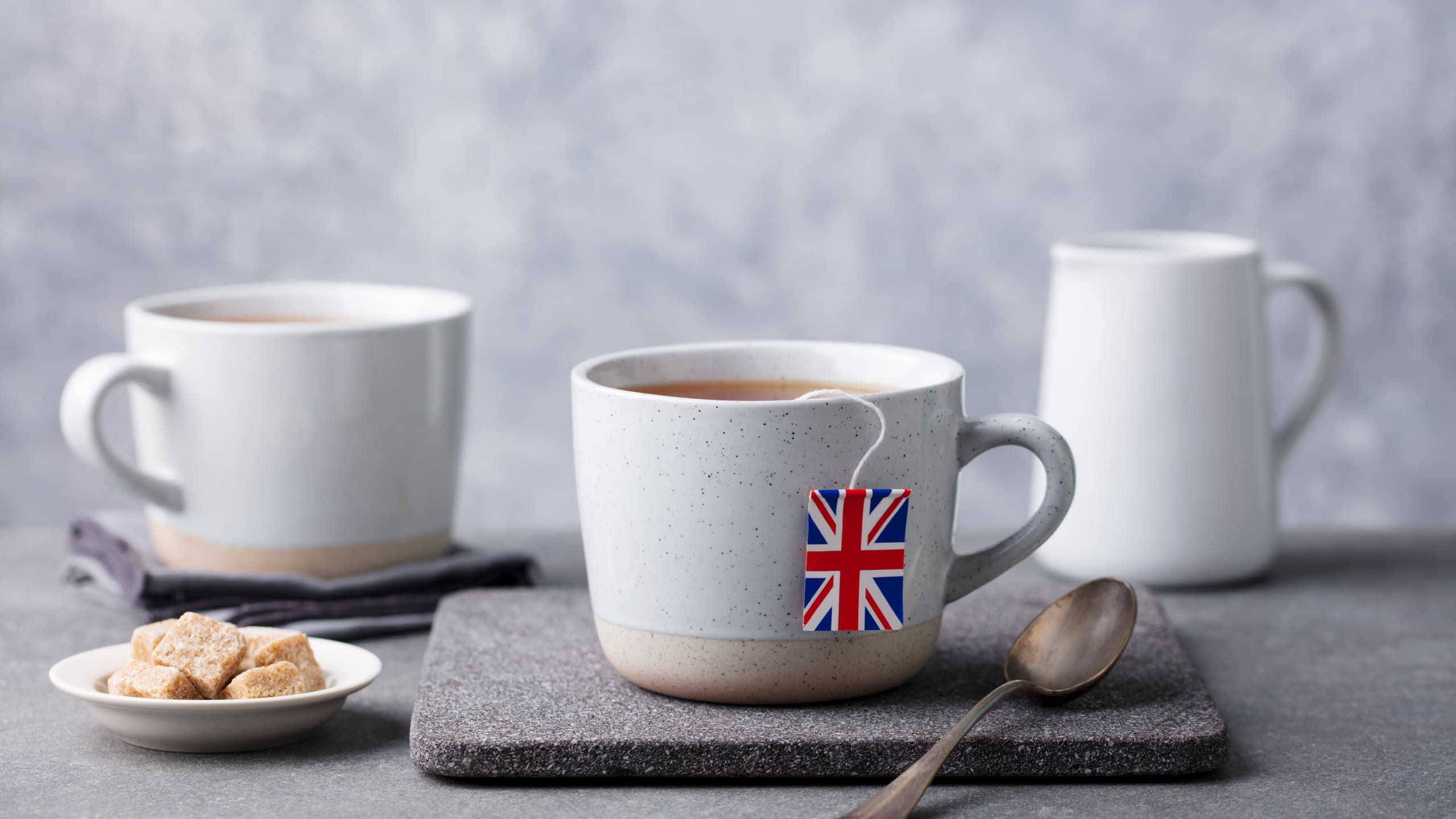
Few things annoy Brits more than watching tea being made ‘wrong’. Putting too much milk in, not using water that’s hot enough, or serving up a weak brew will all earn you some surprisingly passionate criticism.
Most people just drink coffee, casually enjoy their tea, or couldn’t care less how it’s made. In Britain, though, tea is such a regular part of life that many people feel strongly about how it should be made.
Queue jumping

Queuing to reach the ticket counter or door is just a normal occurrence in most countries. In Britain, forming a queue is almost a sacred ritual. Queue jumping or ticket splitting are violations of society itself.
Britons will not shout or make a scene. They will glare at you silently, gasp and loudly exhale angry breaths.
Excessive positivity

British people tend to become unnerved by people who are overjoyed all the time, too enthusiastic, and permanently optimistic.
Someone who tells you everything is fantastic, never moans, and views every disappointment as a fabulous chance will often seem tedious rather than motivational. British culture embraces dry humour, self-deprecation, and laughing at life’s irritations.
American spellings

Many British people get annoyed by the increasing American usage of words like color, favorite, and center in British media and advertising, and online forums.
The differences are slight and really don’t cause any confusion, which is why most people in the world don’t really care about them. However, many British people see traditional spelling as an important part of their national culture and language.
Unkempt gardens

Gardening is a long-established hobby in the UK. Clean lawns and flower beds, neatly trimmed hedges and bushes are seen as symbols that a home has someone who cares about it.
Neglected gardens are scrutinized more and criticized more harshly than would be the case in many other countries.
Historic demolitions

It annoys many Britons when old buildings are knocked down to make way for modern developments. In most countries, rebuilding old structures with new ones is accepted as part of progress.
However, in Britain, many people develop sentimental attachments to old pubs, shops, churches and townhouses. They may not even be attractive buildings, but they are part of local history.
Soccer

Few things will anger British sports fans faster than you calling football “soccer”. While the term was originally coined in Britain, it has become heavily associated with North America.
Because football is far and away the most popular sport in the country, many people believe that “football” is the only proper name for the sport. While the rest of the world typically either calls it soccer or doesn’t care what you call it, many Brits will inexplicably take offense.
Taxi chats

British people can be quite happy to sit in silence in a taxi. Most feel awkward when drivers ask overly personal questions or attempt to chat for the entire journey.
Conversational small talk during a journey is normal in many countries and is seen as friendly. In Britain, silence is also seen as perfectly polite.