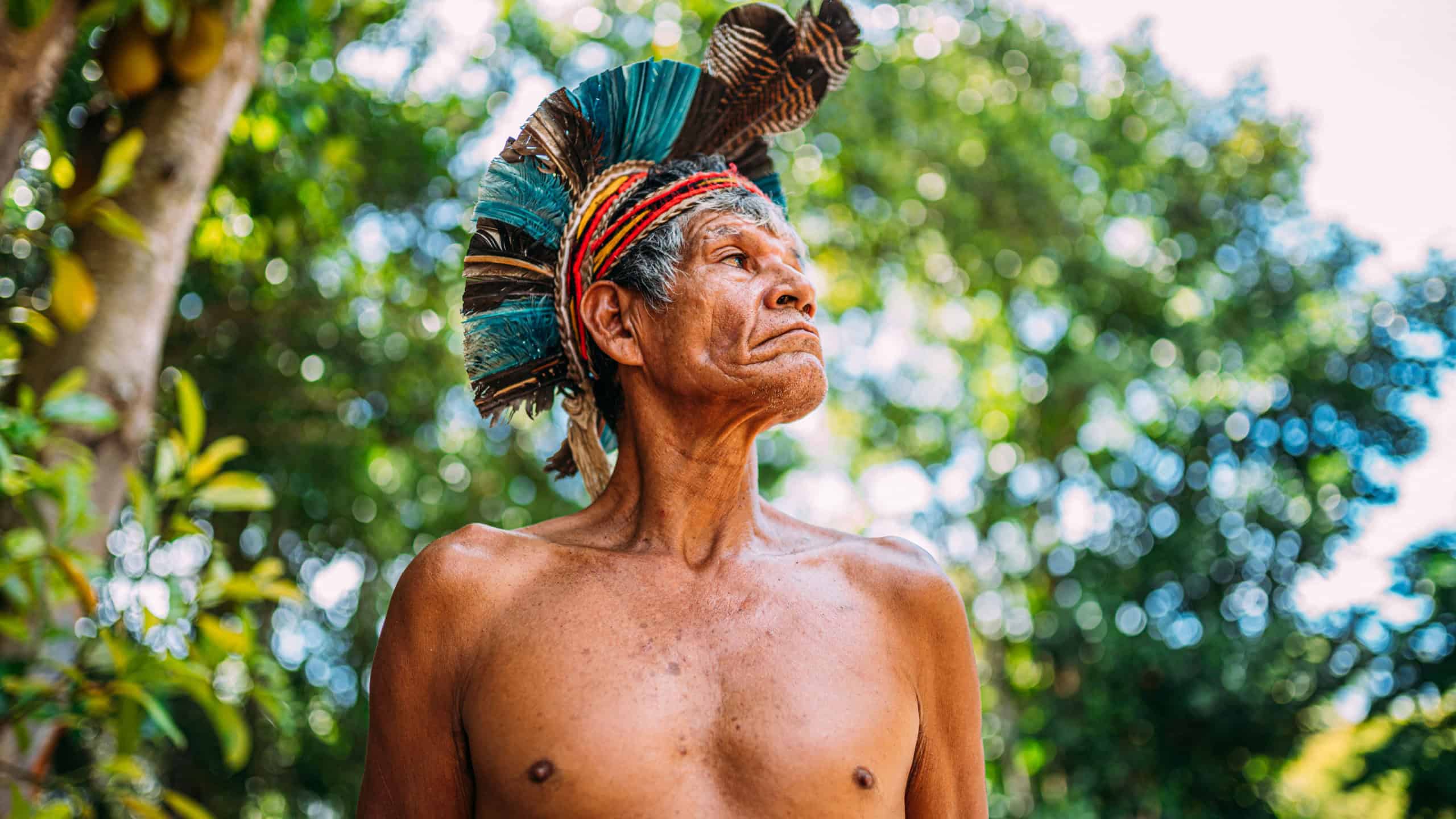
A lot of Canadians are shocked when they learn just how little Indigenous history, culture, and impact on Canada they learned while growing up in Canada.
Constitutional indigenous rights
Which constitutional document officially recognized Indigenous rights in Canada?
The Constitution Act of 1982 confirmed and affirmed existing Aboriginal and treaty rights. Section 35 of the Constitution was particularly significant because it constitutionally protected those rights in Canadian law.
Red River Resistance
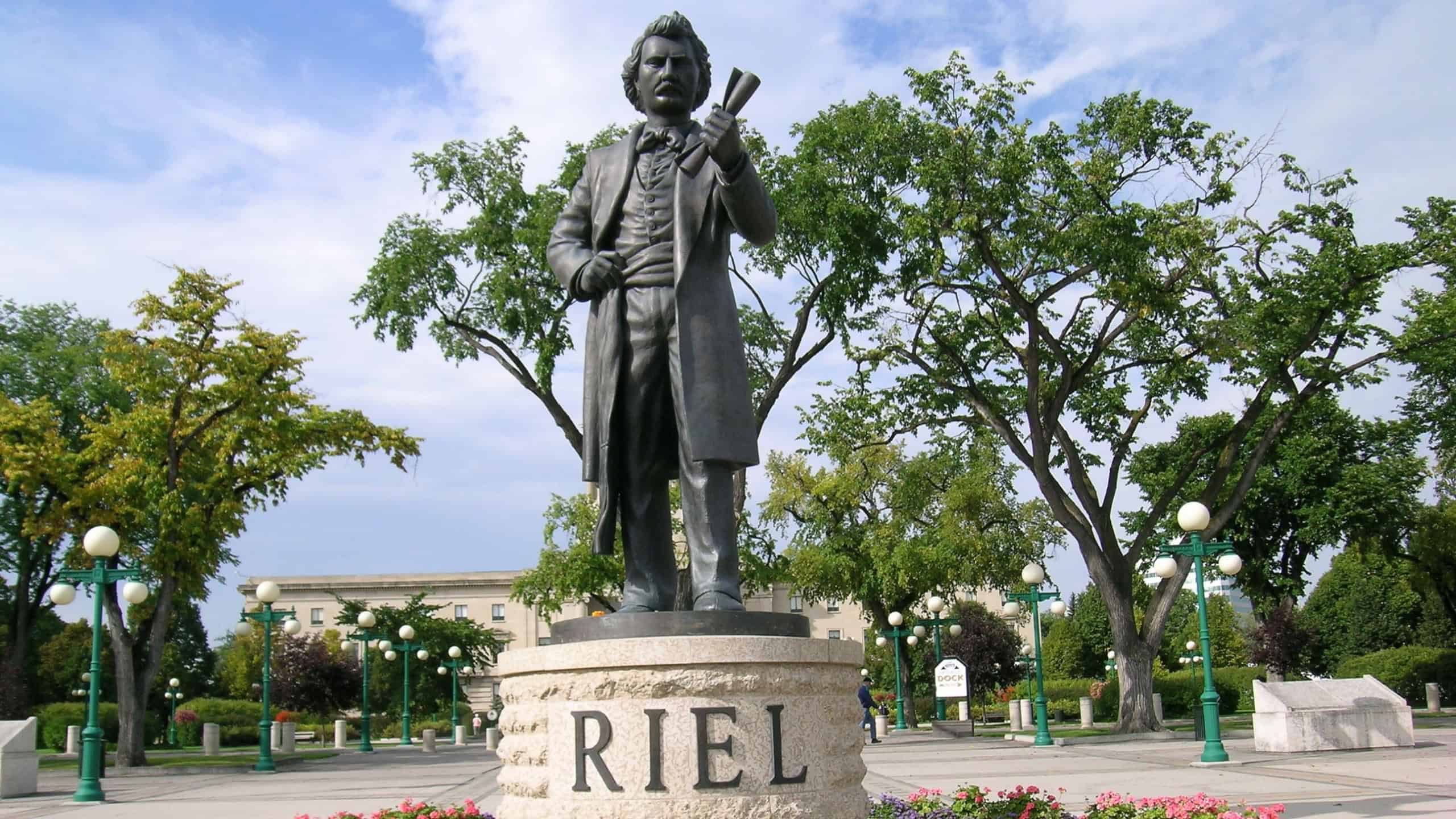
Which Indigenous leader led the Red River Resistance of 1869–70?
Louis Riel spearheaded the Red River Resistance in Manitoba. Riel wanted to ensure Métis rights to their land, culture and political voice when Canada expanded westward. Many consider Riel a Métis hero, as well as a Canadian hero.
Indigenous population
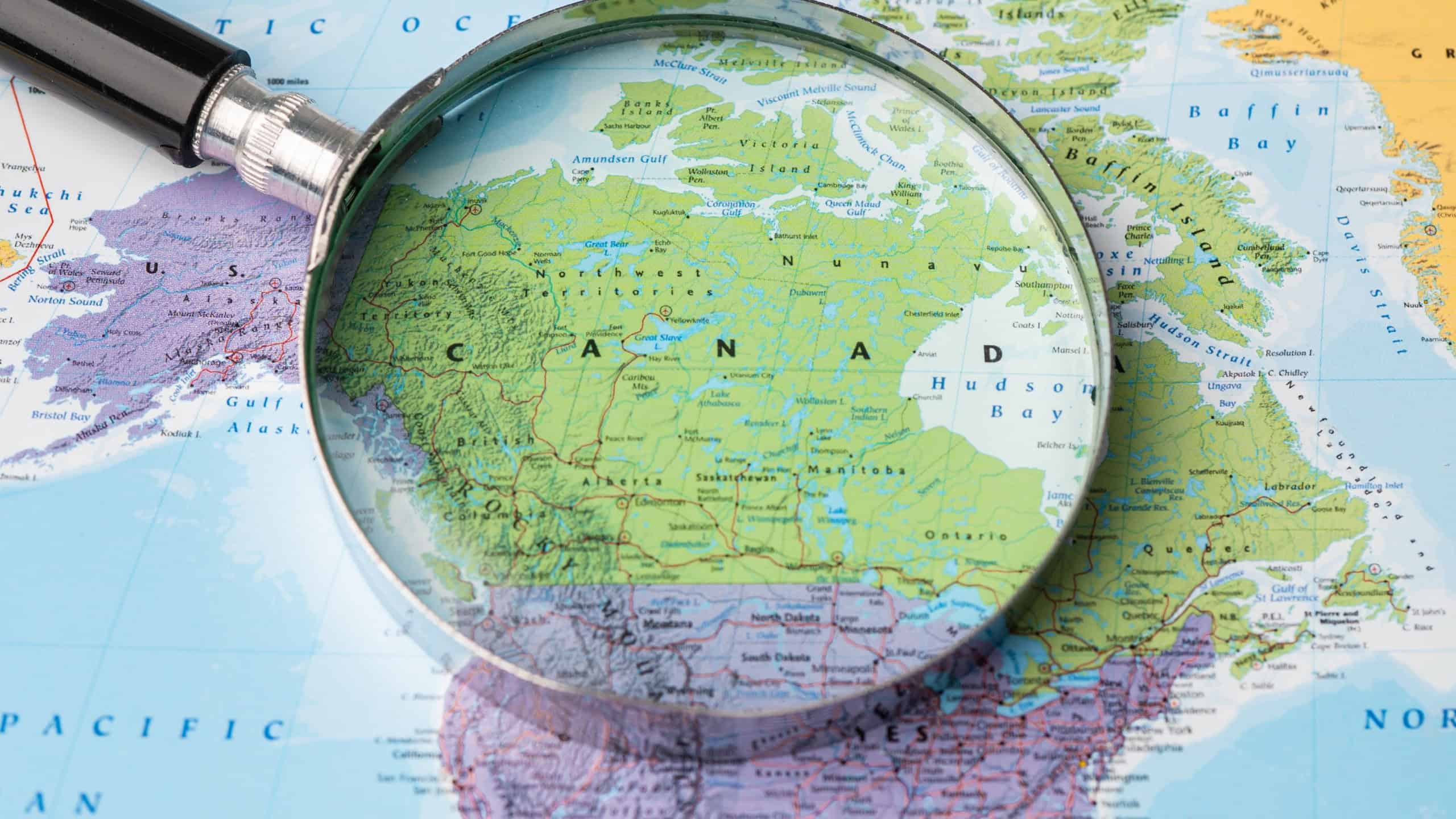
Which Canadian territory has the highest percentage of Indigenous population?
Nunavut has the highest percentage of Indigenous peoples in Canada. Most Canadians who live in Nunavut are Inuit, and Inuit culture, language, and tradition continue to play an integral role in Nunavut’s daily life.
Arctic habitants
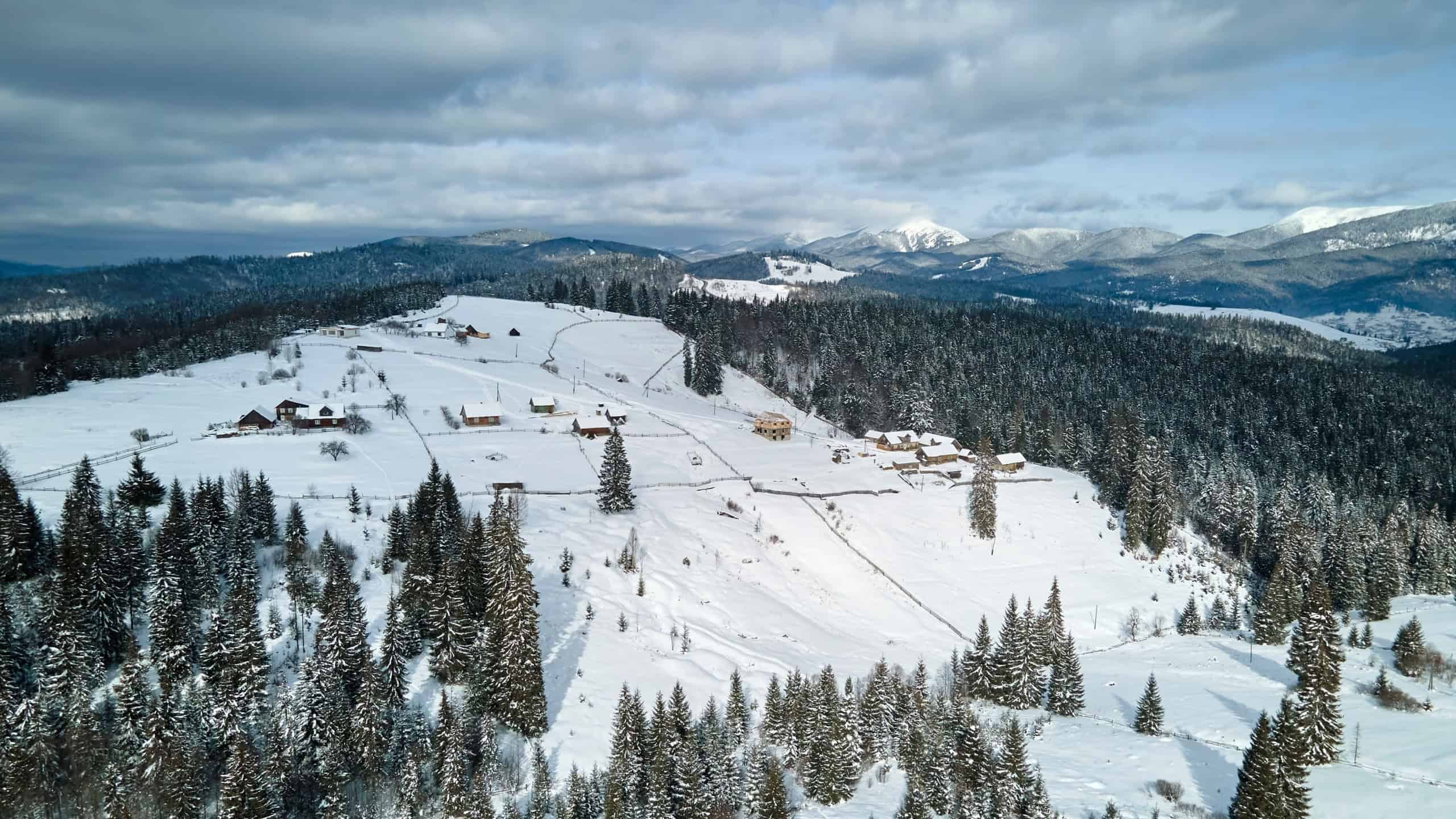
Which Indigenous people mainly live in the Arctic regions of Canada?
The Inuit are the Indigenous peoples who have historically been linked with Canada’s Arctic areas. They have been living in northern climates for millennia and have acquired distinct knowledge, skills, languages, and cultural traditions that are adapted to living in the Arctic regions.
Haudenosaunee Confederacy

Which Indigenous group created the Haudenosaunee Confederacy, one of the world’s oldest systems of shared governance?
The answer would be the Haudenosaunee (also known as the Iroquois Confederacy). The confederacy brought together various nations that existed before Europeans came to North America. Together, they followed a system of government grounded in ideas of discussion, working together, and consensus. Ideas of the Confederacy may have contributed to some ideas of democracy that came later.
The legal trio
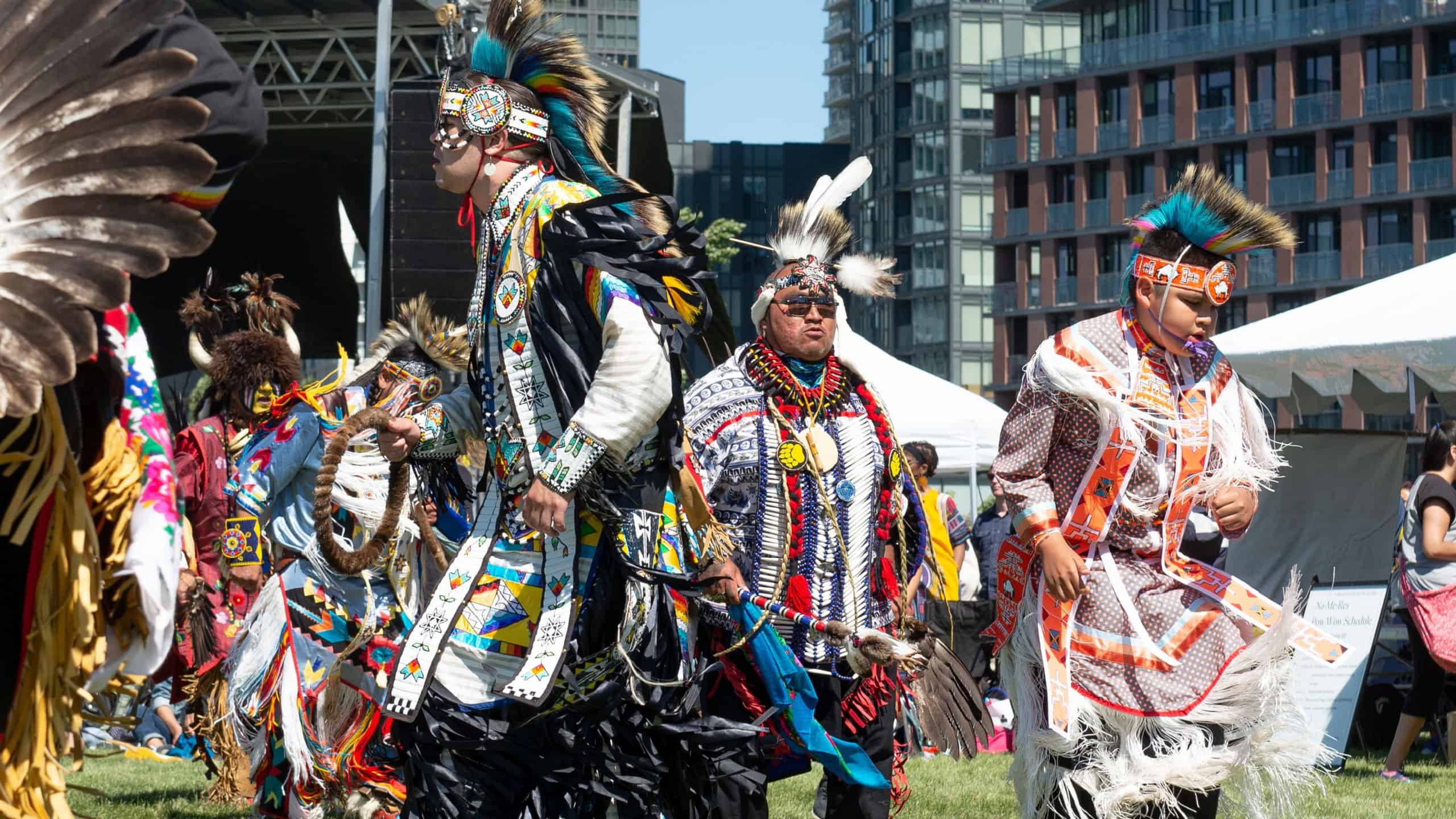
What are the three distinct groups of Indigenous peoples officially recognized by the Canadian Constitution?
The three groups of Indigenous peoples in Canada that are recognized by the Canadian Constitution are First Nations, Inuit, and Métis. Although Indigenous is an umbrella term, these three groups have vastly different histories, languages, rights, and cultures.
Apology
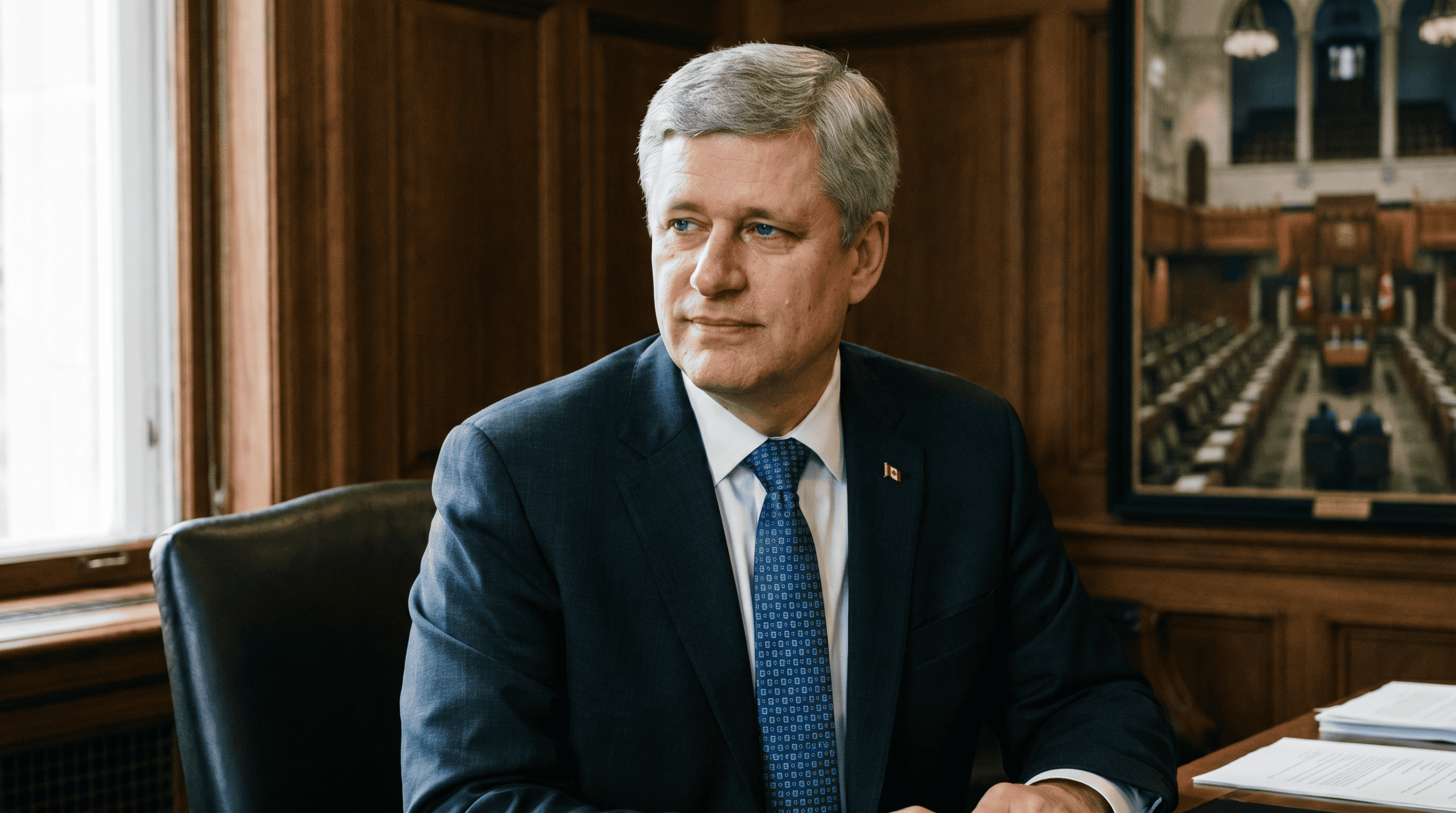
When (in which year) did the Canadian government officially apologize for residential schools?
The apology came in 2008 from Prime Minister Stephen Harper. It apologized for the effects that the residential school system had on Indigenous families and communities.
Banned ceremony
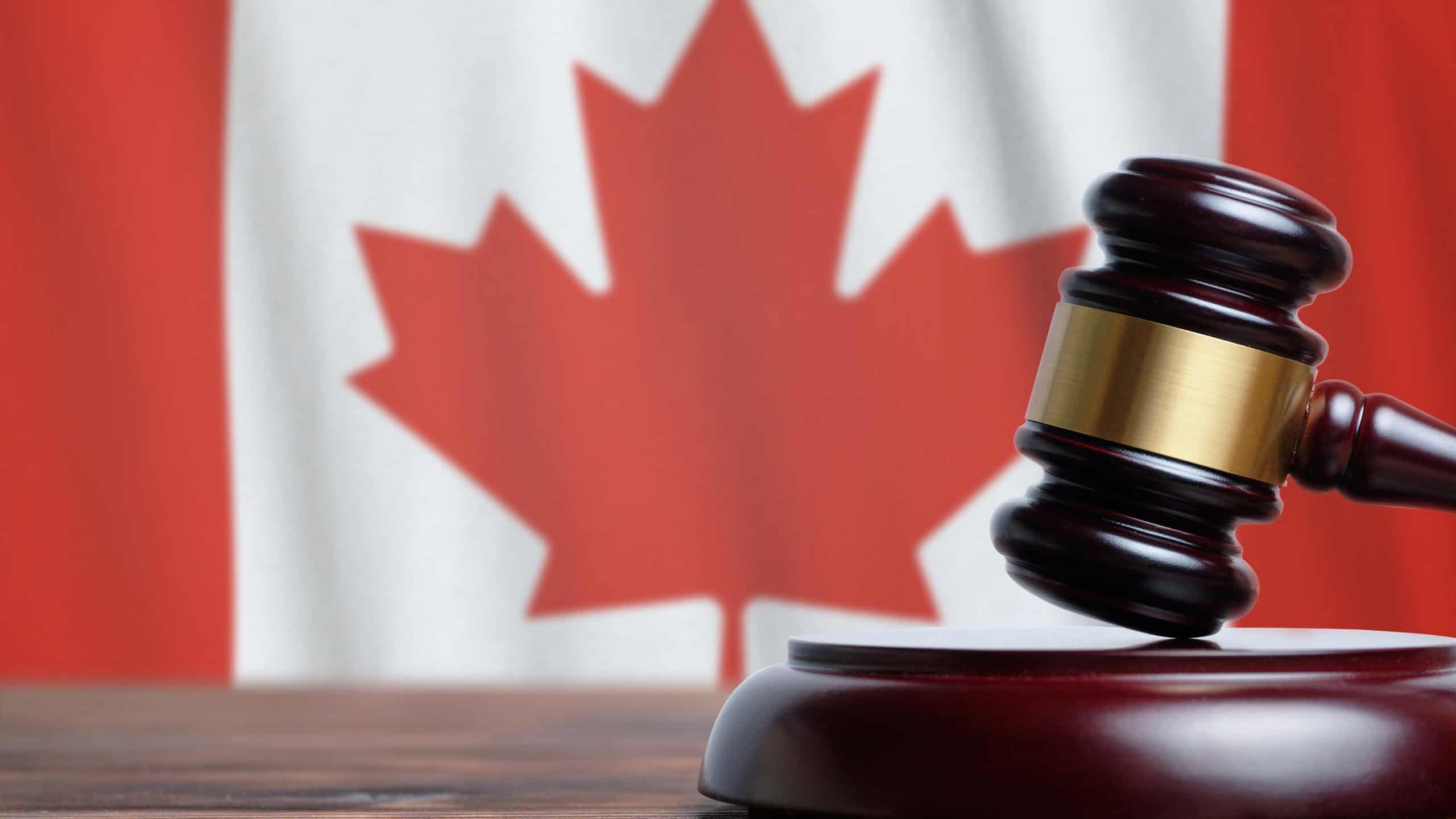
Which Indigenous ceremony was banned by the Canadian government from 1885 to 1951?
Potlatch Ceremonies performed by various Indigenous peoples on the Pacific coast were outlawed for many years. Officials felt they inhibited assimilation with European Canadian society. Now the ban is recognized as part of larger efforts to suppress First Nations cultures.
Languages
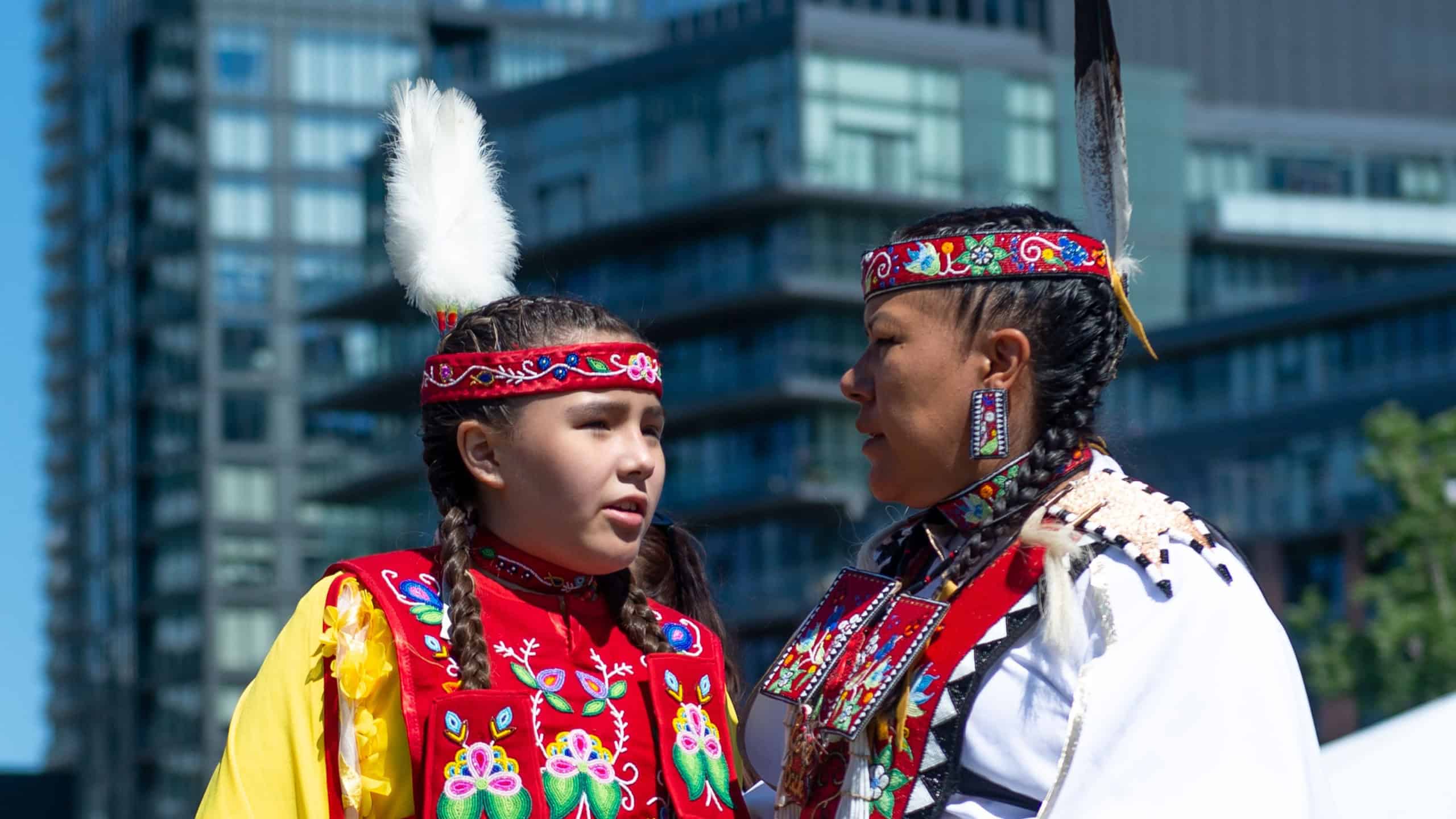
Which Indigenous language is spoken by the largest number of people in Canada today?
Cree is the Aboriginal language with the largest number of speakers in Canada today. Cree is a family of related dialects spoken by Aboriginal peoples throughout a vast region of Canada, particularly the Prairies and the North. It is one of the most robust Aboriginal languages in Canada.
Traditional kayaks
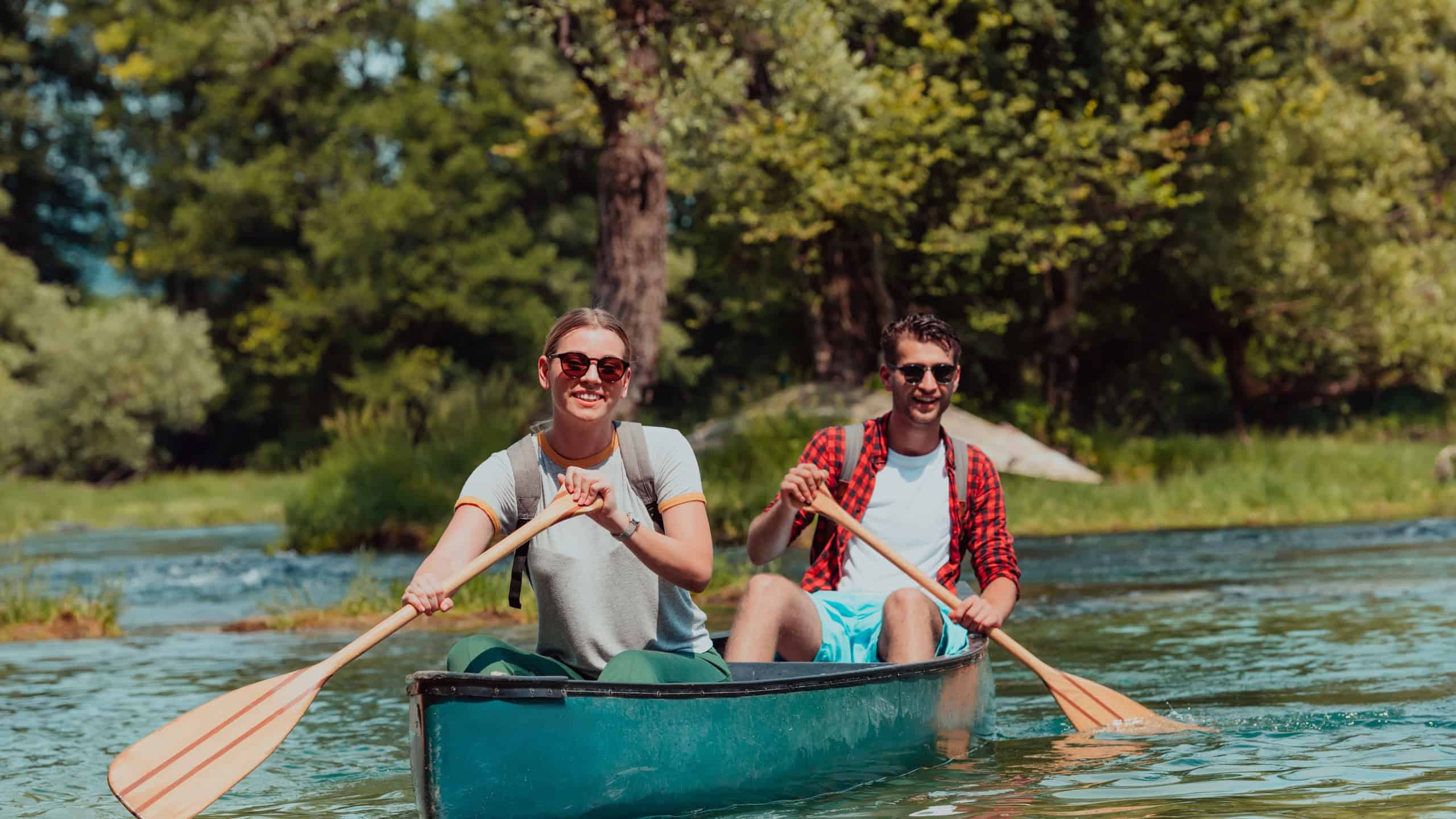
Which Indigenous people are credited with developing the traditional kayak?
Native peoples known as Inuit first invented the classic kayak design many years ago. They used the kayak as a means of transportation when hunting in Arctic regions. The original kayaks were built slim so they could travel swiftly and silently through the ice. They also needed to be light enough for hunters to carry over land.
Indigenous sport
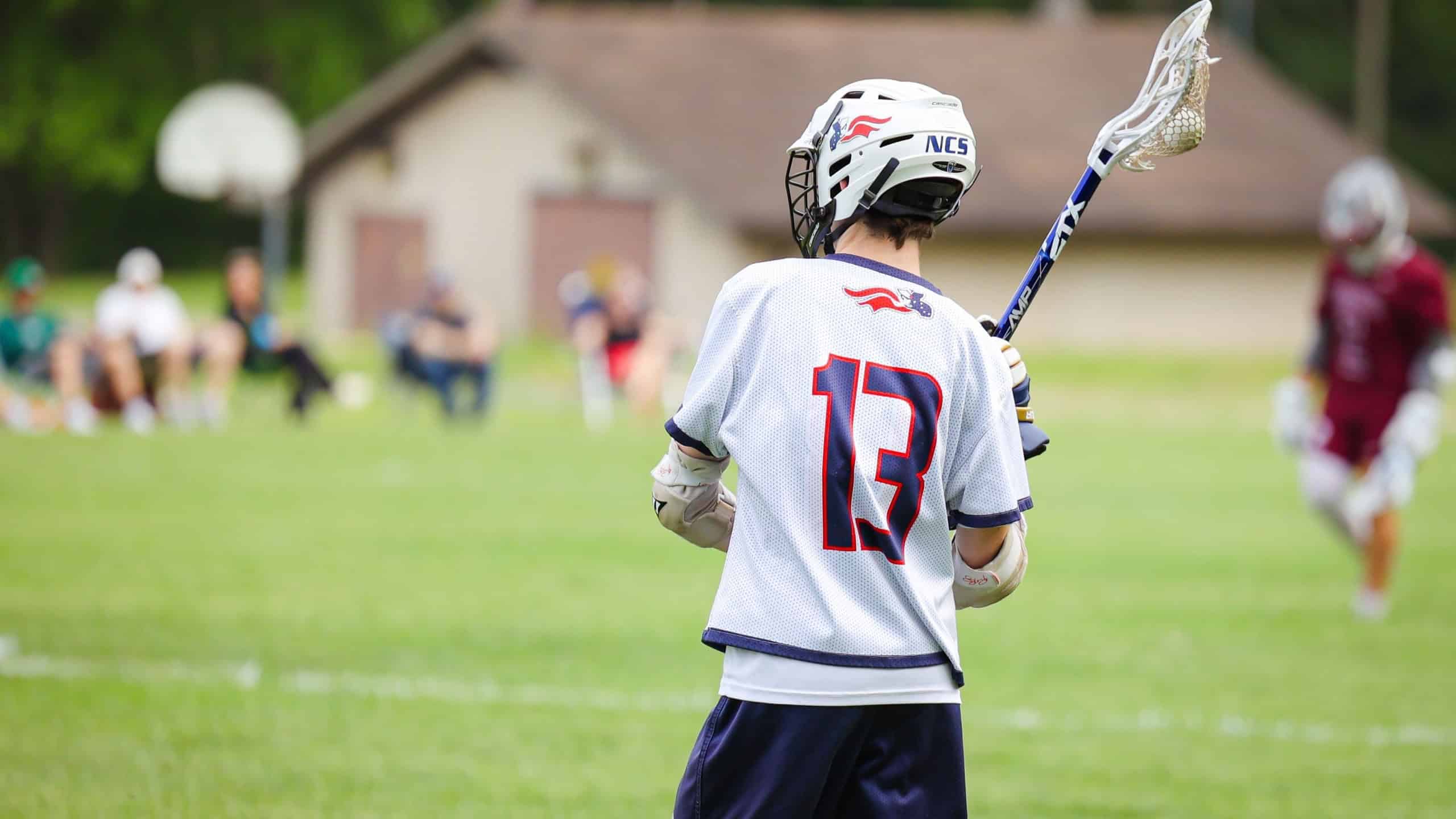
What sport created by Indigenous peoples later became Canada’s official national summer sport?
The answer is lacrosse. Native nations had been playing it for hundreds of years before colonists came to North America, and some Nations still consider it a spiritual practice in addition to a sport.
European settlers then formalized the rules to what we know today as lacrosse, however Indigenous teams were banned from competitions after routinely defeating white teams in the 1800s.