
A Canadian passport unlocks a much deeper level of instant, heartfelt respect in a few specific corners of the world thanks to heroic wartime rescues and lasting historical bonds.
The Netherlands
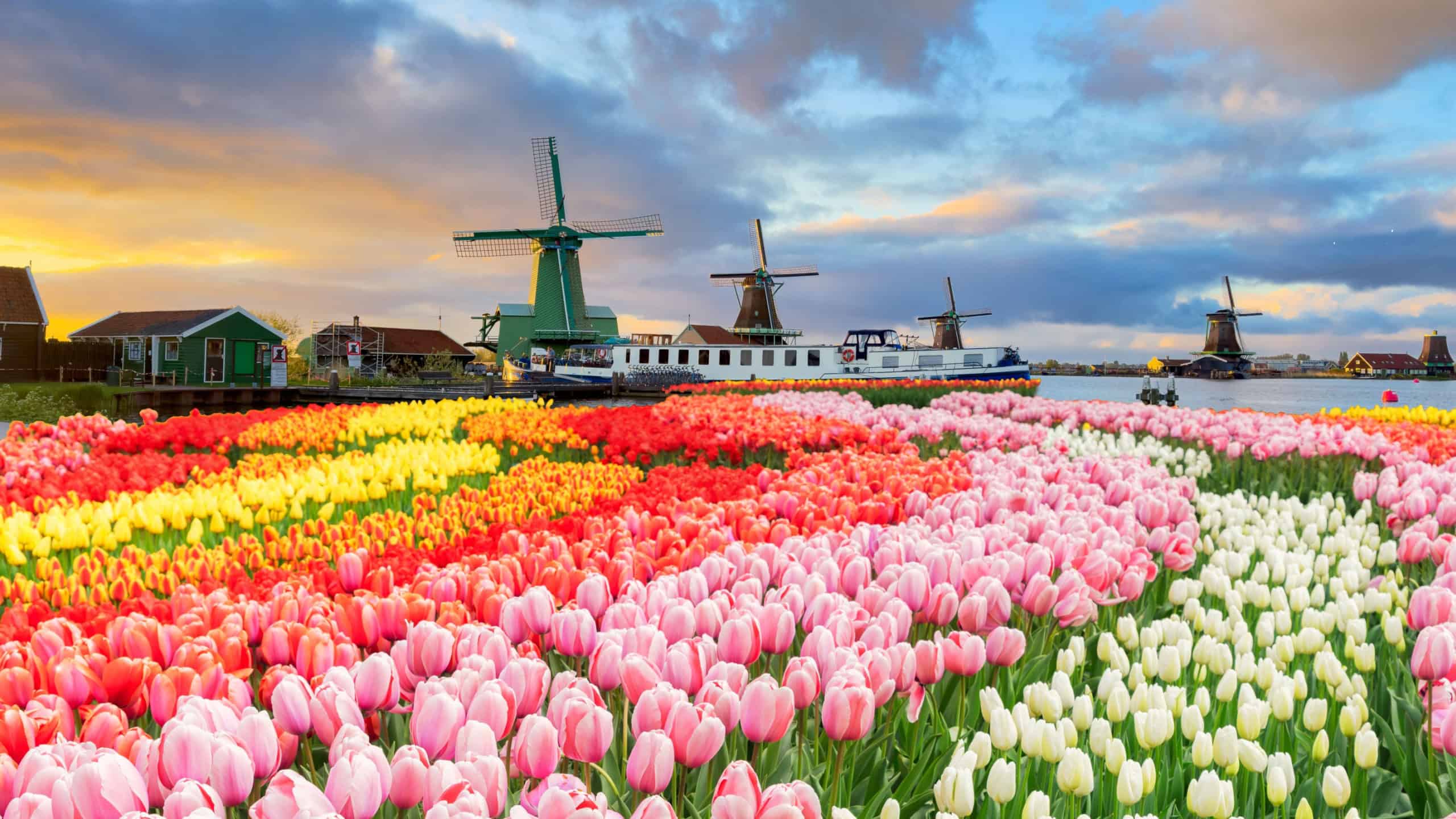
During the brutal winter of 1944-1945, the Canadian Army spearheaded the liberation of the Netherlands from Nazi Germany. They also gave shelter to the Dutch Royal Family in Ottawa during the war. The Dutch have never forgotten.
Each year, tens of thousands of tulip bulbs are sent to Ottawa for the Canadian Tulip Festival, and Dutch tourists in Canada are regularly treated as if they are part of the family.
Gander, Newfoundland

On Sept. 11, 2001, when all U. S. airspace was suddenly closed, 38 commercial flights were forced to land in the tiny Canadian town of Gander.
Overnight, the population doubled. Residents opened their homes, schools and community centers to feed, clothe and house the frightened, stranded passengers from around the world (totaling close to 7,000 people) for days. They created an international legacy of Canadian hospitality.
Normandy, France
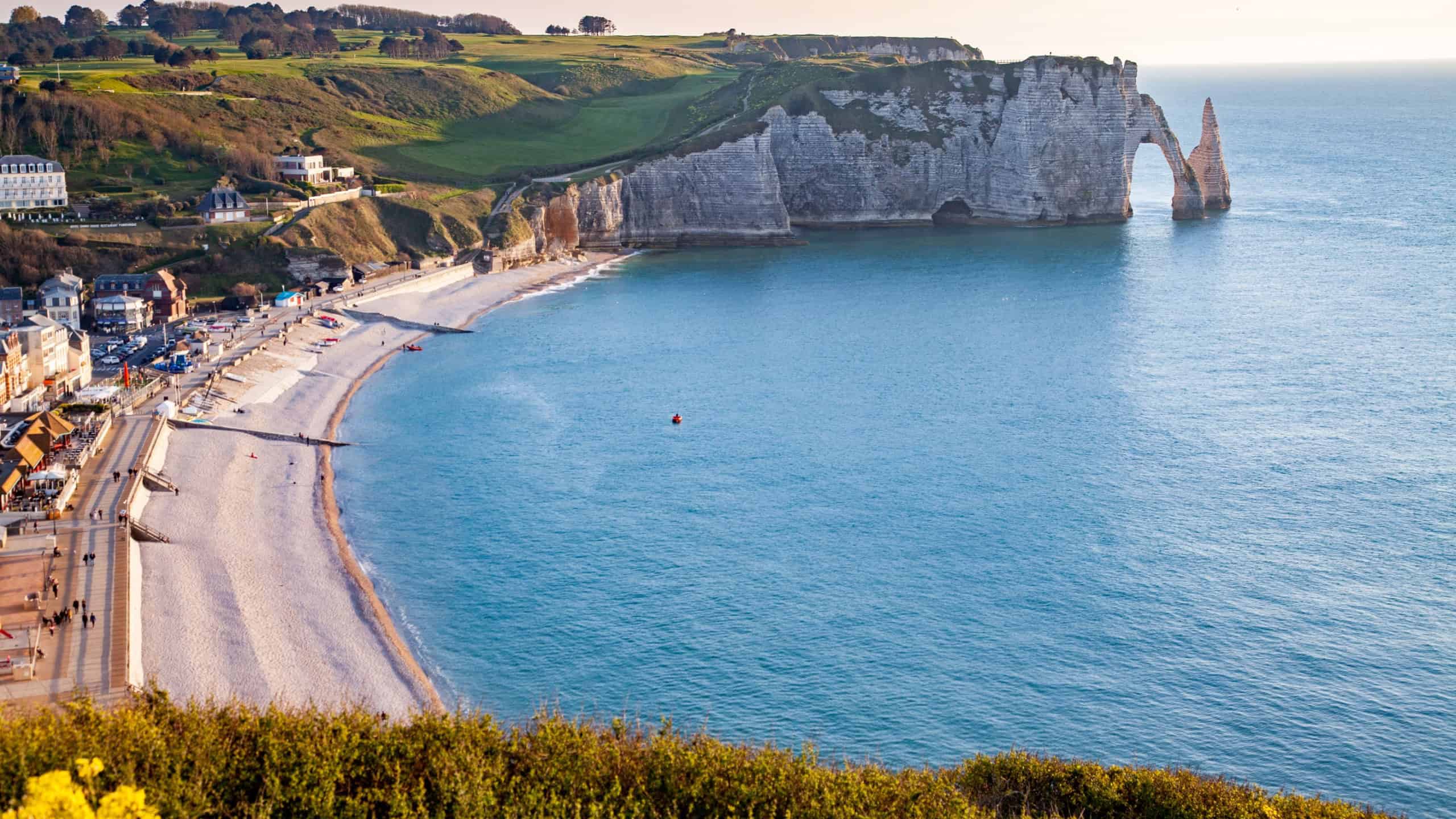
On June 6, 1944, Canadians stormed Juno Beach as part of the D-Day invasion. Canadian forces advanced farther inland than any other Allied unit on D-Day.
Wherever you travel along the beachfront villages of Normandy, you will see the red-and-white Maple Leaf waving proudly beside the French tricolor. Canadians who travel to Normandy will find that French families are forever grateful that Canadians liberated their towns.
Thailand
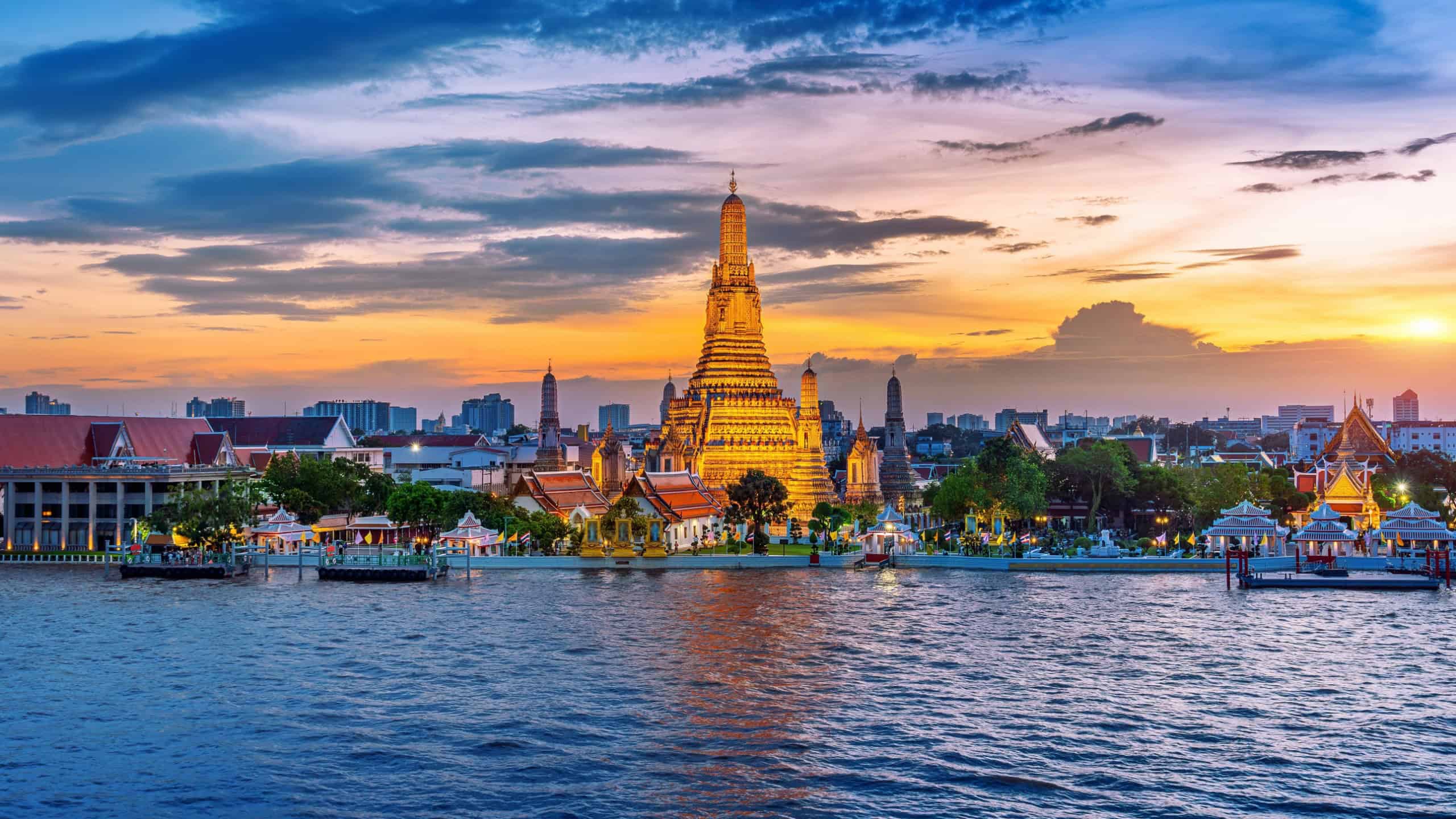
Canadian tourists are perceived by many Thais as laid-back, polite, and easygoing travelers. Canadian tourists tend to stand out among crowds in popular tourist destinations for being more tolerant of service workers and more respectful of local culture and Buddhist traditions.
Canadians are also believed by many locals to be quieter and less demanding than tourists from Western countries.
South Korea
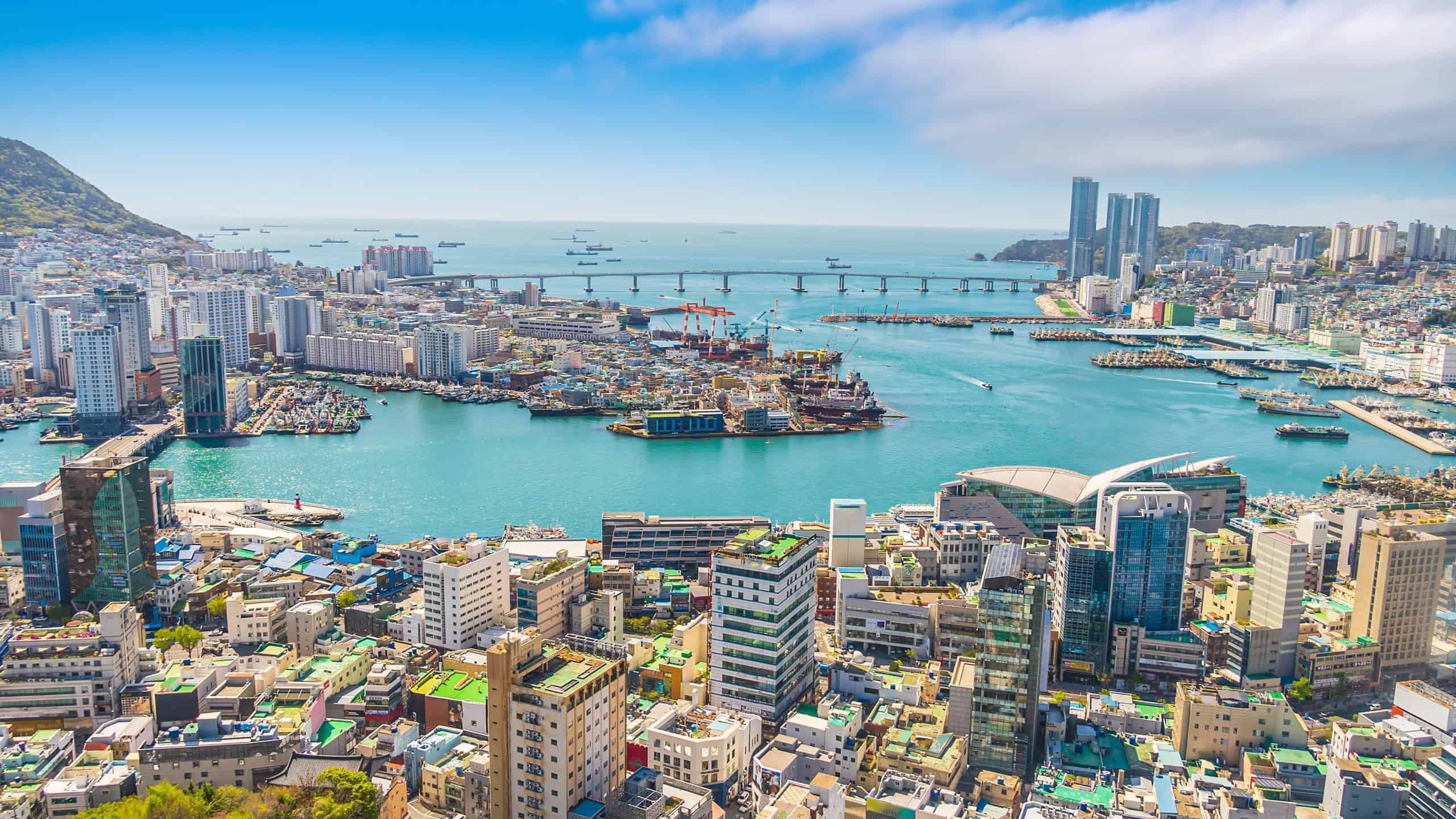
During the Korean War, more than 26,000 Canadians served in the defence of South Korea, including several key battles such as the Battle of Kapyong, when a single Canadian battalion held off a vastly superior enemy force.
There are also several large permanent monuments throughout the Gapyeong district, and much of this history is taught in local schools. As such, many older Koreans, and especially leaders, will treat Canadians with the utmost respect when you visit.
Iceland
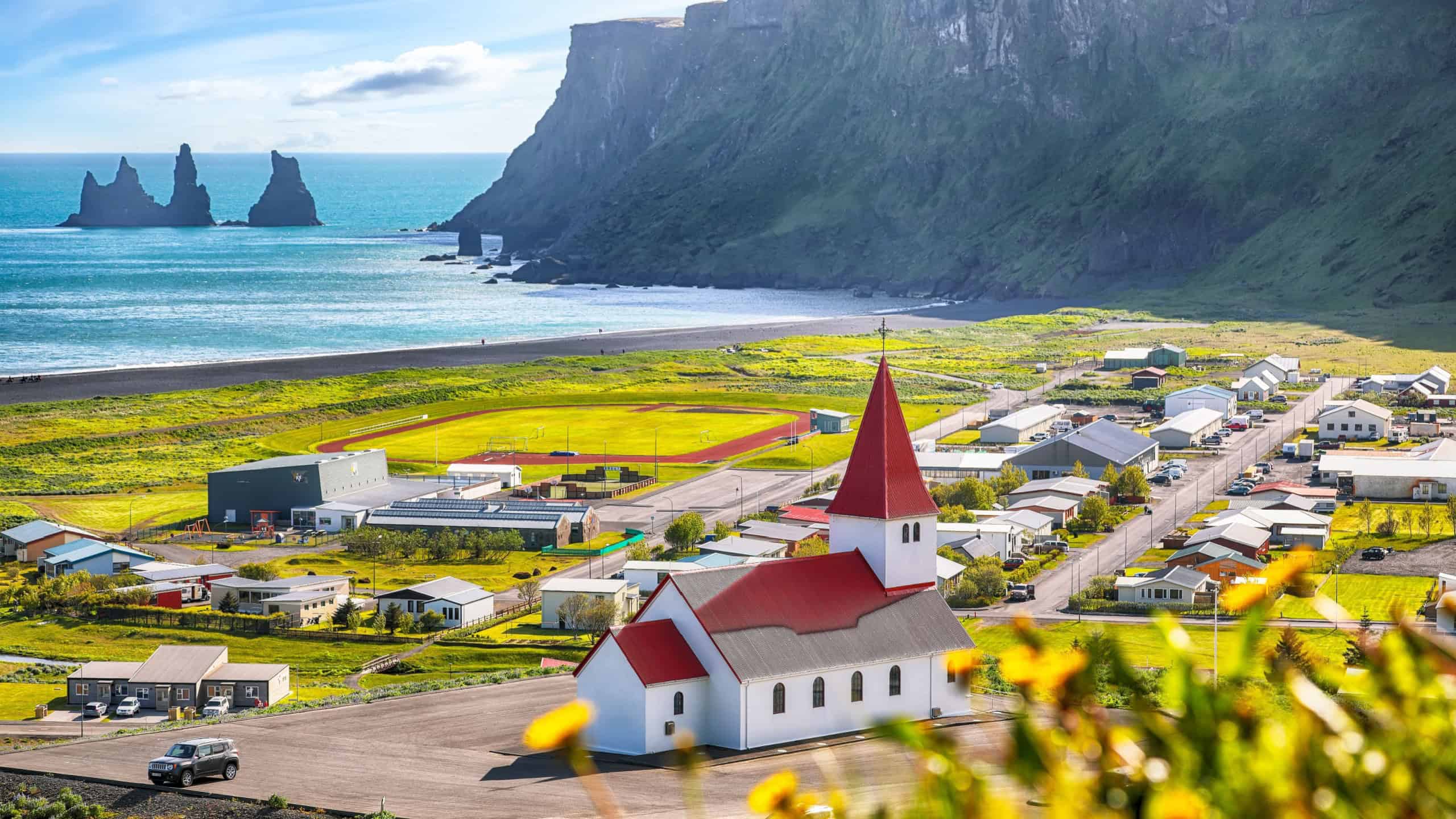
Canada hosts the largest Icelandic diaspora outside of Iceland itself. Icelanders in Canada are concentrated mainly in Gimli, Manitoba (“New Iceland”).
Since Canada answered the call to accept thousands of Icelandic families escaping poverty and volcanic eruptions in the late 19th century, the two countries have a unique, special relationship bordering on familial. Canadians are instantly at home when they arrive in Reykjavik.
New Zealand
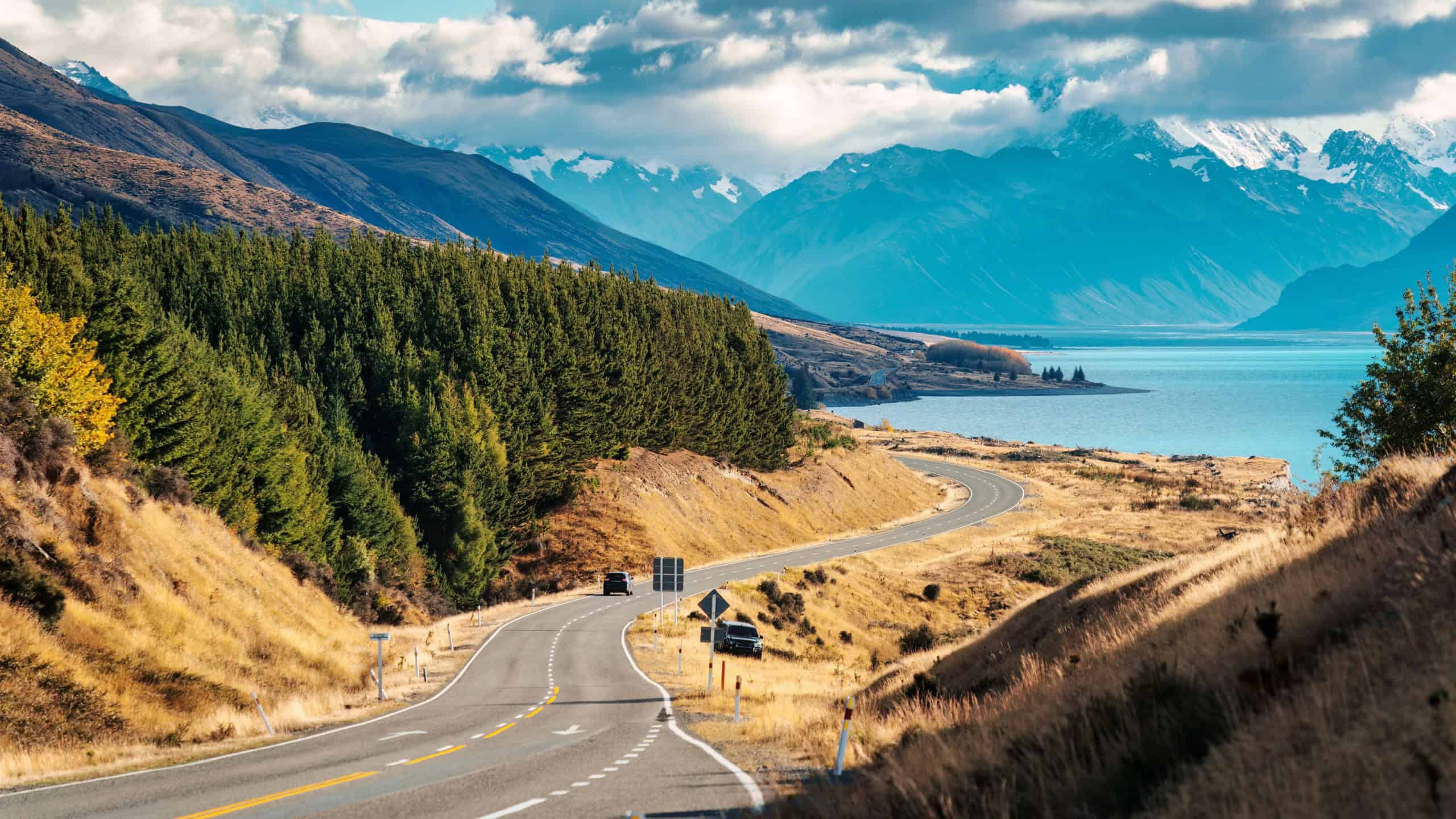
New Zealanders often see Canadians as similar to themselves: practical, outdoorsy and generally quite easy-going.
New Zealand and Canada are both internationally stereotyped as being quieter and less aggressive than their larger Anglophone counterparts, which creates instant common ground.
Canadians also tend to be perceived as humble people who aren’t big on trying to show off, which suits New Zealand’s less competitive social culture.
Mons, Belgium
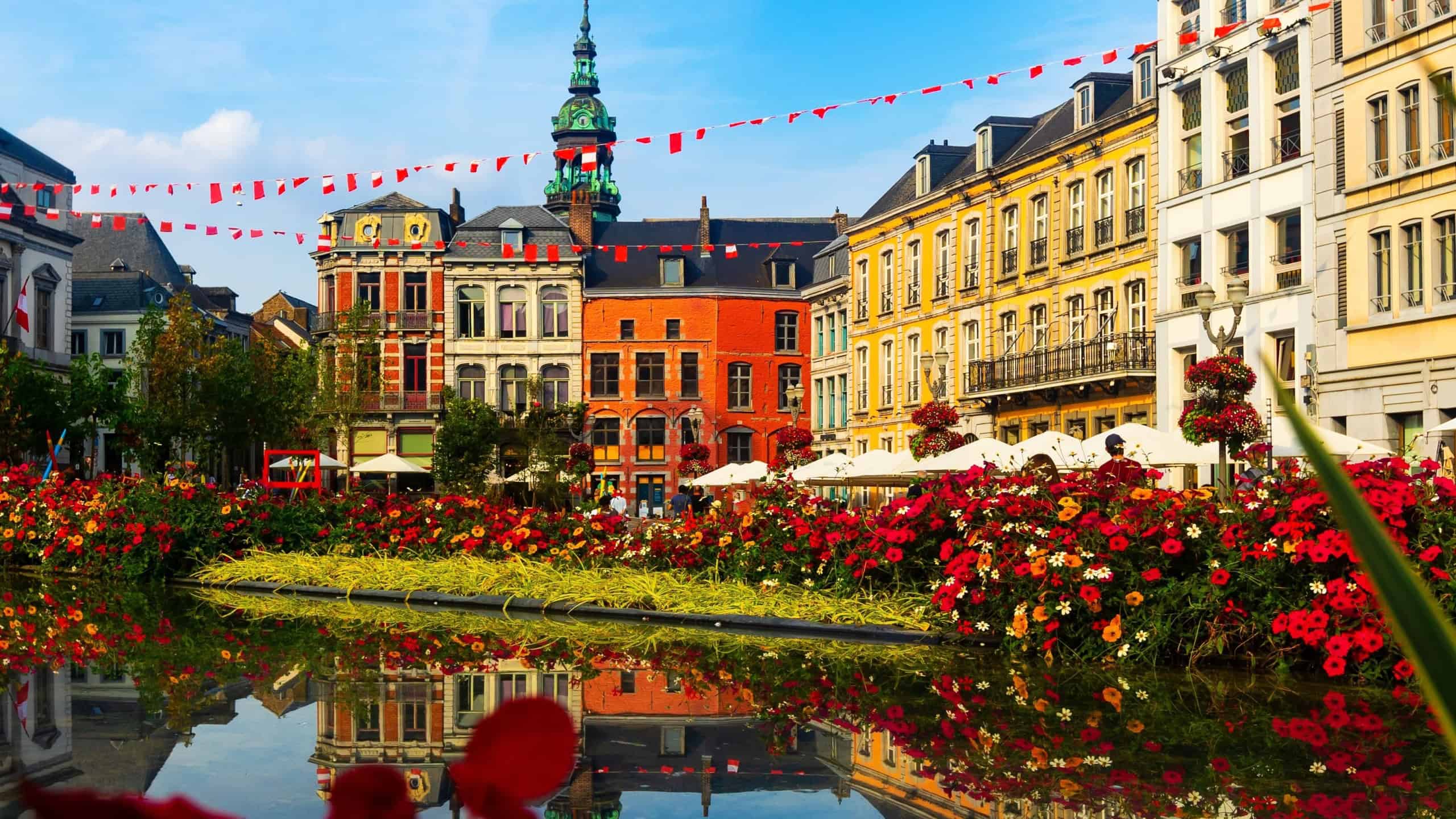
During the final days of World War I, the Belgian city of Mons was freed from years of brutal German occupation by Canadian troops.
The last shots of WWI were fired by a Canadian soldier less than a minute before the Armistice came into effect. In fact, the town’s central square contains official commemorative plaques honouring the Canadian Third Division.
Hong Kong

On December 19th 1941, a tiny band of Canadian soldiers valiantly fought against impossible odds to defend Hong Kong from invasion.
The Sai Wan War Cemetery is a lasting memorial to their bravery. Many local historians and older residents who remember Hong Kong as a colony quietly admire those young Canadians who braved the Pacific to fight alongside them.
Ortona, Italy
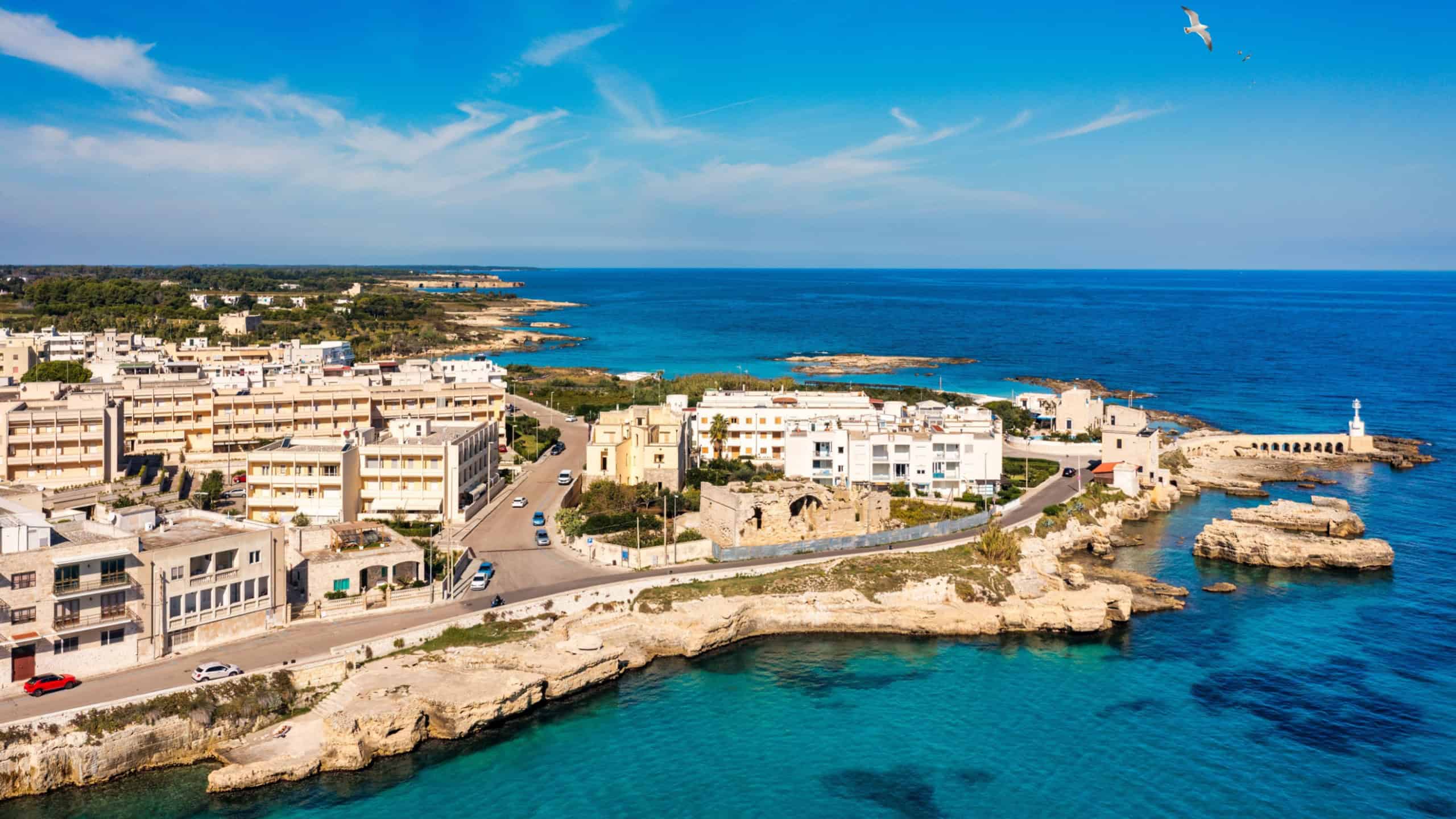
In Italy, Canadian troops conducted a fierce house-to-house winter battle during the Italian Campaign of World War II to liberate the ancient seaside town of Ortona from highly trained German paratroopers.
The intensity of the battle there earned Ortona the nickname “Little Stalingrad”. Because of the heroic efforts of the Canadians, Ortona was not destroyed and today boasts a “Piazza San Francesco – Canada” and a love for Canadians that runs deep.
Saint Lucia
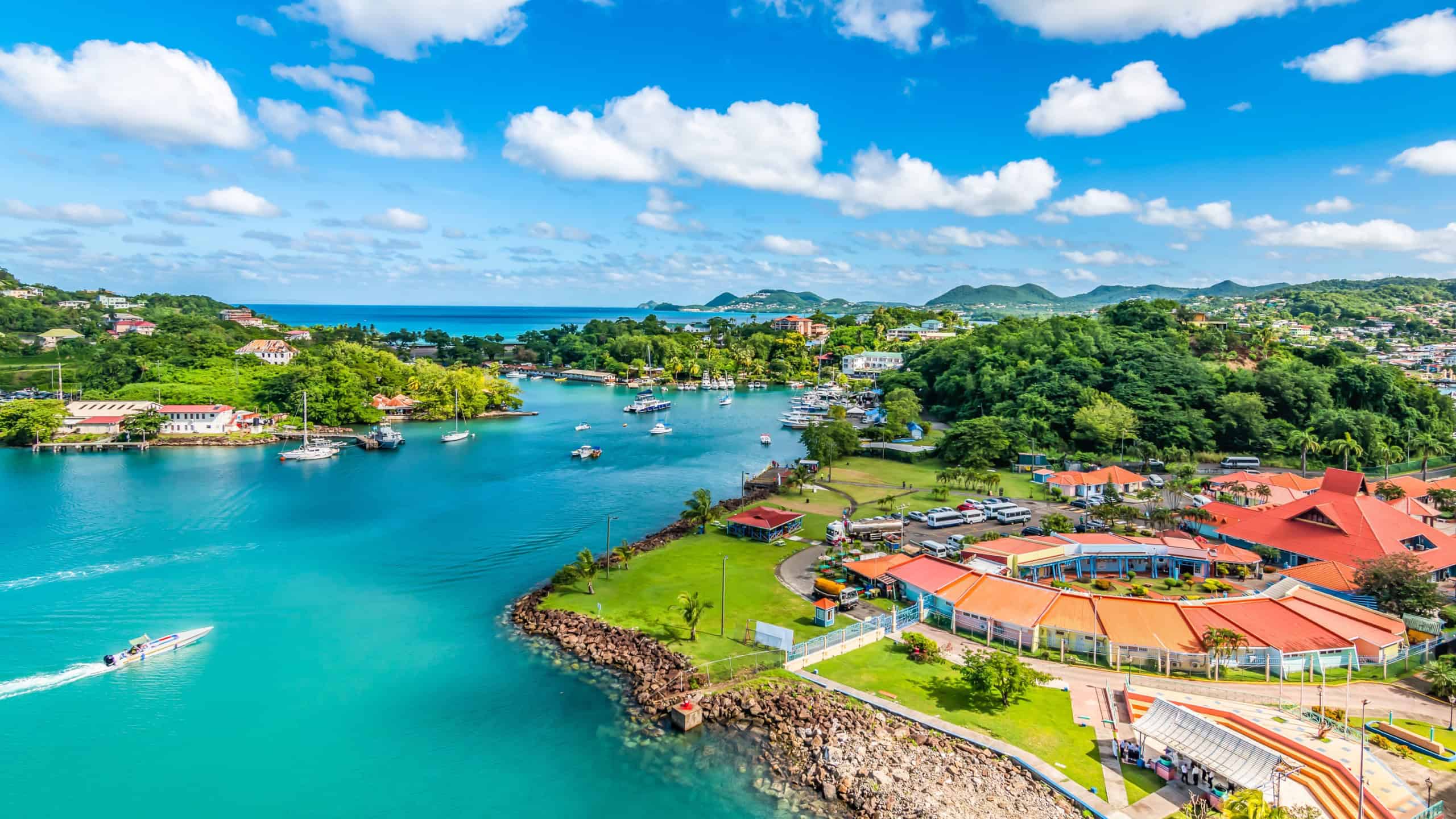
Of all the islands in the Caribbean, Saint Lucia shares one of the closest economic, educational, and diplomatic relationships with Canada. Due to Canadian development aid on the ground for decades, shared banking infrastructure, and the seasonal agricultural worker program, Canadians passing through are often seen as welcome friends and allies instead of passing tourists.
Vimy, France
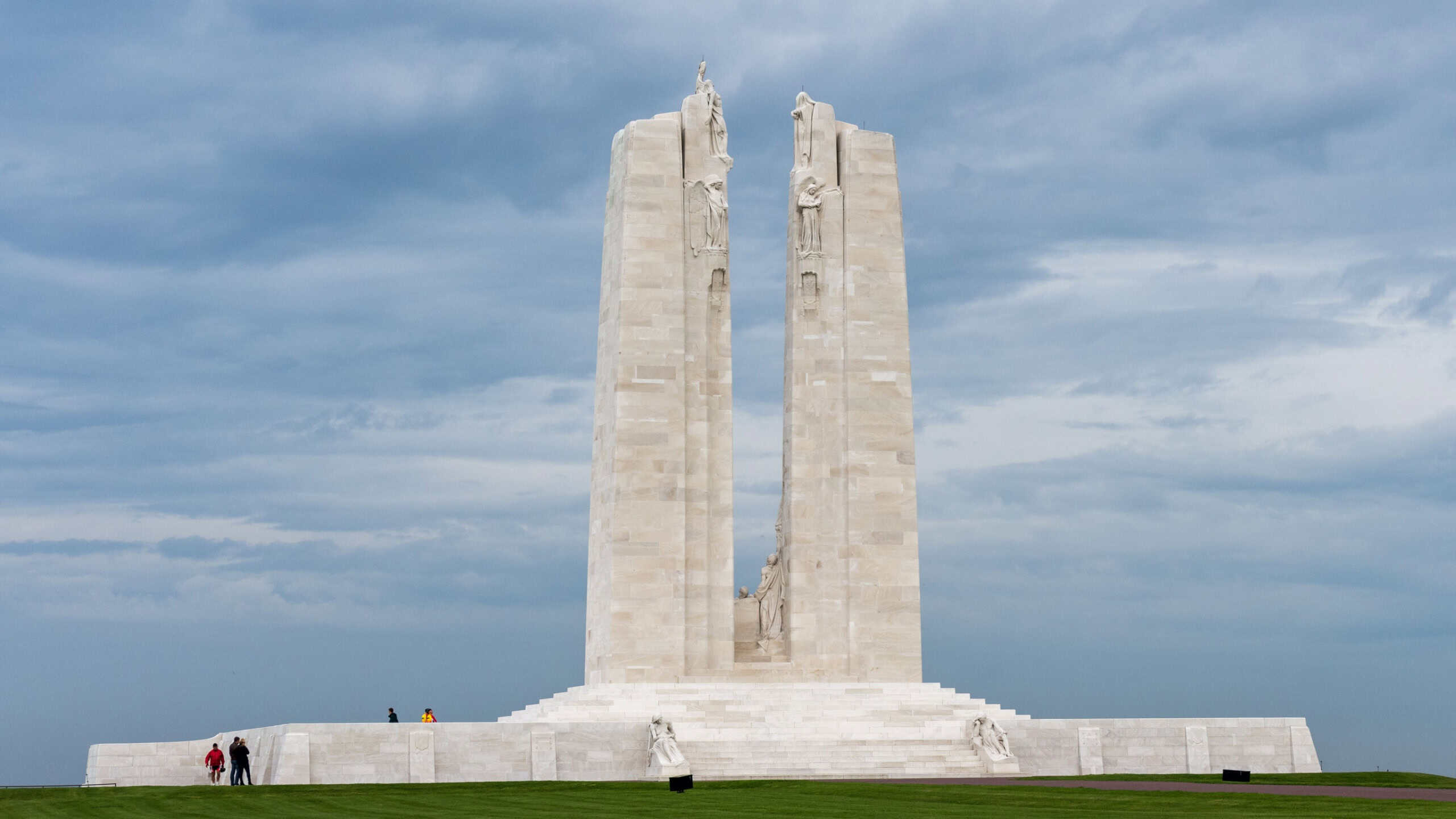
The area that surrounds beautiful Vimy Ridge National Military Park is actually a 250-acre piece of French land that was permanently donated to Canada by the citizens of France back in 1922 to express their everlasting gratitude.
It was at Vimy that, during WWI, all four divisions of Canada came together to take what was thought to be an unconquerable German position.
Passchendaele (Zonnebeke), Belgium
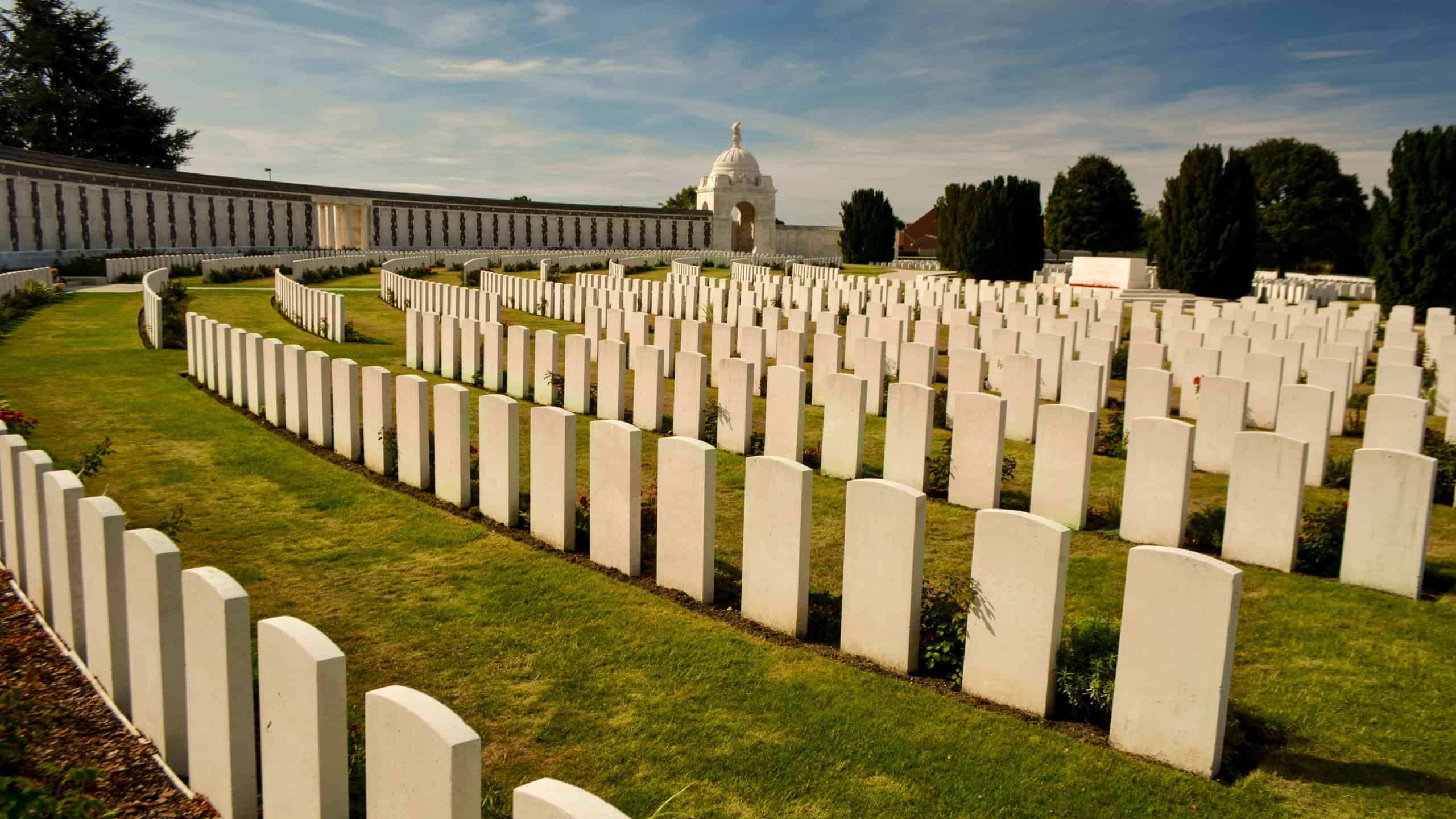
While Vimy and Mons will forever be remembered as battlegrounds, the village of Passchendaele itself holds the most sacred respect from Canadians.
Sent into a blood-soaked muddy battlefield that neither the British nor Australians could capture in the fall of 1917, the Canadian Corps did the unthinkable by taking the ridge. On that landscape now stands Crest Farm Memorial, and citizens of that tiny village uphold a generational reverence for Canadians who visit.
Sources: Please see here for a complete listing of all sources that were consulted in the preparation of this article.