
In Canada, there are many little social rules that nobody explains to you directly, but somehow every Canadian seems to follow them anyway.
Transit order

Standing at a bus stop or subway platform can only be achieved by silently following an autonomous standing line protocol. There are no jostling seas of tourists and hurried locals fighting to squeeze past each other like New Yorkers and Londoners.
Canadians will shuffle together in a loose-filed line determined solely by arrival time to the stop. When the doors open, the line will stand and wait for every person to completely exit before one individual moves up to enter.
Tims etiquette

Entering one of Tim Hortons ‘ drive-thru lanes means you’re entering peak hour, where there is no time to waste socially. By the time you reach the counter, you should already know what you want and have a payment in hand.
Otherwise, they will receive the icy death stare of judgment from the nine cars behind them.
Door holding

The radius of acceptance for when someone in Canada should hold a public door open for a stranger is drastically larger than in most societies. If, after looking back, a Canadian sees any person being within fifteen feet of where the door is, they feel compelled by social norms to keep it open for them.
This leads to a strange Canadian occurrence where the passerby speeds up to a weird half-run so as not to make the door-holder wait too long.
Lane merging
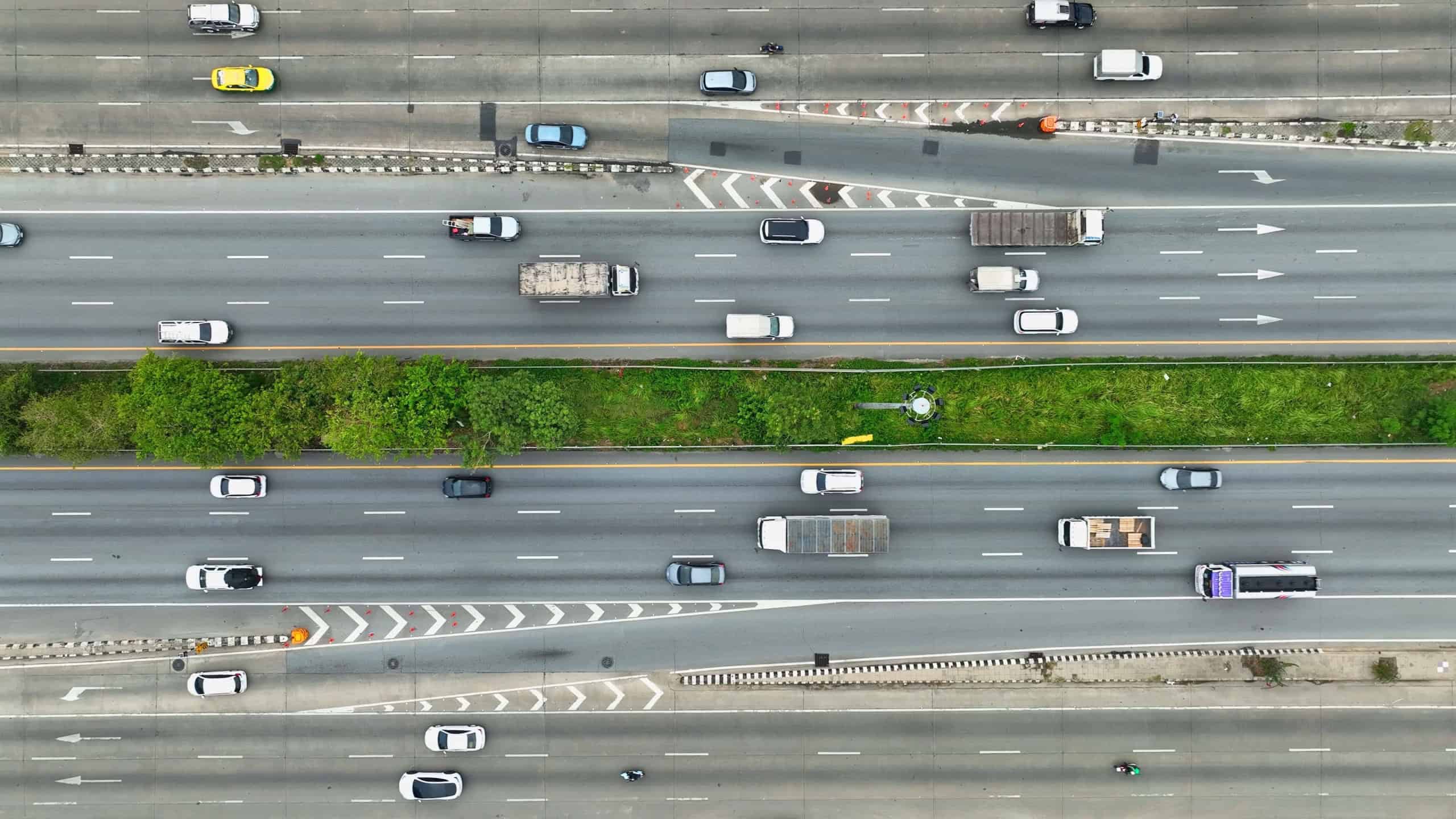
On highways where lanes sometimes shut down for perpetual summer construction, Canadians exhibit a quiet etiquette by undertaking the zipper merge.
Drivers staying in the open lane alternate, letting one car from the lane that’s closing zoom ahead. Should someone try to cheat the system by slipping in front of their spot in line, nearby vehicles will collectively block them.
Wave thanks
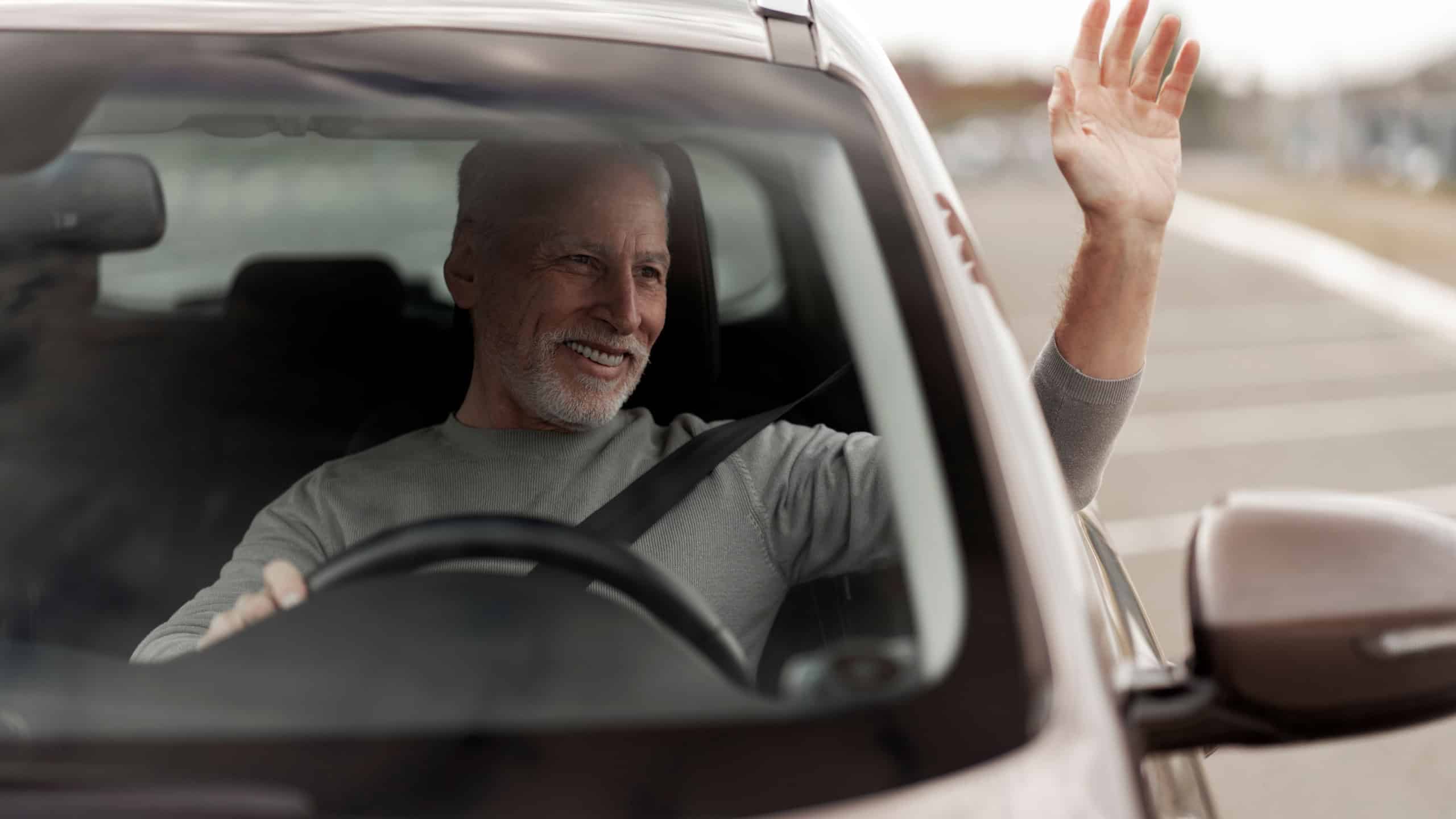
Should someone flash their brakes to allow a Canadian to merge into oncoming traffic, that driver is then obligated to reciprocate right away.
Recognition is conveyed through the use of what is known as the “windshield wave”. This could be a lifted hand gesturing towards the driver’s rear-view mirror or briefly flashing one’s hazard lights.
Shoe protocol
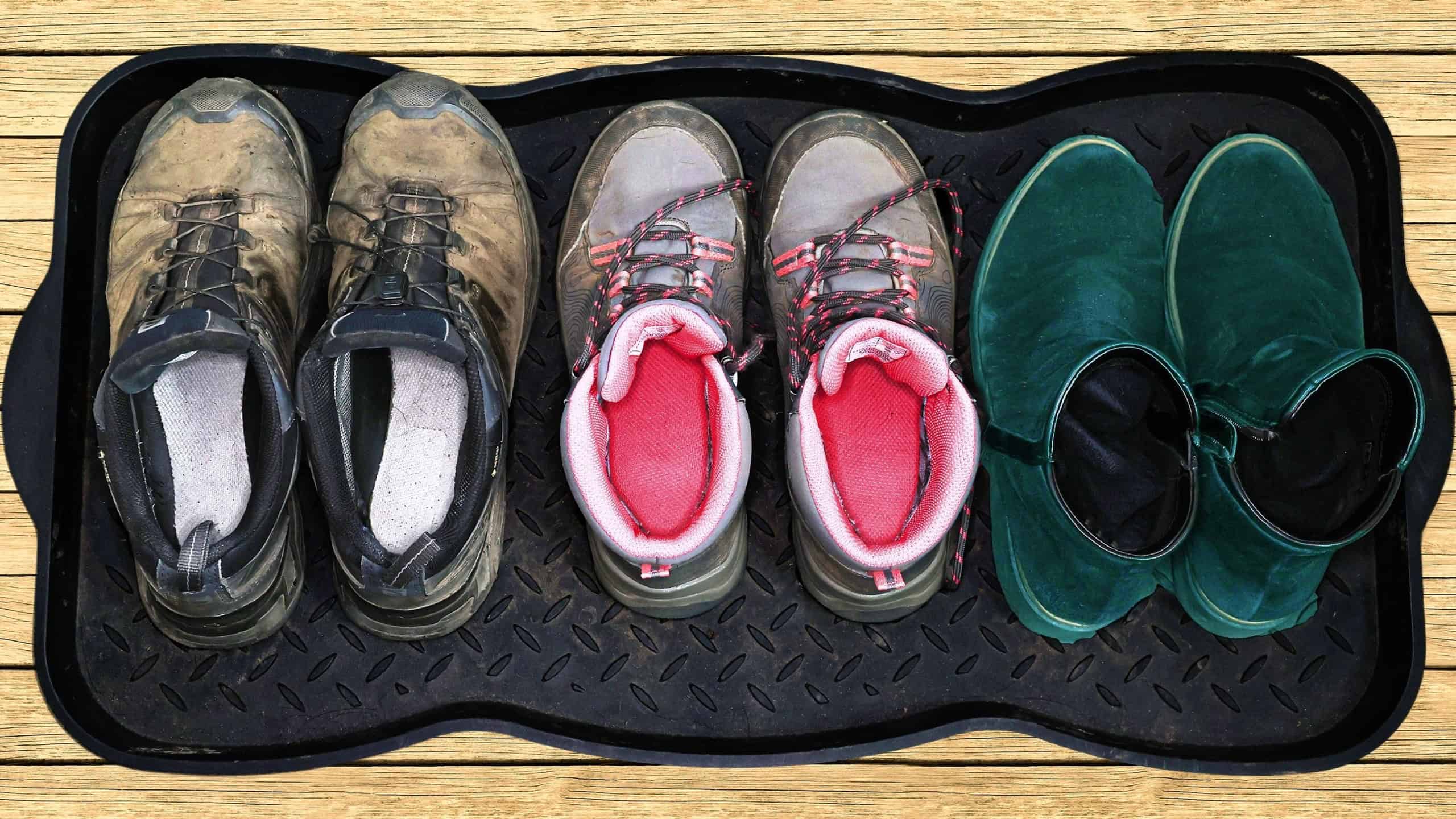
Walking into someone’s house wearing your shoes in Canada is a cardinal sin. Between mud, slurry, street salt and snow in the winter months, guests have to remove their shoes when entering someone’s home.
Canadians instinctively know how to traipse around dinner parties or social gatherings barefoot, in socks or in indoor shoes.
Last slice

Whenever there is a communal box of donuts, a tray of pizza, or a plate of party appetizers and someone else goes for the last one, there is a polite standoff. Canadians don’t want to look greedy, so there is a silent etiquette agreeing not to take the last prize.
Rather than take it, each person will slice the treat into halves, then quarters, so that eventually there is a subatomic sliver remaining in the box, nobody wants to claim it.
Weather whining

Canadian national bonding activity is whining about the weather. But there is a strict hierarchy when it comes to regions. You can moan about how brutal the winter wind can be to complete strangers; however, if you are from Vancouver or Toronto and complain about getting only an inch or two of snow, expect some judgmental stares.
Cabin solitude

When Canadians flee to their cottage, cabin, or lakeside camp weekends, they’re looking for a certain kind of secluded relaxation. Should they happen to meet a neighbour out on their private lake in a canoe, there’s an unspoken agreement that one slow, polite nod of the head will be exchanged, and then they will go on their separate ways.
Apology reflex

To say sorry in Canada has very little to do with actually apologizing for doing something wrong. It’s actually an automatic conversational lubricant used instinctively to preserve public peace in close quarters.
For example, if someone bumps into a Canadian while walking down an aisle in the crowded local grocery store, the Canadian might apologize to the person who bumped into them, although it’s not the fault of the Canadian.