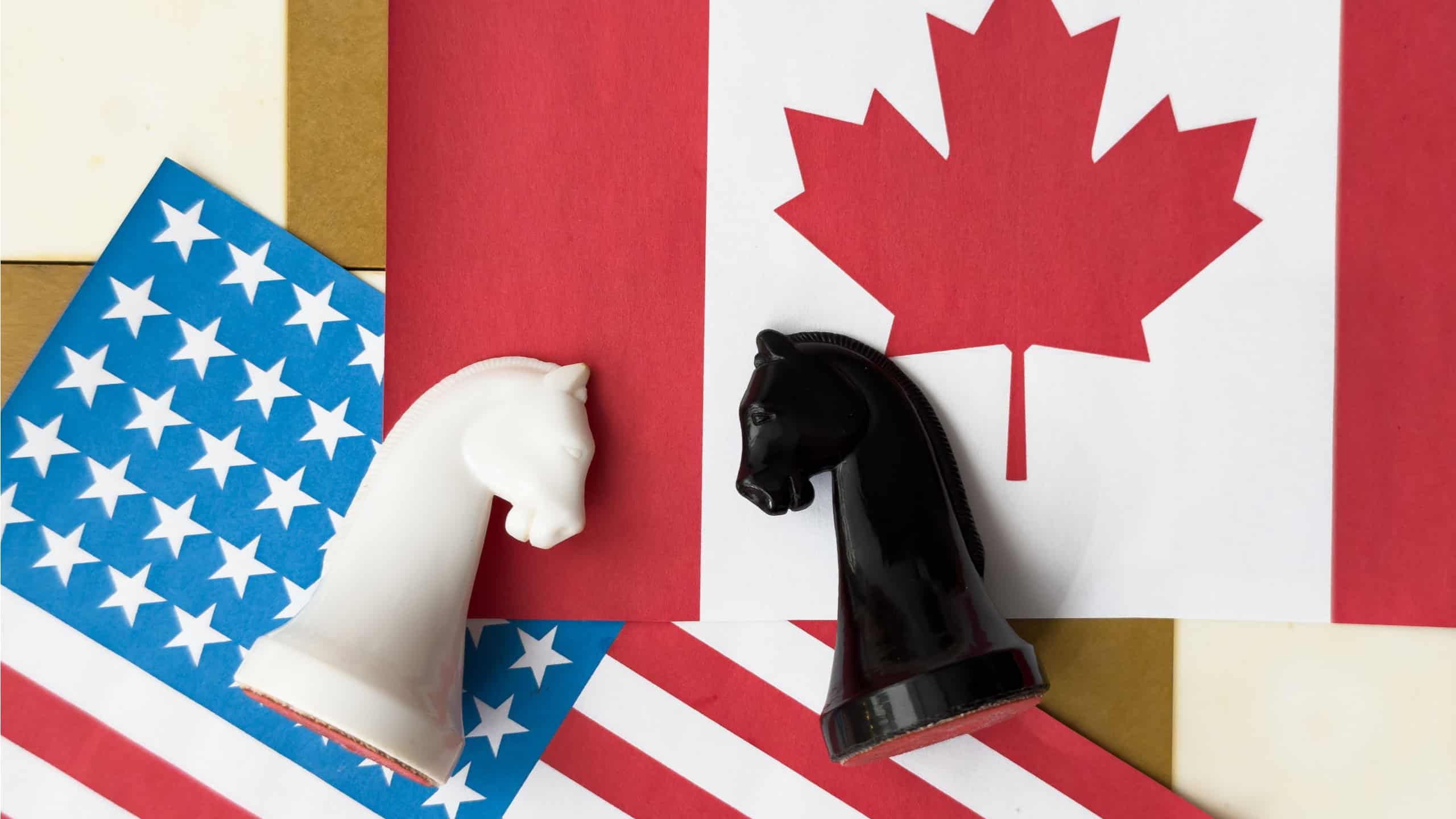
Sharing a continent, a language, and the world’s longest border has caused Canadians and Americans to appear very similar on the surface, but beneath all these, the two countries exist on completely different wavelengths.
Baseline etiquette

Canadians pride themselves on politeness and apologizing. Canadians use sorry as though it’s air, just to keep everyday life flowing along nicely and without conflict.
Americans, on the other hand, are far more direct, blunt, and expressive. They value getting their point across efficiently.
National identity

In the United States, immigrants are culturally expected to conform to the “melting pot” of American culture; assimilate into society and create a common, unique American identity.
Canada prides itself on officially maintaining a “cultural mosaic”. Immigrants are encouraged to maintain their own cultural identities and celebrate their differences.
Healthcare realities

Medical care in the United States is primarily privately owned and provided through employers, leaving citizens to obtain health insurance through often costly insurers; this can provide some of the highest quality care in the world, but it runs the risk of great financial burdens.
Canada has a publicly funded and universal healthcare system, which provides necessary medical services to its citizens at no cost though wait times can be longer for non-life-threatening services.
Public safety

The two countries contrast greatly in gun culture and personal safety. The United States prides itself on upholding the right to bear arms with its Second Amendment. This causes a higher percentage of households owning guns and higher murder rates.
Canadians have to obey strict federal guidelines when obtaining guns. They also experience lower gun-related homicides and feel safer during their day-to-day lives.
Religion

Religion occupies a bigger space in public life in the United States compared to Canada. Americans tend to be more religious, on average, and religion often plays a role in political discussions.
Meanwhile, Canada is more secular, particularly in its urban centres, where religious affiliation is often treated as a private affair.
Patriotism styles
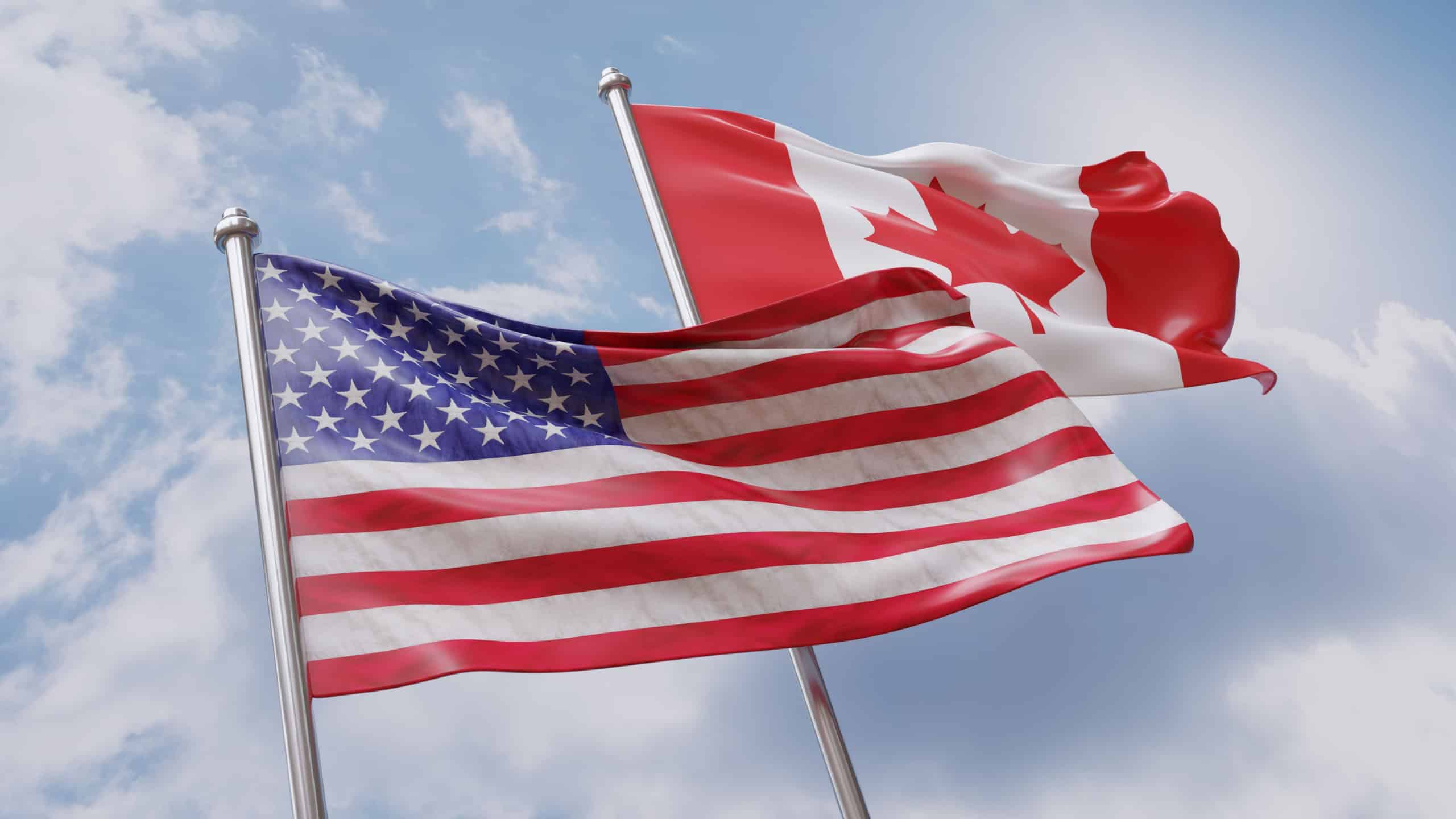
American patriotism is loudly displayed, celebratory and present in everyday life with flags on houses, singing the anthem at small events and united over love of the Constitution.
On the contrary, Canadian patriotism is subdued, quiet, and mostly consists of not trying to be American.
Core foundations
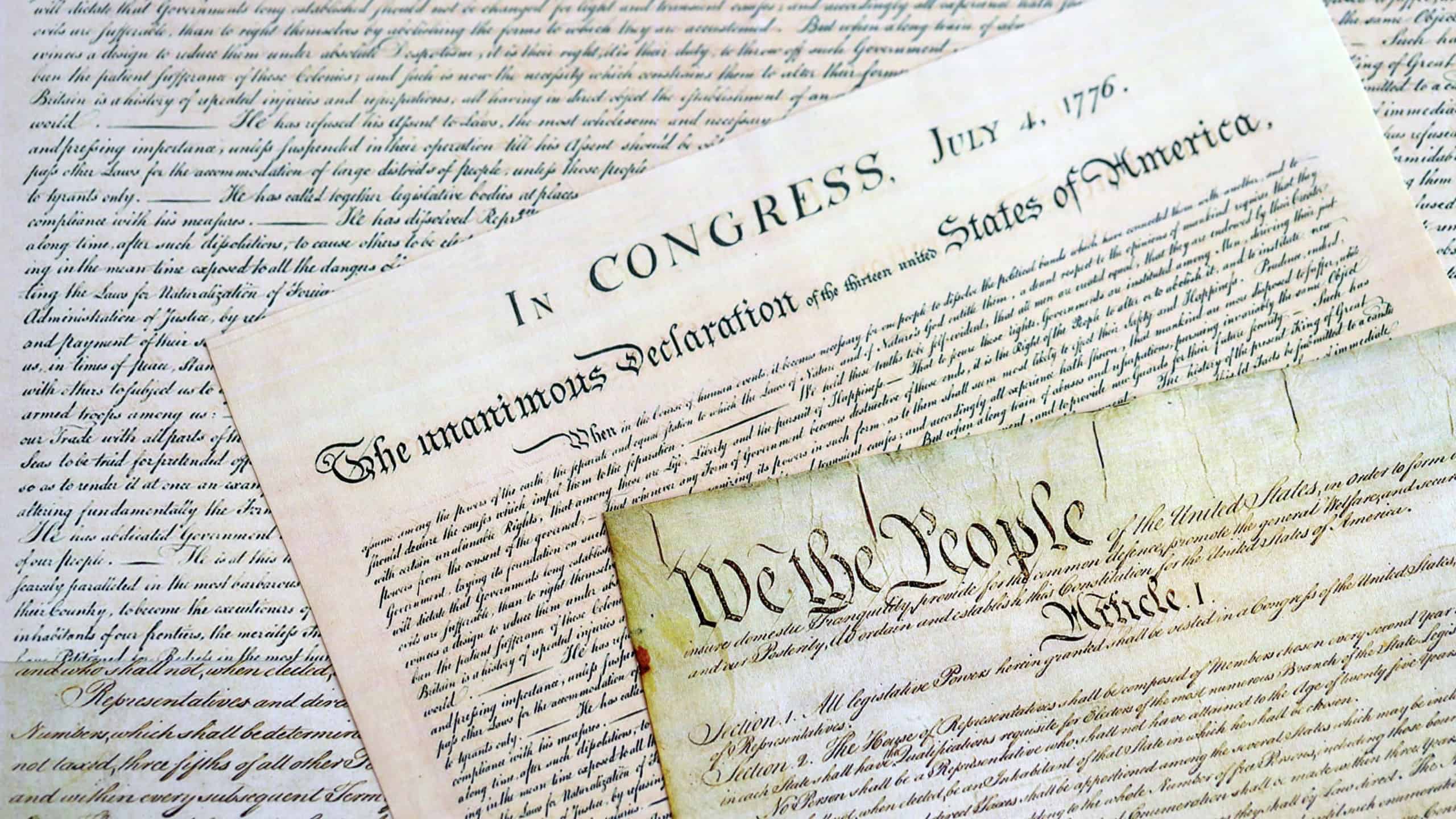
Their respective founding documents lay these priorities out in plain language. The United States Declaration of Independence begins with the individualist goals of revolution: “Life, Liberty, and the pursuit of Happiness.”
Canada’s British North America Act puts collective stability first: “Peace, Order, and Good Government.”
Banking structure

The two banking systems are on different levels of competition. The United States banking system consists of thousands of regional/state/local community banks vying for market share with Wall Street.
Canada’s system is a strictly regulated oligarchy of five national giants. They’re often referred to as the “Big Five.”
Portion sizes

American restaurants are known for their extremely large portions, refills on soft drinks and enormous menus allowing customers excessive customization of their food.
Portions in Canada are noticeably smaller, and the concept of limitless, free refills isn’t nearly as prevalent outside of corporate chains.
Winter response

As winter weather affects nearly all Canadians every year, winter is considered something inevitable that Canadians live with, not an emergency they endure. Municipalities do not typically close due to snowstorms, and winter tires are considered a normal and expected yearly expense.
Response to snow varies greatly in the United States; even an inch or two of snow can shut down major southern or mid-Atlantic cities for days.
Consumer prices

Shopping in Canada is affected by what Canadians refer to as the “Canada premium.” Canadians pay higher sales taxes, have a smaller, less competitive retail sector, and face high import duties, which increase the price of consumer goods, electronics, and apparel compared to prices in the United States.
Canadians have a long history of shopping across the border as a result.
Cell plans

Canada has some of the highest priced mobile phone and internet data plans in the developed world. There is virtually no competition between our handful of telecom providers.
Americans benefit from one of the largest, most competitive telecom markets in the world. Unlimited data plans are much cheaper, roaming is much cheaper, and promotional pricing is aggressive.
Retail loyalty

The retail environment doesn’t match up because we have different homegrown juggernauts. Americans turn to Target, Trader Joe’s and local supermarket chains.
Canadians favor our homegrown giants: Canadian Tire (Canada’s massive hardware and housewares destination), Shoppers Drug Mart and Tim Hortons.
Holiday timing
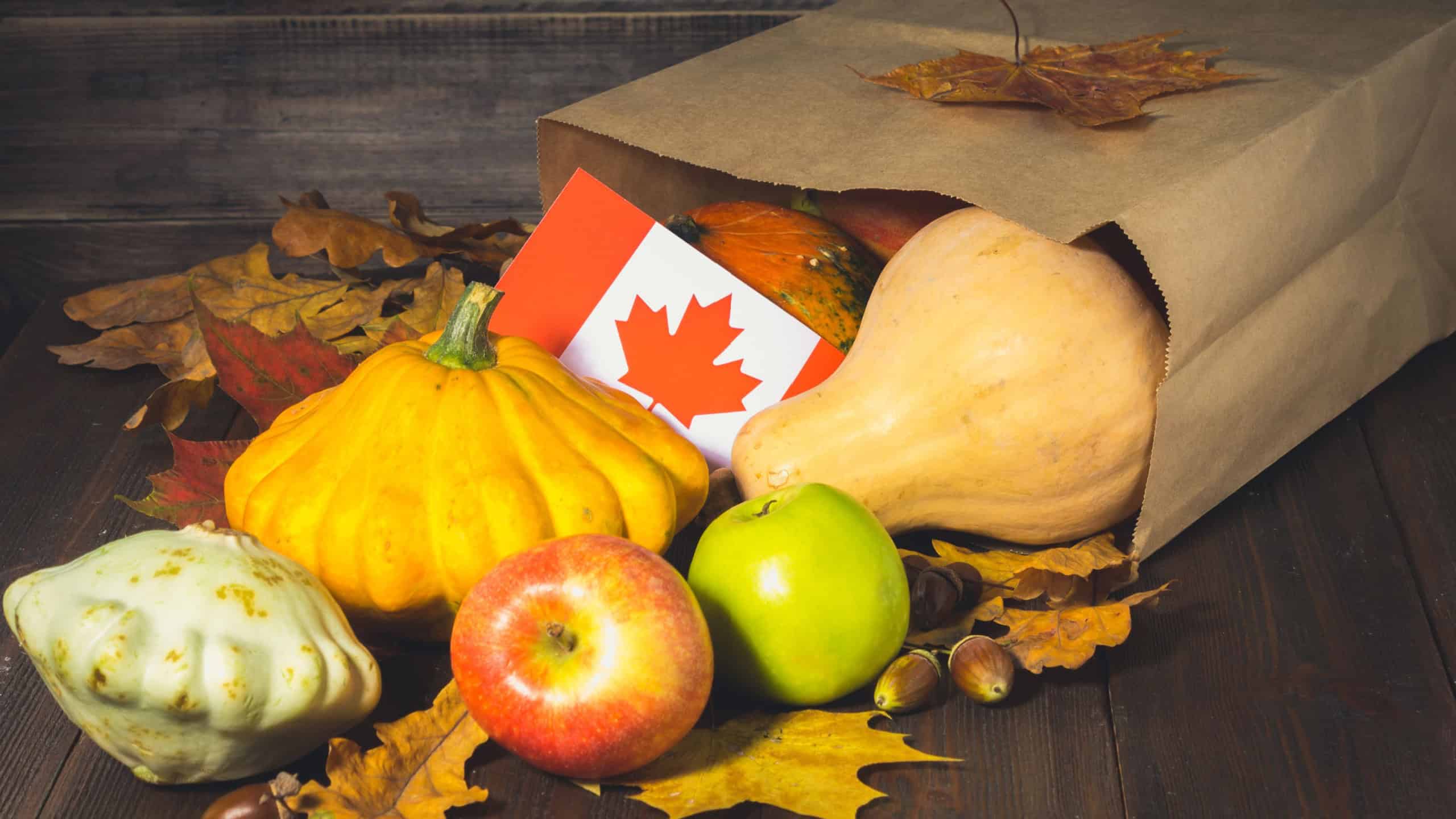
Despite having similar holidays, Canada and the United States observe some of them on different days. Canadian Thanksgiving is in early October to celebrate an earlier harvest north of the border.
In addition, Boxing Day on December 26th is a large statutory holiday in Canada.
Spelling rules

Although Americans and Canadians speak with similar accents in some regions, the way they write creates a separation between the two. Americans employ phonetic spellings, made simplified by Noah Webster (color, center, defense).
Canadians rigidly stick to the British language rules by preserving the “u” as well as certain word endings. (colour, centre, defence).
Sources: Please see here for a complete listing of all sources that were consulted in the preparation of this article.