
Technology, skyrocketing prices and global climate change are causing a number of Canadian traditions to fade away, never to return with future generations.
Bagged milk
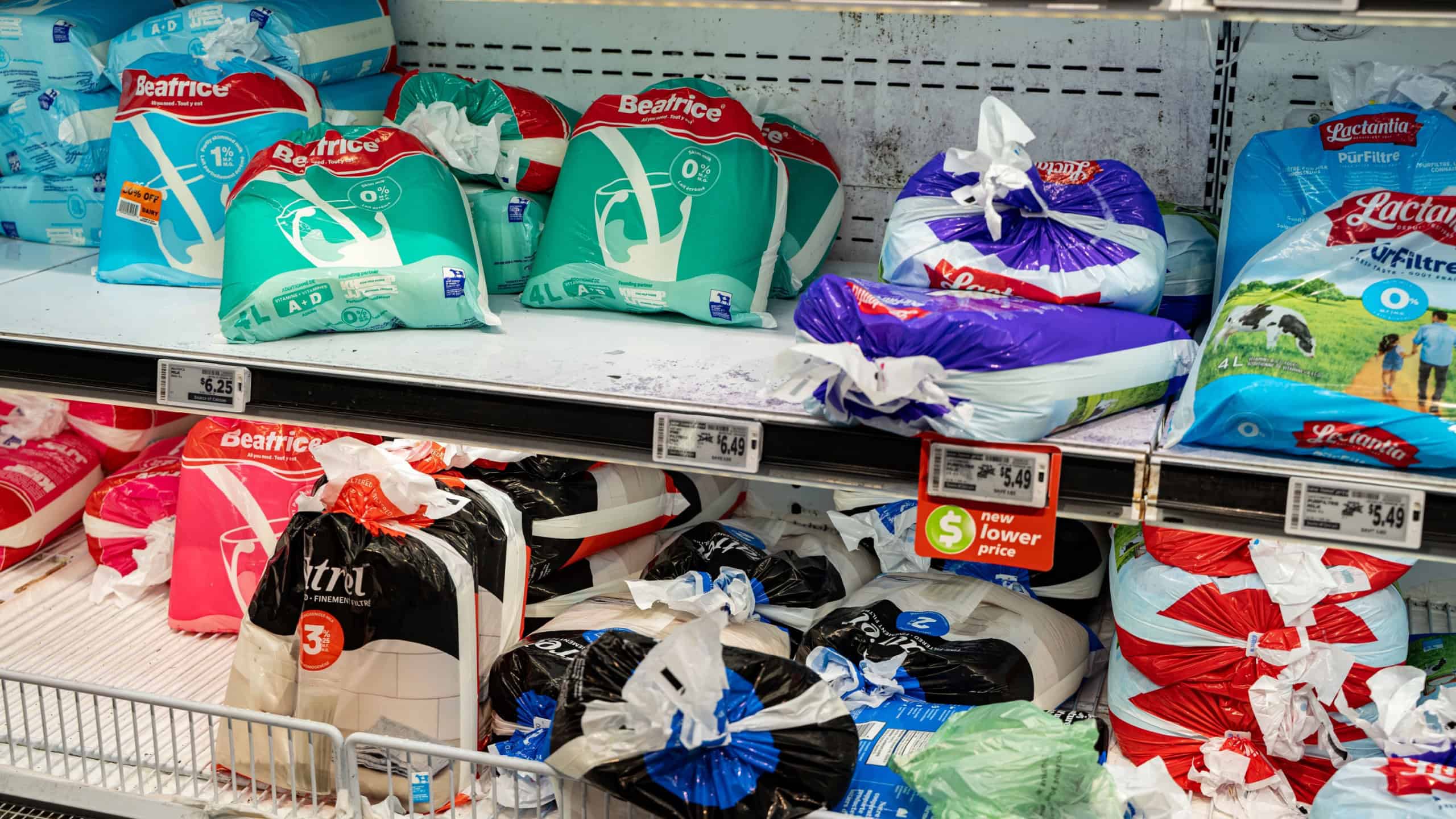
Purchasing milk in clear plastic bags (somewhat common in Ontario, Quebec, and on the East Coast) will soon be a thing of the past. Introduced in the late 60s, consumers must place the bag inside a plastic pitcher and cut off one of the corners to pour milk.
Younger generations choose regular cartons or plastic jugs, or even non-dairy milk such as almond or oat milk.
Hockey nights

Growing up in Canada, hockey was practically a religion. Parents would cook snacks, kids would wear jerseys to school and families would crowd around their televisions to watch Hockey Night every Saturday. Even Canadians who don’t like hockey remember drifting downstairs to hear the theme music blasting through the house on chilly winter nights.
But those days are gone. Fewer families watch TV together these days, and children would rather watch game highlights on their smartphones than watch an entire game with their grandparents.
Boxing day

December 26th was once known as the busiest shopping day of the year, with enormous lineups outside electronic and big box stores as Canadians waited in negative temperatures to get their holiday shopping underway.
Now, with Black Friday deals coming in November and online shopping, Canadians are much more likely to browse deals on their couches through their phones.
Backyard rinks

Outdoor ice rinks used to be one of the greatest traditions of Canadian winter. Neighbourhood volunteers flooded the ice, shoveled snow, fixed boards and kept them going for families.
Children played hockey after school for hours while parents drank coffee and hot chocolate nearby. Nowadays, it’s tough to manage these hobbies with warmer winters, a lack of volunteers and busy lives.
Penny Socials

The Penny Social used to be a huge fundraiser for communities. People bought ticket sheets for a few cents each and dropped them into cups next to homemade goodies or crafts for purchase.
Now that Canada has eliminated the Loonie’s coin counterpart and there are fewer volunteers to run hometown community centres, people simply use online fundraising platforms.
School snow days
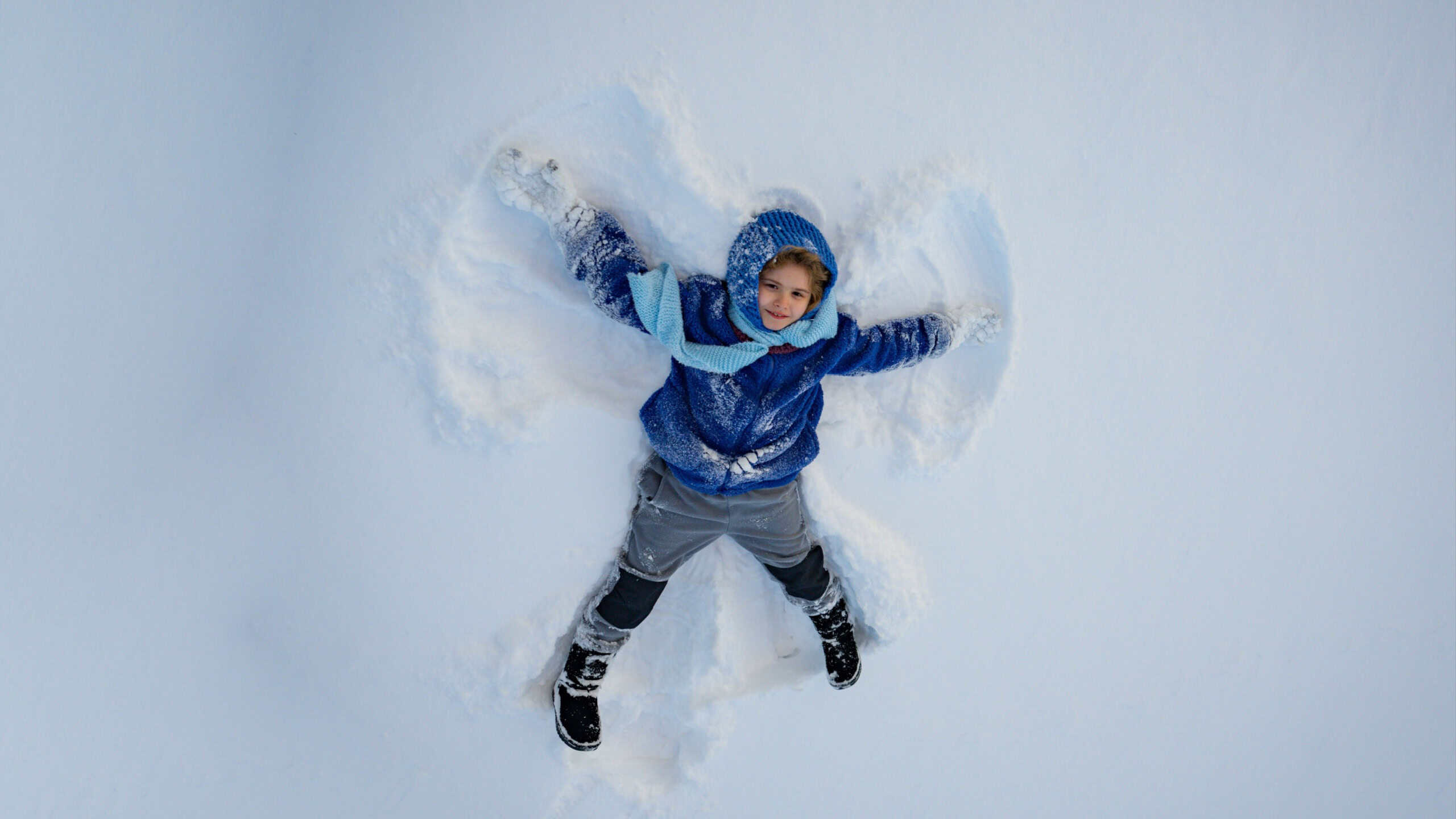
Snow days were a winter favourite for many Canadian children. Kids would anxiously wait for announcements that school buses were cancelled due to snow. Snow days were spent sledding and building snow forts instead of attending school.
Online learning has enabled many students to learn from home during snowstorms. Along with warmer winters in parts of Canada, the traditional Canadian snow day is fading away.
Royal money

Canadians for generations saw the face of the British monarch on their currency. However, younger Canadians have weaker ties to the Crown than their elders do.
According to opinion polls, the majority of Canadians are now against putting King Charles III’s face on currency. So, the monarch’s portrait may not be on Canadian coins forever.
Winter tires
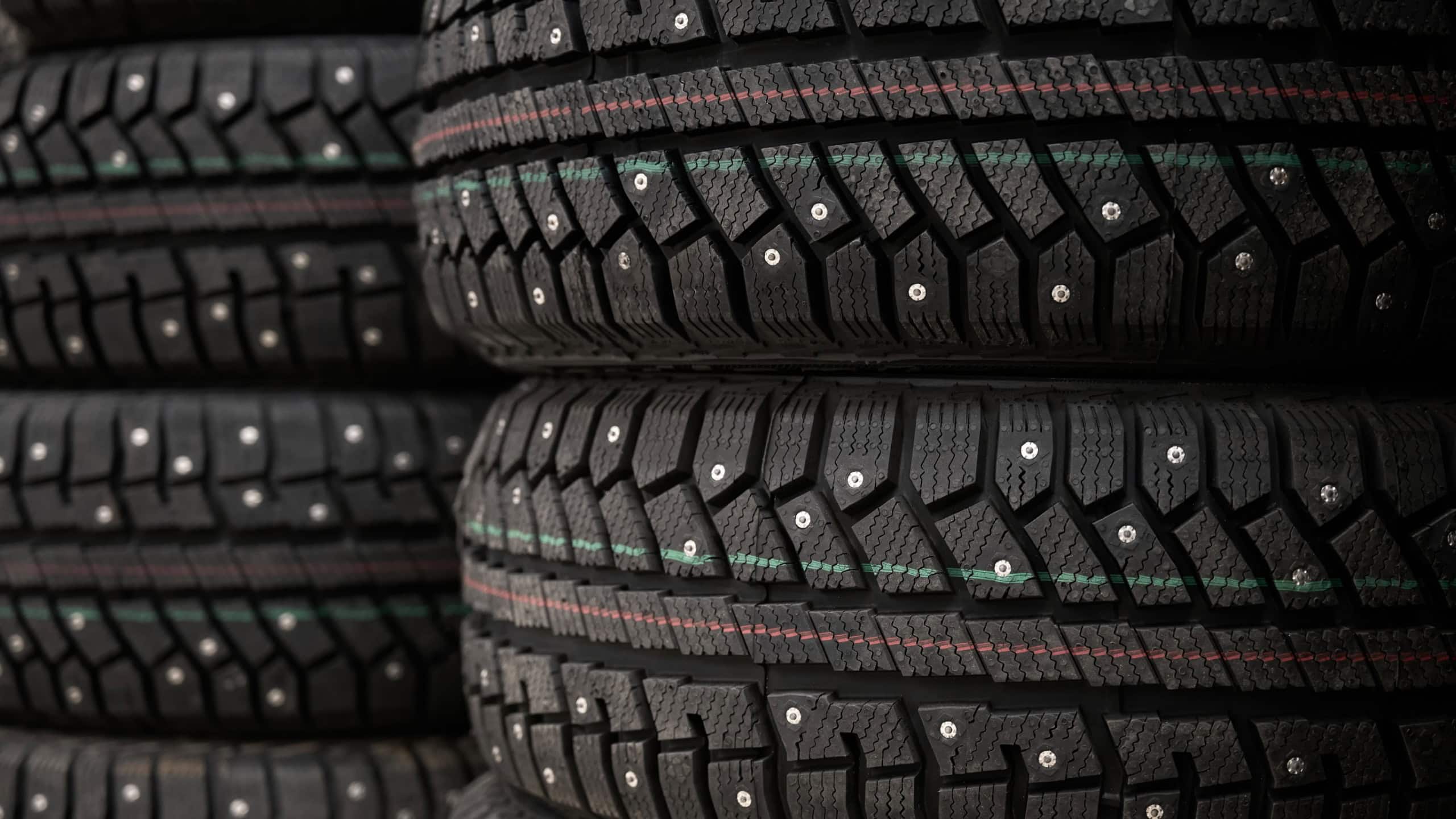
Purchasing, storing, and swapping heavy winter tires each November is quickly becoming outdated in large metropolitan areas. Tire innovation has produced “all-weather” tires capable of being driven safely through blistering summers and frosty winters with no tire change ever required.
These tires will become commonplace and as city winters become less likely to have permanent snow coverage, trips to the garage twice a year will be a thing of the past.
Canada Day celebrations

Canada Day was once celebrated in towns across Canada with neighbourhood parades, barbecues, small fireworks displays, and people enjoying the day outdoors together. Kids rode bikes bedecked with red-and-white crepe paper streamers and families celebrated the long holiday with their neighbours.
However, attendance at small local events has dwindled over time. With advances in technology and shifts in Canadian culture, many young Canadians have become disconnected from their neighbourhood traditions.
Cash tipping

Casually putting down some loonies and toonies on a restaurant table to show appreciation to your server for excellent service has become extinct with technology.
Everywhere you look, there are card machines replacing lost change with automatic tip screens that request a percentage tip. When Canada converts to an all-cashless society, having change in your pockets to pay for goods will seem foreign to future generations.