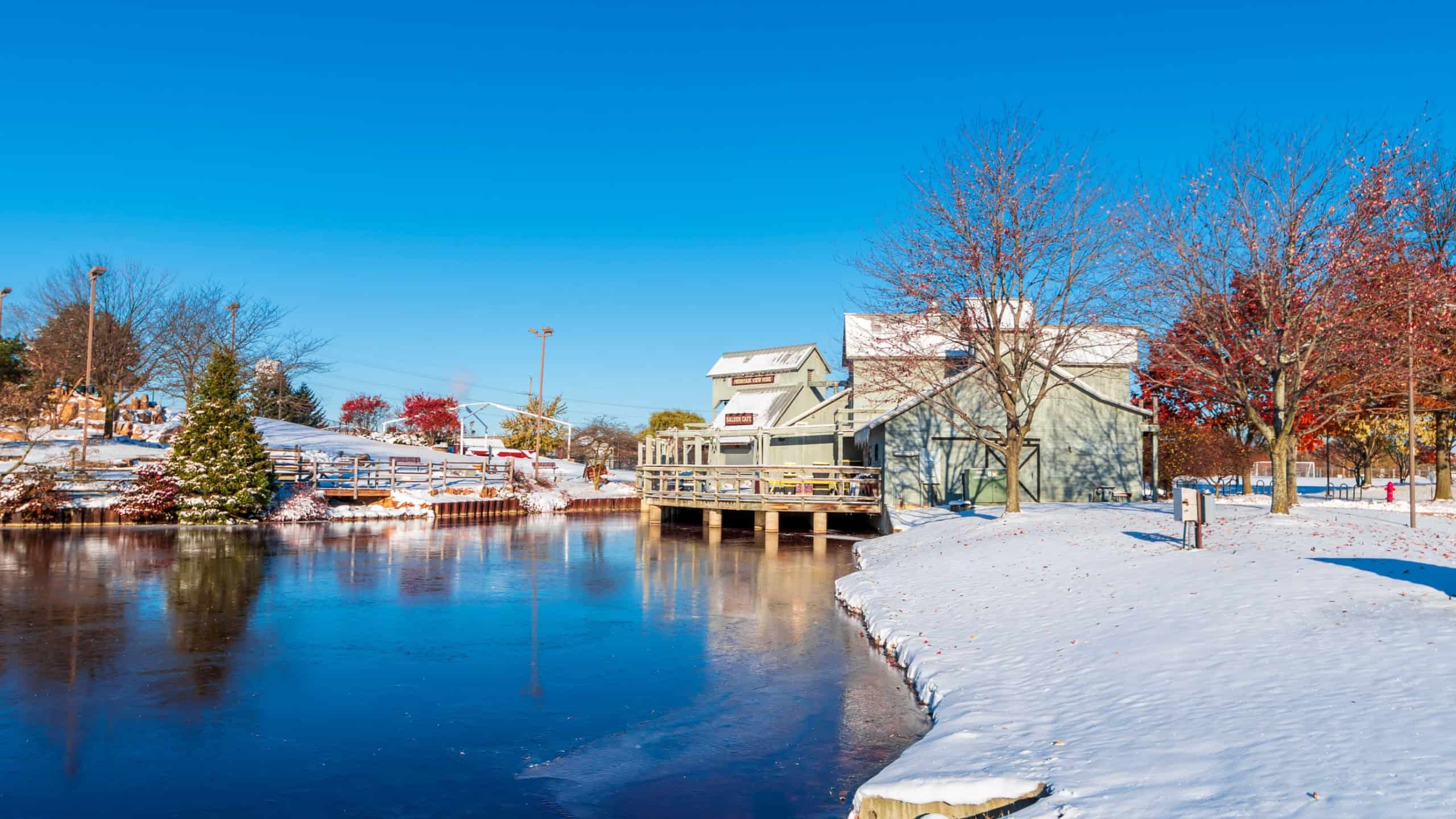
Many imagine prairie towns to be flat, dull, or fly-through communities until they actually stop and discover rolling valleys, historic downtowns, dramatic badlands, lakeshores, cowboy culture, and some of Canada’s friendliest communities.
Wayne
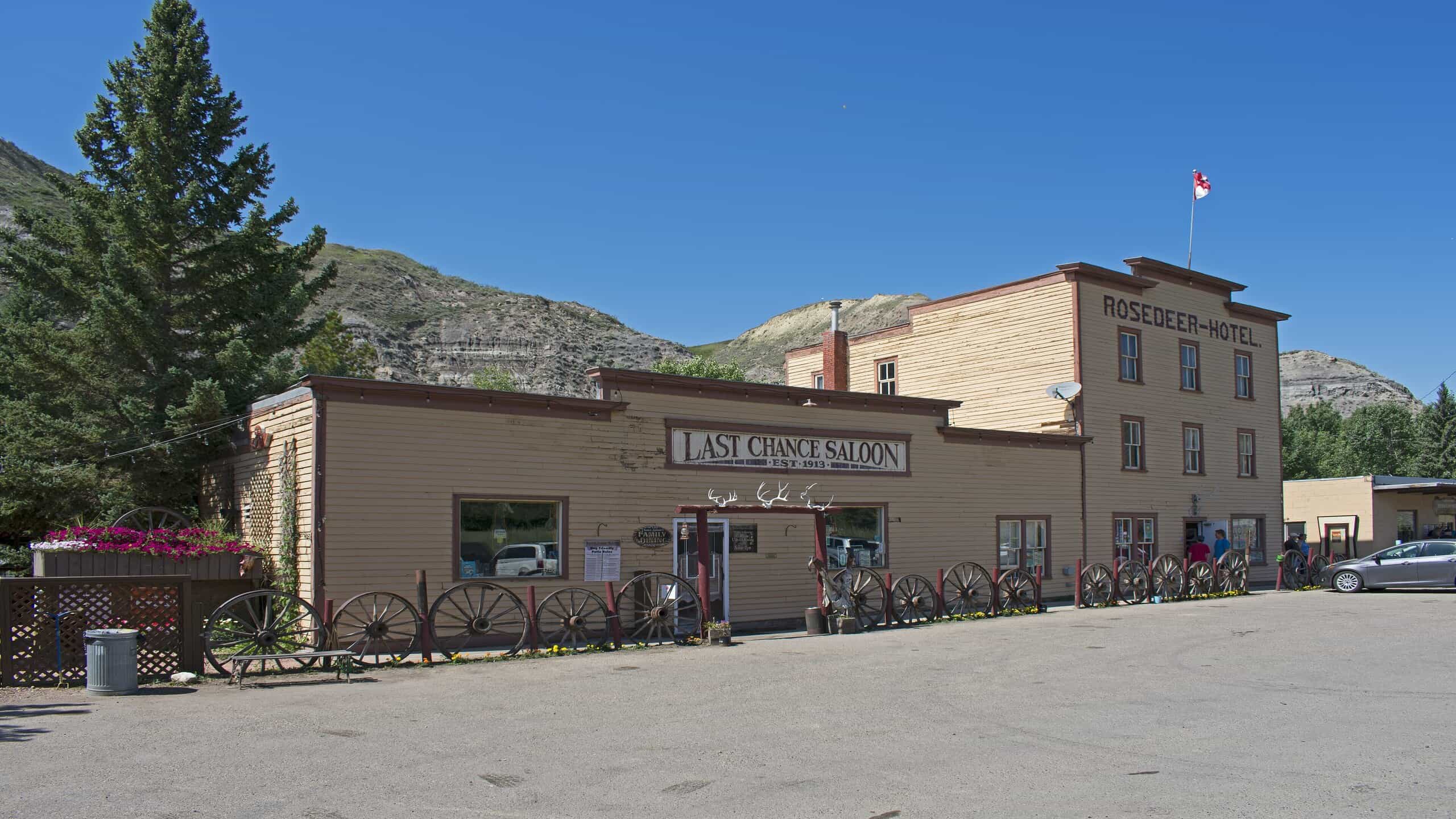
Located in a deep, rocky canyon in Alberta’s badlands, Wayne is a near ghost town that feels like stepping back to the wild west. Few stops in Wayne, as the year-round population barely reaches double digits, and most visitors race through town to make it to some of the larger dinosaur attractions nearby.
Those who venture across Wayne’s eleven single-lane iron bridges are rewarded with breathtaking views of untouched rugged terrain and the historic Last Chance Saloon. Bullet holes can still be seen on the walls of this infamous establishment.
Gravelbourg
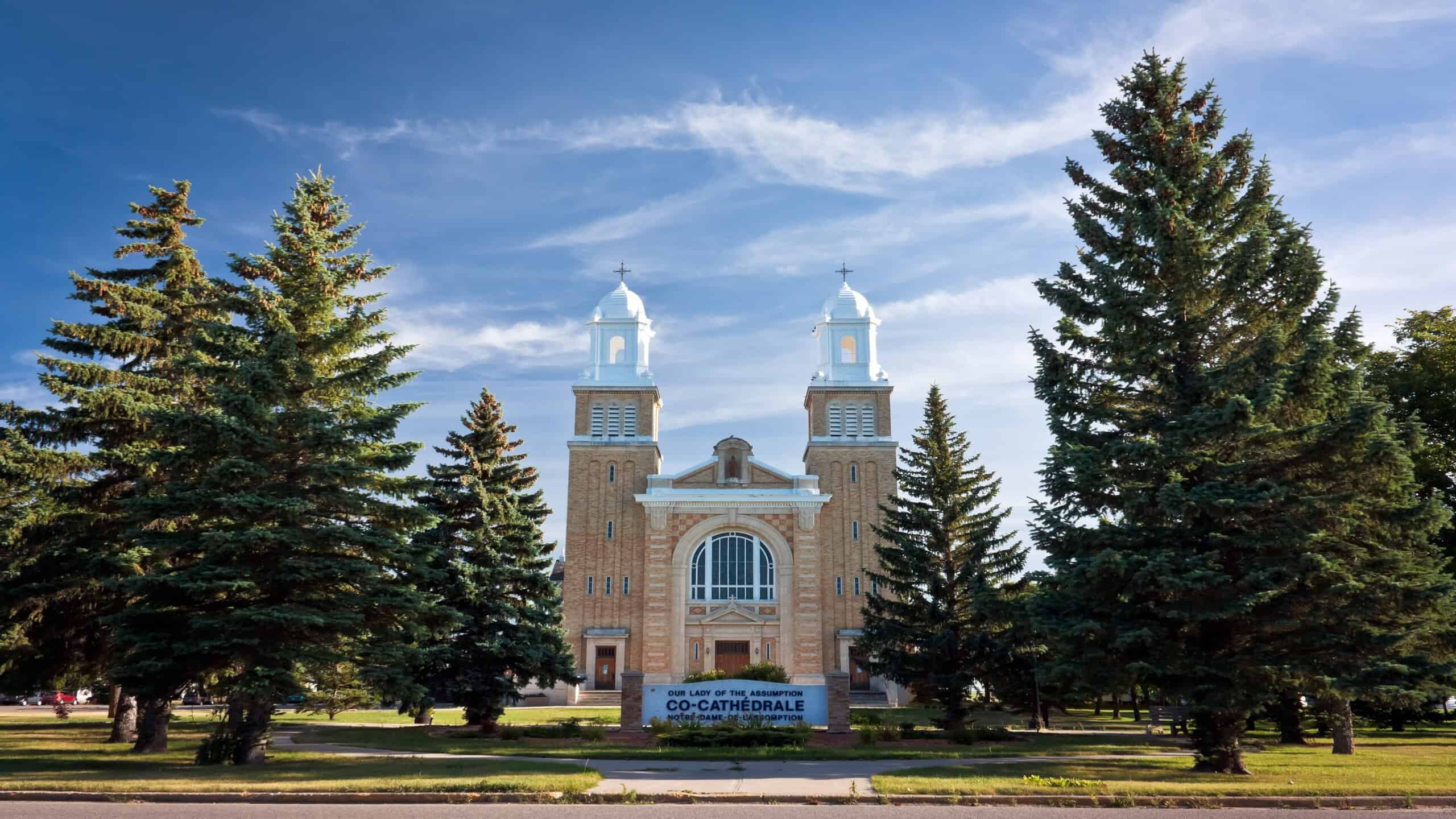
Located on a hill rising from the flat plains of southwestern Saskatchewan, this unexpected enclave of European architecture and culture is frequently referred to as the “Cultural Jewel of the Plains.”
Travelers expecting your typical farming town are blown away by an enormous cathedral complete with Renaissance frescoes painted by one priest over the course of 14 years.
Gimli
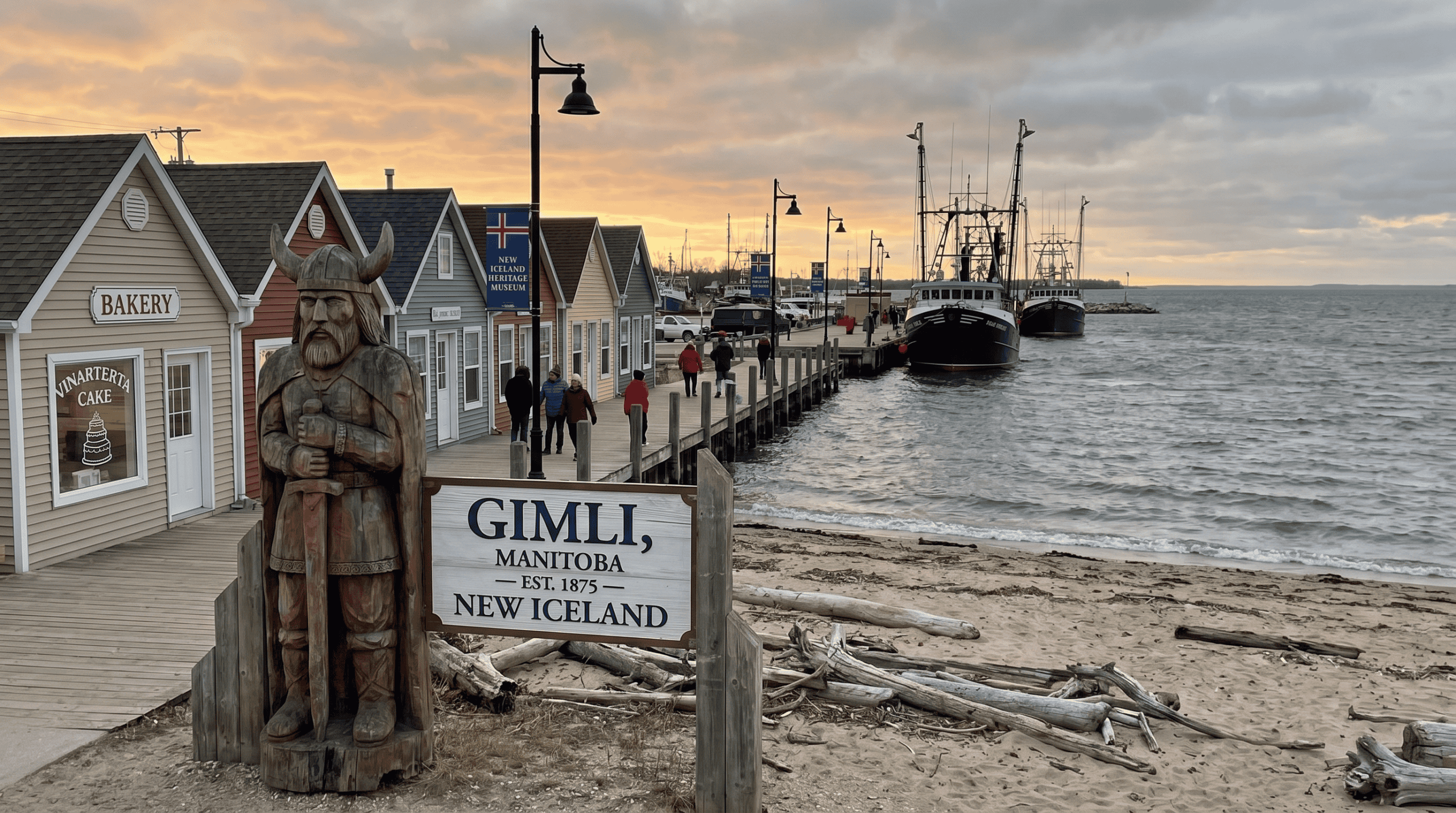
Nestled on the shores of Lake Winnipeg in Manitoba, you’ll find a town that surprisingly looks and feels like an ocean-side resort community. Gimli is home to the largest population of Icelandic culture outside of Iceland, settled here in the 1870s.
Instead of your run-of-the-mill prairie town, visitors feast on Icelandic vinarterta cake, marvel at Viking statues and museums, and watch a fleet of large fishing boats fish a lake so big you can’t see the other side from your dock.
Eastend
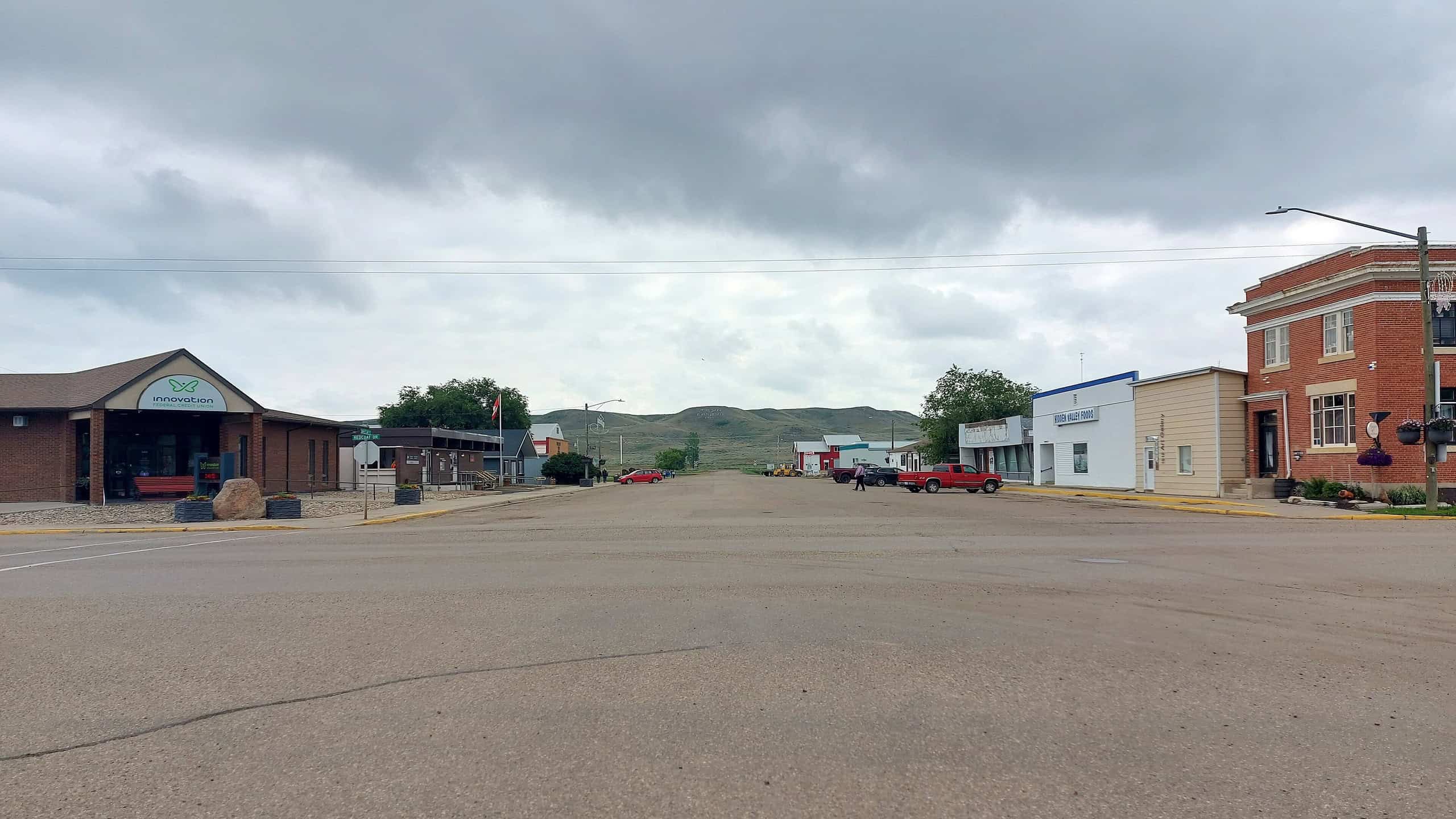
If you’re scouring Alberta for dinosaur tourist towns, you may have overlooked this slice of paradise nestled in the Frenchman River Valley of southwest Saskatchewan. Framed by surreal rolling hills of clay, the town itself is where “Scotty,” the largest Tyrannosaurus rex ever discovered, was found.
It’s a laid-back, bustling sanctuary for paleontologists, authors, and landscape painters who flock to the region for its otherworldly geology and profound quiet found in the valley.
Pincher Creek
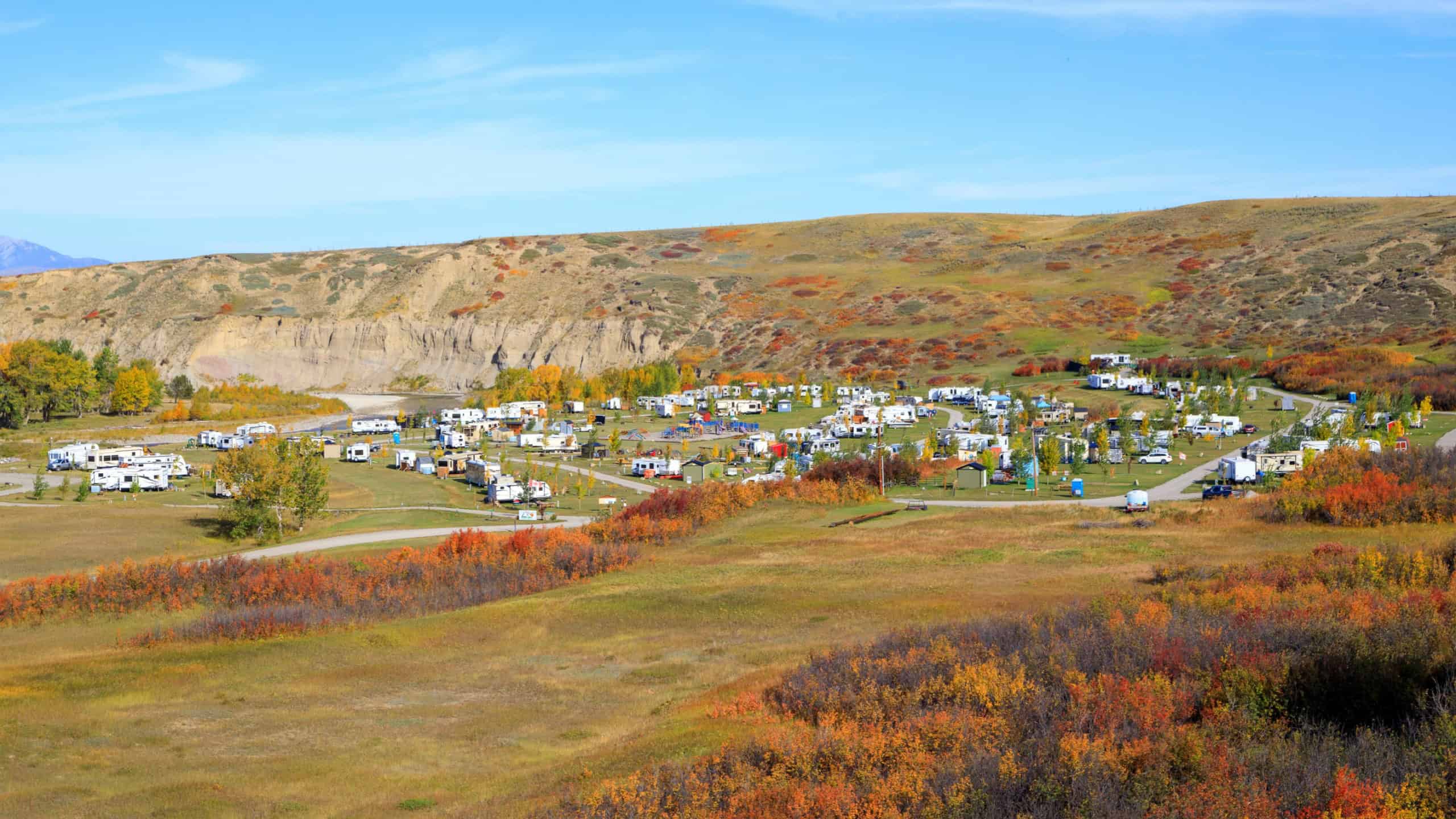
Since this town sits right east of Alberta’s breathtaking Canadian Rockies, many tourists use it as a pit-stop gas station on their way to the larger mountain range. Stop for a while, though, and you’ll discover why the landscape of rolling hills where the prairies explode into the Rockies is perfect for award-winning windsurfing and hiking.
The town also happens to be home to a sprawling pioneer eco-museum with an obsessive amount of detail into the history of the first cattle ranchers and local Indigenous plains tribes.
Pinawa
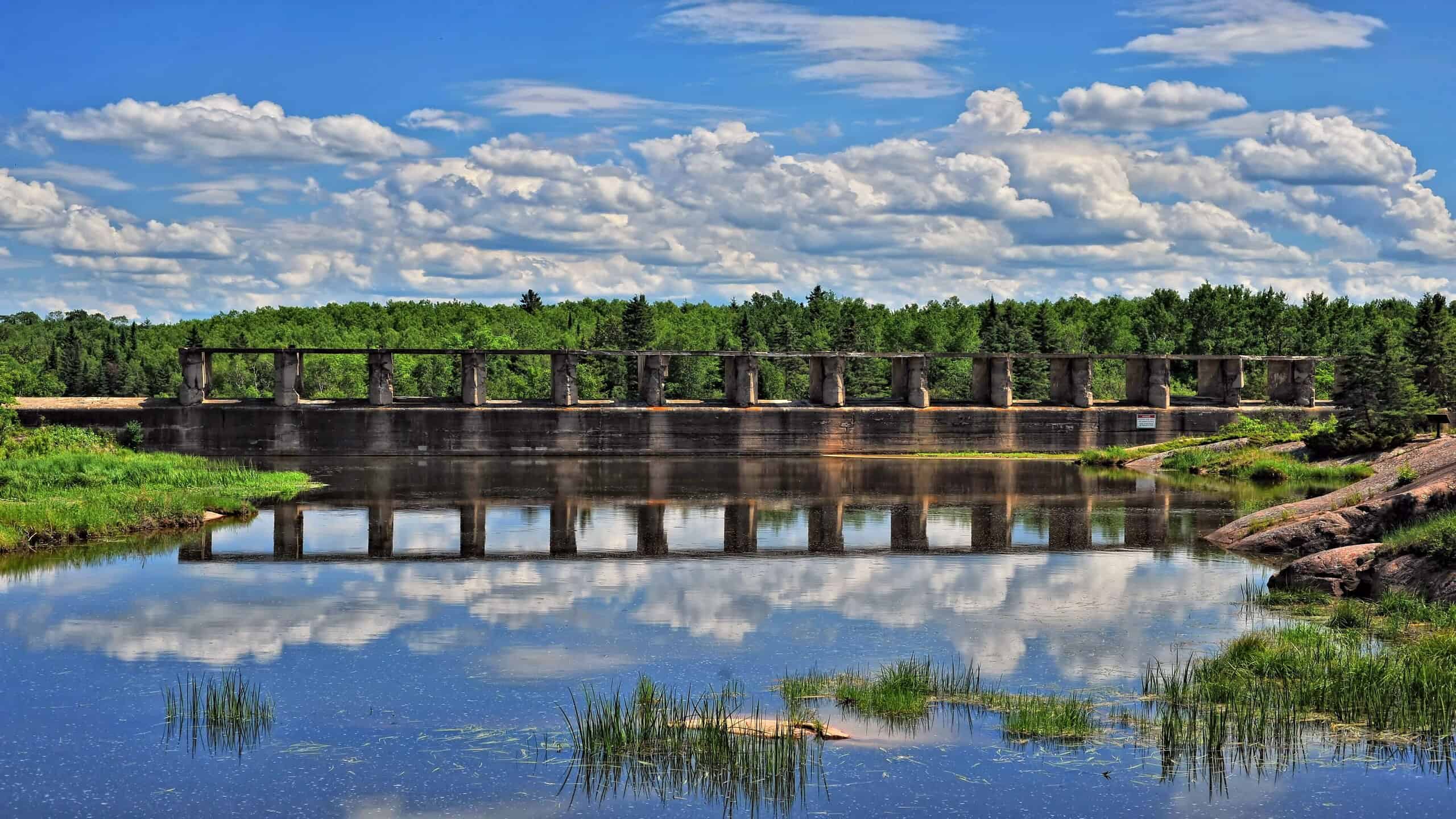
Visitors expecting endless Manitoba prairie will be astonished by this quirky town tucked along the western edge of the Canadian Shield. Nestled inside an ancient boreal forest with limestone cliffs and granite peaks running alongside roaring rivers, it looks more like northern Ontario than the prairies.
Highlights include a pretty section of river where residents laze around on inner tubes all day, and hauntingly beautiful, concrete ruins of an abandoned 1912 hydroelectric dam.
Val Marie
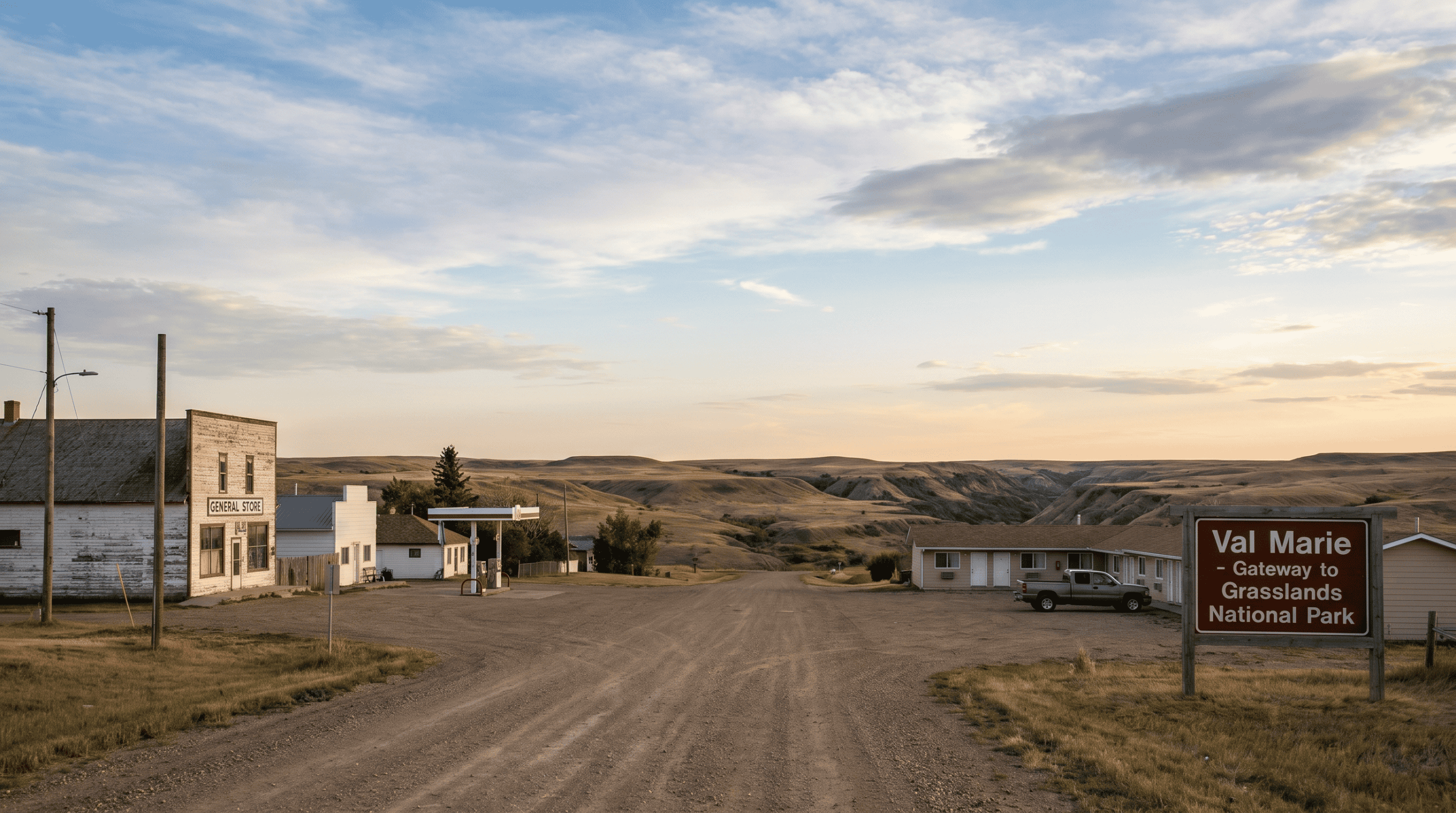
Nestled on the doorstep of the dusty badlands of Saskatchewan’s Grasslands National Park, Val Marie often gets overlooked as a barren truck stop. But thanks to its positioning on the edge of an ancient and undisturbed ecosystem, it’s actually the perfect staging area to unplug from society.
As an official Dark Sky Preserve, its nighttime views of the stars and Milky Way are absolutely mind-blowing, attracting astronomers from around the world.
Rosebud
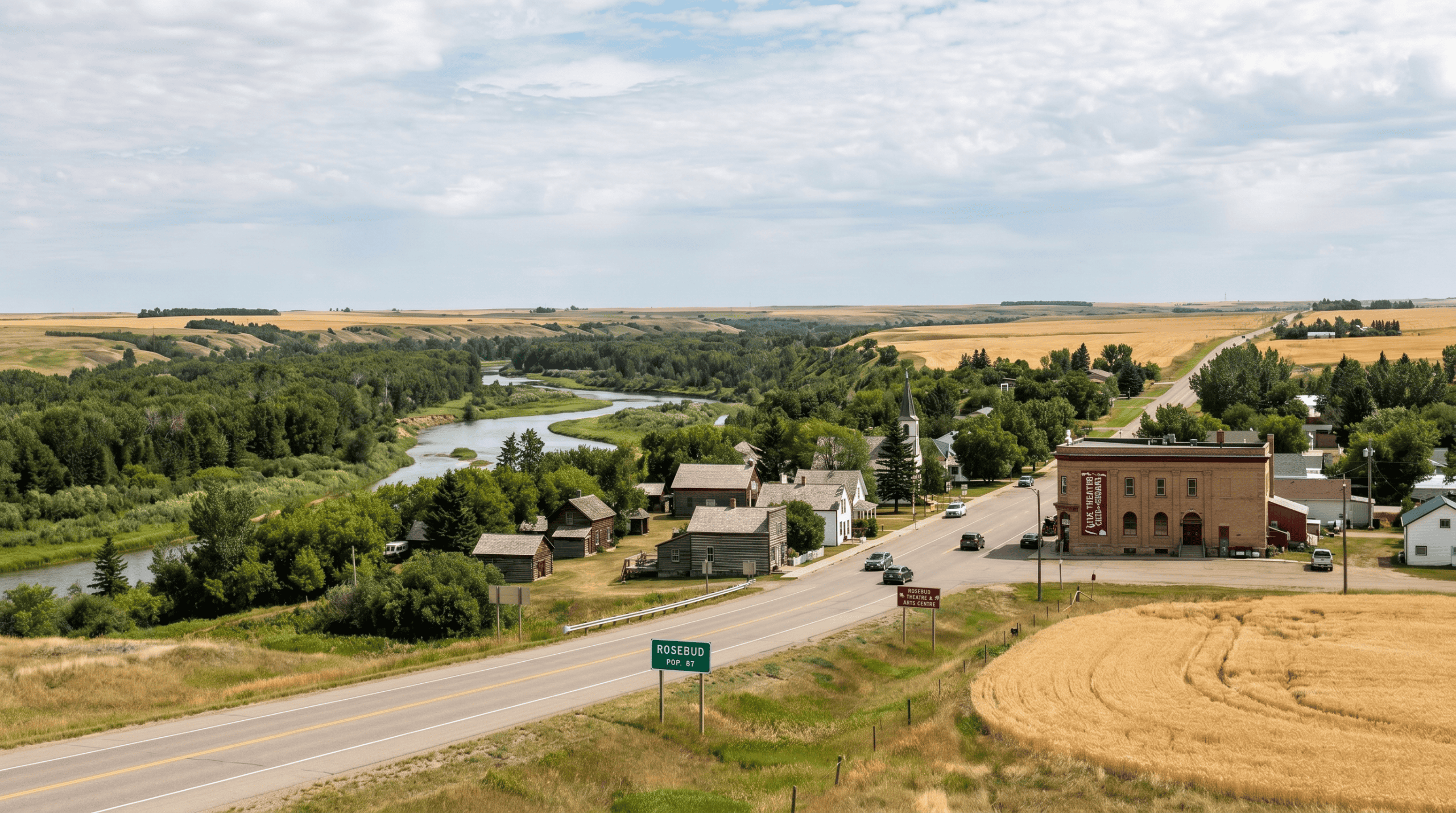
Perched inside an oasis-like river valley that suddenly appears out of nowhere in Alberta’s wheat fields, Rosebud looks like your typical sleepy town from the highway. Drive through town, which has fewer than 100 residents, and you’ll discover a cultural giant.
Home to a world-renowned professional theatre company, the town hosts more than forty thousand patrons annually. The whole town literally functions as an outdoor art village full of theatre folk and musicians, and there are plenty of inviting craft galleries too.
Wasagaming
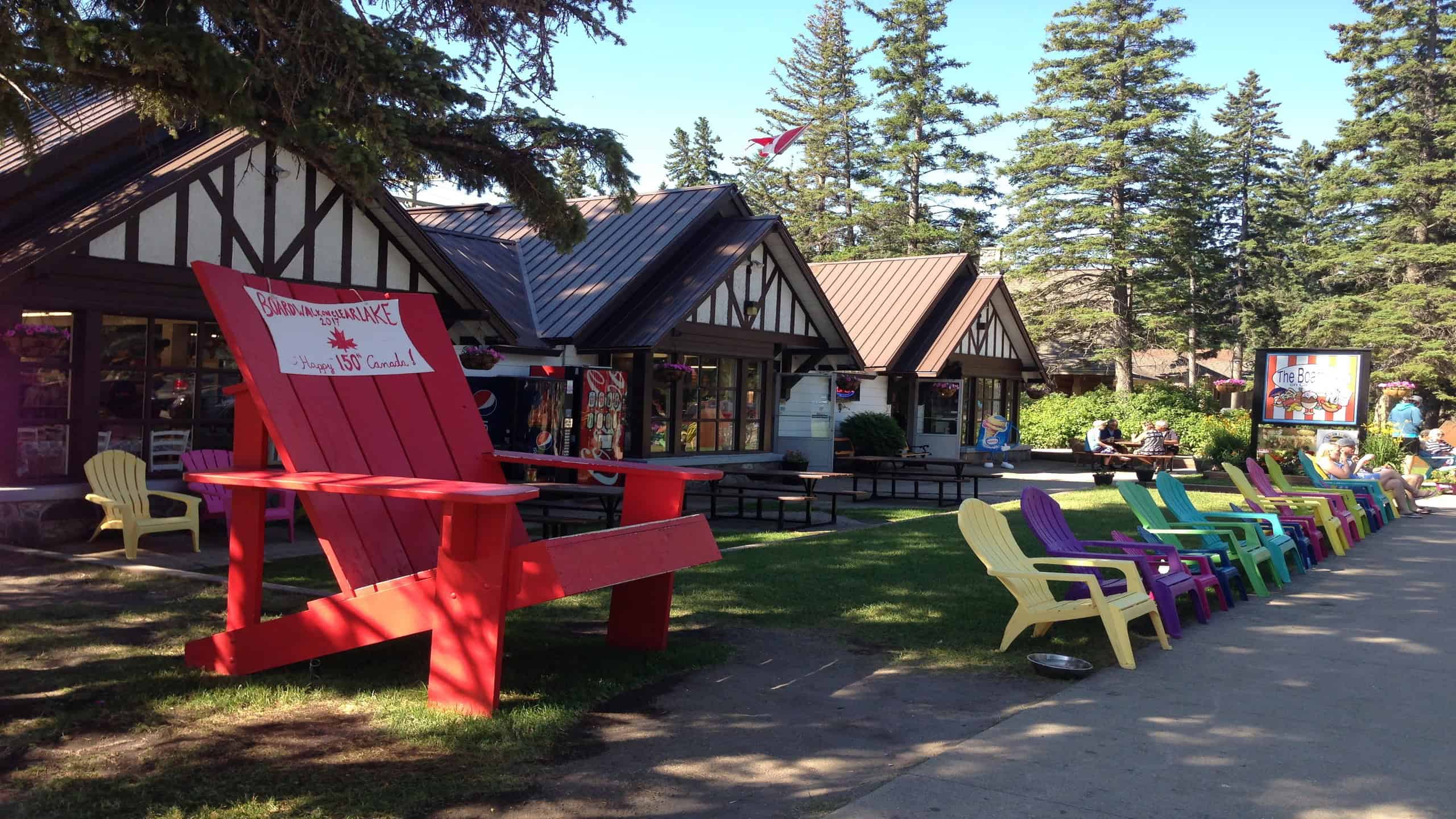
Found deep inside Riding Mountain National Park in Manitoba, this picturesque lakeside community defies all odds by contradicting just about every stereotype about what the prairies should look like.
Imagine a lush, green forestry town full of log cabin buildings, sandy beaches, and pristine blue water. Tourists are often surprised to stumble upon such a thriving upscale summer village with gourmet eats and boutique shopping mere minutes down the road.
Manitou Beach
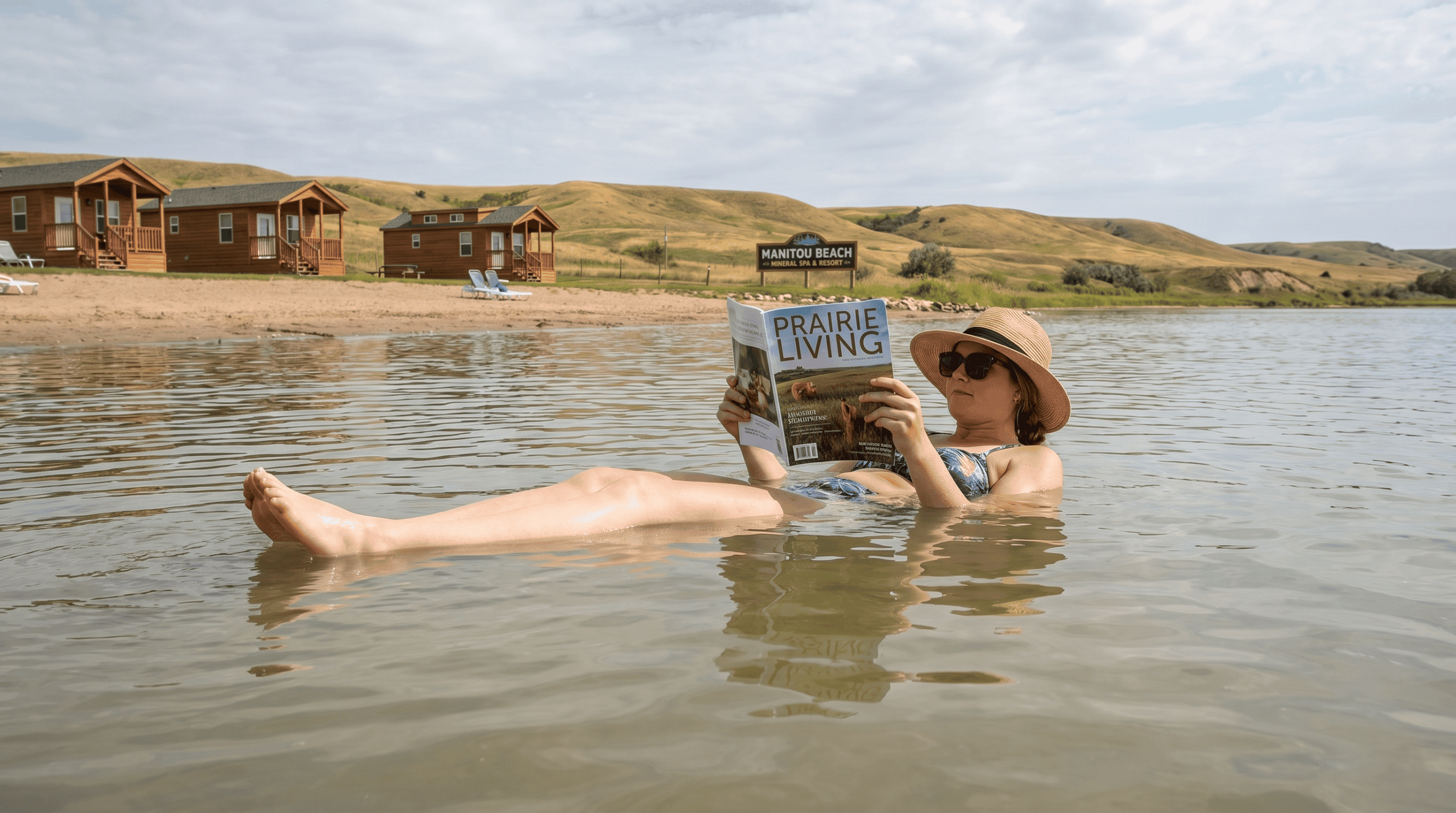
On paper, Manitou Beach is your average roadside resort village, located on the shores of Little Manitou Lake. But this picturesque prairie body of water has such a high mineral content that you can’t sink. So you can literally lie on your back and read a magazine on water.
Manitou Beach is also home to one of the most famous dance halls in Saskatchewan history, the Danceland, built in the 1920s on a giant rug of horsehair.
Nanton

This Alberta town may look like your typical highway pitstop, but it’s a collectors’ and aviation enthusiasts’ dream. Nanton’s preserved downtown has been repurposed into one of western Canada’s finest antique shopping districts.
Better yet, Nanton is home to a world-renowned aviation museum complete with an outrageously cool WWII-era Lancaster bomber you can walk right up to.
Morden
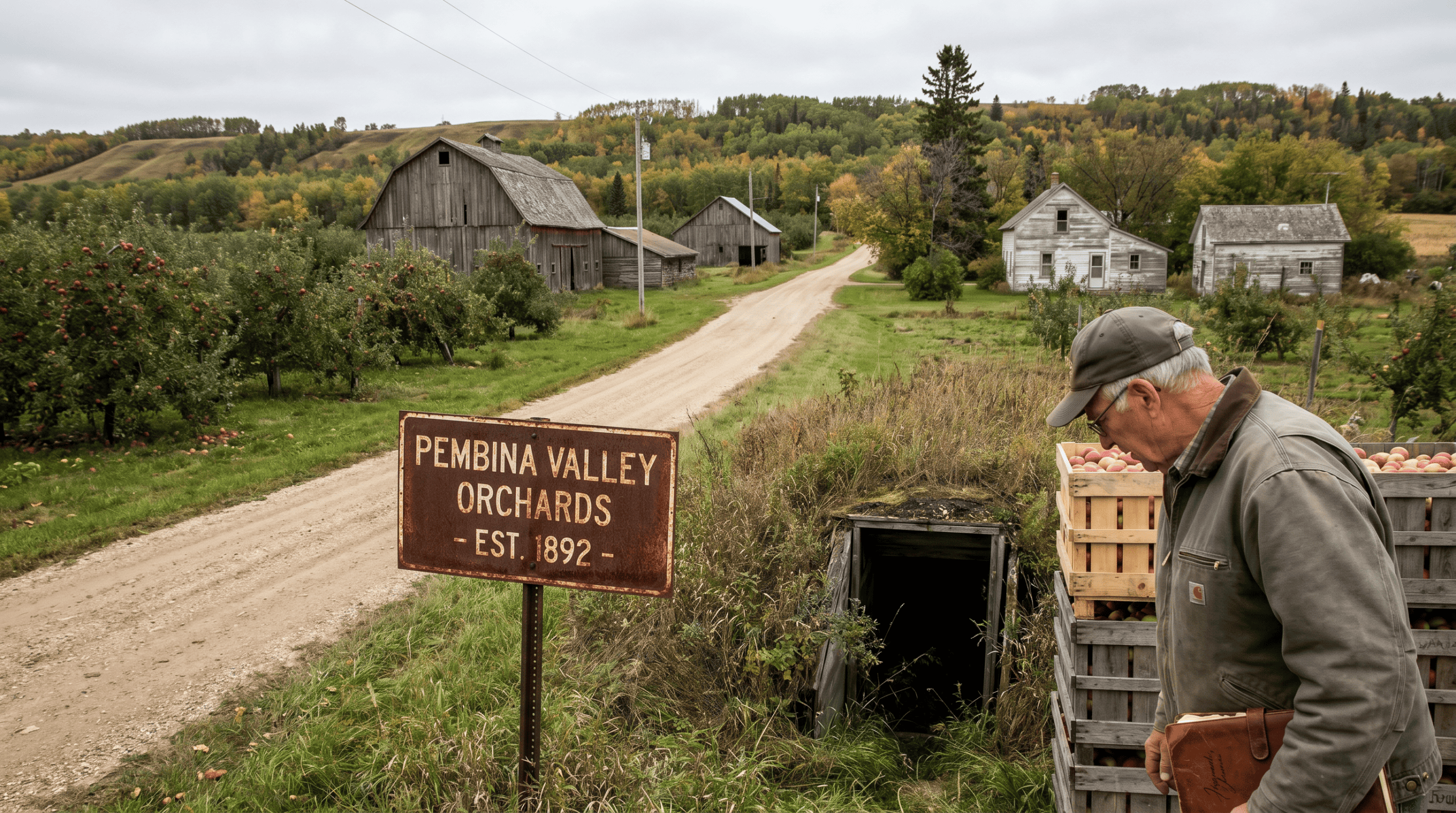
Nestled at the foothills of Manitoba’s Pembina Escarpment, this heavily treed community is known for its fertile soil and apple orchards. The town looks like a typical, quiet, picturesque farming community, but there’s a sinister secret lurking beneath the surface.
The local museum contains the largest collection of marine reptile fossils in Canada. These fossils are from terrifying prehistoric sea monsters like “Bruce,” a thirteen-meter-long predator known as a mosasaur that terrorized the primitive oceans that once covered the prairies.
Maple Creek
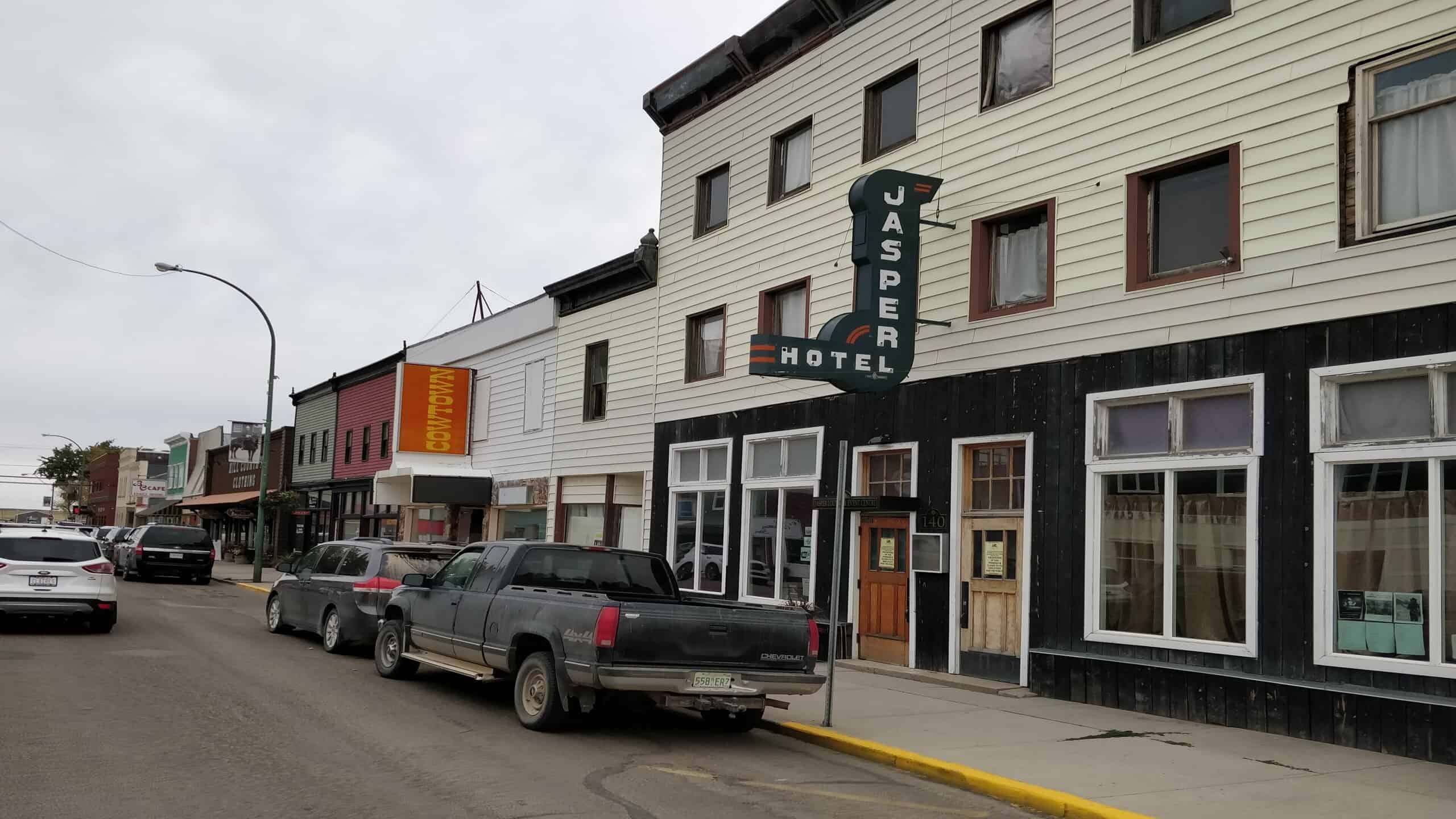
Dismissed by many as a small-town bedroom community in southwest Saskatchewan, Maple Creek is the epicenter of real Canadian cowboy culture. Nestled outside of the beautiful Cypress Hills’ lush, tall pine forest, this town has gorgeously preserved heritage shops fronting downtown dating back to the early 1900s.
It holds true to its old-west history with independent boot shops and a pace of life that feels as slow as molasses to those used to city living.
Torrington
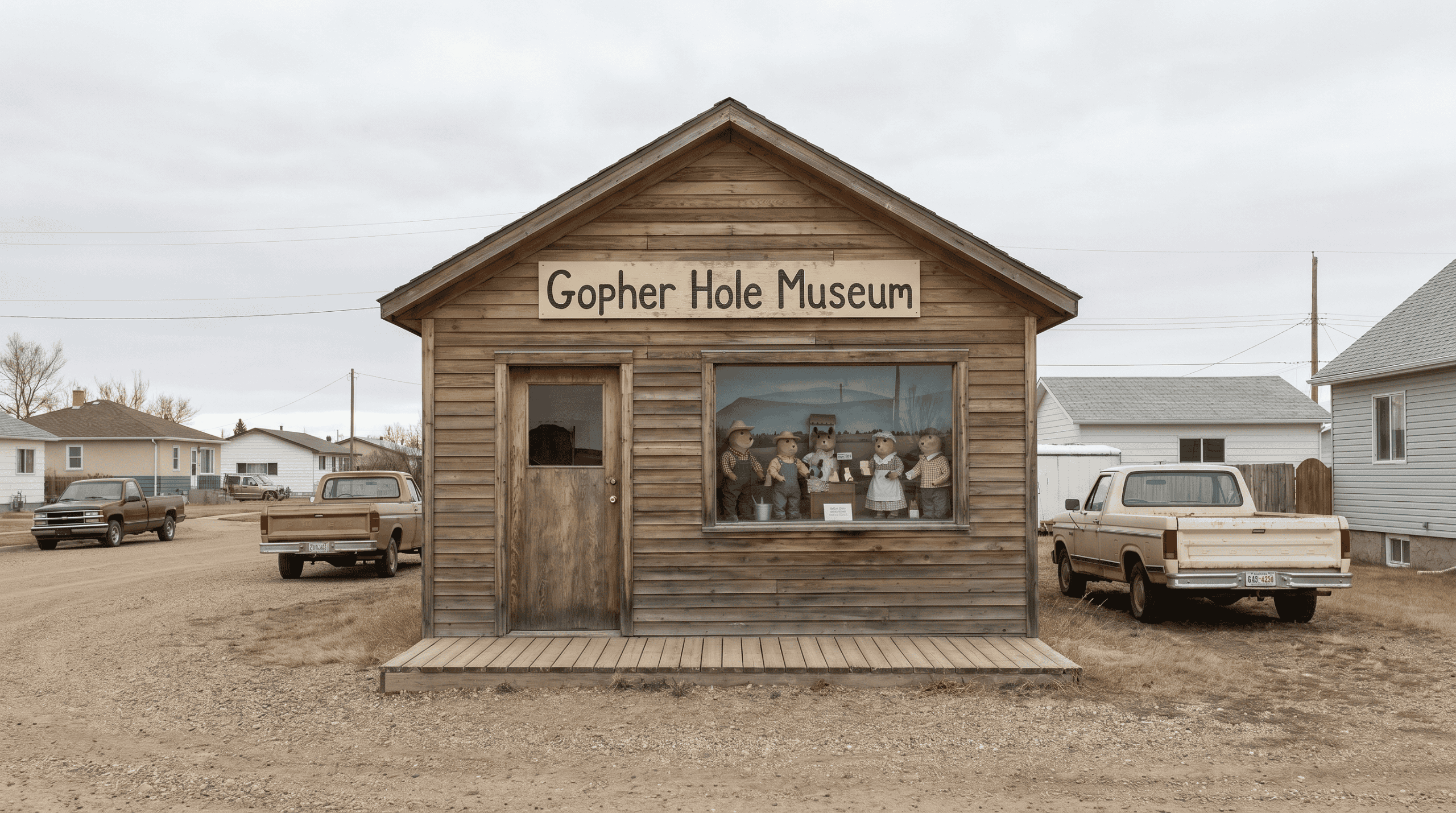
With this town hidden away in central Alberta, the rest of the world would never know it existed if it weren’t for one thing. Torrington houses the Gopher Hole Museum, an utterly absurd collection of stuffed gophers in homemade costumes that depict day-to-day life in small-town Alberta.
It’s a roadside attraction that will make your trip through western Canada that much more memorable.
Altona
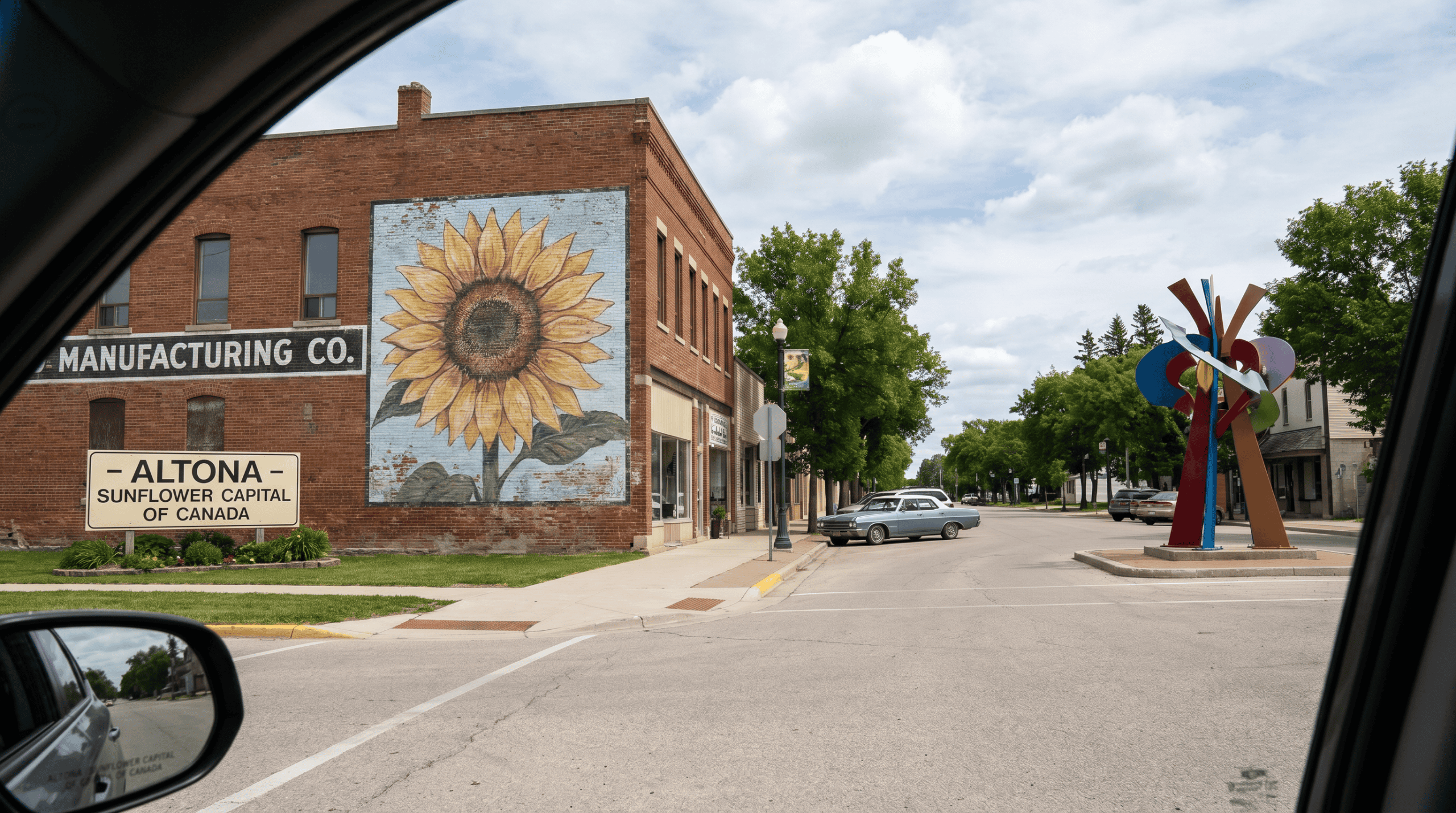
Drive through this sleepy southern Manitoba town, and you might mistake it for a buttoned-up, conservative manufacturing centre. But Altona is actually the “Sunflower Capital of Canada” and home to an impressive celebration of public art that will stop you in your tracks.
In the centre of a park, travelers will find a life-size, thirty-foot-tall rendition of Vincent van Gogh’s famous Sunflowers painting positioned on top of an enormous easel, surrounded by miles and miles of bright gold blooms every August.
Sources: Please see here for a complete listing of all sources that were consulted in the preparation of this article.