While most travelers spend their time touring Canada’s most popular attractions, some of the country’s most memorable destinations are actually hidden towns, parks, and landscapes unknown to most tourists.
Spotted Lake
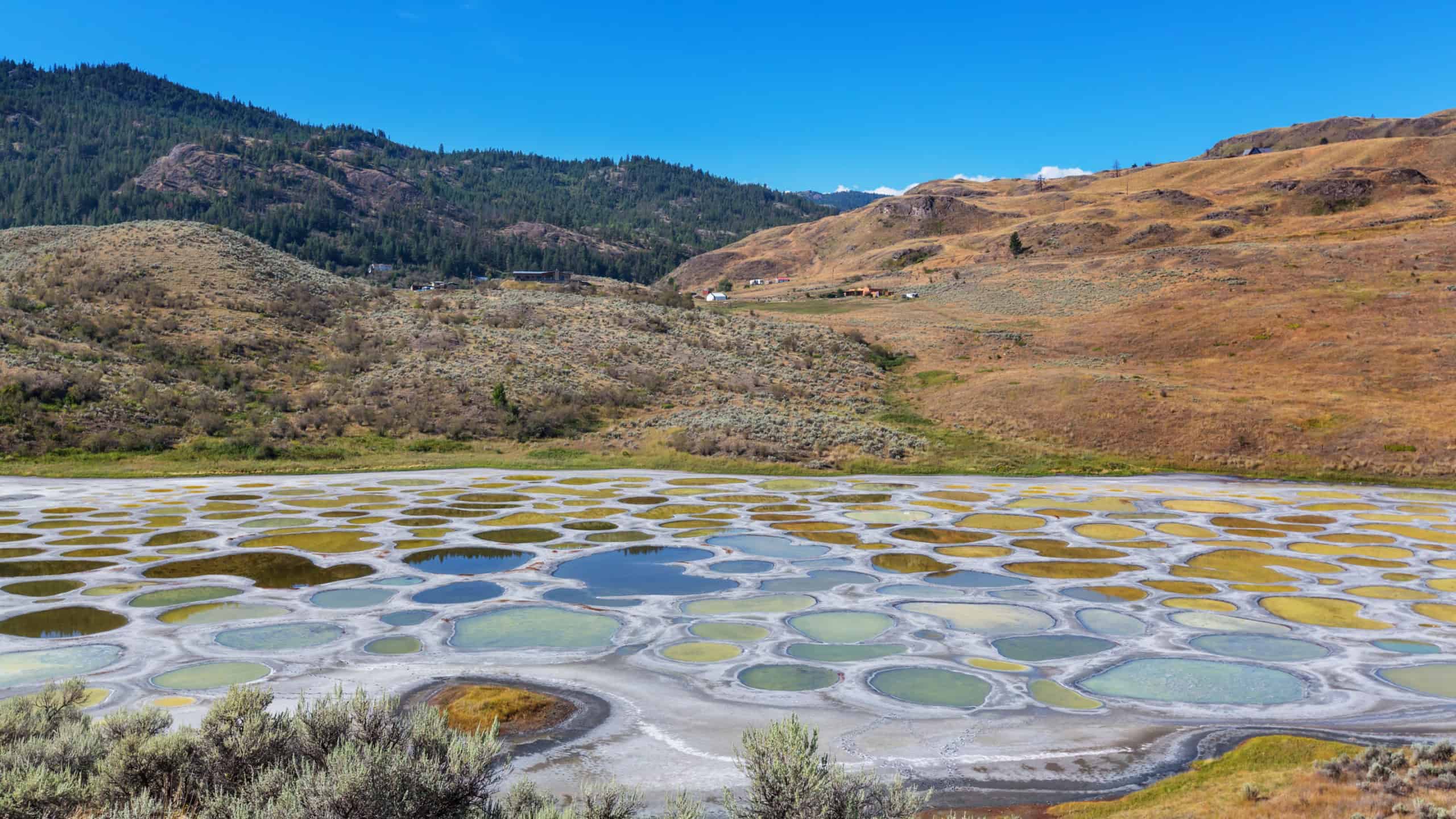
British Columbia’s Okanagan Valley is home to a lake that looks like it was transported from another planet. Known as the Spotted Lake, much of its water evaporates in the summer months and leaves behind giant deposits of minerals that pool in vibrant colors.
Each spot contains a different mineral concentration and changes in hue and size depending on which minerals are most prevalent at any given time.
As this site is considered sacred by surrounding First Nations communities, the lake can only be seen from a designated viewing platform.
Pingualuit Crater
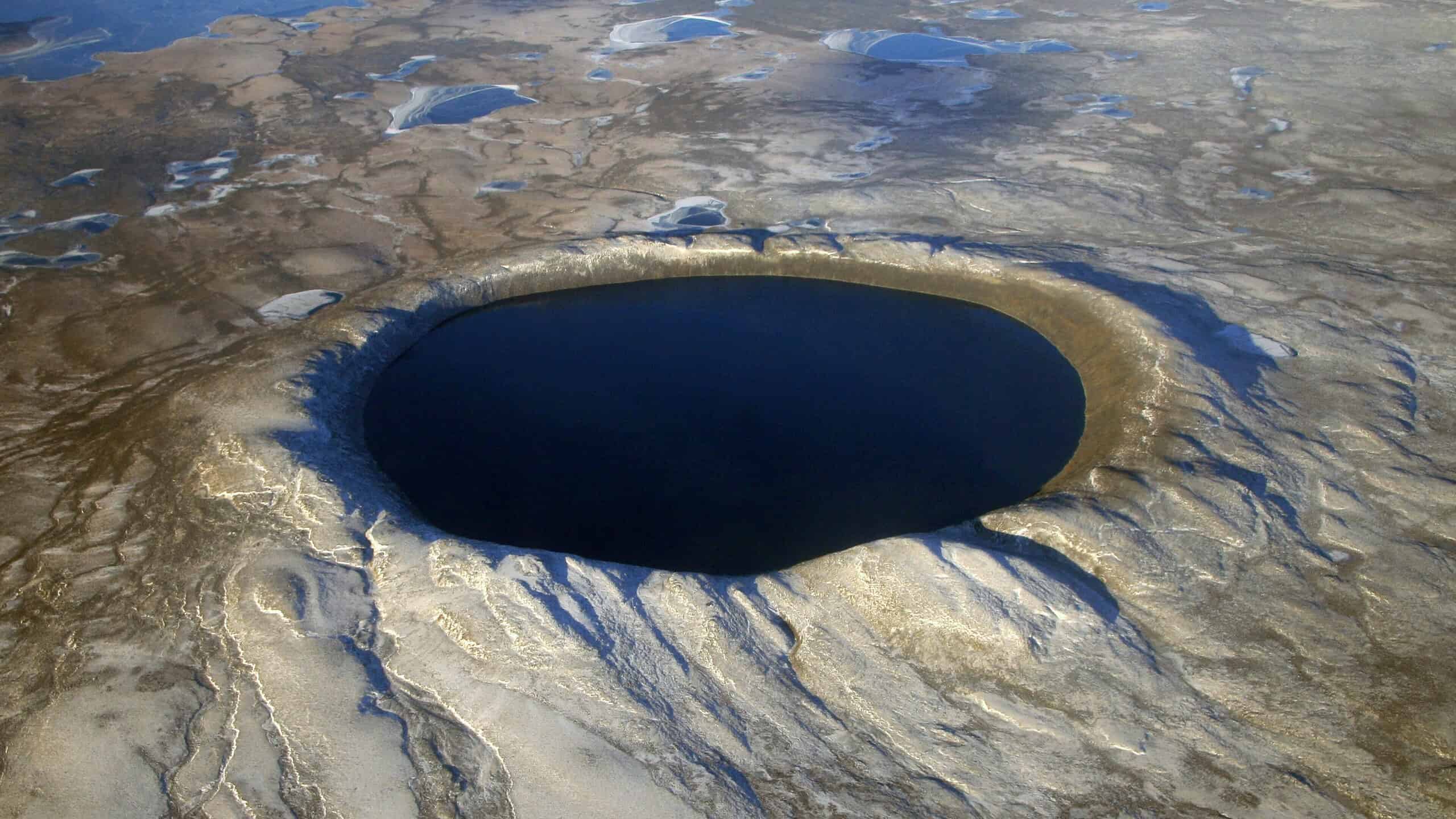
Hidden deep in northern Quebec’s Nunavik region is one of the world’s most perfectly formed impact craters. Created by a meteorite 1.4 million years ago, rainwater has accumulated in the crater over the years, filling it with crystal-clear water.
It has no inlets or outlets, making Pingualuit one of the cleanest bodies of fresh water on the planet. The breathtaking lake sits among a barren, dramatic tundra.
Red Bay
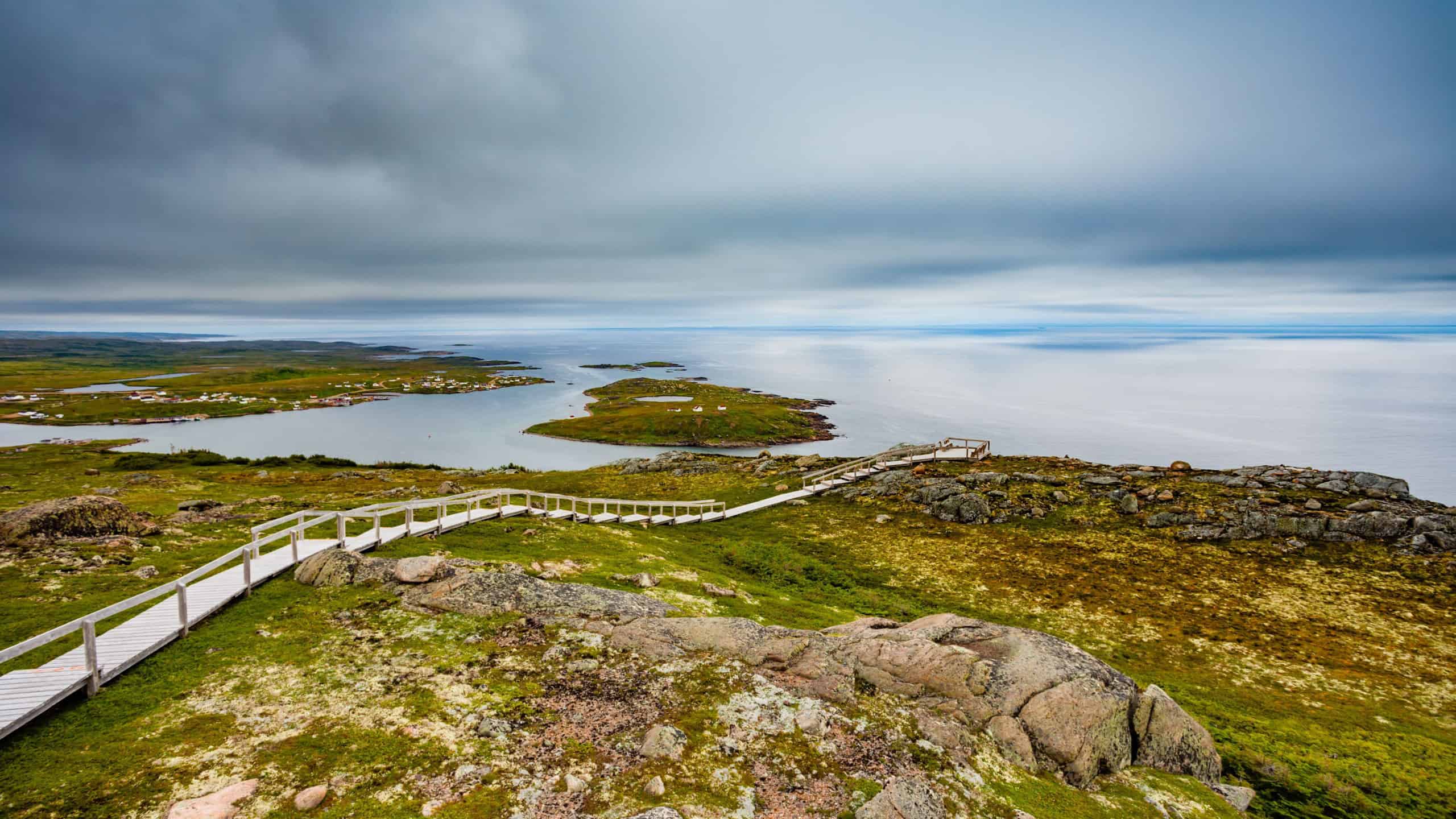
Hidden along the coast of Labrador is a small fishing village with a wealth of maritime history. Red Bay was home to the world’s largest and most successful Basque whaling station during the 1500s.
You can now hike along its picturesque coast, explore underwater shipwrecks, and see well-preserved tools and skeletons left behind by European whale hunters.
Crooked trees
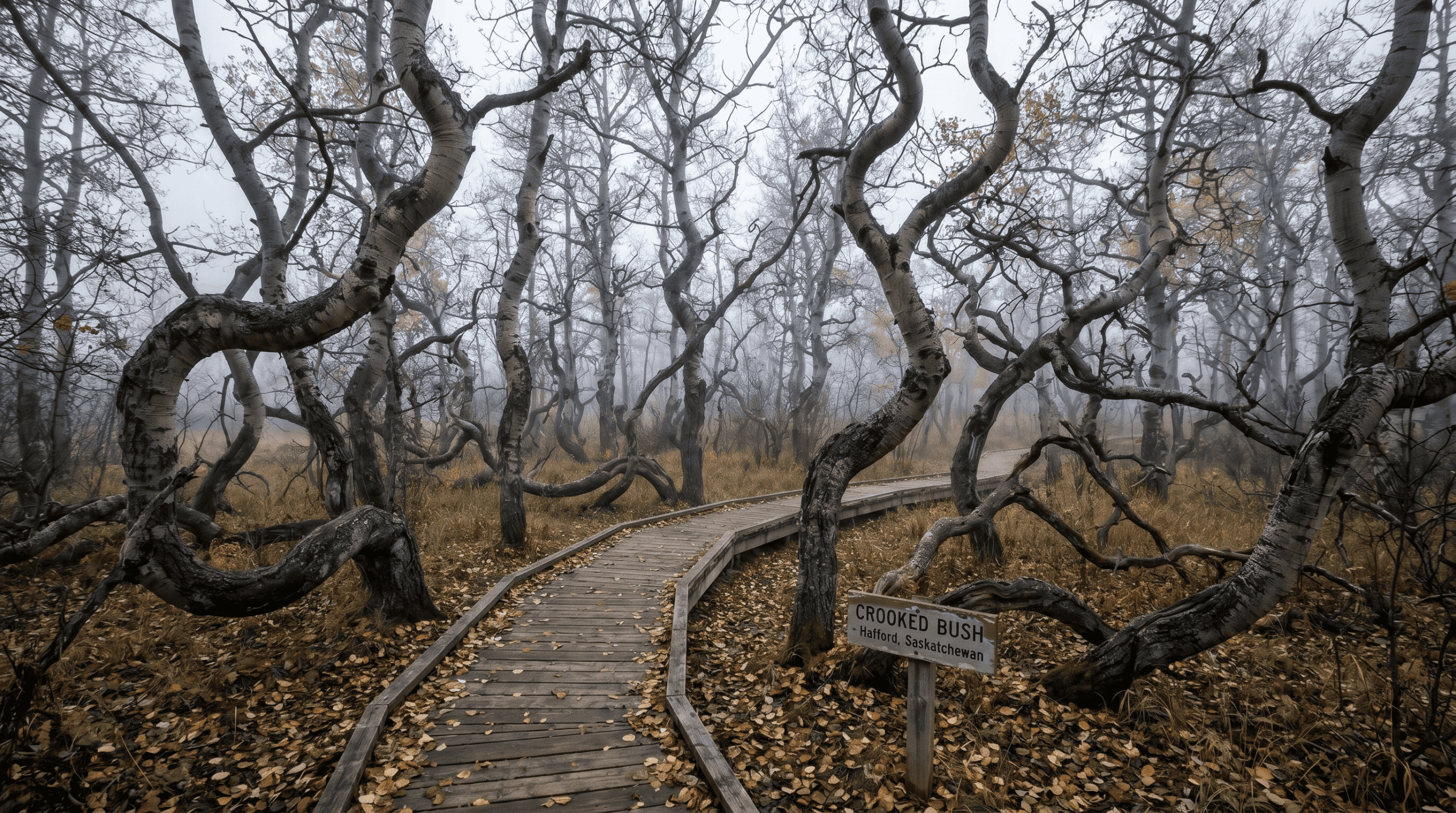
Near Hafford, Saskatchewan, there is a grove of aspen trees that grow in a unique and otherworldly way. Rather than shooting up tall to reach the sun as most trees do, these trees fold over and downwards toward the ground, sprouting crooked trunks that resemble loops and knots of wood.
Scientists say that these trees are the product of a genetic mutation, and taking a stroll down the grove’s wooden walkway certainly feels like a stroll into dark fairy tales.
Singing Sands

At this beach in Basin Head Provincial Park in Prince Edward Island, you’ll hear the sand literally singing to you. As you stroll across the white sand of the beach, you’ll hear a distinct squeaking sound coming from underfoot.
The high-pitched singing sound is caused by the small, squeaky particles of sand rubbing together when you apply pressure. Geologists think this unique sound occurs due to the extra-small, perfectly round grains of quartz sand.
Writing-on-Stone
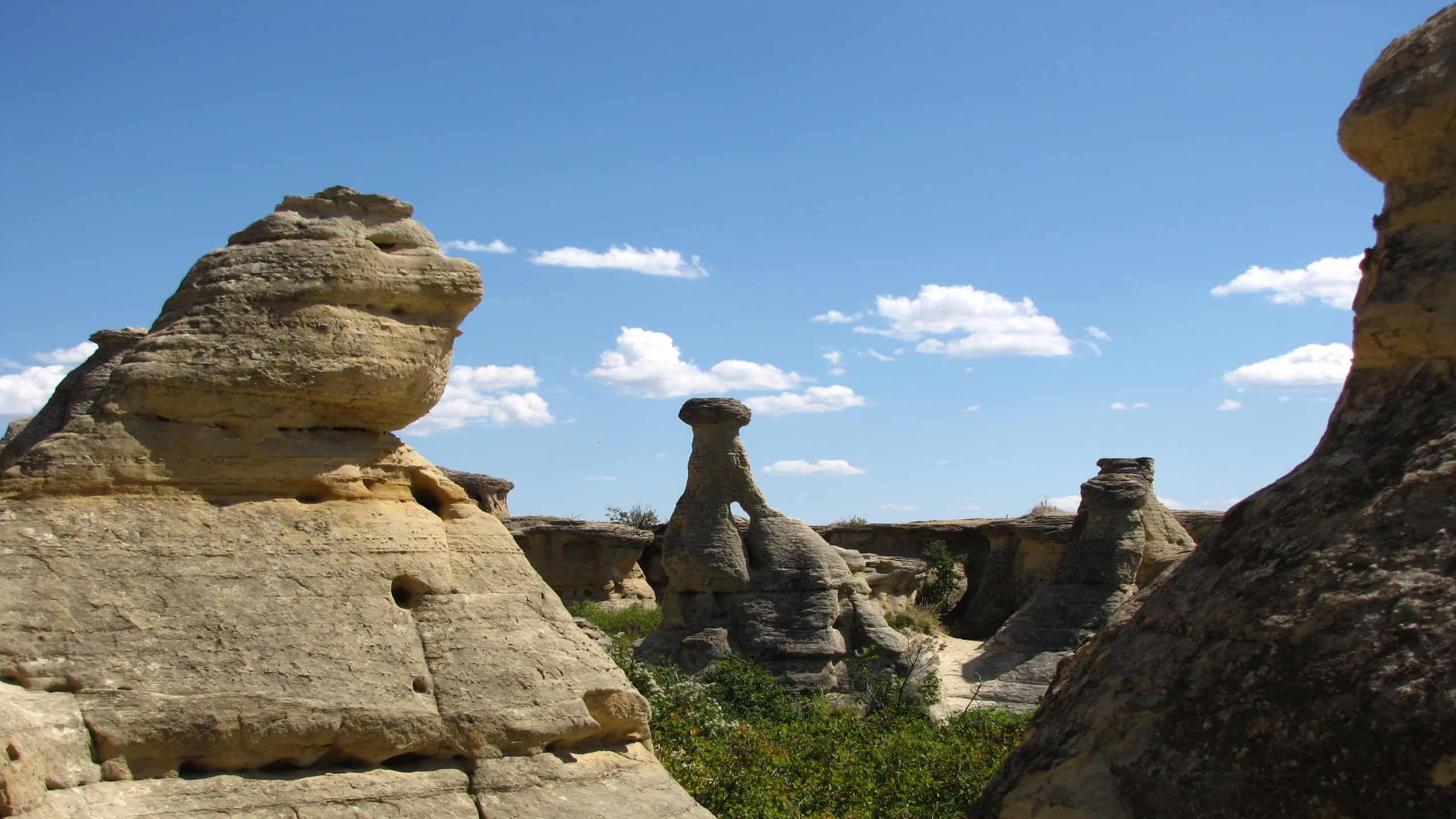
Situated in the prairie badlands of southern Alberta, Writing-On-Stone Provincial Park is a sacred landscape of hoodoos, or tall, thin spires of rock.
But what makes this place extra special is a sprawling collection of ancient rock art. The towering sandstone walls are covered in thousands of petroglyphs and pictographs created by Blackfoot and other Indigenous tribes who called the plains home.
Haida Gwaii
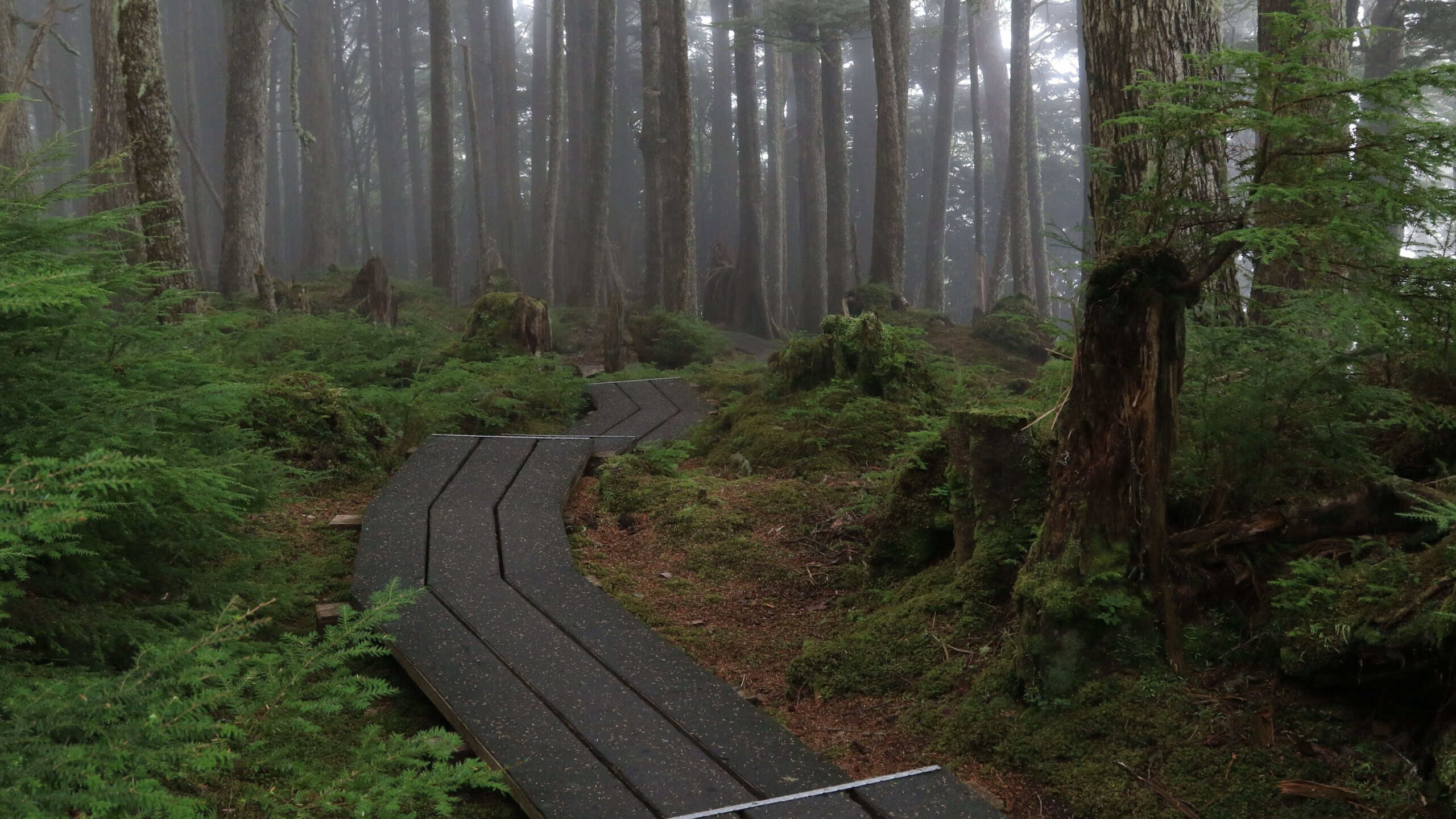
Dubbed the “Galapagos of the North,” this remote chain of islands off the coast of British Columbia is filled with moss-draped rainforests and ancient culture. Restricted to visitors only by ferry or small plane, the islands are largely free of crowds.
Tour ancient totem poles slowly overtaken by the moss and forest at SGang Gwaay, marvel at villages where bald eagles outnumber humans and experience First Nations culture among the living Haida.
Torngat Mountains
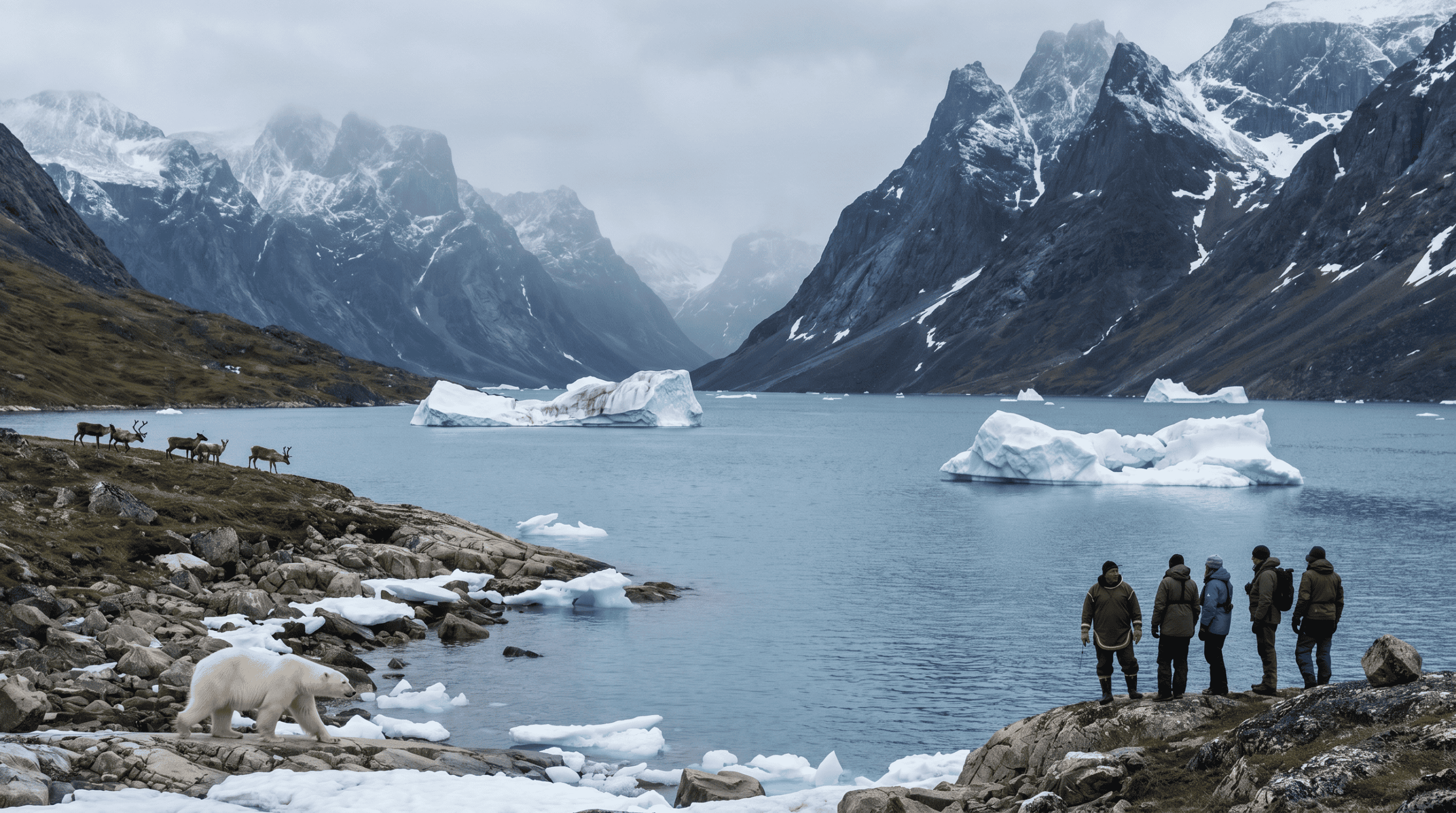
At the northern tip of Labrador lies a staggering national park full of mile-high razor-edge peaks, deep fjords, and icebergs floating in from the coast. Without roads leading in, the only way to access Torngat Mountains National Park is by charter plane or boat.
It is a wild, untamed wilderness. Wildlife such as polar bears and caribou roam free and tourists are led by Inuit guides through their ancestors’ hunting grounds.
Hopewell Rocks
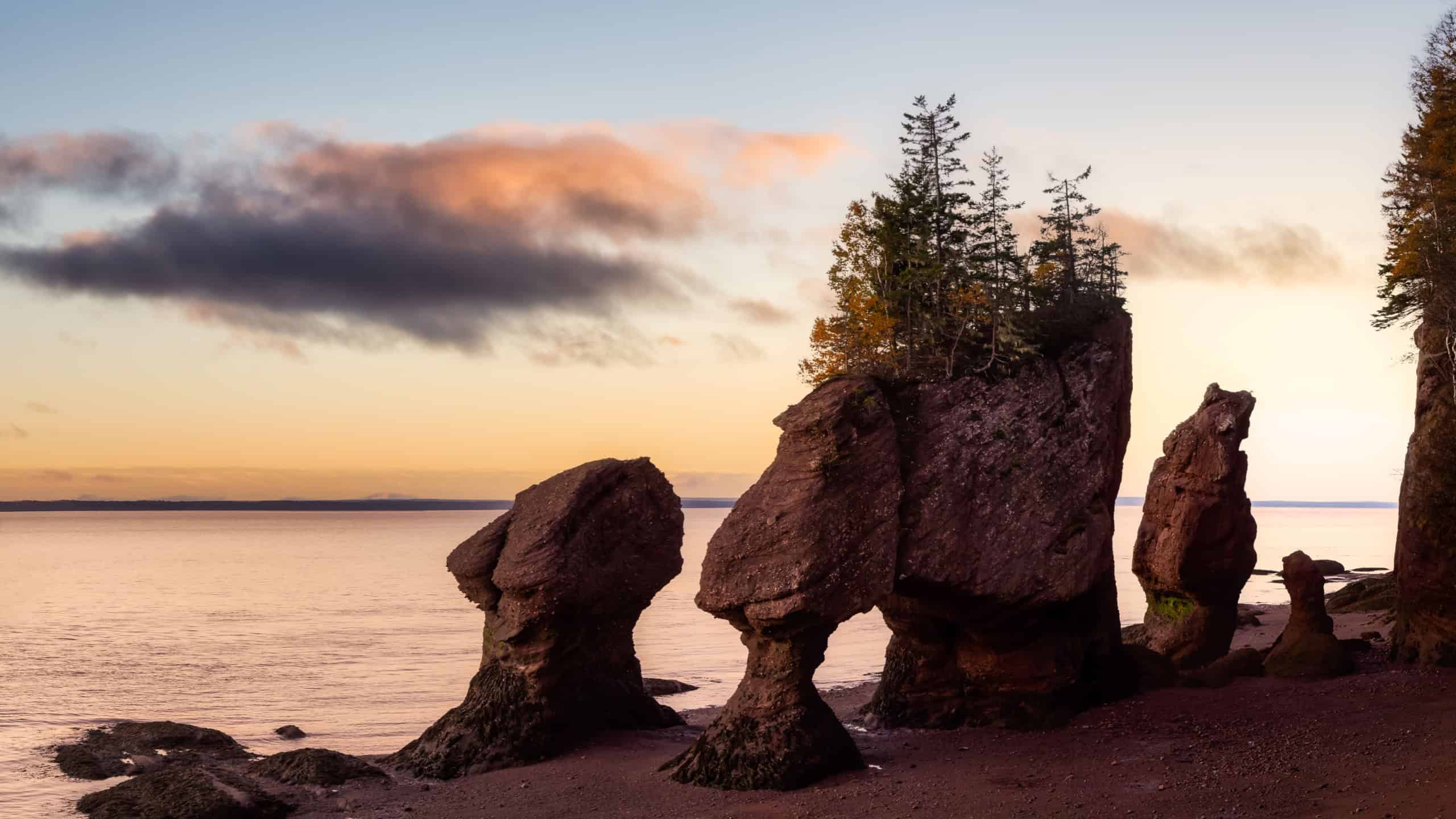
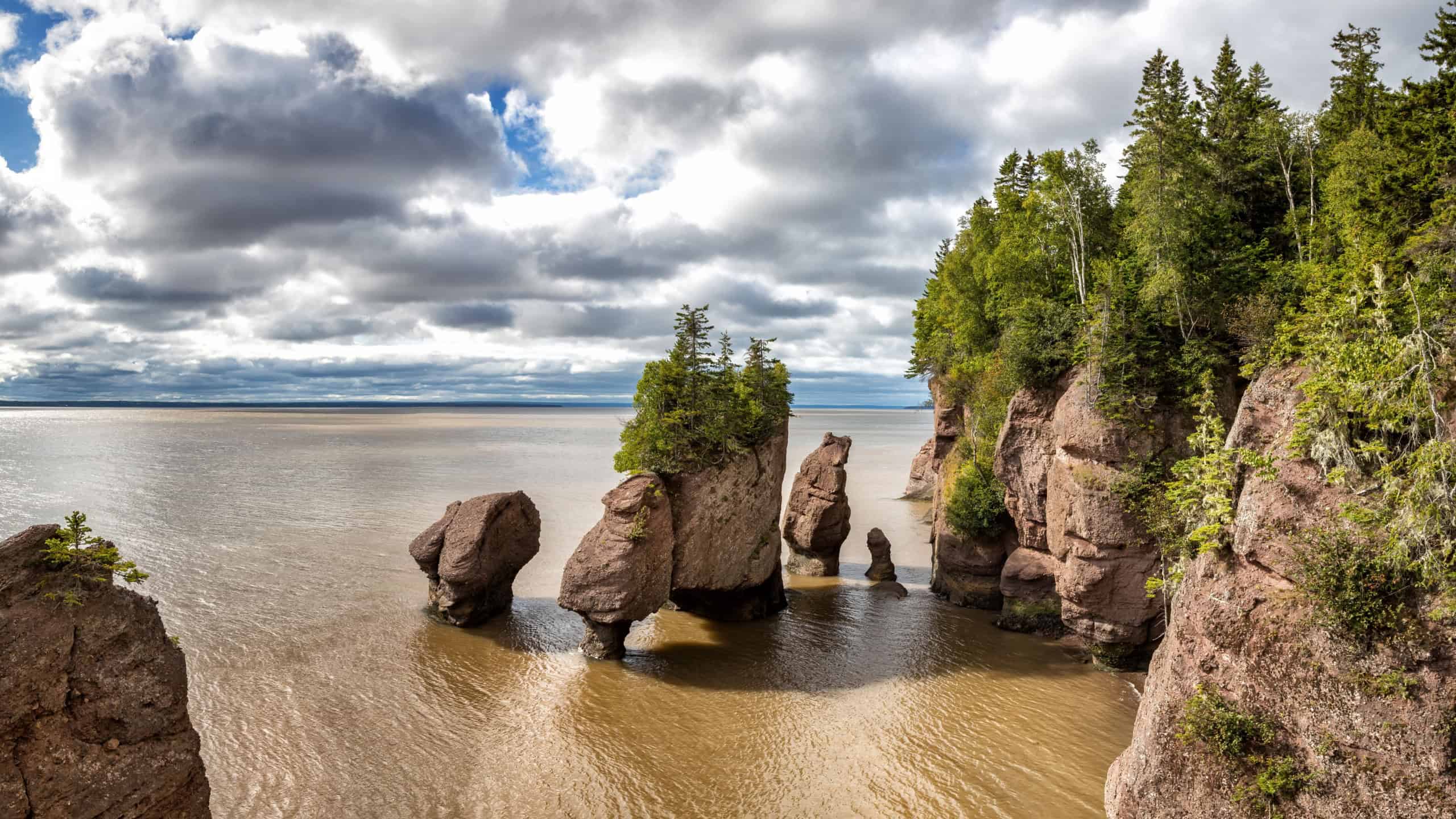
Nova Scotia gets a lot of attention, but most neglect New Brunswick’s portion of the Bay of Fundy, where you’ll find these amazing flowerpot rocks. Twice daily, the world’s largest tides flood through this area.
At high tide, you can paddle kayaks around the tops of towering, tree-toppled sandstone pillars. At low tide, all the water evaporates away. You can walk along the ocean floor underneath these huge rock structures.
Grasslands Park
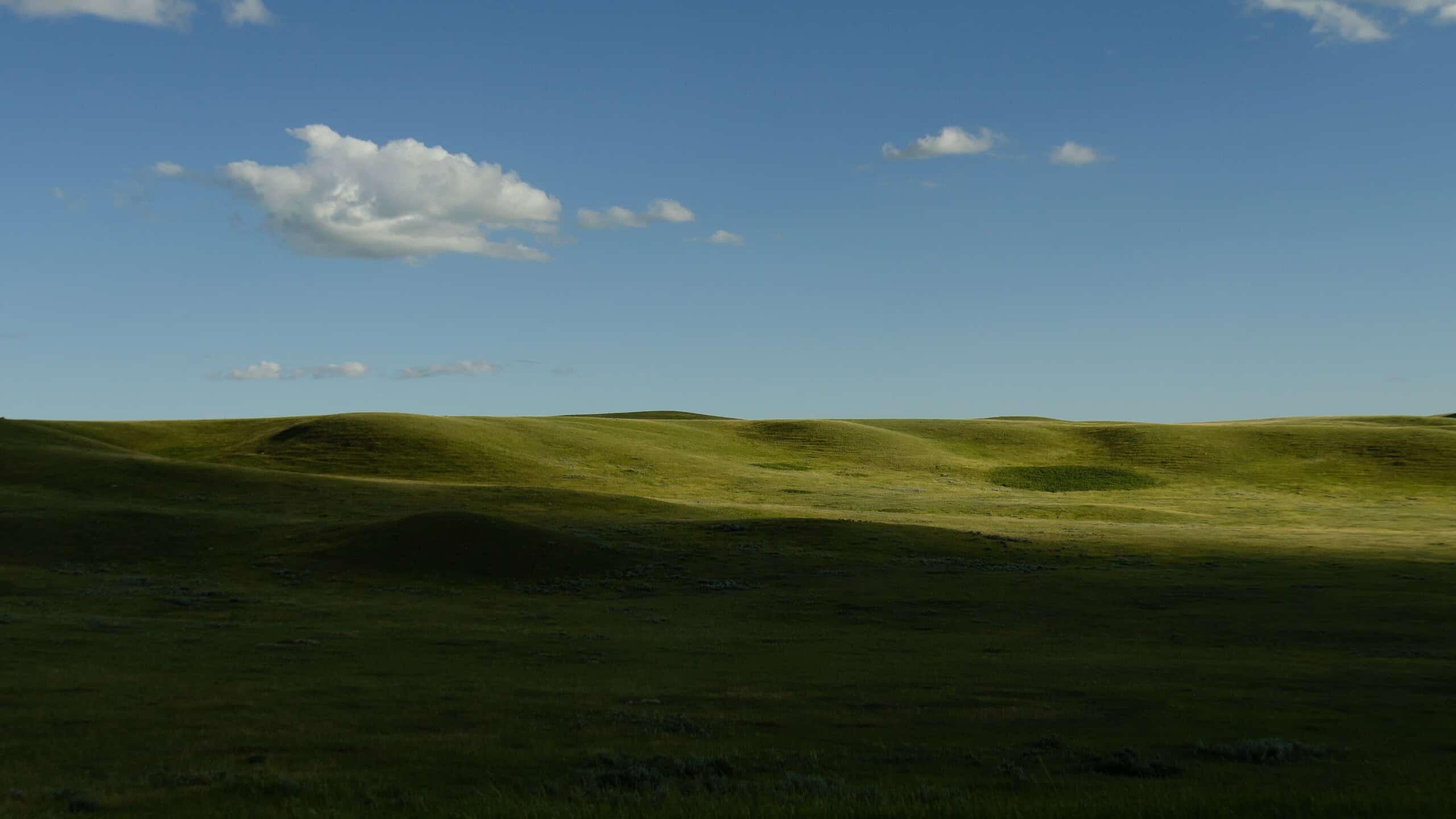
Saskatchewan’s Grasslands National Park is one of the last areas of intact mixed-grass prairie left in North America. You’ll discover silence so complete you can hear grass rustling miles away.
This is also a Dark Sky Preserve, so light pollution is nearly nonexistent. You can experience dazzling, uninterrupted views of the Milky Way at night and watch roaming herds of bison by day.
Manicouagan Reservoir
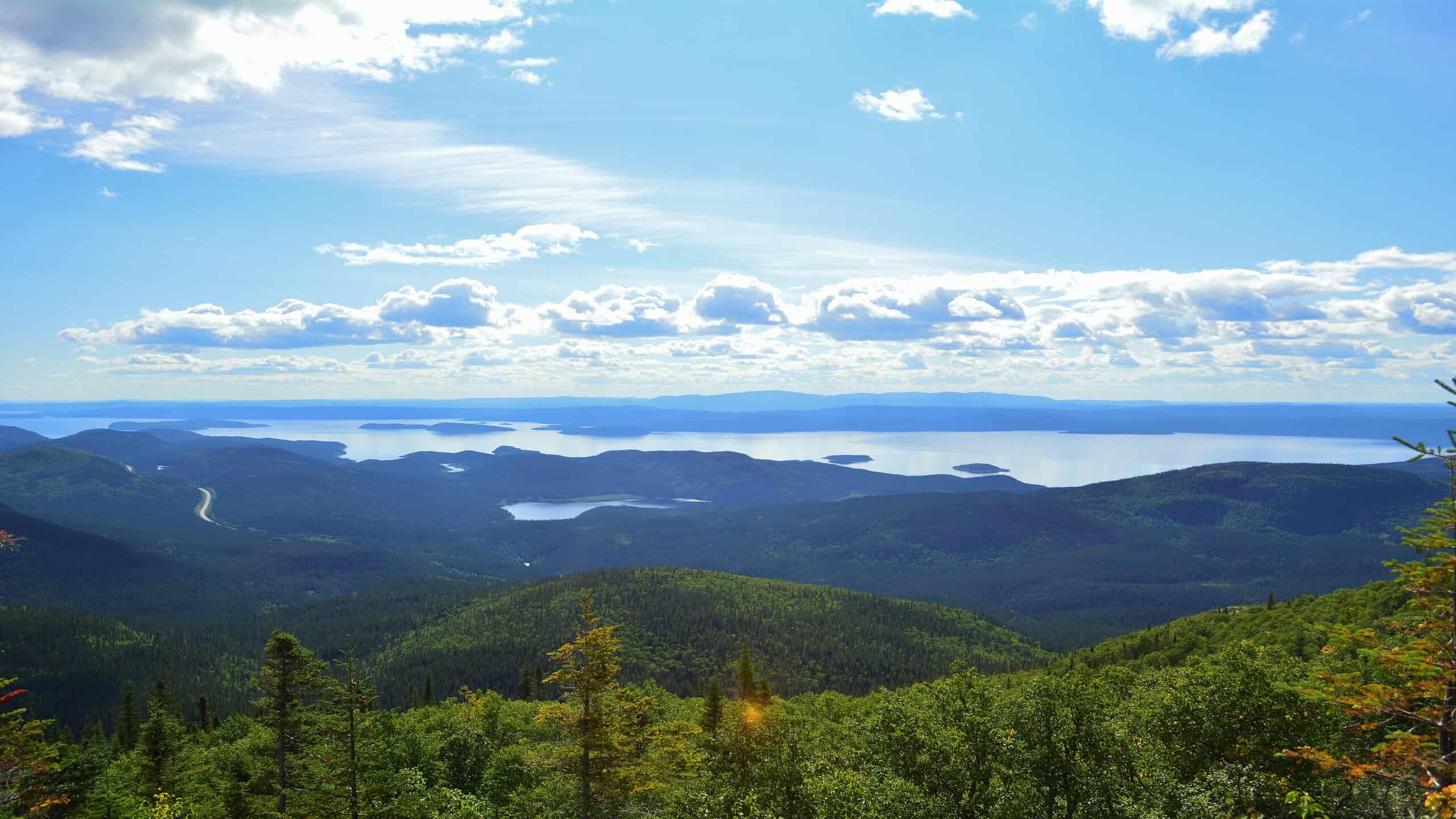
Seen even from space, this huge circular lake sitting in Quebec has earned the nickname of the “Eye of Quebec.” The current reservoir was formed more than 200 million years ago when the area was hit by a large asteroid.
Now what remains is a pristine ring of water around a central island. Remote wilderness travelers, kayakers, hikers, and fishermen dream of escaping civilization completely here.
Cape Spear
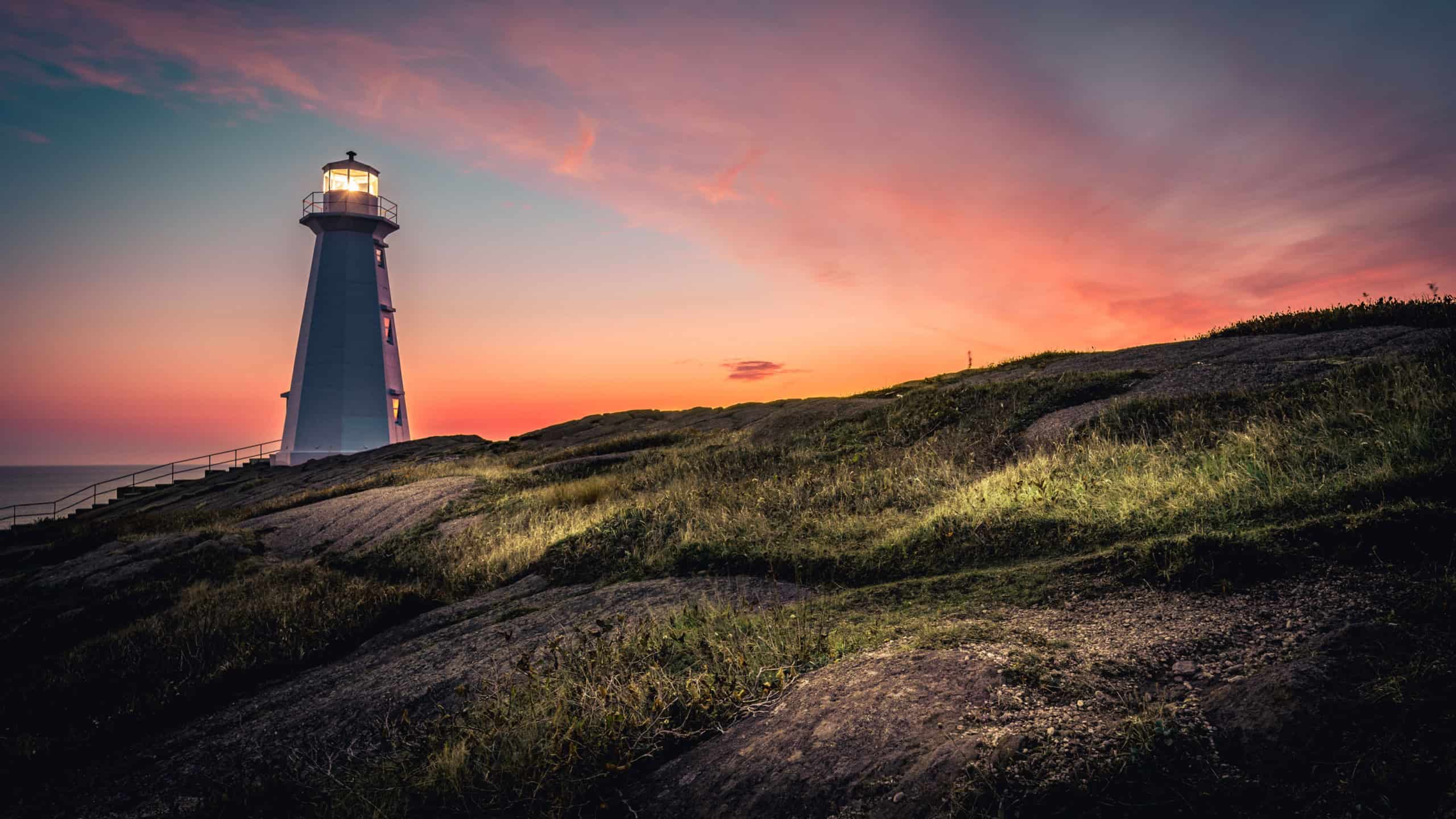
While most visitors flock to the rocky coastline along Newfoundland’s west coast, Canada’s easternmost point of land resides on Newfoundland’s Avalon Peninsula. When you stand atop Cape Spear, you are the closest person to Europe in all of North America.
Perched on the cliffside, you’ll find the oldest remaining lighthouse in Newfoundland. If you time your visit just right in late spring, you can witness colossal icebergs and migrating humpback whales floating by the cliffs.
Vulcan Town
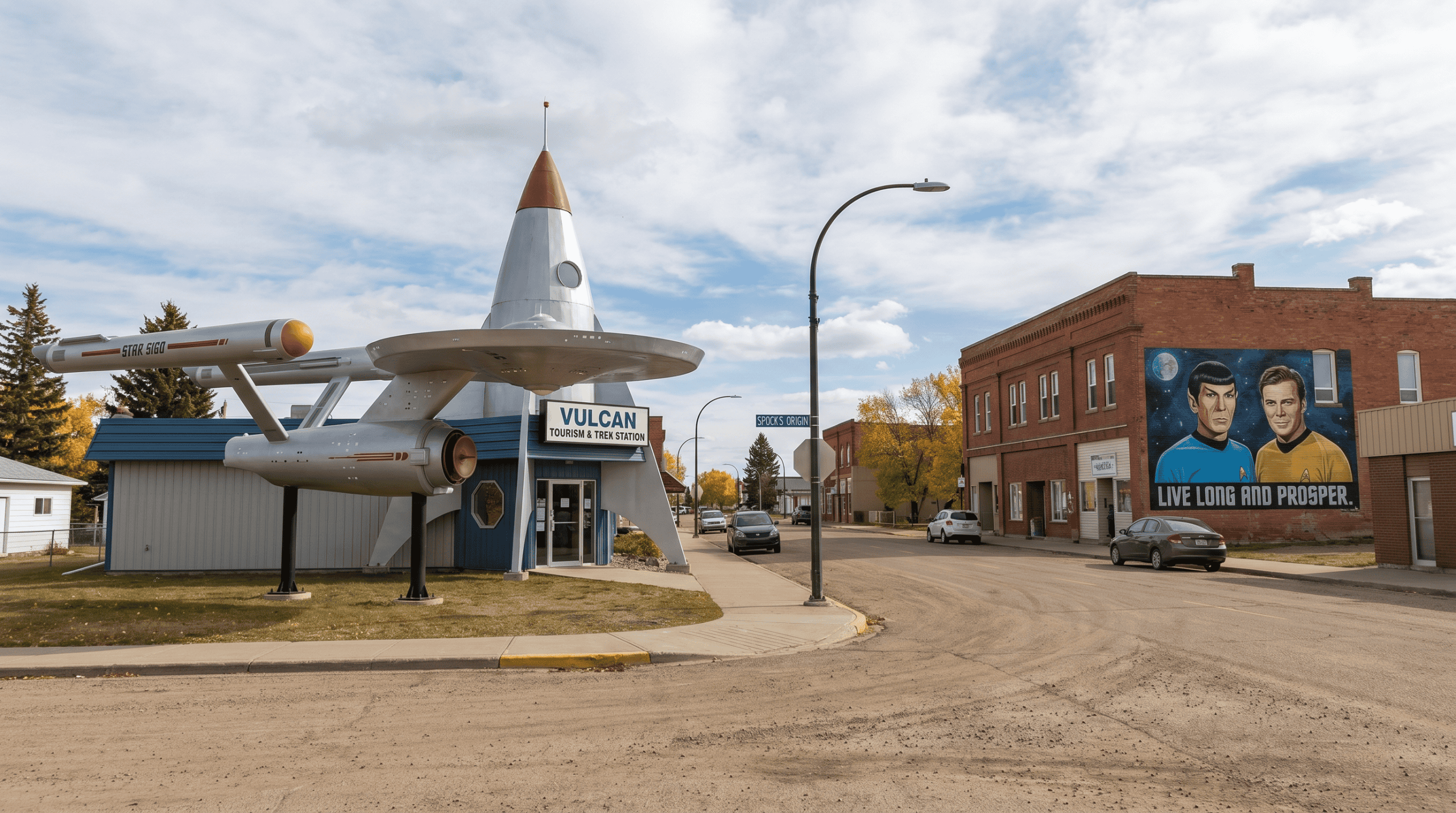
Pop-culture fans should take a slight detour to visit the quaint town of Vulcan, Alberta.
Playing off their shared accidental namesake, the residents renovated their town into a Star Trek theme destination, complete with a rocket-shaped tourism centre, Starship Enterprise replica, and Trek-themed murals. It’s a silly, cute roadside attraction most tourists drive right past.
Mingan Archipelago
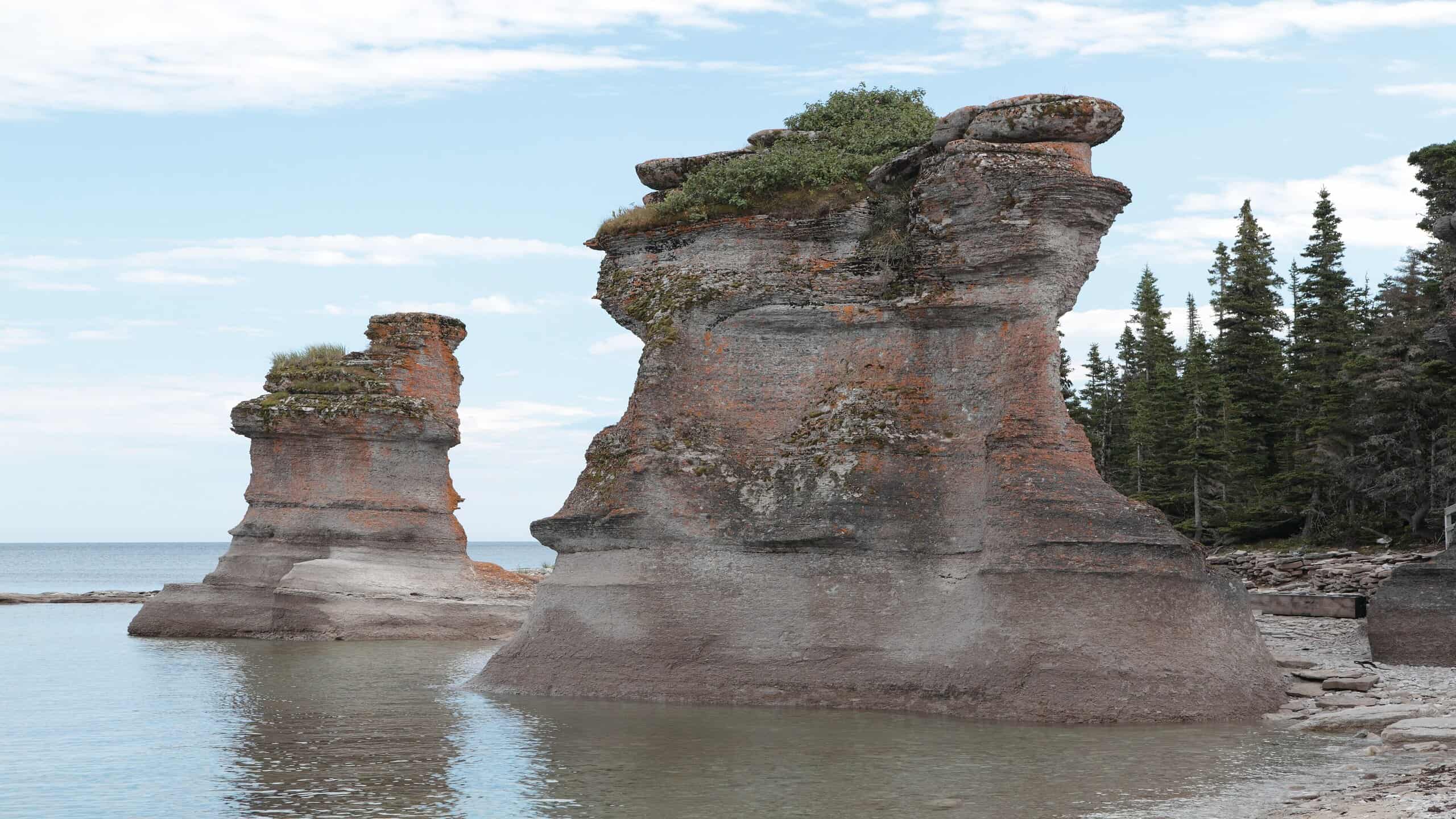
Stretching across the north shore of the Gulf of St. Lawrence in Quebec lies this collection of islands, home to Canada’s largest concentration of monoliths. Carved by years of wind and water, limestone cliffs dot the beaches as strange and abstract sculptures.
Mingan is also home to some of the best puffin breeding habitats on the planet.
Athabasca Dunes
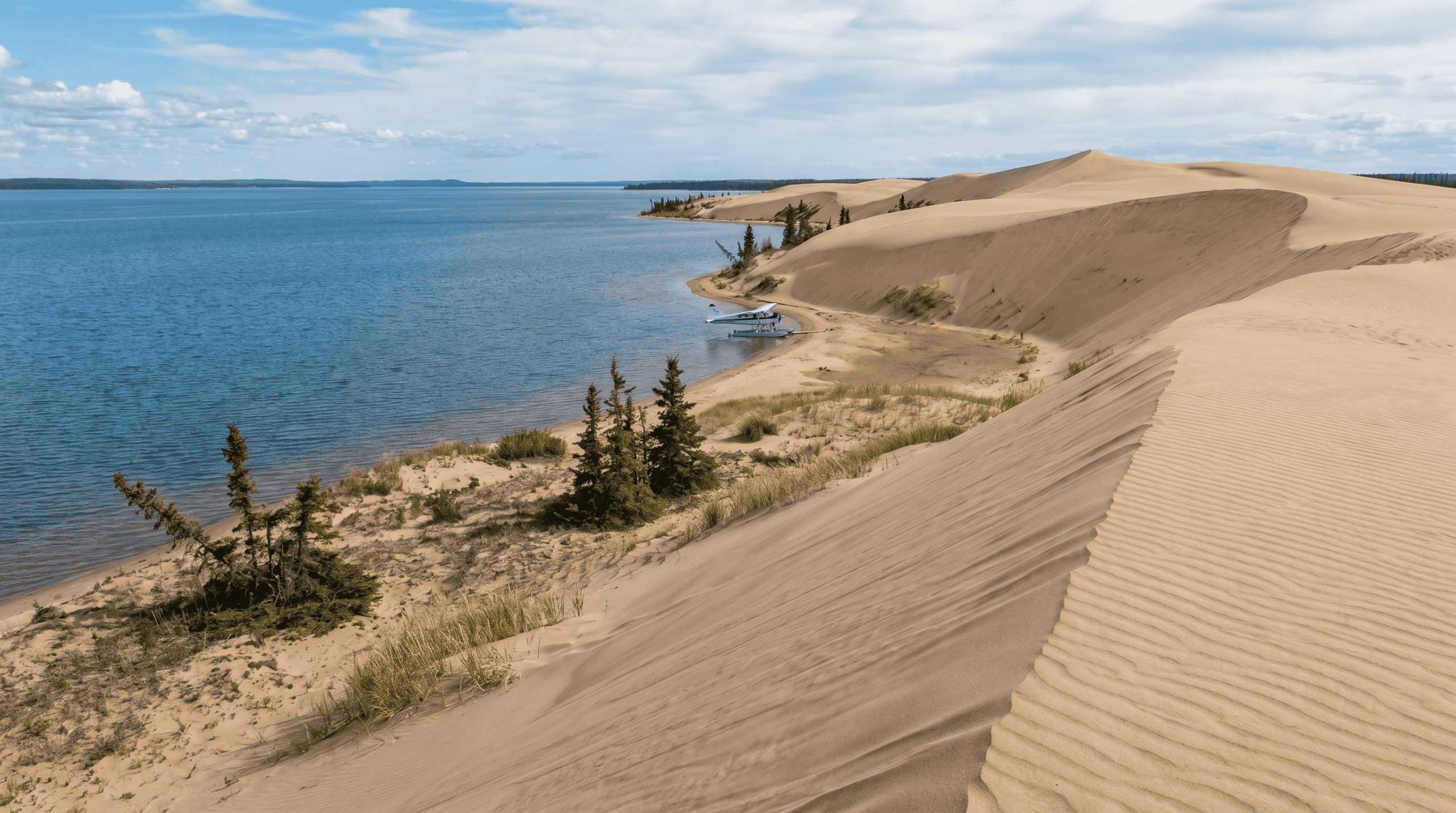
Located on the southern shore of Lake Athabasca in northern Saskatchewan, this 100-kilometre stretch is home to the northernmost active sand dunes in the world. Towers of sand are found up to 30 metres high, and the area looks as if the Sahara Desert dropped into Northern Saskatchewan.
The remote area can only be reached via floatplane or boat and is one of the most pristine and unvisited natural wonders in the country.
Sources: Please see here for a complete listing of all sources that were consulted in the preparation of this article.