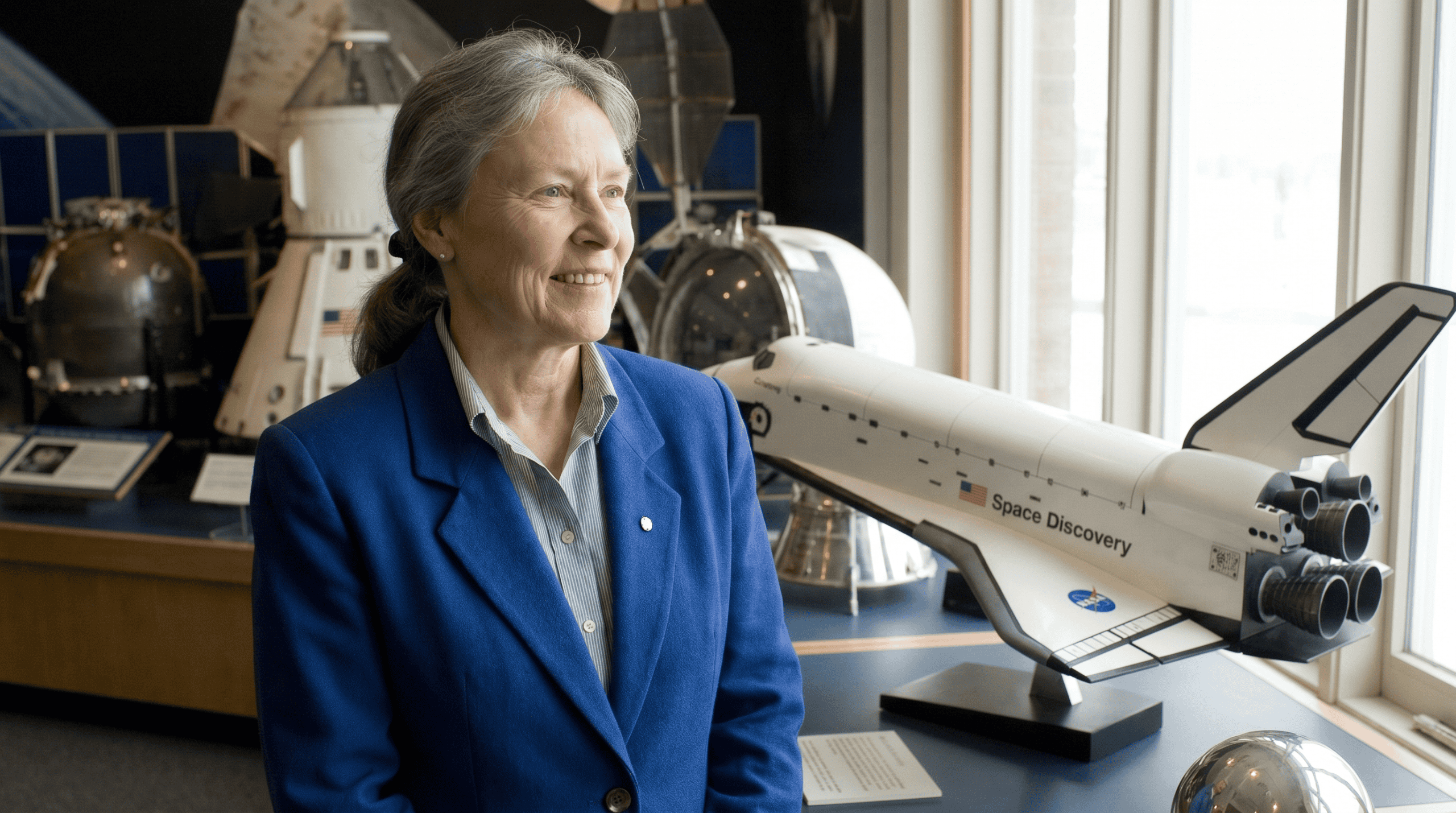
Canada has long been known as a breeding ground for humble leaders who change the world without seeking fame.
Roberta Bondar
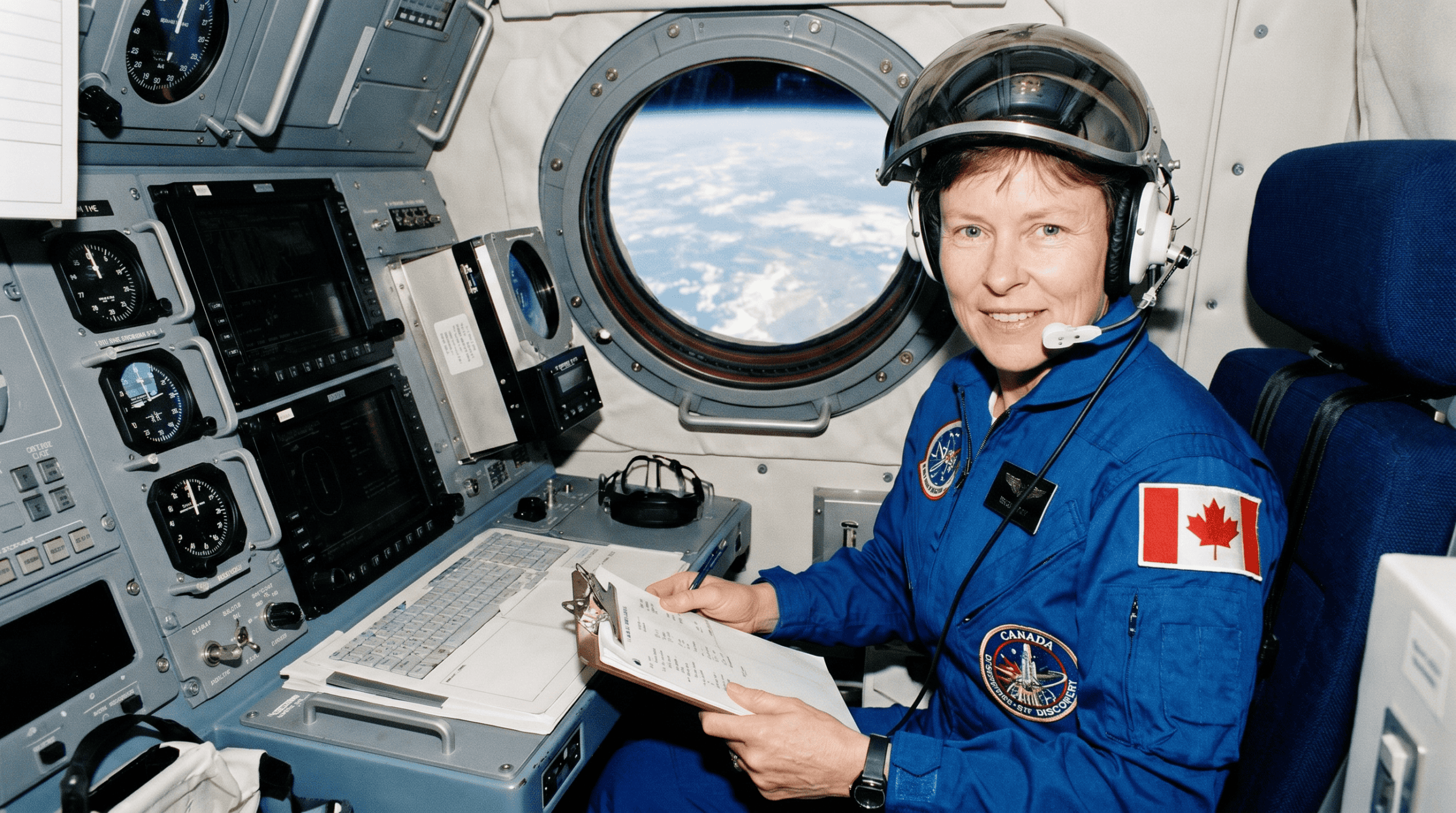
She is Canada’s first female astronaut and the world’s first female neurologist to go into space. Her journey to space was only part of her lifelong dedication to science.
Serving aboard the Discovery Shuttle, she performed experiments about how our bodies adjust to weightlessness. When she returned from space, Bondar worked for NASA for over a decade, heading up a research team that reviewed data regarding head trauma and central nervous system recovery from space.
Samantha Nutt
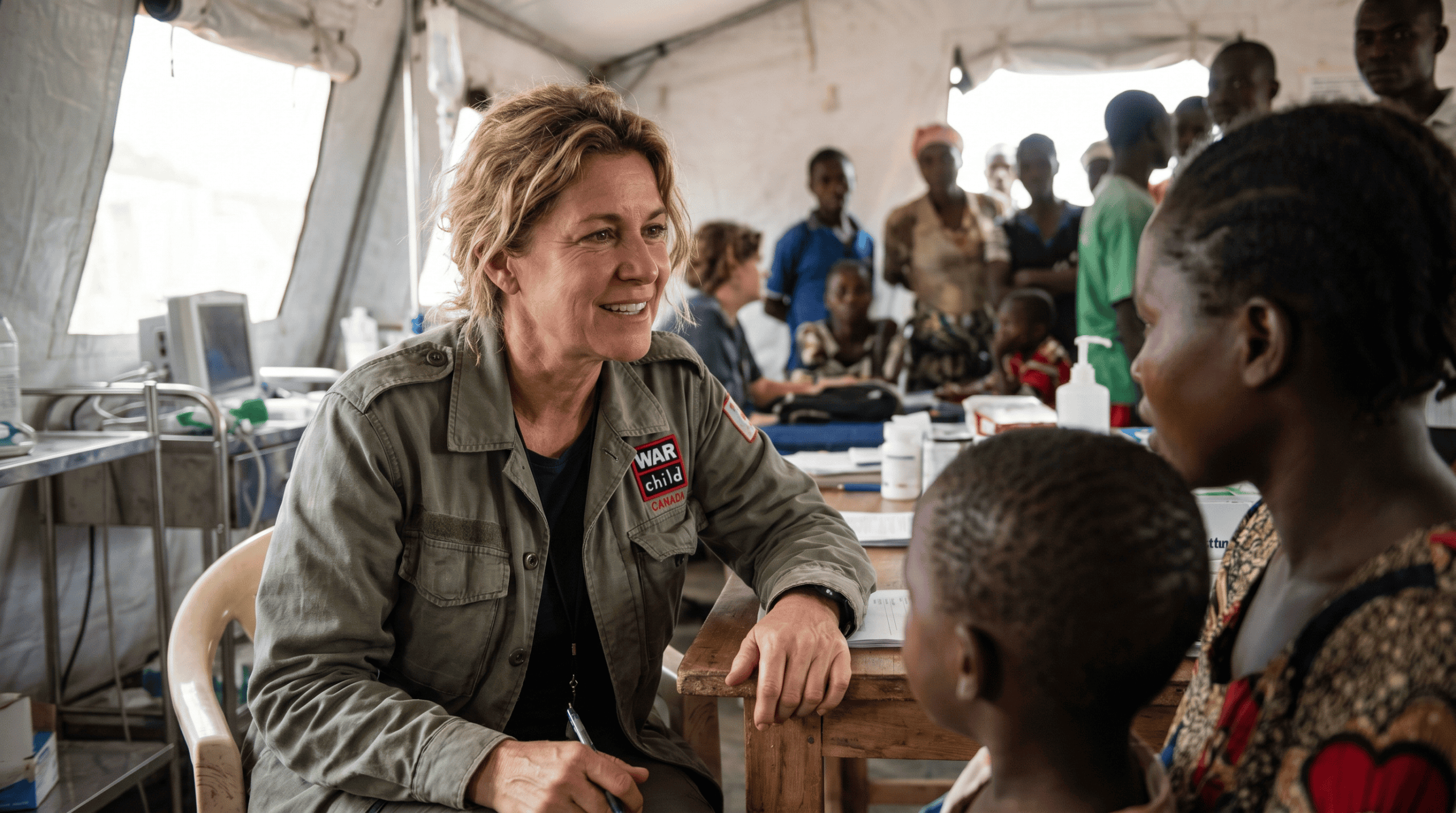
She’s a medical doctor who has worked for over 20 years providing care in some of the world’s most extreme war zones.
As the founder of War Child Canada, she’s worked to shine a spotlight on children impacted by war. Behind the scenes, she’s influenced worldwide discussions about human rights, refugees, and global responsibility.
Yoshua Bengio
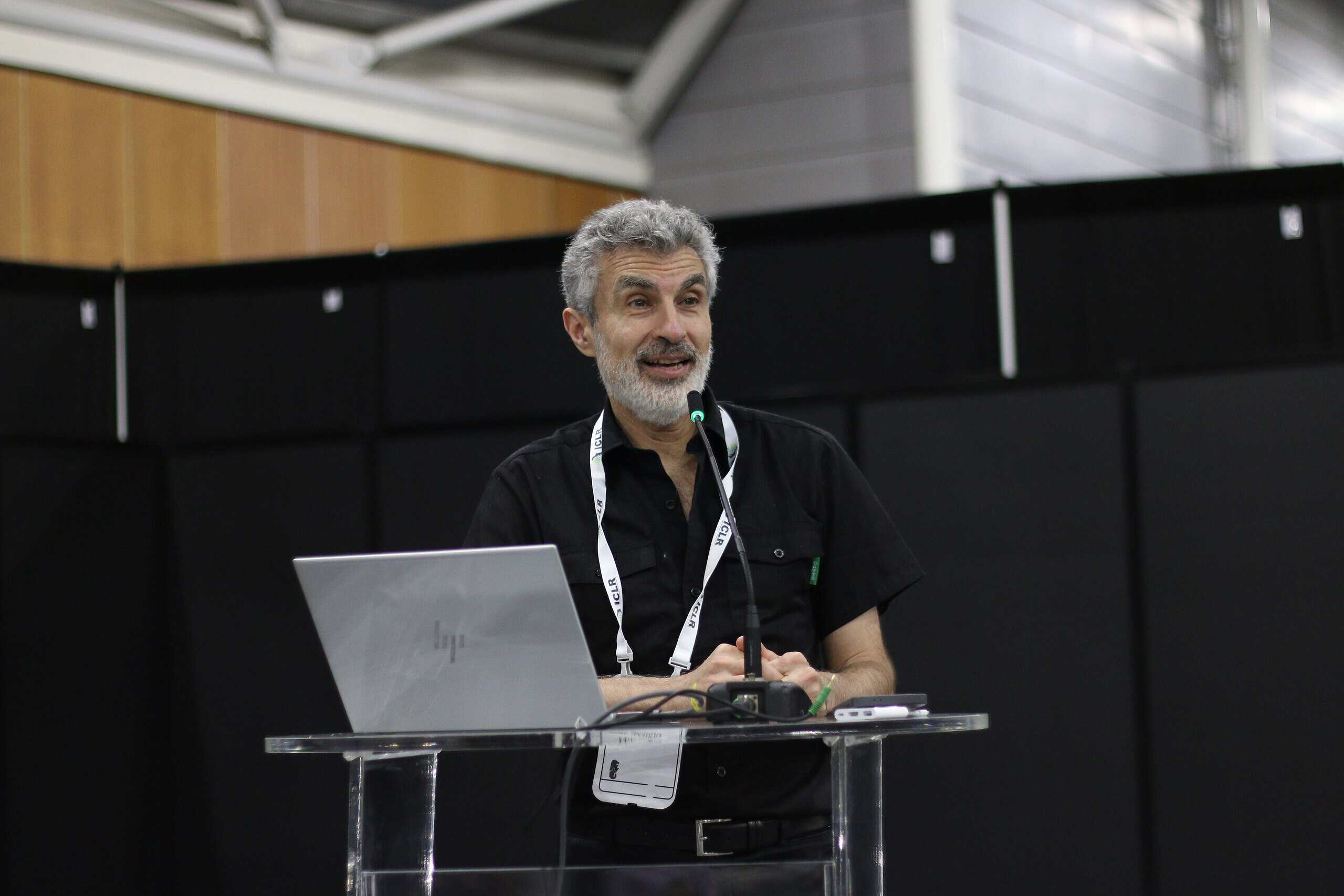
You’ve probably never heard of him, but your phone recognizes his name. For years, he and a handful of others toiled in artificial intelligence, researching deep learning long after the tech community had written it off.
The overlooked work of this Montreal computer scientist forms the backbone of AI as we know it today. He was recently named a Turing Award winner (think Nobel Prize for Computing).
Autumn Peltier
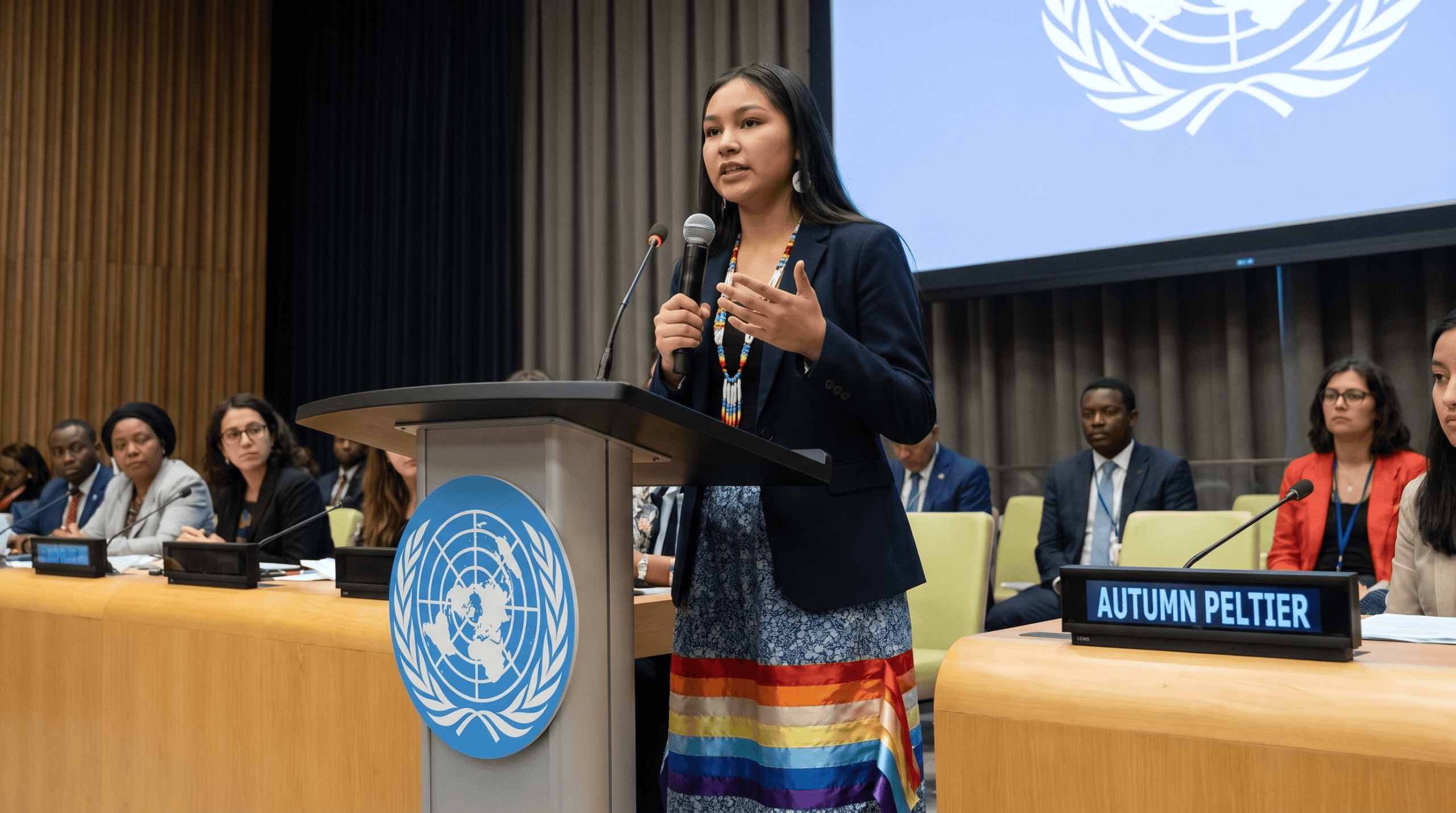
This Indigenous teenager from Wiikwemkoong Unceded Territory was named Chief Water Commissioner of the Anishinabek Nation.
Since then, she has been fearlessly speaking out at the United Nations to world leaders about the need for access to clean drinking water for First Nations and preserving water quality for all.
Michael Houghton
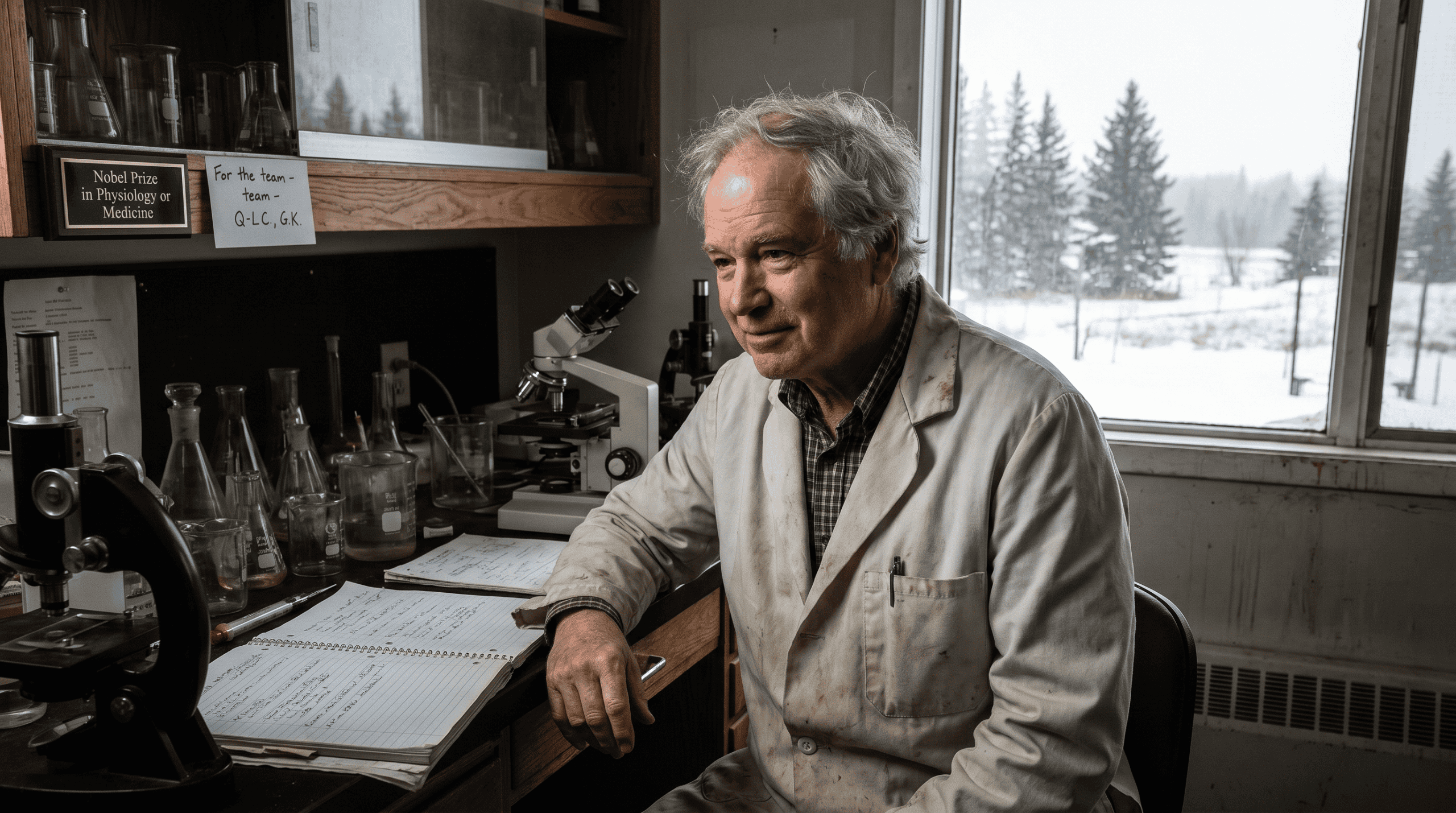
Working at a sleepy lab in Alberta, this British-born Canadian virologist helped discover the hepatitis C virus. His detailed research allowed doctors to screen blood for the virus and halt its spread through transfusions around the world.
He was awarded the Nobel Prize in Medicine. He famously turned down other prestigious awards initially because his colleagues weren’t being recognized too.
Pieter Cullis
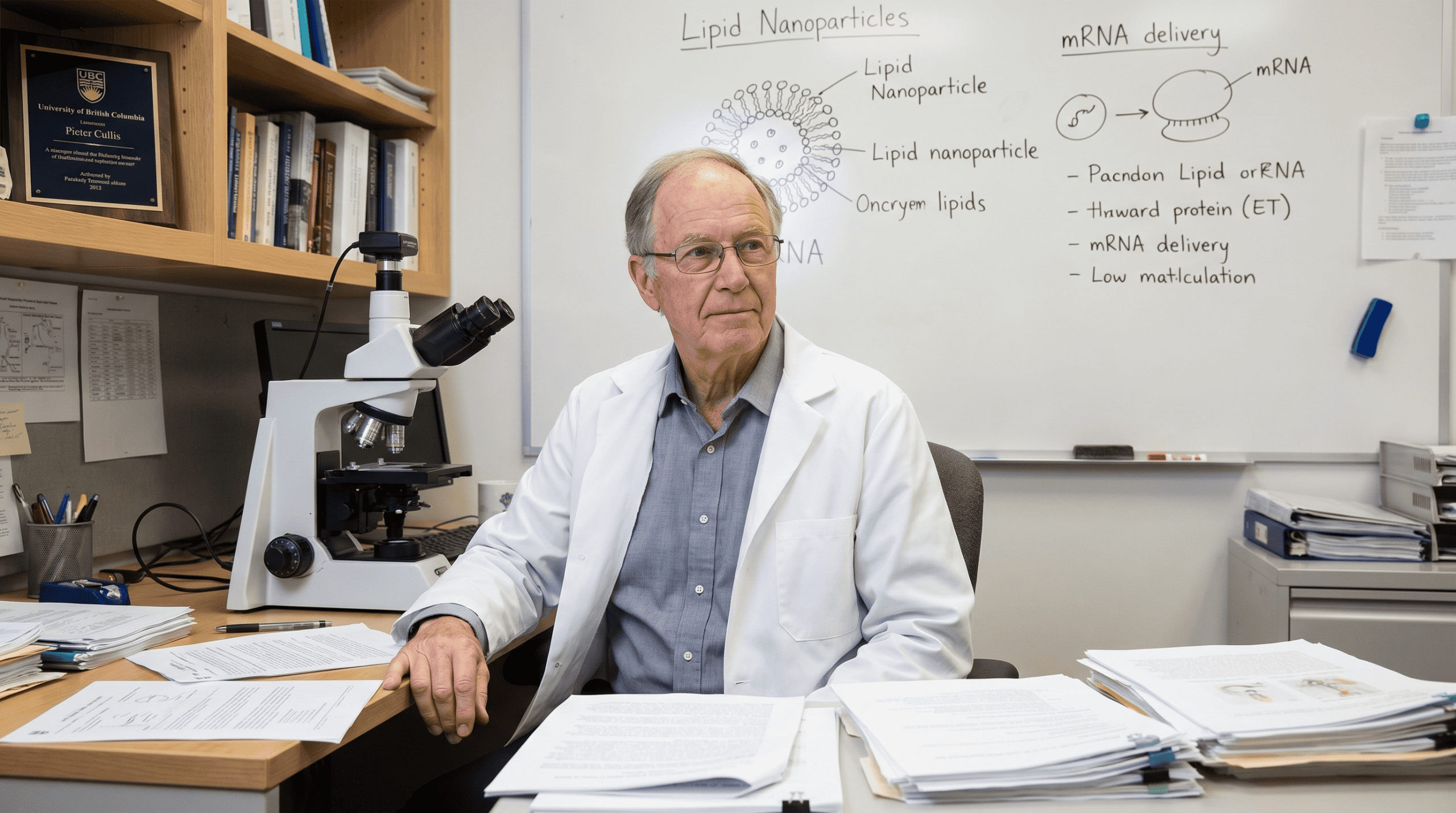
He’s a biophysicist at the University of British Columbia whose lab discovery went on to save millions of lives. For decades, he studied lipid nanoparticles (tiny bubbles made of fat).
When COVID struck, researchers discovered that these tiny bubbles of fat were the only way to safely transport mRNA into human cells. This discovery enabled modern vaccines to be developed in record time.
Donna Strickland
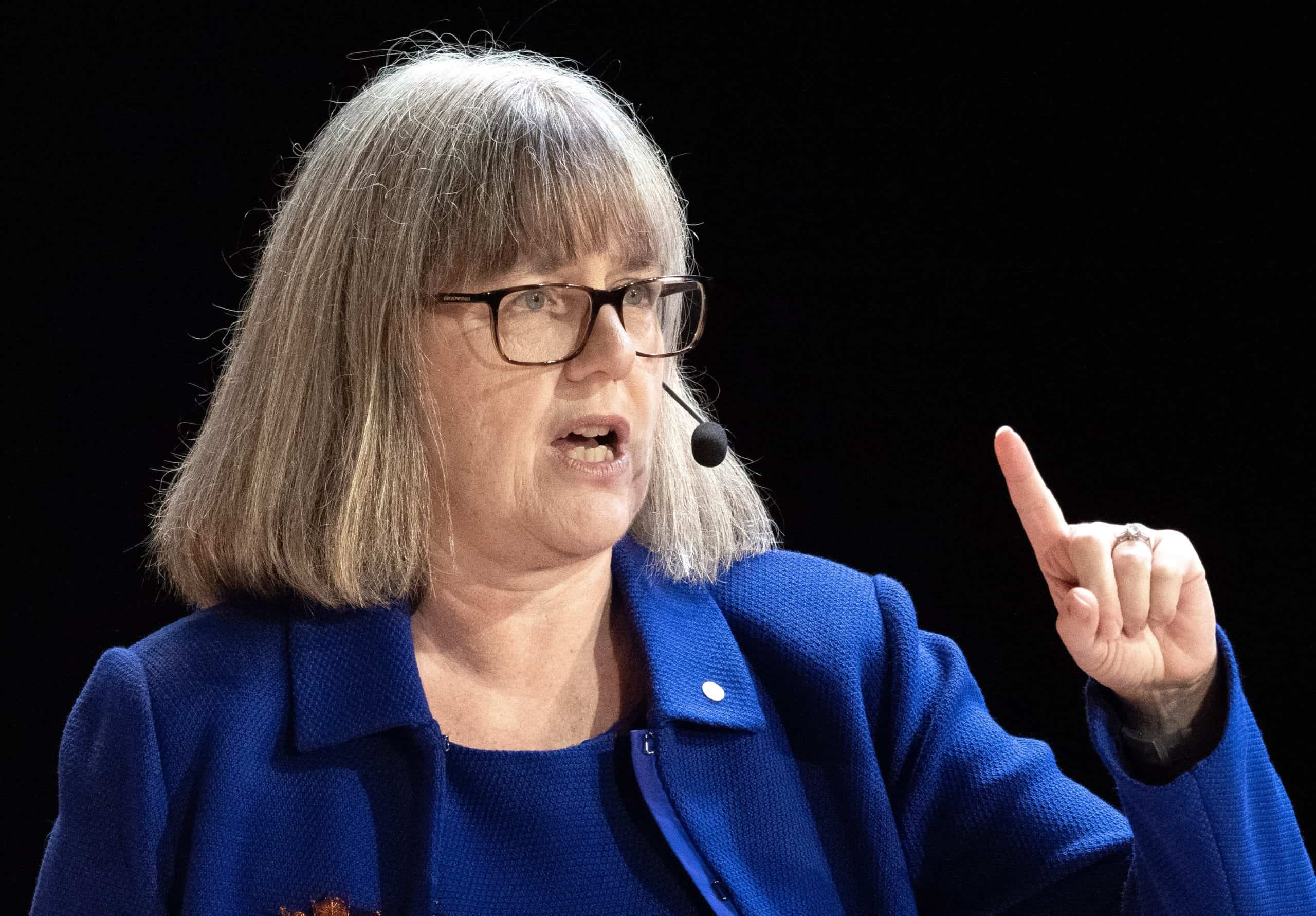
This physicist from Guelph, Ontario, worked in relative anonymity for decades before winning the Nobel Prize for Physics. Strickland helped invent a process called Chirped Pulse Amplification.
This method produces ultra-high intensity, ultra-short bursts of laser light without damaging the laser. It’s this groundbreaking but quiet achievement that made laser eye surgery available to millions of patients.
James Orbinski
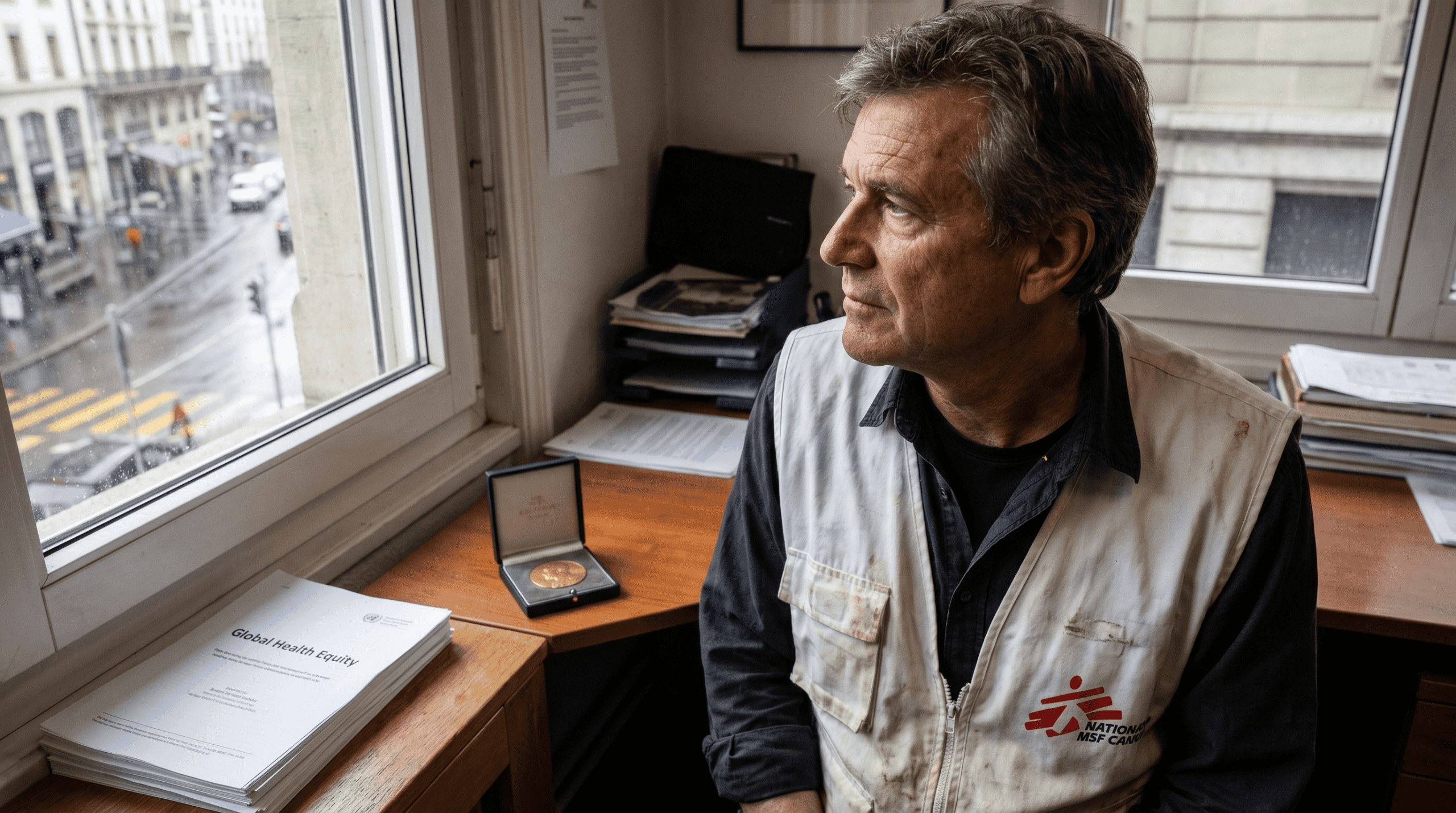
He accepted the Nobel Peace Prize on behalf of Doctors Without Borders (MSF) as their international president. He witnessed firsthand the Rwandan genocide and worked under unimaginable circumstances to preserve life.
He is quietly transforming the way we think about global health equity by advocating for access to affordable life-saving medicines in low-income countries.
Mona Nemer
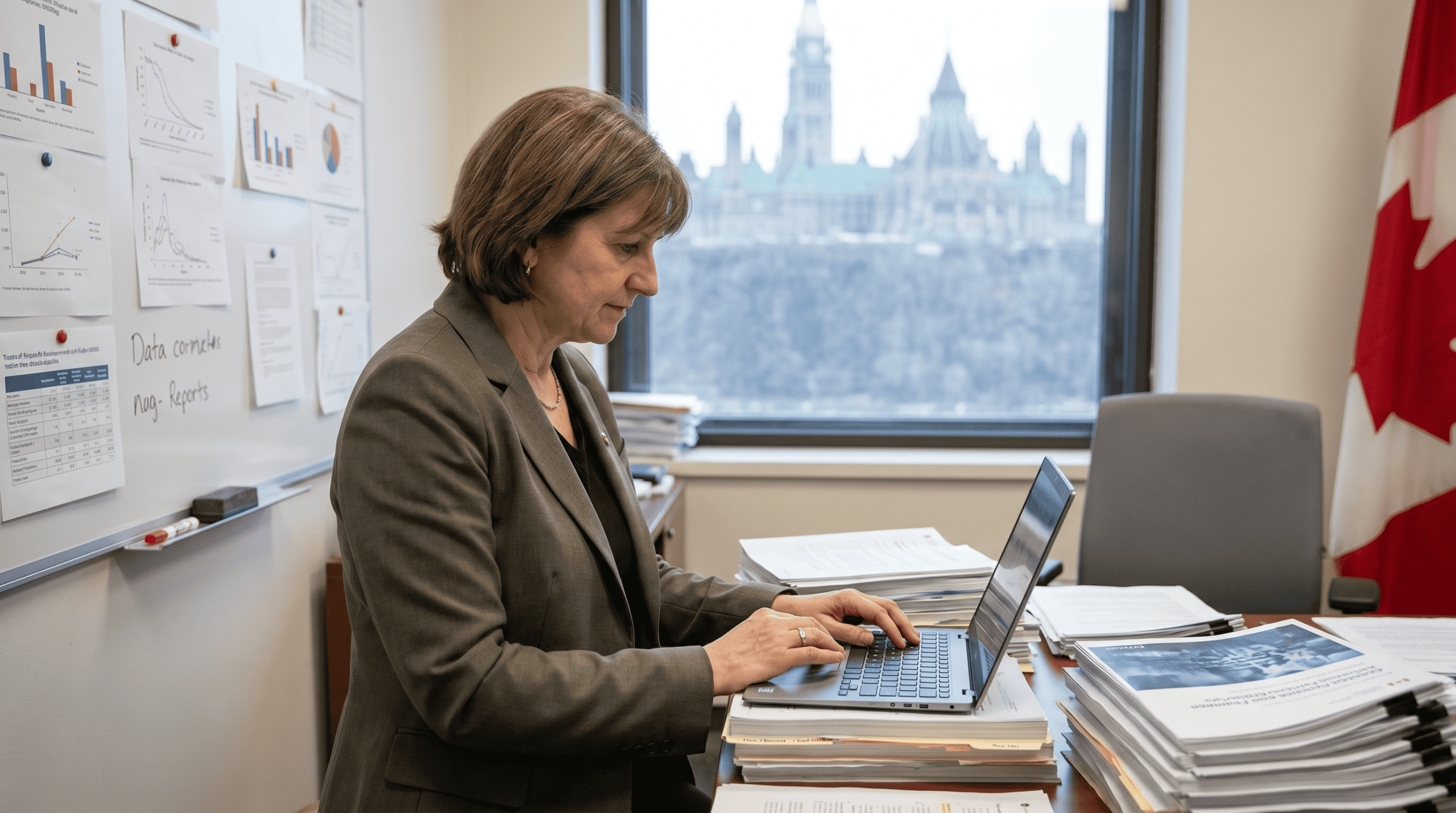
Canada’s Chief Science Advisor works completely behind the scenes of government policy.
She makes sure that when politicians make billion-dollar decisions that impact public health, the environment, and emerging technologies, those decisions are based on scientific facts, not political agendas. She quietly ensures that the country approaches world crises with rational thought.
Tak Wah
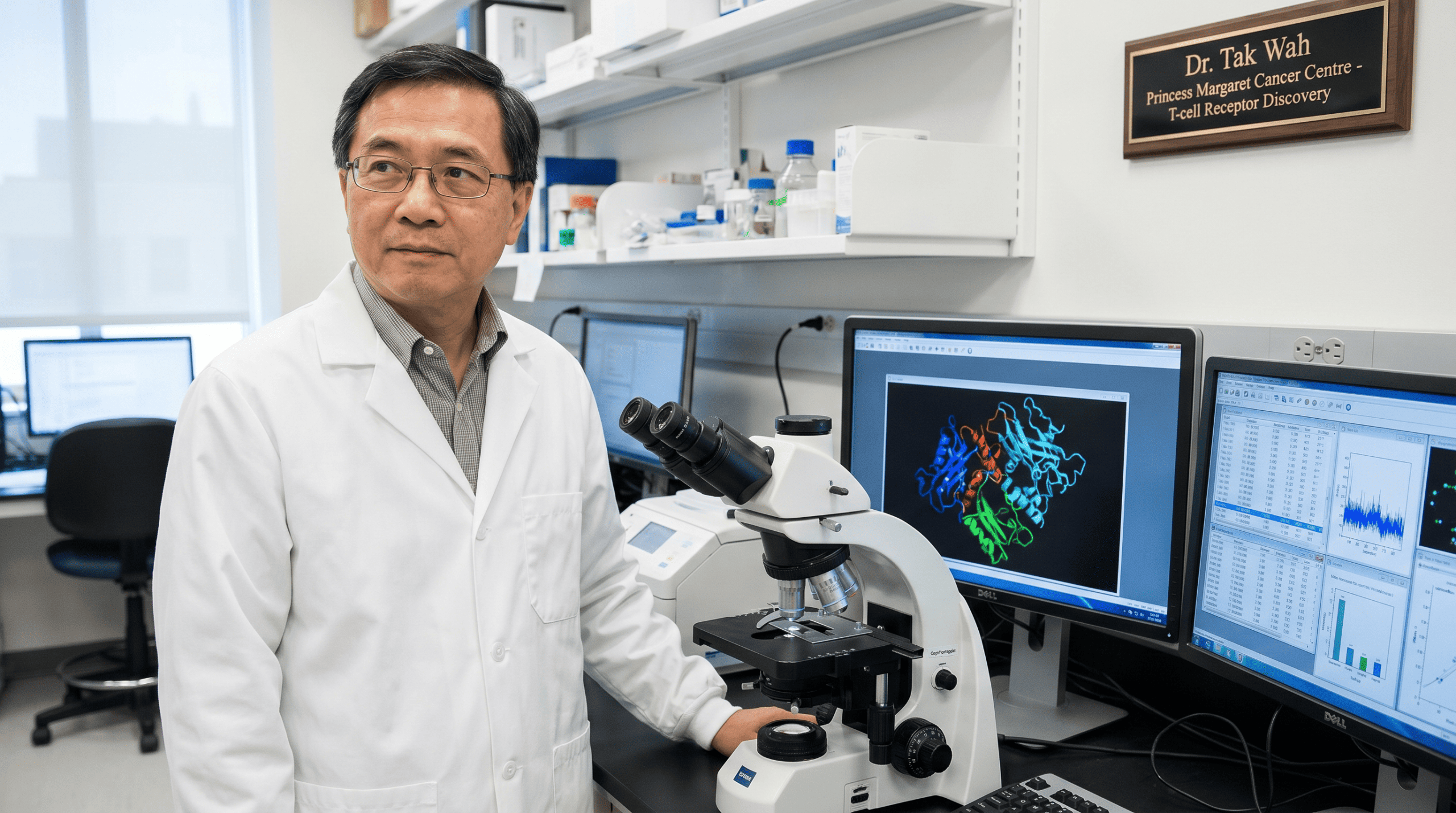
Toronto-based geneticist and cancer researcher Tak Wah made one of the most significant scientific discoveries related to the human immune system. Dr. Wah found the T-cell receptor.
This finding opened the door for immunotherapy, which is a cancer treatment that teaches a patient’s immune cells to destroy tumors. Work being done in his lab continues to change oncology around the world.
Sheila Watt-Cloutier
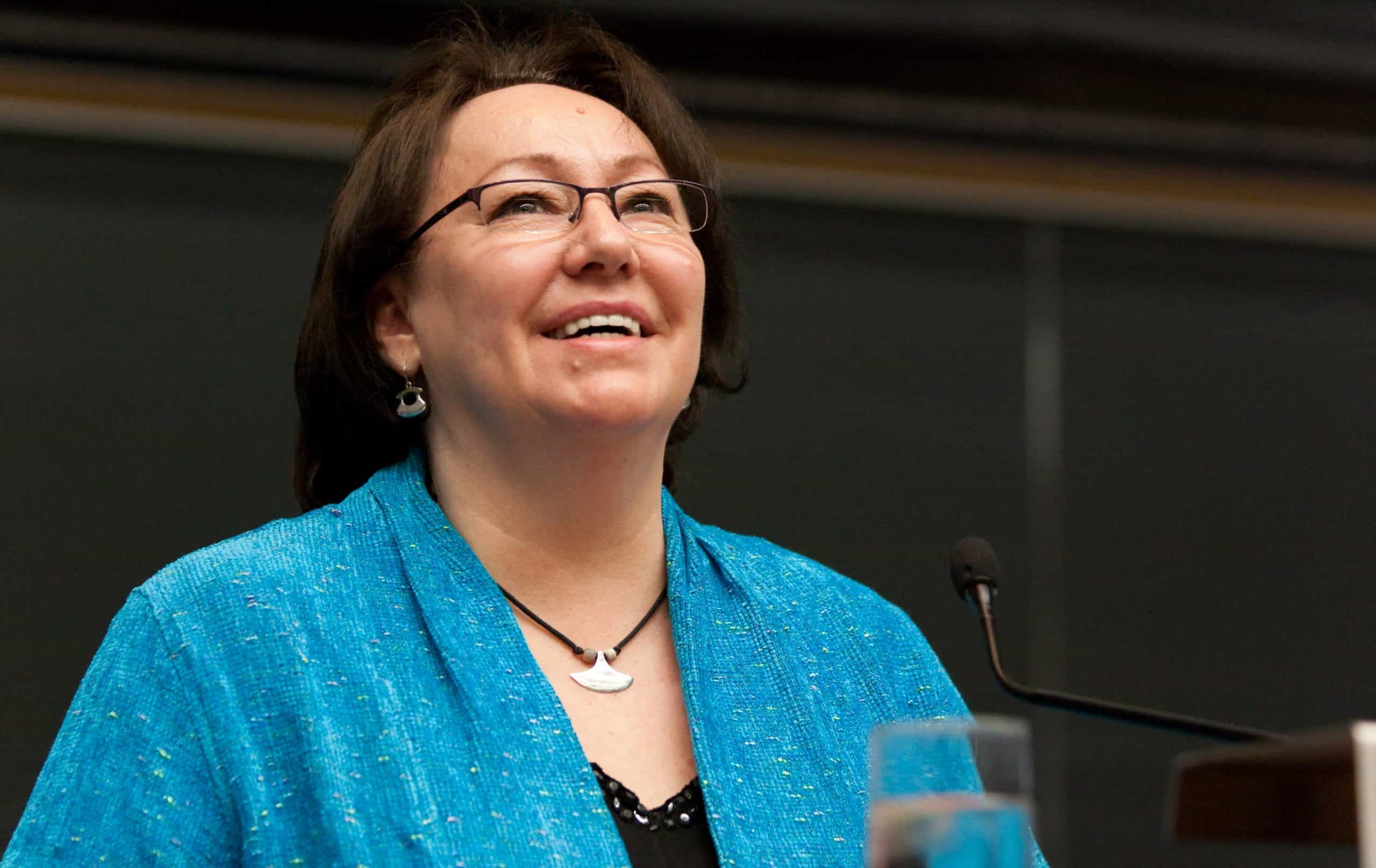
She refocused the world’s understanding of global warming. Instead of an economic or scientific issue, she framed it as a crisis of human rights.
Through humble demonstrations of how melting ice caps were causing the culture and livelihoods of native communities in the Arctic to disappear, she forever transformed climate talks on the world stage.
Gregory Robinson
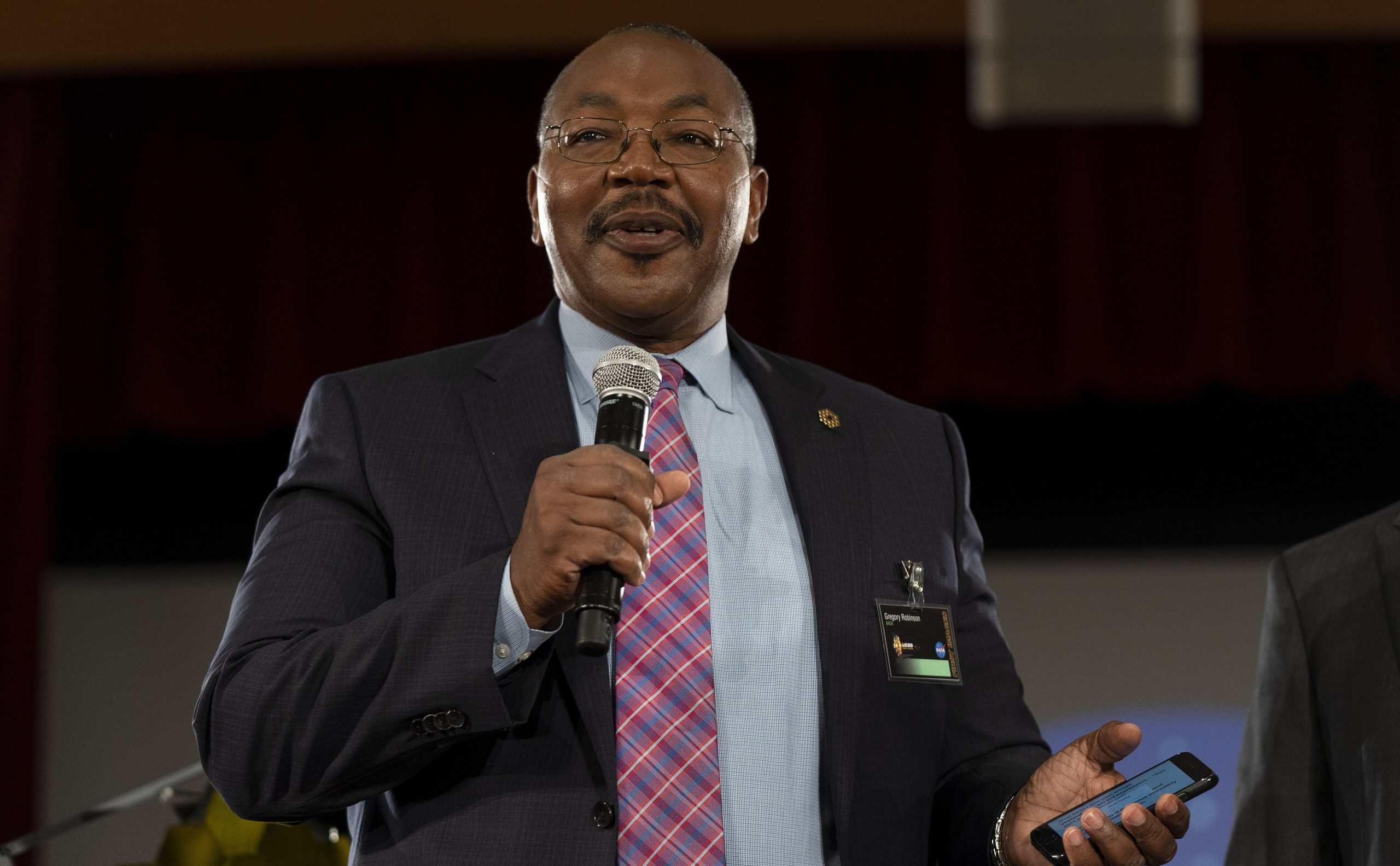
Gregory Robinson is an Ontario-born engineering genius whom NASA hired to rescue the NASA James Webb Space Telescope when it was years late and billions over budget.
This calm and quiet leader transformed the mission and is now celebrating with the successful launch of a telescope that will redefine our knowledge of the universe.
Don Tapscott
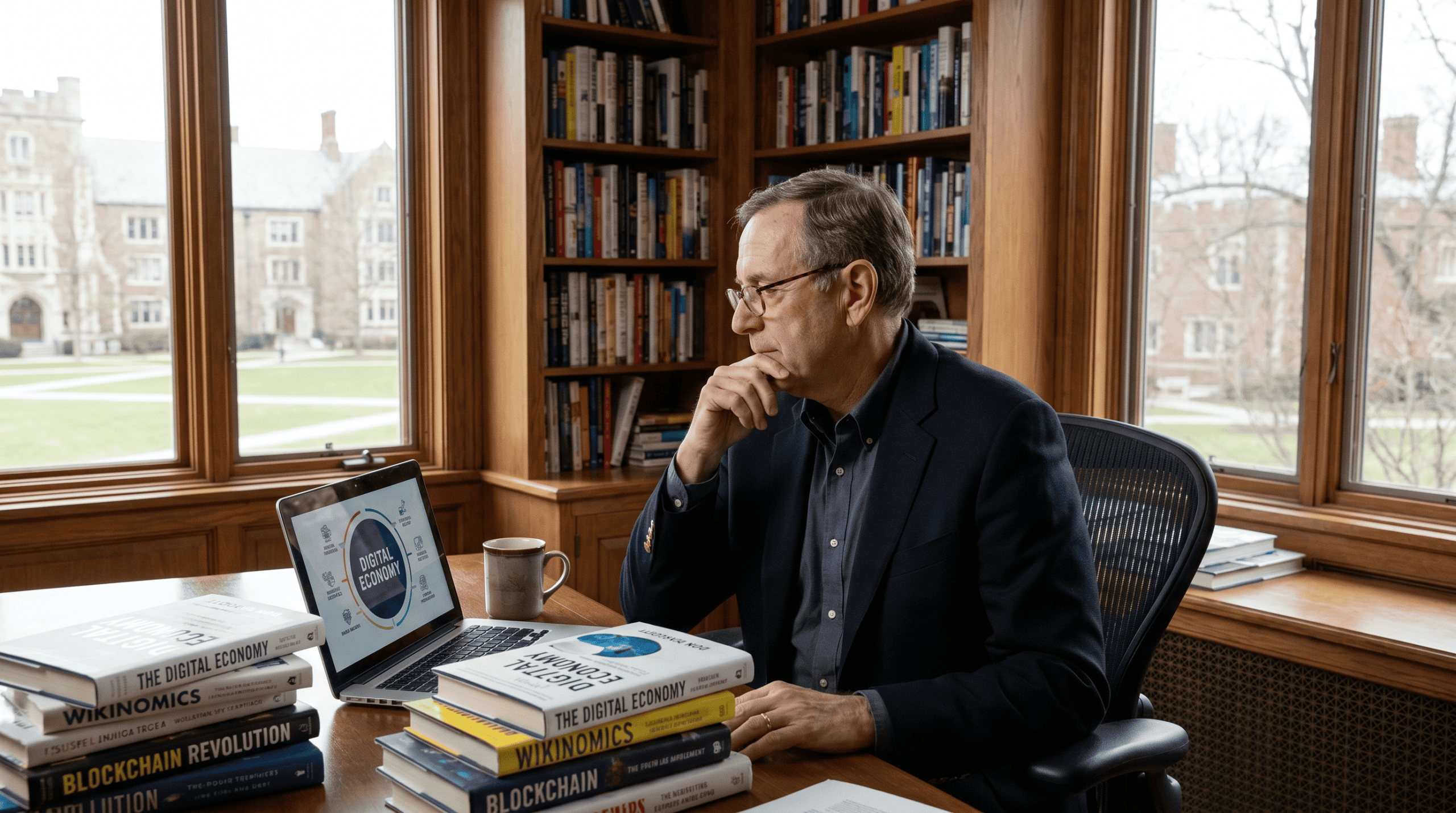
Don Tapscott is best known for quietly and profoundly impacting governments, businesses, and universities for the past few decades. He wrote about artificial intelligence, online collaboration, and the digital economy long before they became part of the popular lexicon.
Many organizations turned to his books and research to help them understand how the internet was going to revolutionize how we work, learn, do business, and organize society.
Sources: Please see here for a complete listing of all sources that were consulted in the preparation of this article.