
Moving from a bustling metropolis to life in a small town in Canada can be exhilarating and also a bit surreal.
Losing anonymity
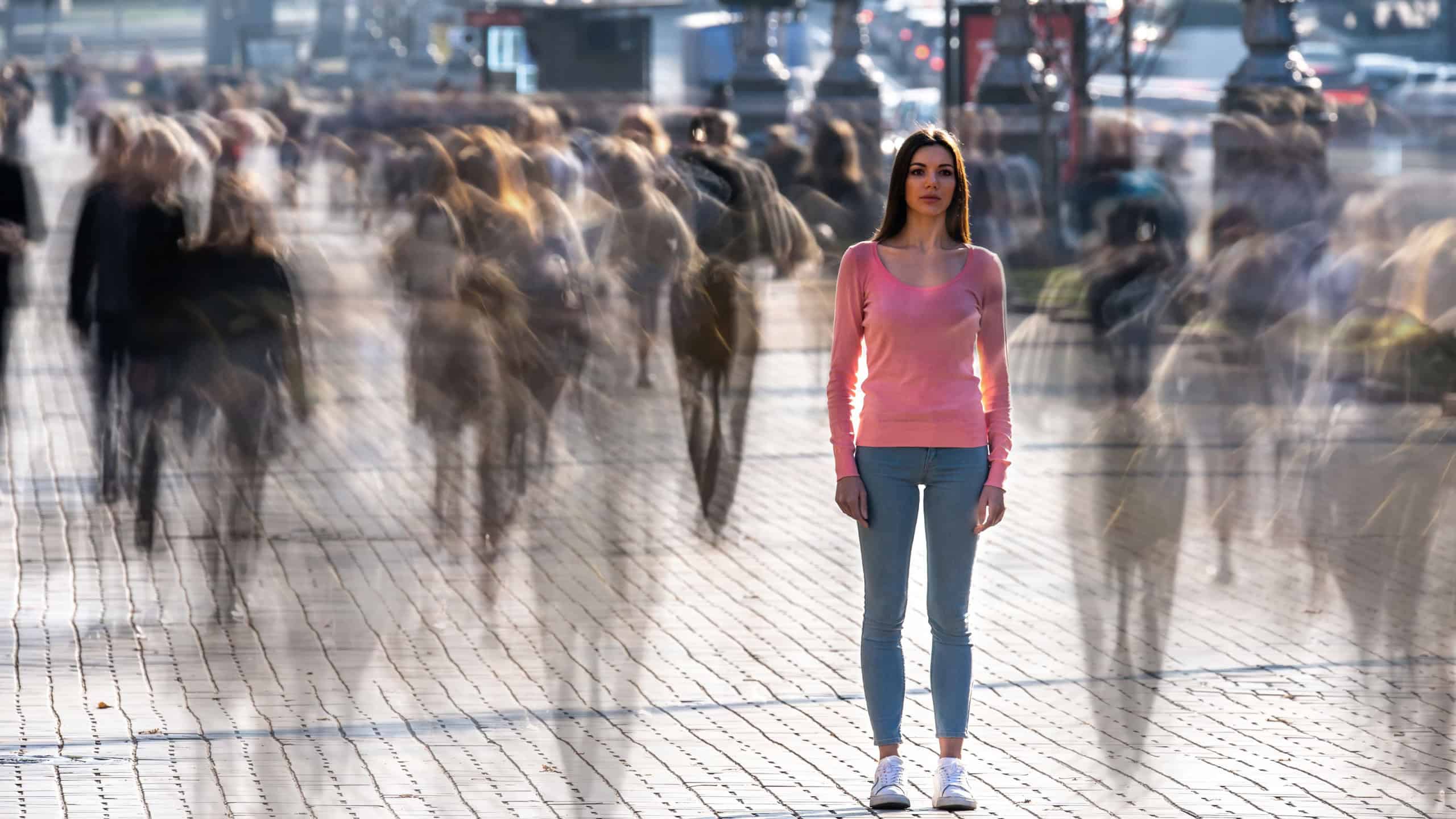
There is a certain anonymous freedom associated with city living. You can walk to dinner or pick up coffee without ever seeing someone you know. You blend in with the millions of other people around you, which can feel extremely private and freeing.
Suddenly, in a small town, you lose that anonymity almost overnight. People notice when you have a car in your driveway, they recognize you at the local grocery store, and will even remember your face if they happen to have met you one time.
It will feel like you are living in a fishbowl or that you have no privacy. But most people come to realize that this isn’t about people watching you. It’s just people genuinely caring about those who live in their neighborhood.
Changing paces

There is hustle and bustle that comes with living in a big city. We are trained to live life on high alert: hurrying to catch the subway, rushing through lunch, and constantly working on multiple tasks.
Small towns run on a whole different schedule, and that schedule doesn’t include hurrying. It can feel infuriating at first when someone is chatting with the cashier while you are waiting in line, or you come to a store only to realize it’s closed during odd hours.
You have to learn not to fight it and embrace the slow pace of life. You will go from constantly checking your watch to realizing you have time to actually breathe and take in your surroundings.
Transportation

There is one rude awakening that comes with living in a small town: how dependent you become on your car. In big cities, you can live from day to day without ever having to set foot in your vehicle. There are subways, buses, bike lanes, and paved walkways everywhere.
In most small towns in Canada, your car becomes your best friend. You’ll find yourself driving to the grocery store, the pharmacy, the gym, and probably even to your friends’ houses. If you aren’t bringing your car with you, it can feel like the world is extremely limited and lonely.
While relying on a car can feel like a nuisance at first, it also allows you the freedom to take in Mother Nature. Some of the best parts of living in rural Canada are driving along empty roads and having the ability to explore acres of forests that you don’t typically get surrounded by in the city.
Fewer choices

Living in a big city means you are accustomed to unlimited choices. You can order any type of food delivery at 2 am. You can visit a mall with thousands of stores. You can spend every night of the week going to museums and theater shows.
Small towns don’t offer you those luxuries. Dinner options may be limited to one “popular” spot. And your big box shopping days may be few and far between. It can feel like you have lost all freedom of choice, but many newcomers learn it is kind of nice to stop spending so much time choosing what and where to do things.
You become a regular at the local spots. You aren’t just another customer; you’re a neighbor.
Social dynamics

Ironically, it’s much easier to meet people when you live in a big city because there are so many newcomers and transient people. Everyone knows everyone in a small town and families will often have lived there for multiple generations.
Newcomers will more than likely feel like an outsider at first. It’s unlikely you will have grown up with anyone in town or have common memories to bond over. You might have a harder time finding your tribe and it may take more effort on your part to break the ice.
The newcomers who do best are the ones who don’t wait to be invited. Stop by the local YMCA, join a volunteer group, or offer to help at the next town bake sale. Introduce yourself and go from there. Once you put yourself out there, you’ll find most small towns will fold you right into their protective family.
The network
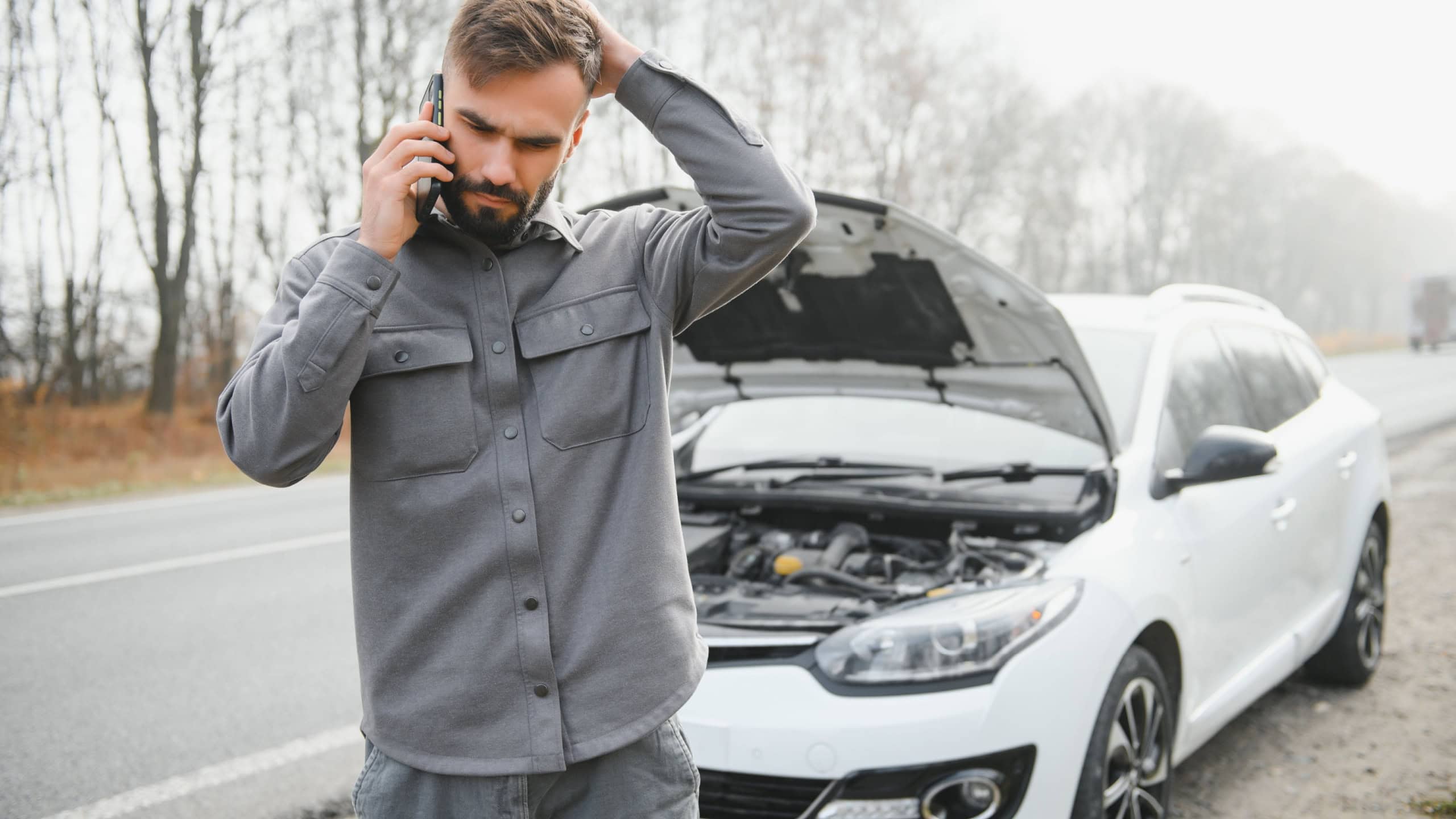
If there’s one surprise perk to moving to a small town, it’s that when somebody says they are “here to help”, they really mean it. In the city, if your car breaks down on the side of the road or you have a plumbing issue, you call a service and pay them.
In rural towns, your neighbor or another person driving by will come to your help. There is an underlying culture of looking out for your neighbor that is much stronger in rural towns. You will sacrifice some privacy but gain something far more valuable, i.e., a safety net.
You will notice that people are way more likely to drop off a plate of food, bring over a spare tool, or lend a hand when you need it because in a small town, your neighbors aren’t just people, they’re your community.
Sources: Please see here for a complete listing of all sources that were consulted in the preparation of this article.