
Despite closing down, some restaurants never left our shared memory, and here are fifteen restaurant chains that closed across Canada that we still miss.
The booths, the mugs, the red-check feel

Mother’s Pizza was hardly a small chain because, at one point in time, it actually had around 120 locations across many different countries. The chain started in Hamilton in 1970.
What really got customers interested was the way it had a slightly over-the-top dining room style, thanks to those stained glass lamps and heavy mugs. But that wasn’t enough to keep it afloat.
The original company collapsed into receivership by 1989, mostly because the chain expanded too quickly. There was a revival later that kept the name alive in Ontario for a few years, yet the final location ended up closing in 2019. We wish it had come back.
For a while, every mall seemed to have one

Going to MMMuffins almost felt like it was part of the mall experience itself. After the first location appeared in 1979, it didn’t take long for it to become one of those places you’d take for granted at every Canadian mall.
Until one day, it wasn’t there anymore. Only two locations remained in Canada in 2019, and these final few locations disappeared not long after, finally ending MMMuffins’s reign as a mall staple.
The days when it was the best place for coffee and something warm to eat were over.
Downtown lunch lost one of its old standbys

Canadians who worked downtown probably remember seeing Richtree at one point or another. No, it wasn’t a food court, and no, it wasn’t a traditional restaurant either. It was more like a cafeteria that came with live cooking stations.
During the chain’s peak, it had around 11 locations across Eastern Canada, and while that might not seem like much, anyone who’s been there knows how great their food was.
The last Richtree location closed on March 9, 2020, in Toronto’s Eaton Centre. The parent company filed for bankruptcy a little while after the closure, and that was it for the brand.
Pizza night had a very specific look there

There was a time when Frank Vetere’s Pizzeria used to be everywhere in Ontario, especially during the late 1970s and 1980s. It had over 40 locations. This included 20 in Toronto alone, with the chain really leaning into the full dine-in experience to get people interested.
Think arcade games and big salad bars, as well as branded glasses that still look great today. But it wasn’t to last. The recession in 1982 caused a lot of problems for the brand, and so did the chain’s attempts to expand far too quickly.
Unfortunately, the owners had to sell off parts of the chain, leading to Pizza Hut taking over a lot of the locations in 1984. Frank Vetere himself passed away in 2023.
The road-trip buffet era had a look
Bonanza Steakhouse pretty much defined roadside dining in the past, and visiting one of the chain’s locations involved working your way through a buffet that seemed endless.
The brand actually expanded to the United States. Later, ownership did change down south, yet the brand stayed in Canada for a short time before it also suffered major issues.
The last Canadian location closed in November 2010. Today, you can still visit Bonanza Steakhouse, although you’ll have to go outside of Canada to go to one of its locations.
Then the other steakhouse name went too

Ponderosa has a similar history to Bonanza Steakhouse, although its exit happened a lot earlier. It was also a much more abrupt ending. Ponderosa had nearly 150 locations across Canada until a major shakeup happened in 1985.
That was when the chain bought and converted a large group of its franchises, 36 in Ontario and Quebec, into Red Lobster restaurants. It was a bad idea.
With that single move, a huge portion of Ponderosa’s presence disappeared overnight, and the remaining franchises didn’t last for much longer. Now, there’s nothing left.
This one was famous long before modern burger chains

Let’s get one thing straight. Café Henry Burger wasn’t a chain in the usual sense, as it only had one restaurant, but it did once own a hotel, and it hung around long enough to feel like a chain for people in the Gatineau, Quebec, area.
The restaurant began in the 1920s and continued for decades. Even after multiple fires and economic issues, the restaurant stuck around, becoming one of the most famous French restaurants in the area during the early 2000s.
It supposedly served every Canadian prime minister who was around during its existence. Sadly, after 83 years in business, the restaurant closed in 2006, never to return.
Family dining looked different when this was around

You might be surprised to learn how far back Murray’s Restaurants goes, as the first one opened in Toronto in 1924. The chain had 17 locations across Ontario and Quebec by 1938.
In fact, it seemed like the chain was going from success to success, as the number of franchises kept increasing. It remained a big part of the Canadian restaurant scene during the late 1970s.
But the chain closed all of its restaurants in 2009, and despite attempts at a comeback, it remained shut.
A rough time after 2020
The pandemic caused issues for all kinds of industries, especially hospitality, and Tucker’s Marketplace is a great example of that. It tried to carry the buffet restaurant format into a new era, but then the pandemic hit.
Originally, the brand came from the earlier idea of Mother Tucker’s, and it ran for years in Ontario, until the pandemic changed things. The company announced it would be permanently closing in June of that year.
It was quite shocking news for some customers to hear, as the chain had been around in one form or another since the 1990s.
For a while, Canadian Tex-Mex had this face

Chi-Chi’s really tried to give it its all in Canada, despite being part of a much bigger North American chain. It ran several well-known places in Winnipeg.
Unfortunately, its larger structure was a big factor in its downfall, as the North American chain had serious economic troubles during the early 2000s. It filed for bankruptcy in 2003, with a major health crisis occurring in the same year, too.
All remaining Chi-Chi’s locations in Canada closed the following year. The brand has been partially revived in the United States, but there’s no word on that happening in Canada as of yet. Hopefully, we’ll get it back soon.
Even ice cream chains can disappear fast
Partnerships with Tim Hortons were part of Cold Stone Creamery’s strong push into Canada. It actually had around 100 locations in the country by 2011, although things wouldn’t stay that way forever.
Tim Hortons announced in 2014 that it was going to remove Cold Stone products. It seems that Timmy’s was propping up a lot of the business, as Cold Stone Creamery’s presence practically disappeared not long after that.
It was entirely defunct by 2017.
The wings chain didn’t last here
You’d be forgiven for thinking that Buffalo Wild Wings would stick around, especially given how popular sports bars normally are. The chain actually expanded into Ontario because of its early success.
However, the momentum didn’t hold, and it ended up closing its remaining Canadian locations by June 2023. It exited the country entirely soon after.
There’s no word exactly on the cause for their closures, but we can guess that it was probably financially related.
The coffee-and-doughnut fight ended badly
Dunkin’ Donuts had quite a serious run in Canada. After all, it had around 210 locations in Quebec alone, something that’s quite difficult to imagine today because there are no more left.
Things started changing during the 2010s, with only three stores left in the country by 2017. These closed down the following year.
With the final store’s location, Dunkin’ ended its 57-year-long presence in the country, although that wasn’t the end of the story. Quebec franchises took legal action against the brand and won, receiving damages after claiming that the company didn’t keep up with its competitor, Tim Hortons.
The building gave it away right away
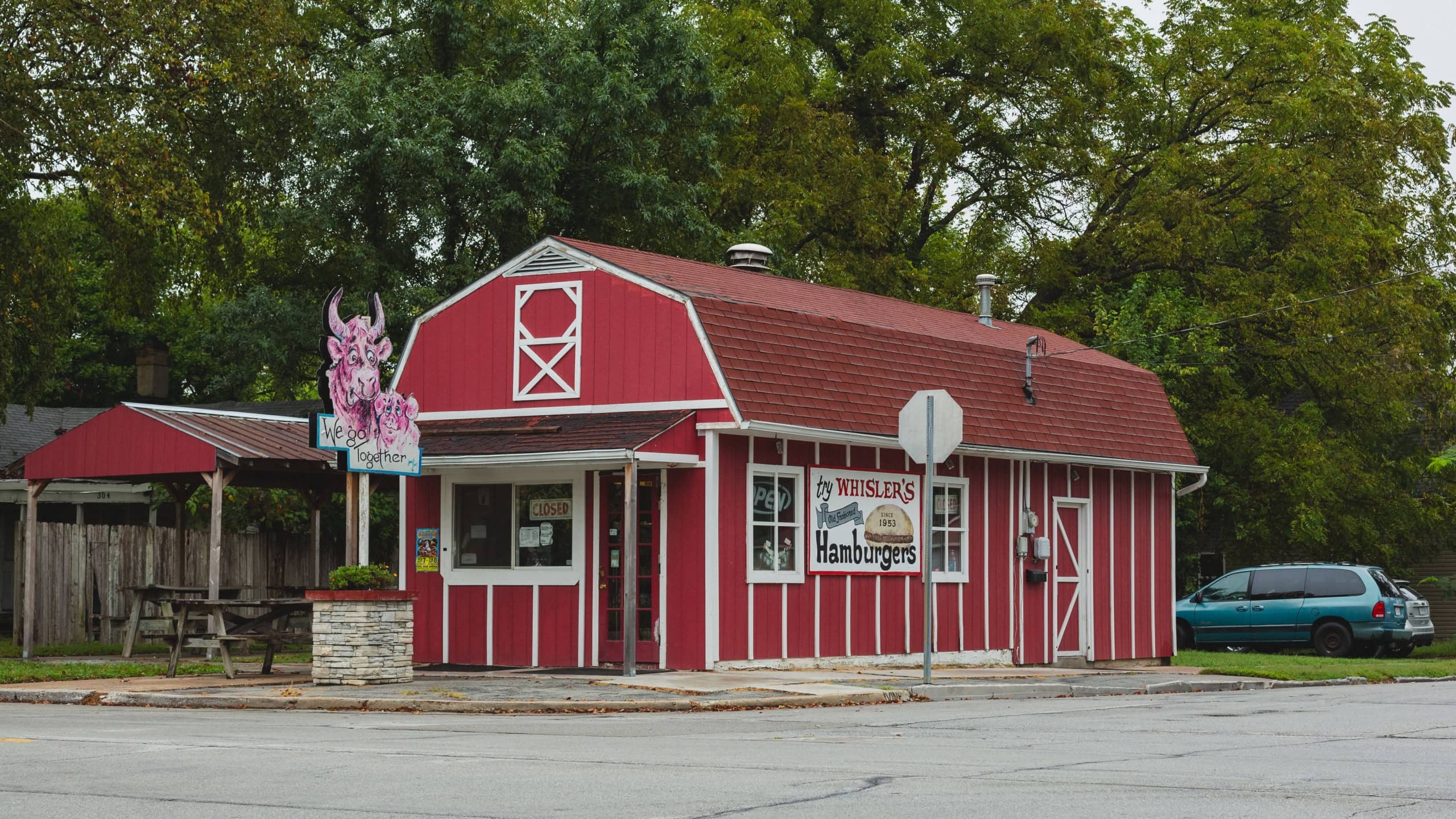
Red Barn was one of those places that you didn’t need a sign to recognize. No, the buildings looked like barns, right down to the color, and it was pretty easy to spot them from the road. It wasn’t long before the chain made it to Canada from America.
The chain had locations in places like southern Ontario and Ottawa, with newspapers also covering its expansion in 1968. But as with all good things, the success came to an end.
The change of ownership and disappearance of advertisements led to several locations shuttering, mostly because the chain didn’t renew its franchise deals. By the late 1980s, the name had gone entirely.
Mall meals used to come with this name
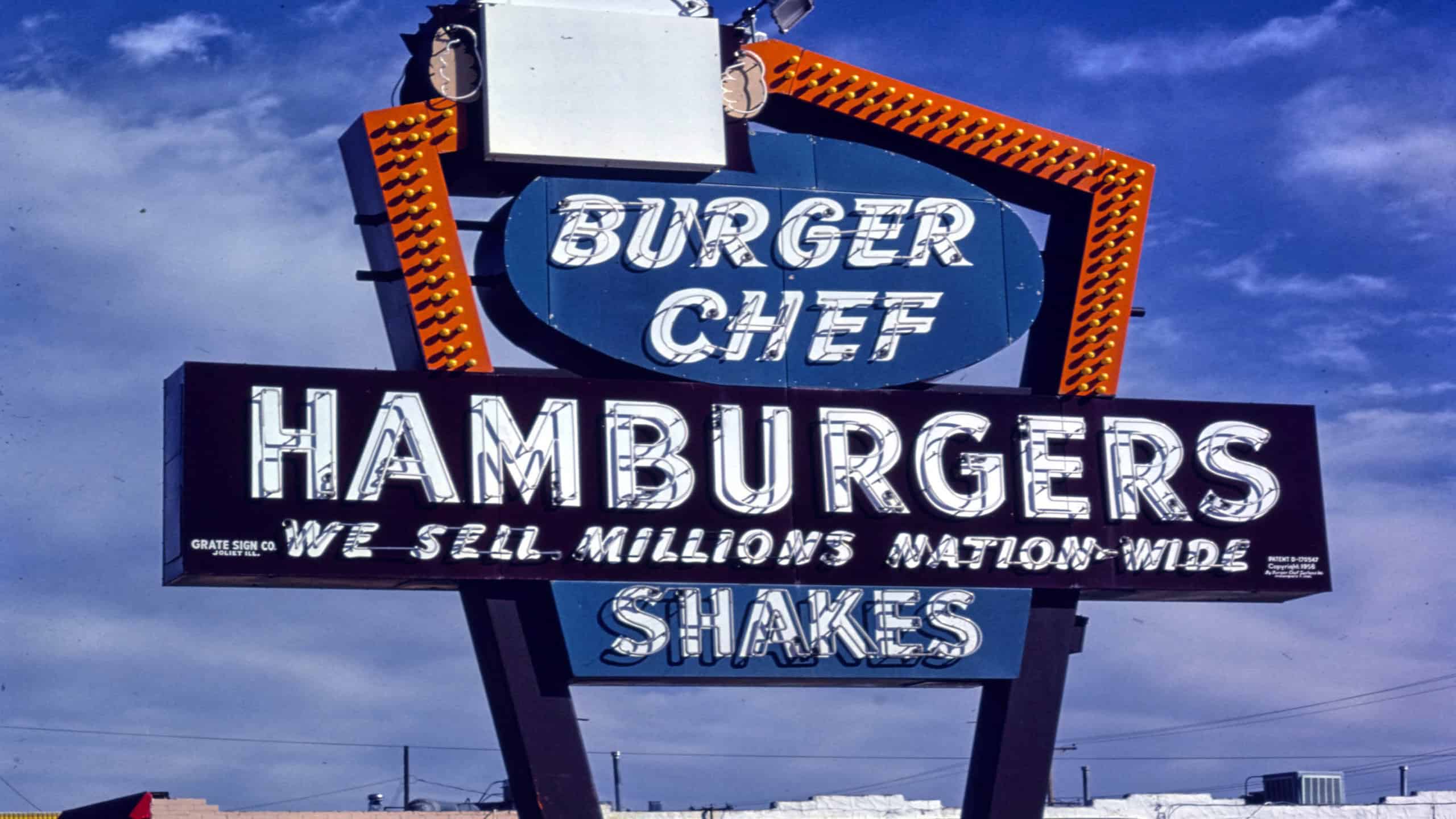
The 1970s were a great time for Burger Chef, as it began growing quite clearly after opening one of its early international spots in Hamilton. It had a real presence in Canada for quite a while.
Sadly, the following decade wasn’t as good for Burger Chef, and the brand was first sold to General Foods before control moved to Imasco. It seemed like a smart decision because Imasco already had restaurant interests.
But that’s not what happened. A lot of the remaining locations were converted into Crock N’ Block restaurants, with the name itself disappearing soon after.
Sources: Please see here for a complete listing of all sources that were consulted in the preparation of this article.