You’d be surprised at how many ‘American’ things are actually Canadian, and here are twelve Canadian innovations the U.S. has tried to take credit for.
It started with a gym class

So many people assume that basketball came from an American sports league or college system, but that’s simply not true. Ontario-local James Naismith invented the game in 1891, and he studied at McGill before moving to Springfield, Massachusetts.
Apparently, he was asked to come up with an indoor winter activity.
He invented basketball. Later, the game exploded through American schools and the NBA, leading to it being lumped with other American sports.
But the truth is that it was created by a Canadian instead.
The breakthrough happened in Toronto

Despite what you might’ve been told, insulin didn’t simply appear as part of a general North American push. The big breakthrough happened in 1921 at the University of Toronto.
Together, Frederick Banting and Charles Best worked in a lab led by John MacLeod, eventually figuring out how to isolate insulin.
They later refined it to use as a sort of medicine. Today, people talk about it as a broader American-driven pharmaceutical story, yet in reality, the original discovery is linked directly to Canada.
The giant screen came from here
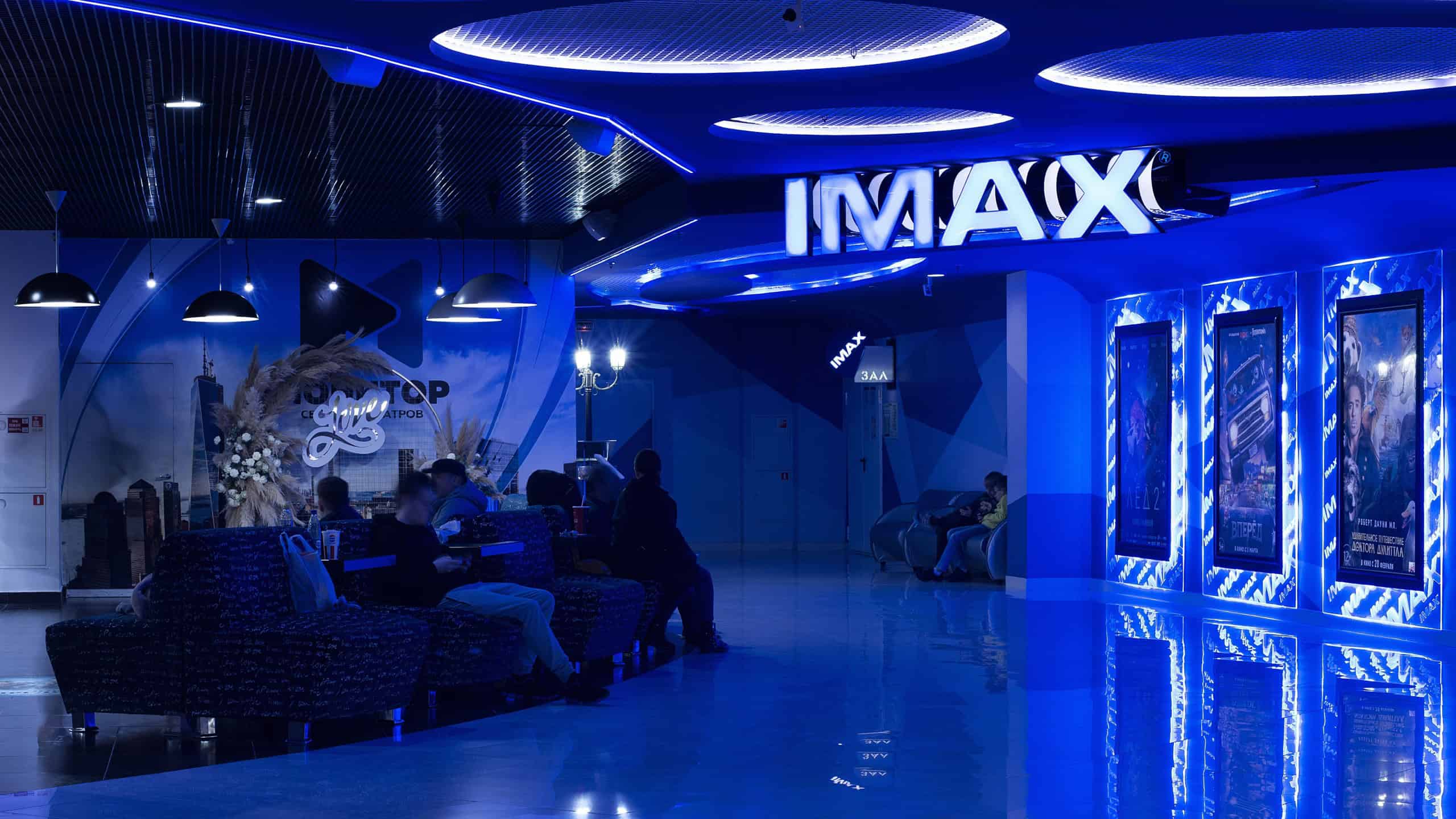
IMAX is a huge part of Hollywood today, but the story behind its invention didn’t actually start there. A group of Canadian filmmakers, like Graeme Ferguson and Roman Kroitor, built the first IMAX screen after they were experimenting with large-format film around Expo 67.
Their company was based in Toronto.
These days, IMAX is practically everywhere in American theaters, and it’s been so connected to big American movie releases that you might assume that it came from that system.
But it really comes from a bunch of Canadian film engineers who were trying to fix a technical problem.
The code came from a Canadian mind

Normally, people assume that Java originated in Silicon Valley because it was developed at Sun Microsystems. But, technically, it counts as a Canadian invention.
The person leading Java’s creation was James Gosling, who grew up in Calgary and studied in Canada before moving into the American tech industry.
It was during the 1990s in America that he built and released Java. That’s why people tend to assume that it’s American, even though the lead creator behind Java is actually someone who was Canadian-born.
The famous slice was born in Ontario

You’d think that Hawaiian pizza comes from Hawaii, or at least somewhere in the United States. But you’d be wrong.
Sam Panopoulos created the dish in 1962 at a restaurant in Chatham, Ontario, and he added canned pineapple to pizza to create something different. The dish stuck around.
Since pizza culture is so closely tied to American chains and branding, people believe it’s American. The name doesn’t help either, although that’s more to do with Panopoulos using a Hawaiian can of pineapples than anything actually American.
It’s a completely Canadian mix of sweet and savory.
The better-known version took shape in Montreal

You can trace the modern version of the Wonderbra back to the Canadian Lady Corset Company from Montreal, as they were the ones who developed and perfected key designs.
This includes the Dreamlift 130. It wasn’t until much later, during the 1990s, that the brand took off in a big way in the United States.
That’s why so many people associate it with American fashion, despite the fact that the design that made it recognizable came from Canada originally. Who knew we were so important for fashion?
One half of the hero came from Toronto
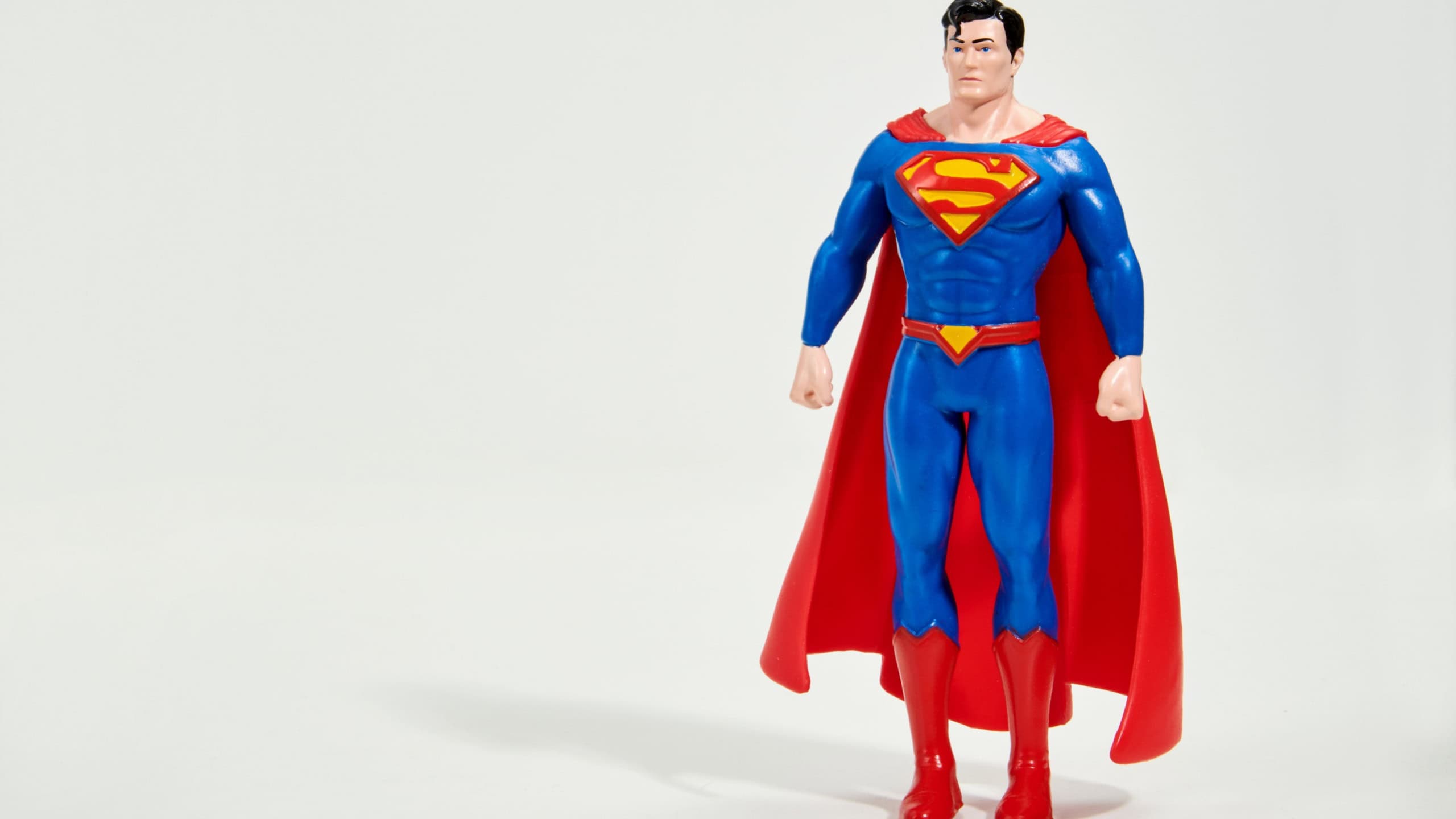
Honestly, Superman feels like one of the most American characters ever created. But the truth is that one of the two creators, Joe Shuster, was born in 1914 in Toronto, and he later moved to the United States.
He developed and published the first Superman comic with Jerry Siegel.
Superman was created in the United States, but technically, Canada had a big part to play in his origin story.
Sadly, it’s not a detail that gets much attention, even from devoted comic book fans.
The spread got a Canadian upgrade

Given how American peanut butter seems to be, you’d be forgiven for thinking that it comes from there, too.
However, the version that most people recognize today owes something to the Canadian chemist, Marcellus Gilmore Edson, who patented something very similar to peanut butter in 1884.
His patent was for a smooth, peanut paste that had a butter-like consistency. Sound familiar?
It was thanks to later American figures that the invention became commercial and more widely available, although Edson had the original patent. We likely wouldn’t have the modern version without him.
Search began at McGill

It’s hard to imagine today, but there was once a time before Google or even web directories. Instead, there was something called Archie, which was created in 1990 by Alan Emtage at McGill University. It worked by indexing public FTP archives.
As a result, it worked as one of the first real internet search tools, long before we had anything close to Google.
Modern search engines are dominated by American companies, and a lot of people treat Archie as though it were a forgotten early experiment. But it wasn’t.
It was the first step towards searchable internet content, and it happened at a Canadian university.
The Canadian smartphone
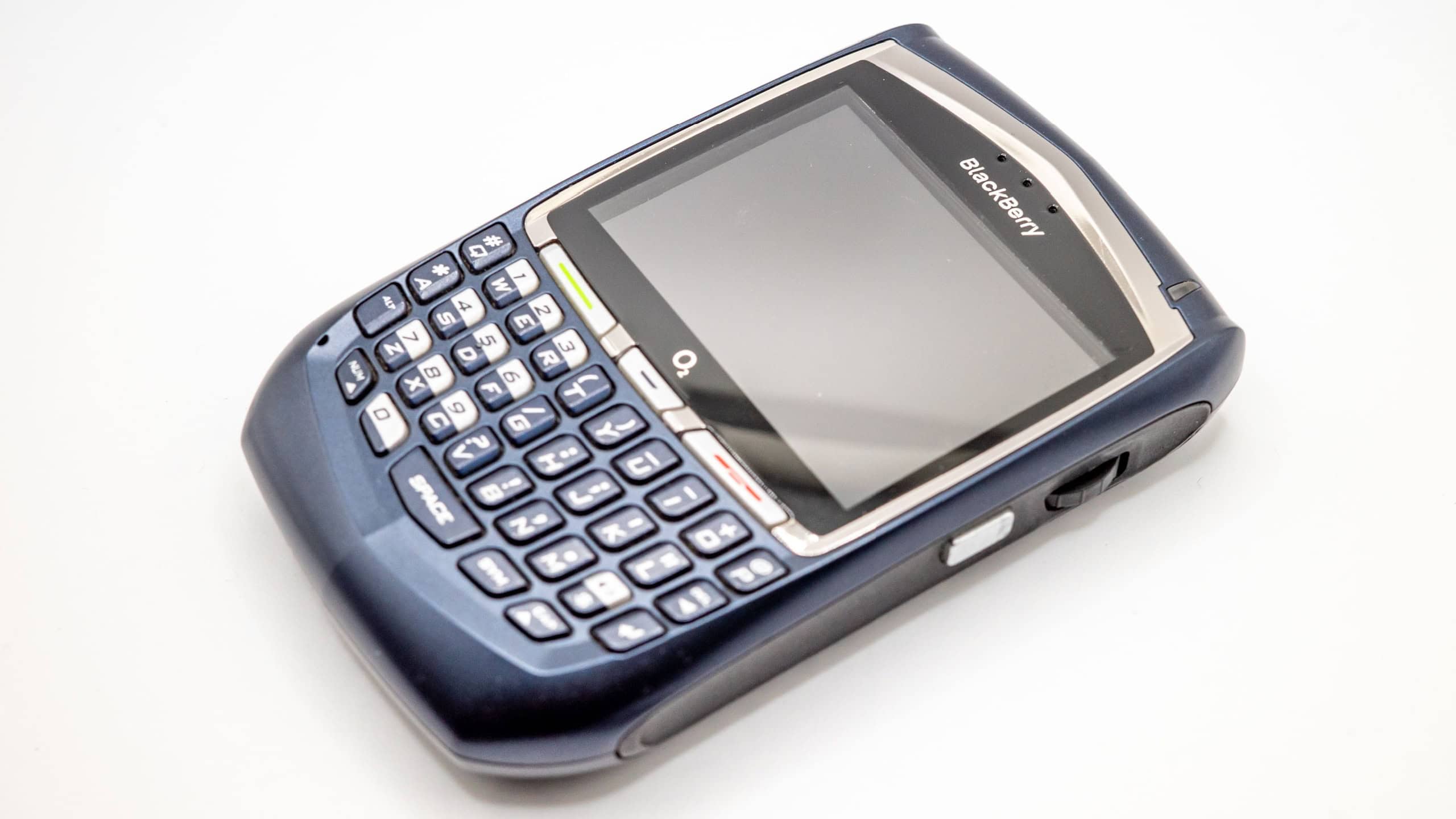
BlackBerry smartphones are nowhere near as popular as they once were. Yet in the years prior to iPhones and Android devices taking over, these smartphones were everywhere, especially in business and government.
Research In Motion developed the phones in Waterloo, Ontario, and Canadian businessman Mike Lazaridis had a big role to play in that.
But then American tech companies dominated the smartphone market. Soon enough, people started assuming that BlackBerry was an American invention, just like the iPhone, although the truth is that it’s from somewhere a little more northern than that.
The early calls ran through Ontario
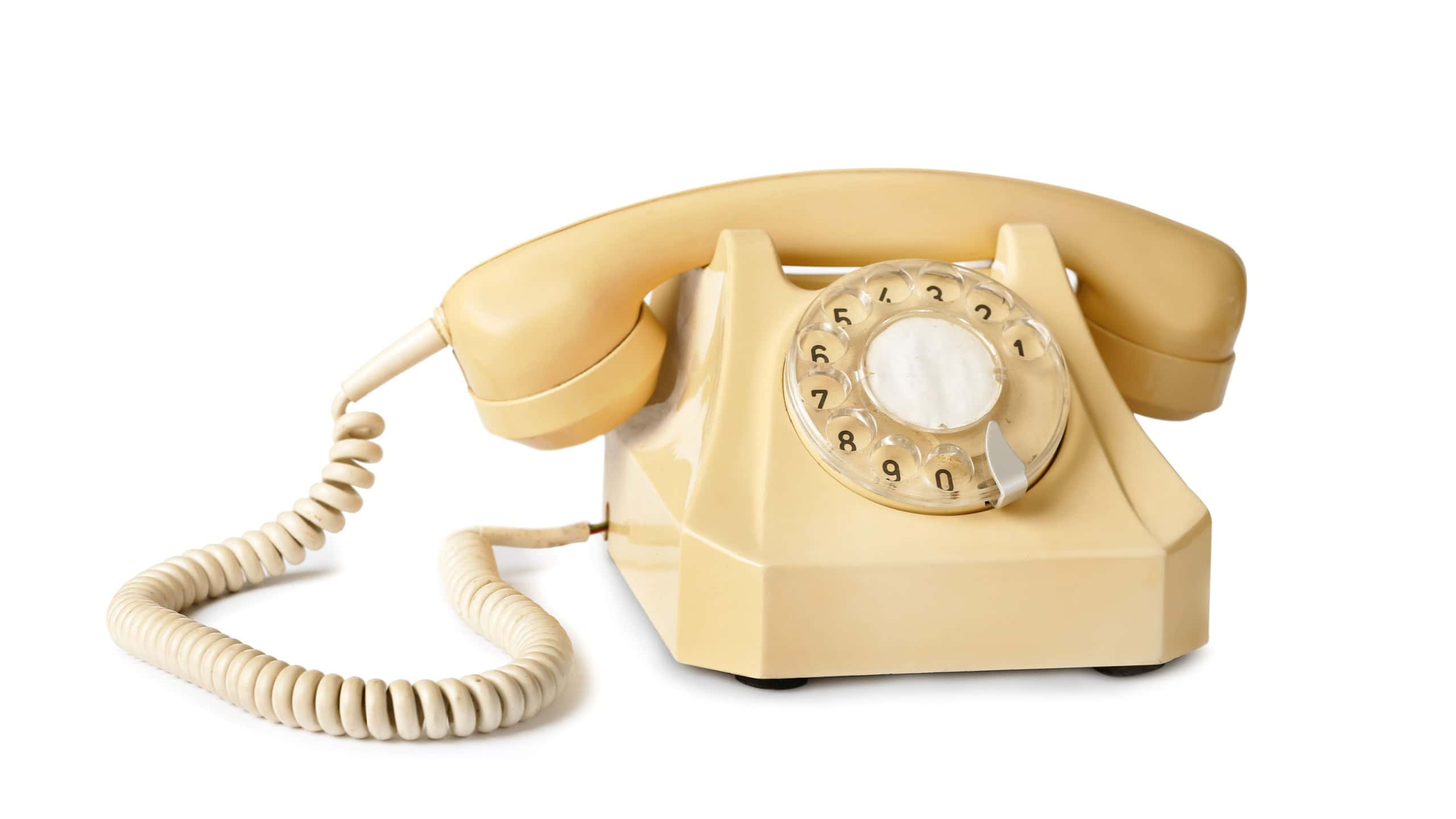
That’s not all for phones. Most of the time, people associate the telephone with the United States because that’s where Alexander Graham Bell patented it, despite the fact that the actual development behind it was in Canada.
Bell spent time in Brantford, Ontario, working on some of the most important ideas for the phone in 1874.
He then carried out early demonstrations, although quite a few people drop that side of the story. They focus on how the patent and business side of the phone was handled in the United States.
Yet the early groundwork for long-distance communication is something you can trace back to Canada.
The light bulb story didn’t begin and end with Edison

Yes, the common version of the light bulb story starts and ends with Thomas Edison. But that ignores the fact that there were earlier patents, including those by Canadians Henry Woodward and Matthew Evans.
They patented an incandescent lamp design using carbon in a gas-filled glass tube in 1874.
Later, though, they sold their patent rights to Edison, who improved the design and managed to commercialize it.
He might be recognized for creating the first successful light bulb, but Canadian inventors were an important part of the earlier work.
Sources: Please see here for a complete listing of all sources that were consulted in the preparation of this article.