A lot of traditions go beyond where they start, and here are fourteen Canadian traditions that the world is adopting.
It started with a plate

It’s no secret that Poutine is as Canadian as they come, and it started in rural Quebec during the 1950s. The dish was created as a quick and filling meal using whatever was nearby, including fries, cheese curds, and gravy.
But the dish has now made it across the world. In fact, the word ‘poutine’ entered Merriam-Webster in 2014 because of how popular it is in America.
You can even find it in some restaurants in France. Of course, menus still describe it as being an authentic Canadian dish, and that says a lot about how much poutine has kept its identity, even across borders.
A name sent everyone the wrong way

Surprise, surprise, Hawaiian pizza didn’t actually come from Hawaii. It was created by Sam Panopoulos in Ontario in 1962, and the name came from him adding a Hawaiian-branded can of pineapple to the pizza.
It didn’t take long for the sweet-and-salty dish to spread beyond Canada. It’s now widely available across the United Kingdom, and is especially popular in Australia, although a lot of people don’t realize it’s Canadian.
That makes it one of the few traditions that went global without the origin being clear in the title.
A school gesture kept going

Pink Shirt Day didn’t exactly start as a campaign, as it originally involved two students in Nova Scotia in 2007 asking others to wear pink shirts. These came after a young kid was bullied.
While it could’ve ended there, it didn’t, and Pink Shirt Day is now a tradition across the world, including places like New Zealand. The nation has been running it since 2009, inspired by the Canadian students, and has the same rituals.
Everyone shows up to school or the office in pink on a single day of the year. It’s one of the few times that school students have had an impact on the entire world.
A trivia night crossed borders

At first, Chris Haney and Scott Abbott had no idea that they were creating a tradition, but that’s exactly what they did with Trivial Pursuit in 1979. It somehow stuck around.
Now, all these years later, Trivial Pursuit has sold over 100 million copies across 26 countries and in 17 languages, according to the Canadian Museum of History.
People worldwide have made trivia night a regular pastime, and it’s all thanks to the Canadian invention of Trivial Pursuit. Sure, the way people play might be slightly different. But the idea is still the same.
It shows up in winter without warning

In most places, cold weather shuts things down entirely, but Canadians know a thing or two about what to do. We actually have some traditions we like to do outside in the snow.
For example, events like the Quebec Winter Carnival involve parades and ice sculptures, as well as whole days built around the cold.
Quite a few places across the world adopted this practice. For example, you’ll see versions of the winter carnival in Minnesota and parts of Europe.
Some smaller towns across the United States have also copied the same idea of focusing on winter activities, rather than avoiding them.
It happens outdoors on frozen water
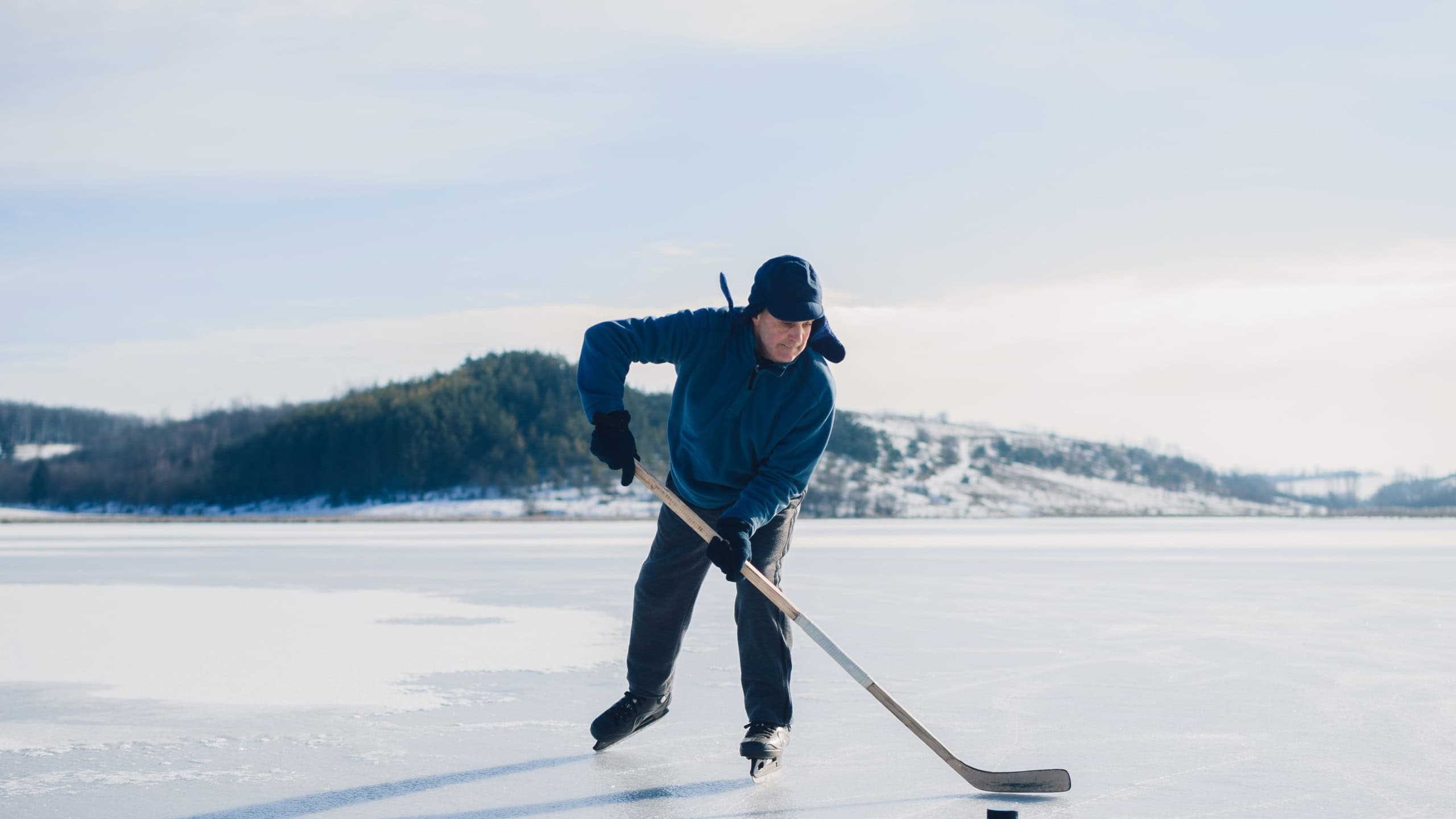
Speaking of freezing weather, there’s something so special about playing hockey without a referee or teams being official. People simply show up on a frozen surface to play.
It’s a tradition known as shinny, and it came from Canada, but it has now made it across the world.
The World Pond Hockey Championship involves teams from Europe and the U.S. competing to play their own version of the game. It’s still on the ice outdoors, and it still has simple rules.
But while it has become a formal event, the tradition has kept its original Canadian feel, and that’s probably why it traveled internationally.
It’s built into the coldest mornings

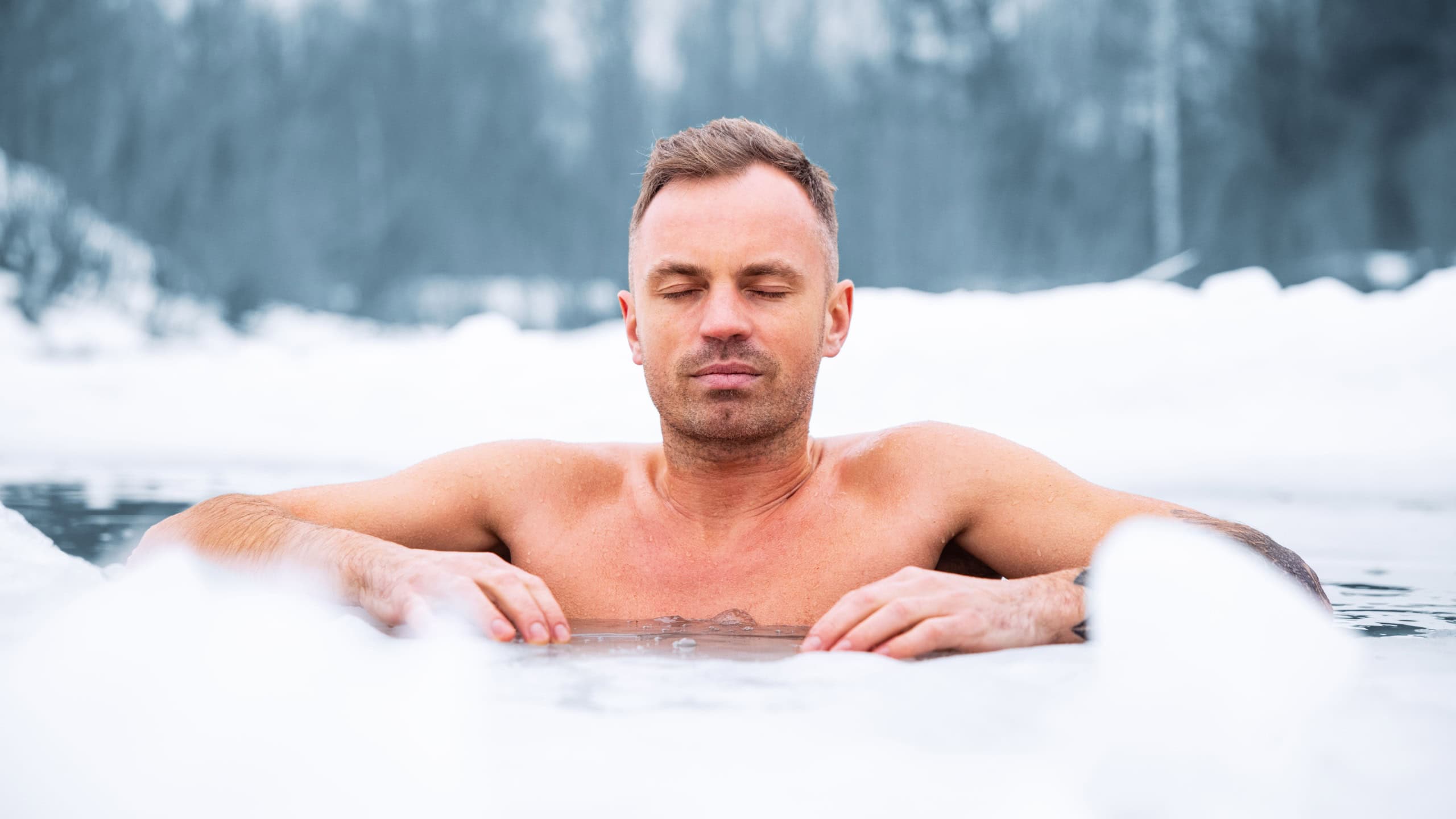
The majority of people probably don’t think that jumping into freezing water on January 1st sounds like fun. However, that’s exactly what the Vancouver Polar Bear Swim is, and it’s been running since 1920.
The timing of doing it on New Year’s morning is something that you’ll see in cities far outside of Canada, including places like New York and London.
It’s the same idea each time, of the new year and cold water, with a big group of people doing it together. Yes, it’s something that people actually plan for. It’s totally Canadian.
It repeats every year without change

Anyone who’s seen the Terry Fox Run in action knows that it’s quite an event. It still runs the same way it did in 1981, without an entry fee or minimum donation, and the only difference is that it happens across many other countries now.
Schools and embassies alike take part in the Terry Fox Run in an almost identical way, no need for rewrites.
That’s probably one of the reasons why it worked. It didn’t need translating or adjusting, and people simply copied it.
Cottage culture

Try asking someone in Canada what they’re doing on a summer weekend, and they’ll likely tell you the same thing about heading to the lake.
It’s a time to leave the city and stay somewhere quiet, then come back later.
Thanks to hit Canadian TV shows like Heated Rivalry, the idea of cottage culture has now made it overseas.
People in the United States and Scandinavia have started repeating the same tradition every year. It’s always tied to the warmer months.
Boat travel

At first, canoes weren’t built for leisure, as they were simply a way for people to travel. But that changed over time in Canada, becoming something that people do on weekends or during trips.
Our version of it, with calm water and planned routes, is something that people across the world have started doing.
You’ll find people in American national parks and in parts of Europe going canoeing as a tradition. There are even guided tours in Australia that feature people doing it.
Sure, it might simply be recreational, but there’s no denying that it’s a distinctly Canadian tradition.
Sweet treats
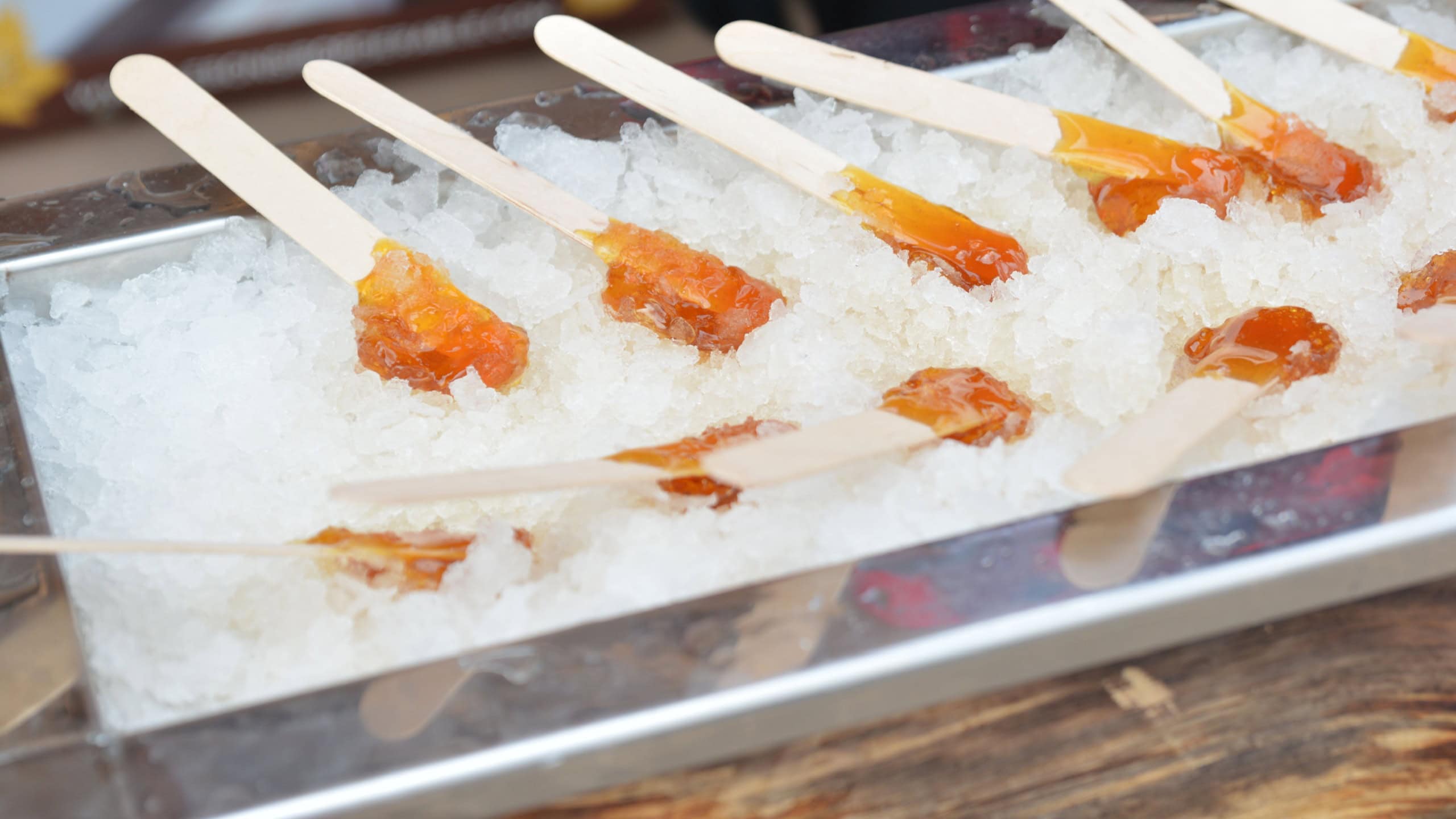
There’s quite a short window each year when the sugar shacks open, and it has more to do with temperature than any sort of fixed date. People go to eat and watch how syrup is made.
It’s that seasonal and limited structure that some groups outside of Canada have tried to recreate, especially in the northeastern United States and parts of France.
Crunching through
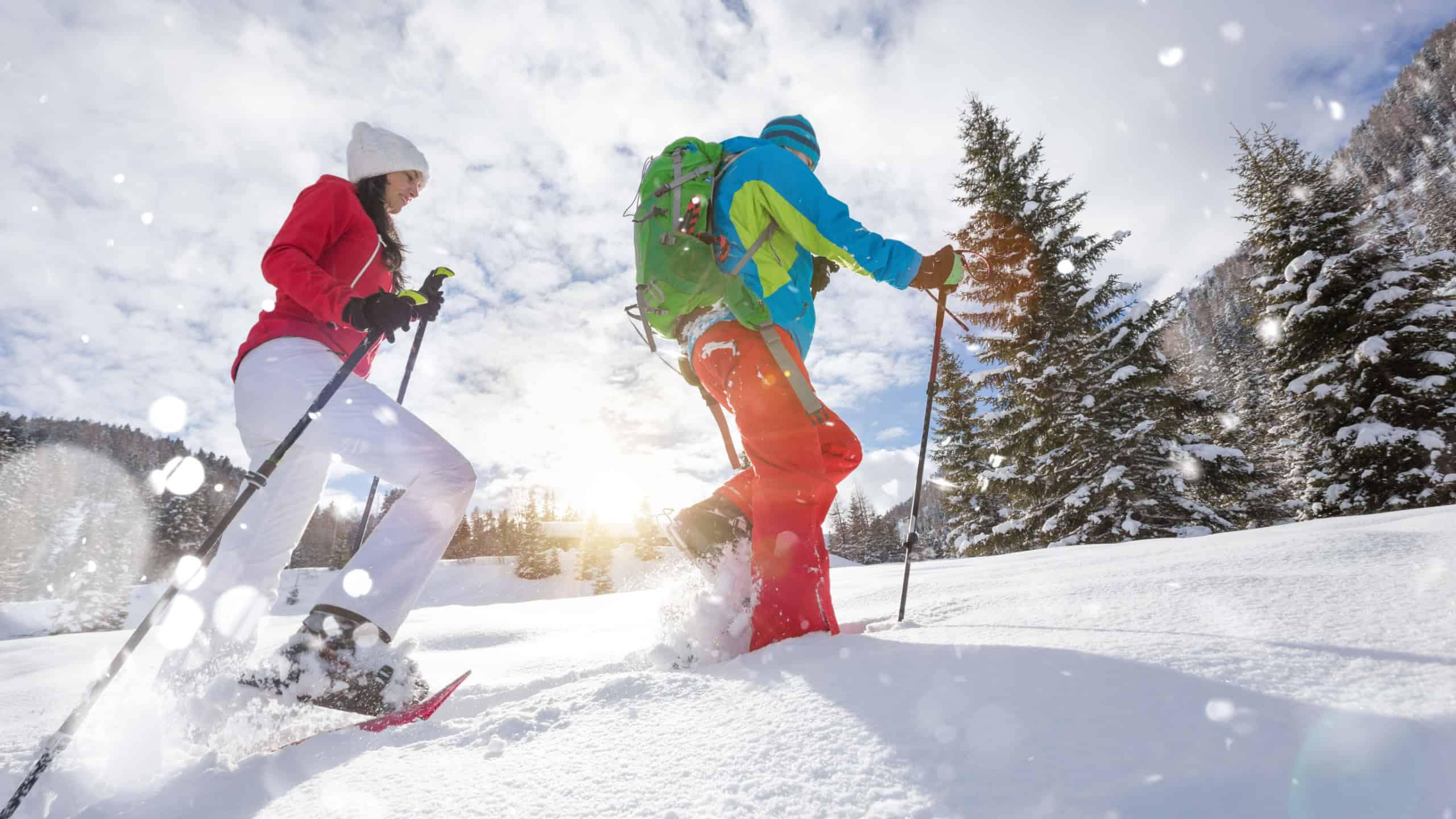
There was a time when snowshoes were nothing more than a way to get through the deep snow. However, Canadians then started doing it for no other reason than to go out, and then people in other places started doing it recreationally, too.
There are snowshoe trails in the United States, Europe, Japan, and other places. Simply put on the shoes and walk across the snow, without any need for a complicated system.
It’s that sheer simplicity that has probably made it stick around the world.
A family winter outing
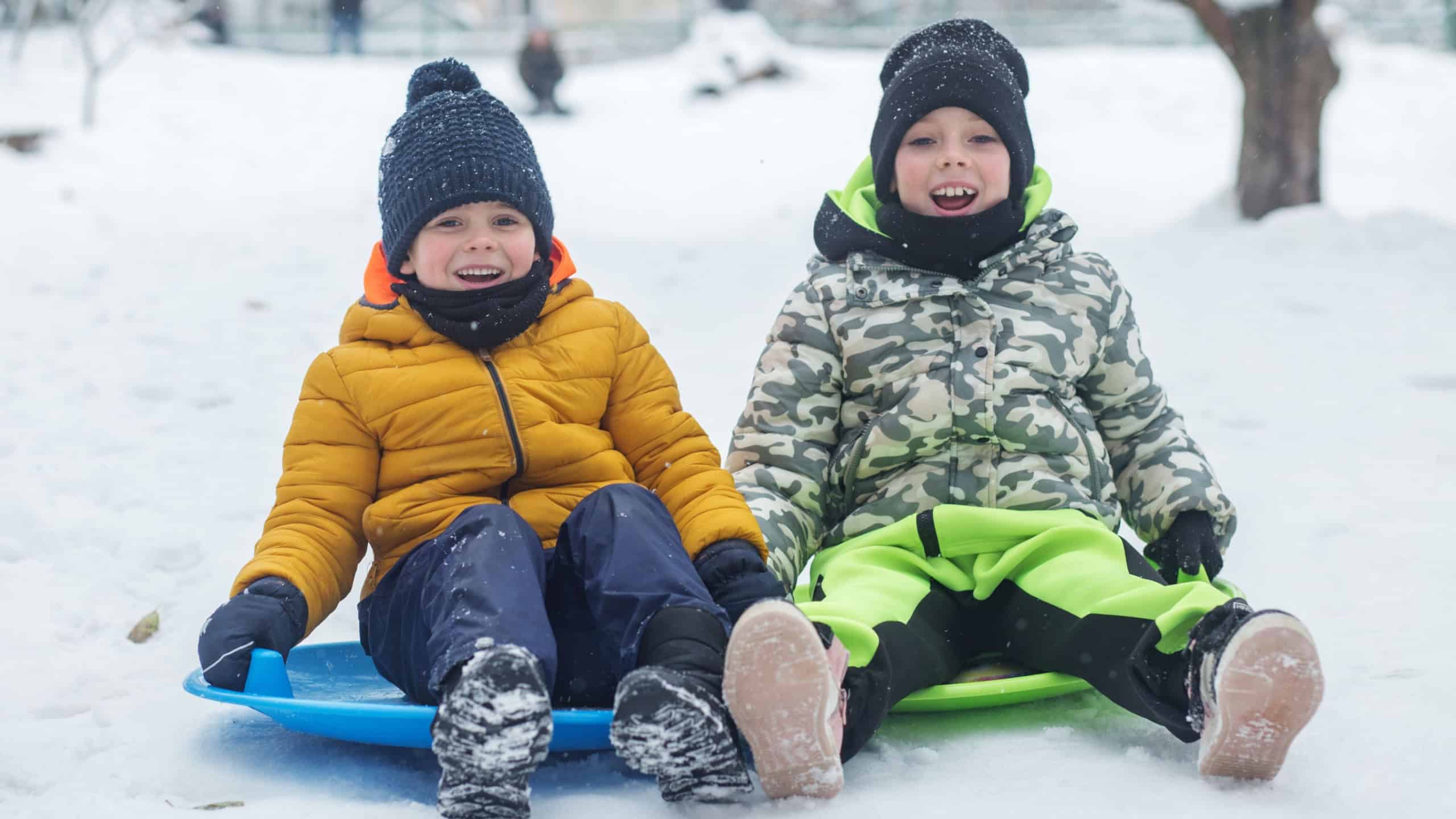
Most of the time, nobody plans sledding all that carefully, and someone brings the tools needed. Then it turns into an afternoon.
It has been a go-to winter activity for decades for kids and parents, yet it has become a rather familiar habit in many different places.
There are many families in the United States and Europe that have made it part of their winter traditions.
They’ll slide down and drag the sled up, rinse and repeat until it’s too cold or dark. The fact that such an activity doesn’t require rules or structure is likely why it carried over so easily.
The special day

You might be surprised to learn that July 1st, Canada Day, actually travels with people, as there are those in places like London and Hong Kong who also celebrate it.
Canadian communities organize full Canada Day events with the same flags and the same kind of gatherings.
People repeat it wherever they are. It turns out, our national day is something that Canadians across the world want to celebrate.
Sources: Please see here for a complete listing of all sources that were consulted in the preparation of this article.