
You might not realize it but the people from the Middle Ages had some life hacks that still make a lot of sense today; here are 10 of them.
Herb Gardens for Health
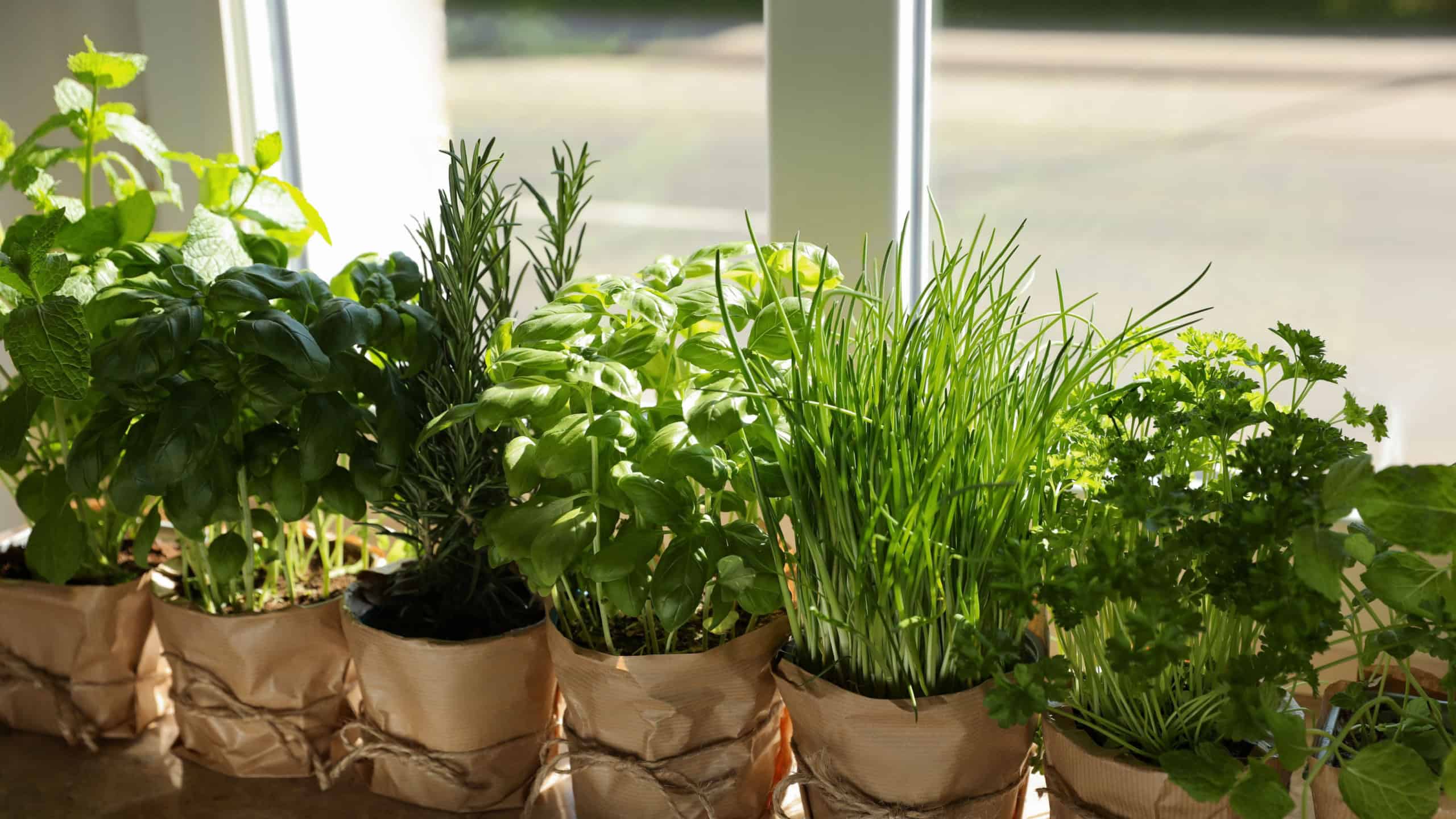
In the Middle Ages, having a herb garden was like having your own home pharmacy. Today, growing your own herbs is just as smart because it allows you to spice up your meals with fresh flavors straight from your garden.
Better yet, you’ll have natural remedies at your fingertips. For example, peppermint is great for headaches while chamomile will calm your nerves. It’s that easy.
Natural Pain Relief with Willow Bark
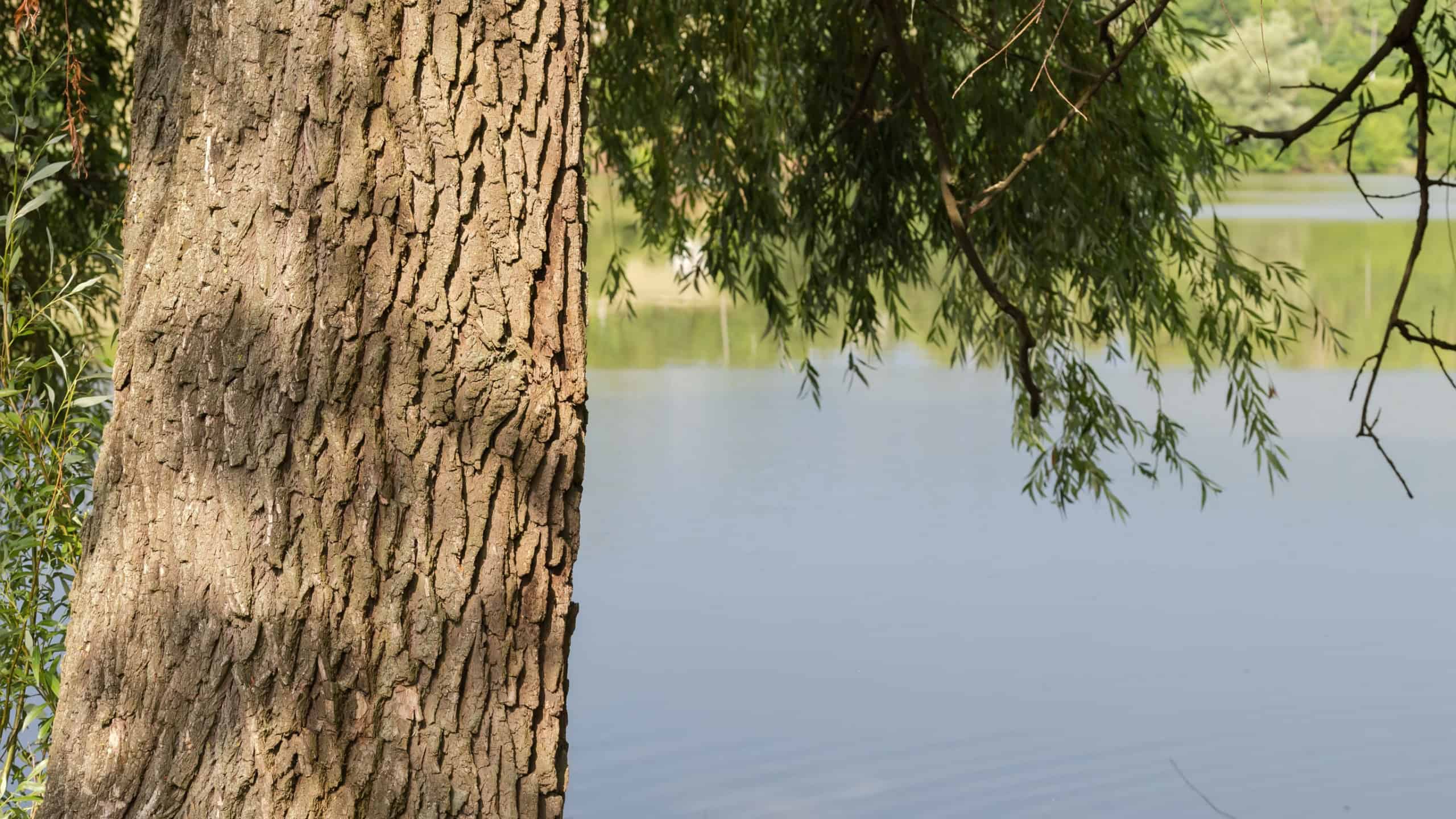
Likewise, long before pharmacies & pills, people found pain relief with willow bark. It has something called salicin in it which works almost the same as aspirin.
Next time you’re dealing with a headache or minor inflammation, try chewing on some willow bark so you can ease the pain without all those nasty chemicals.
Wool Clothing for Weather Resistance
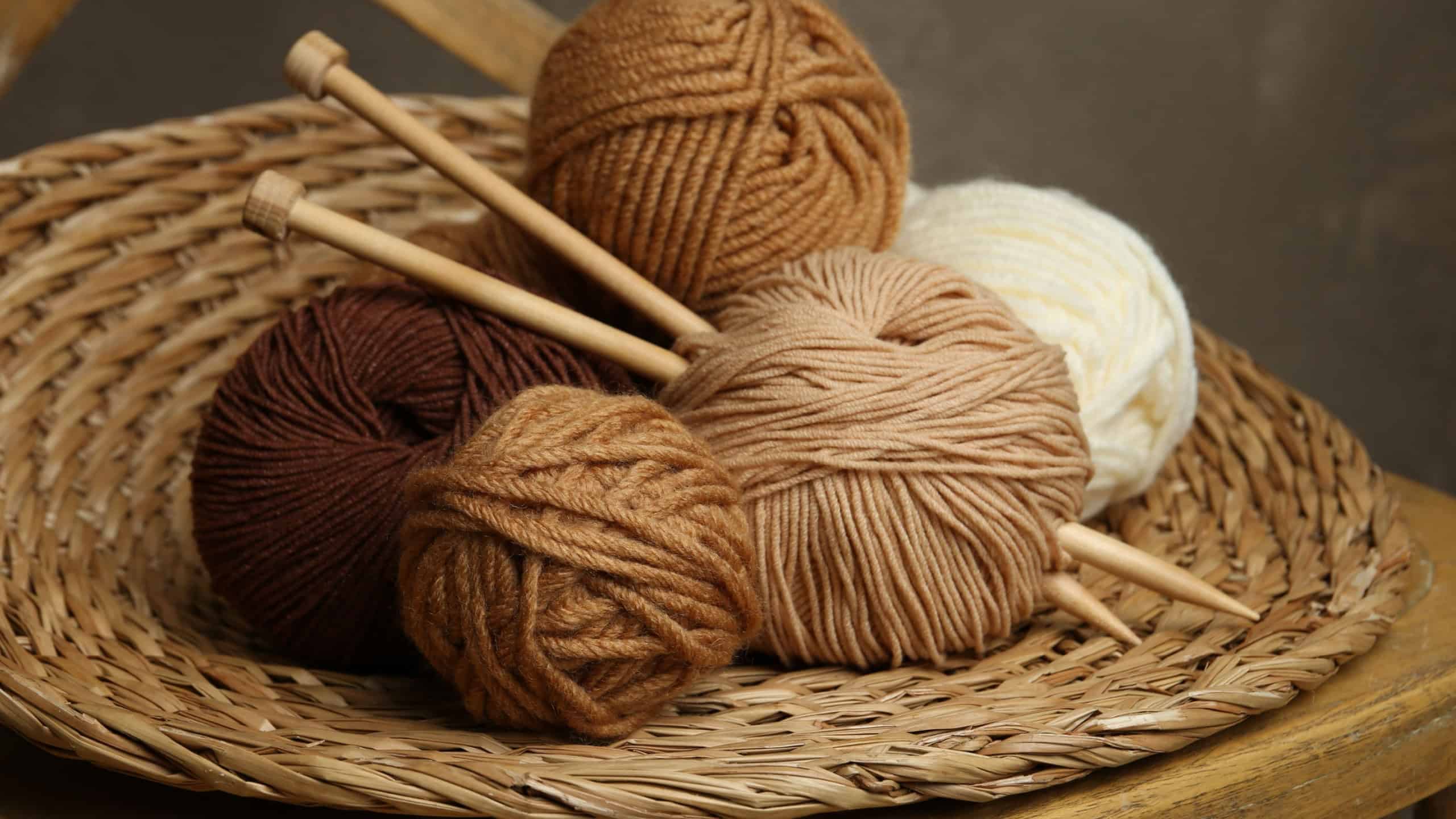
Medieval people loved their wool because it’s practical for any kind of weather. Wool keeps you warm when it’s cold & breathes when it’s hot; it’s great for year-round wear.
It also doesn’t hold onto odors, so you stay fresh. If that wasn’t enough, wool fibers are incredibly durable & naturally fire-resistant. As such, they’re a smart investment that won’t need replacing all the time.
Using Honey as a Natural Preservative

Honey is great for sweetening your tea yet it’s also a fantastic preservative, which is why people in medieval times used it to keep foods fresh longer. Putting a little honey on your homemade goodies will keep them from spoiling too quickly. And it’s all thanks to honey’s natural antibacterial properties.
Beyond this, honey has many nutrients, including antioxidants, which are good for your overall health. It’s also rather versatile.
Ale and Beer for Water Purification

Drinking water wasn’t always safe back in the day so people often turned to ale or beer. Thanks to the alcohol content, these drinks didn’t have harmful bacteria.
Of course, we’re not saying you should drink a beer instead of some good old H2O. Rather, just that the process of brewing introduces beneficial microbes that’ll help with digestion.
Thatching Roofs for Insulation

Those beautiful thatched roofs from the Middle Ages weren’t just for show—they were great insulation. Thatched roofs keep a house cool in summer & warm in winter and that’s rather great for anyone who wants to consider a sustainable home.
Better yet, thatch is biodegradable and comes from renewable materials. It’s much greener than modern roofing materials.
Reed Pens for Sustainable Writing

Plastic pens have nothing on the reeds medieval people used to write down their thoughts as they were far better for the environment.
When it’s time for a new one, you can compost the old reed—it’s great for writing and the environment. Really, reed pens give you a writing experience like no other. Each one has its own character.
Layered Bedding for Comfort

In medieval times, layering straw & cloths for bedding was how people got the perfect sleep setup.
Today, you could use layers in your bedding to feel comfortable year-round; more layers for cold winter nights & fewer when summer rolls around. It’s also far easier to clean and encourages you to refresh bed linens more often.
Fermented Foods for Gut Health

As part of their diets, many medieval people ate fermented foods and they’re making a comeback. Foods like yogurt & kefir last longer and also support a healthy gut since they contain many probiotics.
Including these in your diet will help your digestion quite a bit. Best of all, you can ferment these at home for some delicious results and more interesting cooking.
Tallow Candles for Long-lasting Light

Long before LED lights, people used candles made of tallow (animal fat). These candles burn slowly & give off a steady light so they’re great for emergencies or even if you want to make your home a little cozier.
Tallow candles are also more eco-friendly than paraffin-based candles. So go ahead, light up the night in a greener way.