
These were perfectly polite and proper behaviors back then, but now, a lot of those things would make others feel awkward, insulted, or appalled.
Calling unannounced

To drop by someone’s home or call them on the phone without notice was once thought of as a nice, spontaneous gesture of friendship and neighborliness. Now, with texting so convenient to see if someone is available, a phone call or knock at the door is considered a hostile interruption into someone’s privacy that demands they drop everything they are doing.
Serving elders

Allowing the oldest person at the table to get their food first was considered one of the cardinal rules of family dining. It was intended as a sign of great respect for their age.
Pointing out that someone is old in this way nowadays tends to embarrass them. They often don’t want to feel weak or spotlighted. They’d rather just flow along with the party atmosphere.
Clearing plates
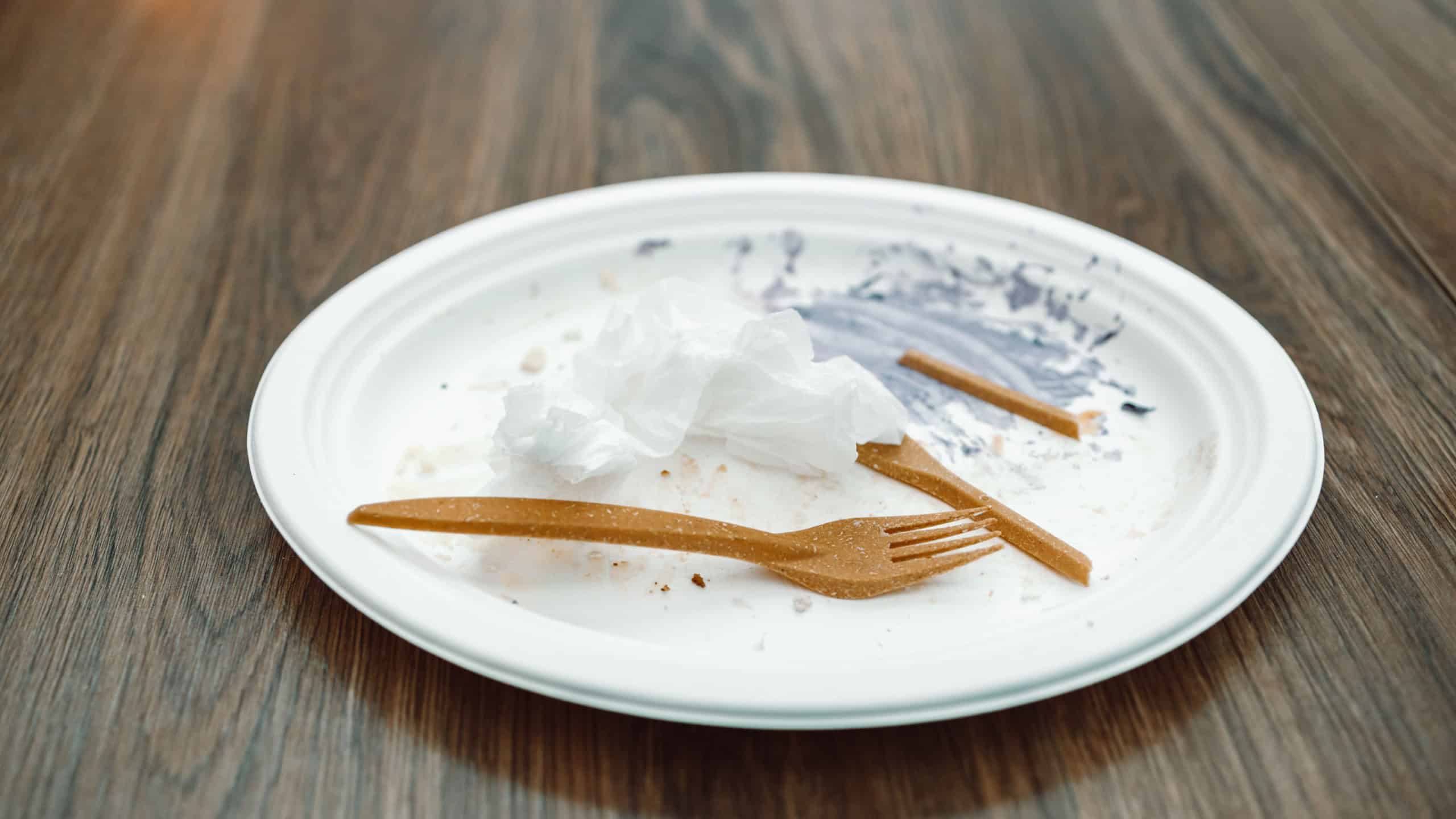
Eating everything on your plate used to be the highest form of respect you could pay a host, showing both your appreciation for the meal and your refusal to waste food.
Cleaning your plate these days can unwittingly suggest that your host didn’t give you enough food to fill you up. It can also put undue pressure on today’s eaters to ignore their feelings of fullness.
Commenting on weight

Telling someone they has put on some healthy weight was once considered a kind way of saying you noticed they looked prosperous, recovered, or well. We now know that body image is complex and individual, so calling attention to any person’s size, regardless of whether they have gained or lost weight, is triggering and crosses a boundary.
Ordering for women
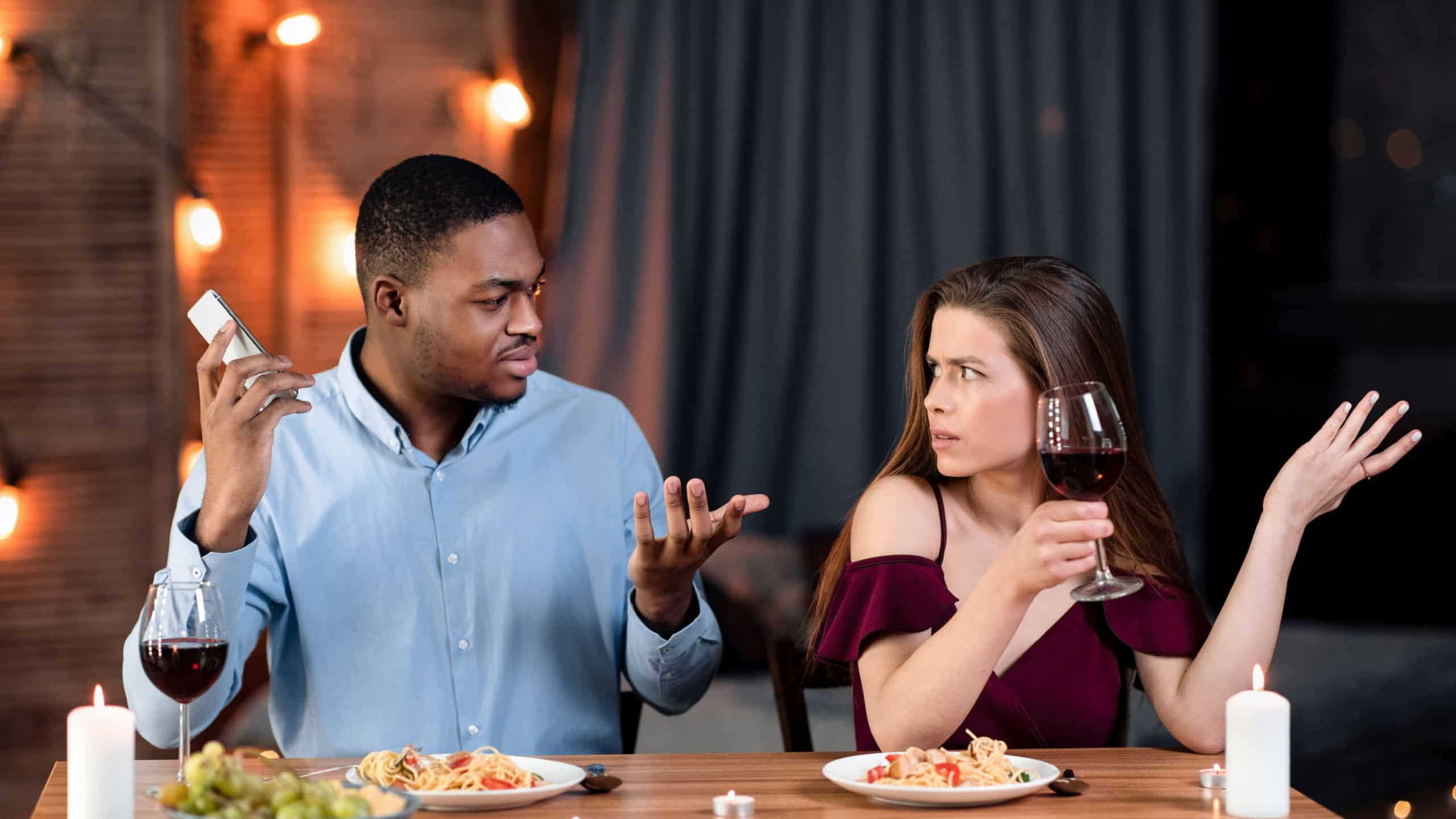
Men ordering for their female dining companions used to be considered polite, gentlemanly behavior that implied he was looking after her and taking charge.
Now, bypassing a woman’s voice at the table is extremely condescending and patriarchal, taking away her most elementary freedom: to order what she wants to eat.
Insisting on seconds

Insisting that someone take a second and third helping of food used to show hospitality and how well you could feed guests. Today, most people offer guests food or drink once and then step away.
This is because pushing more food on someone can embarrass them if they’re dealing with food allergies, specialized diets for medical reasons, or private discomforts.
Unsolicited advice

Previous generations were never afraid to give unsolicited advice to younger generations on how to live their lives, raise kids, or give advice on their careers. They thought of it as helpful and taking care of their community.
Nowadays, giving unwanted opinions is considered intrusive and arrogant. You’re telling them you don’t have faith in their decisions.
Showing up early

Showing up 15 or 20 minutes early to a dinner party or informal meeting used to show enthusiasm, reliability, and extreme respect for the host’s time.
Arriving early now is rude because it throws your host completely off-track by taking away their last few minutes of preparation and forcing them to make idle conversation with you while they work.
Indoor smoking
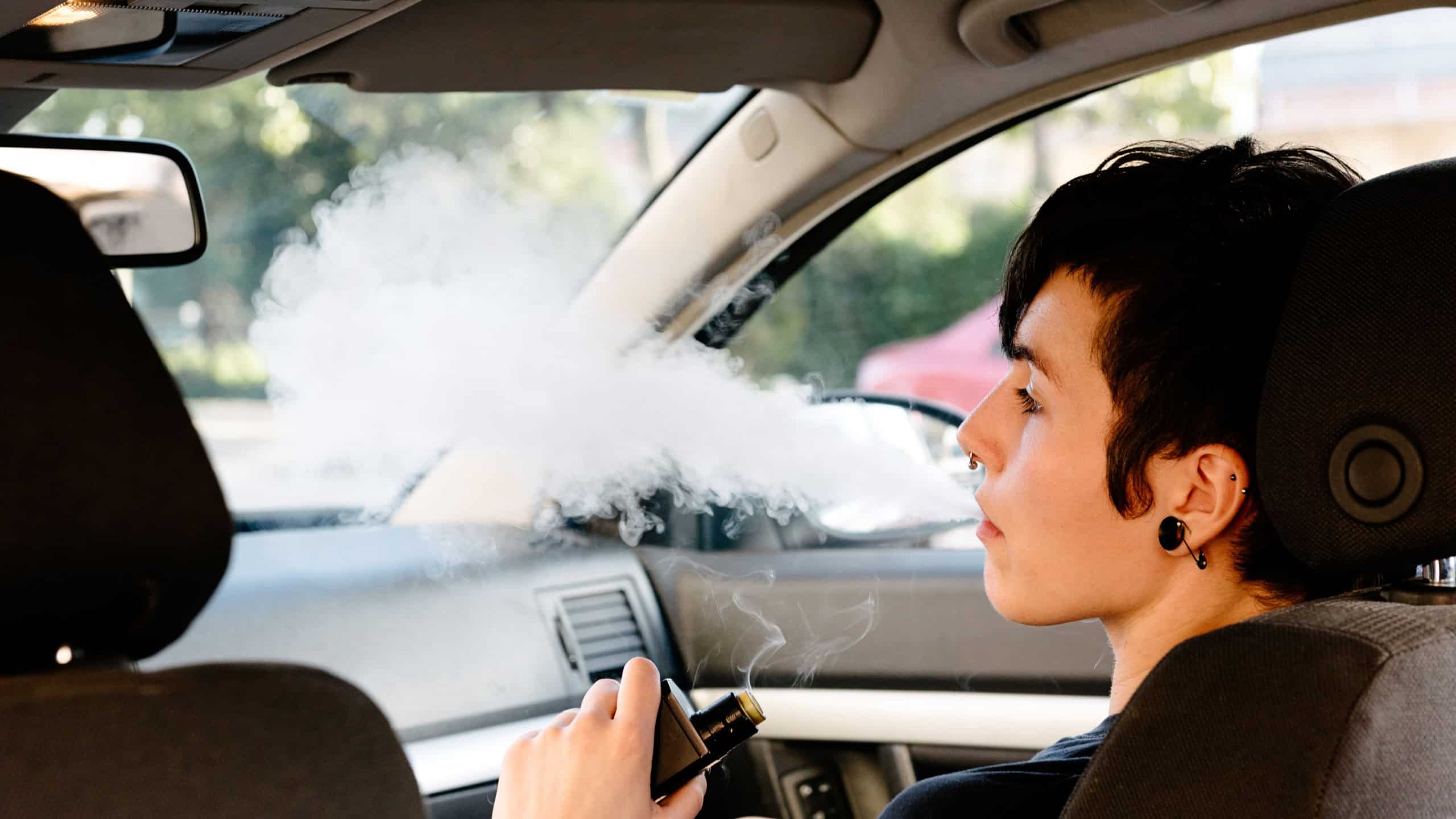
Offering a guest a cigarette and lighting it for them inside a home, car, or office was once a staple of mid-century hospitality and shared relaxation.
With recent medical studies revealing just how atrocious secondhand smoke can be to your health, lighting a cigarette anywhere near any sort of enclosed area shared by others is now considered a reckless health violation.
Standing for women

Men snapping to attention every time a woman walked into a room or stood up from the dinner table was once considered a universal sign of upper-class sophistication and old-fashioned gentlemanly manners.
Now it just seems outdated and stuffy. It creates an awkward picture that interrupts the casual atmosphere of the room and unnecessarily highlights the woman.
Opening all mail
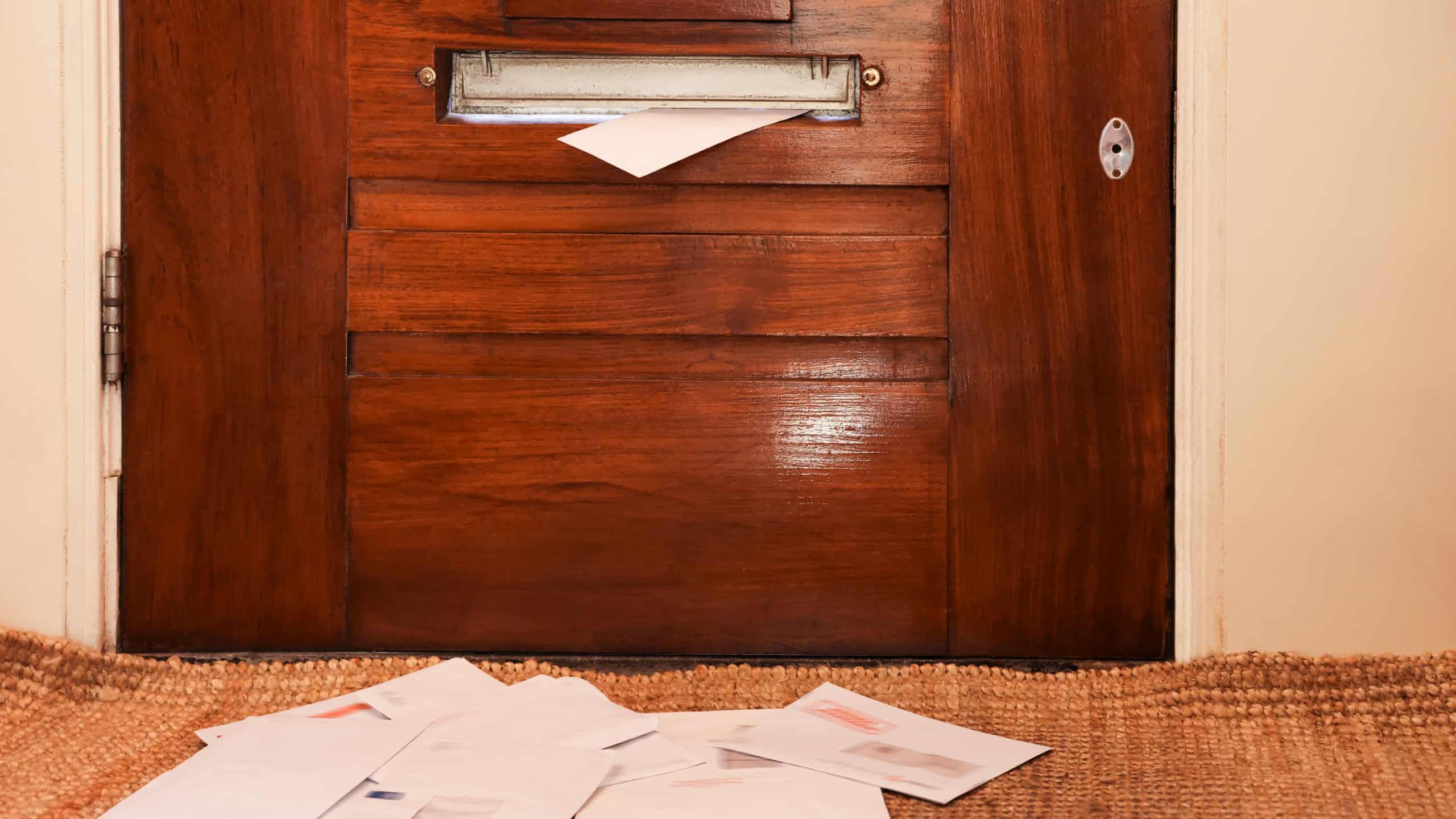
In the early decades of the 20th century, it was considered organized and protective for the head of household to open all mail that came for his family.
Now, mail is strongly associated with individual privacy, legal protection, and online identity safety. Opening someone else’s mail, if that adult has not given their permission, is a severe violation of boundaries.
Excessive formality

Addressing others as “Sir,” “Ma’am,” or by last name exclusively was acceptable and conveyed respect in casual workplace interactions decades ago.
Today, most office environments emphasize being casual and non-hierarchical, so too much formality can seem aloof, unfeeling, or passive-aggressive.
Hiding illness

Showing up to family functions, office workdays, or social events while feeling horrendously ill was once considered a heroic feat, showing your dedication, tenacity, and strong work ethic.
In the post-pandemic world, knowingly subjecting others to your slew of germs is completely frowned upon and considered very selfish, irresponsible, and completely ignorant of public health.