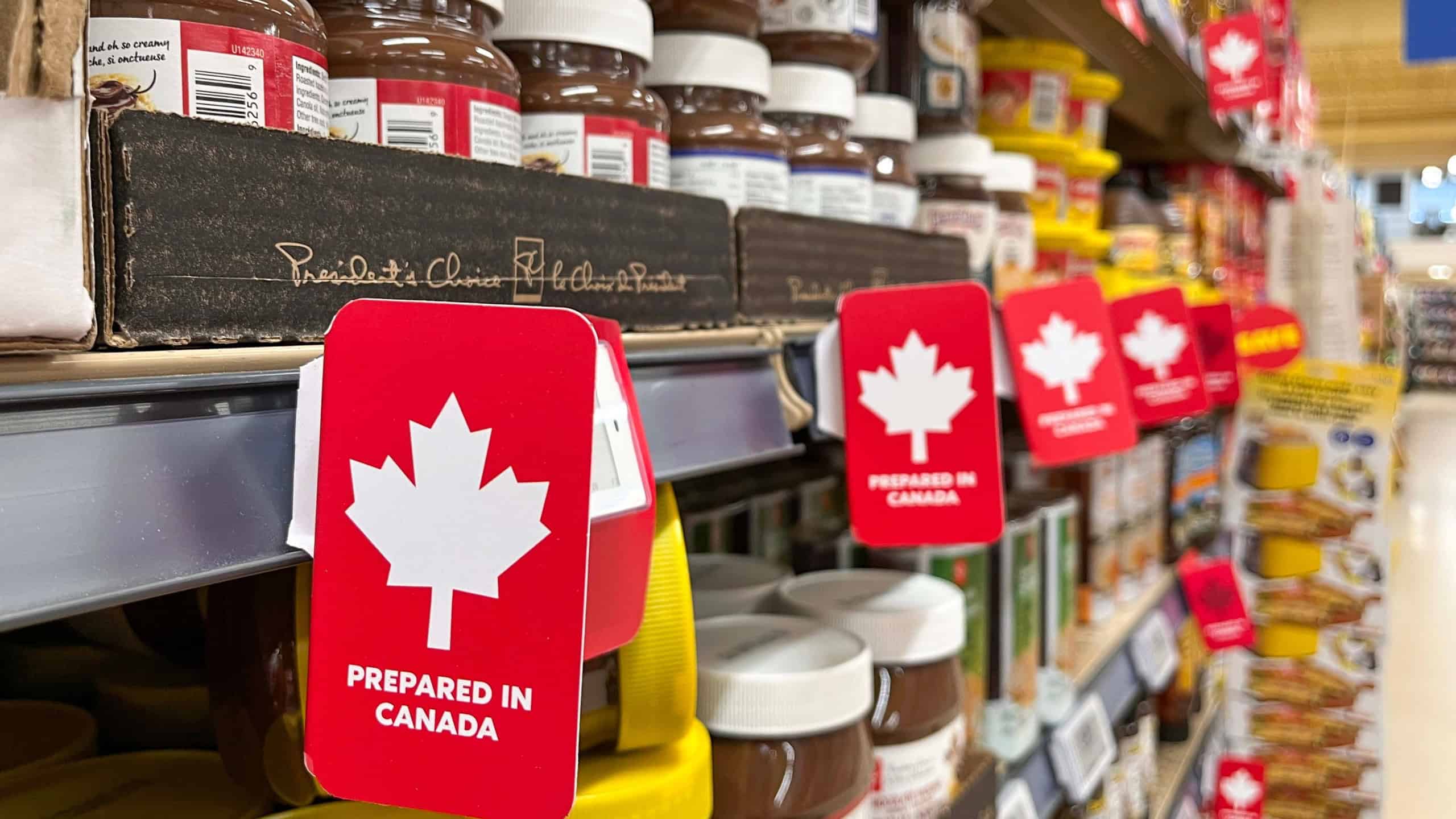
Despite what some people think, switching away from U.S. brands doesn’t have to involve giving something up, and here are fifteen Canadian alternatives that are just as good, or better.
Where the first swap gets interesting

Anyone who’s looked at Casper might’ve seen Endy right beside it, and they’re a lot closer as products than most people assume. Endy mattresses are made in Canada, and they come with a 365-night trial, for starters. That’s a lot longer than Casper’s 100 nights.
As for the quality of the mattress itself, Endy uses its own cooling foam and has a 15-year warranty.
But Casper is built in the USA. Once you compare what you actually get, it’s clear that Endy gives you a lot more time to decide whether you want to purchase without having to change the basic idea of a mattress in a box.
What sits beside the pita chips
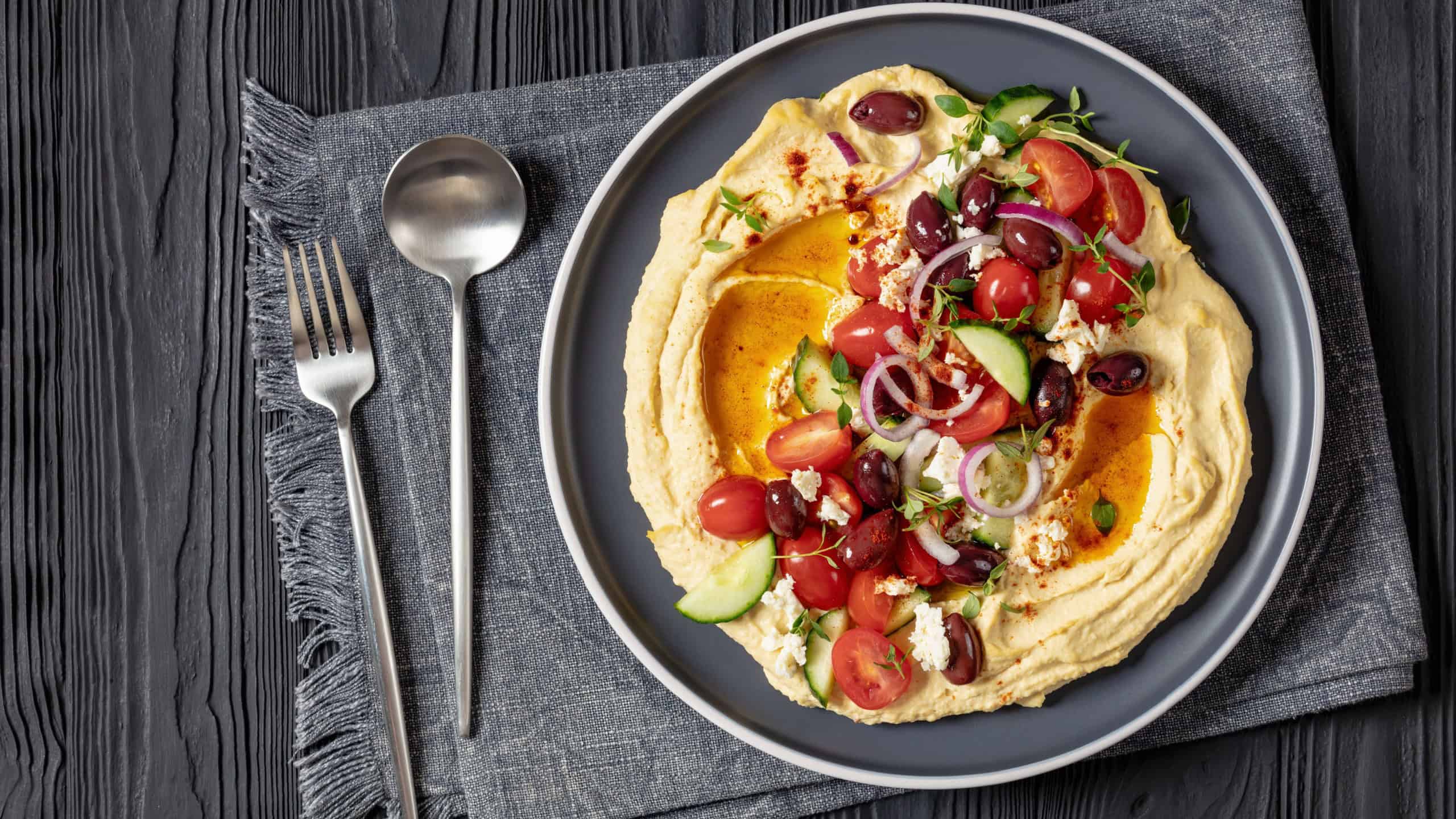
Practically everything looks the same in the hummus aisle, and that’s why so many people miss the Canadian brands that exist there. Summer Fresh is one of them. Not only is it Canadian-owned, but it also uses Canadian chickpeas, which is quite different from the US-based Sabra.
Summer Fresh is located in Ontario and uses the same formula of chickpeas, tahini, and oil, although with local sourcing. You’re scooping it the same anyway, so why not go for a Canadian brand instead?
The bag that earns its place
Coffee’s something that people don’t like messing with. Yet Kicking Horse holds up pretty well against something like Starbucks Pike Place, especially since the former brand is 100% organic and Fairtrade across all its beans. All the beans are roasted in Canada, too.
Yes, Starbucks also uses 100% Arabica beans, but it doesn’t have the same organic or Fairtrade label across the board. You might as well get the same medium roasts with chocolatey notes from Kicking Horse.
The freezer aisle surprise

It doesn’t matter that you might feel a sense of loyalty to ice cream because there’s actually quite a clear difference once you read the labels. Chapman’s uses 100% Canadian milk and has no artificial colors or flavors. It’s also run out of a nut-free facility, so there’s less risk for anyone with allergies.
It’s not the same story with Ben & Jerry’s. They still produce ice cream at scale in Vermont, and they don’t have the same kind of controlled facility benefits, so it might be worthwhile making the switch.
The everyday thing nobody talks about

Toilet paper’s one of those things people don’t really talk about unless they have to. They often don’t. However, there are differences, such as with Cashmere UltraLuxe, which is made in Canada and is hypoallergenic. It’s also been tested by dermatologists.
But the American brand Charmin Ultra Soft is more focused on softness and absorbency instead.
In fact, the ‘Ultra Gentle’ variety includes lotion, and it may not be a good idea for anyone who wants to keep things simple. Go for Cashmere UltraLuxe if you want something that’s irritation-free but still on the same shelf.
The box in the laundry room

Sure, it’s easy to get overwhelmed by the ingredient list on laundry detergent, but it doesn’t have to be that way. Canadian-based Laundry Soda keeps it down to four ingredients. Better yet, it works in both hot and cold water. Try comparing that to Tide, which requires a full ingredient breakdown and has a lot more complex formulas.
That includes things like PODS with polyvinyl alcohol. You’ll still have to wash clothes either way, yet it seems that one option is keeping the formula as stripped back as possible.
The bottle that keeps it quieter
Both brands of body wash look like they’re the same thing at first. But once you slow down to look at the labels, it’s clear that one brand is the winner, and that’s ATTITUDE Sensitive Skin Body Wash.
After all, it has an EWG VERIFIED label and is made with 98.7% naturally-sourced ingredients. It’s also produced in Canada.
Native Body Wash also avoids sulfates and parabens, but it doesn’t have the same third-party verification as ATTITUDE Sensitive Skin Body Wash. It could be worth getting that extra sense of cleanliness.
The chip that punches above its weight

No, you shouldn’t feel like you need to overthink a bag of chips. But the differences are rather interesting once you notice them, as Hardbite is made in British Columbia and has a line that’s cooked completely in avocado oil, rather than a blend. They also contain no GMOs or preservatives.
Of course, you can get avocado oil chips with the Kettle Brand, but they’re not tied to Canadian production in the same way. The crunch and taste are similar. Yet the fact that one is clearly rooted here, while the other isn’t, could be enough to make you want to switch.
The carton worth looking at twice
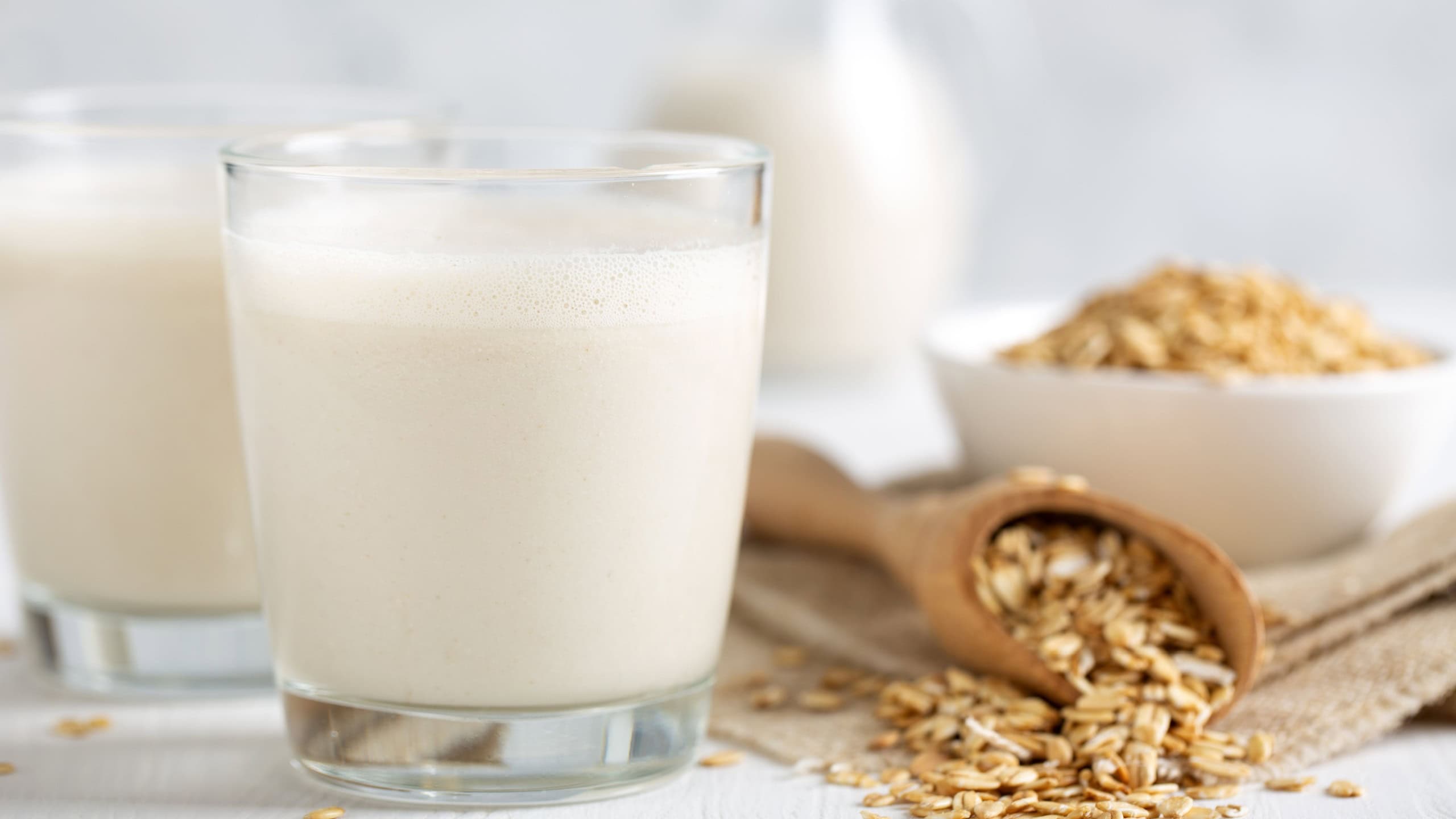
You might want to check the details on your oat milk. It turns out, Earth’s Own makes it a point to use 100% Canadian-grown oats that come mostly from the Prairies, and everything else is also made in Canada. You do get a similar ingredient list with Silk Oatmilk, with oats, oils, and added vitamins, but there’s one big difference.
It’s not Canadian. The contrast in the sourcing story is quite stark, and that could mean that it’s better for you to swap to the Canadian-focused kind.
The yogurt shelf detour
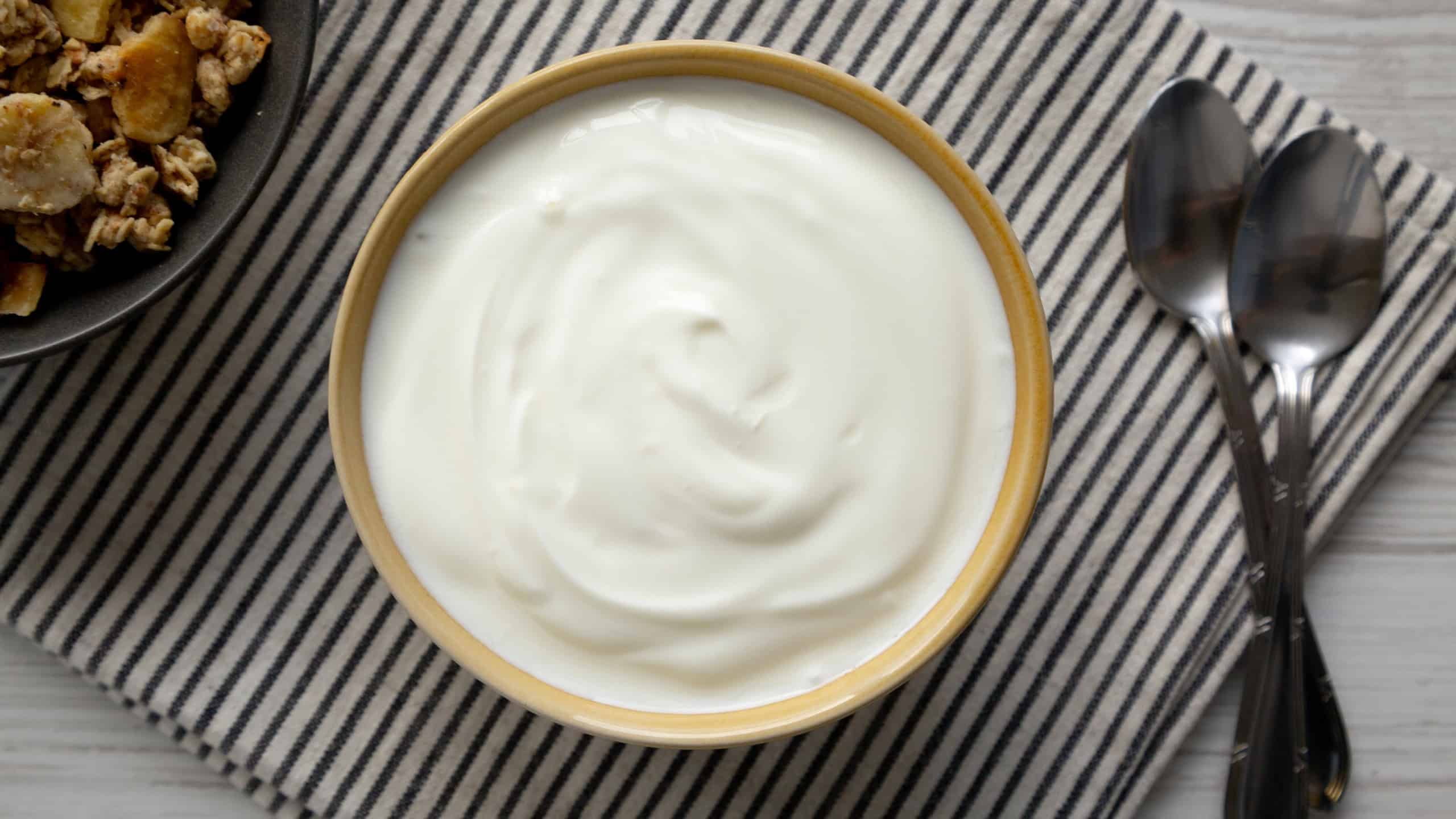
A lot of people skip over one of the best brands on the yogurt shelf, despite the fact that it’s been there practically forever. Quebec-based brand Maison Riviera has made yogurt since 1920, and it uses 100% Canadian milk to do so. That’s quite a contrast from something like Chobani.
The latter is one of the leading U.S.-Greek yogurt brands, and it relies heavily on protein as well as scale. You’re still getting the same thick, spoonable, Greek-style yogurt either way, so why not go for the one with a local production history instead?
The lunchbox move that makes sense
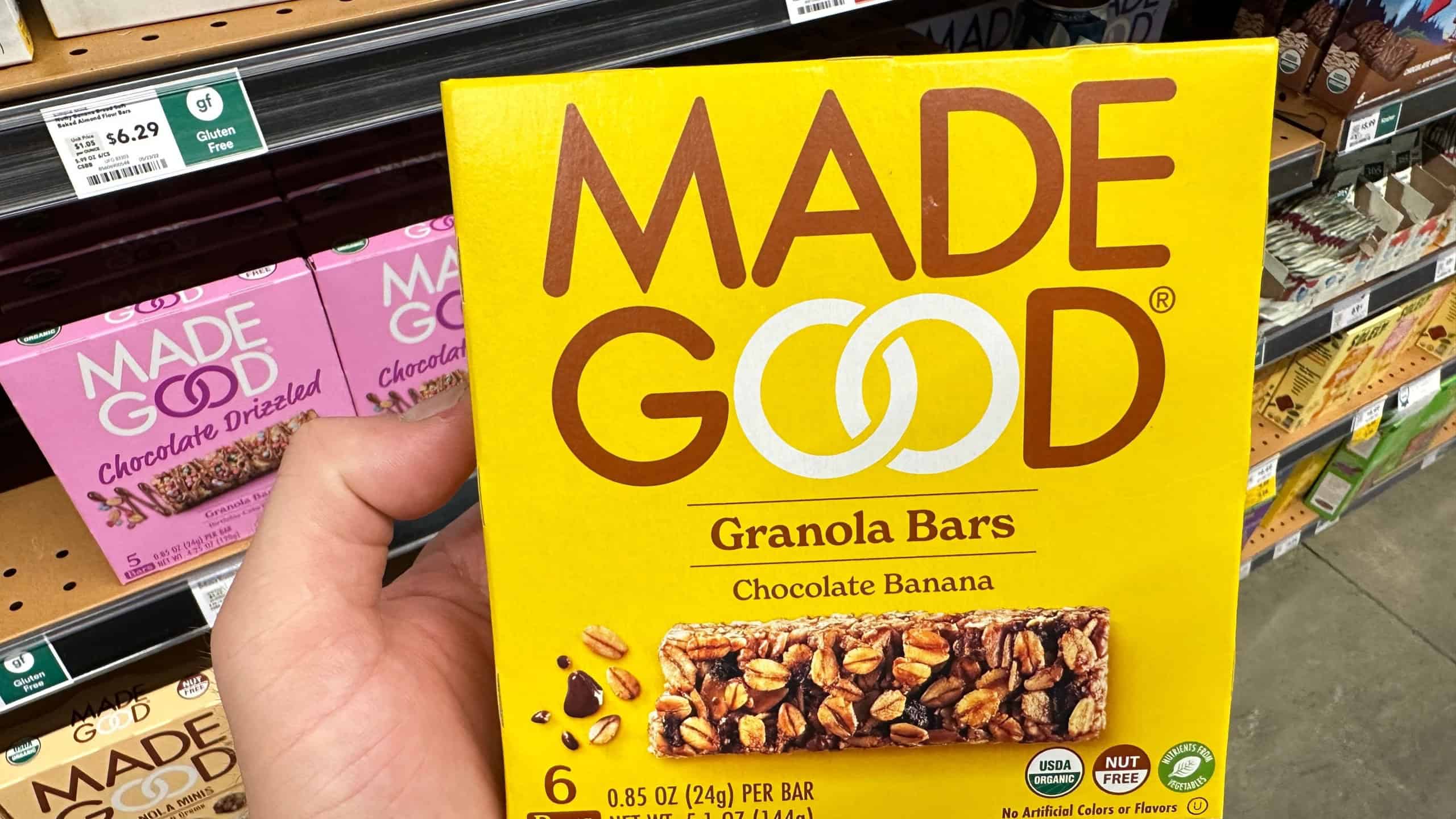
What you pack into a school lunch matters far more than many people think. You can try getting MadeGood bars, which are nut-free and gluten-free. They’re also made in a dedicated allergy-friendly facility.
On the other hand, Nature Valley bars, including Oats ‘n Honey, are made using nuts, and that’s quite a problem for anyone dealing with allergies.
They’re also an American-based product, unlike the Canadian MadeGood bars. Clearly, the manufacturing setup behind these oat-based snack bars isn’t even remotely similar.
The can that changes the category

Honestly, most sparkling water is simply fizzy water with a hint of something. But not Sapsucker. What puts these bottles ahead of the others is the fact that they’re made with organic maple sap and produced in Canada, although that’s not all. The original version uses maple tree water and citric acid.
That’s quite different from LaCroix, which uses carbonated water and natural flavours, meaning that while you crack the can the same way, what’s inside is slightly different.
The refill that changes the math

The different varieties of dish soap hardly reinvent the wheel. However, there are some things that you might want to pay attention to, such as how The Unscented Company sells refill boxes and keeps everything fragrance-free. It also produces everything in Canada only.
Beyond that, the company’s dish soap carries certifications like B Corp and Leaping Bunny, while American-based Dawn doesn’t have the same kind of certifications. Both will clean your dishes just fine. But why wouldn’t you want to go for the Canadian variety?
The tube with fewer extras

Some toothpaste labels can get weirdly long, and that’s why one with a shorter label, like Green Beaver, stands out. Their brand avoids things like SLS, PEG, artificial colours, preservatives, and microplastics in the fluoride-free varieties. They’re also made in Canada.
Yes, Tom’s of Maine does have natural toothpaste as well, and they do also have fluoride-free versions, but you don’t necessarily get the same exclusion list. It might be worth it for some to make the switch.
The pantry pick people miss
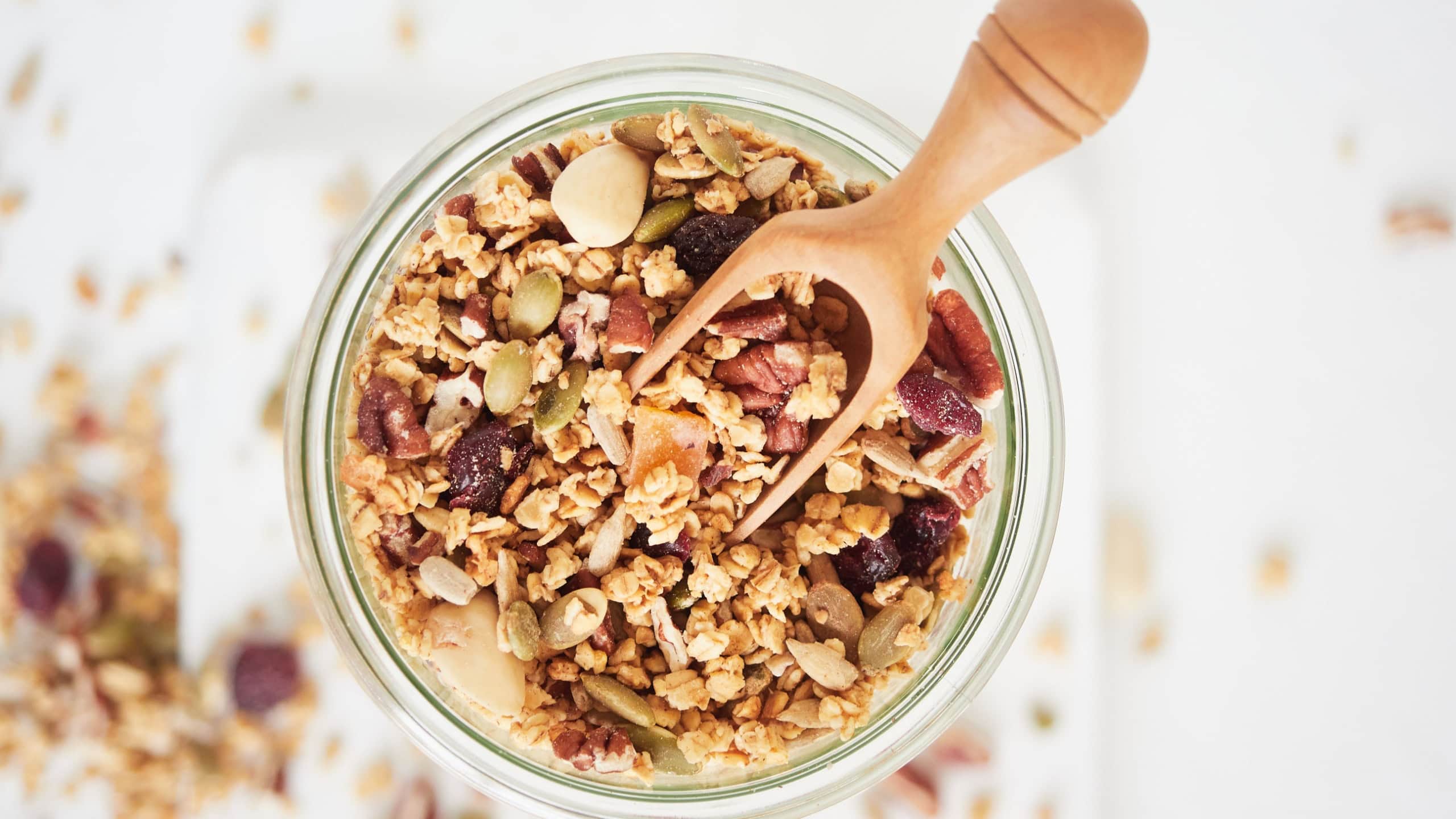
Granola’s another one of those grocery items that doesn’t get much attention. Perhaps it should. After all, Prana Granolove is baked in Montreal and uses Canadian oats, while the Maple Spice version includes real maple syrup. It’s quite different from KIND Healthy Grains Granola.
These bars mix oats with millet and quinoa instead. Both of these granola varieties do make for standard breakfast options, yet it’s hard to deny that the one that ties its sourcing and production to Canada may be a better choice.
Sources: Please see here for a complete listing of all sources that were consulted in the preparation of this article.