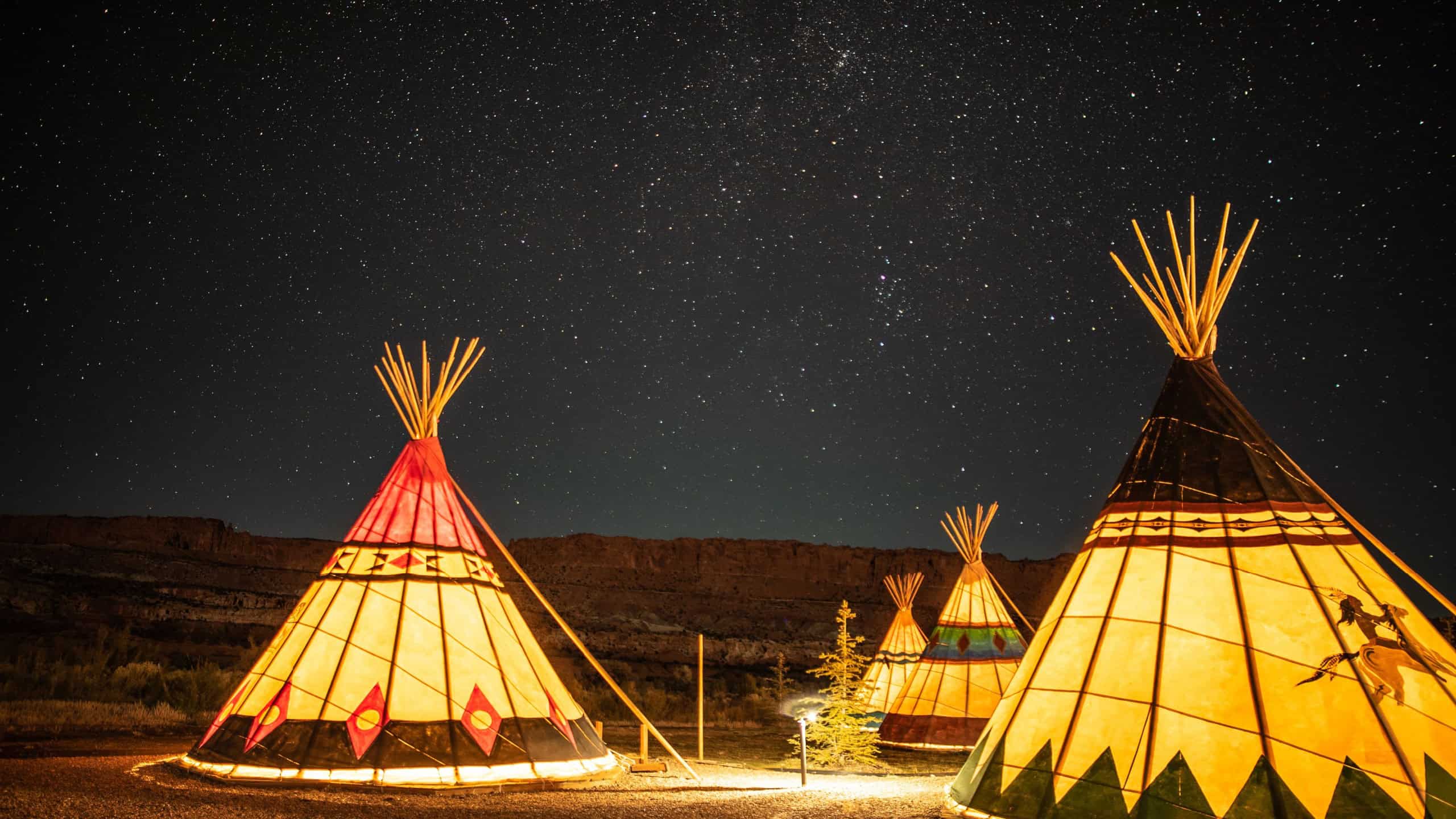
Living with less doesn’t necessarily have to start with a shopping ban or a cleanout of your closet. The truth is, many Indigenous communities across Canada approach lighter living as an everyday reality, rather than a lifestyle goal.
Their shared responsibilities and practical designs changed what they owned. They only keep things for as long as they stay useful.
Best of all, you can try to apply some of these methods to your own life, whether to declutter food or clothing. Here are ten Indigenous approaches to living with less. Which of these do you think you’ll try out?
Potlatch giveaways

The Kwakwaka’wakw see potlatches as something more than a way of saving their valuables. They treat them as social events, where you can intentionally gather food and other goods to give away to guests.
These ceremonies were important moments during social transitions like marriages or name transfers. Essentially, the goal was to move wealth outward, instead of inward. It had the effect of people having fewer stored and unused possessions between gatherings.
Netukulimk

One of the most important principles for the Mi’kmaq is something called Netukulimk. It’s directly related to harvesting and how they use resources, as Netukulimk creates limits on how much people can take. They take what’s needed rather than what’s possible.
It applies to all aspects of their lives, including fishing and hunting, with the idea that it keeps households from over-collecting. Netukulimk also helps avoid having excess storage. They match their use to their immediate needs.
Inuit country-food sharing networks

There are many Inuit communities that encourage harvested country food to be shared. They’ll share meat & fish through family networks, which often means the food that reaches elders and others directly.
In fact, the Inuit have organized redistribution systems that allow them to spread the food relatively quickly. Having food circulate prevents you from needing to have your own stockpiles of the same items at the same time.
Longhouses built for multi-family living
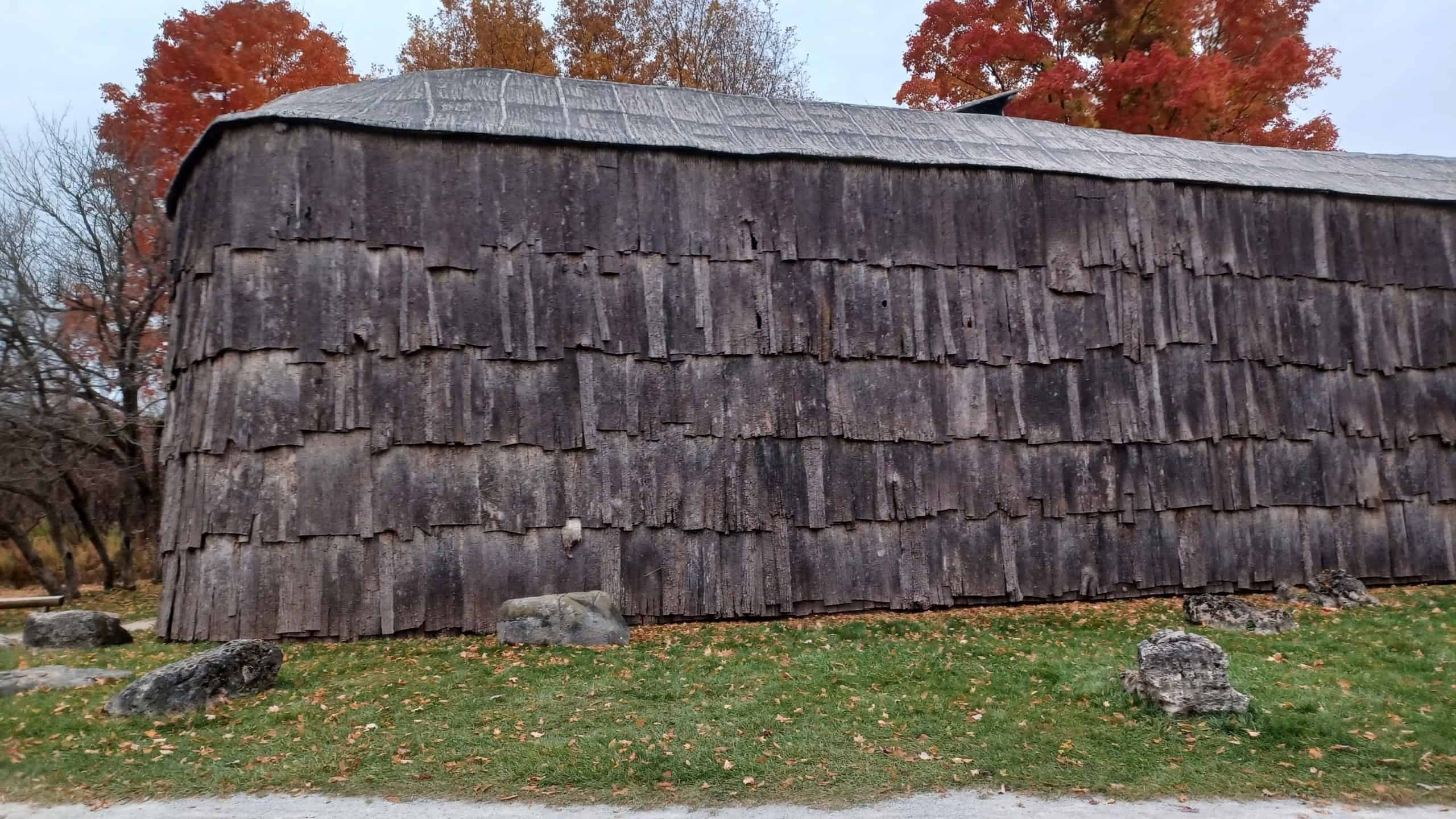
The Haudenosaunee & Huron-Wendat communities use longhouses to house several families together. As such, many people will share walls and fire areas, as well as storage spaces, with each other. Their daily lives happen together inside one structure.
That’s not to say you have to start living with lots of people in one house. However, you could try learning from how these Indigenous communities treat shared tools as something normal, rather than exceptional.
Wabanaki ash-and-sweetgrass basket traditions
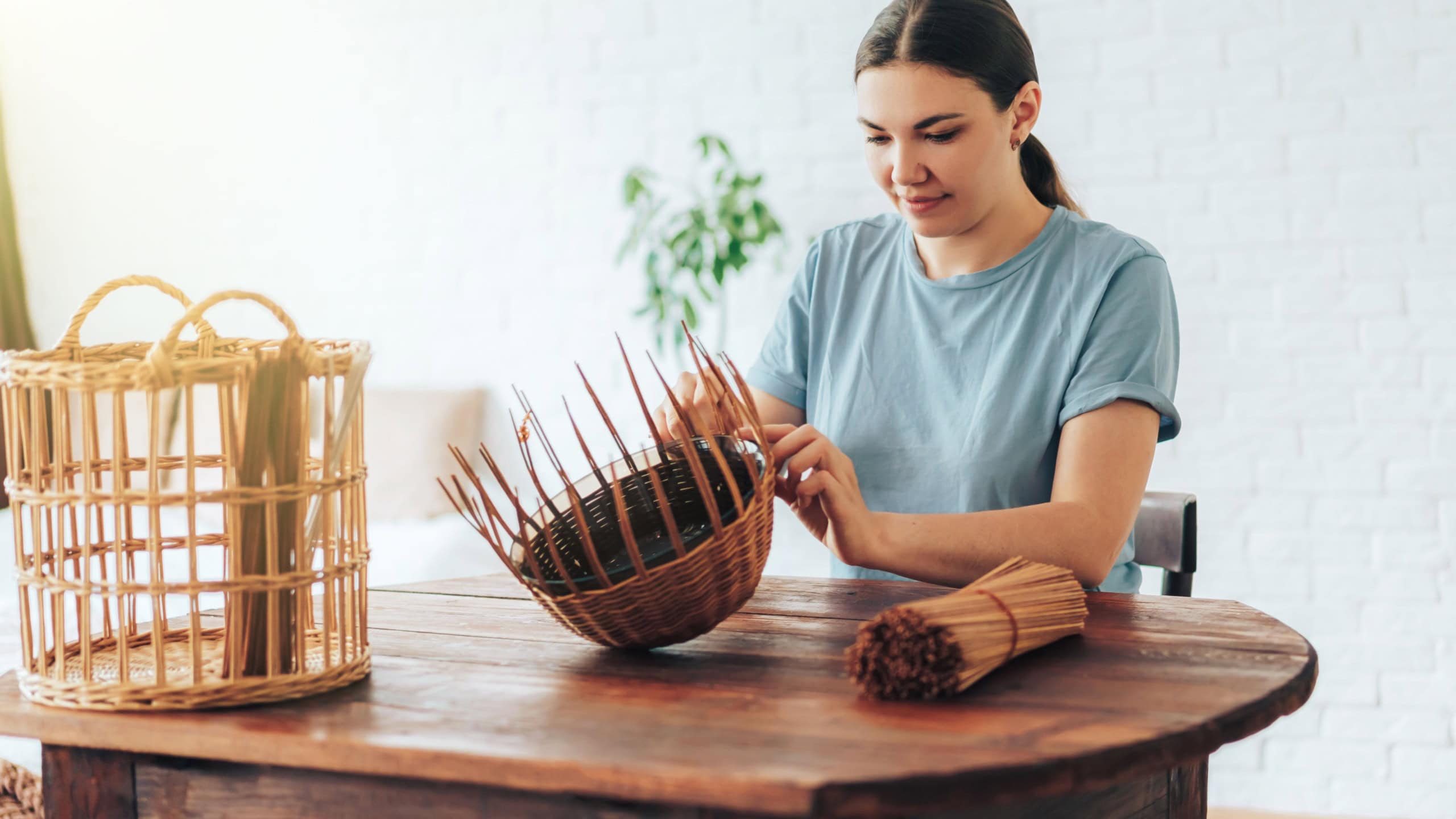
One of the most useful Indigenous approaches to living with less is how they reuse items. For example, Wabanaki basket makers use ash splints & sweetgrass to make containers that they’ll use for storage and so much more. They can use these for years.
It’s a much better idea to have a few good items that’ll last a long time, rather than having a bunch of things that you’ll need to keep replacing. A single Wabanaki basket could work for different things.
Seasonal rounds to limit what people kept year-round

Many Anishinaabe and Dene communities move with the seasons. As a result, they only own what they can move, too, and anything that wouldn’t work across the seasons wasn’t worth hauling. It’s not hard to see how you could apply that to your own life.
Simply pack your place as though you have to move twice a year. Anything that you can’t imagine using for more than two seasons is probably something you don’t need to keep, so perhaps get rid of it.
Communal smokehouses

Many Northwest Coast Nations, including the Haida and Tlingit, have smokehouses to help with food preservation. They process fish in large batches and distribute them. Today, you could try doing something similar by doing shared bulk prep to avoid having too much food.
Another benefit of doing so is that you’ll have fewer gadgets & containers at home. There’s far less pressure to store everything yourself, and that’s always a good thing.
Repair-focused clothing traditions

Repairs were a normal part of life across Plains and Subarctic Nations, with community members seeing worn spots as something to repair, not replace. They’d openly and often patch their clothing.
You could do the same today by keeping your basic repair tools on hand and fixing your clothes where they fail. After all, there’s no point in replacing them simply because they don’t look new anymore.
Housing layouts to reduce personal storage space
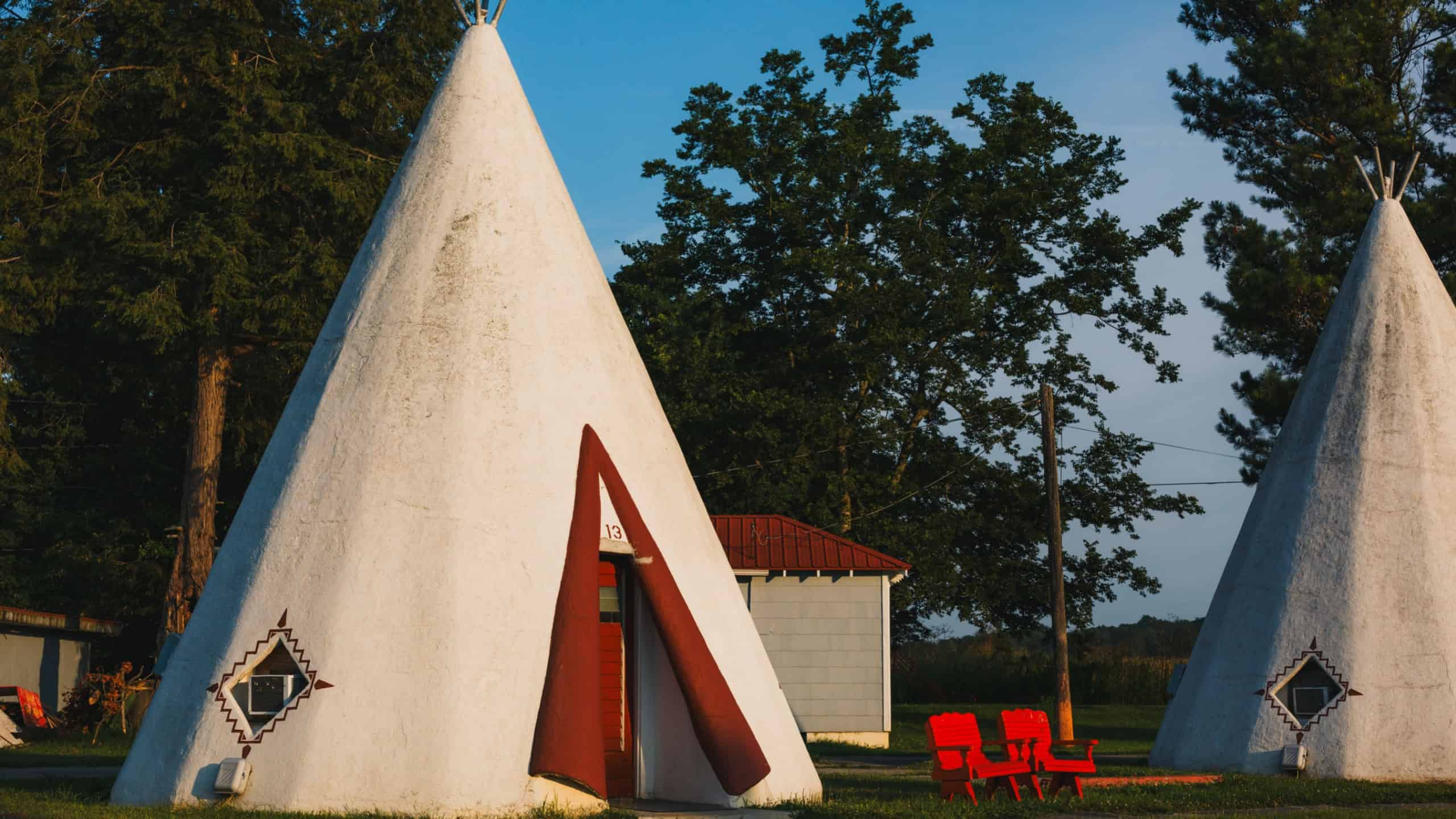
Wigwams and tipis weren’t built with closets or spare rooms. Community members didn’t have long-term storage in mind, but instead, they kept what they used. That was it. It’s something you could apply to your life today by setting limits on storage furniture.
You’ll find it harder to fill your house with stuff when you take away the shelves or drawers where the clutter would go. Essentially, you make the space itself the boundary, instead of self-control.
Limiting children’s belongings

Many children have the issue of having too much in common with their parents. However, not those from the Plains & Woodland Nations, as records show children owned very little. They had only what they could manage themselves.
Try making that a rule in your household by making sure your kids keep what fits in the bag or bin only. As soon as it gets full, they have to remove something before they’re allowed to put anything new in.
Sources: Please see here for a complete listing of all sources that were consulted in the preparation of this article.
Like our content? Be sure to follow us.