Winter driving feels like a completely different sport. The road is suddenly slick, the visibility worsens and even everyday habits, like braking and turning, can be hazardous.
Most winter accidents are caused by basic errors that you’re not even aware you’re making. Here’s a closer look at the most common ones and how to avoid them.
Failing to check tire condition and pressure before winter sets in
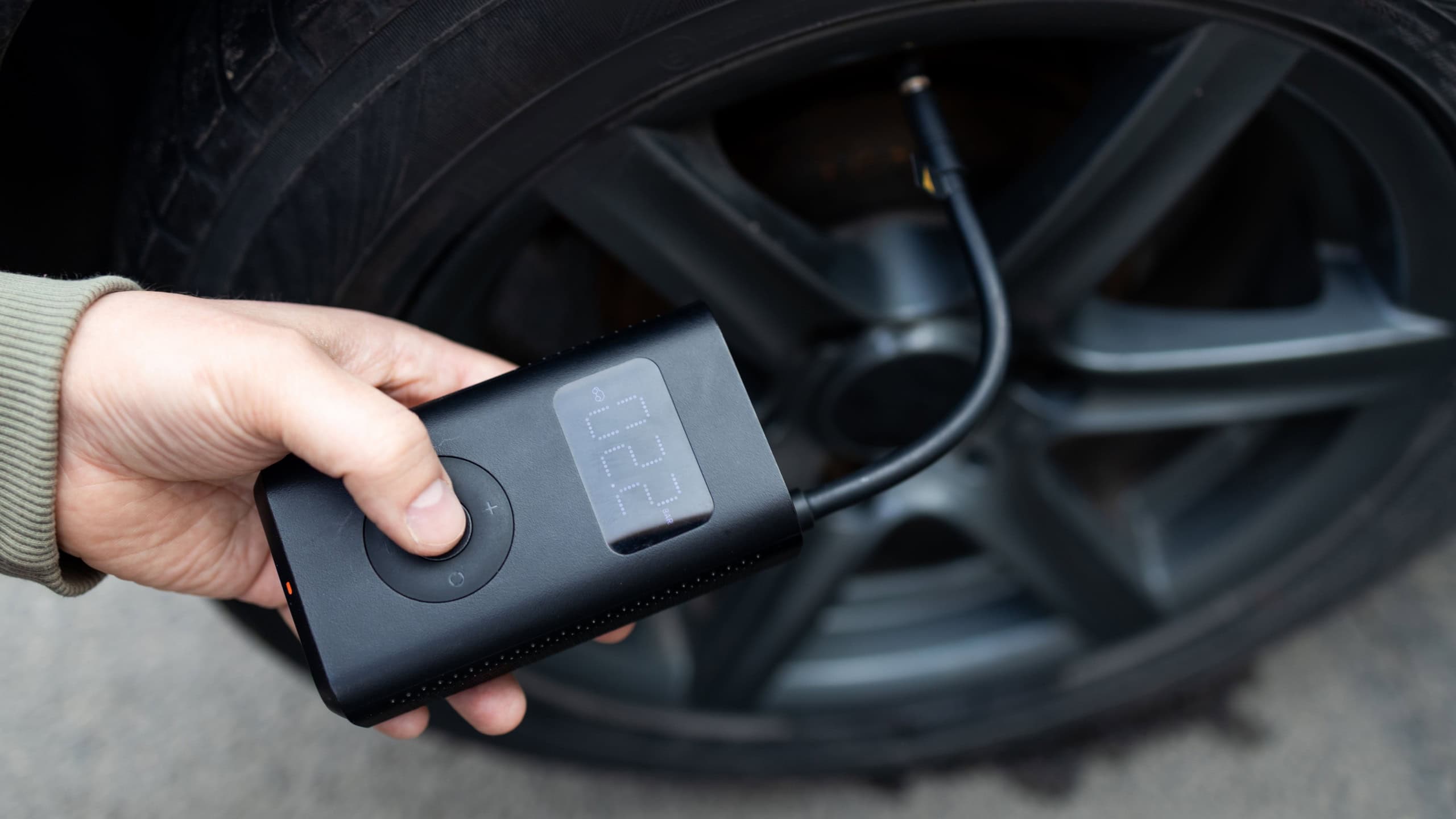
Cold temperatures lower your tire pressure, sometimes by a few PSI. When your tires are underinflated, you have less traction, and that’s even truer on snow or ice.
But many drivers also neglect to check tread depth, and that’s what makes your tires grip the road. Bald tires might be fine during summer, but during winter, they’ll turn your car into a useless, sliding brick.
Driving too quickly in snow or icy conditions
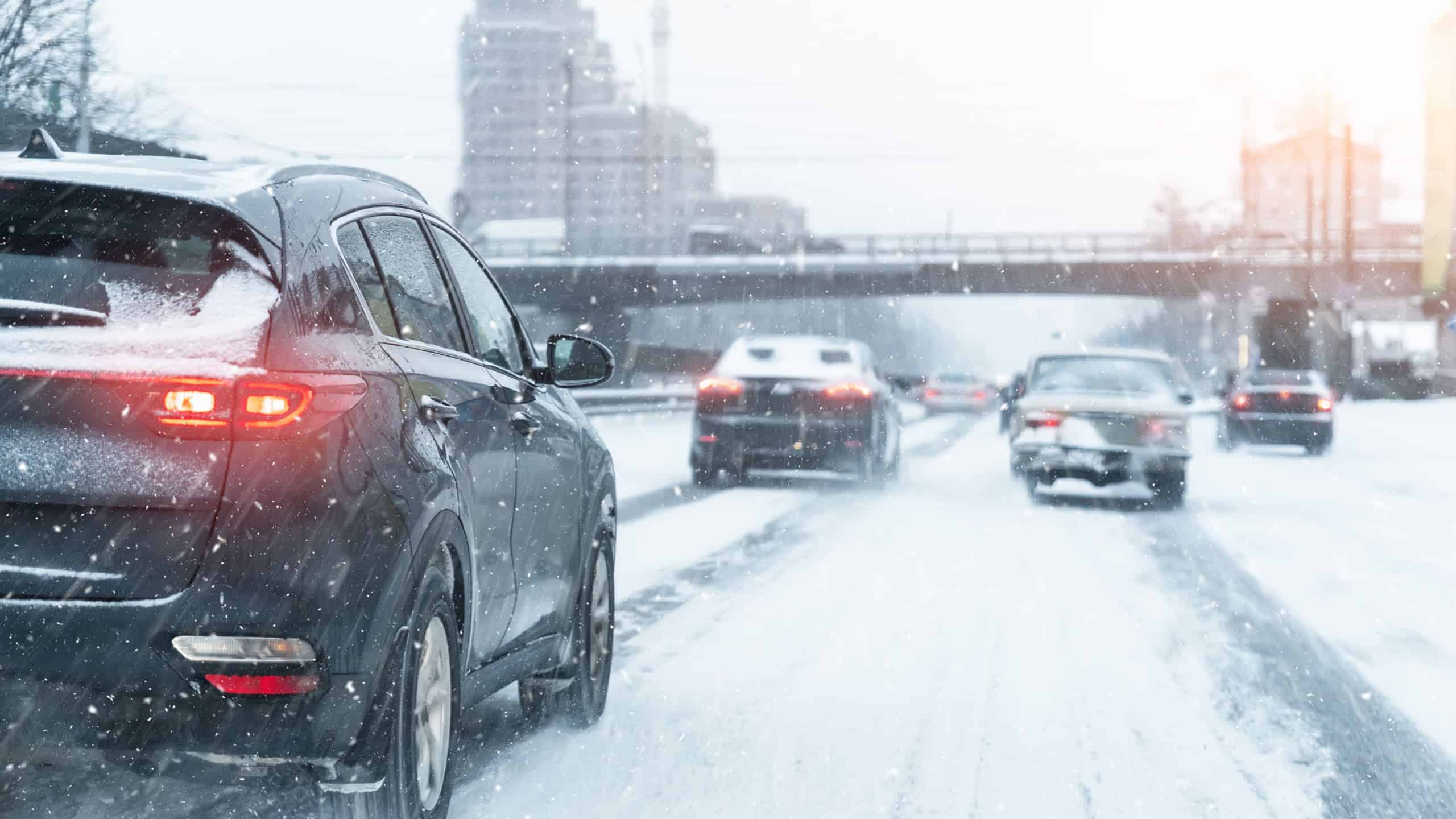
Speed limits aren’t there just for a suggestion. They’re calibrated for ideal road conditions, which you don’t get during winter. Snow, sleet or freezing rain can double the distance your car needs to stop.
But even if the road looks dry, there might be invisible patches of ice which will make your car lose traction in seconds. The easiest way to be safe is by slowing down.
Following other vehicles too closely on slick roads
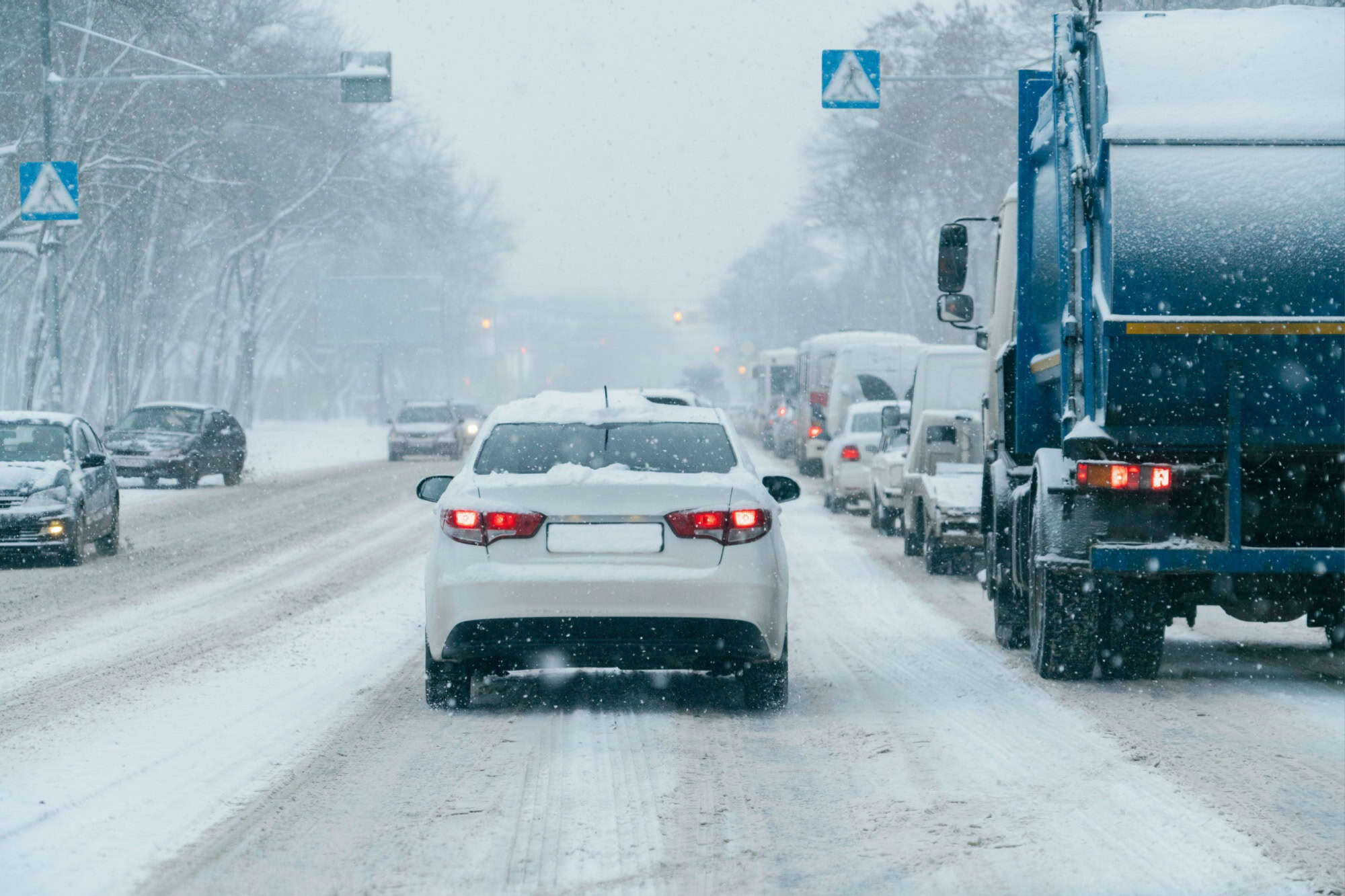
A normal “three-second rule” distance should be more like eight seconds during winter. Cars don’t stop on ice, they glide if the driver slams on the brakes. If the car ahead of you stops suddenly, you need that much more time and space to react without sliding into it.
It might be infuriating to leave so much space in traffic, but that’s a lot less frustrating than getting in a collision.
Misusing winter tires versus all-season tires
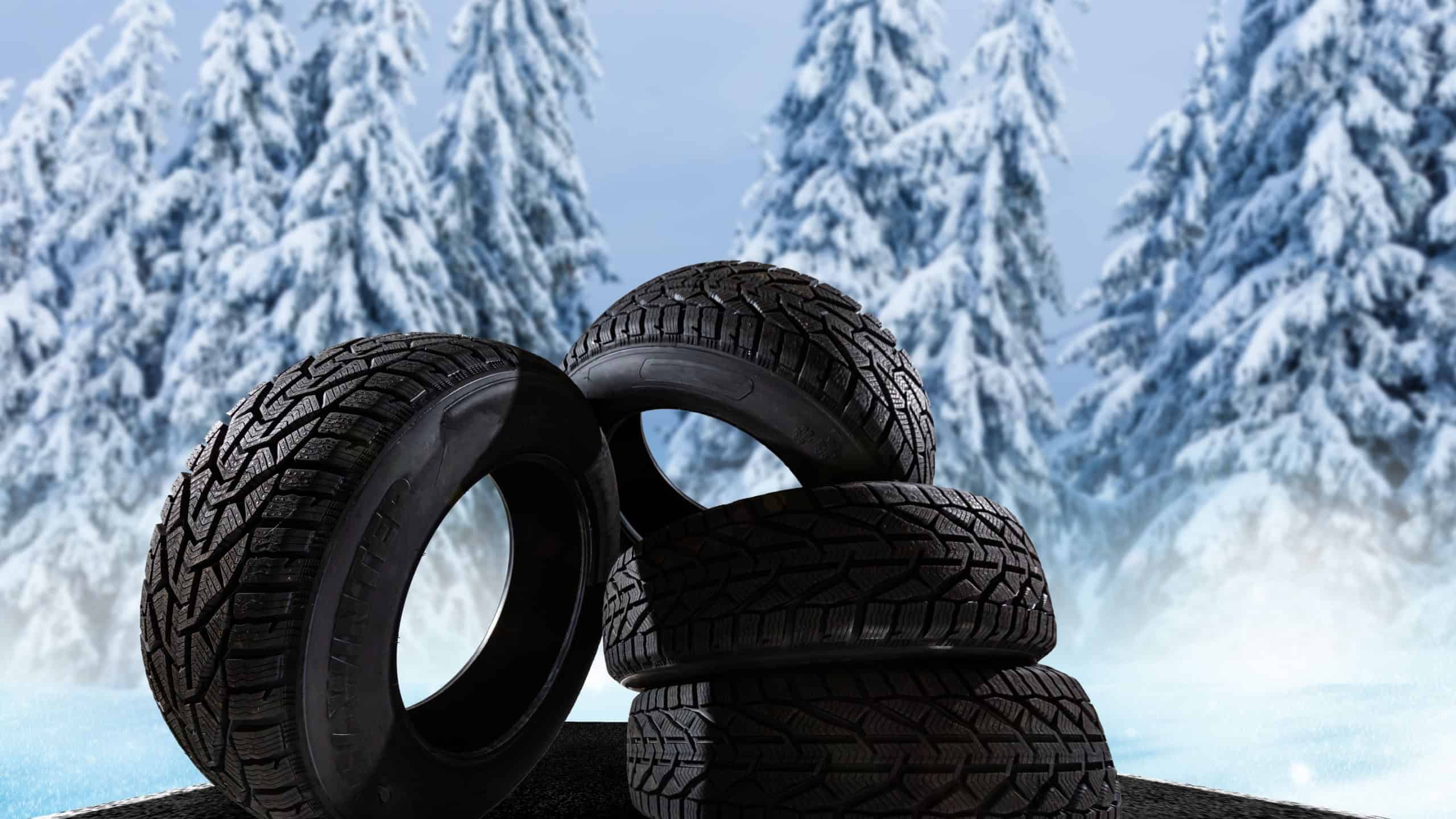
All-season tires are perfect for mild weather but they’re not designed for severe winter conditions. Winter tires are made with softer rubber, and that allows it to remain flexible in freezing temperatures and helps your car to grip the road.
A common mistake is to assume all-season tires are just as good at everything. They’re not. If you’re living in a region with heavy snowfall, then investing in proper winter tires is worth every penny.
Not clearing snow and ice from windows, mirrors, and roof
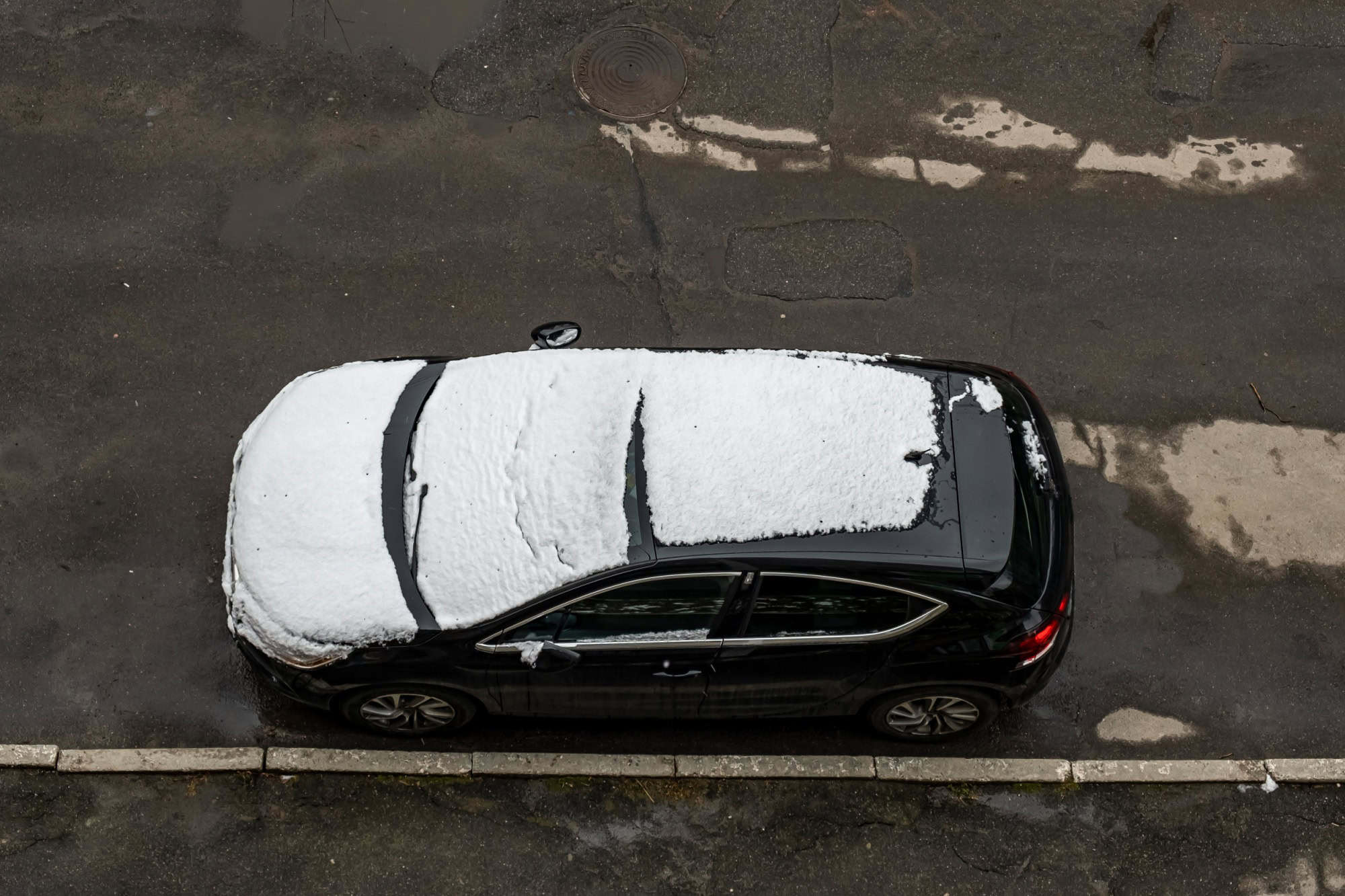
Many drivers scrape only a tiny “peephole” in the windshield and call it a day. But snow on the roof can easily blow off and blind the driver behind you or slide onto your windshield when you brake.
Clear all windows, all mirrors and the roof before driving. It takes just a couple minutes but it can prevent an accident.
Driving over black ice and not expecting ice in shaded areas on roads
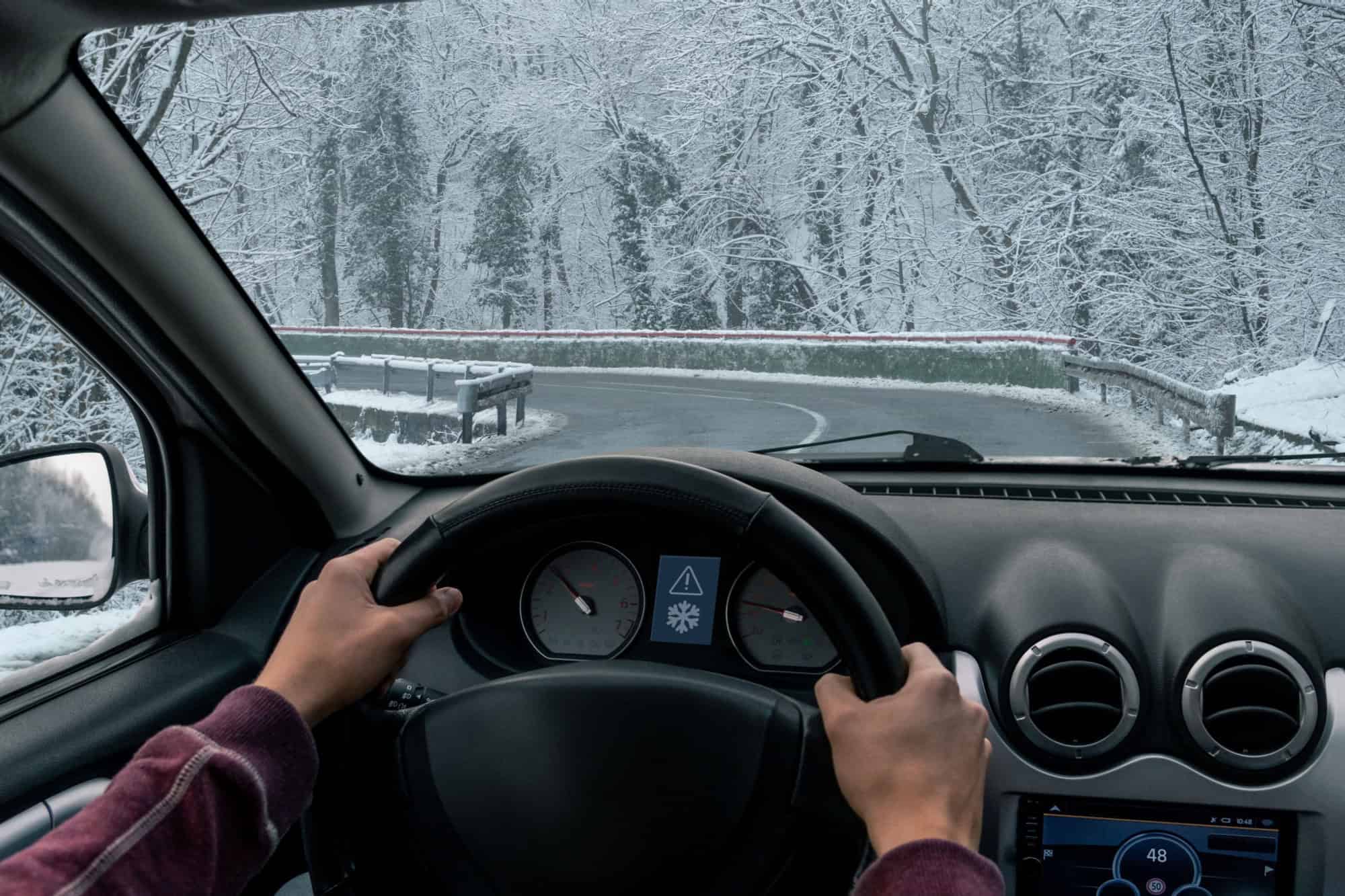
Black ice is a common winter hazard, but it’s also near invisible. It also forms most quickly in areas where the sun can’t reach: bridges, overpasses and shaded turns.
Drivers frequently don’t slow down until it’s too late and they feel the slide. If you approach a stretch that looks even a tiny bit shiny, or you know you’re entering a shaded area, ease off the gas and try to keep your steering light.
Overconfidence in four-wheel drive (4WD) or all-wheel drive (AWD) capabilities
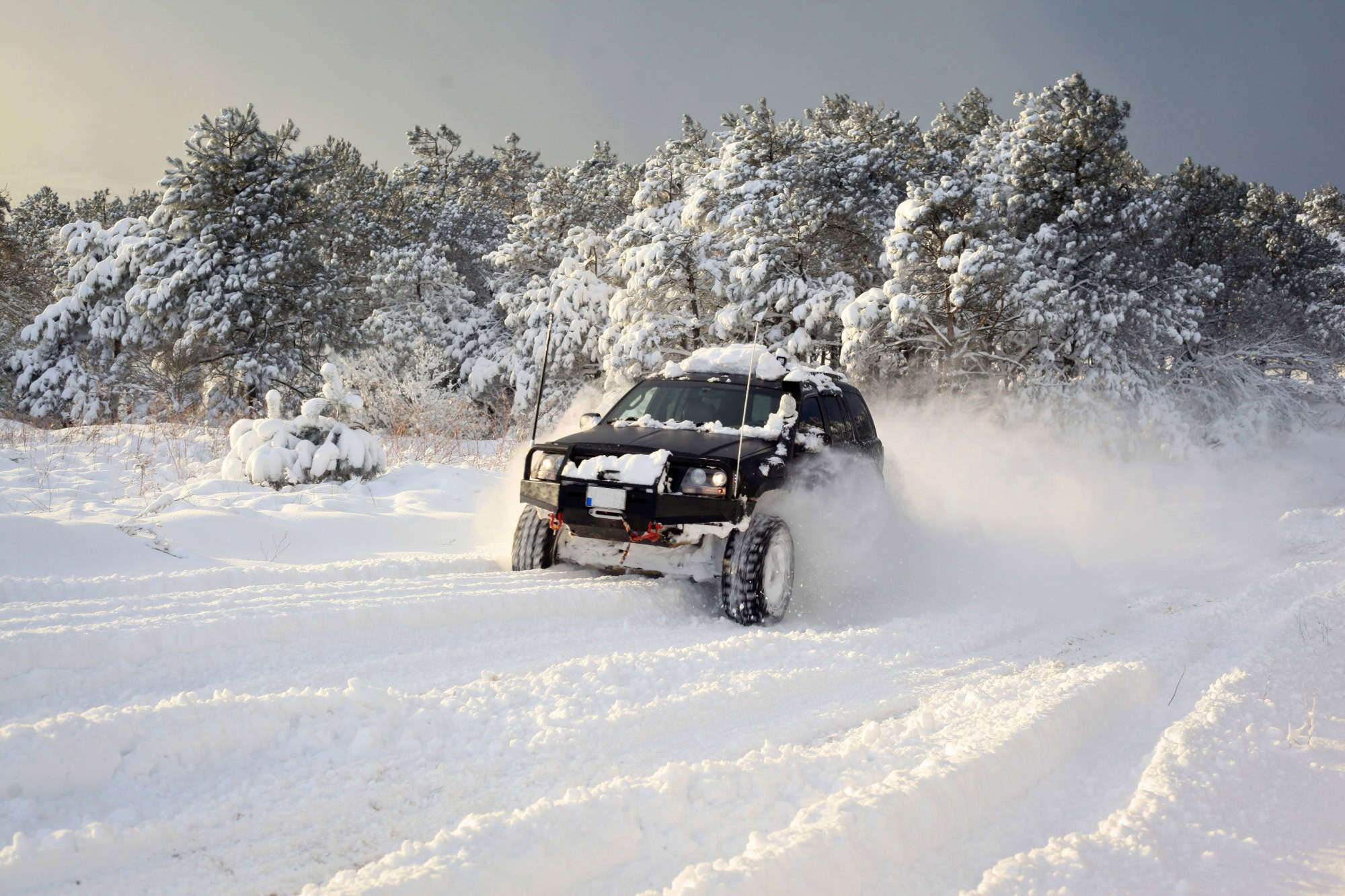
Four-wheel drive helps you move, not stop. Many drivers assume AWD makes them immune to winter conditions. It doesn’t.
You still need the proper tires, the right speed and a lot of caution. AWD might get you moving uphill when the roads are covered in snow, but it won’t save you if you hit an icy patch at high speed or slam on the brakes.
Applying the brakes suddenly or making turns too sharply
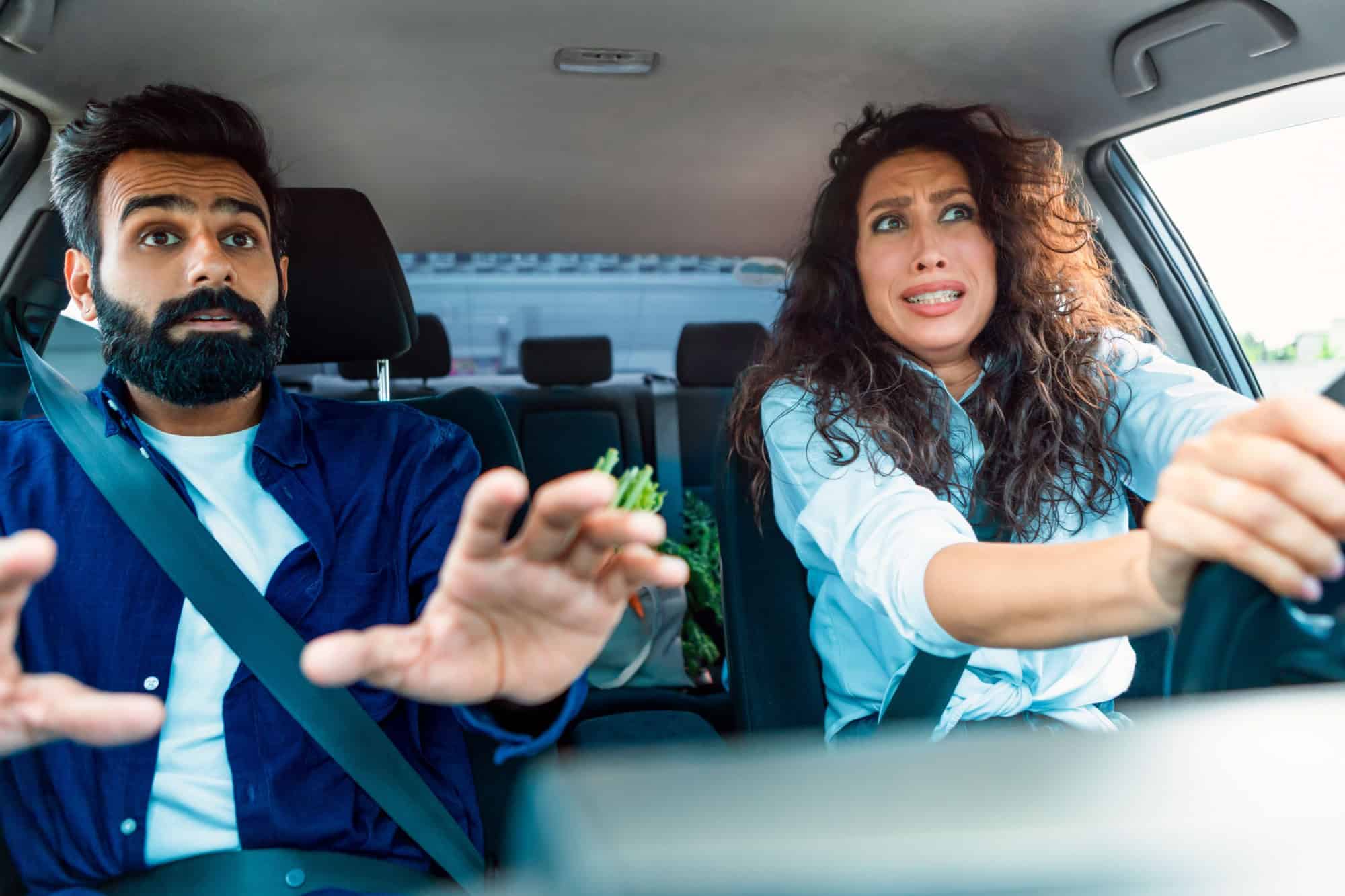
Winter roads are for smooth and slow movements. Slamming the brakes, jerking the steering wheel or gunning the engine are all recipes for your car to skid.
Gentle is the magic word in winter. Slow down gradually, turn at a moderate speed, and brake well in advance so your tires have time to grip.
Driving without an emergency supply kit in the vehicle
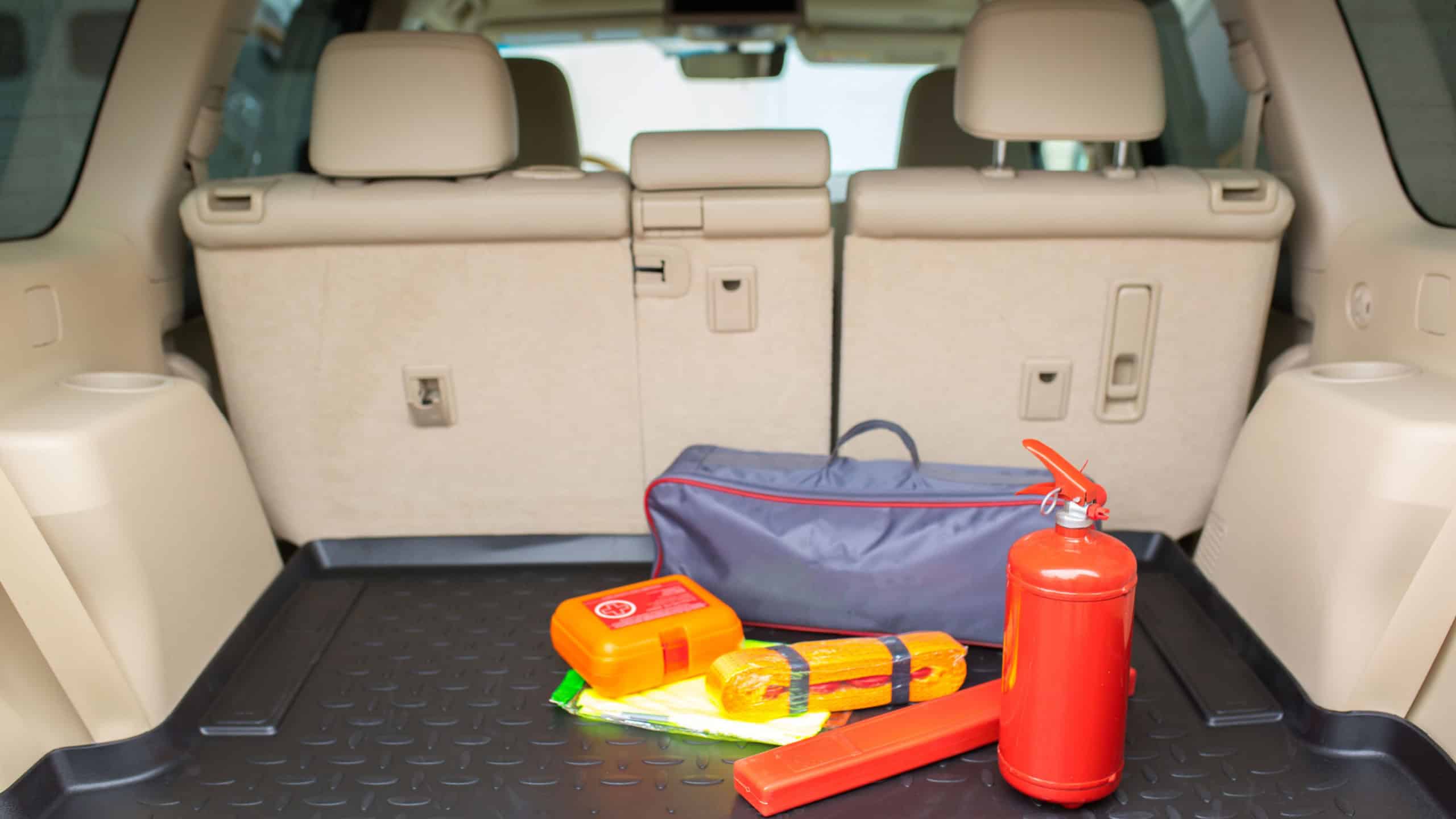
Getting stuck or stranded is more likely in winter, but many drivers still go with nothing but a half-empty water bottle in the car.
An emergency kit should have blankets, a flashlight, a small shovel, a phone charger, some snacks and a container of sand or kitty litter to provide traction. It sounds old-school, but it can save your life if you get stranded in freezing conditions.
Driving distracted in winter conditions
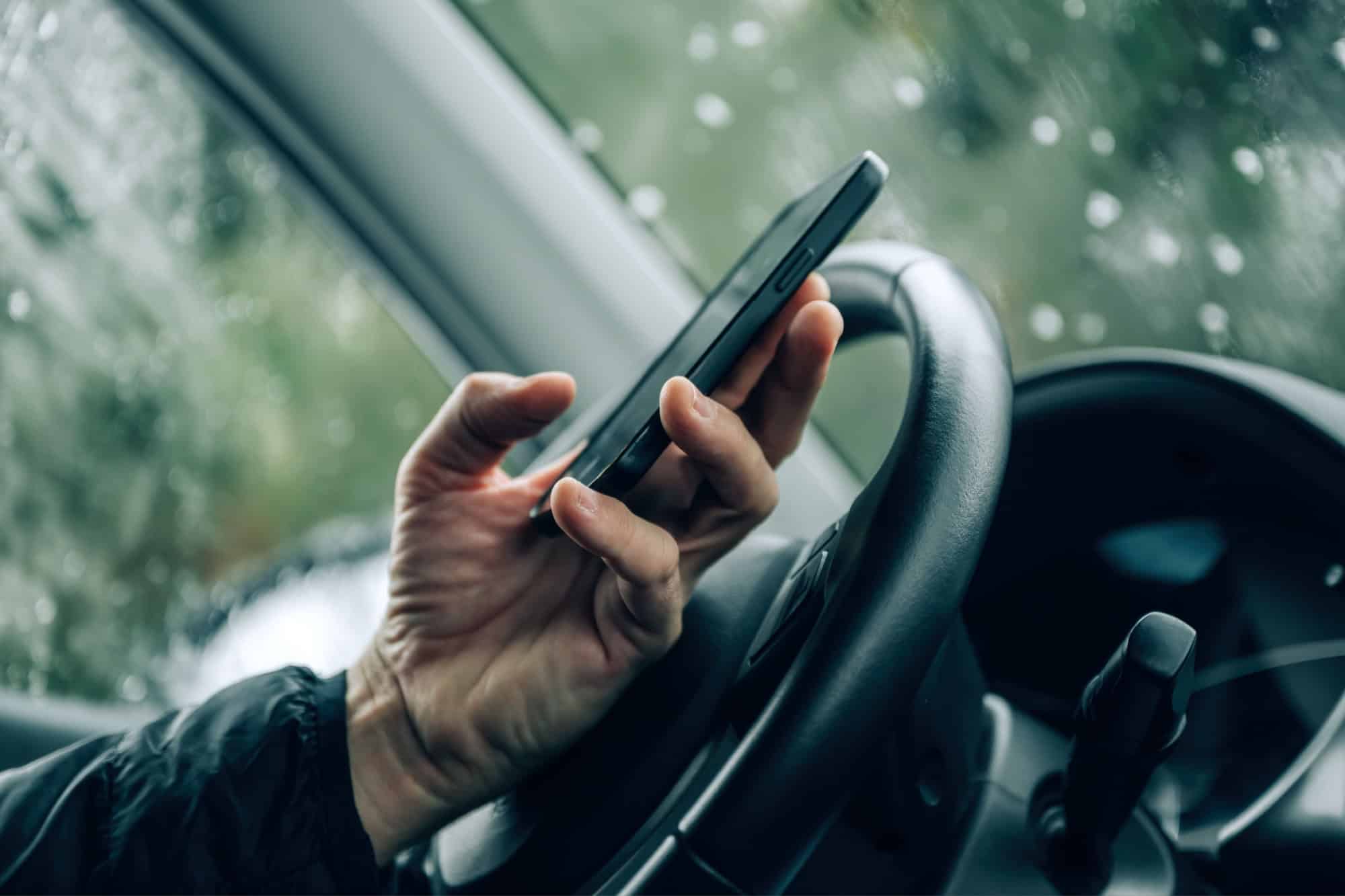
Looking at your phone or fiddling with the radio is dangerous any time of year. But in winter, the margin for error is significantly less.
A single second of distraction can be all it takes to run onto a patch of ice or drive into oncoming traffic. You can make your winter driving much safer by keeping your attention fully on the road.
Not adjusting your speed for reduced visibility
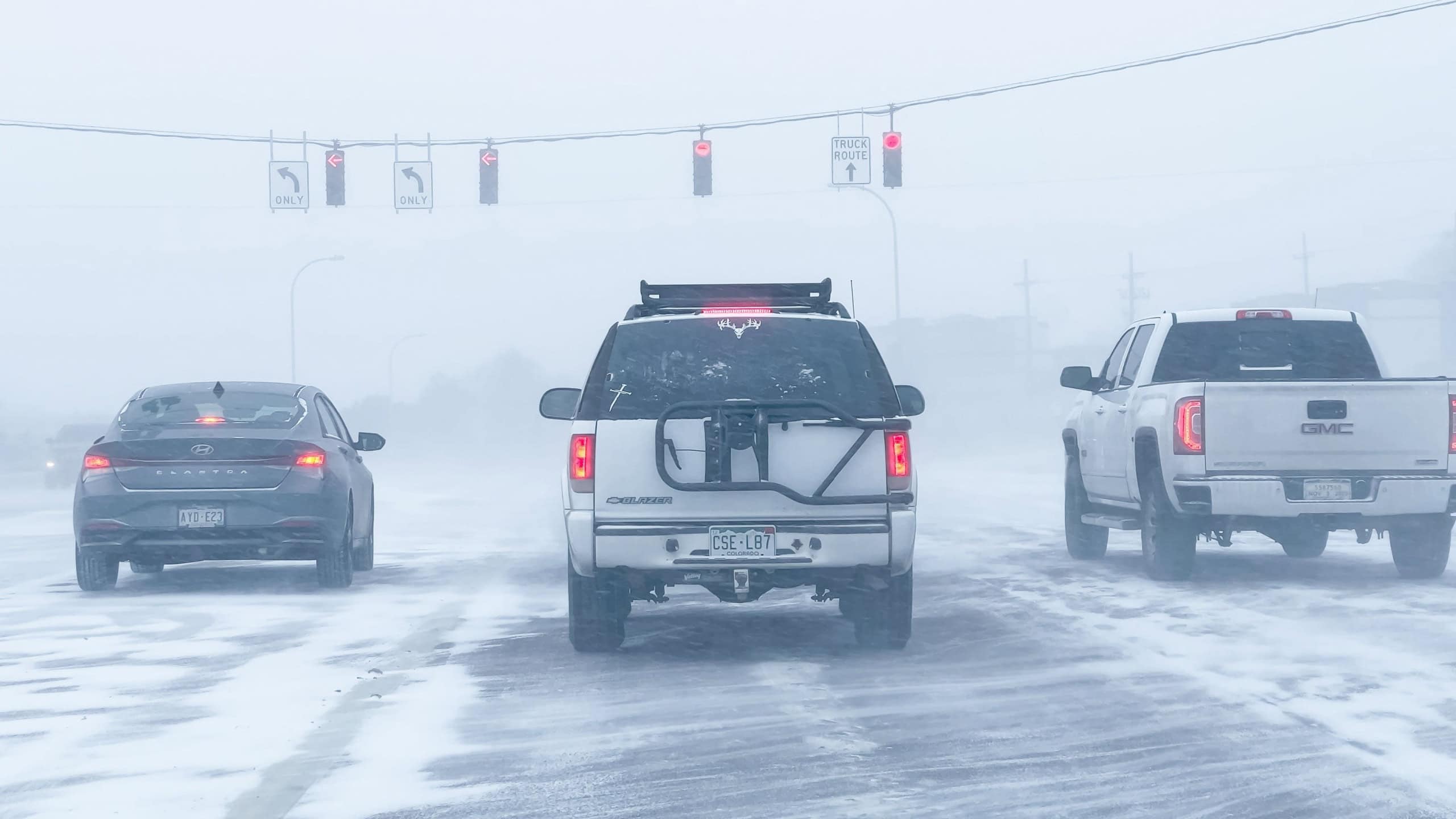
Snowstorms do more than just make the road slippery; they also severely cut visibility. But many drivers don’t slow down much, assuming that as long as they can “sort of see” they should be fine.
However, when visibility is low, your reaction time shortens, and hazards just spring out of nowhere. Slowing down and using low-beam headlights can make a world of difference.
Poor maintenance of windshield wipers and washer fluid
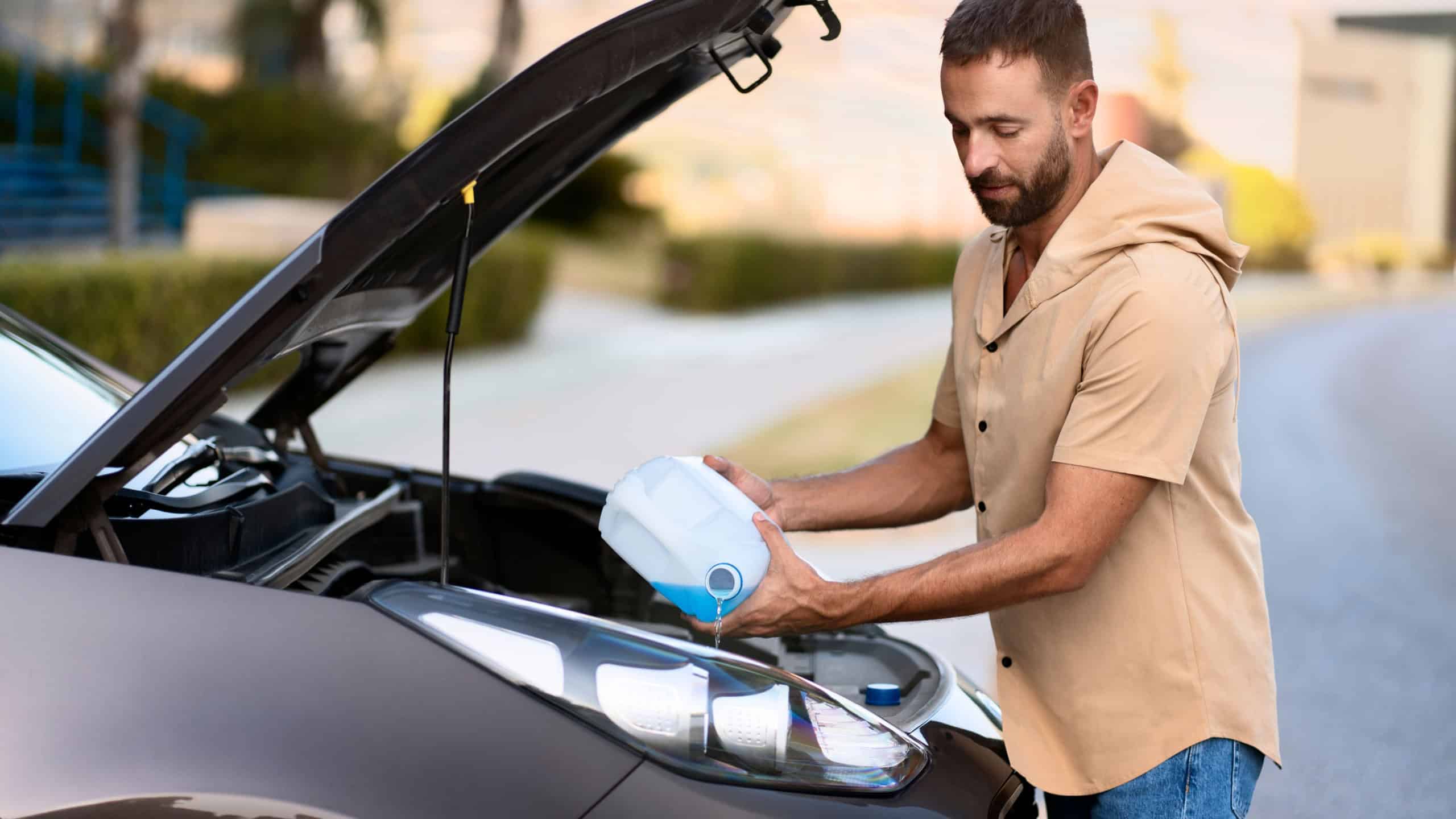
Windshield wipers are in use much more often in winter, but few people replace them until they leave streaks across the windshield. Old wipers smear snow and slush, instead of wiping it off, making the visibility even worse.
And if you aren’t using winter-grade washer fluid, it will freeze in the tank or on the windshield. Check the wipers before winter and refill with a freeze-resistant fluid.
The following sources were consulted in the preparation of this article: