
It’s not always clear when someone disapproves of your actions. A few people express it through the changes in how they speak, as well as what they don’t say. Even how they move is rather telling.
Here are twelve behaviours that are often seen in people who secretly disapprove of what you have to say. Which have you noticed before, and why?
They pause, then respond politely

You might notice that the other person waits a bit longer to reply. They might glance at their phone or look away for a moment before they finally give you an answer that seems overly polite.
It could be that they disapprove. Research on passive-aggressive behaviour has found that delayed responses are typical among people who silently disagree with something.
They switch to overly formal language

Normally, the other person is relaxed. But now they’ve begun using full titles & formal phrasing, perhaps also stiff sign-offs in their written messages.
Communication research claims that such a change creates distance in a conversation. It’s quite common when the other person doesn’t want to show closeness or agreement, yet still wants to seem polite. Don’t fall for it.
They sit with arms crossed or lean back

Body language says a lot, even when words say something else. Someone might cross their arms and angle their body away slightly while they claim that everything’s “fine.”
According to body language research, such a closed posture is usually someone’s way of rejecting the other person through their body. They’re trying to subtly show they disapprove.
They add small corrections

They don’t directly say that they disagree with you. Instead, they correct a minor detail & adjust a statement, maybe also phrase their response as though they’re asking for clarification. Their words are rather telling.
Linguistic studies have found that small corrections are usually a way of indirectly expressing disagreement. It reframes the other person’s point without challenging it.
They say “If that works” or “That’s an option”

That’s not all for language. Linguistic research also notes that indirect speech in sentences like “If that works for you…” or “That could be an option” is rather telling.
These sentences help them to mask their reluctance. They don’t need to openly disagree, but simply hint at it in a way that they hope you won’t take offence at.
They adjust how closely they stand

You may notice that they keep their usual distance, right up until one moment. It’s when one particular subject comes up that they don’t want to talk about.
Research shows that people tend to shift their bodies a little further when they’re talking about something that they disagree with. Yes, they keep smiling & chatting. But their closeness to you (and the topic) says otherwise.
They reuse the exact same neutral phrase

Neutral lines are short things like “okay” or “if you say so.” Linguists claim that overusing these lines suggests that someone’s feeling anything but okay.
It’s especially important when it happens only during a specific topic. It becomes a person’s safe zone, a way for them to avoid giving an idea any real support, while also not coming across as obviously rude.
They smile less only around one person or plan

A person can be perfectly friendly & smile through most of the conversation. Yet it all changes once a certain person joins in or a particular topic comes up. Soon enough, their smile fades just a bit.
Nonverbal research claims that reduced smiling is linked to a lower sense of approval, and it’s also meant as a form of distancing.
They never allow micro-overlaps in speech

Most conversations have small moments of supportive overlaps. These include small “yeah” sounds, or a word starting a split-second early, and it’s perfectly normal. It’s bad news when they disappear.
Overlaps that vanish during certain topics indicate that a person doesn’t agree with that topic. At least, it’s what research has found out.
They drop your usual name or nickname
They normally call you by a nickname, perhaps they might use your name, and it makes you feel good. But they never do it during one topic.
According to studies on address in language, such a shift is connected to a reduced sense of closeness. Someone who doesn’t refer to you by name may not approve of you generally.
They tighten the skin just below the eyes
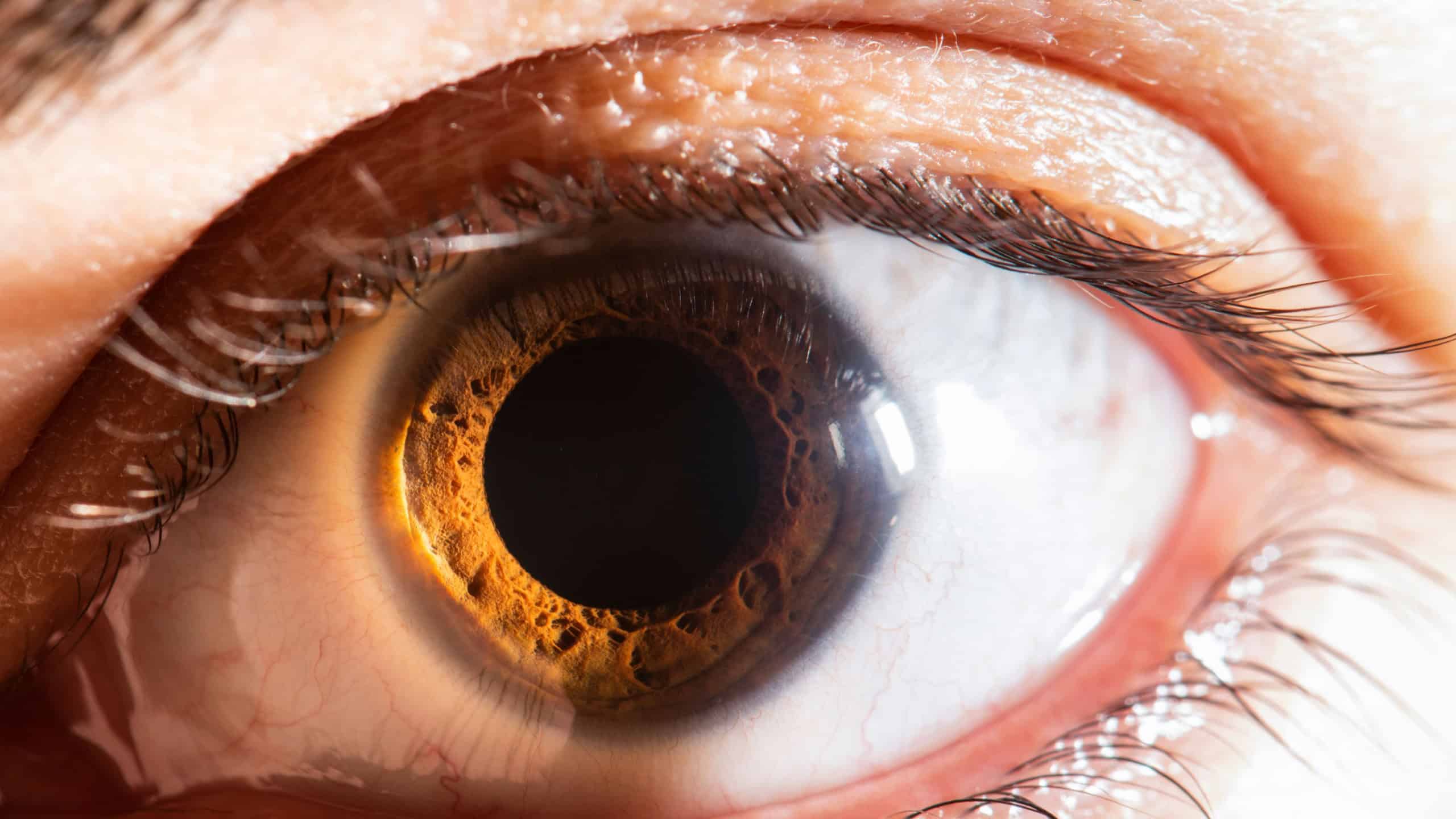
Your eyes say a lot. It’s quite telling when you see a small amount of tension under the eyes that’s gone almost as fast as it arrives.
Known as lower-eyelid tightening, micro-expression studies have found that it’s connected to mild negative judgment. Everything else on their faces seems neutral. But whenever they disapprove, the eyelids tighten.
They lower their eyelids slightly longer than usual

A similar sign is when someone’s eyelids lower ever so slightly. It looks almost like a slow blink, as their lids will drop for a split second, and it’s something researchers have studied in detail.
It’s connected to a feeling of disapproval. A person’s blinking will go right back to normal once the topic changes, so many people never notice the change.
Sources: Please see here for a complete listing of all sources that were consulted in the preparation of this article.